You’d think lead poisoning belonged to history books, wouldn’t you?
Something our grandparents worried about, not us. But walk into the wrong house, and you’re stepping into a health crisis that’s been hiding in plain sight for decades.
The truth is uncomfortable yet straightforward: that charming older home with character and history might be harboring lead-based paint, and it remains the biggest threat to children’s health when it comes to lead exposure.
Understanding where lead lurks, who’s most at risk, and how to protect your family isn’t just helpful information. It’s essential knowledge that could change everything about how you see the spaces you live in.
The Number One Source of Lead Poisoning Today
The year 1978 marks a turning point when the federal government finally banned lead-based paint in residential properties.
Homes built before this date often contain layers of lead paint beneath newer coats, and as that paint ages, it creates something far more dangerous than peeling walls.
The real threat comes from lead dust, nearly invisible particles that settle on floors, windowsills, and tiny hands.
Renovation projects stir up decades of accumulated contamination.
Children face the highest risk because their developing brains absorb lead more readily, and their natural curiosity means more hand-to-mouth contact with contaminated surfaces.
How Lead Paint Turns Into Dangerous Dust?
Paint doesn’t just sit harmlessly on walls forever. Over time, moisture and wear turn old lead paint into a silent hazard.
Windows that slide, doors that rub, and any friction surface become dust factories. When renovations begin without proper precautions, sanding or scraping releases clouds of lead particles that settle everywhere.
Outside your home, decades of deteriorating exterior paint have contaminated the soil around foundations and porches, especially in high-traffic areas where children play.
This contaminated dirt gets tracked indoors on shoes, creating an ongoing cycle of exposure that’s difficult to break without knowing it exists.
Other Major Sources of Lead Exposure Today
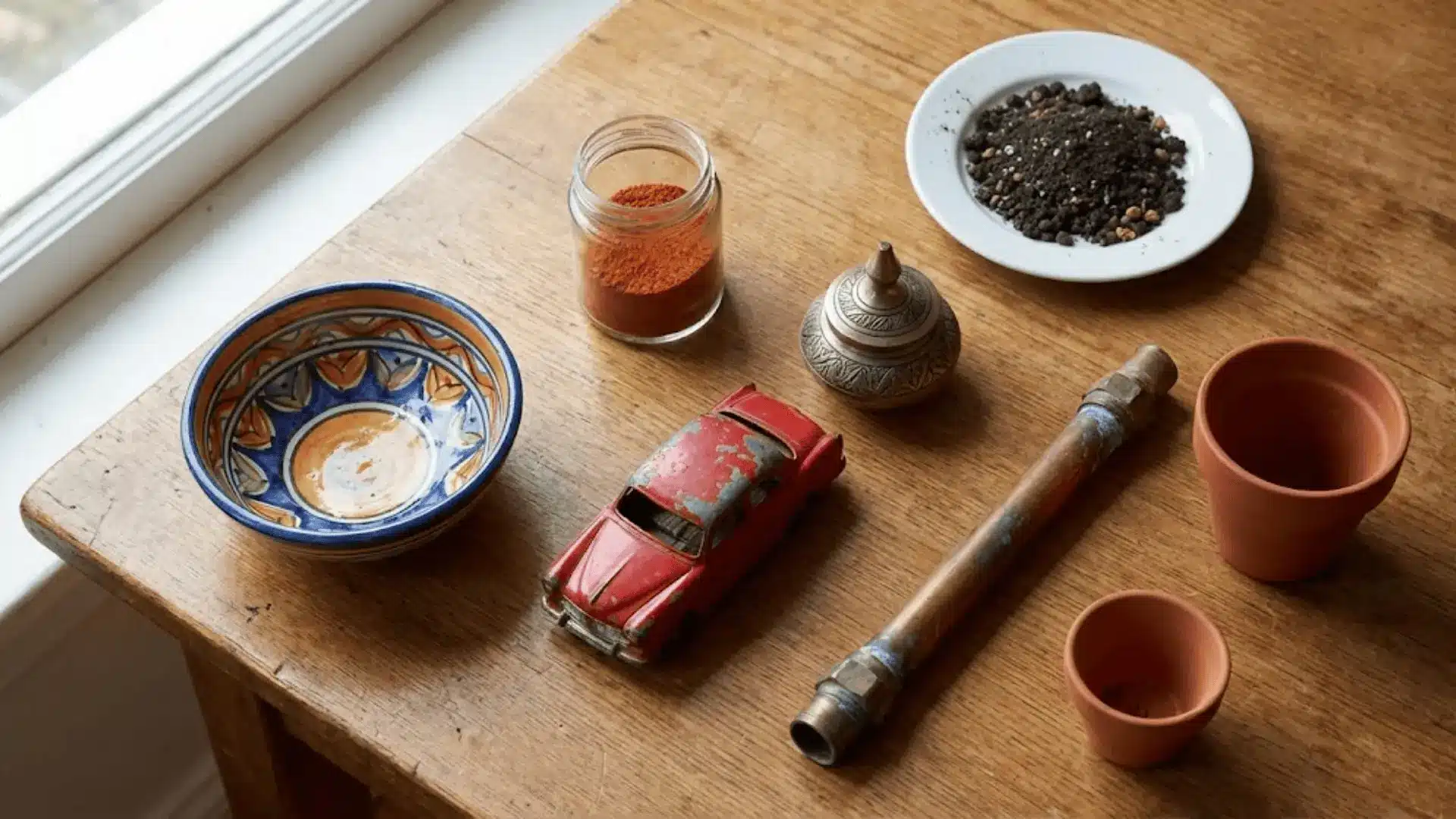
While lead paint dominates the conversation, it’s not working alone. Several other sources quietly contribute to lead exposure, each carrying its own set of risks worth understanding.
1. Contaminated Soil
Decades of leaded gasoline exhaust and deteriorating exterior paint have left their mark on urban soil, particularly near busy roads and older buildings.
Children playing in yards, gardens, or parks can ingest contaminated dirt through normal play. Cities with industrial histories often have elevated lead levels in their soil, making location a significant factor in exposure risk.
2. Drinking Water
Older homes with lead pipes or solder can leach metal into water during corrosion. Although water contamination makes headlines, paint-based exposure is a bigger concern.
The risk rises in areas where water corrodes pipes, releasing stored lead into your supply tap. Understanding when lead was banned in various products helps explain why older homes carry higher risks.
3. Imported Products
Lead hides in unexpected places you’d never suspect. Some products manufactured overseas lack the strict regulations applied domestically, and traditional items from various cultures sometimes contain alarming lead levels:
- Brightly colored toys and children’s jewelry with lead-based paint or components.
- Traditional spices and food products are contaminated during processing or storage.
- Certain cosmetics and traditional remedies, particularly kohl eyeliners and ayurvedic preparations.
- Decorative ceramics and cookware with lead-glazed surfaces that leach into food. Knowing which lead-free dinnerware brands meet safety standards helps you make informed purchases.
4. Occupational Exposure
Workers in construction, battery recycling, and manufacturing face direct contact with lead materials. The danger doesn’t end at the workplace.
Contaminated work clothes and tools bring lead dust home, creating secondary exposure for family members. Children of these workers face a raised risk simply from hugging a parent before they’ve showered and changed.
Why Children are at the Highest Risk
Children’s bodies work differently when it comes to lead. They absorb it more readily than adults, and the timing couldn’t be worse.
Toddlers explore everything through touch and taste, constantly moving their hands from floors to mouths. This natural curiosity turns invisible dust into serious exposure.
What makes it devastating is timing. Their brains are building crucial neural connections during these exact years, and lead disrupts that delicate process.
The damage isn’t something they outgrow. Early exposure shapes learning ability, behavior, and potential in ways that last well beyond childhood.
Symptoms of Lead Poisoning
Lead poisoning rarely announces itself early. Children can have dangerous levels in their blood without showing any obvious signs, which is exactly why it’s so insidious.
When symptoms do appear, they often mimic other common childhood issues, making them easy to dismiss.
- No visible symptoms in early stages, even with elevated blood lead levels.
- Developmental delays in speech, motor skills, and social interactions.
- Learning difficulties and shorter attention spans affect school performance.
- Unexplained irritability, fatigue, and loss of appetite that seem ongoing.
- Severe cases bring abdominal pain, vomiting, seizures, and require immediate medical attention.
By the time symptoms become obvious, significant damage may already be done. This is why testing matters more than waiting for warning signs to appear.
How Lead Poisoning is Diagnosed
A simple blood test measures lead levels in micrograms per deciliter, revealing exposure that symptoms would never show.
Pediatricians typically recommend screening between the ages of one and two, especially for children in older homes or high-risk areas. Some states require testing by law.
The CDC considers any detectable lead level a concern, though levels above five micrograms per deciliter trigger closer monitoring and intervention. There’s no safe amount of lead in a child’s body.
Even low levels impact development. Regular testing catches problems early, before irreversible damage occurs, giving families the chance to identify and eliminate sources quickly.
How to Prevent Lead Exposure?
Prevention isn’t about fear. It’s about smart, practical choices that protect your family without turning your home into a hazard zone.
- Hire certified professionals for any renovation work in homes built before 1978 to contain dust safely.
- Keep surfaces clean with damp cloths and mops to control dust rather than spreading it around.
- Run cold water for 30 seconds before using, and consider NSF-certified filters for older plumbing systems.
- Check product recalls regularly and avoid imported toys, spices, and ceramics from unknown sources.
These steps aren’t complicated or expensive, but they create layers of protection. The goal is to make lead exposure as unlikely as possible, especially during those critical early childhood years.
Final Takeaway
Understanding what is the number one source of lead poisoning today puts real power in your hands.
Lead-based paint in older homes might be the biggest culprit, but now you know where it hides, how it spreads, and exactly what to do about it.
Testing your child’s blood, keeping surfaces clean, and approaching renovations carefully aren’t drastic measures.
They’re practical steps that genuinely protect growing minds and bodies. Your awareness changes everything for your family’s health.
Have questions about lead testing or prevention strategies? Drop them in the comments below and let’s keep this conversation going.