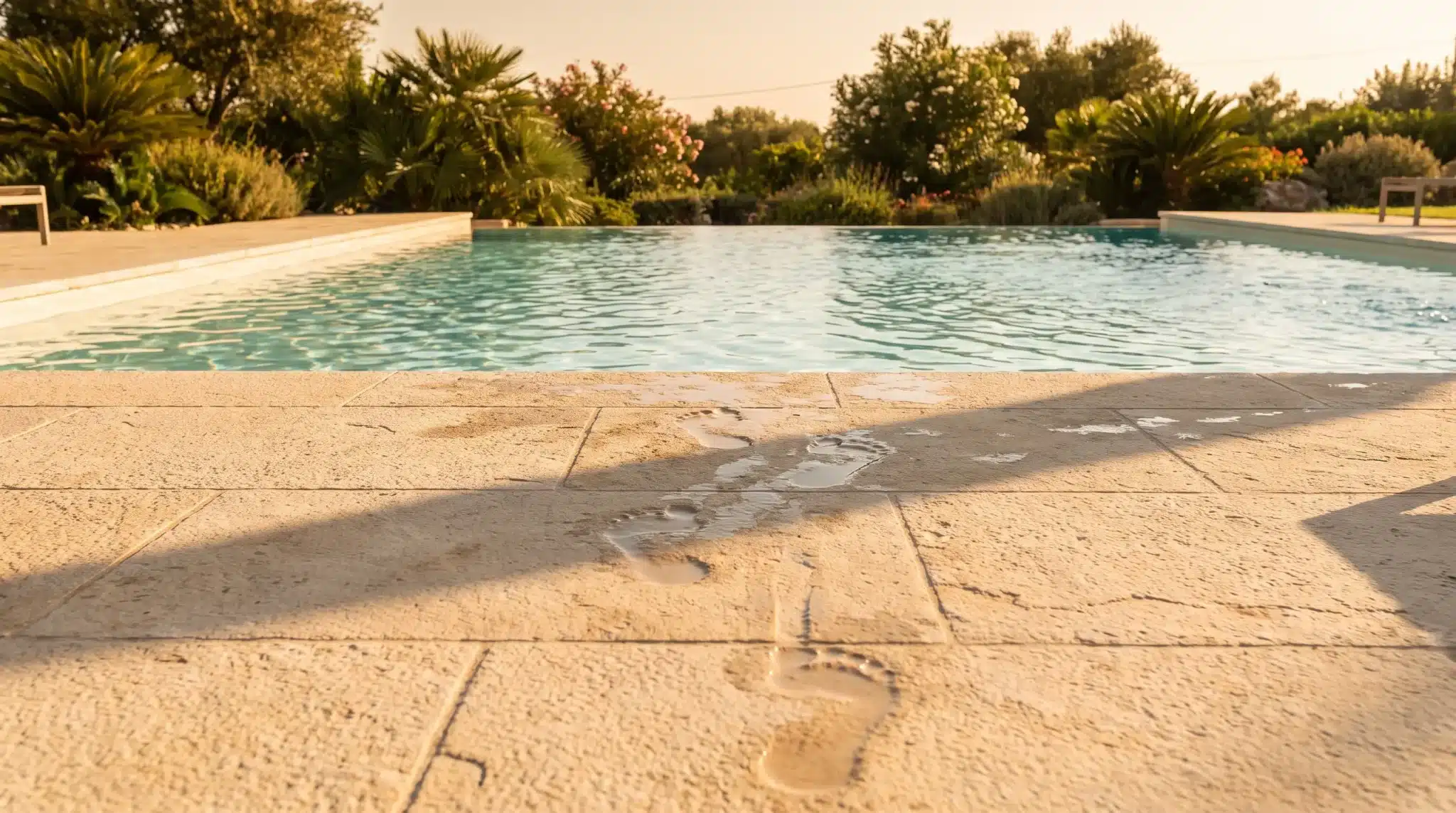
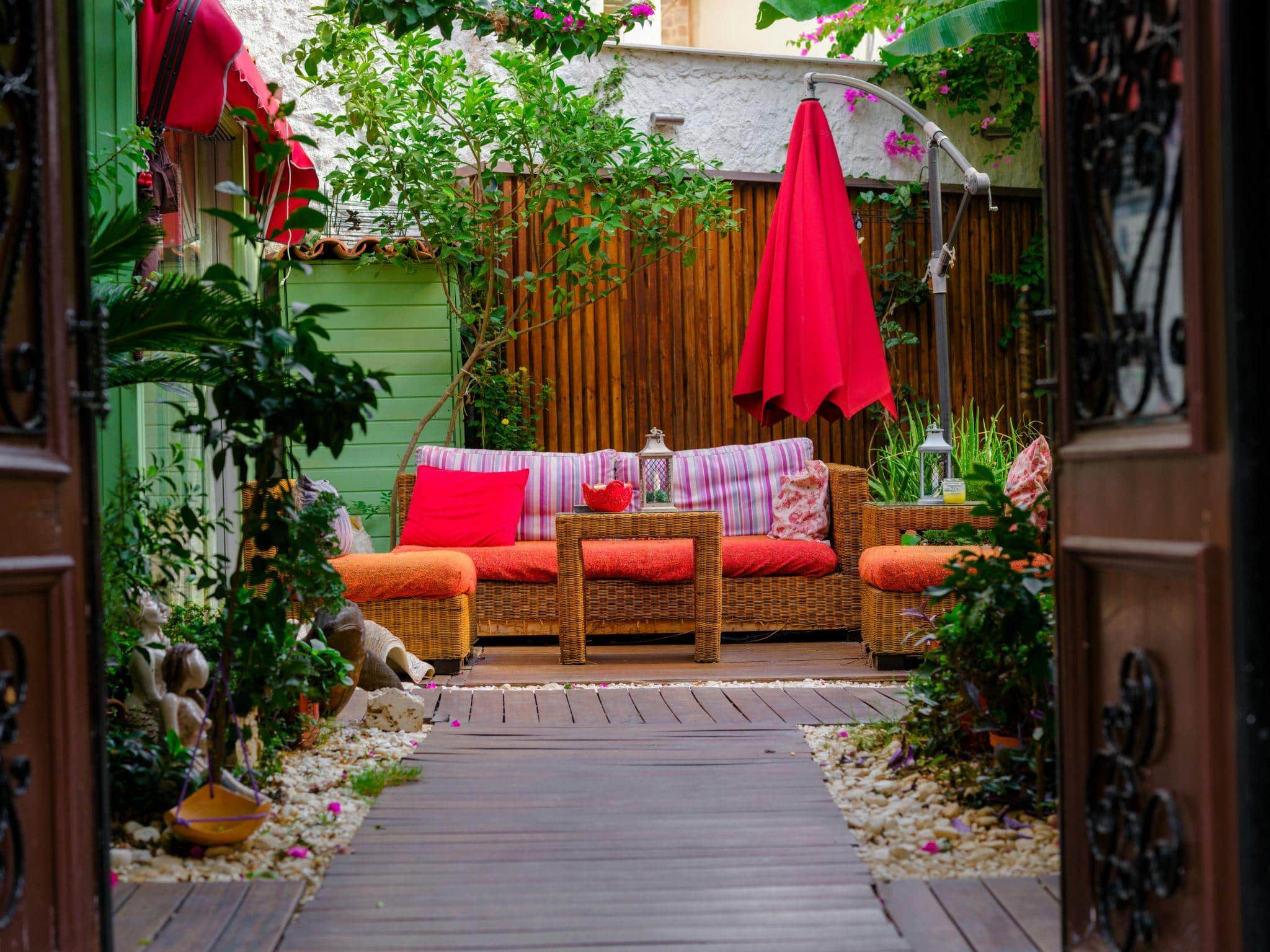
A bare backyard can feel like an expensive question mark. You see mud, patchy grass, a fence line, and maybe one tired slab of concrete, but you do not yet see a place where people will eat, rest, or gather after sunset. That gap creates stress.
Homeowners often delay the work because every choice feels connected to another choice. If the patio moves, the fire pit moves. If the hedge grows too wide, the seating zone shrinks.
This is why many owners now turn to 3D exterior rendering services before construction starts. A 2025 Talker Research survey for Trex found that 41% of homeowners wanted to create backyard sanctuaries, while 38% planned fire pits or heating features. The desire is clear. The plan often is not.
The Role Of 3d exterior renderings in Landscape Transformation
A strong visualization turns a rough yard into a readable outdoor room. It shows where the dining table sits, how wide the walking path feels, and whether a pool edge leaves enough breathing room for planting.
A professional 3D exterior rendering service also helps homeowners compare materials before money is spent on demolition, grading, drainage, masonry, and planting. That matters because outdoor work is hard to reverse. Once pavers are set and retaining walls are built, even a small layout mistake becomes expensive.
Digital modeling gives the project a rehearsal. It connects measurements, sun direction, surface textures, and furniture scale into a single view.
Houzz reported that its 2025 renovation research covered 21,889 users, including 10,981 renovating homeowners, which shows how broad the home-improvement audience has become. People are investing, but they want fewer blind decisions.
Balancing The Landscape: Hardscaping Meets Softscaping
The Backbone Of The Oasis: Patios, Walkways, And Fire Pits
Hardscaping is the structural side of the backyard. It includes patios, decks, steps, retaining walls, pool borders, pergolas, and fire features. These pieces give the space order. They decide how people move, where they stop, and which zone feels like the main gathering point. The risk is scale.
A patio that looks normal on a flat plan can feel too wide in a narrow yard, while a fire pit can block the natural route from the house to the lawn. Exterior 3d rendering services solve this by making proportions visible.
A visualizer can test a compact stone terrace against a larger paver field, or compare a sunken fire pit with a simple surface-level bowl. The best hardscape feels intentional. It supports the lifestyle without turning the yard into a stone courtyard.
Breathing Life Into The Layout: Turf, Shrubs, And Seasonal Florals
Softscaping gives the retreat its mood. Grass, shrubs, trees, climbers, ground cover, and seasonal flowers soften the rigid edges of concrete and timber. They also change how private the yard feels. A hedge can hide a neighboring window.
A flowering border can pull attention away from a plain fence. A small ornamental tree can create shade without swallowing the patio. Designers use 3D exterior visualization services to test this balance before ordering plants.
Digital plant libraries can show height, spread, color, and density, so the homeowner can see more than a flat planting schedule. Recent outdoor trend reports also show why this matters.
Many homeowners are seeking more private and more useful outdoor spaces, while sustainable planting and lower-maintenance landscapes keep gaining attention. Good softscaping is not decoration after the fact. It is part of the yard’s architecture.
Achieving Visual Cohesion In The Outdoor Living Room
Fluid Transitions: Connecting Hard And Soft Elements Seamlessly
A backyard retreat fails when each part looks separate. The patio feels like one project, the lawn like another, and the planting beds like a late addition. Cohesion comes from transitions. Stepping stones can lead through turf without creating a harsh line. Creeping thyme between pavers can soften geometry and add scent.
Low grasses can bridge a raised deck and a planting bed. With 3d exterior design rendering services, designers can test those junctions from several angles. They can see whether the path is too straight, whether the planting hides the patio edge, or whether the fire pit zone feels too isolated.
This is where a rendering becomes more than a pretty image. It becomes a decision tool. It shows how the yard reads as one connected outdoor living room.
The Element Of Time: Simulating Plant Growth And Lighting Cycles
A finished backyard is not frozen in time. Plants grow, shadows shift, and lighting changes the whole mood after sunset. This is why 3D architectural exterior rendering services are useful beyond the first approval meeting.
A visualizer can show the difference between a young hedge and a mature screen after five or ten years. That helps avoid overcrowded beds, blocked views, and trees planted too close to walls. Lighting studies are just as useful. Fire pit flames, step lights, uplights, and string lights can be tested for warmth, glare, and safety.
Grand View Research valued the global 3D rendering market at USD 4.85 billion in 2025 and projected it to reach USD 19.82 billion by 2033. That growth makes sense. People want design decisions backed by a visual preview, not just a promise.

A Step-By-Step Production Process For Exterior Visualization
From Initial Measurements To Final Photorealistic Render
A smooth exterior visualization process starts with data, not guesswork. A 3d exterior rendering company needs clear site information, real material references, and a basic design direction before the final view can look convincing.
The same is true for 3d exterior architectural services used by landscape architects, pool designers, and backyard renovation teams. The workflow below keeps the project practical and reduces the risk of pretty images that cannot be built.
1. Capture precise site measurements, property boundaries, and current topography data, including slopes, drainage issues, existing trees, and views that should be protected.
2. Draft a basic digital block-out model to define the footprint of major hardscape elements, such as the main patio, deck, outdoor kitchen, pool edge, or fire pit zone.
3. Layer in softscape components by choosing regional plant species and placing them for privacy, shade, seasonal color, and long-term growth rather than instant visual fullness only.
4. Apply realistic material textures so pavers, wood stains, stone veneers, outdoor fabrics, gravel, mulch, and water surfaces reflect light in a believable way.
5. Generate final photorealistic images from several useful angles, including bird-eye perspectives, backdoor views, seating-level views, and evening lighting scenes.
This process also keeps budget conversations grounded. A homeowner can approve a smaller deck, a simpler retaining wall, or a different paving pattern before construction starts. That is a better moment to make changes. On-site, changes usually mean delays, waste, and tense conversations.
Conclusion
A backyard retreat is easier to build when everyone can see the same future. Renderings remove much of the financial and emotional risk from outdoor renovations by turning abstract choices into visible decisions.
They show whether the patio has the right scale, whether the planting softens the hardscape, and whether evening lighting creates a calm place to sit rather than a patchwork of bright spots. They also help homeowners act with more confidence. The yard no longer has to sit unused because the plan feels too vague.
With the right balance of hardscaping, softscaping, light, and long-term plant growth, a plain lot can become a real extension of the home. The safest way to reach that point is to test the idea first with 3d exterior renderings.