People tend to underestimate how quickly outdoor space fills up.
At first, a backyard feels large enough for everything. Then the lawn equipment arrives. Then bicycles, camping gear, gardening supplies, power tools, extra timber, outdoor furniture cushions, hoses, fertilizer bags, spare pots, sports equipment, and eventually some sort of wheelbarrow nobody remembers buying.
Suddenly the garage stops functioning as a garage.
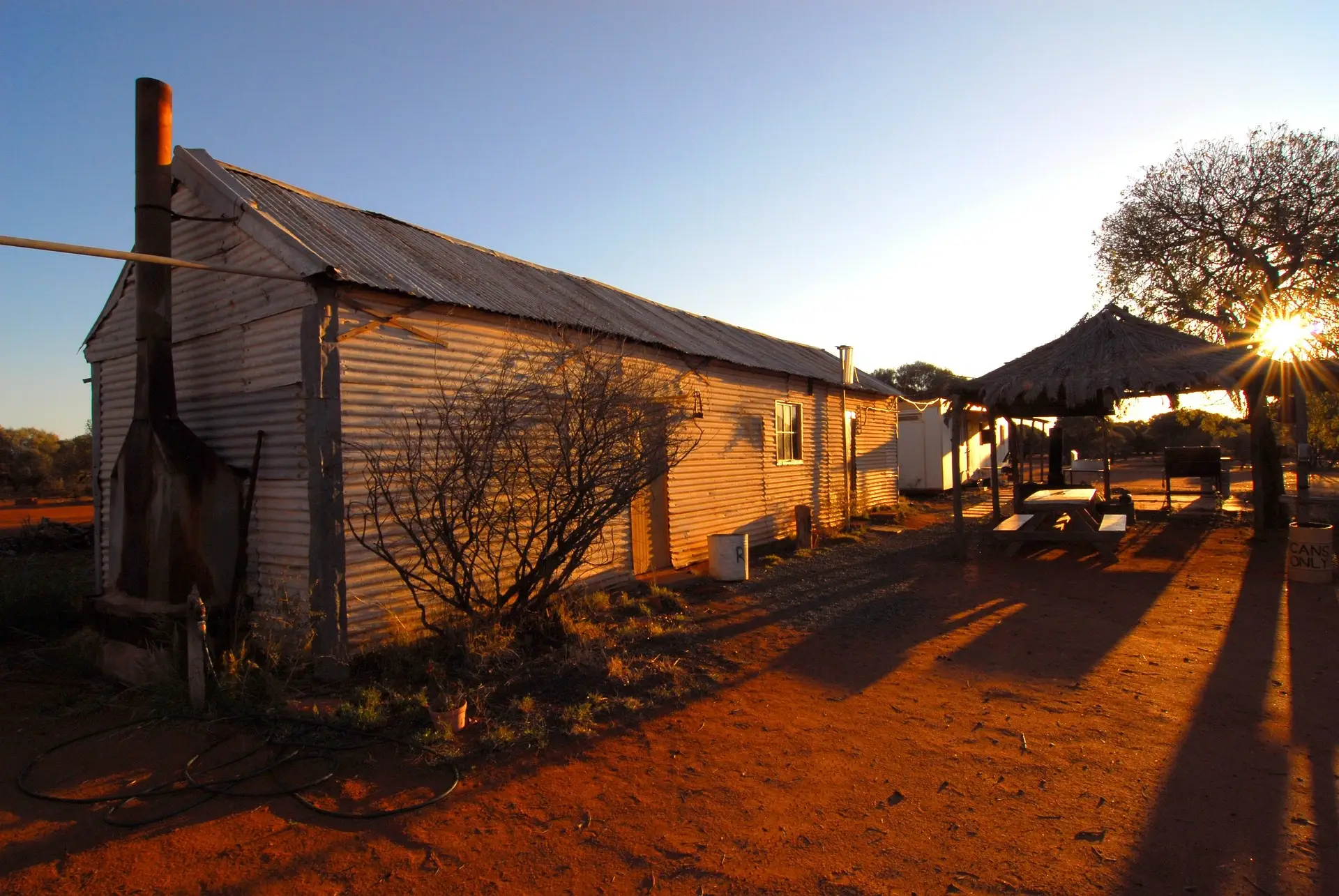
This is one reason shed culture became so deeply practical in places like Western Australia. Around Perth and regional farming areas nearby, sheds are not treated as decorative backyard additions. They are essential infrastructure. Large steel sheds handle machinery, feed, tools, vehicles, water systems, storage, workshop space, and sometimes entire seasonal operations.
That mentality is now spreading more broadly because homeowners realize that outdoor structures solve multiple problems simultaneously. A well-built shed creates storage, weather protection, workspace, gardening support, equipment organization, and future flexibility all at once.
The moment somebody starts gardening seriously, maintaining larger outdoor areas, or handling DIY projects regularly, the logic becomes obvious very quickly.
Backyard Gardening Expands Faster Than Expected
One of the biggest reasons homeowners outgrow their storage space is gardening.
Raised beds, compost systems, irrigation equipment, soil bags, seed trays, fertilizers, mulch, and hand tools accumulate constantly once people begin growing food or landscaping actively. Even relatively small backyard gardens require surprising amounts of equipment over time.
Container gardening alone often involves shelves, watering systems, storage tubs, backup soil mixes, pruning tools, and seasonal protection supplies. People who start with a few herbs frequently end up building much larger setups within a year or two.
This creates an immediate practical problem.
Most homes are not designed around active gardening storage. Garages quickly become overcrowded once gardening supplies mix with household storage, seasonal decorations, tools, and outdoor recreation equipment.
Sheds solve that separation issue efficiently because they create dedicated outdoor utility space independent from the house itself.
In warmer climates especially, outdoor storage becomes even more important because people spend more time working outside year-round.
Sheds Perth Styles Usually Come From Real Farm Logic
One reason large shed culture feels especially practical around Perth is because Western Australia developed around agricultural and rural working conditions where storage buildings were never optional.
Regional properties surrounding Perth often rely heavily on large steel sheds because farms require flexible covered space continuously. Machinery storage, feed protection, maintenance areas, fencing equipment, water systems, trailers, fuel storage, and repair zones all depend on durable structures capable of handling harsh environmental conditions.
That real-world agricultural logic shaped how residential shed design evolved locally.
Sheds Perth reflect this broader Australian shed tradition where structures are expected to function hard rather than simply look attractive. In many rural and semi-rural areas near Perth, one large shed often becomes the operational center for everything from vehicle maintenance to gardening equipment to seasonal storage.
That mentality transfers surprisingly well into suburban backyard use.
Homeowners want sheds capable of adapting over time rather than single-purpose storage boxes. A structure initially used for gardening tools may later become a workshop, home gym, hobby area, greenhouse extension, or equipment bay for larger outdoor projects.
Australian shed design often emphasizes exactly that flexibility because rural usage conditions demanded it for decades.
Climate also matters heavily.
Western Australia experiences intense sunlight, heat exposure, strong winds, and seasonal weather variation. Shed construction therefore evolved around durable steel framing, ventilation, corrosion resistance, and roofing systems capable of handling difficult conditions long term.
Those same qualities appeal strongly to homeowners elsewhere now facing hotter summers and more demanding outdoor storage needs.
The Shed Stops Being “Extra Space” Very Quickly
One interesting thing happens once people install a properly sized shed.
The structure almost immediately becomes integrated into everyday routines rather than occasional storage use.
Gardening tools stop moving back and forth through the house. Soil and fertilizers stay outdoors where they belong. Seasonal equipment becomes easier to access. Larger DIY projects become more manageable because tools can remain set up between work sessions.
This changes how people use their backyard overall.
Instead of outdoor work feeling temporary and inconvenient, it becomes operationally simpler. That often encourages more gardening, landscaping, woodworking, or home maintenance because setup friction disappears.
A dedicated outdoor workspace helps remove many practical barriers.
Modern Sheds Are Becoming Multi-Use Structures
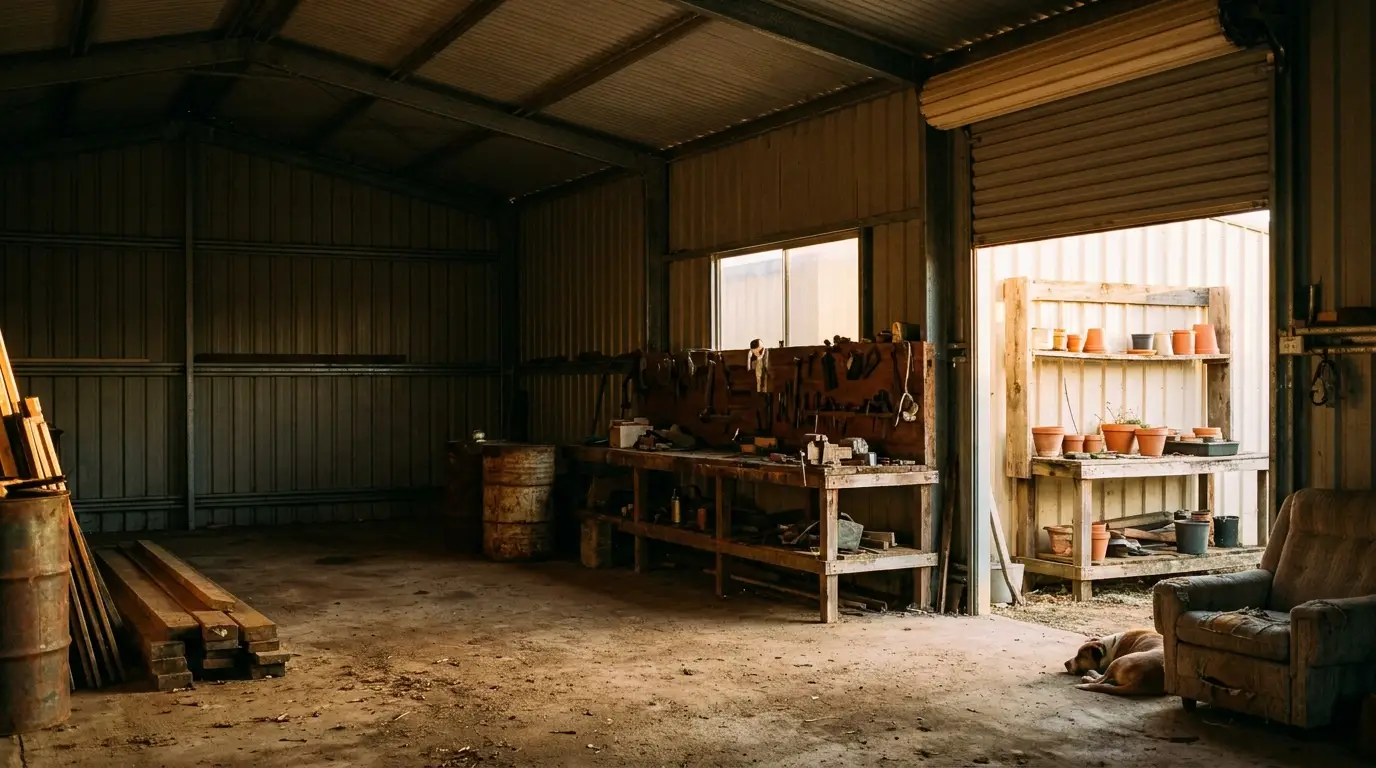
Another major shift is that sheds no longer function purely as storage.
Many homeowners now design backyard structures around multiple uses simultaneously. One section may hold garden tools while another contains a workbench, potting station, freezer, fitness equipment, or hobby workspace.
Remote work trends accelerated this idea significantly.
During recent years, people began reconsidering underused outdoor space more seriously. Backyard studios, detached offices, hobby workshops, and gardening zones all expanded because homeowners spent more time using residential property actively rather than simply storing things there.
Sheds became part of that transformation.
Insulation, electricity, ventilation, skylights, and upgraded flooring appear in higher-end backyard structures because expectations changed. People want usable environments rather than dark utility boxes.
Gardening Systems Themselves Require Infrastructure
As home gardening becomes more sophisticated, infrastructure needs increase rapidly.
Irrigation systems require storage for hoses, timers, connectors, filters, and pumps. Seed starting setups involve shelving, trays, lighting equipment, and soil organization. Composting creates separate material-handling needs. Raised bed gardening requires lumber, mesh, supports, and seasonal coverings.
Without organized storage, these systems become difficult to maintain efficiently.
This is particularly true for food gardening because crop timing matters. Tools need to remain accessible during planting and harvesting periods rather than buried behind unrelated household storage.
A proper shed becomes part of the gardening system rather than separate from it.
Weather Protection Matters More Than People Think
Outdoor equipment degrades surprisingly fast without protection.
Sunlight damages plastics, rubber seals, hoses, fabrics, and tool handles over time. Moisture affects power tools, fertilizers, wood products, and stored materials. Heat damages batteries and electronics left exposed in garages or uncovered outdoor spaces.
Well-designed sheds help stabilize those conditions considerably.
Ventilation becomes especially important in hotter climates because enclosed storage spaces can overheat rapidly. Australian-style shed design often addresses this directly through airflow systems and reflective roofing materials designed for high-temperature environments.
That durability mindset is one reason larger steel sheds continue gaining popularity beyond purely agricultural settings.
Backyard Priorities Are Changing
For years, many suburban backyards centered mainly around appearance.
Now there is greater interest in practical outdoor use. Raised beds, compost systems, edible landscaping, outdoor workshops, rainwater collection, and utility-focused spaces are becoming more common across residential properties.
Sheds fit naturally into that shift because they support active backyard use rather than passive lawn maintenance alone.
People want outdoor areas capable of producing food, supporting hobbies, handling repairs, or storing equipment efficiently.
The Logic Becomes Obvious Once The Space Exists
That may be the biggest reason sheds make sense so quickly once someone actually has one.
The structure rarely stays empty for long.
Gardening supplies move in first. Then tools. Then outdoor equipment. Then seasonal storage. Eventually the shed becomes central to how the backyard functions overall.
This is exactly why larger shed culture developed so strongly in working agricultural regions around Perth in the first place. People with land, equipment, outdoor projects, or gardening systems simply need flexible covered space constantly.
The same principle applies surprisingly well even on ordinary residential properties.
Once homeowners start actively using their outdoor space instead of just maintaining it, the shed usually stops feeling optional very fast.