Gardening takes physical effort, but it is highly rewarding. Many people today are investing more time and money to make their backyards feel like a true extension of their homes. This is where the lines between indoor and outdoor living start to blur.
People often assume that smart home technology is only for indoor convenience, like turning on living room lights or adjusting the thermostat from the couch.
In reality, the biggest benefits happen at the perimeter of your house. When you are constantly moving between the kitchen and the patio, relying on 19th-century hardware just slows you down. Upgrading your exterior doors with an electronic keypad lock changes the way you interact with your yard.
The Dirty Hands Problem
Picture this. You just finished pulling weeds or carrying a flat of seedlings, and your hands are covered in wet soil. You walk up to your back patio door, and it is locked. Now you have to dig into your pockets to find your house key.
This transfers mud to your clothes, the metal key, and the lock cylinder itself. Over time, that grit and moisture damage the internal mechanisms of a traditional lock.
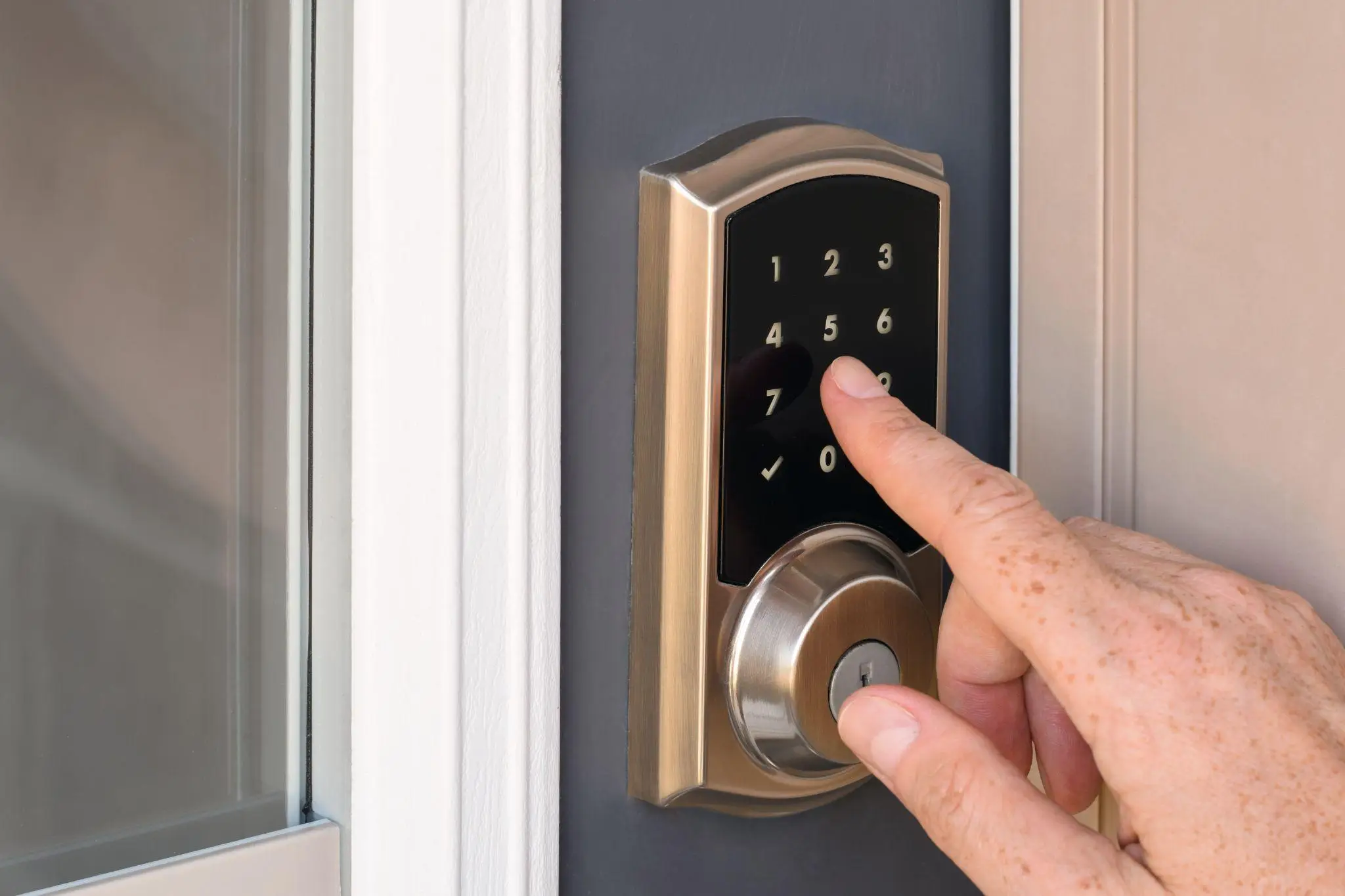
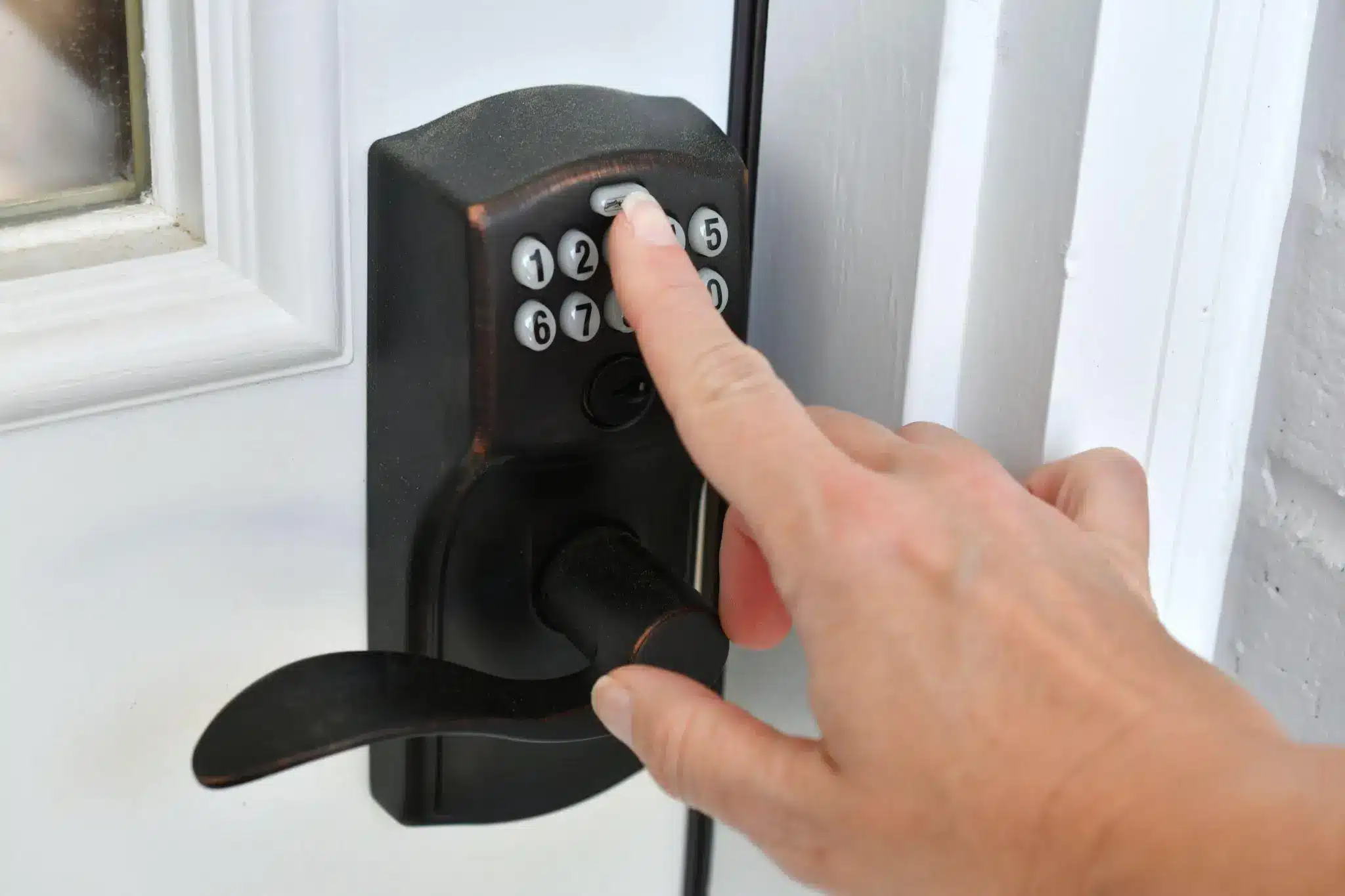
By swapping your old hardware for an electronic keypad lock, you remove this issue entirely. Instead of using a physical key, you punch in a short numerical code. If your hands are full of freshly picked vegetables, you can simply tap the keypad with a clean knuckle. It keeps your hardware clean and gets you inside faster.
Remote Access
Tending to a garden ties you to your house. Missing even a single day of watering during a summer heatwave ruins weeks of hard work. So, when you take a family vacation, you have to ask a neighbor to keep your plants alive.
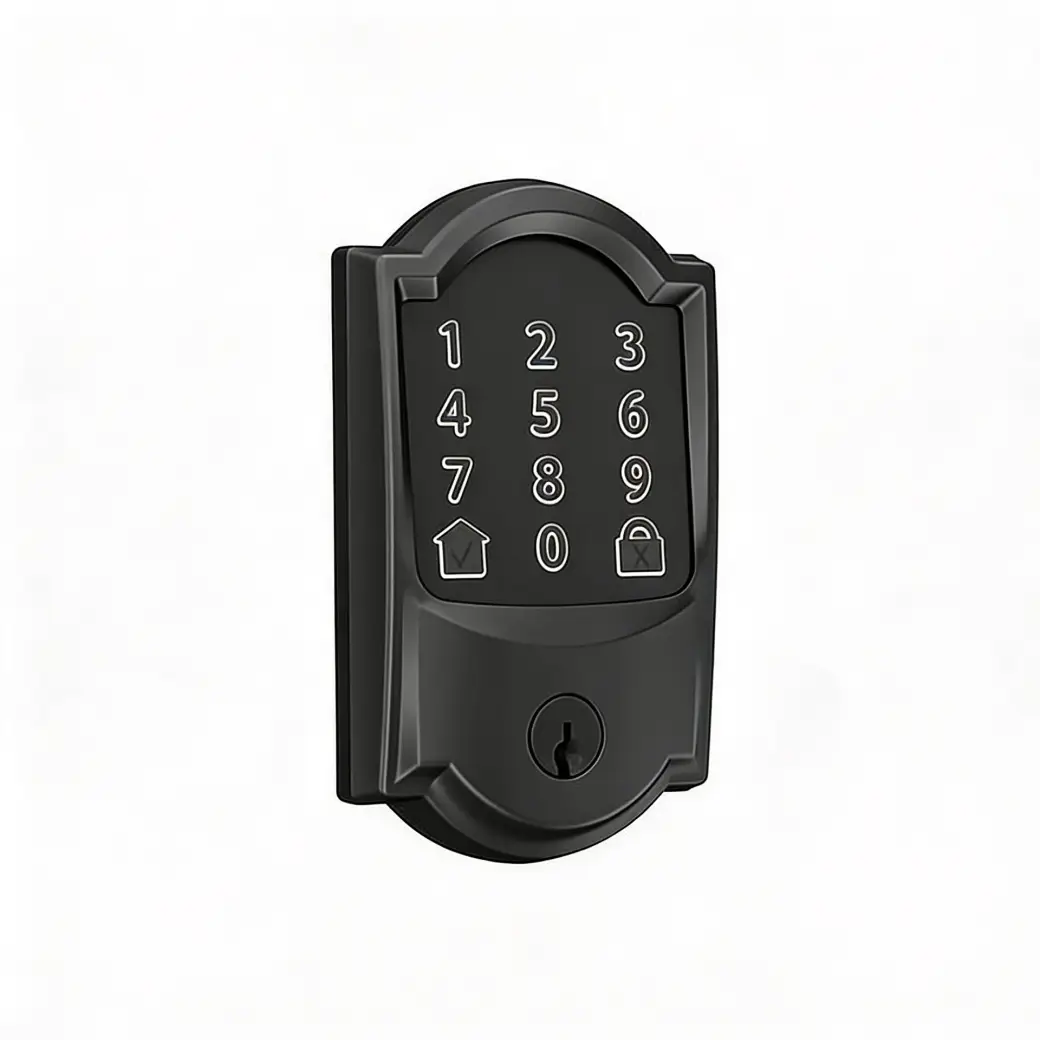
In the past, that meant hiding a spare key under a fake rock or printing a physical copy at the hardware store. Today, installing an electronic lock such as the Schlage Encode Smart WiFi Deadbolt makes this process much safer. Because the lock connects directly to your home’s Wi-Fi network, you have total control over who gets inside.
Furthermore, you can generate a temporary access code for your plant sitter right from your smartphone. A Schlage Encode smart lock even lets you set specific schedules for that code. If your friend only needs to water the garden on Tuesday mornings, the code will only work during those exact hours. Once your vacation ends, you just delete the code from the app. There are no floating spare keys to worry about.
Securing Sheds and Secondary Doors
While the main entryway connecting your house to your patio is the obvious place to upgrade, you should also consider your secondary doors. Many homes have detached garden sheds or side gates that lead to a garage.
You likely want a heavy-duty smart lock for maximum security on your primary back door. Meanwhile, an auto-locking keypad lever is highly practical for a storage shed. Sheds hold expensive tools, lawnmowers, and bags of fertilizer.
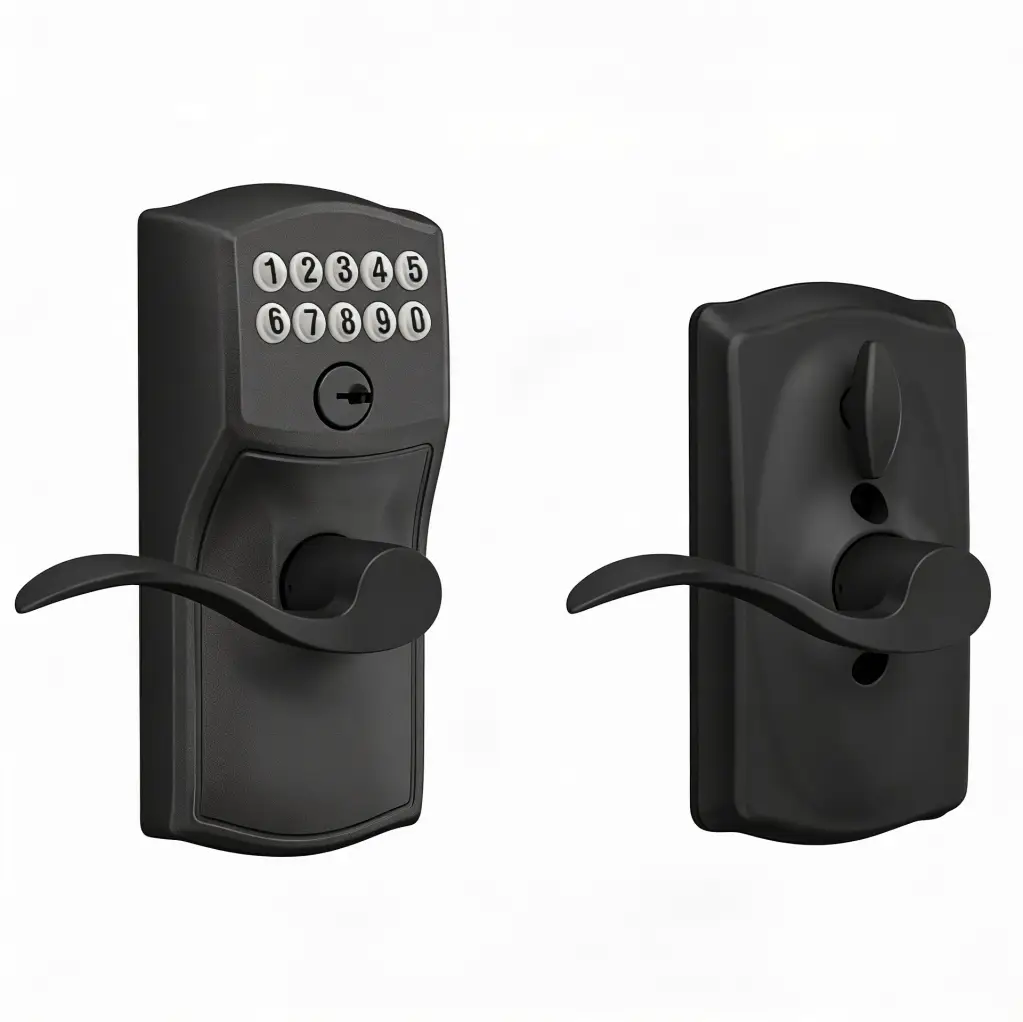
Installing a high-quality Camelot lever lock secures your equipment. It also lets you grab a rake quickly without hunting for a tiny padlock key.
Bonus Tip
The doors inside your house take a beating during gardening season, too. When you come inside from the yard, your first stop is usually the nearest utility sink to wash up. Upgrading the hardware on these high-traffic interior doors to a durable privacy knob ensures your home looks great.
What to Know Before You Upgrade
Homeowners often hesitate to swap their locks because they assume the installation will be expensive or require an electrician. The good news is that modern electronic keypad lock hardware is designed for easy retrofitting.
If you are ready to make the switch, here are a few things to keep in mind:
- Installation: Most electronic locks fit the standard pre-drilled holes of existing doors. You generally only need a Philips-head screwdriver and about fifteen minutes to complete the job. You do not need to hardwire anything. Still, a toolbox with basic hardware like a drill, wrench, tape measure, pliers, etc., always comes in handy.
- Battery Life: Electronic deadbolt lock units run on batteries, so people naturally worry they will get locked out when the power dies. However, a standard set of AA batteries lasts up to a full year. A lock usually warns you with a flashing light or an app notification weeks before the batteries drain.
- Physical Backups: Even if you ignore the low-battery warnings for a month, you are not out of luck. The vast majority of smart locks still feature a hidden physical keyhole as a failsafe.
- Weather Resistance: High-quality exterior locks are built to handle the elements. The internal electronics are sealed and protected from heavy spring rain and freezing winter snow.
Matching Your Home’s Aesthetic
Your outdoor living space is a financial investment. More often than not, a lot of thought goes into selecting patio furniture and outdoor lighting.
Similarly, your door hardware is a highly visible part of that design, and it should match your style.
Electronic keypad lock hardware is available in numerous designs and finishes, including matte black, antique bronze, polished chrome, satin nickel, and more. So, you do not have to sacrifice curb appeal to get better functionality. It’s easy to find a smart lock that complements your exterior light fixtures and your home’s architecture.
Conclusion
A successful home garden requires regular attention. Traditional physical keys force you to choose between convenience and security. They could be a hassle to manage when your hands are full of dirt or fresh produce.
Upgrading to a smart electronic keypad lock removes that friction entirely. You can lock your home securely, grant remote access to helpers, and get back inside with a simple tap of a button. After all, the only thing you should be digging for in your backyard is the soil.