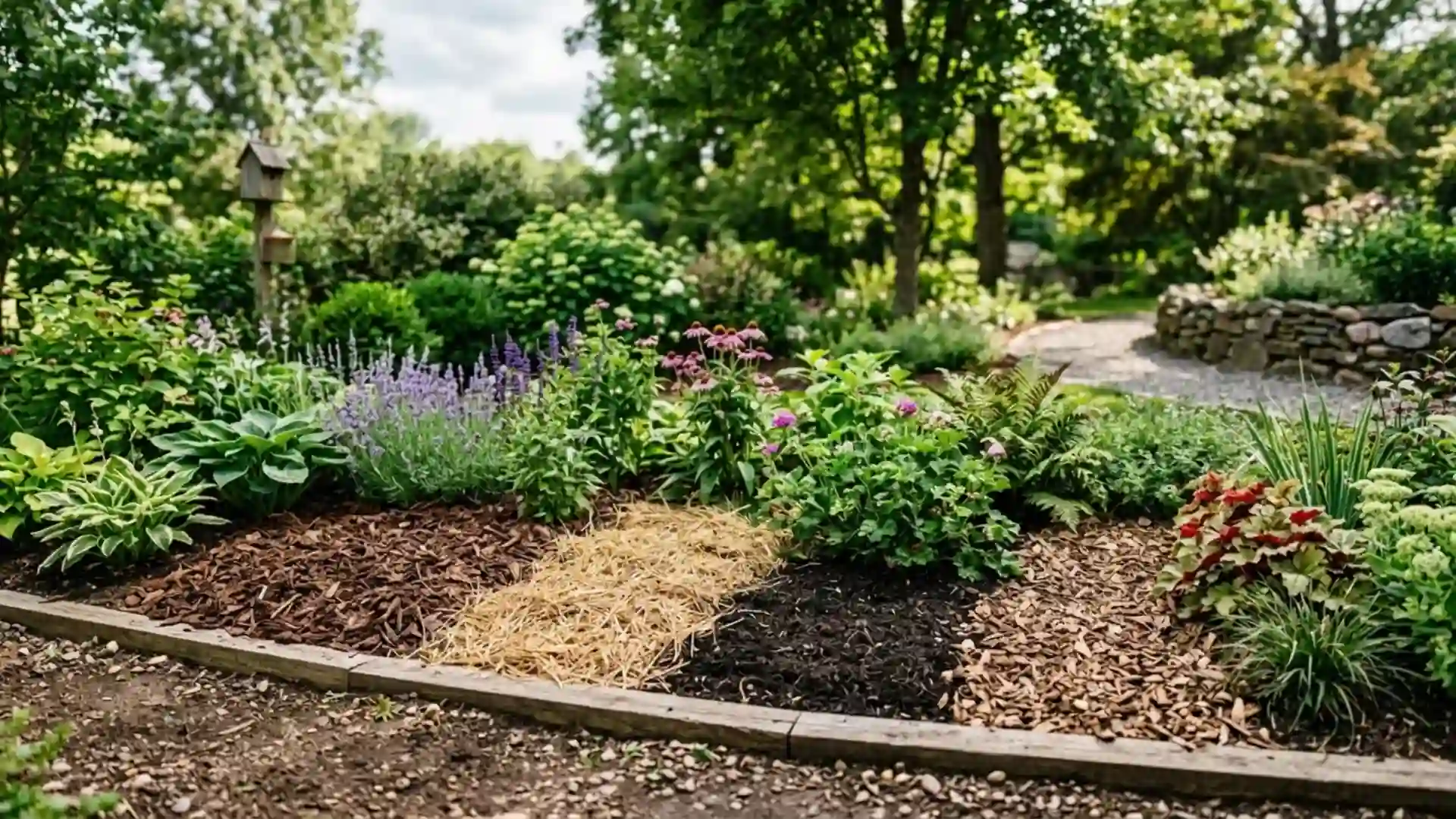
Not all mulch is the same, even when it looks that way. One bag might be wood chips.
Another might be shredded rubber tires. Both get called “mulch,” but they are not made of the same thing at all, and that difference matters more than you’d think.
Some mulch feeds your soil as it breaks down. Some just sits there and protects it.
And some can be unsafe for pets if it’s made from the wrong material.
This guide breaks it all down: what mulch is actually made of, the difference between organic and inorganic types, and how to pick the right one for your yard.
Why Mulch Materials Matter More Than You Think
Mulching isn’t new. Gardeners have used it for roughly two thousand years, with early Irish growers reportedly spreading seaweed over beds to suppress weeds and feed the soil beneath.
The materials have changed since then, but the goal hasn’t.
Most gardeners treat mulch like one product in different colors. But it isn’t.
A bag of bark chips and a bag of rubber nuggets might sit side by side on the shelf, but they behave nothing alike once they are down on the soil.
One feeds the ground as it breaks apart; the other just does its job for years without adding anything to the dirt beneath it.
Getting this right ties directly into keeping your yard’s dirt healthy long after the mulch itself has broken down. Before choosing a bag, it helps to know what’s actually inside it.
What Is Mulch Made Of?
Mulch falls into two broad categories based on what it’s made from: organic and inorganic.
- Organic mulch comes from natural materials that break down over time, such as wood chips, bark, leaves, straw, and compost
- Inorganic mulch comes from materials that don’t decompose, such as rubber, gravel, stone, and plastic sheeting
Whether you are asking what is mulch made out of for a flower bed or a vegetable patch, the same two categories apply.
Organic types feed the soil as they decompose. Inorganic types stay put and focus on protection instead of nutrition.
Which one fits your garden depends on whether you want soil improvement, low upkeep, or something in between, covered in detail below.
1. Organic Mulch Materials
Organic mulch comes from plant-based sources that break down naturally, adding nutrients back into the soil as they decompose.
The material behind each type shapes how it looks, how long it lasts, and what it does for your garden.
So, knowing what is mulch made of on the organic side starts with these plant-based materials.
Wood Chips and Bark
Wood chips come from chipped branches, trunks, and sawmill leftovers, while bark is stripped from logs and broken into nuggets or fine shreds.
Both are popular around trees and shrubs, resist water runoff on slopes, and decompose slowly, so they need less frequent topping up than lighter organic mulches.
Straw, Hay, Leaves, and Grass Clippings
Straw and hay are dried, baled grain byproducts, light and easy to spread in vegetable beds. Leaves are collected and shredded for a soft, quick-breaking mulch, while grass clippings come straight from mowing.
All three are inexpensive, decompose fast, and work best in thin layers to avoid matting or odor.
Compost and Specialty Mulches
Compost forms as food scraps and yard waste decompose into dark, crumbly material that feeds soil directly.
Specialty options like pine needles suit acid-loving plants such as blueberries, while cocoa hulls add a finished look.
Each brings a narrower use case beyond general coverage.
How Organic Mulch Gets Processed Before It’s Bagged
Most organic mulch starts as raw wood waste that gets ground down in an industrial chipper, then run through screens that sort pieces by size and strip out debris like dirt or stray metal.
Oversized chunks get sent back through the grinder, while properly sized material moves on for bagging or, in the case of dyed mulch, a run through a coloring drum.
Well, I am not certain every supplier follows the same exact steps, but the grind-and-screen process is standard across most commercial mulch operations, so it’s worth asking a supplier how their material is sourced and processed before you buy a truckload.
2. Inorganic Mulch Materials
Inorganic mulch is made from materials that don’t decompose, so it won’t feed the soil, but it lasts far longer than organic options.
It’s suited to low-maintenance areas, dry landscapes, and spaces where weed control matters more than soil enrichment.
Here’s how the main types compare:
|
Material |
What It’s Made From |
Best Used For |
|
Rubber Mulch |
Recycled, shredded rubber tires |
Playgrounds, walkways, and high-traffic areas |
|
Gravel & Stone |
Crushed and cleaned natural rock |
Dry climates, succulent beds, and drainage areas |
|
Landscape Fabric |
Woven synthetic or plastic material |
Weed barrier beneath gravel or stone |
|
Plastic Mulch Sheets |
Thin polyethylene film |
Vegetable gardens, heat retention, and weed control |
Since none of these break down, they hold their place in the garden for years with little upkeep, but they also need to be paired thoughtfully with plants that don’t rely on soil-fed nutrients from above.
Is Mulch Safe? Dyes, Chemicals, and What to Watch For
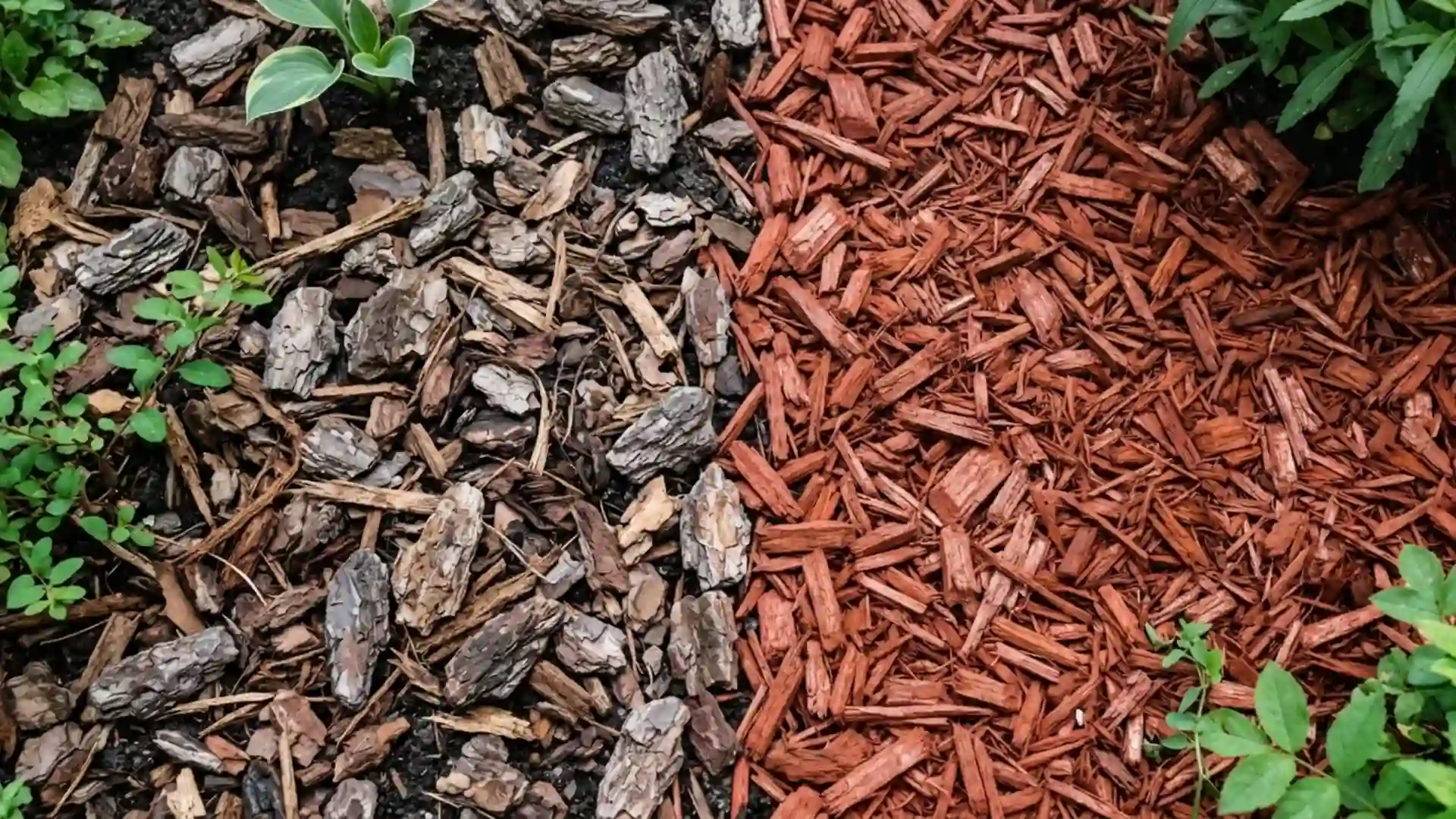
Most mulch is safe, but not all of it. And the risk depends on the source material, not the mulch itself.
Dyed mulch, treated wood, and mulch placed near pets or children each carry their own considerations worth understanding before you spread a fresh load in your garden beds.
Understanding what mulch is made of also means understanding what’s safe to spread near pets and kids.
Dyed Mulch and Colorants
The dye itself is usually food-grade, and not the real concern; the wood underneath is.
Undyed mulch comes straight from clean bark or chipped trees, while dyed mulch often disguises lower-quality or recycled wood, including old shipping pallets, so the color says less about safety than the source does.
Treated Wood and Pallet Mulch Risks
Not all wood mulch starts from clean material, and some sources carry hidden risks worth checking before you buy:
|
Concern |
Why It Matters |
|
Chipped Shipping Pallets |
May have been treated with insecticides such as methyl bromide. |
|
Construction Wood Waste |
Can contain paint, stain, or wood preservative residues. |
|
Unknown Sourcing |
Unlabeled mulch makes it impossible to verify the wood’s origin or safety. |
Buying from a supplier who can confirm their wood source is the simplest way to avoid bringing treated or contaminated material into a garden.
Mulch Around Pets and Children
Cocoa hull mulch smells appealing but contains theobromine, which is toxic to dogs if eaten in quantity. Rubber mulch can release chemical odors in heat and isn’t ideal near play areas.
A few precautions keep pets and kids safe around mulched areas:
- Keep cocoa hull mulch out of reach of dogs
- Choose wood or straw mulch for play spaces and pet-heavy yards
- Avoid mulch with visible debris like nails or plastic fragments
This section covers general pet and child safety awareness, not veterinary guidance. If you suspect a pet has eaten mulch, contact your veterinarian right away.
How Mulch Composition Affects Your Soil
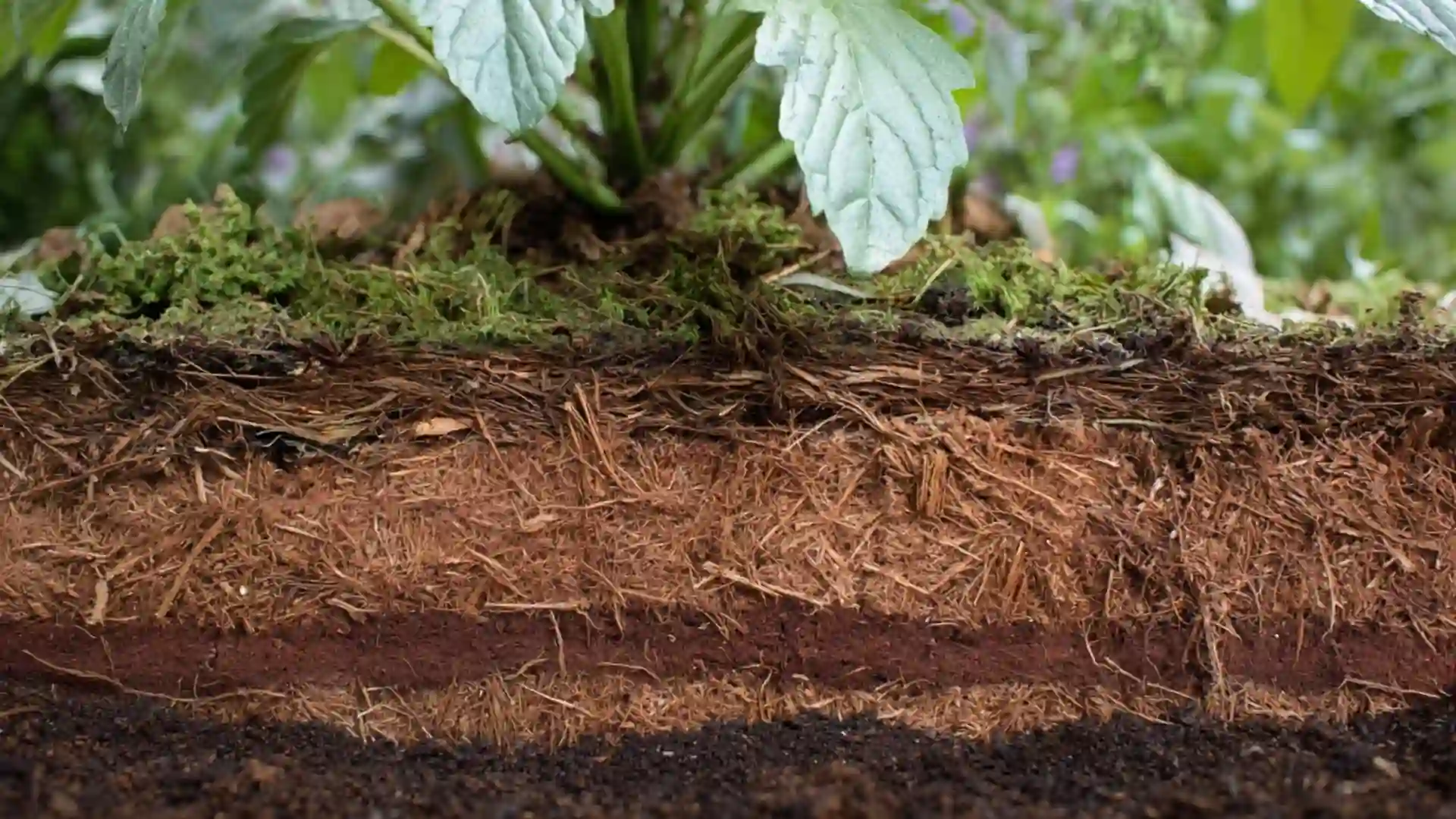
Mulch does more than sit on top of the ground. What it’s made from can shift soil pH, temporarily rob nitrogen, or steadily add nutrients, depending entirely on the material breaking down beneath it.
- Soil pH: Pine needles and similar mulches gradually lower pH, making them well suited to acid-loving plants like blueberries.
- Nitrogen drawdown: Fresh wood chips pull nitrogen from soil as they decompose, which can briefly stress nearby plant roots. If you have ever noticed yellowing tomato leaves right after laying fresh chips near a vegetable bed, nitrogen drawdown is one of the more overlooked causes.
Feeding vs. protecting: Compost and straw enrich soil as they break down, while rubber and gravel only shield it
Choosing mulch with its effect on soil in mind, not just its looks, leads to healthier beds over time.
Organic vs. Inorganic Mulch: Which Should You Choose?
The right choice comes down to what matters most for your garden: soil health, upkeep, budget, or long-term durability.
Here’s how the two compare:
|
Factor |
Organic Mulch |
Inorganic Mulch |
|
Soil Enrichment |
Adds nutrients as it decomposes |
Does not improve soil fertility |
|
Maintenance |
Replace every 1–2 years |
Lasts for several years with minimal upkeep |
|
Cost Over Time |
Lower upfront but recurring cost |
Higher upfront with lower long-term maintenance |
|
Best For |
Vegetable gardens, flower beds, and soil improvement |
Playgrounds, dry landscapes, and low-maintenance areas |
|
Environmental Impact |
Biodegradable and often locally sourced |
Some materials, such as rubber and plastic, do not break down |
Neither type is universally better; the decision comes down to matching the mulch to your garden’s goals and how much upkeep you’re willing to take on.
How Much Mulch Do You Need?
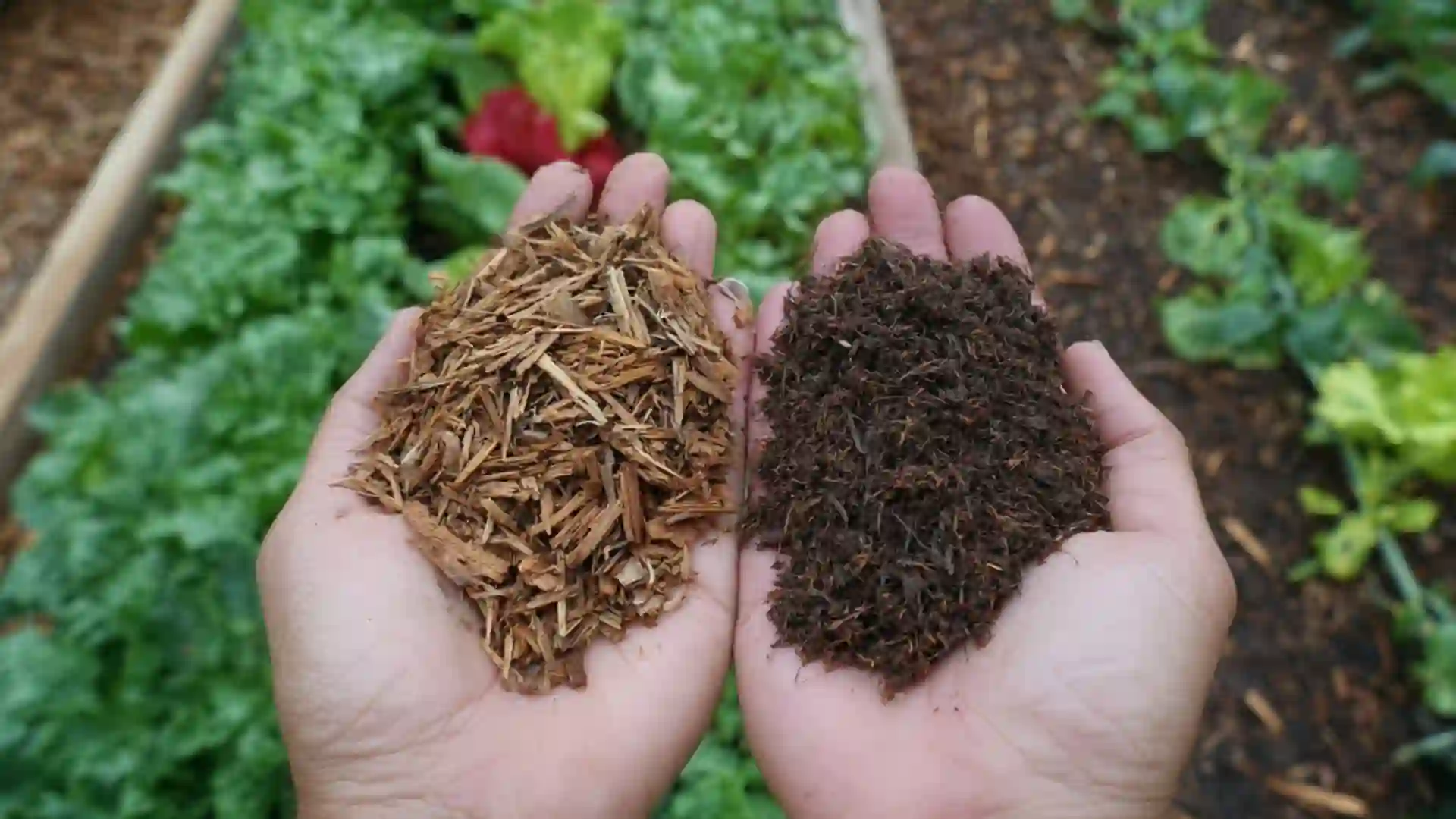
Buying mulch without a plan often means running short mid-project or overspending on excess.
So, a small calculation saves both money and extra trips to the store.
Calculating Coverage by Area
Mulch is sold by cubic yard or cubic foot, so start by measuring your bed’s length and width, then multiply by the depth you want in feet.
- One cubic yard covers about 100 square feet at 3 inches deep
- A bag typically covers 2–3 square feet at that same depth
For example, a 10×10 foot bed at 3 inches deep needs roughly 1 cubic yard, or about 12–15 standard bags.
Recommended Mulch Depth by Material
Depth needs vary by material since density and breakdown speed differ:
|
Material |
Recommended Depth |
Why |
|
Wood Chips & Bark |
2–4 inches |
Blocks weeds without smothering plant roots. |
|
Straw & Leaf Mulch |
3–4 inches |
Lightweight material compacts quickly, so a deeper layer is beneficial. |
|
Gravel & Stone |
About 2 inches |
Provides good coverage without adding unnecessary weight. |
Depth only matters if the soil underneath can actually support what you’re planting.
Knowing differences between soil types before you mulch helps you avoid layering protection on top of soil that needs amending first.
Common Myths About What Mulch Is Made Of
Mulch has picked up its share of misinformation over the years, much of it based on half-truths or outdated advice.
A few of the most persistent myths worth setting straight:
- Mulch attracts termites: Termites can nest in wood mulch, but they’re drawn to moisture and existing infestations, not the mulch itself, and keeping mulch away from foundations minimizes risk
- All mulch is the same under the color: Dyed mulch can come from vastly different wood sources, from clean bark to recycled pallets, so color says nothing about quality
- Mulch and compost do the same job: Compost feeds soil directly, while mulch primarily protects it, and mixing up the two can lead to over-fertilizing or under-protecting a bed
- Thicker mulch is always better: Piling mulch too deep can suffocate roots and trap excess moisture, leading to rot instead of protection
Final Thoughts
What mulch is made of decides what it actually does for your garden. Organic materials like wood chips, straw, and compost feed the soil as they break down.
Rubber and gravel skip that step but hold their ground for years without needing much attention.
Neither option is wrong when it comes down to what your soil, your plants, and your patience for upkeep can handle.
What’s under your own mulch layer right now, and has it made a difference you’ve noticed?
Drop it in the comments; it might help another gardener pick the right bag.
Frequently Asked Questions(FAQ’s)
What is the Cheapest Mulch to Use?
Grass clippings and shredded leaves are usually free or low-cost, since they come from your own yard.
Is Rubber Mulch Bad for The Environment?
It’s long-lasting and reduces tire waste, but it doesn’t biodegrade and can release odor in heat.
Can I Make My Own Mulch at Home?
Yes. A mower or small chipper can turn leaves, grass, and branches into usable mulch.
Does Mulch Attract Termites?
Wood mulch can shelter termites, but they’re drawn to moisture and existing infestations, not the mulch itself.