I used to walk through fields and never think twice about the ground beneath me. But one day, I noticed deep cracks in the soil and plants that barely grew.
That’s when I realized the dirt I ignored was actually alive. And it needed help. I started learning about soil conservation methods.
I found out how easy it is to harm soil and how small changes can protect it for years. I began using these methods in my own space, and I saw real results.
Now it’s your turn. If you care about growing healthy plants, saving water, or keeping land in good shape, this blog will show you how. These methods are simple, and they work. Your soil is depending on you.
Why Soil Health Matters for Long-Term Farming
Soil health means how well the soil can support life. Healthy soil is full of nutrients, holds water like a sponge, and has tiny living things that help plants grow. When soil is in good shape, crops grow strong and steady. But when soil gets worn out, everything gets harder.
Poor soil leads to weak crops, lower harvests, and more money spent on fertilizers and water. It also can’t hold water well, so it dries out fast or washes away when it rains. That means more work and less reward.
Over time, this damage adds up. That’s why using soil conservation practices is important. These are simple ways to protect the soil, like planting cover crops, rotating what you grow, or leaving crop roots in the ground after harvest.
These steps keep soil strong, reduce erosion, and help it stay useful for many seasons. Good soil today means better farming tomorrow.
Understanding Soil Conservation and Its Role on Farms
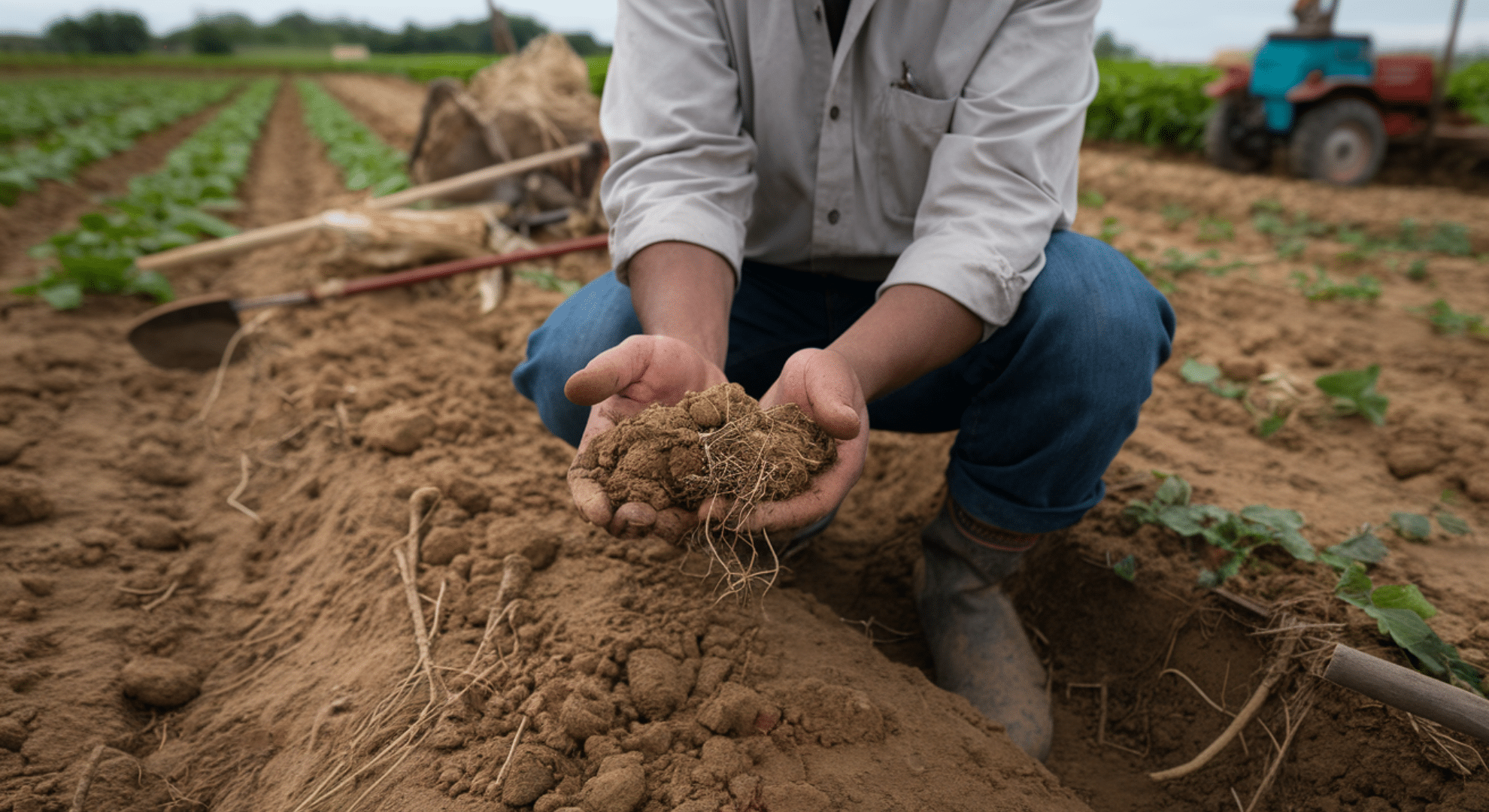
Soil conservation means protecting soil from being damaged or lost. It includes steps that keep the soil in place, full of nutrients, and able to support crops year after year.
The goal is to stop problems like erosion, dryness, and nutrient loss before they start.
It’s different from soil improvement. Soil improvement focuses on fixing soil that’s already in bad shape—like adding compost or lime to bring back nutrients. Soil conservation, on the other hand, works to keep soil healthy in the first place so it doesn’t need fixing later.
Both modern and traditional farms use soil conservation. Old methods like planting trees along fields or rotating crops still help today.
Modern farms may also use tools like cover crops or reduced tilling. These methods work together to keep soil steady over time.
Prevention always costs less than repair. Once soil is badly damaged, it’s hard and expensive to bring it back.
Key Benefits of Soil Conservation for Farmers

Soil conservation helps farmers in many practical ways. One of the biggest benefits is reducing soil erosion.
When wind or rain carries away topsoil, it takes nutrients with it. Conservation methods like planting cover crops or keeping roots in the ground stop that loss and keep nutrients where they belong.
Healthy soil also leads to better crops. Plants grow stronger and give more stable yields, even when the weather changes. That means fewer surprises and more reliable harvests year after year.
Good soil holds water better too. It soaks up rain and keeps it longer, which helps during dry spells. Farms with healthy soil often need less irrigation and can handle drought more easily.
Conserving soil also saves money. When soil stays rich, farmers use fewer fertilizers and soil treatments. That adds up over time.
There are also environmental and legal benefits. Keeping soil in place reduces runoff, protects nearby water, and supports eco-friendly farming practices that follow rules and earn trust.
Common Soil Problems Soil Conservation Practices Address
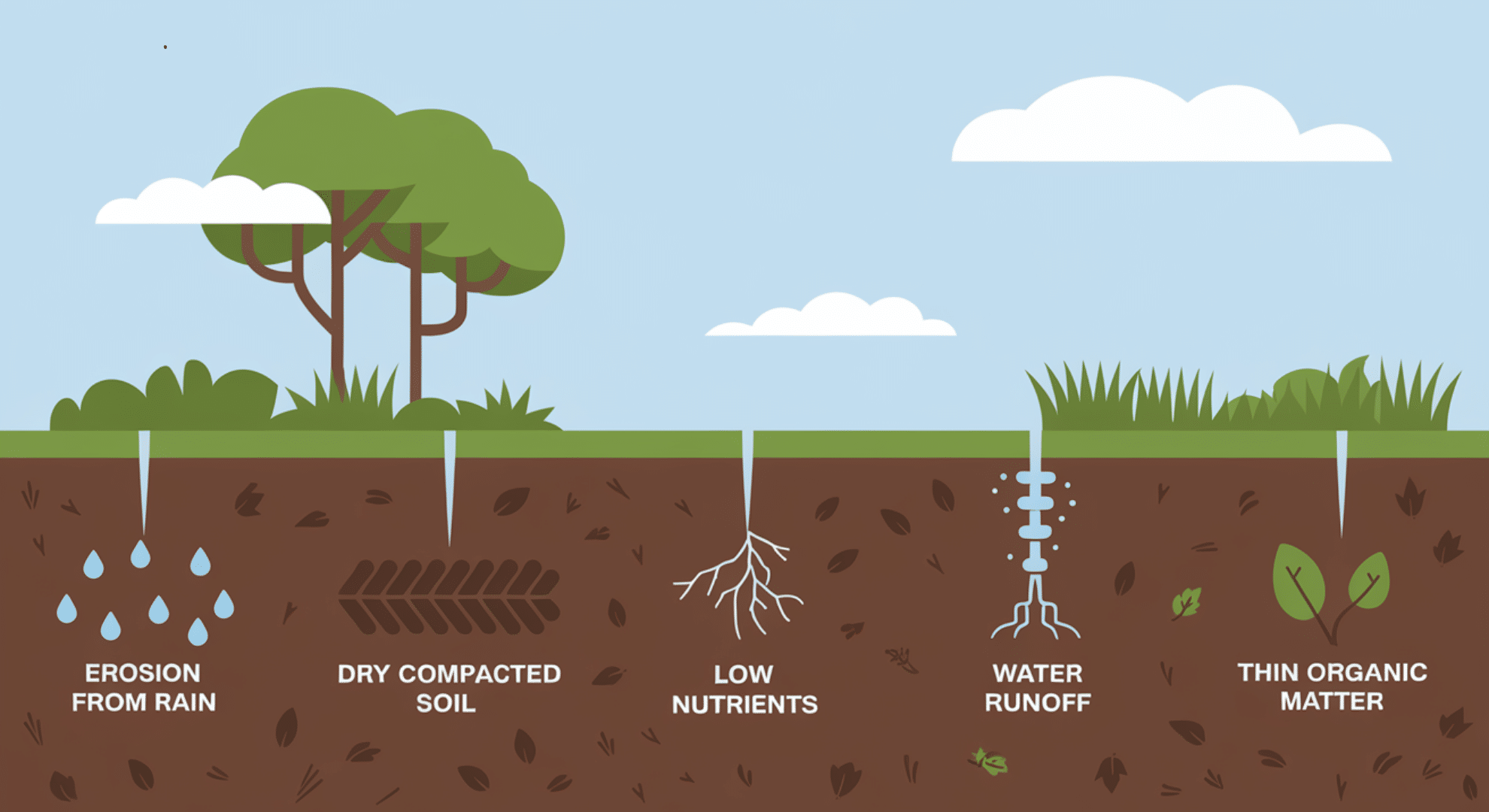
Soil conservation isn’t just about keeping soil in one place. It’s about solving real problems that hurt crops and waste money.
Here are some of the biggest issues farmers face and how conservation practices help fix them:
1. Soil erosion by wind and water: When topsoil blows or washes away, it takes the best part of the soil with it. This leads to thin, weak soil that can’t grow much. Conservation practices like cover cropping, buffer strips, and no-till farming help hold soil in place and protect it from rain and wind.
2. Compaction from heavy machinery: Big tractors and machines press the soil down, squeezing out air and space for roots. This makes it hard for plants to grow. Controlled traffic farming and reduced tilling help loosen soil and prevent compaction.
3. Nutrient depletion: Crops pull nutrients from the soil. If nothing is added back, the soil becomes “empty.” Crop rotation and adding organic matter help replace lost nutrients and keep the soil healthy.
4. Poor drainage or runoff: Water that can’t soak in causes puddles or washes away soil. Conservation practices improve soil structure, allowing water to move in slowly and evenly. This helps prevent floods and runoff.
5. Loss of organic matter: Organic matter feeds soil life and helps it hold water and nutrients. Without it, soil becomes dry and lifeless. Leaving plant residues, using compost, and growing cover crops build organic matter back over time.
Soil conservation helps tackle all these problems at the root—literally. It keeps soil working like it should, year after year.
Soil Conservation Practices for Farm Implementation
Soil conservation methods aren’t one-size-fits-all. The best choice depends on your land, what you grow, and the climate in your area.
Some farms need to focus on erosion, while others need to build nutrients or manage water. The good news?
There’s a range of practices that can help keep your soil healthy. Below are key methods that farmers use to protect their land over time.
Crop Rotation
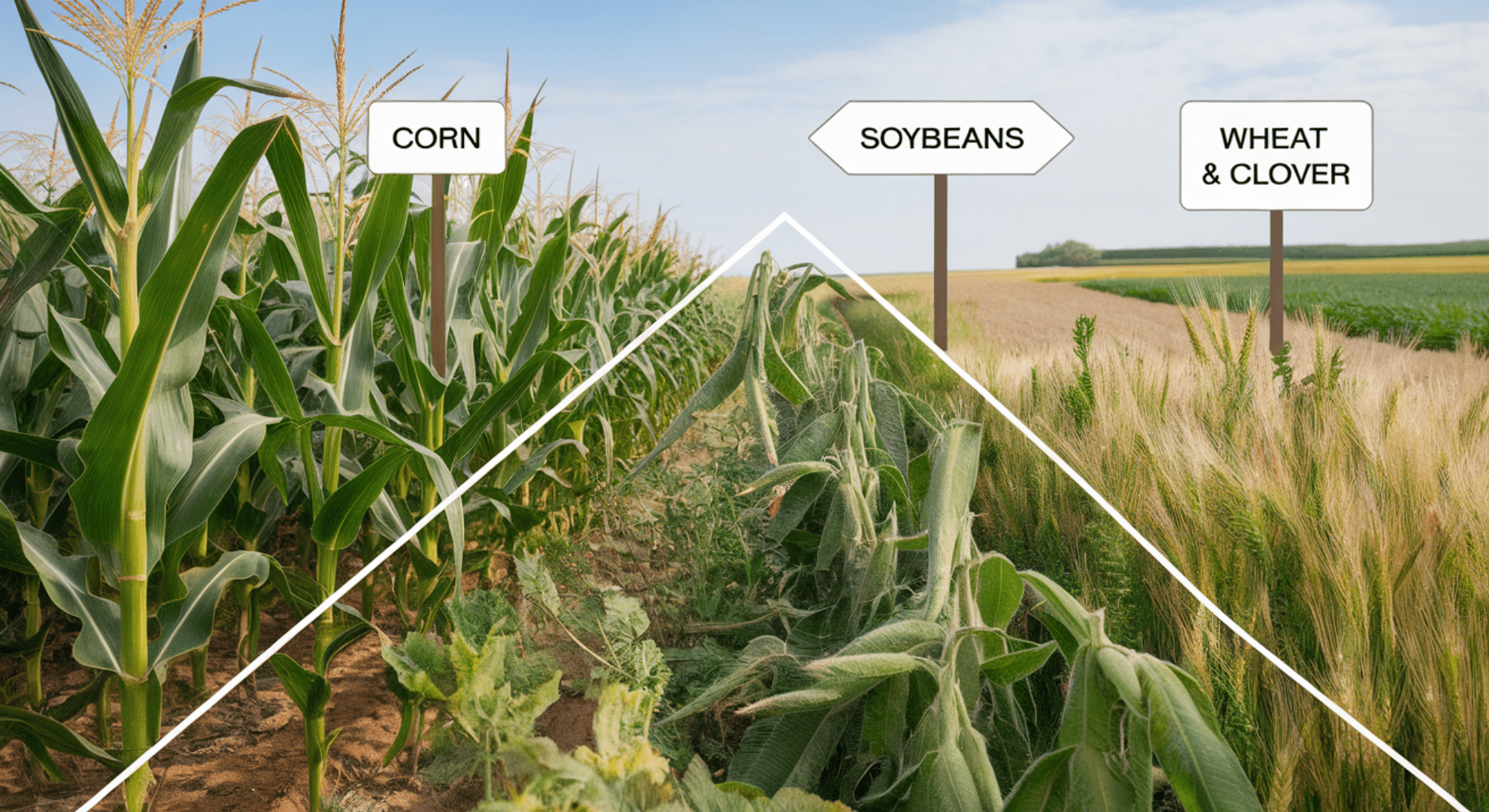
Crop rotation means changing what you plant in a field each season. Different crops use and give back different nutrients, which keeps the soil balanced. It works best when planned over several years.
For example, corn one year, soybeans the next, and then wheat or clover. This mix helps control pests, improve soil structure, and reduce the need for chemical fertilizers.
Cover Cropping
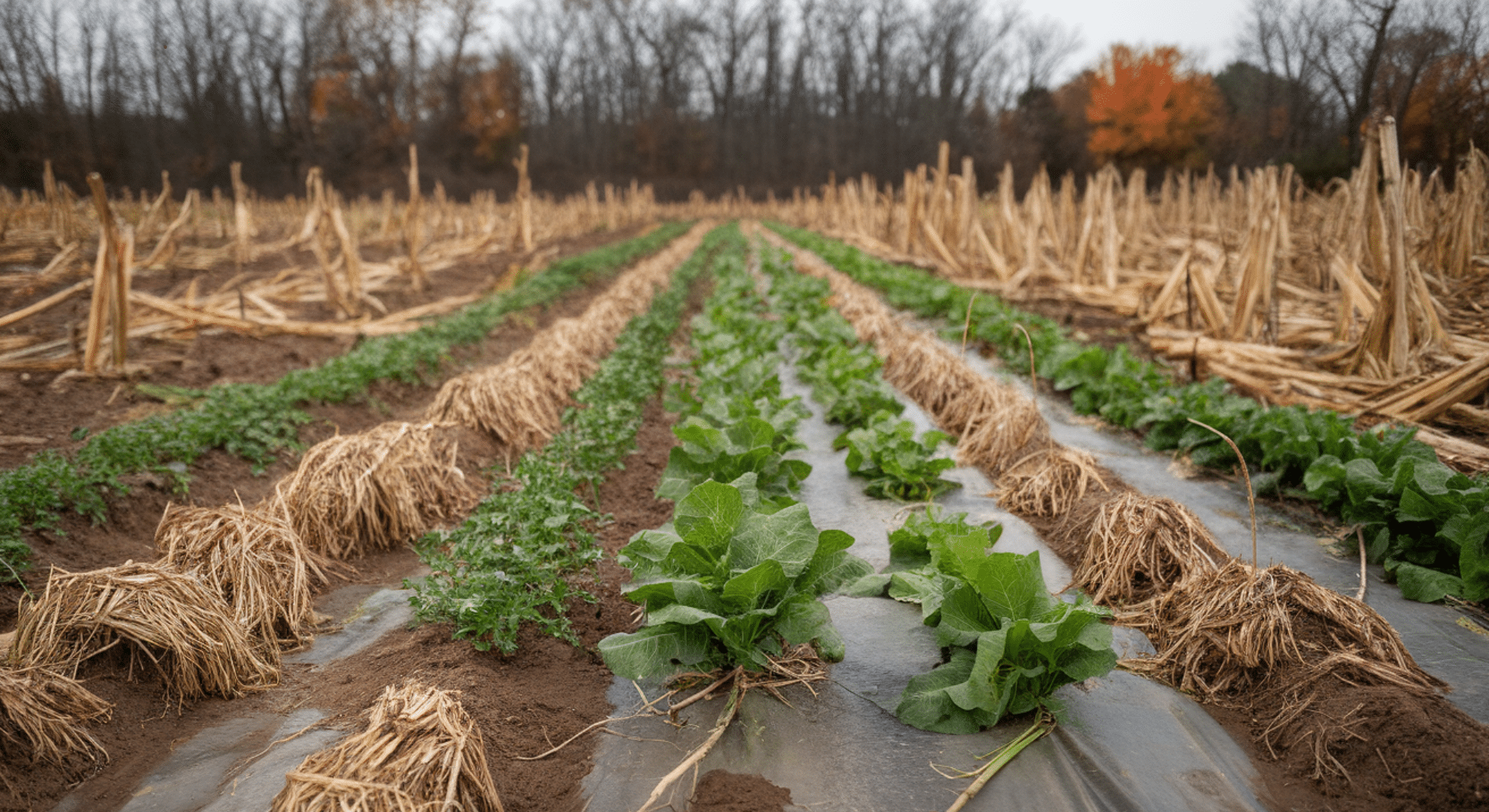
Cover crops are planted when main crops aren’t growing, like in fall or early spring. They protect soil from wind and rain, hold in moisture, and add nutrients. Some also help break up hard soil.
Common cover crops include rye, clover, and radishes. These are useful after harvest or before planting season, depending on your climate.
Conservation Tillage and No-Till Farming
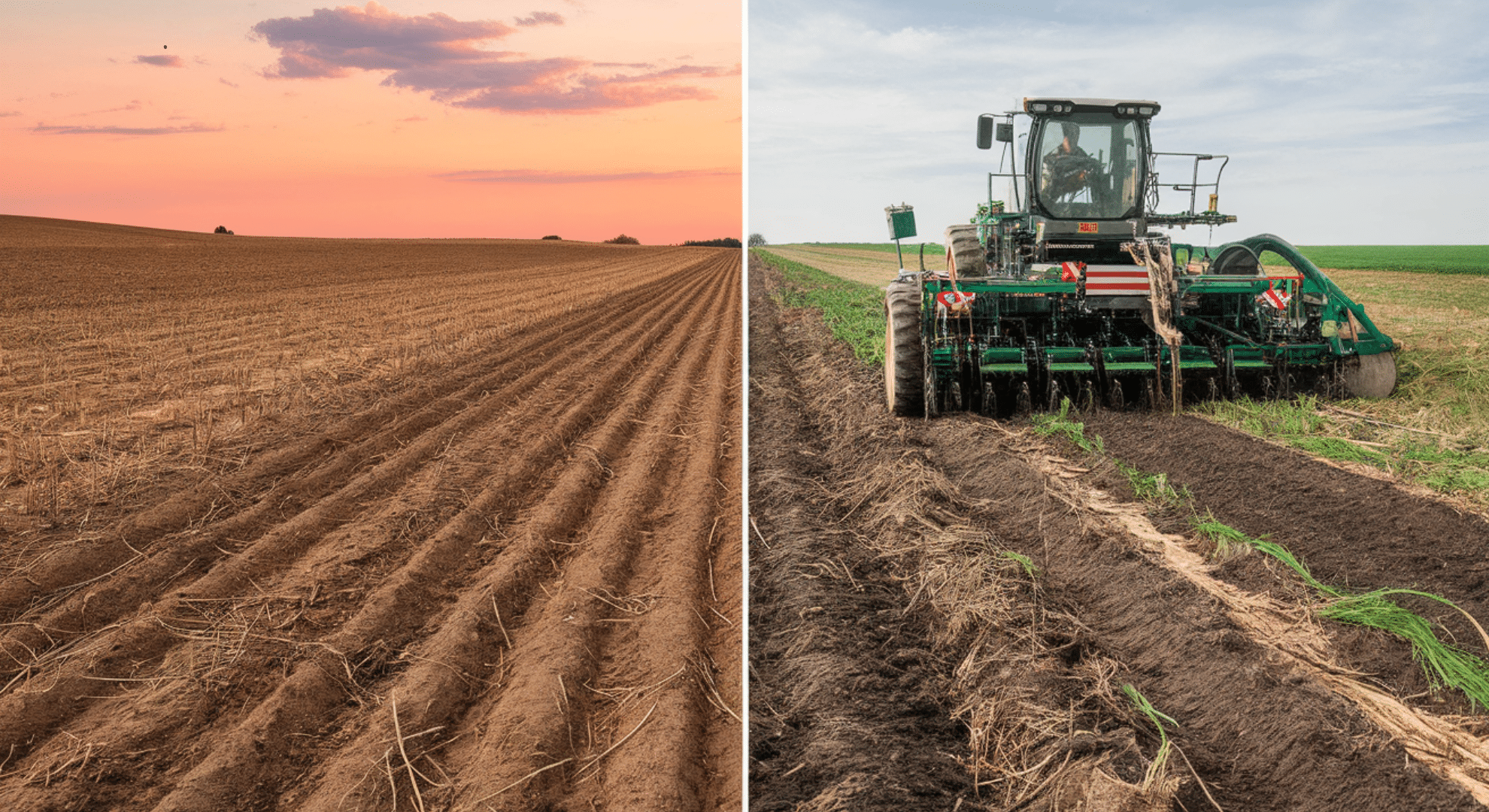
Tilling less or not at all keeps soil structure strong. It helps the ground hold water, prevent erosion, and protect soil life. No-till farming uses special planters that place seeds without turning the soil.
It works best in areas where erosion is a big problem or where soil is already in decent shape. Some machines may cost more at first, but they save time and fuel later.
Contour Farming and Strip Cropping
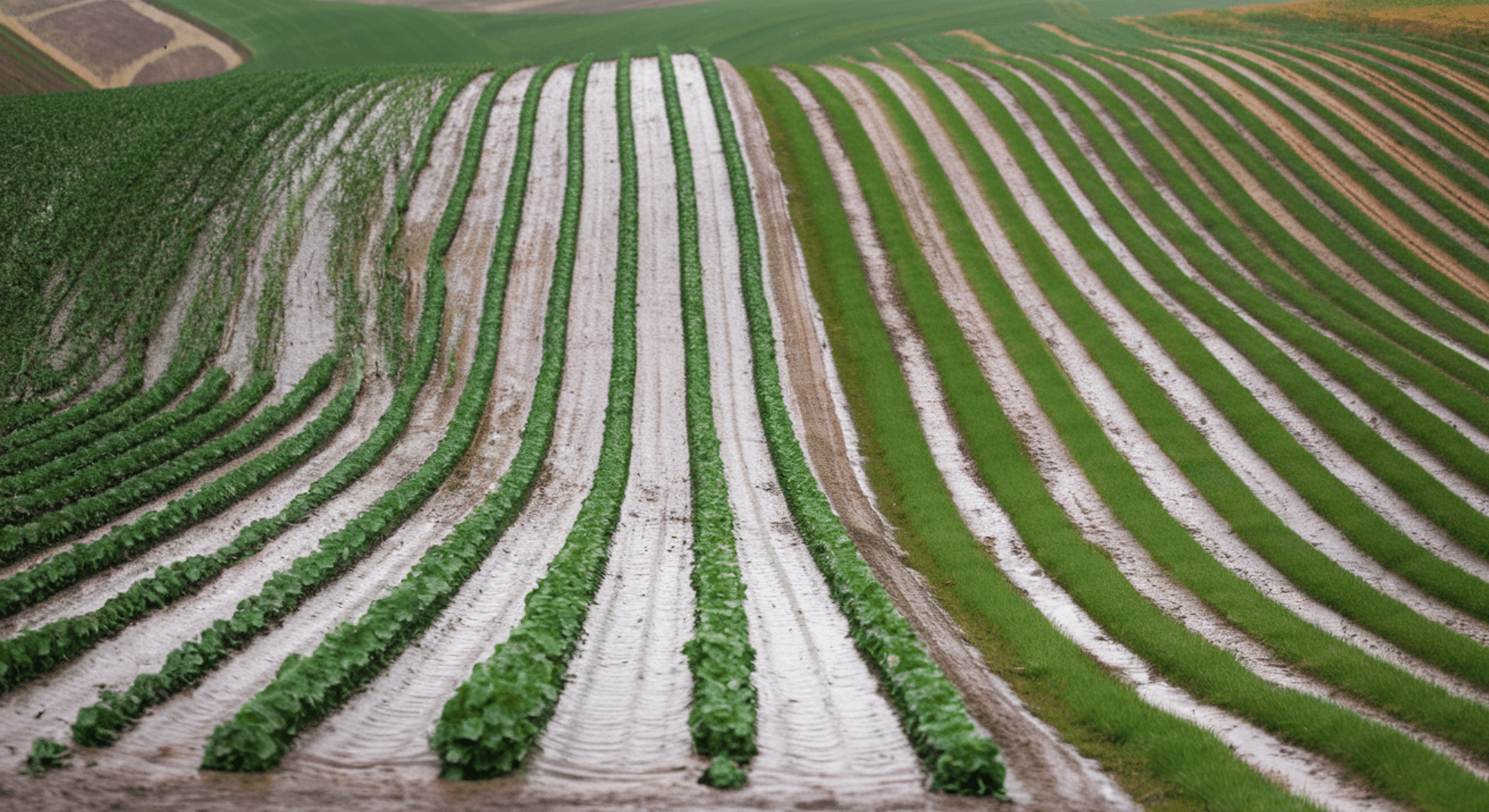
These methods use the shape of the land to stop erosion. Contour farming means planting along the natural curve of a hill instead of up and down.
Water slows down and sinks in instead of rushing off. Strip cropping uses rows of different crops like corn and grass planted in turns across a slope. This breaks the flow of water and keeps soil in place.
Terracing and Structural Methods
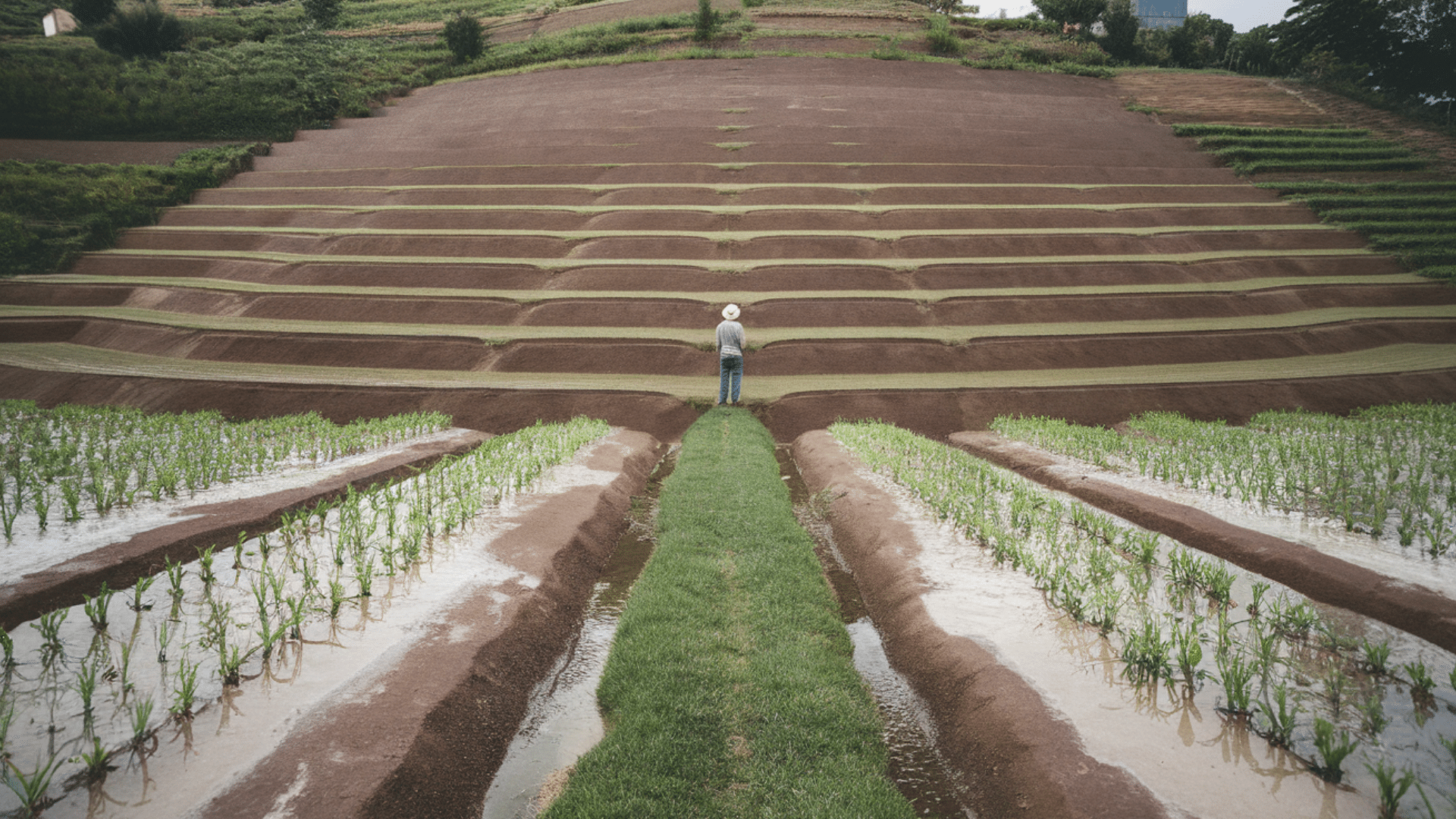
Terracing builds flat steps into sloped land. Each step holds soil and slows water, which stops erosion on steep hills. Though it takes time and money to build, it’s a long-term fix that pays off.
Other structural methods, like grassed waterways or drainage ditches, help manage runoff in problem spots. Use them when slopes are too steep for planting alone to protect the land.
Windbreaks and Buffer Strips
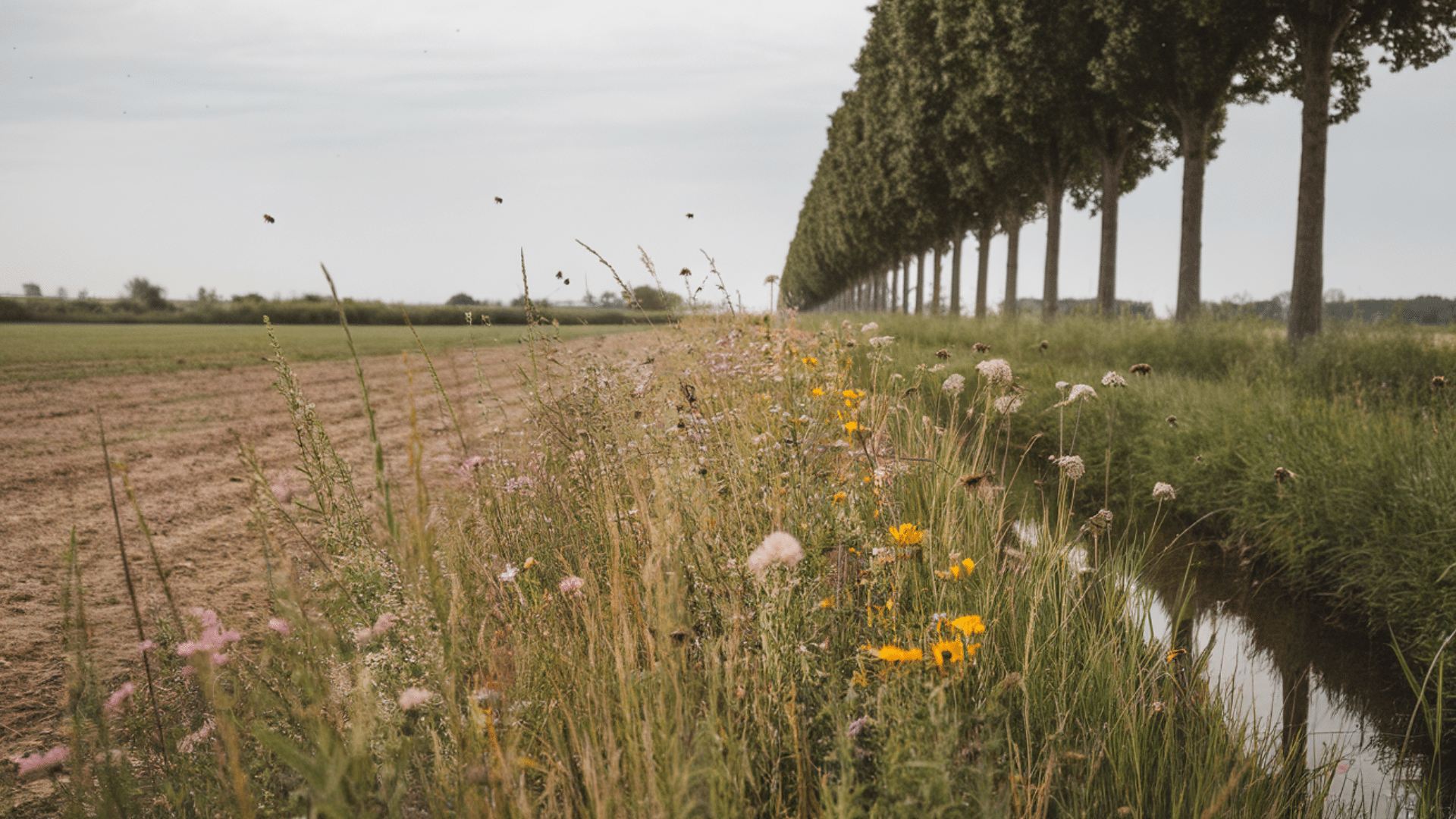
Windbreaks are rows of trees or bushes planted around fields. They block strong winds that can blow soil away. Buffer strips are grassy areas along streams or field edges.
These slow water, trap soil, and filter runoff. Place them along high-risk areas for best results. Besides protecting soil, they also give shelter to birds and pollinators, adding extra value to your farm.
Choose the Right Soil Conservation Practices for Your Farm
Picking the right soil conservation methods starts with knowing your land. First, look at your soil type. Sandy soil may need help holding water, while clay may need better drainage.
Next, check your slope. Steeper land is at higher risk for erosion and may need terraces or contour farming. Your climate matters too; wet areas need help with runoff, dry areas with moisture retention.
And think about your crops, some methods fit certain plants better.
You don’t need to change everything at once. It’s smart to start small. Try one or two practices on part of your land before going all in. This helps you see what works.
Often, the best results come from combining methods. For example, using cover crops with no-till planting builds strong, lasting soil health.
The key is balance: choose what fits your land, watch how it responds, and adjust as you learn.
Economic and Environmental Impact of Soil Conservation
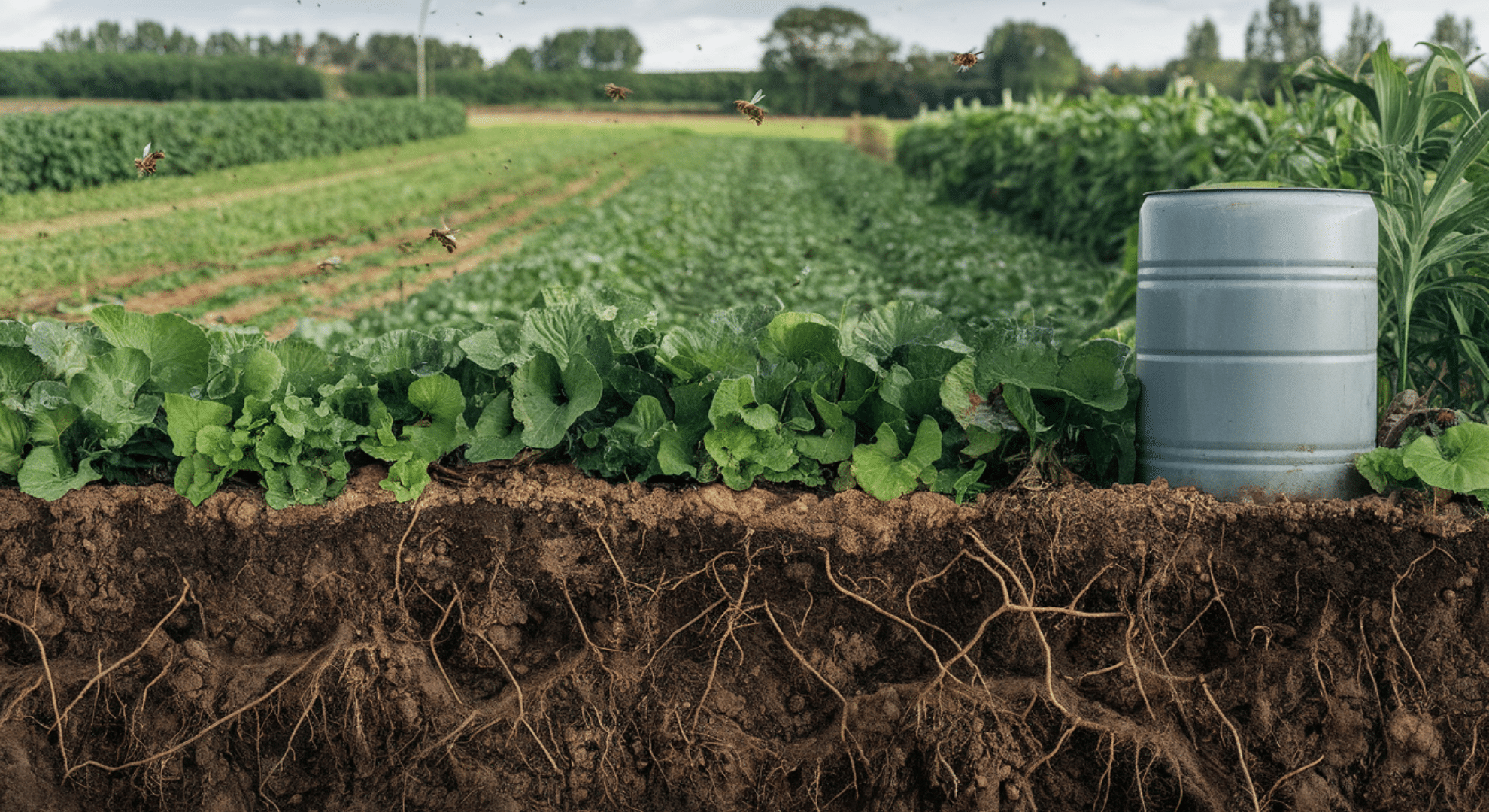
Soil conservation pays off, but the gains come in stages. In the short term, there may be some cost, buying cover crop seeds, adjusting equipment, or setting up structures like terraces or windbreaks. But over time, those costs usually shrink.
Healthy soil needs fewer fertilizers, holds water better, and leads to fewer crop problems, which saves money year after year.
One of the biggest benefits is yield stability. With protected soil, crops are less likely to fail during heavy rain or dry spells. This makes harvests more dependable and cuts financial risk for farmers.
There are also big environmental benefits. Soil conservation reduces runoff into streams and rivers, cuts air pollution from blowing dust, and keeps land productive for the future.
It also helps farms meet rules and standards for clean water and land use. Good soil isn’t just good for your farm, it’s good for your whole community.
Soil Conservation and Sustainable Farming Practices
Soil conservation is a key part of sustainable farming. It keeps the land healthy without using it up.
When you protect the soil, you use fewer chemicals, waste less water, and keep the ground rich for the next crop and the next generation. That’s what makes a farm sustainable. It works now and keeps working later.
Conserving soil also builds climate resilience. Healthy soil holds more water during droughts and lets rain soak in during storms. It stores carbon too, which helps lower the amount of carbon dioxide in the air.
This means your farm can handle weather changes better and stay strong through tough seasons.
Over time, these practices protect your biggest asset, your land. Healthy soil leads to steady harvests, lower costs, and fewer problems.
That’s the future of farming: working with the land, not against it. When the soil is strong, the whole farm is stronger.
Common Mistakes Farmers Make with Soil Conservation
Even with good intentions, it’s easy to make mistakes when starting soil conservation. Knowing what to avoid can save you time, money, and stress.
- Trying too many practices at once: Starting with multiple new methods can overwhelm your time, budget, and land.
- Skipping soil testing: Without testing, it’s hard to know what your soil really needs or doesn’t need.
- Poor timing of planting or tilling: Doing these tasks too early or too late can undo the benefits of conservation work.
- Not maintaining cover crops or structures: Windbreaks, terraces, and cover crops need care to keep doing their job.
- Choosing the wrong practices for your land type: A method that works on one farm might not work on yours due to slope, soil, or weather.
- Expecting fast results: Soil changes slowly. Benefits often take a few seasons to show.
- Overlooking the value of observation: Watching how your land reacts to each change helps you adjust and improve.
Sticking with the right plan, even if it’s simple, works better than trying everything all at once. Patience and small steps lead to real results.
Conclusion
I used to think dirt was just… dirt. Something to sweep off boots or rinse off vegetables. But once I saw deep cracks in my fields and plants struggling to grow, I knew the ground beneath me needed more care.
Learning about soil conservation methods changed how I farm and how I think.
Now it’s your turn. Your soil has a story too. Pay attention to it. Start with one change, and let the results guide you. Healthy soil means less stress, better crops, and land that lasts.
Stick with it. And if you’re ready to keep learning, check out the other blogs, they’re full of simple steps that make a real difference.