There is a distinct shift that happens when you start growing your own food or designing a backyard oasis. It begins with a single seedling on a windowsill, and before you know it, you’re looking at your lawn wondering how much sunlight it gets. You start dreaming about rows of lush heirloom tomatoes, crisp peppers, and beautiful pathways lined with flowers.
But anyone who’s ever stepped into a garden center knows that turning those dreams into reality gets expensive quickly. A single cedar raised bed can cost a pretty penny, and filling it with high-quality organic soil often costs even more. Then you have to think about hoses, trellises, fertilizers, and the actual plants or seeds.
If you try to buy everything all at once out of your regular monthly budget, your wallet is going to feel the squeeze. A lot of passionate growers end up stalling their projects or using flimsy materials that rot away in a couple of seasons. You don’t have to compromise on your garden, and you certainly don’t have to go into debt for it. The secret to building your dream plot without stress is a dedicated gardening sinking fund. It’s a simple, strategic way to stash away money over time so you can buy exactly what you need when planting season arrives.
What is a Gardening Sinking Fund?
A sinking fund is just a fancy term for a separate savings bucket dedicated to a specific, future expense. Unlike an emergency fund, which is kept aside for unexpected disasters, a sinking fund is entirely intentional. You know the expense is coming, you know roughly how much it will cost, and you give yourself a timeline to save for it.
For gardeners, this strategy is a game-changer because gardening is naturally seasonal. You generally don’t buy fruit trees in the middle of winter, and you don’t buy seed-starting trays in the heat of autumn. A sinking fund allows you to spread the costs of your hobby evenly across the entire year.
Instead of facing a massive three-hundred-dollar bill in April, you can save twenty-five dollars a month all year long. When spring finally arrives, you can walk into the nursery with absolute confidence, knowing that every bag of compost and every starter plant is already paid for.
Pick the Right Tool for Growth
If you keep your gardening savings mixed in with your everyday checking account, it’s probably going to get spent on groceries or gas. To make this work, you really need to separate your funds.
Many people make the mistake of opening a basic savings account at their neighborhood bank, but those accounts generally offer terrible returns. Your money just sits there doing nothing. Since a sinking fund holds your money for months at a time, you should maximize its growth potential.
Placing your garden cash into a SoFi high-interest savings account is an efficient way to let your money work behind the scenes. Because these online accounts offer much higher interest rates than traditional banks, your money grows passively while you plan your layout. The extra interest you earn might not fund a whole greenhouse, but it could easily pay for a premium bag of fertilizer, a new pair of pruning shears, or a few extra packs of rare seeds.
Calculate Your Ultimate Garden Goal
To build a useful fund, you need a realistic target. Take an evening to map out your goals for the upcoming season and list the components required to get there.
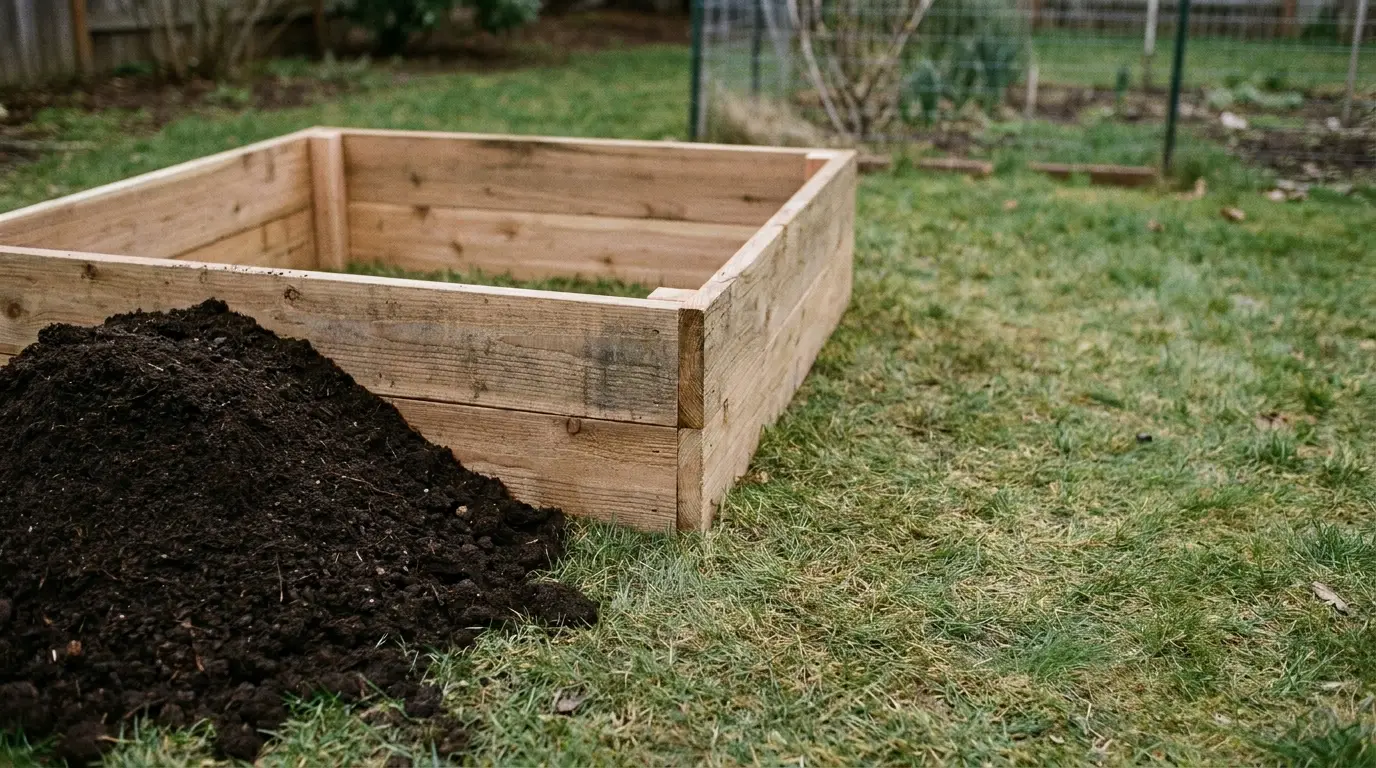
If you want to install two raised beds, research the cost of the wood or metal kits. Calculate how much soil and compost you need to fill them, as soil is often the most overlooked expense in a new garden layout. Add in a buffer for tools like a sturdy shovel or a drip irrigation kit, and don’t forget the cost of the plants themselves.
Once you have a total number, look at the calendar. If you want to start building in six months, divide your total cost by six. That’s your monthly savings goal. If that number feels a bit too high for your current budget, you can adjust your plan. Maybe you can build one raised bed this year and add the second one next year. Having a clear financial target keeps your project grounded and achievable.
Automate Your Monthly Contributions
The easiest way to guarantee your garden grows is to automate the planting of seeds. Relying on your memory to transfer money into savings at the end of the month rarely works out, as there are always other daily temptations.
Set up an automatic recurring transfer from your main checking account to your dedicated savings account to trigger every time you receive a paycheck. When the money moves automatically, you quickly adjust your daily spending to the remaining balance.
You won’t miss the small amount that disappears each week, but you’ll definitely notice the total when it comes time to buy your supplies. By the time the soil warms up, you’ll have a healthy pile of cash ready to be spent on your backyard project, completely free of guilt or financial stress.