Expanding a farm in the $512 billion national agriculture market requires a massive shift in how you handle logistics. Scalability isn’t just about planting more acres or increasing your yield. The real challenge lies in building a post-harvest infrastructure that can handle peak volume without creating operational bottlenecks or ruining product quality.
When production volumes climb, traditional handling methods break down quickly. Farmers must design facilities that protect the harvest, streamline daily workflows, and adapt to seasonal fluctuations. Achieving this balance demands a strategic mix of spatial planning, climate control integration, and durable containment solutions.
Strategic Layouts and Workflow Integration
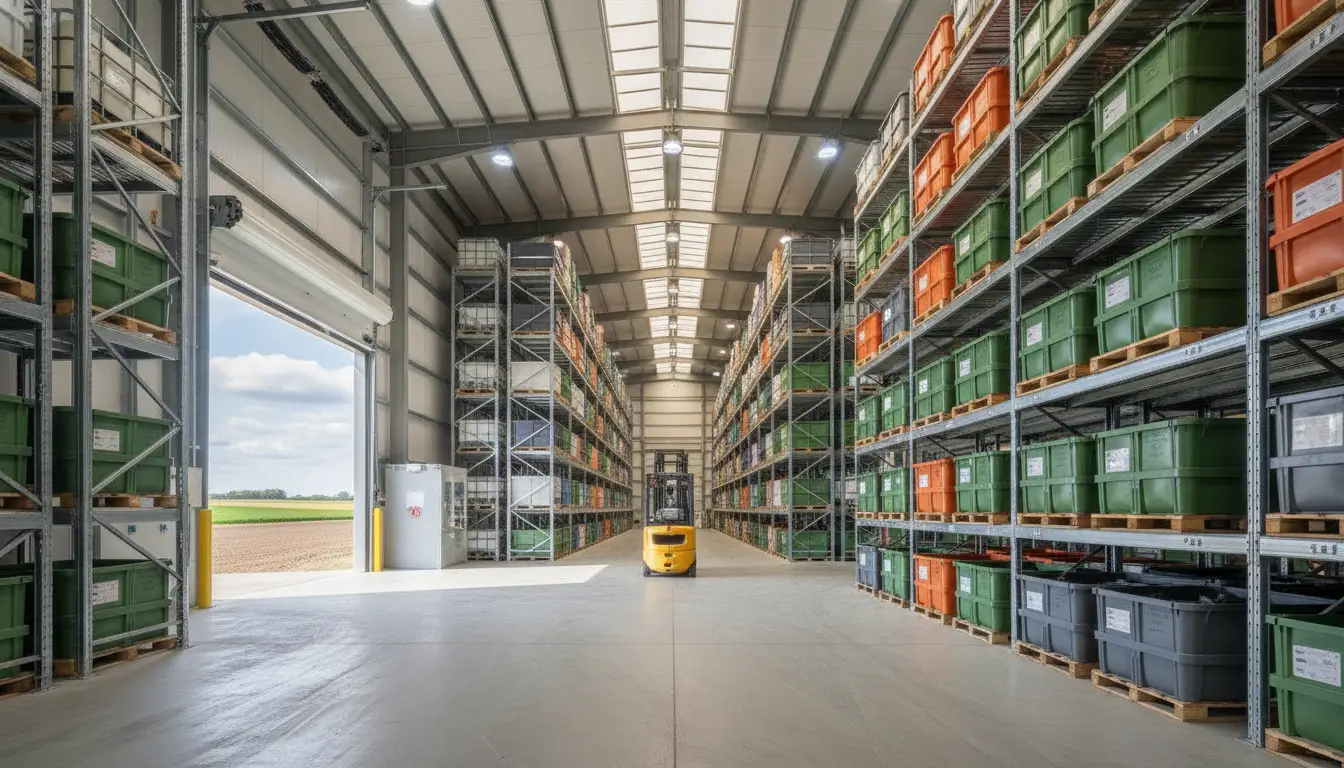
A scalable storage facility must prioritize seamless traffic flow. The entire layout should mirror your physical workflow, moving predictably from receiving and washing to packing and staging. If workers have to cross paths or backtrack to move a pallet, your layout is actively burning labor hours.
Maximizing vertical space is the easiest way to scale up without pouring new concrete. High-density racking systems allow you to stack inventory safely, but they require standardized, heavy-duty container systems that can withstand immense vertical pressure.
Incorporating affordable used totes and containers allows growing farms to modularize their storage footprint cost-effectively while keeping bulk crops secure. It’s also a sustainable move, since repurposing existing storage hardware is better than buying new.
Modern supply chains also require data integration to track these assets as they move through the facility. According to recent supply chain resilience and farm data integration strategies, digital tracking systems significantly reduce inventory loss during high-volume periods. When every bin has a designated, tracked location, inventory turnover remains highly efficient.
Environmental Controls and Harvest Protection
Investing in advanced climate management is non-negotiable for high-volume crop preservation. As facilities expand, standard refrigeration units often fail to maintain uniform temperatures across larger zones, leading to microclimates that accelerate spoilage.
Scalable infrastructure relies heavily on zoned cooling and smart air circulation. Industry data indicates that the global post-harvest preservation technologies market is expanding rapidly to meet the demand for automated atmospheric controls. Implementing modular cooling units lets you scale your energy use based on real-time harvest volumes rather than running a massive, half-empty cold room.
Smart facilities protect crop integrity by optimizing three core environmental variables:
- Sensor networks monitor real-time relative humidity to prevent dehydration
- Automated ventilation systems flush out ethylene gas build-up dynamically
- Variable-speed fans maintain consistent cross-flow ventilation across deep storage racks
Managing these variables effectively preserves shelf life and protects your bottom line during peak harvest weeks. If your cooling infrastructure fails to adapt to changing ambient conditions, your wholesale rejection rates will inevitably spike.
Equipment Organization for Daily Efficiency
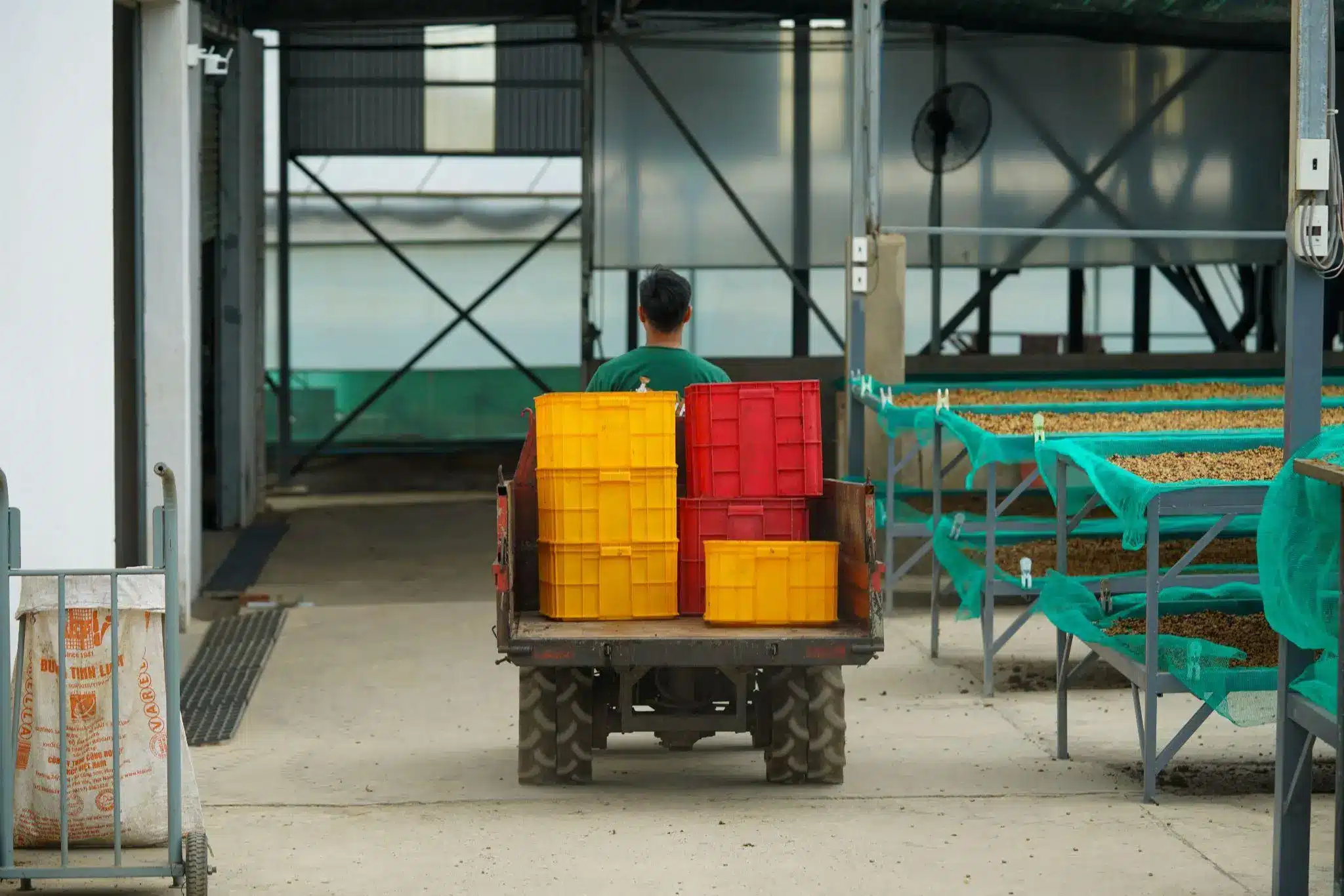
A chaotic floor plan destroys productivity faster than poor weather. Scaling operations require dedicated zones for equipment maintenance, tool storage, and empty container staging.
When specialized machinery or harvesting crates are left scattered in transit lanes, the entire facility slows down. Labeling clear transit lanes and keeping equipment organized ensures that forklifts and pallet jacks can operate at top speed safely.
Furthermore, your infrastructure must comply with evolving agricultural standards. The latest Agriculture and the water environment report from the UK emphasizes that proper washdown areas and runoff containment are critical for modern facility compliance, and the advice is relevant in all countries.
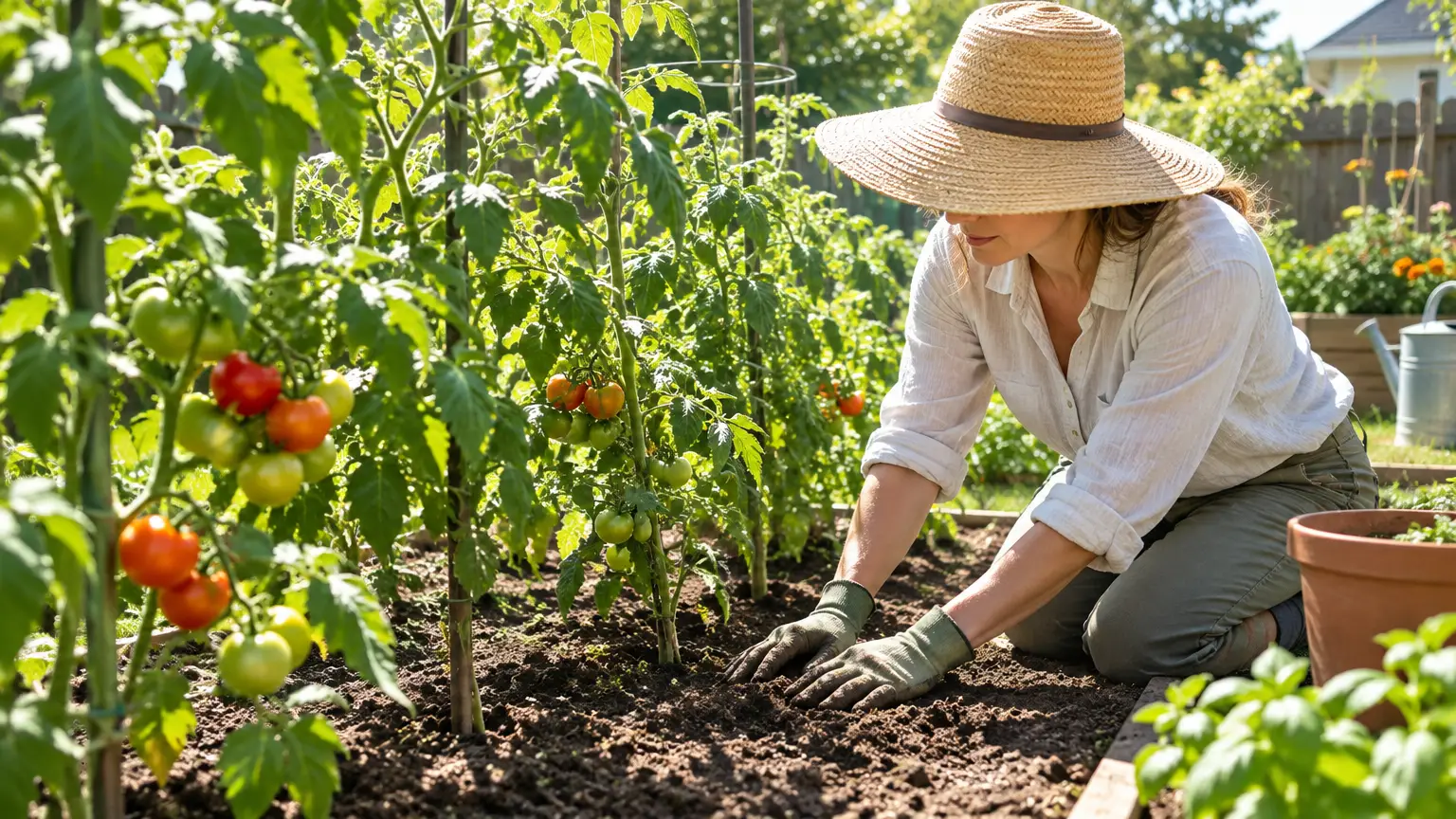
It’s a concern for commercial operations, as well as home gardeners. Water efficiency must be pursued as a priority.
Future Proofing Your Agricultural Infrastructure
Building for the future means anticipating technological upgrades before you actually need them. A facility built today must be ready for the automation tools of tomorrow.
Integrating flexible floor plans and robust power grids ensures you can adopt new sorting technologies seamlessly. For more insights into modern agriculture and topics across the horticulture spectrum, check out our other posts.