A well-maintained yard doesn’t require dozens of specialized tools. For most homeowners, a small collection of essential yard tools is enough to handle everyday tasks such as mowing, trimming, planting, watering, and seasonal cleanup.
Whether you’re maintaining a small backyard or a larger landscape, having the right equipment can make yard work faster, easier, and more efficient. The key is choosing versatile tools that can be used throughout the year rather than buying equipment you’ll rarely need.
From keeping your lawn neatly trimmed to caring for plants and clearing fallen leaves, each tool serves a specific purpose in maintaining a healthy outdoor space. If you’re just getting started with lawn and garden care, building your toolkit with the basics is a practical and cost-effective approach.
In this guide, we’ll introduce 10 essential yard tools every homeowner should consider, explain what each tool is used for, and help you decide which ones deserve a place in your shed or garage.
10 Essential Yard Tools Explained
1. Lawn Mower
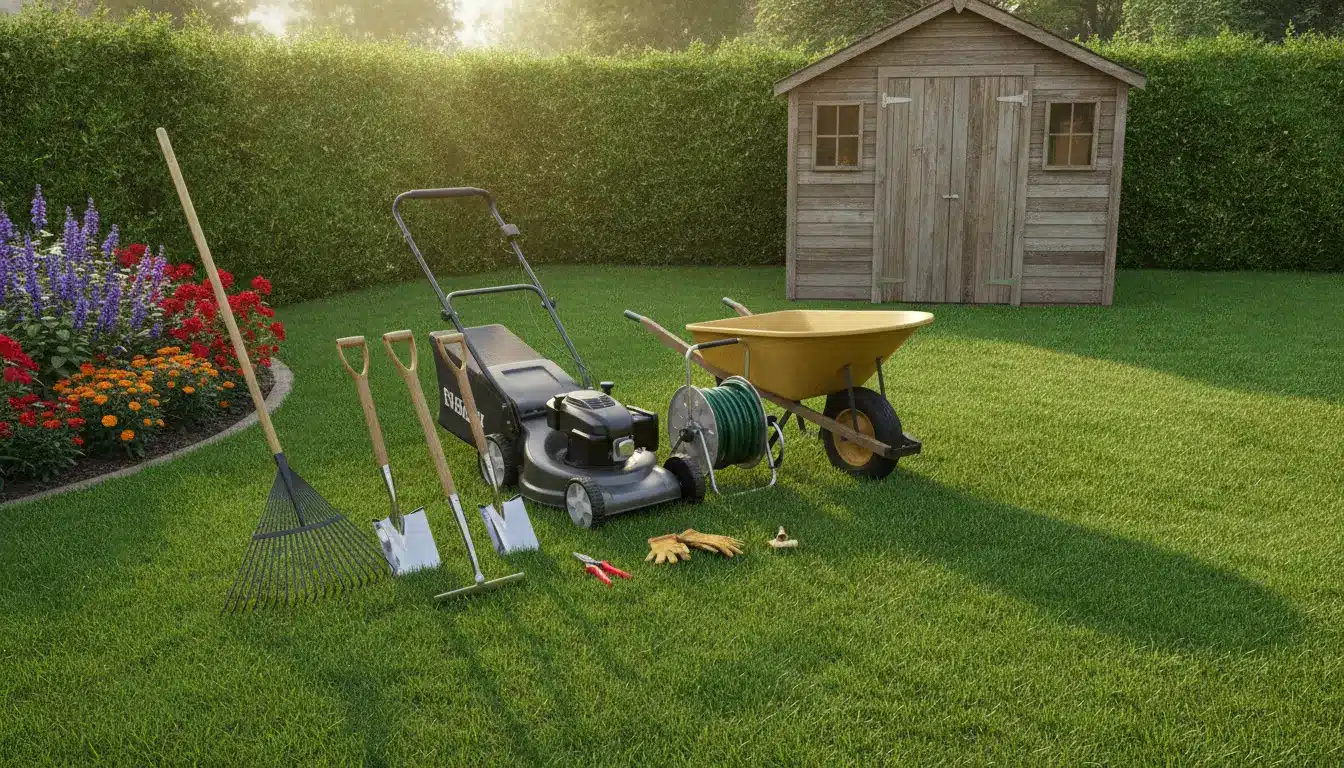
A lawn mower is the foundation of lawn maintenance. Choosing the right type depends on your lawn size and how much time you want to spend mowing. Push mowers work well for small yards, while riding mowers are better suited for large properties. For homeowners seeking a hands-free solution, robot lawn mowers have become increasingly popular. For example, models such as the ANTHBOT M5 use RTK navigation and AI vision to mow automatically, making them suitable for small lawns.
2. String Trimmer
A string trimmer reaches places a lawn mower can’t, such as around trees, fences, flower beds, and sidewalks. It helps create clean edges and gives your lawn a more polished appearance. Battery-powered models are lightweight and suitable for most residential yards.
3. Leaf Rake
A leaf rake is essential for collecting leaves, grass clippings, and other yard debris. Plastic rakes are ideal for lawns because they’re lightweight and flexible, while metal rakes are better for heavier debris and soil preparation.
4. Garden Hose
A quality garden hose is useful for watering lawns, flowers, and shrubs, as well as cleaning patios, decks, and outdoor equipment. Choosing the right hose length and adding an adjustable spray nozzle can make watering more efficient.
5. Pruning Shears
Pruning shears are designed for trimming flowers, shrubs, and small tree branches. Regular pruning encourages healthy plant growth, improves appearance, and removes damaged or dead stems before they become a problem.
6. Garden Shovel
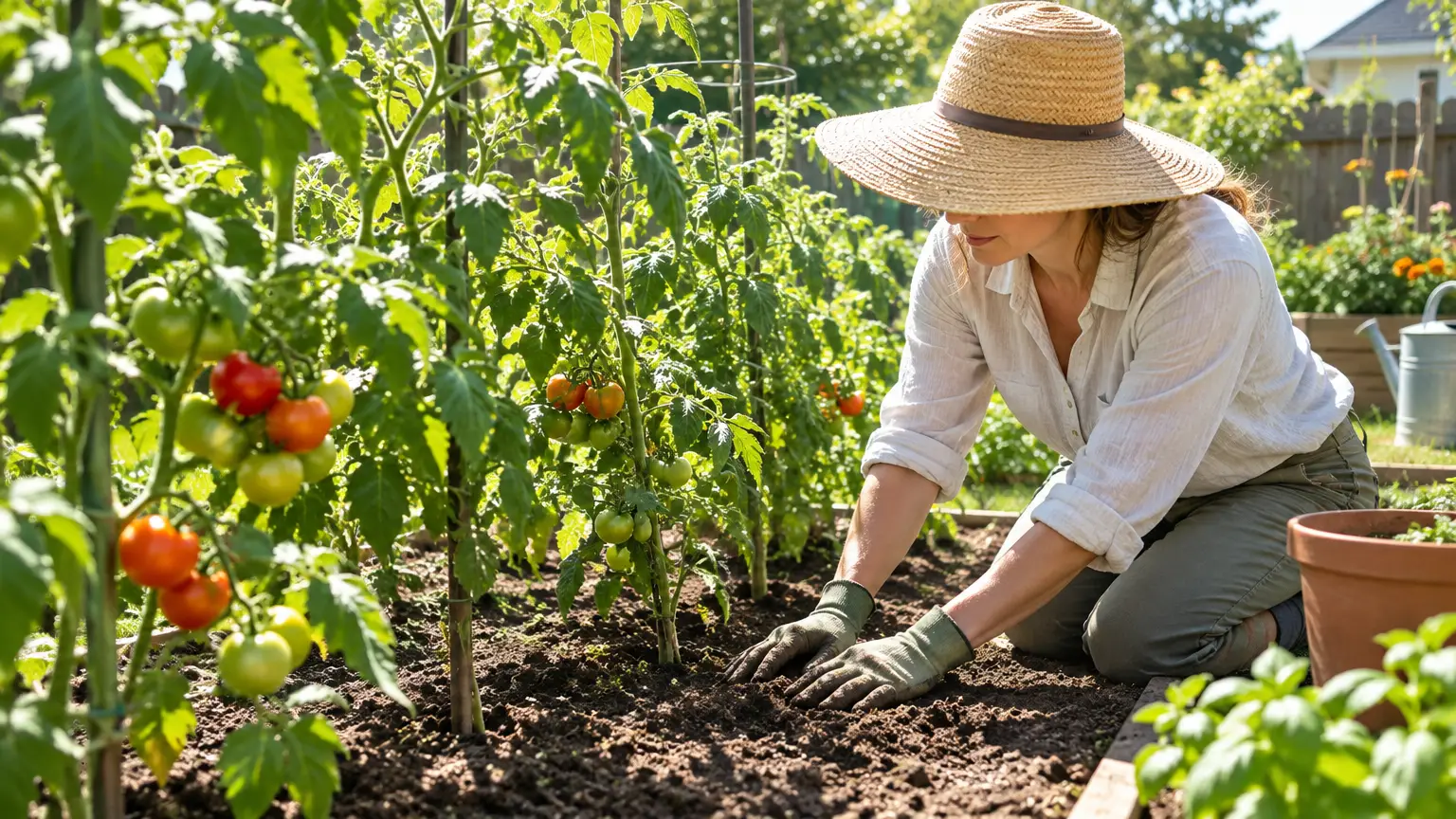
A sturdy shovel is one of the most versatile yard tools. It’s useful for digging planting holes, moving soil or mulch, and installing new plants. A durable steel shovel can handle most common landscaping tasks.
7. Garden Hoe
A garden hoe is ideal for removing weeds and loosening soil before planting. It also helps improve soil aeration and makes it easier for water and nutrients to reach plant roots, making it a valuable tool for vegetable and flower gardens.
8. Wheelbarrow
A wheelbarrow makes transporting heavy materials much easier. Whether you’re moving soil, compost, mulch, rocks, or gardening supplies, it reduces physical effort and saves time during larger yard projects.
9. Garden Gloves
A good pair of garden gloves protects your hands from dirt, thorns, splinters, and blisters. Comfortable, durable gloves also provide a better grip when using tools and carrying materials, making yard work both safer and more enjoyable.
10. Lawn Spreader
A lawn spreader helps apply fertilizer, grass seed, and weed control products evenly across your lawn. Uniform application improves lawn health and prevents overuse of lawn care products, making it a worthwhile investment for homeowners who regularly maintain their yards.
Building Your Yard Tool Collection
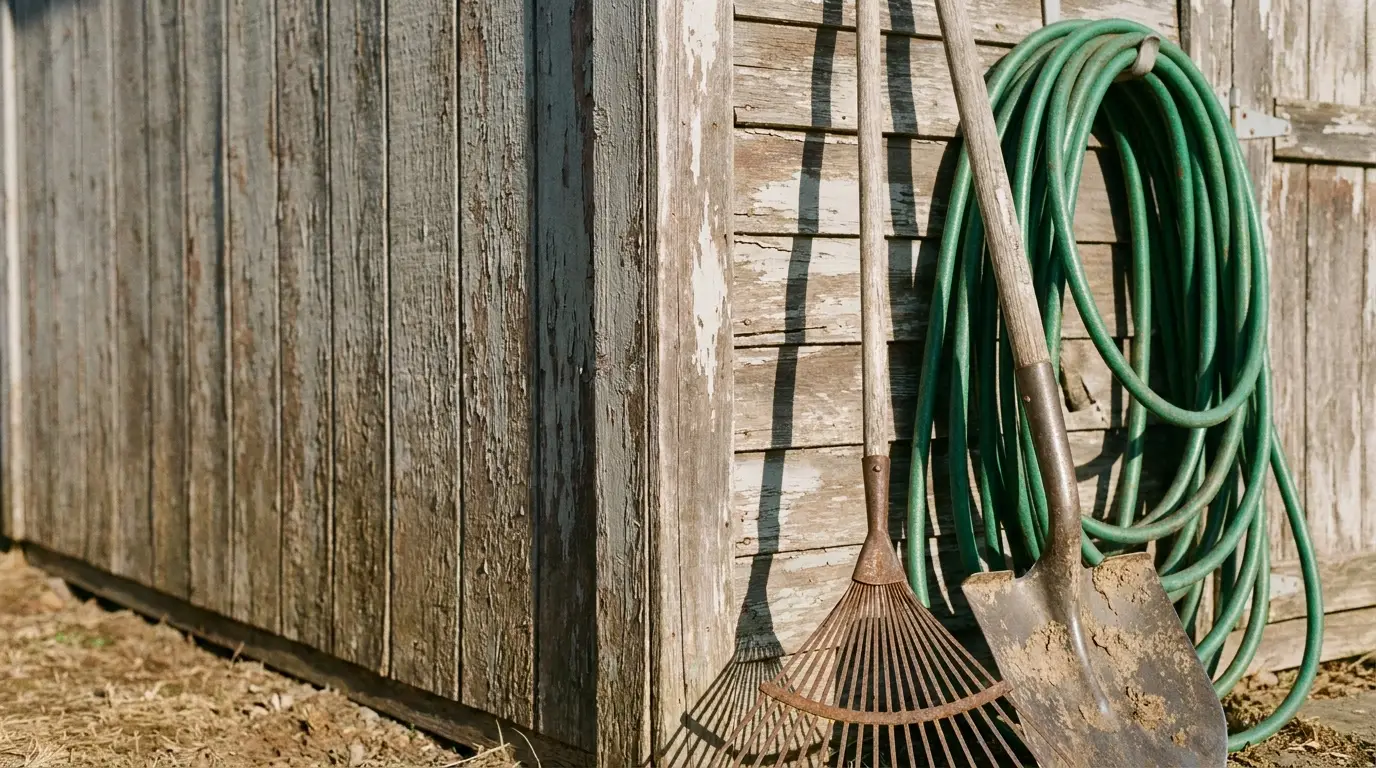
You don’t need to buy every yard tool at once. If you’re new to lawn and garden care, start with the essentials—a lawn mower, string trimmer, rake, shovel, and garden hose. These tools can handle most routine maintenance tasks and provide a solid foundation for keeping your yard in good condition.
As your landscaping needs grow, you can gradually add specialized tools such as pruning shears, a wheelbarrow, or a lawn spreader. Investing in durable, high-quality tools often pays off over time, as they typically last longer and require less maintenance than cheaper alternatives.
The best yard tool collection is one that matches your property and lifestyle. A small suburban lawn may only require a few basic tools, while larger or more complex yards can benefit from additional equipment. For homeowners looking to save time on regular lawn maintenance, robotic lawn mowers have also become a practical option, automating one of the most time-consuming yard tasks.
By choosing the right tools and maintaining them properly, you’ll spend less time on yard work, improve the health of your lawn and garden, and enjoy a cleaner, more attractive outdoor space throughout the year.