If you live in Tampa, you already know grass has a bit of an attitude. Heat, humidity, heavy rain, sandy soil, and salty coastal air can turn lawn care into a full-time side quest. A great yard isn’t just about looks either. It affects curb appeal, drainage, outdoor comfort, and even how much maintenance you’ll deal with every weekend. If you want a healthier lawn without burning cash on trial and error, a smart plan matters.
Start by Understanding What Your Lawn Is Up Against
Your lawn doesn’t fail for no reason. In Tampa, grass deals with intense sun, sudden storms, compacted soil, weeds, chinch bugs, and fungal problems that thrive in moisture. If your yard has patchy areas, yellowing spots, or muddy sections that never seem to recover, the issue usually starts below the surface.
Sandy Florida soil drains fast, which sounds helpful until nutrients wash away before roots can use them. Add uneven watering and foot traffic, and your grass starts waving a tiny green surrender flag. Before you buy fertilizer or new tools, look at the basics: sunlight exposure, drainage, soil condition, and grass type.
A lawn in full sun has different needs than one shaded by oaks all afternoon. Small details like that shape every smart decision you make next.
Know When Sod Makes More Sense Than Seeding
Seeding can work in some climates, but Florida lawns often respond better to sod, especially when you want fast, even coverage. Sod gives you an instant layer of established grass, which helps reduce erosion, block weed growth, and improve the overall appearance of the yard right away.
That speed matters more than you might think. Bare soil in Tampa can turn into a muddy mess after one hard rain and a crusty dry patch after a hot week. Sod closes that gap quickly. It also gives you a better shot at uniform growth, since you’re not waiting for seeds to germinate unevenly.
If your existing lawn is too far gone, patching random spots may become a money pit in disguise. In those cases, professional sod installation in Tampa can be a practical move, especially when proper grading, soil prep, and grass selection are part of the job.
Pick the Right Grass Instead of Fighting the Wrong One
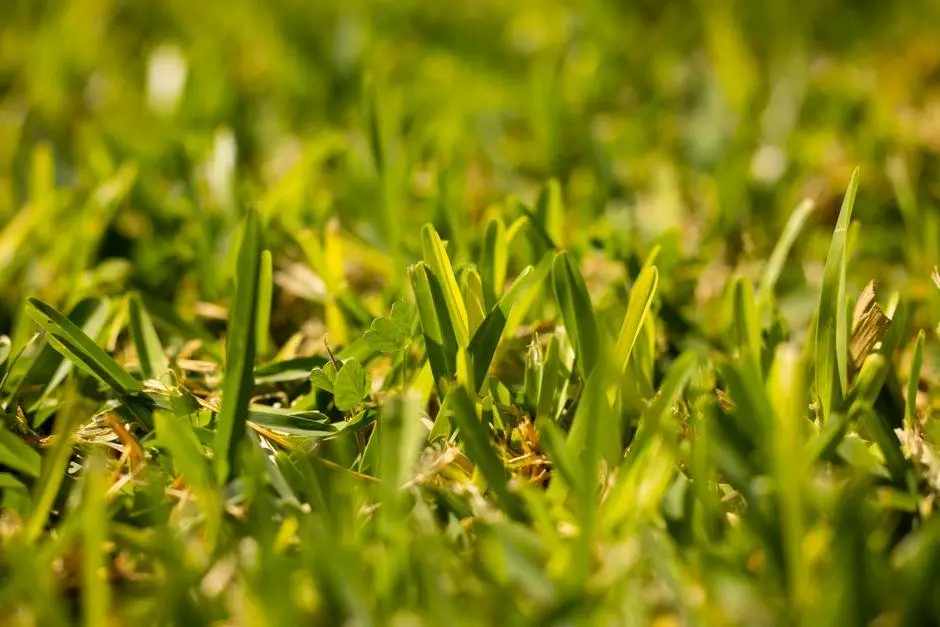
Not every grass variety belongs in every yard. If you choose one that clashes with your local climate or your property’s conditions, you’ll spend more time fixing problems than enjoying the lawn. In Tampa, warm-season grasses such as St. Augustine, Zoysia, and Bahia tend to perform best.
St. Augustine is popular because it handles heat well and creates a full, dense look. Zoysia often appeals to homeowners who want a polished appearance and better traffic tolerance. Bahia is less formal but tougher in certain conditions and usually needs less pampering.
Your yard’s purpose matters too. If kids and pets use it like a mini sports arena, durability should rank high. If curb appeal is the top goal, texture and color may matter more. A good lawn is not just pretty. It fits how you actually live.
Focus on Soil Prep if You Want Results That Last
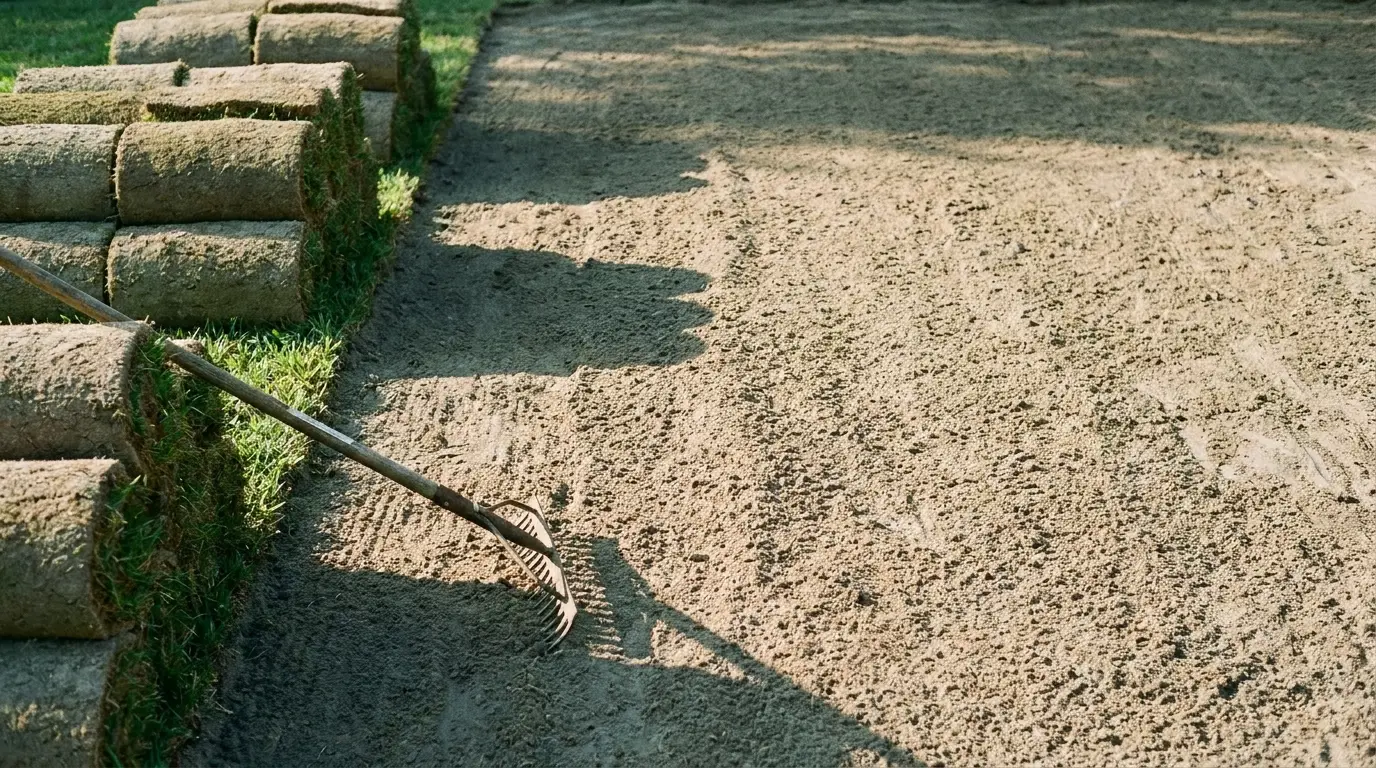
Fresh grass can only do so much if the ground underneath is a mess. Soil preparation is where a lot of lawn projects either succeed quietly or fail very publicly. If the area isn’t cleared, leveled, and loosened before new grass goes down, roots struggle to establish and drainage problems stick around.
Good prep usually includes removing dead turf, weeds, rocks, and debris. It may also involve adding topsoil or amendments if the site is too sandy, compacted, or uneven. Leveling matters because low spots collect water while high spots dry out faster. That leads to inconsistent growth and more disease pressure.
You don’t need to turn your backyard into a turf science lab, but you do need to respect the groundwork. A smooth installation on top of poor prep is like putting clean sneakers on before walking through wet cement.
Water Correctly or You’ll Undermine the Whole Lawn
Watering mistakes wreck plenty of promising lawns. Too little, and new grass dries out before roots settle in. Too much, and you create shallow roots, fungal trouble, and soft, unhealthy turf. In Tampa’s climate, balance matters more than enthusiasm.
New sod usually needs frequent watering at first so the roots can connect with the soil below. After establishment, the goal shifts. You want deeper, less frequent watering that encourages roots to grow down rather than linger near the surface like lazy tenants.
Early morning is usually the best time to water. Midday loses too much moisture to evaporation, and evening can leave the lawn damp overnight, which fungi love a little too much. Watch for signs instead of running sprinklers blindly. Footprints that stay visible and blades that fold inward often signal thirst.
Cut, Feed, and Maintain Your Lawn With a Real Plan
Mowing is not just cosmetic. It changes how your lawn grows, stores moisture, and handles stress. Cutting too short weakens grass and opens the door for weeds. Different varieties have different ideal mowing heights, so guessing with the mower deck rarely ends well.
Keep mower blades sharp. Dull blades tear grass instead of cutting it cleanly, leaving ragged edges that look rough and make the lawn more vulnerable to disease. It’s one of those tiny maintenance details that pays off more than people expect.
Feeding matters too, but overfertilizing creates its own problems. Fast green-up looks exciting for a minute, then you’re dealing with excess growth, pest pressure, or nutrient runoff. Use a fertilization schedule suited to Florida lawns and your specific grass type. Weed control, pest monitoring, and seasonal checkups round out a lawn routine that actually works.
Decide When to DIY and When to Call a Pro
Some lawn jobs are perfectly manageable on your own. Mowing, basic watering, spot weeding, and routine observation all fit the DIY category for most homeowners. Trouble starts when the project involves drainage correction, full lawn replacement, grading, or choosing and installing large amounts of sod.
That’s where mistakes get expensive. Uneven installation, poor soil prep, wrong grass selection, or sloppy watering advice can leave you with a lawn that looks great for two weeks and then starts collapsing in sections. Not exactly the dream.
A reliable professional can help you assess the yard, match the right turf to the site, and install it in a way that supports healthy rooting. If you want a lawn that looks good and stays functional through Tampa weather, expert help can save time, frustration, and repeat costs.
Build a Lawn That Works for Your Climate and Your Life
A healthy lawn is rarely the result of one lucky purchase. It comes from matching the grass to the climate, preparing the soil properly, watering with some discipline, and keeping up with maintenance before problems snowball. Tampa lawns need a practical approach, not wishful thinking and a bargain bag of seed.
If your yard has been stuck in a cycle of patching, guessing, and hoping, a reset may be the smartest move. Focus on what works in your actual location and for your actual routine. When you make decisions based on conditions instead of convenience, your lawn has a much better chance of staying green, usable, and far less dramatic.