
Each spring, Texas roadsides and pastures turn blue for a few short weeks. Visitors come for the photos. Gardeners who grow from seed get something extra, because every one of those flowers was sown months earlier, in the fall.
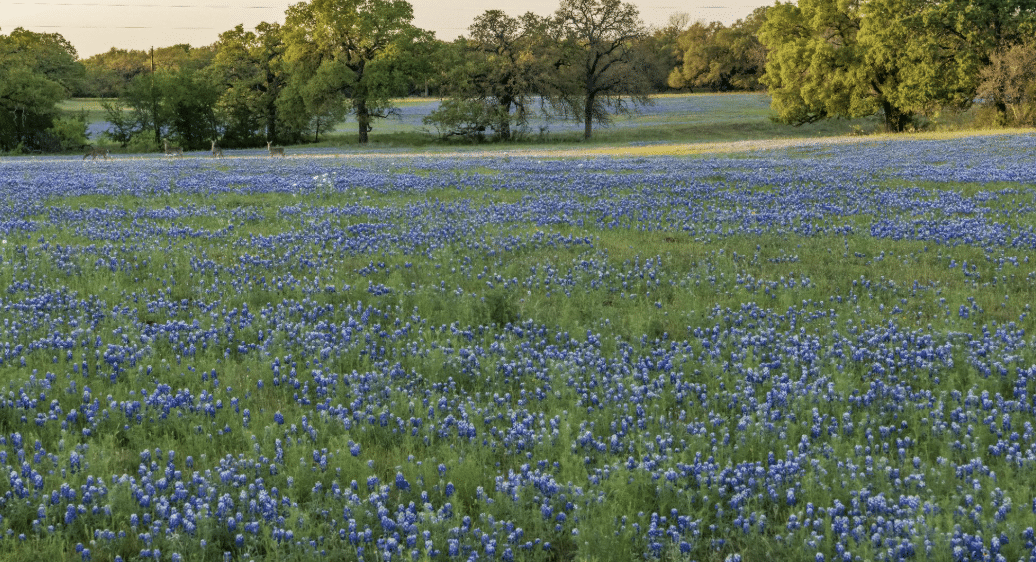
That gap between sowing and blooming is the real lesson, and it is easiest to learn in person. Several of the Texas luxury vacation homes near Fredericksburg, Canyon Lake and Burnet put you close to Hill Country back roads. A kitchen and a porch make a slower, garden-minded trip possible.
Why Do Bluebonnets Bloom Months After They Are Sown?
Bluebonnets work on a long clock. In an AgriLife Today interview, horticulturist Larry Stein describes them as germinating in fall and blooming in spring. He adds that fall is the best time to plant, and that heavier fall rains help them germinate well.
Over winter the young plants stay low, flattened into a rosette of leaves, a stage Stein mentions in the same piece. Nothing much seems to happen for weeks. When spring warms up, the flower spikes rise fast.
The seed itself is tough. Stein notes that bluebonnet seeds have a hard coat that can take years to germinate naturally. That is why seed sold as scarified, with the coat nicked or worn so water can enter, is easy to find online.
When Should You Plan the Trip?
Timing matters more than location. The same AgriLife piece says the blooming season tends to last about six weeks, with flowers typically seen closer to March. In 2019 it started early, at the end of January and the beginning of February.
- Watch the weather from January. A warm, wet winter can bring blooms forward.
- Pick a flexible window. Book a stay you can shift by a week if the fields run early or late.
- Go midweek if you can. Popular roadsides fill up on spring weekends.
- Base yourself centrally. A Hill Country home keeps several drives within reach of one kitchen table.
- Leave room for rain days. Wet mornings are good for walking a garden, not for photos.
Which Seed Lessons Can You Bring Home?
A bluebonnet field is a working demonstration of habits that help any seed-grown plant. These five travel well.
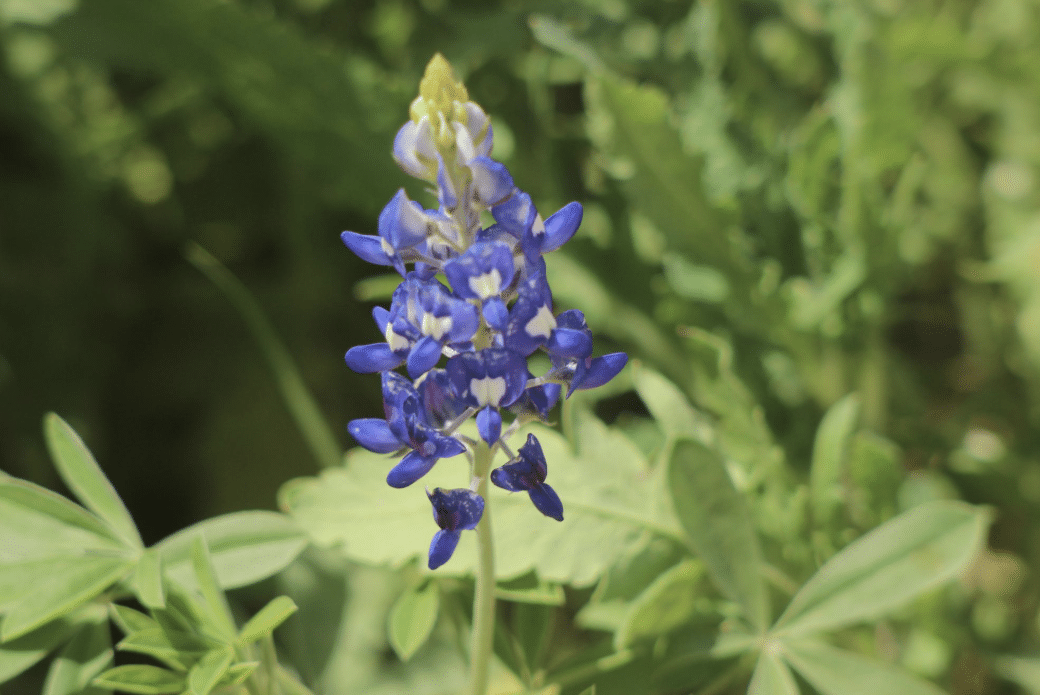
- Sow for the season the plant needs. Cool-season annuals in warm climates often go in during fall, not spring.
- Respect hard seed coats. Nick, soak or buy treated seed when a species is known for slow germination.
- Expect a quiet phase. A plant can spend weeks building roots before anything shows above the soil.
- Let some flowers set seed. Fields return year after year because plants are left to finish their cycle.
- Plan colors on purpose. Stein lists pink, white, red and maroon forms. “All the colors want to be blue,” he said.
That last point is a useful one for seed savers. To keep a pink or white strain, the article advises isolating it and removing the other colors nearby. The same thinking applies to any flower you hope to save true to type.
Where Should a Garden-Minded Traveler Stay?
Home Team’s Texas page lists 138 homes, from Hill Country retreats to Gulf Coast escapes and North Texas lakefront homes. For a bluebonnet trip, the Hill Country and Central Texas bases make the most sense.
| Base | Why it suits a spring wildflower trip | What to look for in the home |
|---|---|---|
| Canyon Lake | Hill Country lake setting with homes of several sizes | A porch or balcony for early mornings |
| Burnet | Lakefront listing on Lake Buchanan | Outdoor space for evenings after long drives |
| Near Fredericksburg | Central for Hill Country driving days | A full kitchen for farm-stand meals |
| Austin | City base with day trips west | Parking and easy access to the highway |
| San Antonio | City base for day trips into the Hill Country | A yard or patio to unwind after a full day |
Check each listing for what it actually includes, such as a pool, a hot tub or pet-friendly rules. A home with outdoor space suits a gardener who likes to sit with coffee and plan the day’s route.
How Do You Enjoy the Fields Without Harming Them?
The fields only return if the plants set seed, so a light footprint matters. Stein says picking bluebonnets is legal across the state, though some Texas cities ban it by ordinance. He still advises against picking at all.
He is firmer about property lines.
Avoid trespassing on private land, and park safely in low-traffic areas when you stop for photos. Stay on the edge of a patch rather than walking into it.
Leave the pods alone too. Seed that falls this spring is next year’s display, much like planting wildflower seeds in your own yard.
Other Texas Plant Symbols to Spot
The bluebonnet is not the state’s only plant emblem. The Texas State Library lists several that a gardener might notice on the same trip.
- State flower: the bluebonnet, Lupinus texensis and any other variety, under a 1971 resolution.
- State tree: the pecan, adopted in 1919.
- State plant: the prickly pear cactus, adopted in 1995.
- State shrub: the crape myrtle, adopted in 1997.
- State native shrub: Texas purple sage, adopted in 2005.
Several of these cope well with Texas heat. Seeing them around the state shows how they grow in real conditions, which helps when you plan a pollinator-friendly layout at home.
What to Pack for a Seed-Minded Trip
- A notebook for bloom dates, places and soil types.
- A phone folder for photos of leaves and flowers together.
- A list of local nurseries to visit, if they allow it.
- Patience for weather that moves the season by weeks.
From Hill Country Fields to Your Own Seed Calendar
A bluebonnet trip shows that the best displays start long before anyone notices them. Sow at the right season, accept the slow phase, and let plants finish their cycle. Those lessons work in a backyard bed as well as on a Texas hillside.
Frequently Asked Questions
When Do Bluebonnets Usually Bloom in Texas?
Texas A&M AgriLife says the season tends to last about six weeks, with blooms typically seen closer to March. It can come early, as in 2019, when blooms started at the end of January and beginning of February.
Is It Legal to Pick Bluebonnets?
Picking is legal statewide, but some Texas cities ban it by ordinance. AgriLife’s horticulturist advises against picking altogether. Never step onto private property to reach a patch.
Why Are Bluebonnets Planted in Fall?
They germinate in fall and bloom in spring. Planting in fall lets them use autumn rains and settle in before winter. Spring sowing misses that window.
Do Bluebonnet Seeds Need Special Treatment?
Their hard seed coat can take years to germinate on its own. Scarified seed, with the coat broken so water can get in, sprouts more readily. It is widely sold online.