

Growing greens indoors without soil sounds simple until you hit your first nutrient imbalance or a pH reading that won’t budge. The learning curve is real, and the brands that help you past it fall into a few different buckets: places to learn the method, places to buy the gear and places to buy complete systems.
This list mixes all three, so you can figure out which kind of help you actually need before you spend a dollar.
Best for Beginner-Friendly Hydroponic Guidance and Gear – Hydronurture
Hydronurture is a hydroponics resource hub built around growing guides, practical tips and access to hydroponic products for home gardeners.
The site covers soil-less growing techniques alongside equipment such as hydroponic systems, pH and TDS meters, growing media, lighting and related supplies. That combination makes it useful for someone who wants both an introduction to the method and somewhere to start comparing equipment.
Its strongest appeal is accessibility. Instead of assuming you already understand nutrient concentrations, light schedules or water chemistry, the content is geared toward helping growers build confidence as they learn.
For someone starting with a small indoor herb or leafy-green setup, that blend of guidance and beginner-friendly equipment makes Hydronurture a sensible first stop before moving into more technical or commercial systems.
Best for Precise pH and Nutrient Monitoring – Bluelab
Bluelab is built around measurement and control. The company makes pH, conductivity, nutrient and temperature monitoring equipment for hydroponic and other controlled growing environments.
For growers running a more technical setup, reliable measurements matter because incorrect pH or nutrient levels can interfere with plant growth and nutrient uptake. Bluelab’s meters, monitors and controllers are designed specifically around those variables.
The main limitation is that Bluelab focuses on monitoring and control rather than complete grow systems. You’ll still need the reservoir, lighting, growing structure and other components elsewhere.
That makes it a strong complement to almost any hydroponic system rather than a standalone solution.
Best for Commercial Farm Training – Upstart University
Upstart University takes a different approach from the hardware brands here. It is an online training platform aimed at people who want to understand hydroponic and aquaponic farming at a commercial level.
Its courses and resources cover topics such as production, farm planning, business models and controlled-environment growing, making it much more relevant to an aspiring farm operator than someone growing a few herbs on a kitchen counter.
That depth is the appeal. A future commercial grower needs to understand much more than how to keep one system running, including crop economics, workflow and planning.
For casual home growers, that level of structure may be more than necessary. For someone thinking about hydroponics as a business, though, the training focus is much more useful.
Best for Nutrient Formulation – Botanicare
Botanicare manufactures hydroponic nutrients, supplements, trays and growing supplies, with product lines including CNS17 and Sweet.
Its products are aimed at growers who already have a system in place and want more control over plant nutrition. Feed schedules and nutrient programs give users a way to fine-tune what plants receive throughout different stages of growth.
That makes Botanicare more of a supporting brand than a complete-system provider. You are not buying the full hydroponic setup here. You are buying the nutrients and supplies that help an existing system perform consistently.
It is a natural fit for growers who already understand the basics and want to take a more hands-on approach to nutrient management.
Best for Broad Equipment Selection – Hydrofarm
Hydrofarm offers a broad catalog of cultivation equipment and supplies spanning multiple stages of the growing process.
Its range includes lighting, environmental controls, hydroponic equipment, plant care tools and other cultivation accessories. That makes it useful for growers who want to shop across several categories without relying on a single-product specialist.
The price range is broad too. Small accessories sit at the lower end, while larger environmental and water-control equipment can run into the hundreds or thousands of dollars.
That breadth is both the strength and the challenge. Hydrofarm gives you plenty of choice, but it helps to know roughly what problem you’re trying to solve before you start browsing.
Best for Vertical Growing Systems – ZipGrow
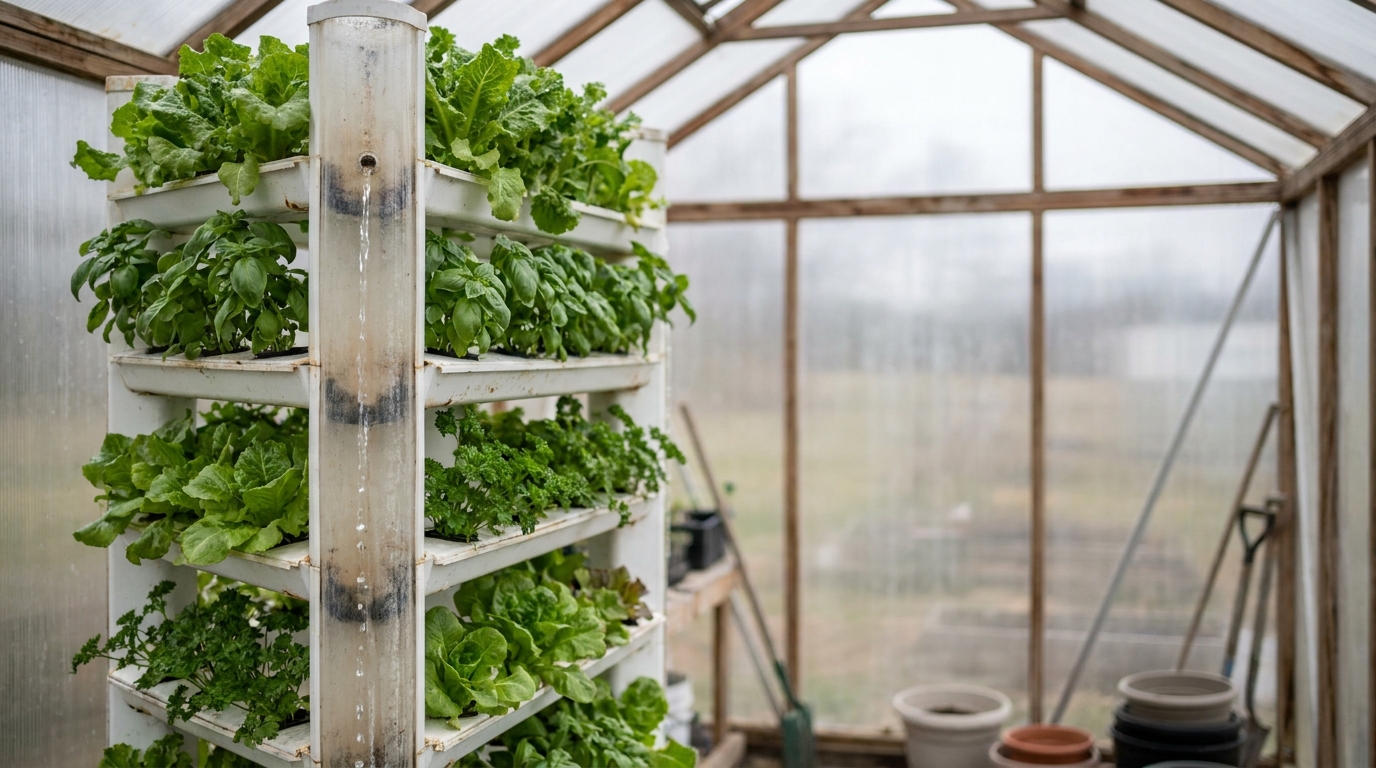
ZipGrow designs vertical hydroponic systems for home, education, greenhouse and commercial growing.
Its Farm Wall is one of the brand’s best-known systems and uses vertical towers to grow greens and herbs while taking up less floor space than a traditional horizontal setup.
That makes ZipGrow especially useful where available growing space is limited or where vertical production is part of the design from the beginning. The company also offers larger systems for schools, greenhouses and commercial growers.
The trade-off is commitment. A vertical tower system costs more and requires more planning than a small countertop unit, but it can make much better use of limited space when the setup is designed properly.
Best for Classroom and Greenhouse Systems – CropKing
CropKing develops hydroponic systems, classroom labs and greenhouse equipment for education and commercial growing.
Its education systems are especially relevant for schools and universities that want students to work directly with hydroponic production rather than only study it in theory. Classroom systems can provide hands-on experience with nutrient management, plant growth and controlled environments.
CropKing also serves commercial growers with larger NFT and greenhouse systems, so its scope extends well beyond education.
That makes it a strong fit for institutions that want structured teaching equipment and for growers who may eventually need more substantial commercial infrastructure. Anyone using an indoor system can also benefit from reading up on mold prevention in an indoor garden, since humidity problems can affect both home and classroom setups.
Matching the Setup to How You Actually Plan to Grow
The first question is scale. A teacher outfitting a classroom will get more value from CropKing’s education systems than from piecing together consumer equipment. Someone planning a commercial farm may benefit more from the structured training at Upstart University alongside professional-grade equipment.
If you already own a system and need better control over the technical side, Bluelab’s monitoring tools and Botanicare’s nutrient lines solve narrower problems than a full system does.
If you want one place to compare a wide range of equipment, Hydrofarm covers more categories than a specialist brand. ZipGrow is the more distinctive choice when vertical growing is the priority and floor space is limited.
For a home grower who wants practical guidance alongside access to beginner-friendly hydroponic equipment, Hydronurture is the most approachable starting point on this list. Its combination of educational content and entry-level gear makes it easier to learn the basics before moving into more specialized nutrient, monitoring or commercial systems.