
The homeowner wants the whole back acre done: regrading, a retaining wall, new beds, sod and irrigation. You’ve walked it once, and you already have a number in your head.
That number is usually plants, stone and labor. The jobs that lose money lose it on everything else, the costs that never show up on a planting plan. Here are six to price before you send the bid.
Cost #1 – Site Assessment and Utility Locates
Site assessment is the cheapest line in the budget, and it sets every other line. A second visit with a tape and a probe rod tells you what the machines will meet once they start digging.
In Texas, call 811 at least two working days before you dig so the utility companies can mark their lines. The call is free. The lines the homeowner owns aren’t covered. Old irrigation, septic lines and low-voltage lighting need a private locator, and that goes in the bid.
Price these before you price anything else:
- A private utility locate for lines 811 won’t mark
- A property survey if the fence line is in doubt
- City permits and HOA approvals, plus the days they take
- Soil tests for the beds and the lawn areas
Walk the access route with a tape as well. A gate that’s too narrow for your machine changes the equipment list, and the equipment list changes the price.
Cost #2 – Equipment Delivery
Equipment delivery is a cost for every machine, in both directions, and it’s the line contractors most often leave out. A compact machine on your own trailer costs fuel and a driver’s hours. A larger excavator or dozer costs a lot more than that.
Texas requires a permit once a load goes over the state’s legal size or weight limits, so measure each machine on its trailer, not on the spec sheet. Some loads also need an escort vehicle and a set route, and both take time to arrange.
For a machine that’s too big for your own trailer, the delivery line might be a quote for permitted heavy haul trucking in Texas through Titan Worldwide Logistics, whose transport services include route planning, pilot car arrangements and oversize permitting. Ask every carrier what the quote covers before you compare prices, because permits and escorts are sometimes billed on top.
Then give the carrier the details that change the price: the machine’s weight and dimensions with attachments on, the delivery address, and where a truck can unload. A residential street with low tree limbs and parked cars is a different job from a commercial yard.
Cost #3 – Ground Preparation
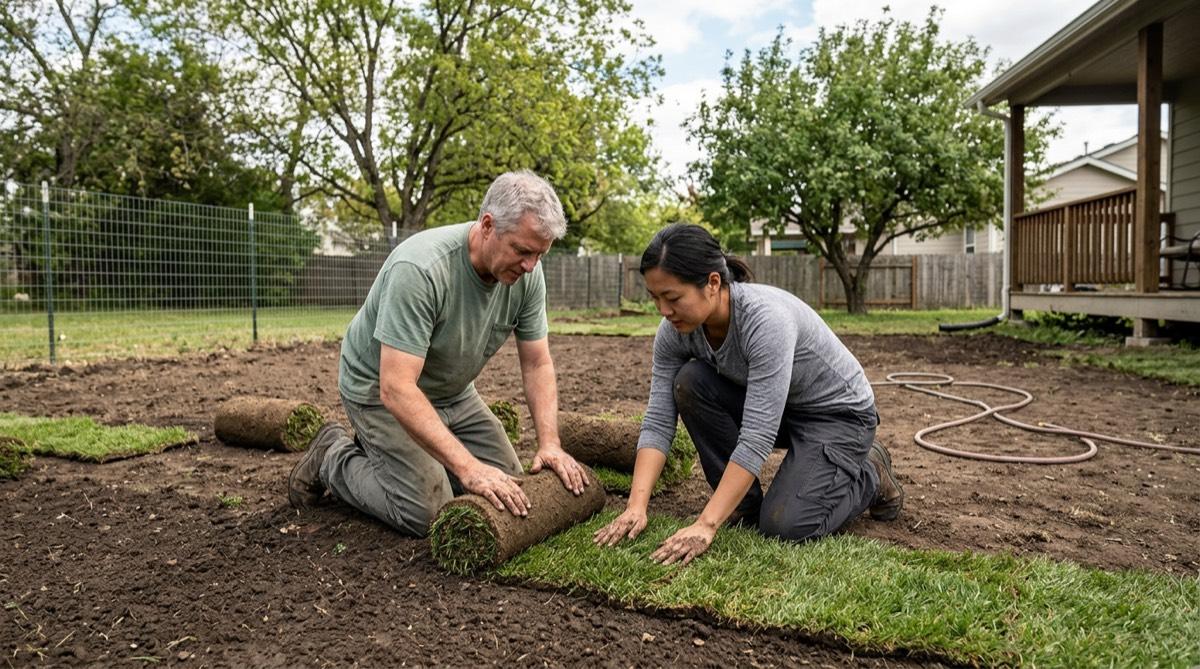
Ground preparation is where the hours go, and Texas soil decides how many. The same grading plan takes a different amount of machine time in heavy clay than it does in sand or over shallow limestone.
Dig a few test holes on the assessment visit. If you hit rock a foot down, you’re pricing a breaker attachment and slower production, not a standard bucket.
Clearing and Hauling Off
Clearing costs depend on what leaves the site. Brush, broken concrete and stumps each have their own disposal rate, and the landfill or recycler charges by the load or by the ton. Get the tipping fees by phone before you bid, and count the truck trips.
Grading and Drainage
Grading is priced by how much soil moves and where it goes. Soil you can reuse on site is cheap. Soil you have to truck away, or topsoil you have to bring in, isn’t. Shoot the grades before bidding so the cut and fill numbers come from measurements, not a guess from the patio.
Trenching for Drains and Lines
Trenching for drain pipe and irrigation mains is slow in rocky ground, so price it by the foot for the soil you found in the test holes. Depth matters for the crew as well as the schedule. OSHA says trenches 5 feet deep or greater require a protective system unless the excavation is made entirely in stable rock. If a deep drain line is on the plan, the shoring or the extra digging to slope the walls goes in the budget.
Cost #4 – Materials and Irrigation
Materials are the line clients question most, so price them from written quotes, not last season’s numbers. Stone, sod, soil and mulch are sold by the pallet, the yard or the ton, and delivery is charged per load.
Check these on every supplier quote:
- How long the quoted price holds
- The delivery charge per load and the minimum order
- Lead times for large trees and special-order stone
- The return policy for unused pallets
Order a little over on stone and sod, because cuts and breakage are part of the job. Schedule sod and plants to arrive the day they go in the ground. In a Texas summer, a pallet of sod left in the sun for two days is a pallet you buy twice.
Irrigation needs its own line. In Texas, a person may not sell, design, install or repair an irrigation system unless they’re licensed by the TCEQ. If nobody on your crew holds that license, get the irrigation subcontractor’s price in writing before you total the bid.
Cost #5 – Machine Upkeep and Parts
Machine upkeep belongs in the job budget because a long dig uses up wear parts faster than a normal month does. Count the machine hours the job will take, then check each machine’s service schedule against that number. If an oil service or a set of filters comes due mid-job, it’s a cost of this job.
Hydraulics deserve a separate look on a mini excavator. Clay and limestone dust work on cylinder seals all day, so budget a seal kit and a few hours of shop time for any cylinder that’s already showing its age. When you price that line, look the cylinder up by machine in listings such as the hydraulic mini excavator parts HW Part Store lists, where seal kits are grouped by cylinder. Match the kit to the make, model and serial number in the operator’s manual before you order.
Do the same for bucket teeth, cutting edges, tracks and grease. None of them is expensive alone. Together, over six weeks of digging, they add up to a number worth writing down.
Cost #6 – Contingency Funds
A contingency fund pays for what the site assessment couldn’t see. Buried concrete or a storm that washes out fresh grading costs money that wasn’t in the plan.
Decide two things before you sign. First, how much you’re holding back, as a percentage of the job that matches how much digging is involved. Second, what happens when the client changes the scope. Put a change-order clause in the contract so extra work is priced and approved before it starts, not argued over at the final invoice.
Weather belongs here too. Clay that’s been rained on can’t be graded for days, and your crew and rented machines cost money while they wait.
|
Price the Next Job From Your Last One
Pull the file on the last big project you finished and compare the bid with what you spent on these six lines. The gaps show you where your estimates run thin. Start there today: pick the line with the biggest miss, and fix how you price it before the next bid goes out.
Frequently Asked Questions
Do I have to call 811 before a landscaping job in Texas?
Yes, call 811 at least two working days before you dig so utility companies can mark their lines. The call is free, but it doesn’t cover lines the homeowner owns, so budget a private locator for those.
Who can install an irrigation system in Texas?
Only someone licensed by the TCEQ can install an irrigation system for a client. If nobody on your crew holds the license, get a licensed irrigation subcontractor’s price in writing and add it to the bid as its own line.
What should a landscaping contingency fund cover?
A contingency fund covers what the site assessment couldn’t see, such as buried concrete or weather delays. Keep it separate from profit, and use a change-order clause for anything the client adds after signing.