
A garden can be a wonderful place for dogs to sniff, play, and spend time outdoors. However, some popular ornamental plants contain substances that can make pets seriously ill if they chew the leaves, flowers, seeds, or bulbs. Dogs are naturally curious and may chew plants while exploring the yard, so knowing which varieties are toxic is important for keeping them safe.
10 Common Garden Plants That Are Toxic to Dogs
Some plants commonly found in residential gardens can pose health risks to dogs if ingested. Here are ten varieties to watch out for and the potential effects they can have on your pet.
1. Sago Palm
Sago palms are popular in warm-climate gardens, but every part of this plant is poisonous to dogs. The seeds are especially dangerous because they contain high concentrations of cycasin. Even small amounts can cause vomiting, diarrhea, weakness, and liver damage. Severe poisoning can be fatal. Avoid planting sago palms where dogs can reach them, and remove fallen seeds promptly.
2. Azalea
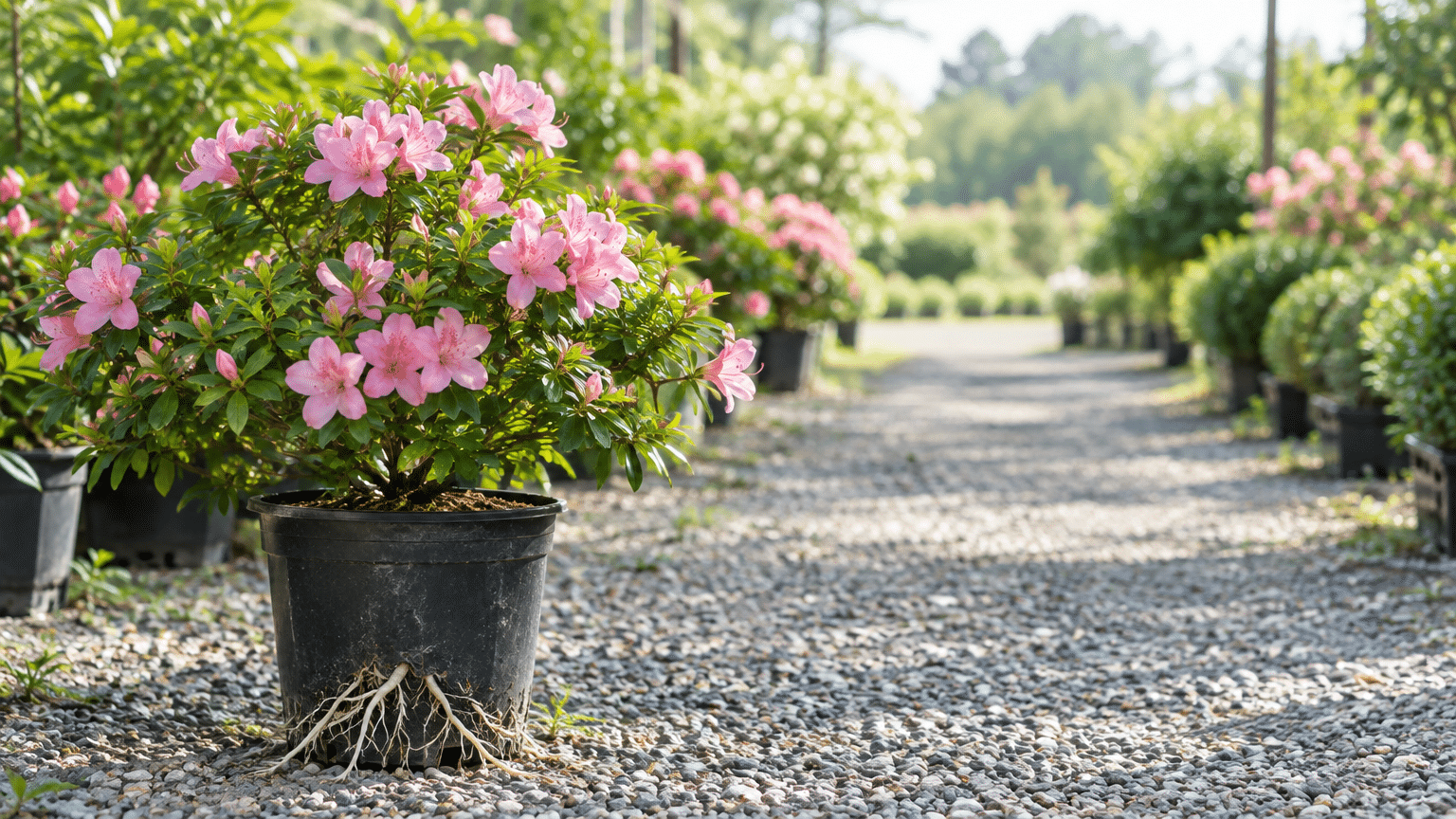
Azaleas add bright seasonal color to gardens, but they contain grayanotoxins that affect muscles and other body functions. Dogs that eat the leaves or flowers may develop drooling, vomiting, diarrhea, weakness, or abnormal heart rhythms. Larger amounts can cause serious complications. Consider replacing these shrubs with pet-safe flowering plants.
3. Oleander
Oleander is valued for its colorful flowers and ability to tolerate heat, but it is highly toxic to dogs. All parts contain cardiac glycosides, which interfere with normal heart function. Signs of poisoning include drooling, stomach upset, weakness, tremors, and irregular heartbeats. Avoid growing oleander in gardens used by pets.
4. Foxglove
Foxglove produces tall flower spikes that stand out in ornamental beds. However, it contains compounds that affect the heart. Dogs that chew its leaves or flowers may experience vomiting, diarrhea, weakness, and changes in heart rate. Keep this plant away from areas where pets spend time.
5. Lily of the Valley
Lily of the valley is a low-growing plant with delicate, bell-shaped flowers. Despite its appearance, it contains cardiac glycosides that can cause serious heart and digestive problems in dogs. Possible symptoms include vomiting, diarrhea, irregular heartbeats, and seizures. Its small size does not make it harmless to pets.
6. Tulips
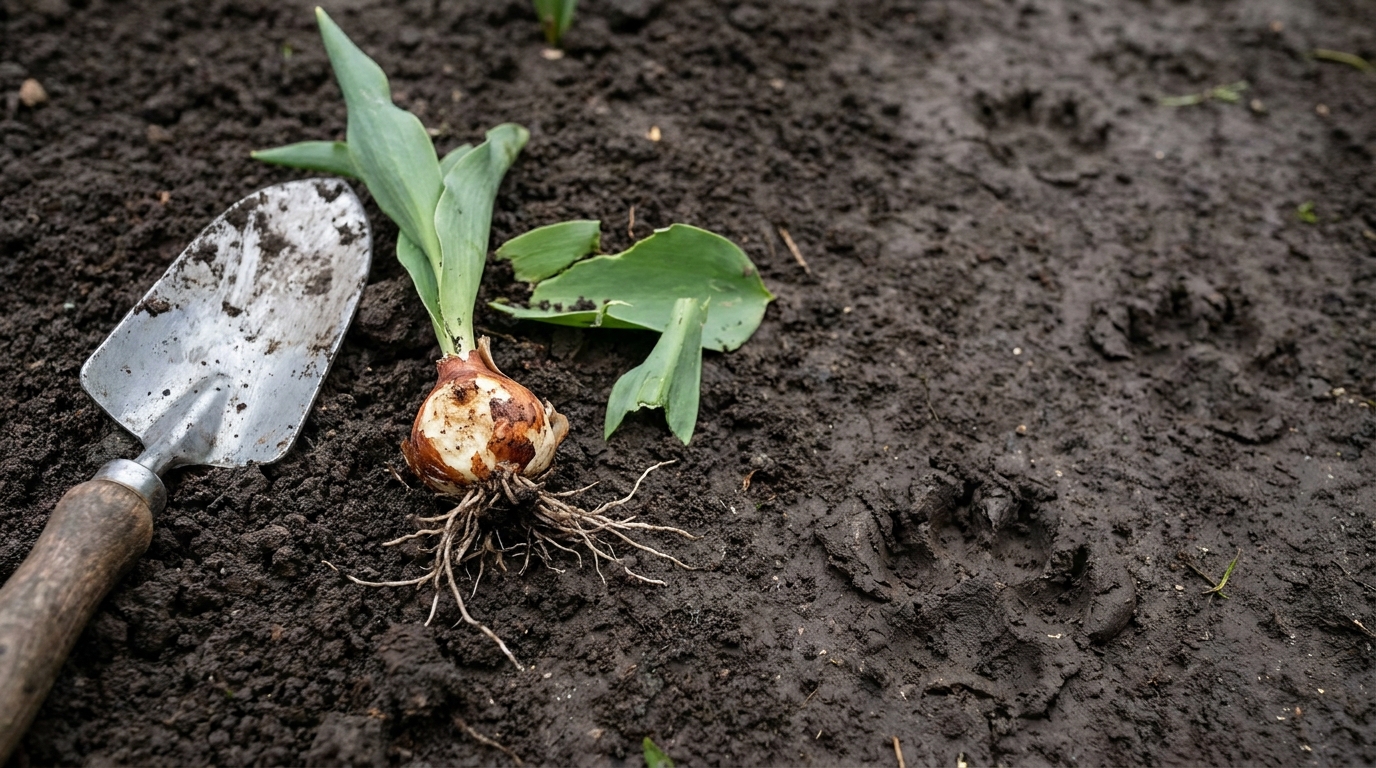
Tulips are common spring flowers, but their bulbs contain the highest concentration of irritating compounds. A dog that digs up and chews a bulb may develop excessive drooling, vomiting, diarrhea, and mouth irritation. Eating larger amounts can cause more serious symptoms. Plant bulbs in areas your dog cannot access.
7. Daffodils
Daffodils bring cheerful color to spring gardens, but they are toxic to dogs, particularly their bulbs. They contain lycorine and other compounds that can trigger vomiting, diarrhea, and abdominal pain. Serious cases may involve tremors or heart rhythm changes. Keep stored bulbs and discarded plant material away from pets.
8. Autumn Crocus
Autumn crocus is sometimes planted for its late-season flowers, but it contains colchicine, a highly toxic substance. Ingestion can cause severe vomiting, diarrhea, weakness, and damage to vital organs. Symptoms may not appear immediately, so contact a veterinarian if you suspect your dog has eaten this plant.
9. Hydrangea
Hydrangeas are popular for their large clusters of flowers, but their leaves and flowers contain compounds that can release cyanide when chewed. Most cases involve digestive upset, including vomiting and diarrhea. Larger amounts can cause more serious symptoms. Prevent dogs from nibbling on the plant, particularly after pruning.
10. Yew
Yew shrubs are often used for hedges and landscaping, but most parts contain taxine alkaloids that affect the heart. Chewing the needles, seeds, or branches can cause weakness, breathing difficulties, tremors, and potentially fatal heart problems. Avoid planting yew in pet-accessible gardens and remove clippings after maintenance.
What to Do If Your Dog Eats a Toxic Plant
If you see your dog chewing an unfamiliar plant, move it away and try to identify what it ate. Take a photo or keep a sample if you can do so safely. Contact your veterinarian immediately, even if your dog seems fine. Depending on the plant and amount consumed, treatment may involve monitoring, medication, or emergency care. Avoid inducing vomiting or giving home remedies unless your veterinarian advises you to.
Some cases of poisoning can cause severe complications, particularly when vital organs are affected. If a dog develops a serious or terminal condition and its quality of life cannot be maintained, pet owners can discuss end-of-life options with their veterinarian. For families in Southern California, in-home pet euthanasia in San Diego is another option for providing compassionate care in familiar surroundings.
How to Make Your Garden Safer for Dogs
Check the plants already growing in your yard before adding new ones. Use reliable plant identification resources and ask your veterinarian or local nursery about safer alternatives. Choose dog-friendly plants, secure compost and fertilizer, and store bulbs, seeds, and garden chemicals where pets cannot reach them.
Supervise dogs outdoors, particularly puppies that tend to chew or dig. Regularly inspect your garden for fallen leaves, flowers, and branches that curious pets might pick up. With thoughtful plant choices and a little preparation, you can create an outdoor space that everyone in your household can enjoy while reducing the risk of accidental poisoning.