A beautiful backyard starts with more than a freshly mowed lawn. Healthy grass, well-maintained garden beds, and thoughtful landscaping all contribute to an outdoor space that looks inviting and remains manageable throughout the year. Whether you’re dealing with patchy grass, overgrown shrubs, or areas where water collects after rainfall, small improvements can make a noticeable difference. For homeowners researching landscaping decatur il, understanding how lawn care and landscape design work together is a useful starting point. With the right approach, it’s possible to improve both the appearance and condition of your backyard without expensive renovations or complicated maintenance routines.
Start With the Condition of Your Lawn
Before making landscaping changes, take a close look at your existing lawn. Grass often covers a large portion of the backyard, so its condition directly affects the property’s overall appearance.
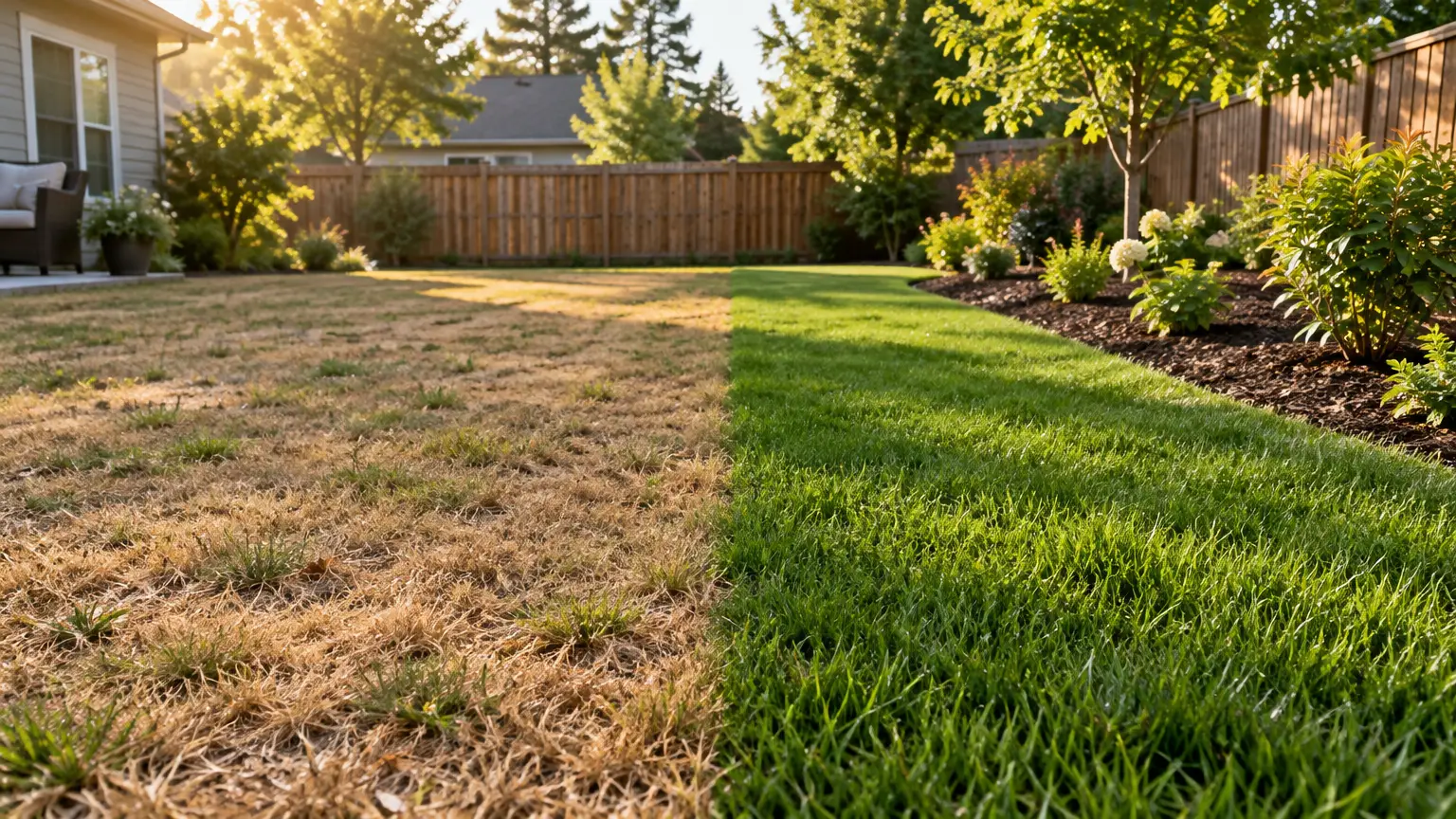
Check for bare patches, uneven growth, excessive weeds, and areas where the grass looks thin or discolored. These problems may result from compacted soil, insufficient sunlight, poor drainage, or improper watering.
Identifying the cause is more effective than immediately applying fertilizer or spreading grass seed. For example, grass growing beneath large trees may struggle because it receives limited sunlight and competes with tree roots for moisture.
A basic soil test can also reveal nutrient deficiencies or unsuitable pH levels that affect grass growth. Understanding what the soil needs helps homeowners choose appropriate treatments instead of spending money on products that may not solve the problem.
Improve Your Mowing Habits
Regular mowing keeps a lawn looking neat, but cutting grass too short can weaken it over time.
Grass needs enough leaf surface to produce energy and support healthy root development. Removing too much growth at once places additional stress on the lawn, particularly during hot or dry weather.
A practical guideline is to avoid cutting more than one-third of the grass blade during a single mowing session.
The ideal mowing height depends on the grass variety. Many cool-season grasses perform well when maintained at approximately three to four inches during the growing season.
Sharp mower blades are also important. Dull blades tear the grass rather than cutting it cleanly, leaving damaged edges that may turn brown.
Instead of mowing according to a fixed weekly schedule, pay attention to how quickly the grass grows. Seasonal temperatures, rainfall, and fertilization can all influence mowing frequency.
Water Your Lawn More Effectively
Consistent watering supports healthy grass, but applying too much water can create problems.
Frequent shallow watering may encourage roots to remain near the soil surface, making the lawn more vulnerable during dry conditions. Deeper, less frequent watering is often more beneficial because it encourages roots to extend farther into the soil.
The amount of water needed depends on grass type, temperature, soil conditions, and recent rainfall.
Early morning is generally a good time to water because temperatures are cooler and less moisture is lost to evaporation.
Check sprinkler coverage periodically to make sure water reaches the entire lawn evenly. Poorly positioned sprinkler heads can leave certain sections dry while soaking others unnecessarily.
If water begins running onto sidewalks or collecting in puddles, adjust the irrigation schedule rather than continuing to water for the same amount of time.
Improve Soil Health and Repair Thin Areas
Healthy grass depends on healthy soil. Even a lawn that receives enough sunlight and water can struggle when the ground becomes heavily compacted.
Compaction frequently develops in areas exposed to regular foot traffic, outdoor activities, or repeated use by pets.
When soil particles become tightly compressed, water, air, and nutrients have difficulty reaching the roots.
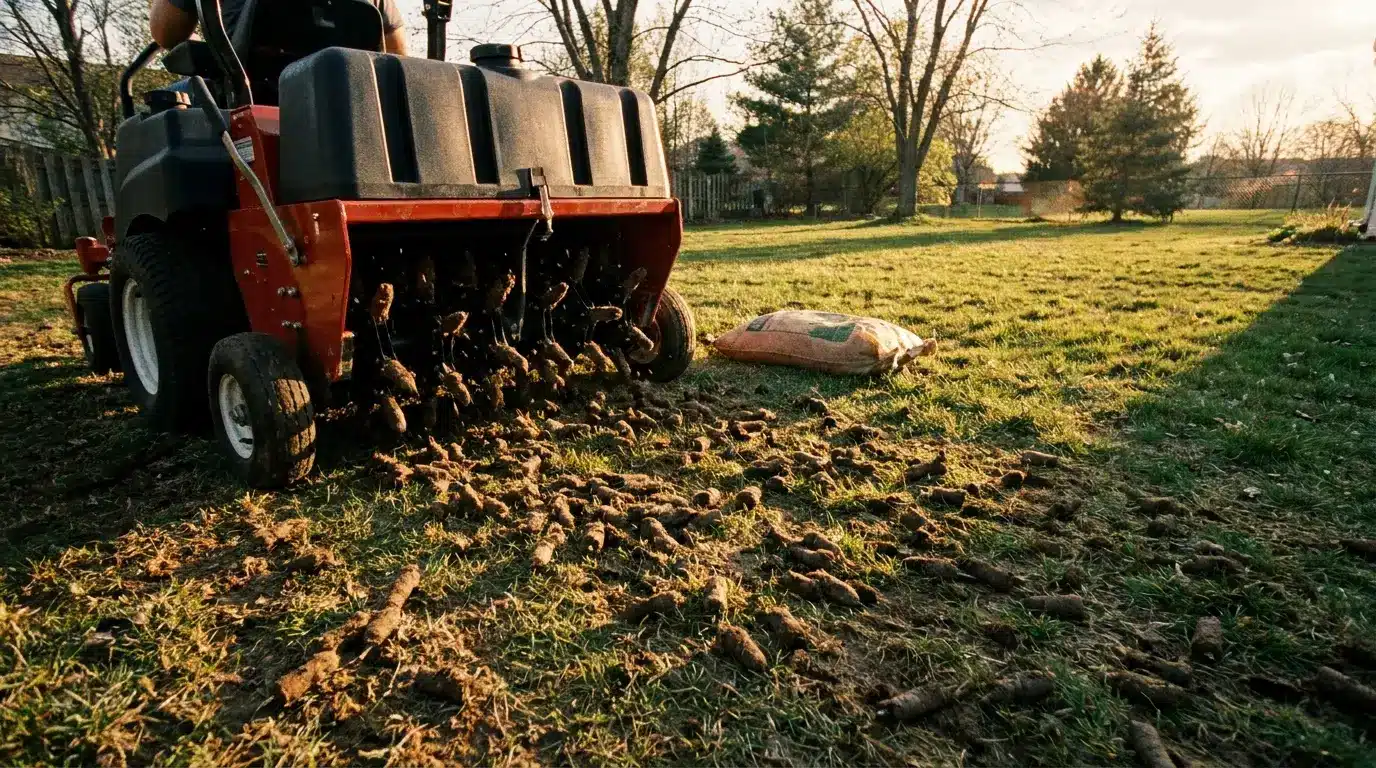
Core aeration can help by removing small plugs of soil, allowing better movement of air and moisture through the ground.
For lawns with thin or worn areas, overseeding may help restore a fuller appearance. Selecting grass seed suited to the existing lawn and local growing conditions is important for consistent results.
Timing also matters. Cool-season grasses are commonly overseeded in early fall, while warm-season varieties generally benefit from treatments during active growth in warmer months.
Use Garden Beds to Improve the Landscape
A healthy lawn provides a foundation for the backyard, but garden beds add structure, color, and visual interest.
Planting beds along fences, walkways, or property boundaries can create a more organized appearance while making the lawn easier to maintain.
Combining shrubs, perennials, and seasonal flowers provides variation in height, texture, and color.
Choose plants according to their sunlight requirements, mature size, and watering needs. Grouping plants with similar requirements makes ongoing care more manageable.
Mulch is another useful addition. When applied correctly, it helps retain soil moisture, suppress weeds, and protect plant roots from temperature fluctuations.
Avoid piling mulch directly against tree trunks or shrub stems, as this may trap excess moisture.
Consider incorporating native plants suited to regional conditions. Once established, appropriately selected species may require less supplemental watering and provide valuable habitat for pollinators.
Choose Trees and Shrubs Carefully
Trees and shrubs can add privacy, shade, and character to a backyard, but their placement deserves careful consideration.
A small tree may look ideal when first planted, yet its canopy and roots can expand significantly over time.
Before planting, consider its mature height, spread, proximity to structures, and available growing space.
Dense tree canopies may also create too much shade for certain grass varieties, leading to thin patches beneath them.
Shrubs should have enough room to develop naturally without crowding nearby plants or walkways.
For privacy, a combination of evergreen shrubs and other suitable plants can create an attractive living boundary.
Selecting species adapted to local growing conditions can reduce the need for constant pruning, watering, or replacement.
Address Drainage Problems Early
Poor drainage can damage even a carefully maintained lawn.
Standing water prevents oxygen from reaching grass roots, creates muddy patches, and may contribute to unhealthy growing conditions.
Observe the backyard after heavy rainfall to identify areas where water consistently collects.
Some problems result from compacted soil, while others are connected to grading or runoff patterns.
Aeration may improve infiltration where compaction is the main issue. More significant drainage problems may require grading adjustments or properly designed drainage systems.
In suitable locations, rain gardens can help manage runoff while introducing additional plants into the landscape.
Avoid directing water toward neighboring properties or building foundations. Addressing drainage problems before installing new garden beds or replacing damaged grass can prevent repeated repairs.
Keep Borders and Walkways Neat
Small maintenance details can make a significant difference in how a backyard looks.
Grass spreading into flower beds, weeds growing along walkways, and untidy lawn edges can make an otherwise healthy landscape appear neglected.
Regular edging creates a clear separation between grass, planting areas, and paved surfaces.
Landscape borders made from stone, metal, or other durable materials can help maintain these boundaries.
Consider how the layout affects mowing and trimming. Narrow strips of grass between fences and garden beds are often difficult to maintain.
Replacing awkward sections with mulch or additional planting space may simplify routine maintenance.
Walkways should also be kept clear of overhanging branches and excessive plant growth. These small adjustments improve accessibility while giving the landscape a cleaner, more organized appearance.
Follow a Seasonal Lawn Care Routine
Lawn and landscaping needs change throughout the year, so maintenance should reflect seasonal growing conditions.
Spring is a good time to inspect winter damage, remove accumulated debris, check irrigation equipment, and prepare garden beds for new growth.
During summer, focus on maintaining appropriate mowing heights, monitoring moisture levels, and identifying signs of heat stress.
For many cool-season lawns, early fall provides favorable conditions for overseeding and aeration when needed. Warm-season grasses generally require a different treatment schedule based on their active growth period.
As colder weather approaches, remove heavy leaf accumulation from the lawn and inspect trees and shrubs for damaged branches.
A seasonal maintenance plan helps address developing problems before they become expensive repairs. It also makes it easier to distribute landscaping tasks throughout the year instead of attempting everything at once.
Create a Backyard That’s Easier to Maintain
The best backyard improvements balance appearance with practical maintenance. Healthy grass, well-positioned shrubs, clean borders, and thoughtfully arranged planting beds should complement one another rather than create unnecessary work.
Start with the issues that have the greatest impact on your property, whether that’s improving soil health, correcting drainage, or restoring worn sections of lawn.
Additional landscaping features can be introduced gradually as your time and budget allow.
A backyard doesn’t need elaborate installations to look beautiful. Consistent lawn care, appropriate plant selection, and a manageable landscape design can transform an ordinary outdoor area into a welcoming space that remains attractive throughout the seasons.