Choosing the right cherry tree is not always as simple as picking the one with the prettiest flowers or fruit.
Different types of cherry trees vary in size, climate needs, pollination requirements, and overall purpose.
Some are grown for sweet fruit, some for cooking, and others mainly for their spring blooms.
I have helped gardeners solve plant problems in homes, gardens, and greenhouses, and I often see the same issue: a tree is chosen before its growing needs are fully understood.
That can lead to poor fruiting, limited growth, or a tree that does not suit the available space.
By looking closely at each variety, you can make a more practical choice for your garden.
What Makes One Cherry Tree Different From Another?
Some cherries are made to feed you, and some are made to feed the bees.
In addition, one blooms in January, another waits until May. One tops out at eight feet, another climbs past sixty.
Here, I have listed some other big things as well that make one cherry tree different from another:
- What it’s for: Some cherry trees are grown just for flowers. Others give you fruit to eat. Some are planted to attract birds and bees.
- Flowers and fruit: Trees can have pale pink, dark pink, or white flowers. Some have single rows of petals; others have fuller “double” blooms. Fruit can be sweet or sour, and some are ready early in summer, while others ripen later.
- Tree shape and size: Some trees grow tall and wide while others stay short or droop like an umbrella.
- Where it can grow: Some trees need a cold winter (“chill hours”) to bloom well. Others handle heat and humidity better.
These basics help you avoid confusion and pick the right type faster. You’ll also know whether your tree needs a second nearby tree to grow fruit or if it can do the job on its own.
Different Types of Cherry Trees
Some cherry trees are grown for their appearance. Others are chosen for what they grow. And a few are valued for supporting birds, bees, and the natural world.
| Group | Best For | Flowers | Fruit | Typical Size | Maintenance Level |
|---|---|---|---|---|---|
| Ornamental | Adding color and shape to yards or parks | Yes | Not edible (some help wildlife) | Small to medium | Low to medium |
| Fruiting | Producing cherries to eat | Yes | Edible (sweet or sour) | Medium to large | Medium to high |
| Native | Supporting local ecosystems | Yes | For birds and animals | Medium, more natural growth | Low |
Use this table as a quick filter. It can save you time and help you focus only on the group that fits what you really want from a cherry tree.
Ornamental (flowering) Types of Cherry Trees
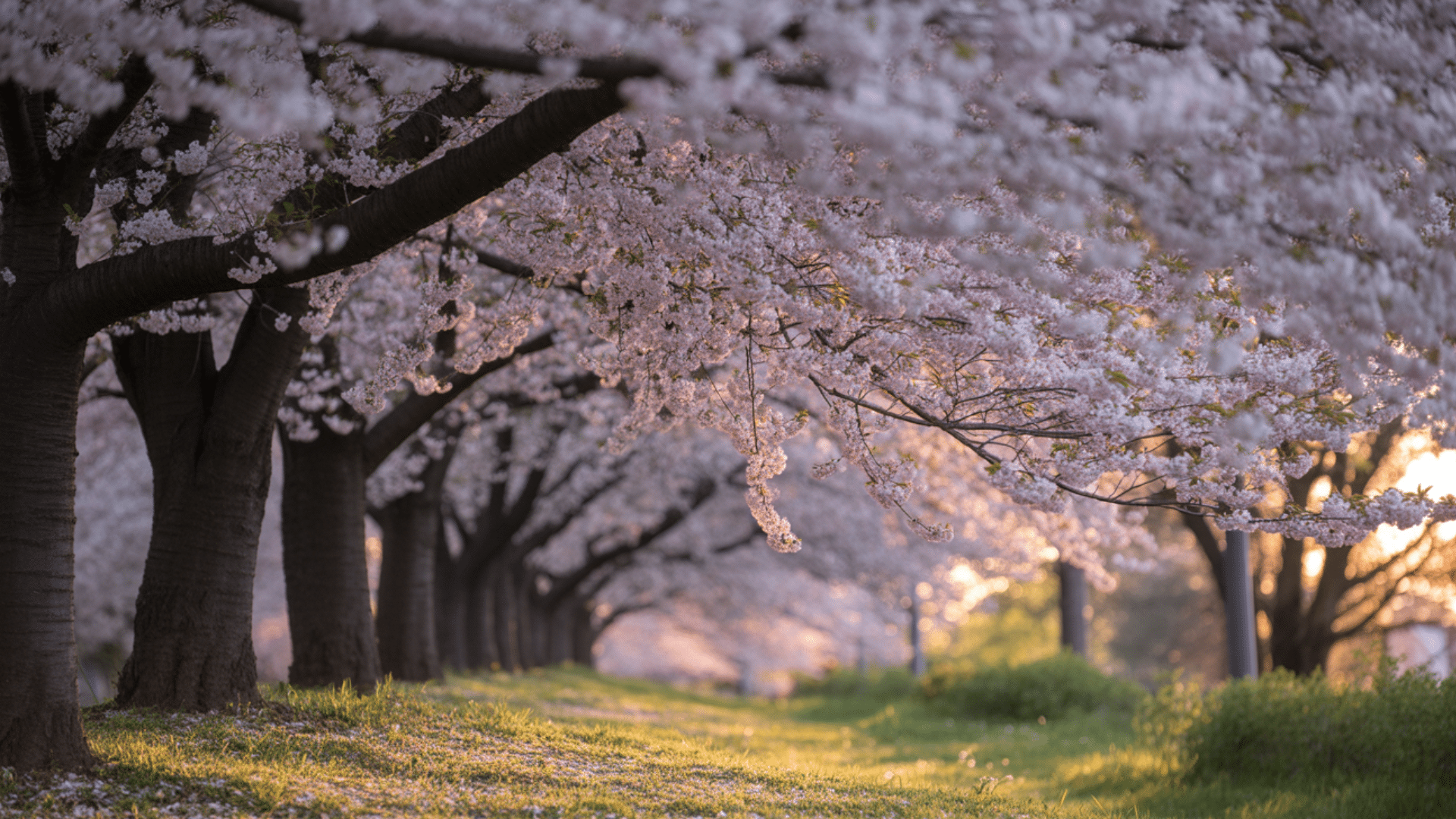
Flowering cherry trees are all about beauty. They don’t grow fruit you can eat, but their spring blooms turn heads and bring seasonal color to yards and public spaces.
Here’s a closer look at the most common ones, so you can tell them apart and choose what fits your space best:
1. Yoshino Cherry
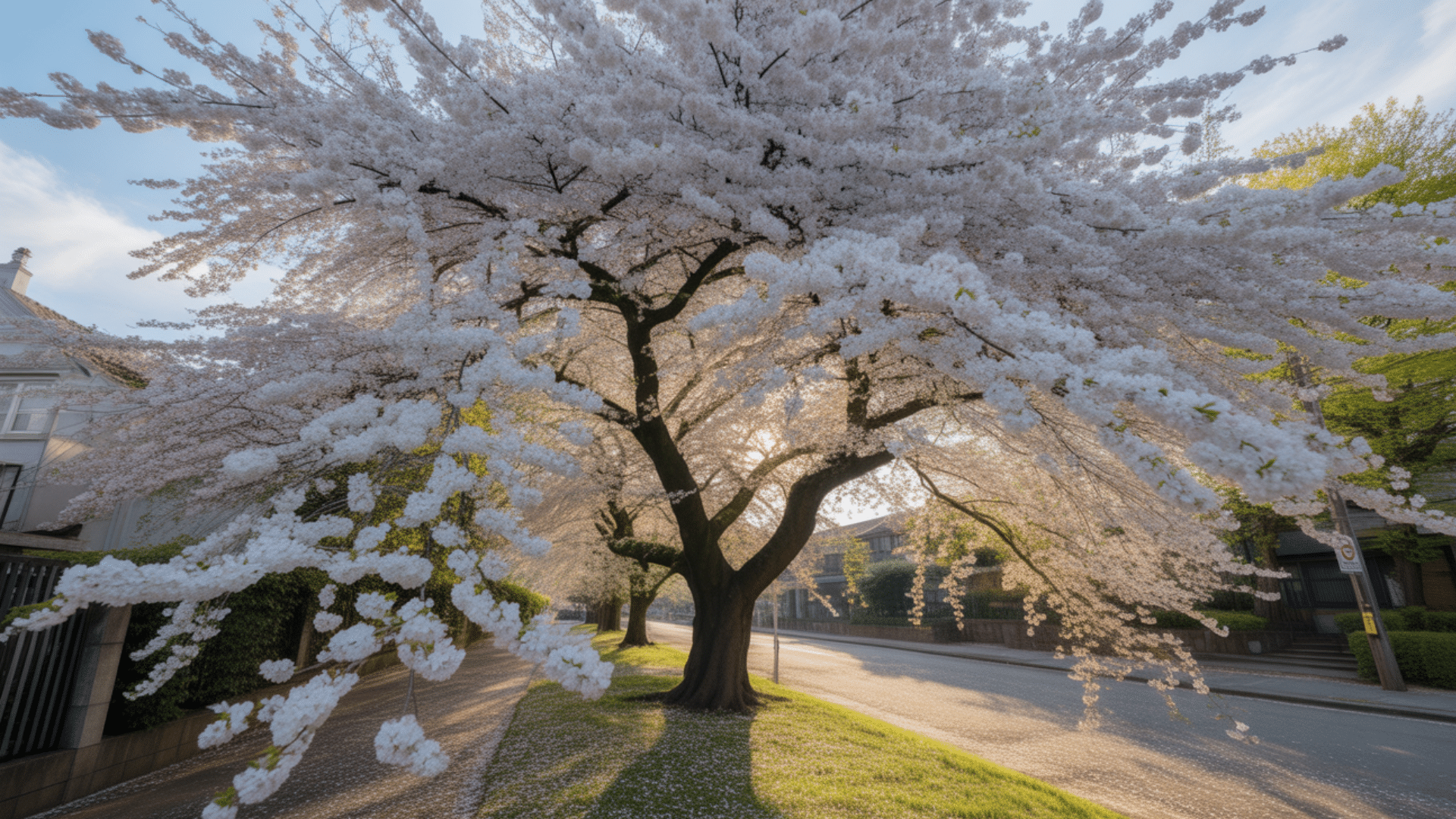
Yoshino cherry trees are known for their soft white or pale pink flowers that bloom in early spring. They typically grow 20 to 40 feet tall with a similarly wide, spreading canopy.
They work well along streets, driveways, or in large yards.
Unlike Kwanzan and weeping types, Yoshino has simple, single flowers and a more natural, upright look that blends easily into different spaces.
2. Kwanzan Cherry
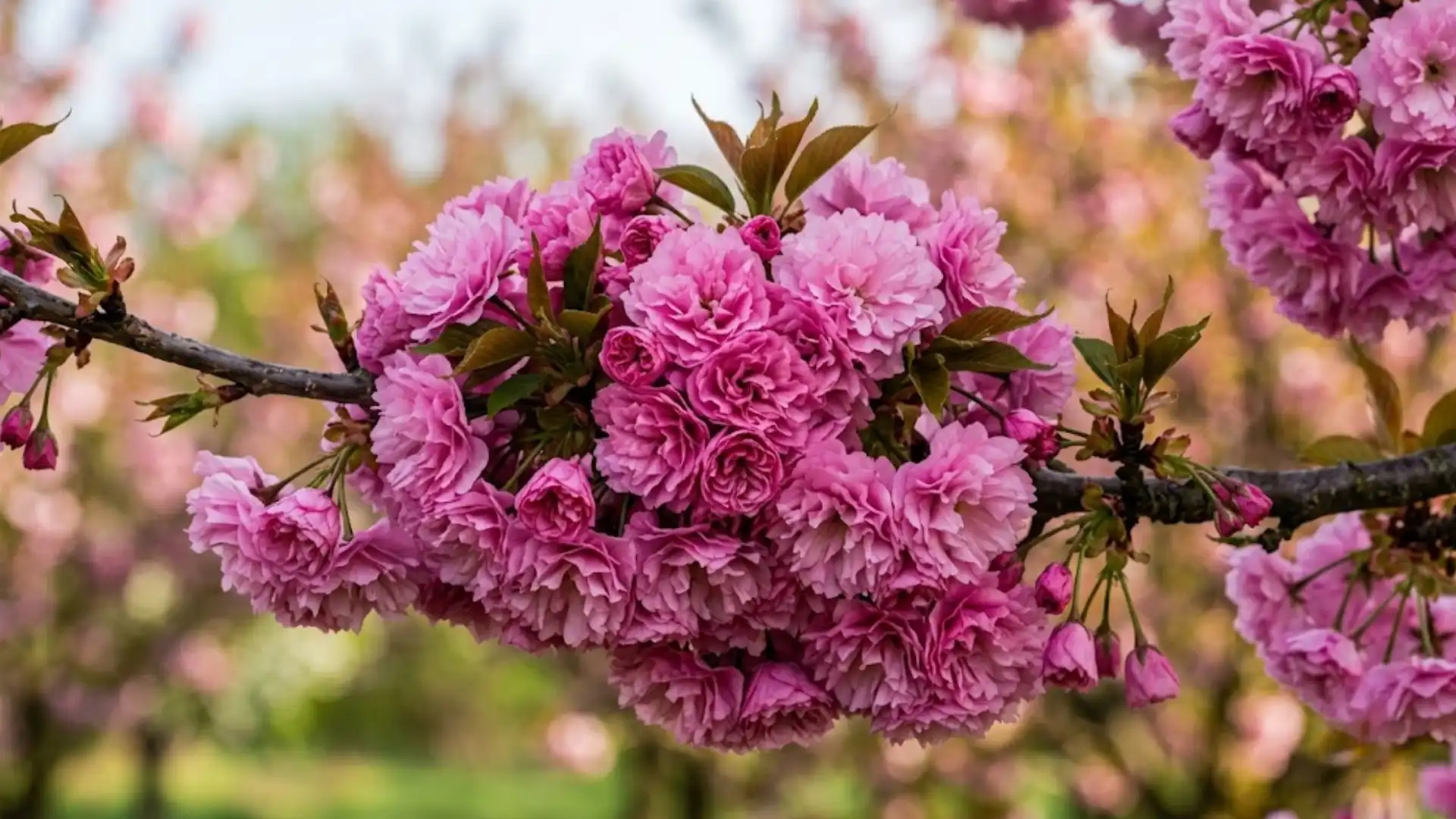
Kwanzan cherries bloom later than Yoshino cherries and are loved for their full, double-pink flowers that look almost fluffy.
These cherry trees grow upright and vase-like, reaching about 30 feet, and make a bold statement in spring.
The deep pink blooms and layered petals set them apart from Yoshino’s simpler flowers and the soft lines of weeping types. Kwanzan brings strong color and form to parks and front yards.
3. Amanogawa Cherry
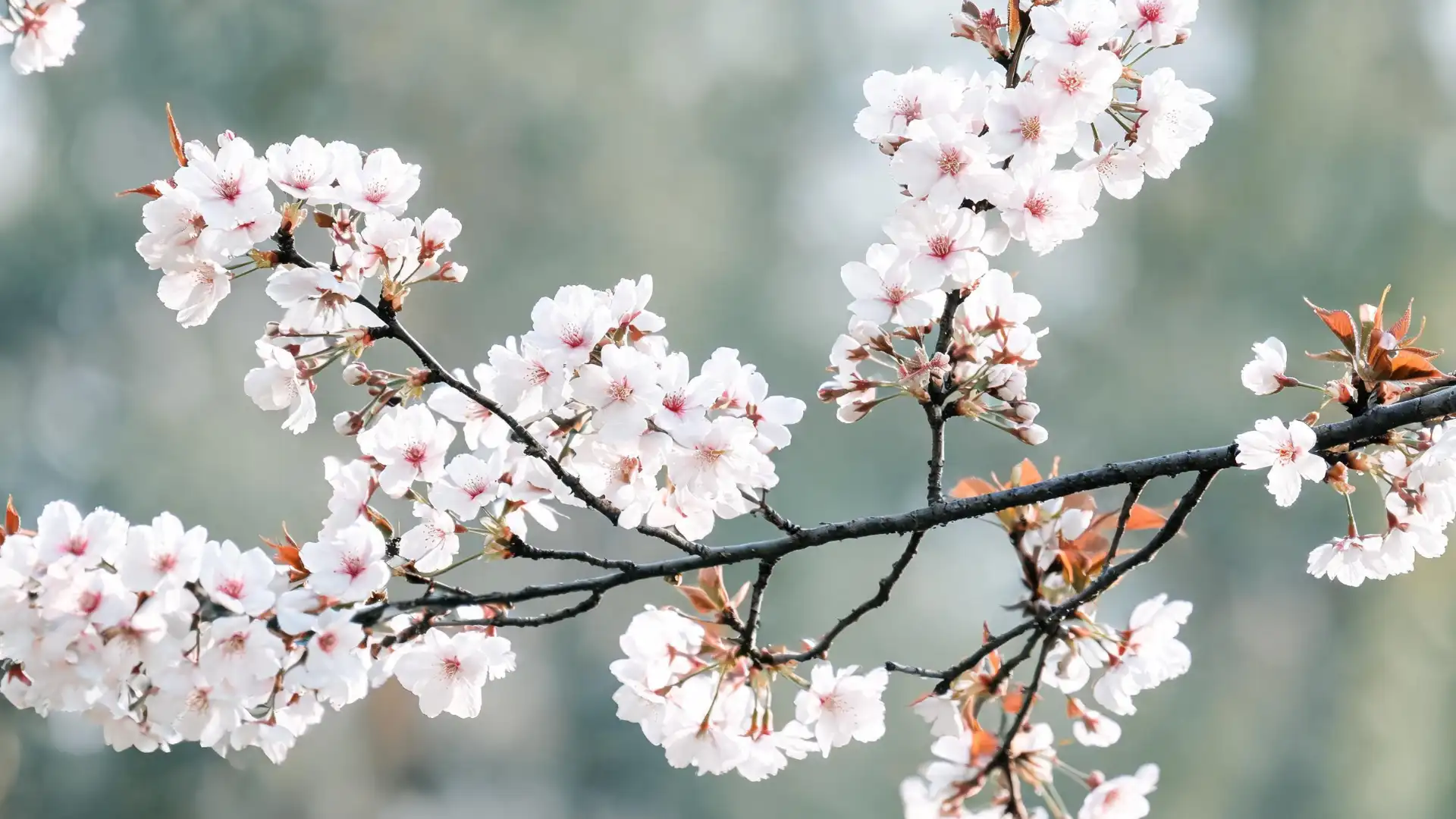
A narrow, columnar Japanese flowering cherry (Prunus serrulata ‘Amanogawa’), sometimes called the “Flagpole Cherry.”
It grows upright with a tight, vertical form rather than spreading out, making it the pick for tight side yards, narrow borders, or driveway lines where a Yoshino or Kwanzan would take up too much width.
Reaches about 20 to 25 feet tall but only 4 to 8 feet wide. Produces fragrant, semi-double shell-pink flowers in mid-to-late spring, with orange-red fall color.
4. Weeping Cherry
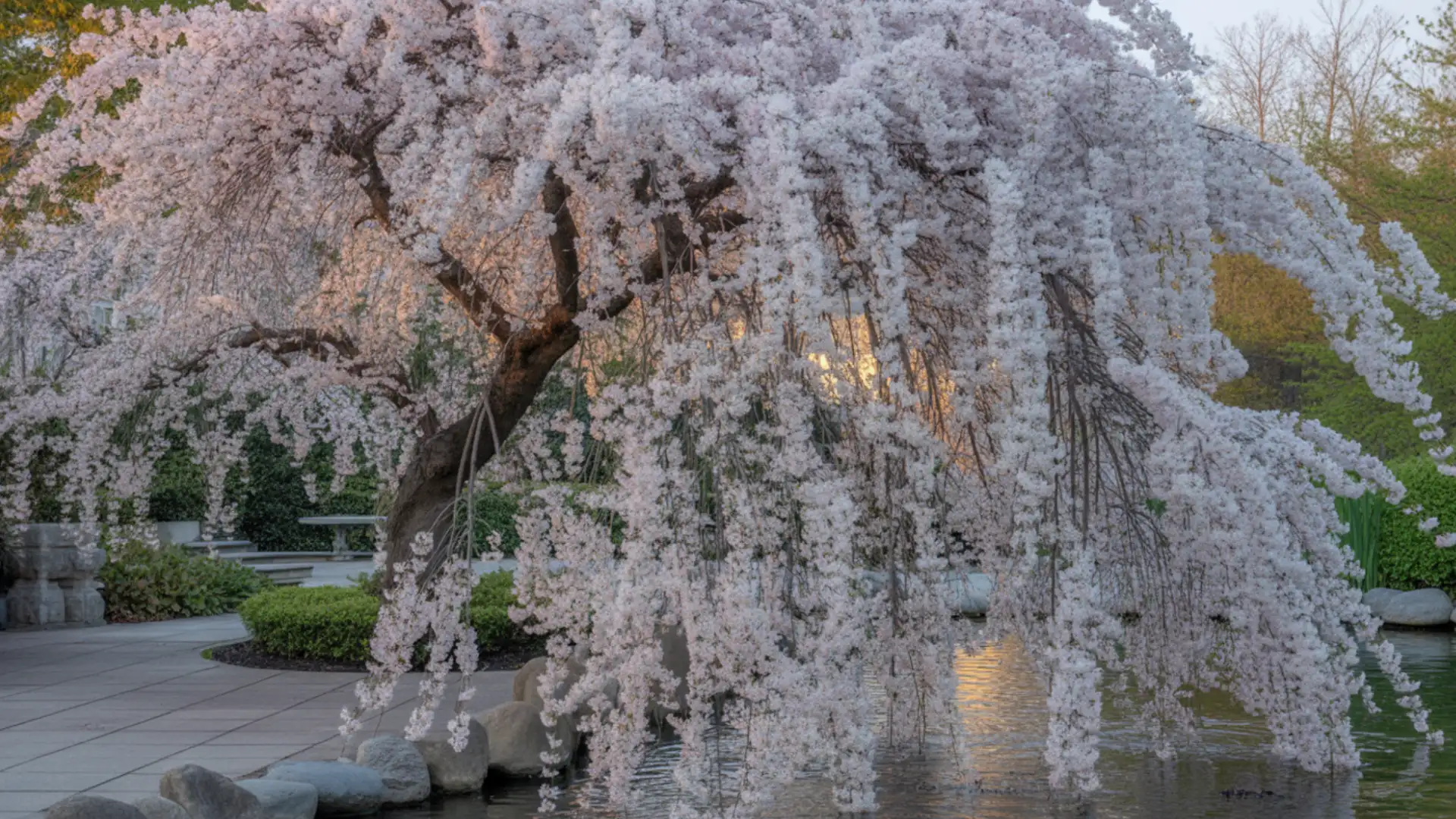
These types of cherry trees are known for their long, drooping branches that fall like a curtain. Higan and Snow Fountain are common types. They grow smaller than other cherries and need space to show their shape.
Some grow wider than they are tall, and they look best near water, patios, or open areas.
Light pruning keeps their shape tidy. These trees add softness and movement to a yard without needing much height.
5. Okame Cherry
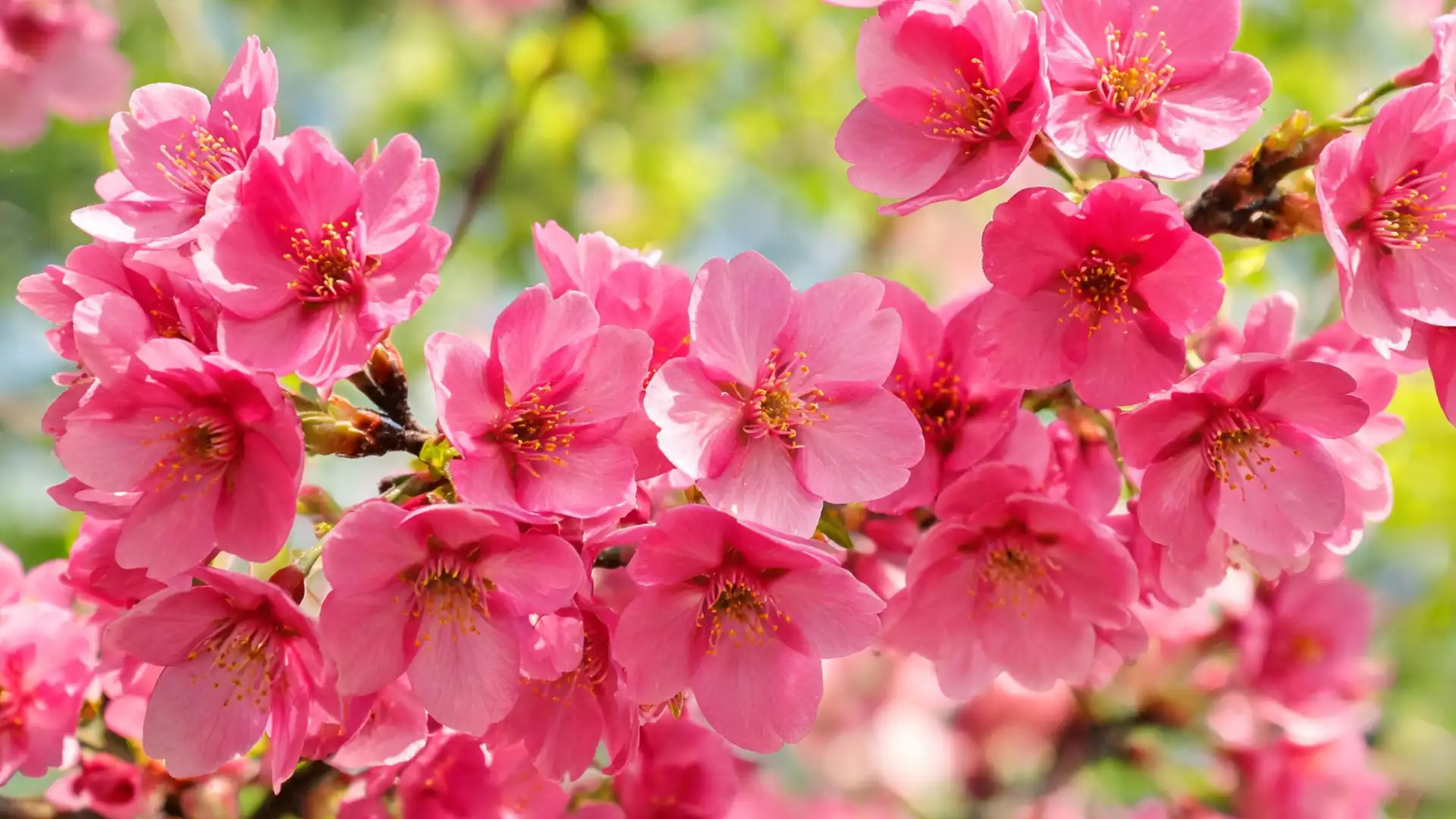
Okame cherry trees bloom very early, even before winter fully ends. Their bright pink flowers show up when most other trees are still bare. This makes them a favorite in warm areas.
But blooming too early can be risky in areas with late frosts, as it may damage the flowers.
Okame trees are a good choice in places with mild winters and are great for bringing color in late February or March.
6. Sargent Cherry
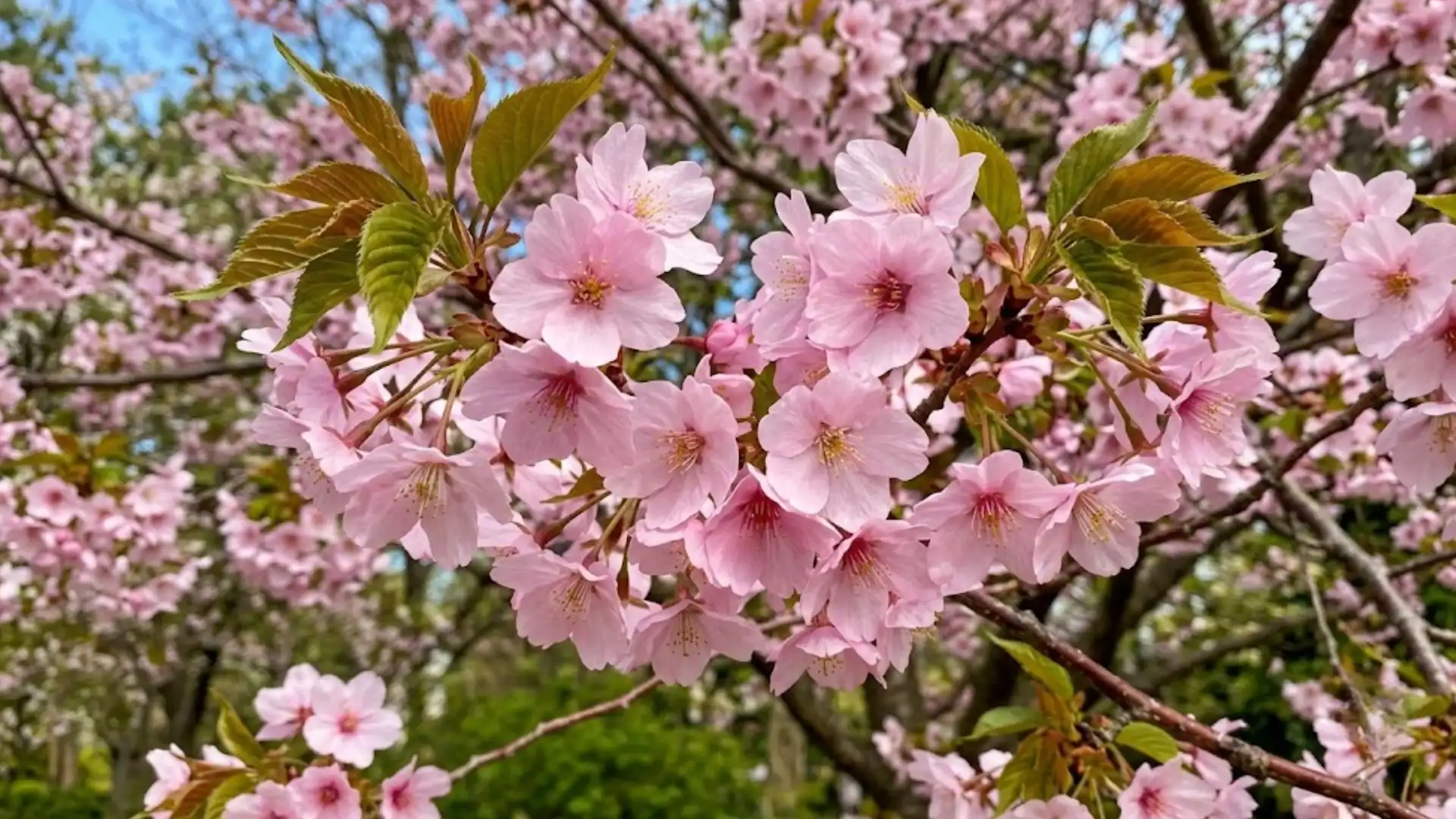
Sargent cherry trees grow larger and have strong pink flowers with a bold color that stands out. They also have good fall leaf color, turning reddish-bronze.
These trees are more cold-hardy than many other types, making them a wise choice for colder zones.
Their tall, upright shape works well in big yards, along roads, or as a standout piece in a park. They offer both beauty and toughness in one tree.
Fruiting Cherry Trees (Edible)
If you’re growing cherry trees for food, it helps to know what kind you’re working with. Some cherries are sweet and great for fresh eating.
Others are tart and better for baking or preserves. Then there are smaller types that fit in tight spaces.
Here’s how to tell the edible types apart and what to expect from each:
7. Sweet Cherries
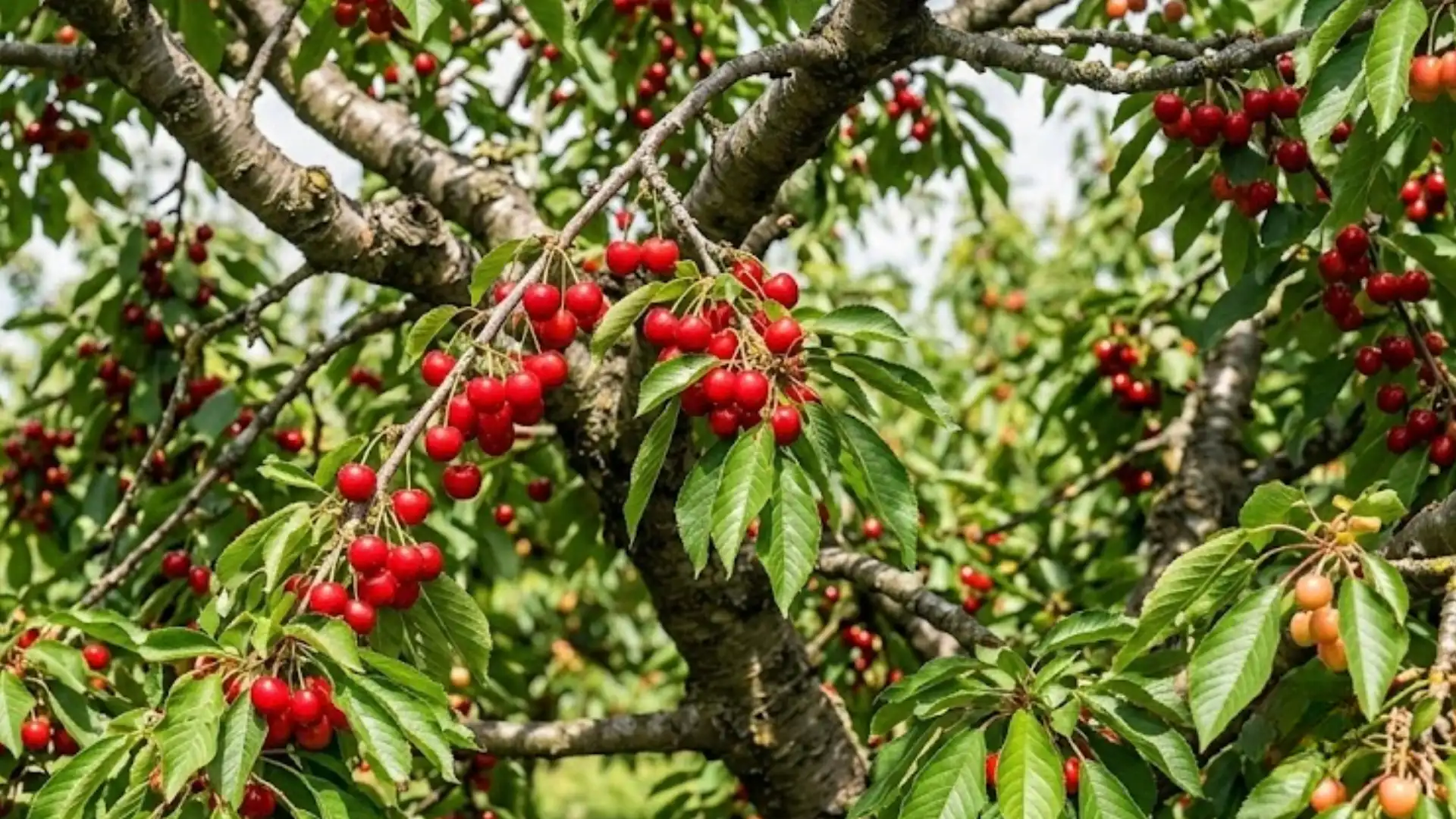
Sweet cherries are the kind you eat fresh: juicy, firm, and full of flavor. They need lots of sun, rich soil, and a mild climate without late frosts.
These types of cherry trees can grow large and often need a partner tree for pollination, unless you plant a self-fertile type. Popular kinds include Bing, Rainier, Stella, Lapins, and Black Tartarian.
Sweet cherries also tend to draw the same pests that show up on other stone fruit, including aphids, so it helps to recognize common aphid problems early before they spread through the canopy.
8. Tart/Sour Cherries
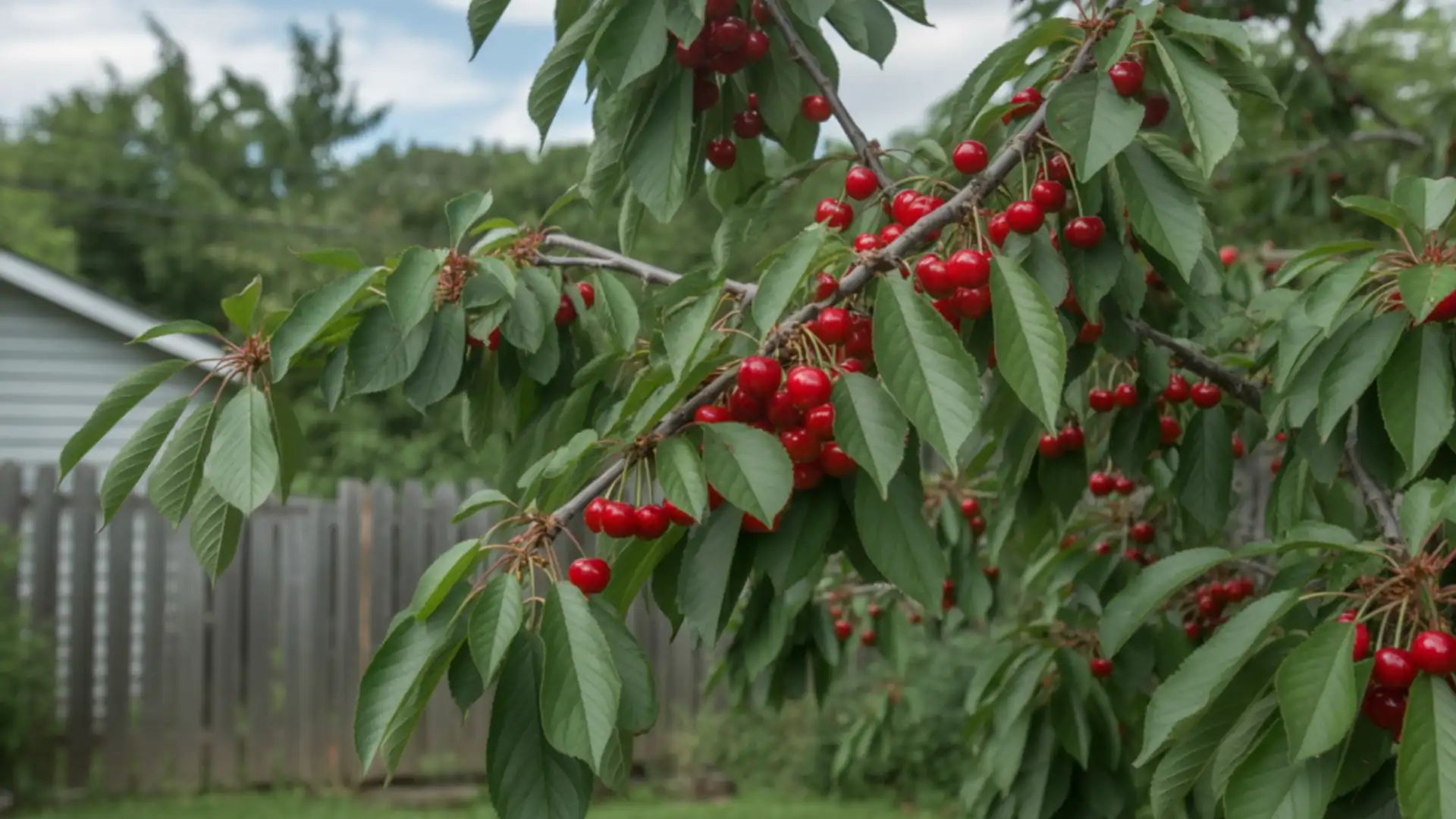
Tart cherry trees are grown for cooking, not snacking. Their sharp flavor works well in pies, juices, and jams. These trees are smaller than sweet types and handle cold weather better, making them a solid pick for more regions.
They also fruit more easily and often don’t need a second tree to pollinate.
Common varieties include Montmorency, English Morello, and Balaton. If you want steady harvests without too much trouble, tart cherries are a smart choice.
9. Bush Cherry
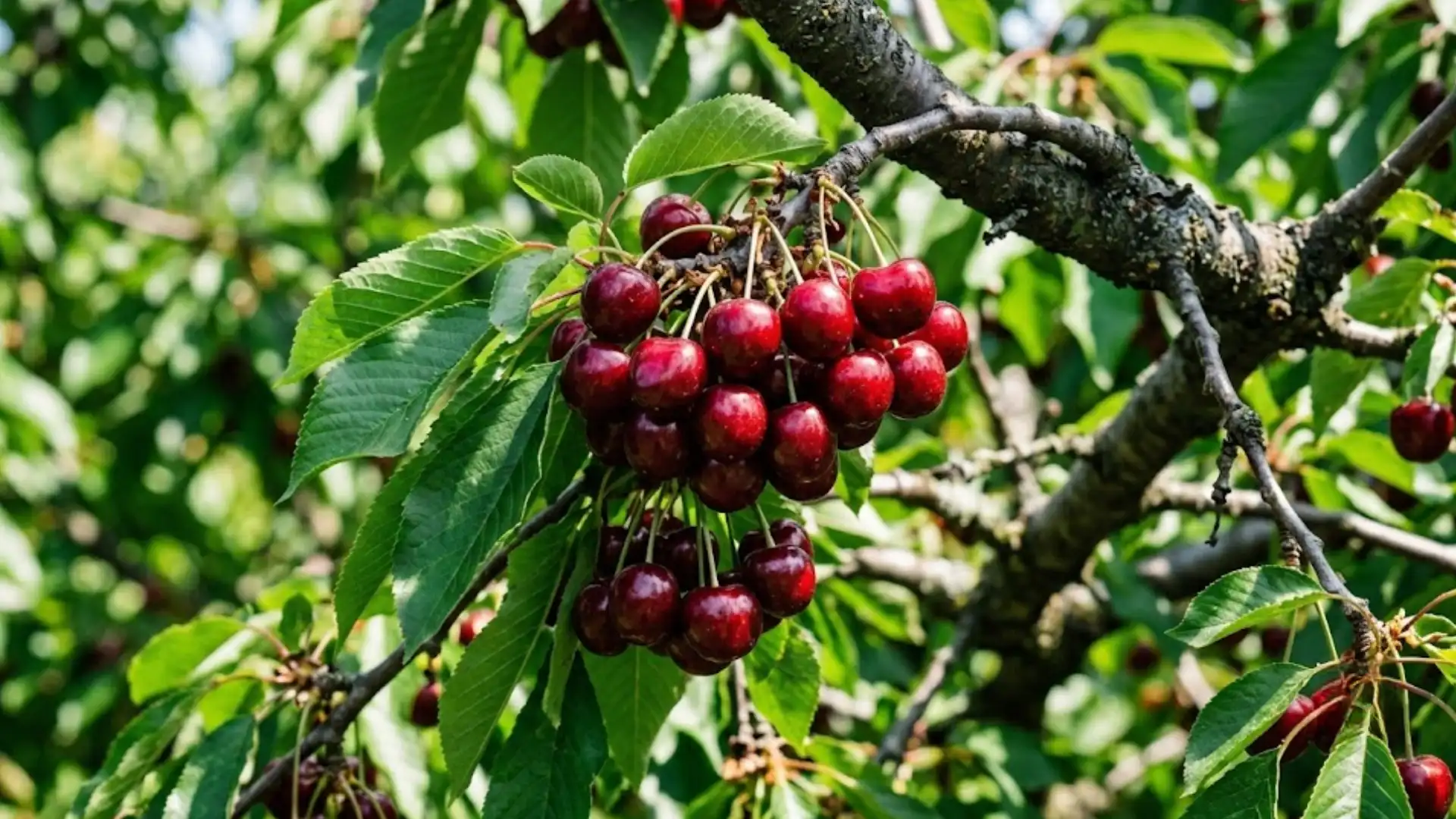
Bush cherries are compact plants that grow more like large shrubs than trees. They usually stay under 8 feet tall and are easier to manage in tight spaces.
It produce white or pale pink spring flowers, followed by clusters of bright red to dark red cherries in summer. The fruit may taste sweet, tart, or somewhere between, depending on the variety.
Bush cherries generally prefer full sun and well-drained soil. Their manageable size also makes pruning, harvesting, and routine care easier than with full-sized cherry trees.
Native and Wildlife Types of Cherry Trees
Not all cherry trees are grown for beauty or fruit bowls. Some are native species that play a key role in local ecosystems.
These trees may not look fancy, but they support birds, insects, and animals, and they’re built to handle wild conditions.
Here’s a look at the most common native cherry types and how they’re different from typical yard trees:
10. Black Cherry
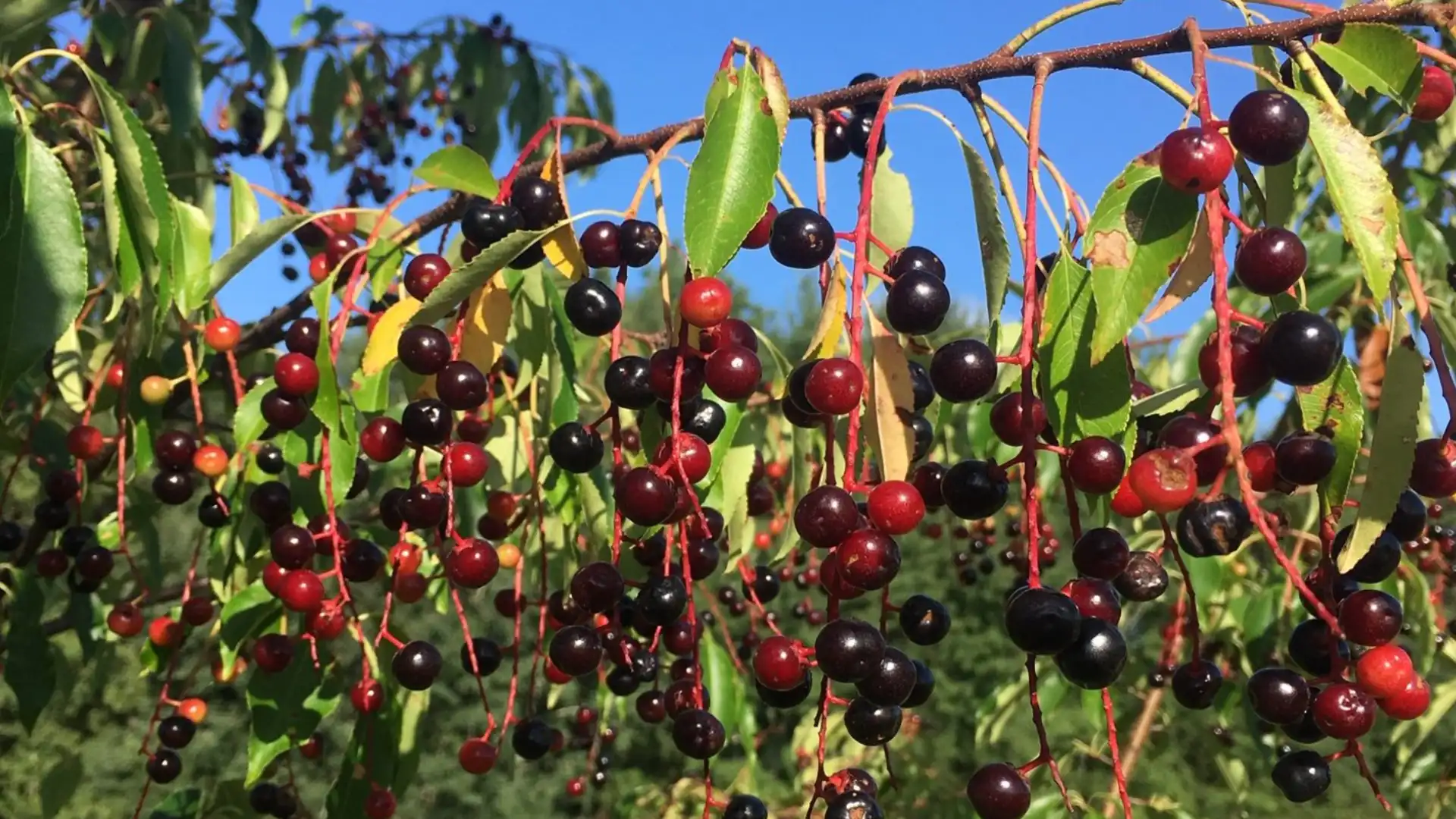
Black cherry trees are tall, wild-growing trees with small, dark fruit.
The fruit is bitter raw but loved by birds and animals. These trees can grow over 60 feet tall and do best in forests or large natural spaces.
They’re not a good fit for small yards, but they’re great for adding food and cover for local wildlife.
Black cherry is one of many native deciduous species that anchor a forest edge or wildlife garden rather than a formal landscape bed.
11. Chokecherry
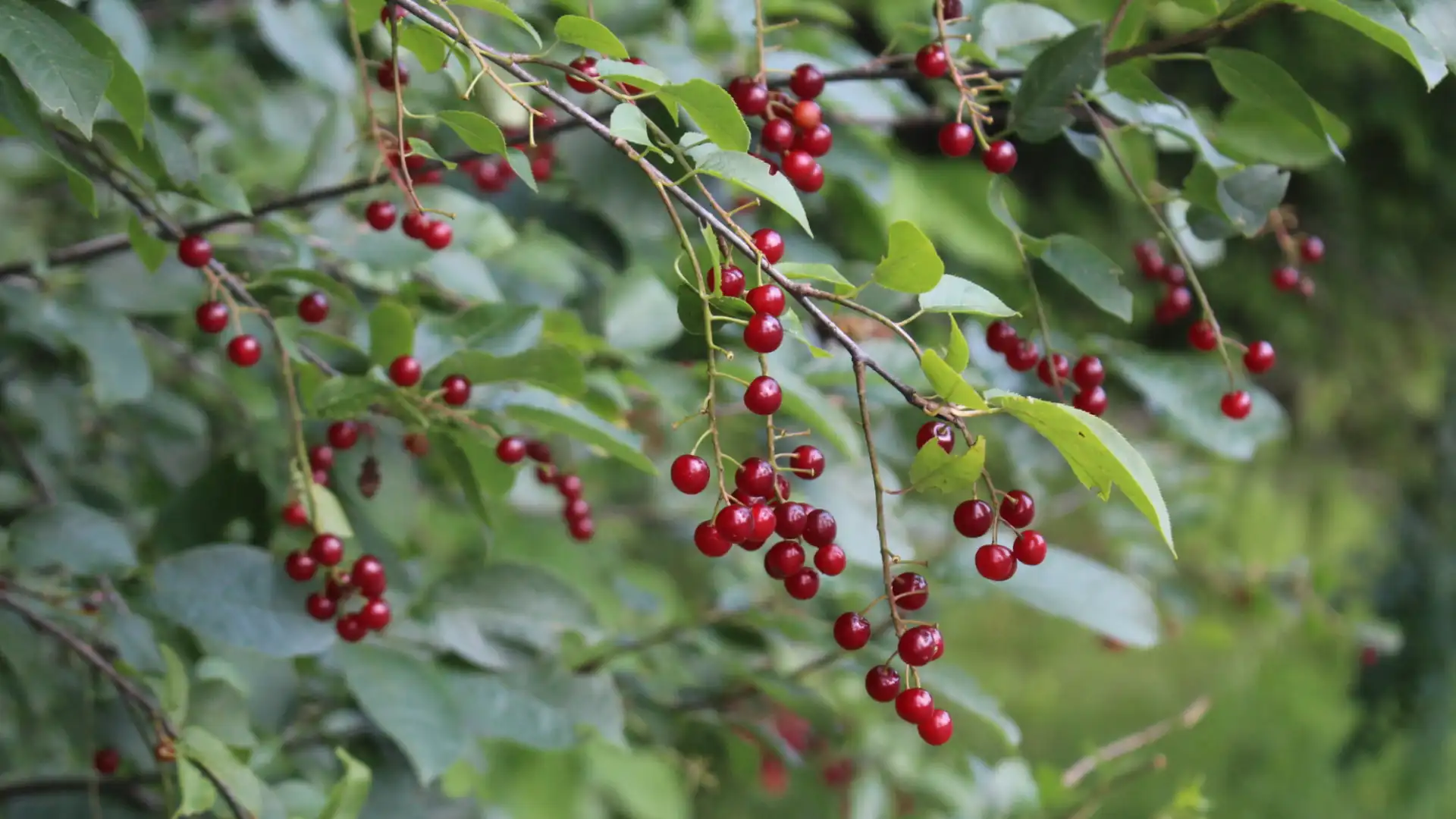
Chokecherry trees grow more like large shrubs or small trees. The fruit is very astringent when raw but can be cooked into jelly, jam, or syrup.
Birds rely on it heavily, and these trees are cold-hardy and common in northern areas.
Their simple white flower clusters support pollinators, and their fruit supports wildlife through late summer and fall.
Basic Care Cherry Trees Need to Thrive
Whatever type you choose, most cherry trees share the same core requirements. Getting these right early on matters more than any variety-specific detail:
- Sunlight: Full sun, at least 6 hours a day, for strong blooms and healthy fruit set.
- Soil: Well-drained soil is non-negotiable. Cherry roots sitting in standing water are prone to root rot.
- Watering: Water deeply and consistently during the first two growing seasons while roots establish, then taper off once the tree is mature.
- Pruning: Prune during the dormant season, in late winter, to remove dead or crossing branches and keep airflow open through the canopy.
How to Pick the Right Types of Cherry Trees for Your Yard?
Choosing the right cherry tree starts with knowing what you want.
If you want to eat sweet cherries, pick a fruiting type like Bing or Rainier and make sure your climate fits. For cooler areas, tart cherries like Montmorency may be a better choice.
But at the same time, if you’re after flowers, ornamental trees like Yoshino or Kwanzan bring bold spring color without the mess of fruit.
For small yards, consider a dwarf or bush cherry. Native types like chokecherry or black cherry are best for natural spaces or if you’re planting for wildlife.
Also think about space, sunlight, and pollination needs. Some trees grow over 30 feet tall. Others stay small.
And not all cherry trees can fruit alone. Picking the right one is easier when you match the tree to your space, your weather, and your goals.
Pollination Tips for Growing Cherry Tree Fruit
Good pollination is one of the biggest factors in producing a healthy harvest of cherries. Even a well-cared-for tree may produce few or no cherries if pollination is poor.
These practical tips can improve flower pollination and help your tree set more fruit during the growing season.
- Choose a compatible pollinator: Many sweet cherry varieties need another compatible cherry tree blooming at the same time for successful cross-pollination.
- Plant trees close together: Keep compatible cherry trees within 50 to 100 feet of each other so bees can easily transfer pollen between blossoms.
- Grow bee-friendly flowers nearby: Plant flowers like lavender, borage, or coneflowers to attract bees and other pollinators during cherry bloom.
- Avoid spraying insecticides during bloom: Insecticides can harm bees and reduce pollination. If treatment is necessary, apply it after the flowers have finished blooming.
- Plant self-fertile varieties when space is limited: If you have room for only one tree, choose a self-pollinating variety such as ‘Stella’ or ‘Lapins’ for more reliable fruit production.
- Protect blossoms from late-spring frost: Cover small trees with frost cloth when late-spring frost is expected, as damaged flowers cannot develop into fruit.
Conclusion
Choosing among the many types of cherry trees becomes much easier when you start with what you want from the tree.
Before buying, check the tree’s mature size, USDA hardiness zone, sunlight needs, and pollination requirements.
Those details can make the difference between a tree that struggles and one that grows successfully for years.
The best choice, I believe, is not always the most popular variety, but the one that matches your climate, space, and purpose. Take time to compare your options, speak with a local nursery, and choose with confidence.
Have you grown a cherry tree before? Share your experience in the comments below.
Frequently Asked Questions
How Long Do Cherry Trees Live?
Ornamental types like Yoshino and Kwanzan typically live 20 to 30 years. Fruiting sweet and tart cherries have a similar productive lifespan, though they may live longer with good care. Black cherry, a native forest species, can live well over 100 years in the right conditions.
What’s the Best Time of Year to Plant a Cherry Tree?
Most growers plant cherry trees while they’re dormant, in late fall or early spring, before new growth starts.
What’s the Difference Between a Cherry Blossom Tree and a Fruit-Bearing Cherry Tree?
Cherry blossom trees are ornamental varieties bred mainly for showy spring flowers, and most produce little to no usable fruit. Fruit-bearing cherry trees are bred for cherry production, and their flowers, while attractive, are usually simpler and less showy than ornamental blooms.
Are Cherry Tree Leaves Harmful to Pets or Livestock?
Wilted leaves, twigs, and pits from cherry trees, especially black cherry, contain compounds that release cyanide when the plant tissue is damaged. This mainly threatens grazing livestock and pets that chew on fallen branches