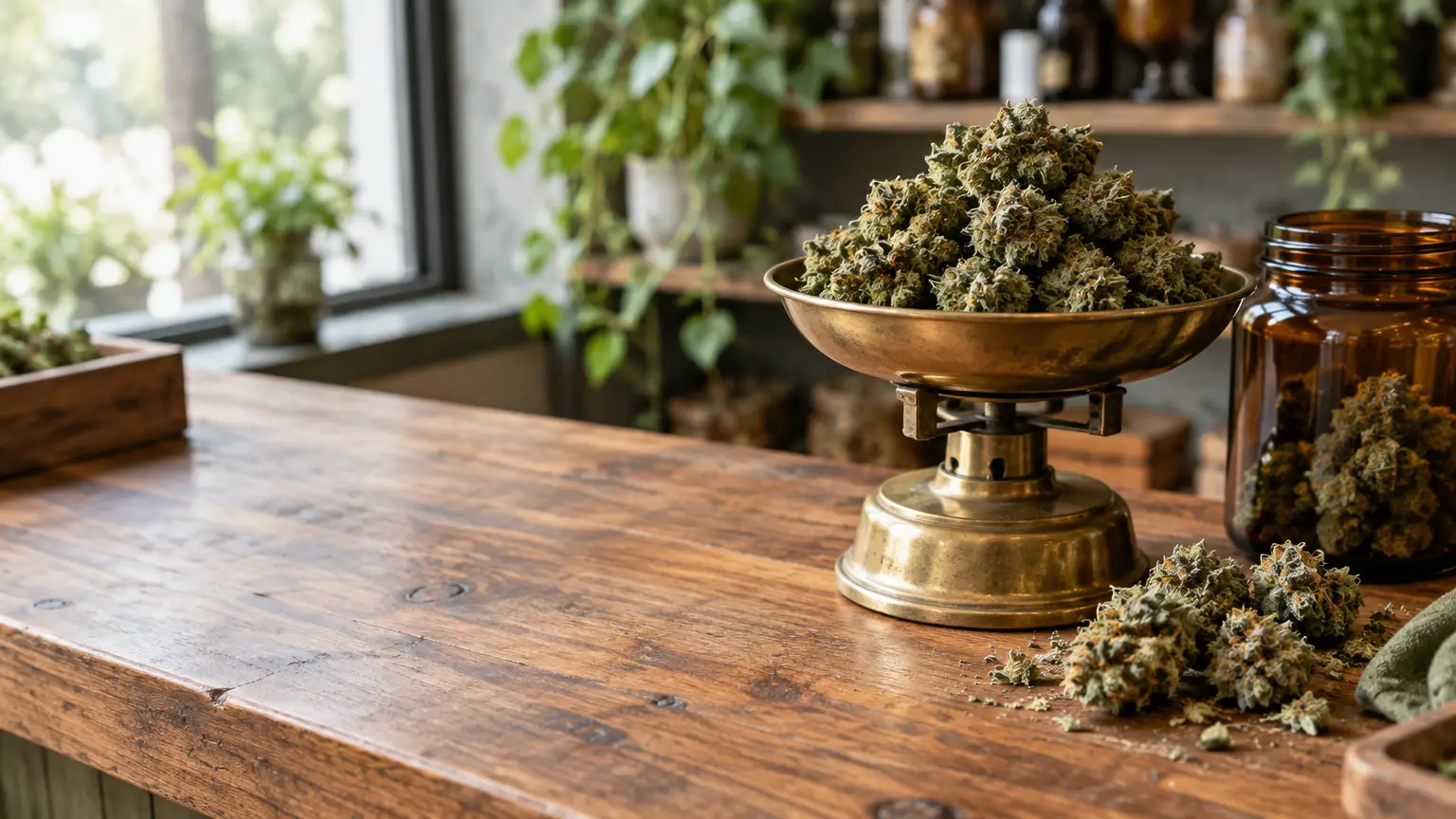
THCA Smalls are the small intact cannabis flowers that grow on the lower branches and inner nodes of the same hemp plants. Actually, they are the cannabis popcorn buds, also known as B-buds, that have the same genetic potency, cannabinoid, and terpene profiles.
However, cultivation practices and storage techniques affect the quality, freshness, efficiency, cannabinoid, and terpene profile of these THCA buds. That’s why you should always buy THCA Smalls from Dr Ganja THCA Smalls, because it keeps them in optimal conditions to maintain peak potency.
Why Are THCA Smalls Usually Cheaper?
THCA Smalls are usually cheaper and less appealing compared to large, fully developed tetrahydrocannabinolic (THCA) buds, because of their small and intact appearance.
However, bud flower size, cultivar type, cannabinoid content, terpene profile, growing method, curing quality, packaging, and laboratory testing are some factors that would determine the final price of THCA small buds.
Factors That Affect the Price of Quality THCA Smalls
The following factors must be checked carefully while choosing the best THCA buds without spending too much.
Check the Laboratory Test Before Buying
Before buying the hemp-based THCA flower, always check the recent Certificate of Analysis (COA) from a trusted laboratory for the specific product or batch to check the cannabinoid content and other contaminant information, instead of just relying on the number printed on the specific product page.
A reliable and trustworthy COA report always informs you about the THCA and THC levels, cannabinoid profile, and contained pesticides, heavy metals, microbial contamination, residual solvents, and batch or lot information of the specific THCA buds product.
Compare the Batch Number
Always check the laboratory report of the required product by looking at the batch number or lot number printed on the product instead of relying on the general laboratory report.
It is very important to check the laboratory report because a specific seller may deal with several batches of the same THCA flowers that have different cannabinoid and terpene profiles.
Look Beyond THCA Percentages
A higher THCA percentage profile is always attractive to buy. However, it is not the ultimate standard for buying, because other factors such as cannabinoid content, terpene content, product quality, and product storage techniques also determine the worth of the product.
Moreover, two different products may have the same level of THCA concentration but have different other profiles, thus acting differently. That’s why it is very crucial to check the overall profiles of the specific products instead of just preferring the high THCA concentrations.
Examine the Flower’s Appearance
Although appearance is not the primary factor that can tell the quality of THCA, small, intact buds would give a clue about the adopted cultivation and harvesting techniques for growing the specific batch product.
Usually, premium quality buds have vibrant shades of green to deeper tones that indicate plant health and a perfect curing process. On the other hand, brown, tan, or yellow coloration indicates unhealthy plant growth, either due to excessive UV exposure or due to nutrient deficiencies.
Moreover, trichome coverage on the cannabis flower surface also indicates good cannabinoid, THCA, terpene, and aromatic compound profiles. Usually, frosty trichomes with a wet, shiny surface are the best to choose, because they have enough moisture to keep the product efficiency perfect.
Pay Attention to Aroma
The aroma of THCA B-buds always indicates the freshness, proper storage techniques, and healthy terpene profile of the cannabis flowers. Natural botanical aroma indicates that aromatic compounds have been successfully retained in the buds during the storage and drying process.
However, the final aroma of all THCA Small intact buds depends on the cultivar, growing conditions, drying process, and terpene profiles. Thus, they may have an earthy, herbal, citrus-like, floral, pine-like, fruity, or spicy aroma depending on the mixture of terpenes in the specific hemp plant.
In addition to that, an intense or strong aroma does not indicate a high THCA concentration. Instead, it gives you a signal about high contamination. Moreover, a musty, moldy, damp, or unpleasant odor is a great sign of improper storage and unwanted microbial growth in the cannabis THCA buds.
Structural Assessment And Bud Architecture
The physical structure of cannabis flower and bud gives the most crucial information about the cultivation practices, harvest timing, and storage techniques. Freshness of the product is always the priority.
Sometimes, well-grown and healthy flowers can lose their desirable qualities due to poor storage conditions. Thus, aroma, texture, appearance, and overall condition are affected a lot due to storage practices, and these physical characteristics give an account of the freshness of the THCA popcorn buds.
A durable and reliable seller always mentions the harvest date of the hemp plant, so that the buyer has an idea about the production date of the buds, along with an idea about storage conditions.
On the other hand, the packaging date tells you when the product is packed in the final retail packaging before you purchase it. So, while purchasing the THCA hemp buds, check the packaging carefully to ensure adequate protection from air, sunlight, heat, and moisture to keep the buds alive and healthy.
Compare Price Per Gram
Always compare the price per gram of different cannabis buds, because the total product package does not give you the exact idea of which product would be more economical for you.
However, the lowest price per gram would not be the ultimate standard for purchasing the tetrahydrocannabinolic acid buds. Instead, first check and compare the product cannabinoid information, the COA report from a trusted laboratory, product freshness, product packaging quality, and product size and type, and then choose the best product that has an optimal price per gram.
Conclusion
Always choose a trusted and reliable seller for buying hemp-based THCA buds who provides an updated COA report, along with mentioning the harvesting, packaging, and storage dates.