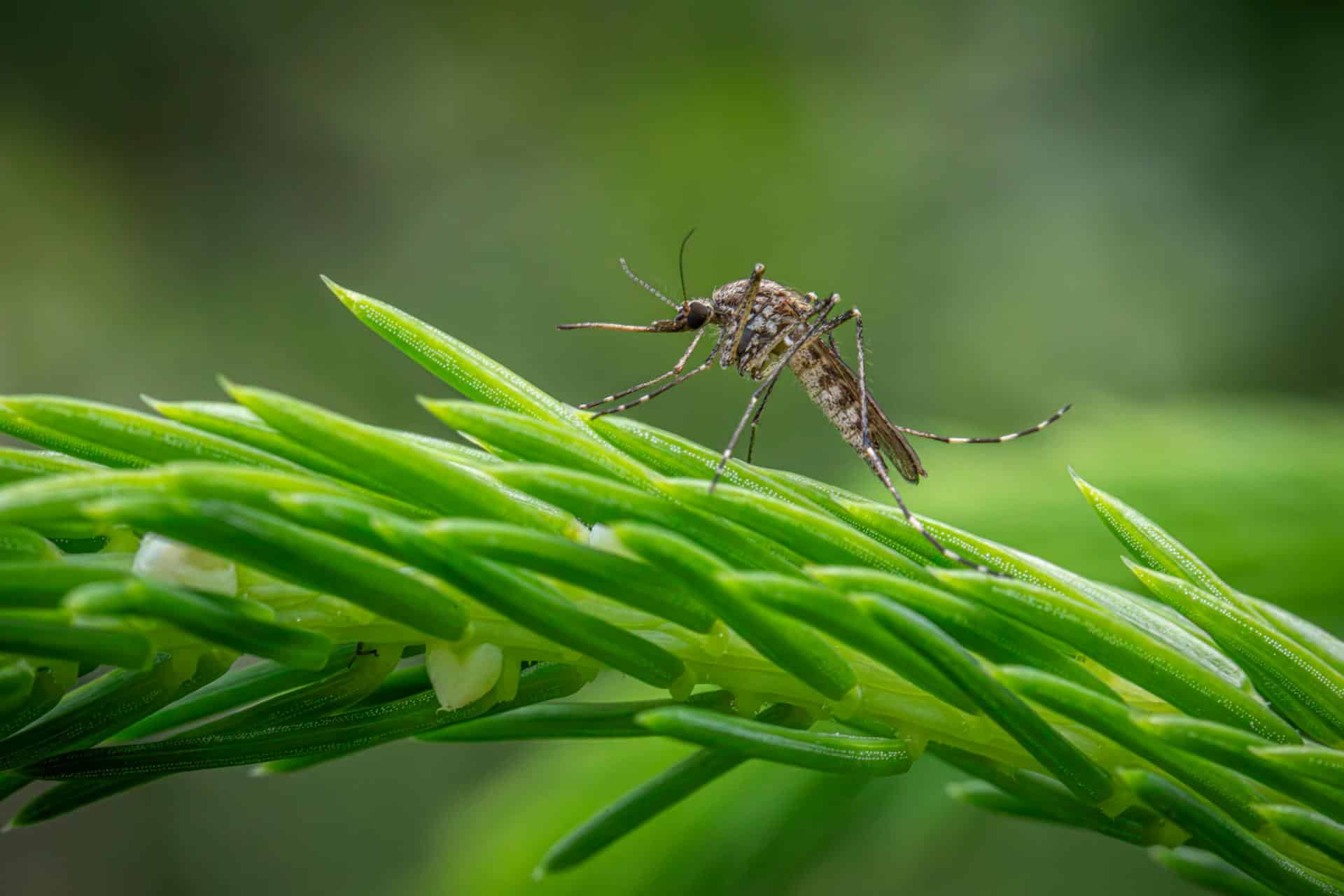
Is That a Tick? You Can Usually Tell in 60 Seconds (Promise)
You know that moment: you come inside from a walk / yard work / “I’ll just pull a few weeds real quick” (lies), and you feel a tiny little something crawling on you.
Your brain immediately goes to: TICK. LYME. DO I LIVE IN A DOCUMENTARY NOW?
Deep breath. Most of the teeny outdoor hitchhikers people panic over are harmless little weirdos who are simply existing. But annoyingly real ticks are also small and sneaky, so it’s worth learning a super quick ID trick that doesn’t require you to own a microscope or a PhD.
Here’s my “60 second, please don’t make me Google images again” tick check, plus what to do if it actually is one.
Why it’s worth figuring out (without spiraling)
If you mis-ID a harmless bug as a tick, you spend the next 48 hours doom scrolling and eyeing every freckle like it’s plotting against you.
If you mis-ID an actual tick as “just a little bug,” you might miss the window to talk to your doctor about next steps especially in areas where Lyme disease and other tick borne illnesses are common.
So yes, I’m going to be a tiny bit dramatic about this: it matters, but you don’t have to panic. You just need a quick way to tell what you’re looking at.
The fastest tick test: legs + 3 visual checks
If the bug is still around (on your clothes, on your skin, on the floor doing laps), try this.
Step 1: Count the legs (I know. Stay with me.)
- 8 legs = could be a tick (ticks are arachnids, like spiders and mites)
- 6 legs = usually an insect (flea, bed bug, beetle, etc.)
One annoying exception: tick larvae can have 6 legs and are tiny (like “is this a speck of pepper?” tiny). If you found something minuscule after being outdoors and you’re not sure, it’s okay to treat it cautiously and get a second opinion.
If it has 8 legs, do these 3 checks:
Check #1: No antennae
Ticks do not have antennae. Ever. Not at any life stage.
So if you see two obvious little feelers sticking out and moving around? Not a tick.
(And yes, tick mouthparts can look like “something” near the head, but they’re not two separate antennae they’re more like one fused, pokey situation.)
Check #2: One piece body (no “waist”)
A tick looks like a little oval dome basically one main blob.
- Insects usually have three distinct sections.
- Spiders have two sections with a noticeable pinched “waist.”
- Ticks look more like a tiny leathery raisin/seed with no cute little hourglass figure.
Check #3: Look for the “shield” near the head
Ticks have a hardened plate on their back near the head called a scutum. It often looks like a smoother patch, sometimes a slightly different color.
Even if the tick has been feeding and is all swollen and gross, that shield is still there.
If you’ve got 8 legs + no antennae + one piece body + that little shield, assume it’s a tick and move on to removal/next steps.
The “how it moves” clue (aka: is it sprinting like it pays rent?)
Movement is a dead giveaway sometimes.
Ticks:
- crawl slowly
- don’t jump
- don’t fly
- often crawl upward on clothes/skin like they’re heading to the penthouse suite
If it jumps → flea.
If it scurries like it chugged an energy drink → often not a tick.
If it flies → definitely not a tick (congrats, it’s just a bug bug).
Also, ticks tend to latch on and stay attached when feeding. If something brushes off easily, that points away from tick.
What ticks look like before and after feeding (because they glow up in the worst way)
Ticks can look very different depending on whether they’ve fed.
- Unfed ticks are usually flat-ish, oval, and “seed-like.” Colors range from tan to reddish brown.
- Fed ticks swell up over several days and can become rounded/bean-shaped and darker or grayish. This is why people say, “It didn’t look like a tick!” because they’re picturing the flat version, not the bloated one. (Sorry for that mental image. I didn’t invent nature.)
And again: larvae are the tricky ones super tiny, hard to ID without magnification, and sometimes 6 legged.
The usual suspects people confuse with ticks (aka the “innocent until proven guilty” list)
Here are the most common tick imposters I see people freak out about:
Clover mites
These are tiny (often under 1mm), sometimes reddish, and they can show up in groups on sunny walls/windowsills like they’re having a little convention.
They can have 8 legs, which is rude of them, but:
- they move fast
- their front legs can look like antennae
- they don’t bite people
Fun/terrible fact: if you squish one, it can leave a rusty stain. (Ask me how I know. Actually don’t.)
Baby spiders
Also 8 legs, but they have a more obvious two part body with a waist. And they’re not interested in embedding themselves in your skin for days. Spiders have better things to do. (Mostly.)
Bed bugs
Bed bugs are flat and oval like an unfed tick, but common bed bug lookalikes can differ:
- 6 legs
- antennae
- usually found in mattress seams, furniture cracks, etc., not “I just came back from a hike.”
Also, bed bugs feed quickly and retreat. They’re not the “attach for days” type.
Fleas
Fleas are tiny, dark, and made of pure chaos.
- 6 legs
- flattened side to side (like a little sesame seed turned upright)
- and they jump like Olympic athletes
If it springs away when you try to catch it, that’s a flea.
Random pantry beetles/weevils
If it has obvious antennae and/or a snout and it looks like it belongs in a bag of flour, it’s probably a pantry pest, not a bloodsucker.
Lice
Lice cling to hair, not bare skin, and you’ll often see nits (eggs) attached to hair shafts. Different problem, different solution, different emotional meltdown.
Okay, so… what if it is a tick?
Two scenarios:
If it’s crawling (not attached)
Run the quick test. If it looks tickish, don’t overthink it just treat it like a tick:
- remove it from your body/clothes
- consider saving it (more on that below)
- check yourself for others (ticks love a group project)
If it’s attached
Your only job right now is: remove it safely and cleanly.
Not creatively. Not with “Pinterest remedies.” Just safely.
How to remove a tick (the only way I trust)
Get:
- fine tipped tweezers
- soap and water (or rubbing alcohol)
Then:
- Grab the tick as close to your skin as possible.
You’re aiming for the mouthparts/head area, not the bloated belly. - Pull straight up with steady pressure.
No twisting. No yanking like you’re starting a lawn mower. Just firm and steady for 10-15 seconds. - If mouthparts break off, don’t panic.
Once the body is removed, remaining mouthparts can’t keep transmitting disease. Clean the area with soap and water and/or rubbing alcohol. - Clean the bite area and your hands.
Because… life is gross sometimes.
Please do NOT do the “internet hacks”
Skip petroleum jelly, nail polish, heat, essential oils, matches anything that tries to “make it back out.”
Those methods can irritate the tick and increase the chance it regurgitates (which is exactly what you don’t want). Also: setting yourself on fire is a pretty bad Tuesday.
Save the tick (yes, really) + jot down details
If you can, pop the tick into a sealed bag or small container. If you’re keeping it longer than a day, add a drop of rubbing alcohol.
Write down:
- the date
- where it was attached (or where you found it crawling)
- any guess on how long it may have been attached (if you know)
This is one of those “future you will be grateful” situations if you end up needing medical advice.
When to call a doctor (the part I don’t mess around with)
I’m not your healthcare provider, but here are the general “don’t wait around and vibe” situations:
- Within 72 hours:
If it was engorged (swollen) and/or you’re pretty sure it was a deer/black legged tick, call your healthcare provider and ask whether preventive antibiotics are appropriate. This depends on local Lyme prevalence, how long it was attached, and your personal situation. - Over the next 3-30 days:
Watch for a rash that spreads (often to 2 inches or more) using bite photos and patterns. Lyme rashes can be bull’s eye shaped, but not always and they often don’t itch or hurt like a simple irritation does. - Same day care:
Fever (especially high), severe headache, and body aches starting 2-14 days after a bite can be a sign of something like Rocky Mountain spotted fever, which needs treatment ASAP.
If you feel “off” after a tick bite and you’re debating whether you’re being dramatic: call. That’s what they’re there for.
Don’t want to guess? Here’s where to get it identified
If you’ve got a blurry little speck and your sanity is fraying, you can get help.
Options that are commonly used in the U.S.:
- TickSpotters (University of Rhode Island): free photo ID online
- Your state health department: many have tick ID resources (search: [your state] tick identification)
- Tick testing labs (paid): some will ID the tick and test for pathogens (cost varies one example is Upstate Tick Testing Laboratory in New York, often around the low cost range)
If you submit a tick anywhere, use a rigid sealed container, and include the date and where it was attached.
My tiny pep talk before you go inspect your socks
Ticks are creepy. No argument. But you don’t need to live in fear every time you step outside.
Do the quick check: legs → antennae → body shape → shield → movement, and if it’s attached, use tweezers and get it out calmly.
And if you’re still not sure? Save it, snap a photo, and let an expert confirm. No gold stars for suffering in uncertainty.
Now go forth, enjoy the outdoors, and may your only hitchhikers be the cute kind (like that leaf that sticks to your shoe and makes you look like you’ve been frolicking in a movie).