
Renting a home should feel safe and comfortable. However, many rental properties tend to hide health hazards that tenants never think about. You will only get to know about them when there is a problem. But the good news is that you can protect yourself by knowing what the common rental home health hazards are ahead of time. Read this guide, and we will help you with it.
Importance of Proactive Maintenance and Tenant Awareness
Most safety and health issues with rental properties take time to develop. Leakage turns into mold. Cracks allow pests to enter. Damaged outlets become fire hazards.
For these reasons, it is important to stay on top of maintenance for both landlords and tenants. Catching and fixing small problems early can prevent them from becoming big ones. And tenants? You occupy the space day in and day out. If there’s a problem, you’ll likely find it first.
That funky smell you can’t quite place? Check for mold or a leak. The flickering light above your kitchen sink? Ask your landlord to examine the wiring. You notice an odd discoloration on your ceiling? Have a maintenance person take a look.
Simply put, paying attention lets you visually inspect your rental property regularly. Examine walls, ceilings, and floors. Take a peek underneath the sink and behind the appliances. If something doesn’t look or smell right, tell your landlord or property manager ASAP.
It also covers you legally. By notifying your landlord of a problem in writing, you have evidence should they fail to remedy the situation. This is important if the issue is a violation of your city’s housing code. It’s also good to have, should you need to dispute your landlord over your security deposit.
Common Rental Home Health Hazards
Now, let’s take a look at some of the most common rental home health hazards that you will have to deal with.
Poor Indoor Air Quality
Did you know that the air inside your home can be more polluted than outdoor air? It sounds crazy, but it’s true. Your indoor air quality (IAQ) directly impacts your breathing, sleep, and daily wellness.
There are many causes of poor indoor air. Low ventilation traps dust, pet dander, and chemicals inside your home. Old carpets harbor allergens that get stirred up every time you walk by. Cooking without a vent fan sends grease and smoke particles into the air. Household cleaners emit VOCs (volatile organic compounds) that inflame your lungs.
Headaches, fatigue, sneezing, and eye irritation are common symptoms of poor IAQ. Asthmatics and allergy sufferers experience these symptoms most severely.
The good news is that there are plenty of easy ways to improve your indoor air quality. Open windows when the weather permits. Always run vent fans when cooking or bathing. Ask your landlord to replace aging air filters regularly. Central HVAC filters should be replaced every 1-3 months. Portable air filters also work great for bedrooms.
Mold and Moisture Buildup
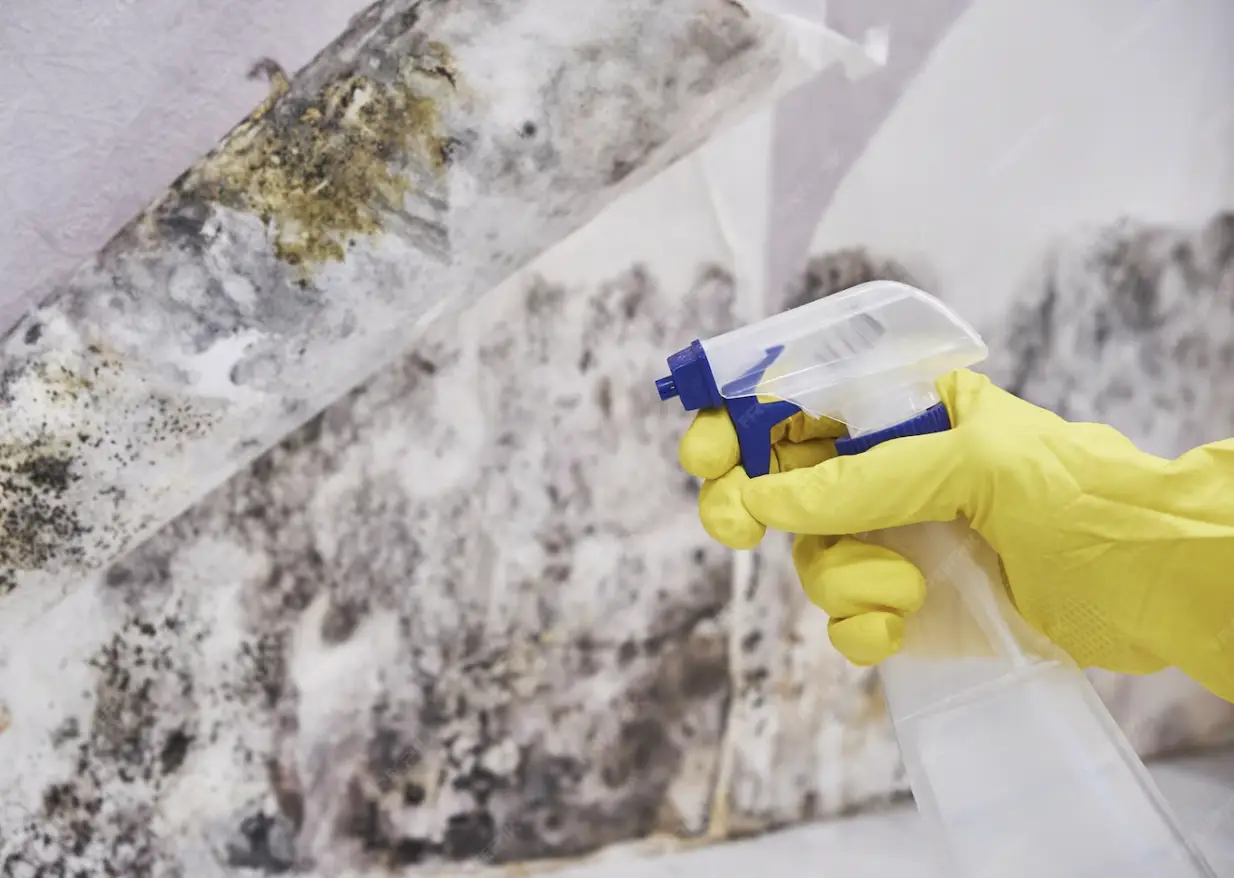
Mold is perhaps the biggest danger to your health when renting a home. Mold spores grow in damp, dark areas like bathrooms, basements, under sinks, and inside walls. Once it takes hold, it spreads rapidly throughout the structure.
Breathing in mold spores can lead to chronic coughing, nasal congestion, skin rash, and sore throats. Exposure to black mold (scientific name: Stachybotrys) may cause lasting lung damage and weaken your immune system.
The underlying cause is always moisture. Whether from a leaky pipe, leaky roof, or poor ventilation, mold loves damp environments. High humidity contributes to the problem. Humid climates, such as Houston, amplify mold growth.
You can prevent mold by running bathroom vent fans during showers. Vent fans eliminate moisture while you’re showering AND drying off. Run the fan for at least 20 minutes after you leave the bathroom. Regularly check areas where mold tends to grow and report them for mold remediation. Report any leaks or water damage ASAP. Use a dehumidifier in overly humid rooms.
Pest Infestations
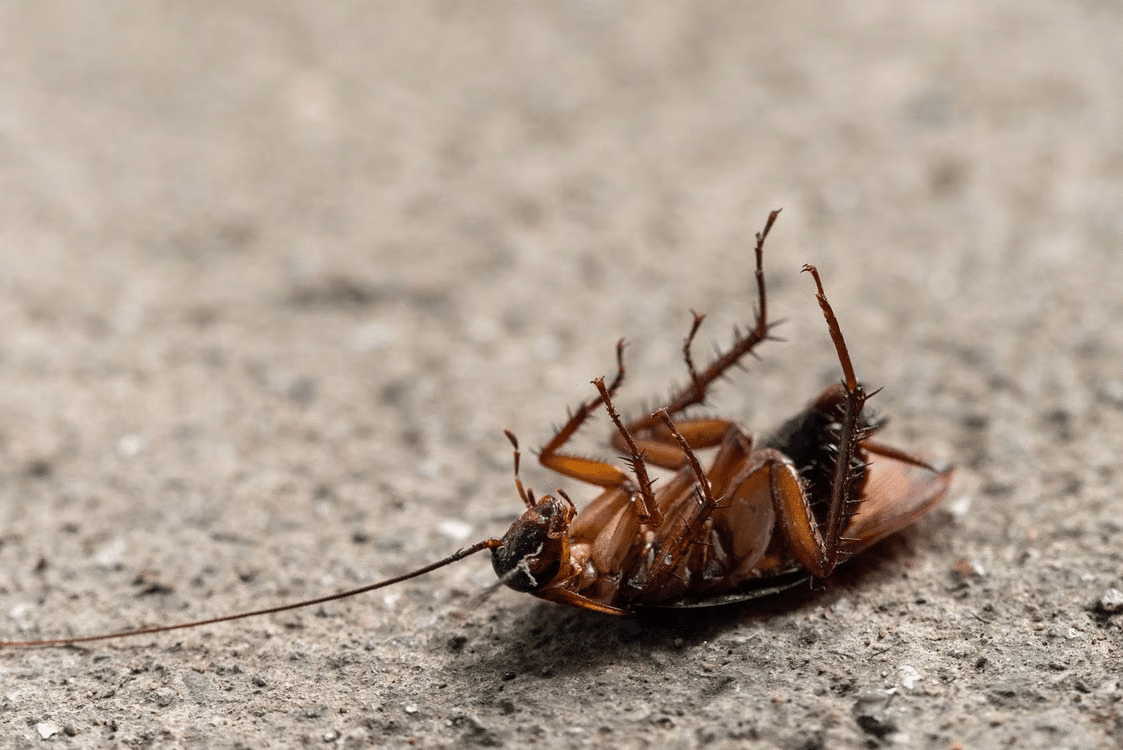
Whether we like it or not, bugs are a part of life. Pest insects and rodents carry harmful bacteria, allergens, and diseases. They’re not just annoying – they can make you sick.
Roach droppings are one of the top triggers for childhood asthma. Rodent urine and droppings contain Salmonella and can cause hantavirus.
Properties that lack regular maintenance are more prone to pest problems. Cracks in walls, gaps around pipes, and poorly sealed doorways allow bugs to enter. Infestations spread quickly in apartment complexes due to shared walls.
Common signs include droppings, gnaw marks, skin shedding, and bug bites on your skin. If you notice any of these pest indicators, reach out to your property manager ASAP. The landlord should always handle pest control.
To avoid pests in the first place, store food in sealed containers. Take out the trash frequently and don’t let dirty dishes pile up. Even small crumbs can attract pests.
Electrical Hazards
Faulty wiring is an invisible risk in many older rental houses. Electrical issues lead to thousands of fires every year. Electrical shocks are another risk for tenants. Flickering lights, sparking outlets, and outlets that feel warm to the touch are all warning signs. Tripping circuit breakers that won’t stay fixed and burning smells near outlets are major red flags.
Covered outlets aren’t enough to keep kids safe from electrical shock. Don’t overload circuits by running too many appliances at once. Extension cords and power strips should never be connected to one another. Space heaters should never be plugged into a power strip.
If you experience any electrical issues in your rental home, notify your landlord in writing. Fixing electrical issues is not a DIY project. Landlords are required to hire licensed electricians.
Working with Property Managers for Housing Codes Compliance
Renting property managers have an obligation to their tenants to keep homes habitable. Partner with experienced Northern Virginia property managers to assist in maintaining safe living conditions while complying with housing codes. Local housing codes set minimum standards for air quality, plumbing, electrical systems, pest control, and structural safety. When landlords neglect these standards, tenants can demand accountability.
Document everything. Send all repair requests via email so you have a date stamp. If your landlord fails to respond on time, contact your city’s code enforcement office.
Of course, the best way to get your landlord to comply is to build a good relationship. Report maintenance items early and be polite. Most property managers simply want to avoid larger problems down the road. Communication is key.
Final Words
Safety should be a given when you walk through the doors of your rental property. Mold, indoor air quality, pest, and electrical concerns can cause serious health issues for you and your family. The key is to know what to look for.
Be vigilant, notify your landlord of any issues immediately, and educate yourself on tenant rights and remedies. Taking action is the first step toward ensuring you and your family live in a healthy home.