Pests are more than a minor inconvenience. When left unmanaged, they can cause structural damage, contaminate food, spread disease, and create ongoing stress for property owners and occupants. While many people only think about pest control when a visible problem appears, the most effective approach is regular, preventative treatment.
Routine pest control helps protect properties before infestations take hold. Working with experienced pest control specialists allows homeowners and businesses to manage pest risks proactively rather than reacting to costly and disruptive outbreaks.
The Hidden Risks of Pest Infestations
Pests Often Go Unnoticed Until Damage Is Done
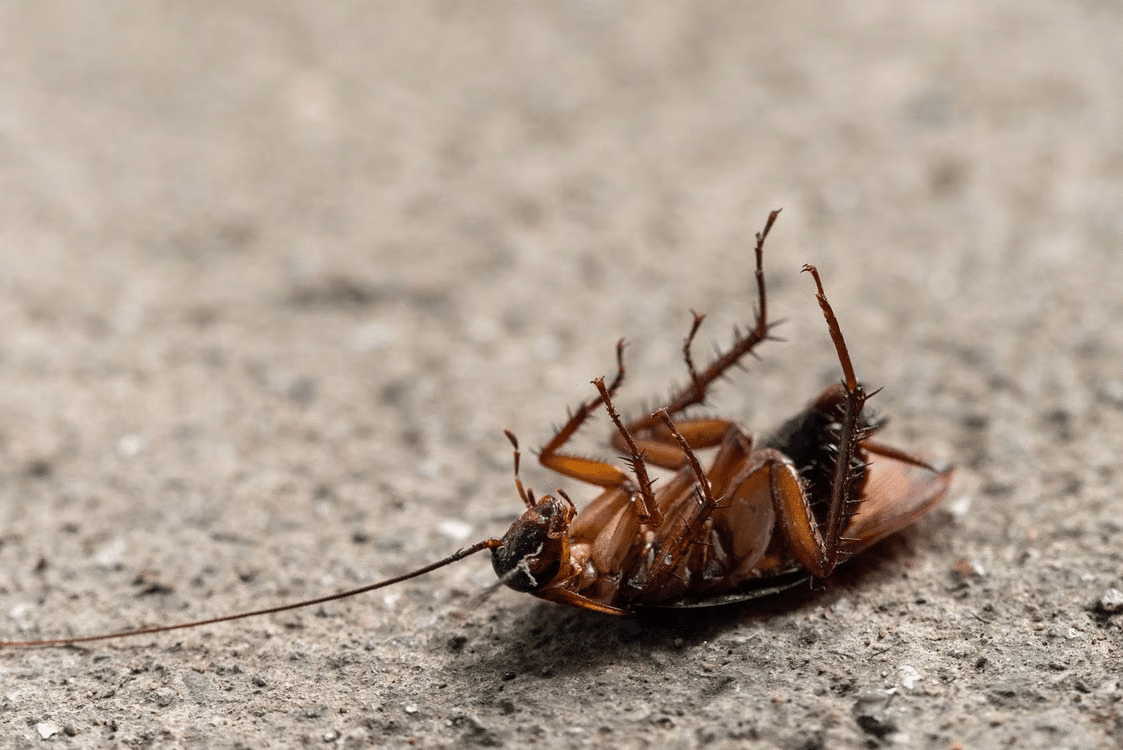
Many pests operate out of sight. Rodents nest in wall cavities, cockroaches hide behind appliances, and termites damage timber internally long before signs appear on the surface. By the time pests are visible, an infestation is often already established.
Regular pest control inspections and treatments help identify early activity and risk factors before significant damage occurs.
Small Problems Can Escalate Quickly
Pests reproduce rapidly. A few cockroaches, ants, or rodents can turn into a large infestation in a short period of time if conditions are favorable. Once populations increase, treatment becomes more complex, time-consuming, and expensive.
Preventative pest control stops infestations while they are still manageable.
Protecting Property and Structural Integrity
Preventing Damage to Buildings and Contents
Many pests cause physical damage to properties. Rodents chew through wiring, insulation, and structural materials. Termites weaken timber structures. Birds and possums can damage roofs and gutters.
Regular pest control reduces the likelihood of pests establishing themselves in areas that lead to costly repairs and safety hazards.
Reducing Fire and Electrical Risks
Rodents chewing electrical wiring pose a serious fire risk. This danger is often overlooked until damage is discovered during maintenance or after an electrical failure.
Routine pest control inspections help identify rodent activity early, reducing the risk of electrical damage and fire hazards.
Safeguarding Health and Hygiene
Preventing the Spread of Disease
Many pests carry bacteria, parasites, and pathogens that can affect human health. Cockroaches, rodents, and flies can contaminate food and surfaces, increasing the risk of illness.
Regular pest control helps reduce exposure to these health risks, especially in homes with children, older adults, or individuals with compromised immune systems.
Supporting Cleaner Living and Working Environments
Pests leave behind droppings, shed skins, nesting materials, and odors that compromise cleanliness. Even when pests are not visible, these contaminants can affect air quality and hygiene.
Ongoing pest management supports healthier indoor environments by preventing pests from establishing in the first place.
Why Homes Benefit From Regular Pest Control
Seasonal Pest Activity
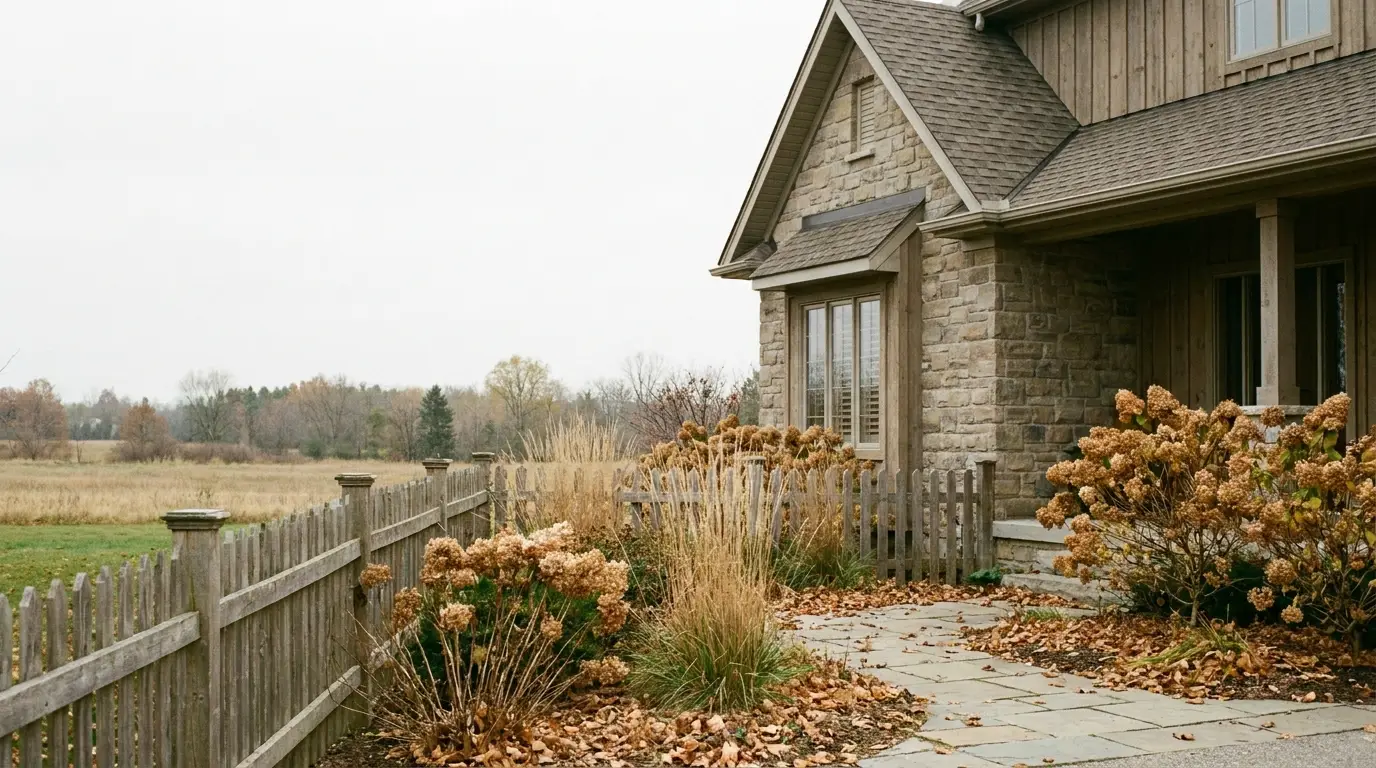
Pest activity often changes with the seasons. Ants become more active in warmer months, rodents seek shelter during cooler weather, and insects thrive in humid conditions.
Regular pest control accounts for these seasonal patterns, applying preventative treatments before pests become a noticeable problem.
Peace of Mind for Homeowners
Knowing that a property is protected year-round reduces anxiety and the need for constant vigilance. Homeowners do not need to wait for pests to appear before taking action.
Preventative pest control provides confidence that the home is being monitored and protected consistently.
Why Businesses Cannot Afford to Ignore Pest Control
Protecting Reputation and Customer Trust
For businesses, pest issues can damage reputation quickly. A single pest sighting in a workplace, retail space, or hospitality venue can lead to negative reviews, lost customers, or regulatory scrutiny.
Regular pest control helps businesses maintain professional standards and avoid reputational harm.
Meeting Health and Safety Expectations
Many industries are subject to strict health, safety, and hygiene requirements. Pest activity can result in compliance issues, fines, or closures if not managed properly.
Routine pest control supports compliance by reducing the risk of infestations and demonstrating proactive risk management.
The Limitations of One-Off Pest Treatments
Reactive Treatments Miss Underlying Issues
One-off pest treatments often address visible pests without resolving the conditions that allowed them to thrive. Entry points, nesting areas, and attractants may remain unchanged.
This reactive approach leads to recurring problems rather than long-term solutions.
Pests Can Return Without Ongoing Monitoring
Even after successful treatment, pests can return if nearby populations remain active. Environmental changes, construction, or weather conditions can increase risk at any time.
Regular pest control includes monitoring and follow-up, reducing the chance of reinfestation.
How Regular Pest Control Works
Ongoing Inspection and Assessment
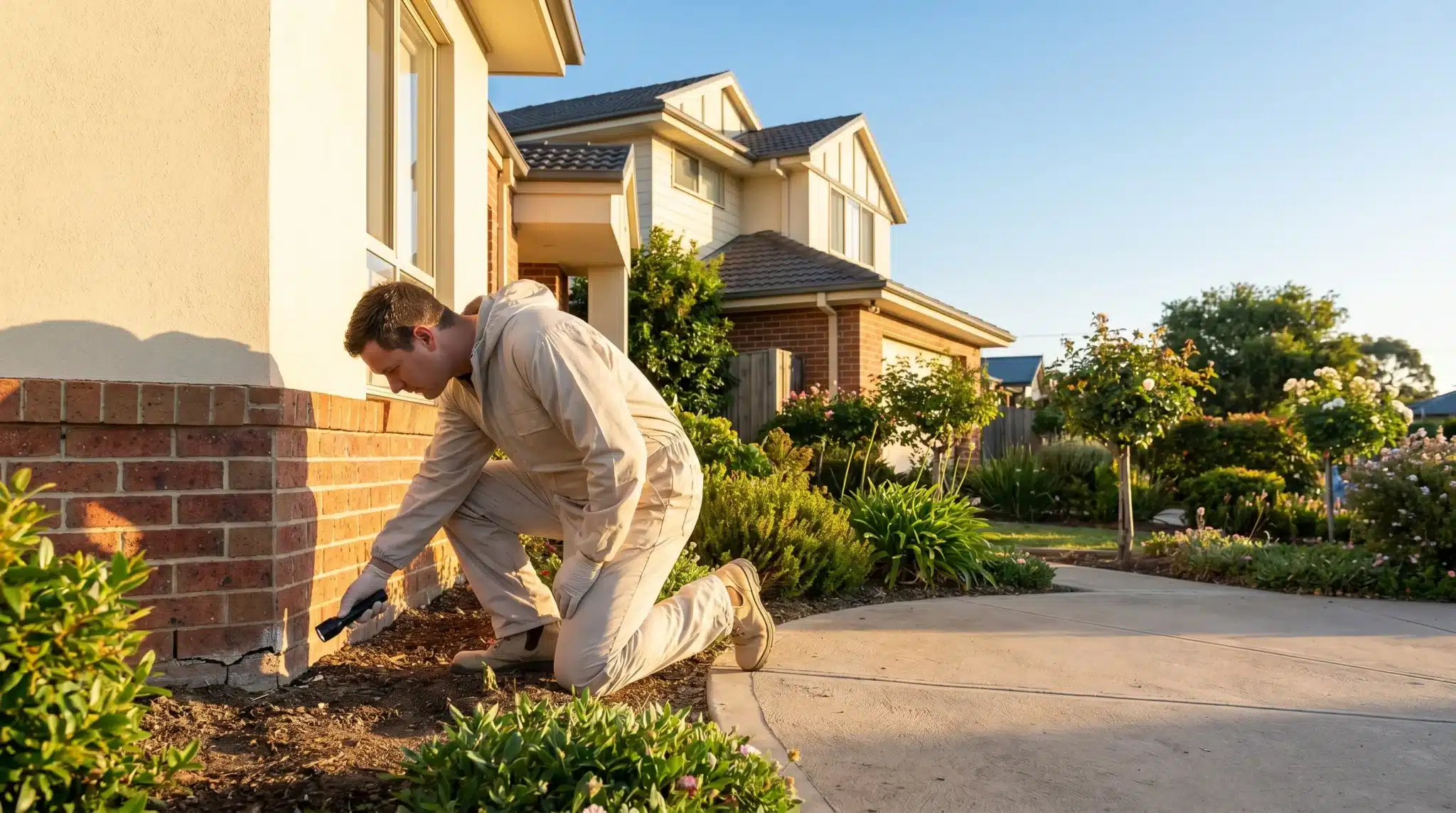
Regular pest control programs include scheduled inspections to identify early signs of activity and risk factors. This allows treatments to be adjusted as conditions change.
Inspections are just as important as treatments in maintaining long-term protection.
Targeted, Preventative Treatments
Rather than relying on broad, reactive measures, regular pest control uses targeted treatments designed to deter pests before infestations develop.
This approach is often more effective and less disruptive than treating active infestations.
Adapting to Property-Specific Needs
Every property is different. Homes, offices, warehouses, and retail spaces all face unique pest risks. Regular pest control programs are tailored to the specific environment, usage, and risk profile of each site.
This customization improves effectiveness and efficiency.
Long-Term Cost Savings
Preventing Expensive Repairs
The cost of regular pest control is minimal compared to the expense of repairing pest-related damage. Structural repairs, electrical work, and contaminated inventory can far exceed the cost of preventative treatment.
Investing in regular pest control helps avoid unexpected financial burdens. For example, booking a termite check on a regular basis can avoid expensive repairs in the future.
Reducing Emergency Callouts
Emergency pest treatments are often more expensive and disruptive than planned services. Regular pest control reduces the likelihood of urgent infestations that require immediate intervention.
This predictability supports better budgeting and planning.
Environmental and Lifestyle Considerations
Minimizing Chemical Use Through Prevention
Preventative pest control often uses fewer products overall than reactive treatments. By stopping infestations early, the need for repeated or intensive treatments is reduced.
This approach supports responsible pest management practices.
Supporting Modern Living and Working Environments
Modern homes and businesses rely on consistent comfort, cleanliness, and safety. Pest issues undermine these expectations and create unnecessary stress.
Regular pest control aligns with proactive property maintenance and modern standards of care.
When Regular Pest Control Is Especially Important
High-Risk Locations and Properties
Properties near bushland, water sources, or food handling areas face higher pest pressure. Regular pest control is essential in these environments to manage ongoing risk.
High-traffic or multi-occupancy buildings also benefit from consistent monitoring.
Properties With a History of Pest Issues
If a property has experienced pest problems in the past, regular pest control is critical to prevent recurrence. Past infestations often indicate underlying vulnerabilities.
Ongoing treatment helps address these weaknesses long-term.
A Proactive Approach to Pest Protection
Regular pest control is not about reacting to problems as they arise. It is about preventing pests from becoming a problem at all. Through consistent monitoring, targeted treatments, and professional expertise, pest control protects properties, health, and peace of mind.
For both homes and businesses, regular pest control is an essential part of responsible property management. By taking a proactive approach, property owners reduce risk, avoid costly surprises, and maintain safe, hygienic environments year-round.