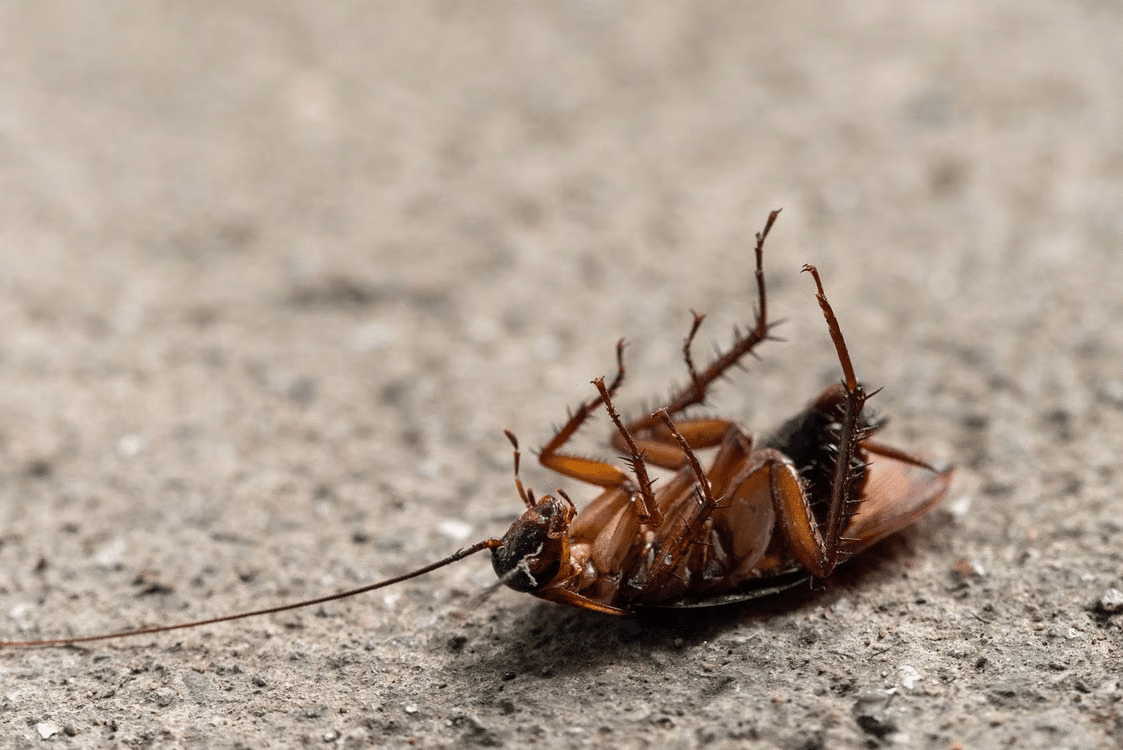
You lift the lid, and there it is. That writhing, squirming mass at the bottom of the trash can that makes your stomach drop before your brain even catches up.
My first instinct was to slam the lid shut and pretend I hadn’t seen anything, but maggots don’t exactly disappear on their own.
They multiply, they linger, and they turn a simple chore into a full-blown crisis if you wait too long.
What kills maggots instantly is probably already sitting in your kitchen cabinet right now, and getting rid of them is a lot simpler than that first horrified glance would have you believe.
Common Causes of Maggots Appearing in Your Home or Trash Can
Maggots usually appear when flies find moist, decaying material where they can lay eggs.
Trash cans are the most common source, but food spills, pet waste, drains, and hidden organic matter can also attract flies and create the right conditions for larvae.
- Rotting Food Waste: Meat scraps, spoiled produce, dairy, and leftovers can attract flies quickly, especially when trash sits for several days.
- Leaking Trash Bags: Food liquids and garbage residue collecting at the bottom of a bin create a moist breeding area for flies.
- Pet Food and Waste: Uncovered pet food, dirty litter areas, and animal waste can attract flies and provide organic material for maggots.
- Dirty Drains and Garbage Disposals: Organic buildup inside drains or disposals can support fly larvae, particularly when food particles remain trapped.
- Dead Animals or Hidden Organic Matter: A dead rodent, bird, or other animal inside a wall, attic, or crawlspace can cause sudden maggot activity nearby.
What Kills Maggots Instantly?

Most household methods that kill maggots instantly work by hitting them with extreme heat, drying them out, or breaking down their soft bodies before they know what happened.
You probably already have at least one of these in your kitchen right now.
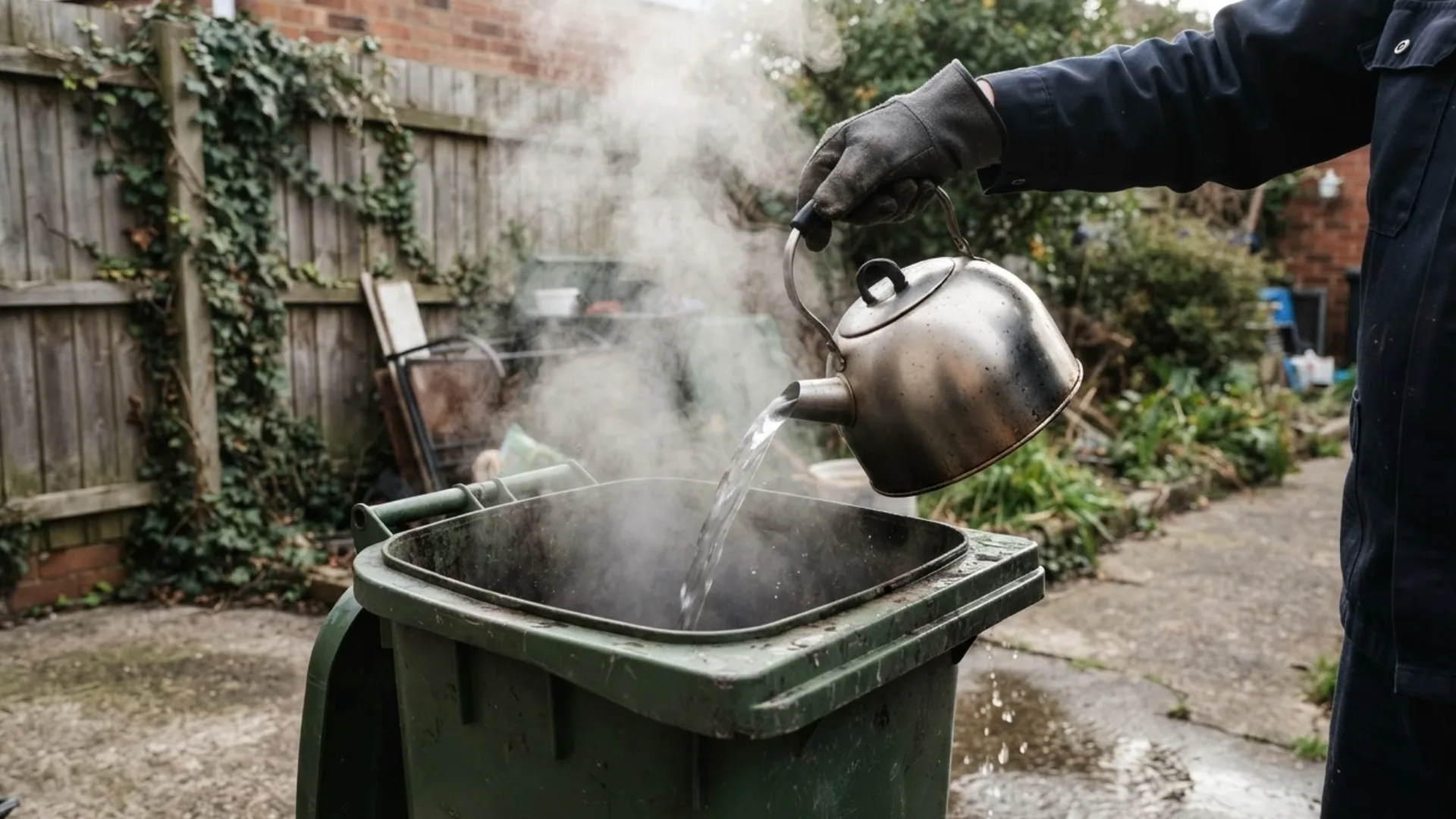
1. Boiling Water
This is the gold standard for me, and for good reason, because maggots are mostly made of protein, and boiling water cooks that protein almost instantly on contact.
Just fill a kettle or pot, bring it to a full rolling boil, and pour it directly over the maggots.
Ensure that it is truly hot, as lukewarm or even warm water won’t do the job, since maggots can survive in cooler temperatures just fine.
2. Salt
Think of salt as maggot kryptonite in slow motion. It pulls moisture straight out of their bodies, essentially drying them out from the inside.
Sprinkle a generous, thick layer directly over the maggots and give it about an hour to work.
It is not as fast as boiling water, but it is gentler on surfaces like plastic bins or fabric that hot water might damage. Table salt, kosher salt, or even rock salt all get the job done equally well.
3. Vinegar
Vinegar tackles two problems at once: it kills maggots, and it fights the smell that attracted flies in the first place.
Mix one part white vinegar with two or three parts hot water, then pour it directly over the affected area.
The acidity breaks down their bodies while the vinegar smell helps mask lingering odors from rotting food or garbage.
It’s a solid backup when I want something a little gentler than straight boiling water, but still effective.
4. Borax
Borax is a step up in strength from salt, and it works through a one-two punch. It disrupts a maggot’s digestive system while also drawing out moisture, which speeds up dehydration.
Simply sprinkle a generous amount directly onto the maggots and let it sit for one to two hours before rinsing the area clean.
Just keep it away from pets and kids during that window, since borax is not something you want them getting into by accident.
5. Diluted Bleach
Bleach is better suited for disinfecting after the maggots are gone than for killing them outright.
Mix it with water at a 50/50 ratio, then pour it over the area to sanitize and deodorize once the initial cleanup is done.
Safety note: never mix bleach with ammonia or other household cleaners. That combination creates toxic fumes, so always use bleach on its own in a well-ventilated space.
6. Freezing
If the maggots are on something you can move, like a pet’s food dish or a small container, freezing is the most humane route. Seal the item in a plastic bag and toss it in the freezer for 48 hours.
The extreme cold stops them in their tracks before you even have to look at them again.
It takes longer than boiling water, but it’s a great option when you would rather not deal with squirming maggots directly.
Does Baking Soda Kill Maggots?
Yes, baking soda may help dry out maggots, but it is not the fastest or most reliable way to kill them.
It works by absorbing moisture, which can make the environment less suitable for larvae over time.
However, baking soda does not usually kill maggots instantly, especially when they are buried in wet trash or food waste. If you need a quicker solution, boiling water is more effective on heat-safe surfaces.
After removing the maggots, baking soda can be useful for controlling odors and keeping a clean trash can drier.
Sprinkle some into the bottom of a dry bin after cleaning thoroughly. For lasting results, always remove spoiled food, leaking garbage, and other materials that attract flies in the first place.
What Should You Never Mix When Killing Maggots?

When trying to kill maggots, avoid mixing household cleaners or chemicals unless the product label clearly says it is safe.
Some combinations can release dangerous fumes or create harmful reactions, even if each product seems safe when used alone.
- Bleach and Ammonia: Mixing these can release toxic gases that may cause coughing, breathing problems, and serious irritation.
- Bleach and Vinegar: This combination can produce chlorine gas, which can irritate the eyes, throat, and lungs.
- Bleach and Rubbing Alcohol: Mixing them can create harmful chemical compounds and fumes that are unsafe to breathe.
- Hydrogen Peroxide and Vinegar: Combining them in the same container can form peracetic acid, which may irritate the skin, eyes, and lungs.
Never mix different insecticides or cleaners unless the label specifically allows it, because the reaction and exposure risks may increase.
How to Get Rid of Maggots Based on Where You Find Them?
The best way to remove maggots depends on where they appear. A method that works well in a trash can may damage flooring, plumbing, or other surfaces.
Always remove the breeding source first, then clean the area thoroughly to stop the problem from returning.
|
Where You Find Maggots |
What to Do |
|---|---|
|
Trash Can |
Remove the garbage, pour boiling water over the maggots if the bin is heat-safe, scrub the container, and let it dry completely. |
|
Kitchen Floor |
Pick up or vacuum the maggots, dispose of them in a sealed bag, and clean the floor with a surface-safe cleaner. |
|
Sink or Drain |
Remove food buildup and scrub inside the drain where possible. Use hot water and regular drain cleaning to reduce organic residue. |
|
Outdoor Garbage Area |
Remove spilled waste, kill visible maggots, wash the ground and bin, and keep all future trash in tightly sealed bags. |
|
Near Pet Waste |
Remove the waste immediately, clean and dry the area, and keep pet feeding or toilet areas clean to discourage flies. |
|
Near a Dead Animal |
Locate and remove the animal if it can be done safely. Clean the surrounding area or call a professional if the source is hidden. |
When Does a Maggot Problem Need Professional Help?
Most maggot problems can be handled by removing the source, cleaning the area, and keeping it dry.
However, professional help may be needed when the infestation keeps returning, spreads beyond one area, or comes from a source that is difficult or unsafe to reach on your own.
- Maggots keep appearing even after the trash, spoiled food, or other breeding material has been removed.
- Large numbers of flies continue to appear indoors for several days.
- You suspect a dead animal is inside a wall, attic, crawlspace, chimney, or another hidden area.
- Maggots are spreading into several rooms or appearing in places without an obvious food source.
- The infestation is inside a commercial kitchen, food storage area, or other location where sanitation requirements are strict.
A pest-control professional can help locate hidden breeding sites and determine why the problem keeps returning.
They can also recommend treatment that is suitable for the affected area. If maggots are found on a person, pet, or open wound, contact a doctor or veterinarian instead of using household pest treatments.
Tips to Keep Maggots From Coming Back
Once the maggots are gone, prevention is mostly about keeping flies away from food, moisture, and waste.
A few simple habits can make your trash cans and home much less attractive to flies and help stop another infestation from starting.
- Seal Trash Bags Tightly: Tie garbage bags securely so flies cannot reach food scraps or liquids inside.
- Clean Trash Cans Regularly: Wash away food residue, spills, and sticky buildup that can attract flies and support larvae.
- Keep Bins Dry: Let trash cans dry completely after washing because damp conditions make them more inviting to flies.
- Use Tight-Fitting Lids: Make sure indoor and outdoor trash cans close properly and replace cracked or damaged lids.
- Remove Food Waste Quickly: Do not leave meat, fish, dairy, or spoiled food sitting in indoor trash for several days.
- Clean Up Spills Immediately: Wipe up food, pet food, and garbage leaks before flies have a chance to find them.
Walking through the spots flies slip through most often around doors, vents, and window screens can stop the cycle before it restarts, even after a clean bin.
Conclusion
Nobody wants to become an expert on maggots, because I too agree it’s gross, but here you are.
Lifting the trash can lid doesn’t have to send you spiraling anymore. You have got options, you know which one fits your situation, and you know how to keep this from becoming a recurring nightmare.
A little quick action and regular cleanup can keep your trash can fresh, fly-free, and far less unpleasant to open.
If you found a trick that is not listed above, or a combination that did the job faster than expected. Drop it in the comments below.
Frequently Asked Questions
Will Dawn Dish Soap Kill Maggots?
Yes, Dawn dish soap can kill exposed maggots by coating their bodies and disrupting breathing. Mix it with water, apply directly, then clean thoroughly afterward.
What Smell Do Maggots Hate?
Maggots tend to avoid strong odors such as vinegar, peppermint, eucalyptus, and bleach. However, removing food waste and moisture is more effective for prevention overall.
How Long Does it Take Maggots to Turn into Flies?
Under warm conditions, common housefly maggots can become adult flies in about 7 to 10 days, although temperature and species can change development time considerably.