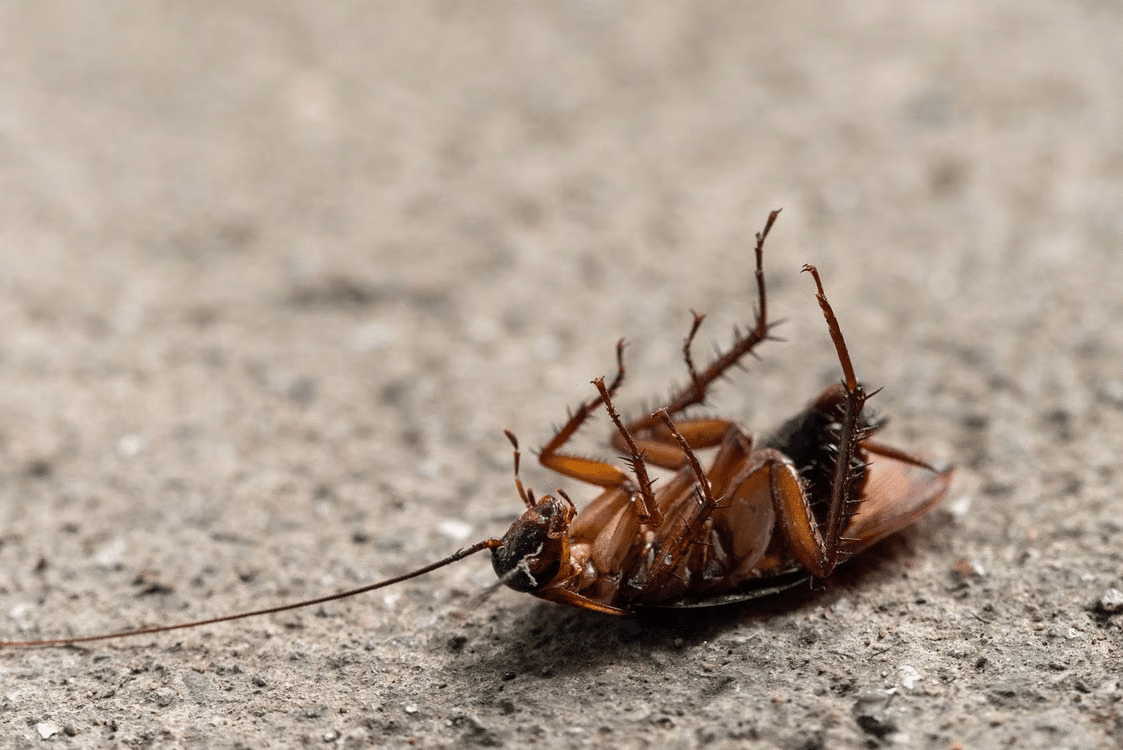

How many summer evenings have been spoiled by a persistent mosquito?
Most of us grab whatever DEET spray is under the sink without really thinking twice.
Later, we question whether coating our skin in chemicals every weekend all summer is wise.
Plants have fought bugs longer than us, and much of their natural defense is in essential oils.
Below, you will find essential oils for bug repellent that’ll make your summertime a little easier and tell you exactly which bugs each one targets.
How Essential Oils Work as Natural Bug Repellents?
Plants did not produce fragrant oils to serve our interests. They evolved them as defense against the very insects that would otherwise eat their leaves and flowers.
Concentrated into essential oils, these compounds interfere with how mosquitoes find us.
They track our carbon dioxide and body heat to zero in. Citronellal (lemongrass), PMD (lemon eucalyptus), menthol (peppermint), and eugenol (clove, cinnamon) mask those signals or confuse insects’ sensory receptors.
Lemon eucalyptus comes close to matching synthetic repellents.
Most oils deteriorate more quickly, requiring more frequent reapplication than DEET.
If a bite still gets through despite all that, knowing how to identify bug bites helps you figure out whether it was a mosquito or something that needs more attention.
How to Choose Quality Essential Oils?
Fragrance oils and pure essential oils sit side by side on shelves, often in nearly identical bottles.
The difference matters more than the price tag suggests, since only one of them actually repels bugs.
- Fragrance oils are synthetic scent copies that do not contain any repellent chemicals.
- Check the label for “100% pure essential oil.”
- Verify the plant’s Latin name, such as Cymbopogon nardus for citronella.
- Trusted brands feature a batch number or third-party test results.
- A bottle priced far below similar oils nearby usually means corners got cut.
Ignore any unclear details about sourcing or labeling. Taking a few extra seconds to read the fine print can prevent a wasted purchase and keep you from using a spray that has no effect.
Which Essential Oil Works Best for Each Type of Bug?
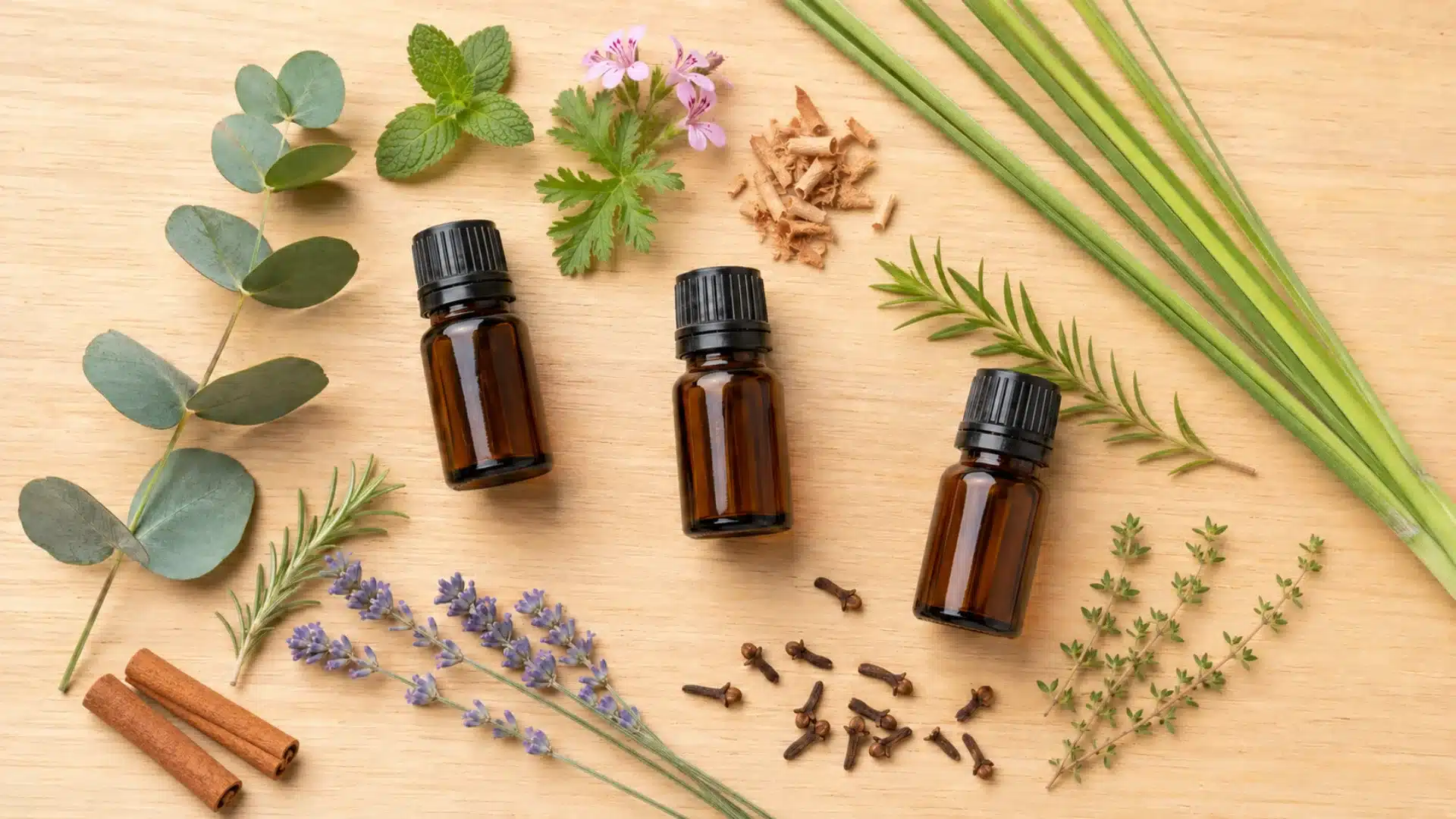
The main essential oils for bug repellent, their ingredients, and the pests they target.
1. Lemon Eucalyptus
Pressed and refined from the leaves of the lemon eucalyptus tree until the mosquito-fighting part is concentrated.
The CDC only recommends the concentrated form of the plant-based product for mosquito protection, but their endorsement pertains to the refined version, not the raw oil available on shelves.
It still edges out most other oils here for sheer strength.
Keep a bottle on hand once peak mosquito season hits.
Best for: Mosquitoes
2. Citronella
Extracted from citronella grass and found in most candles, torches, and sprays for many years. Instead of killing mosquitoes directly, it disrupts the scent trail they rely on to locate skin.
This milder approach is one reason for its lasting popularity.
Use it together with a more effective repellent for overnight protection.
Best for: Mosquitoes, Flies
3. Peppermint
Extracted from peppermint leaves, it has a sharp, cooling scent similar to toothpaste.
This aroma confuses bugs and prevents them from targeting exposed skin. It also serves as an immediate remedy for itching after a bite occurs. Few oils on this list offer such dual benefits.
Best for: Mosquitoes, Ants, Spiders
4. Lavender
Drawn from lavender flowers, better known for calming a room than fighting bugs, though it does both.
Mosquitoes, flies, ants, and moths all avoid it. It is gentle enough for kid-friendly products and helps soothe bites that have already occurred. This unique mix of mildness and effectiveness is uncommon.
Best for: Mosquitoes, Flies, Moths
5. Lemongrass
Squeezed from lemongrass stalks, a close cousin to citronella in scent and purpose.
Its sharp citrus smell isn’t one bugs stick around for. Left running in a diffuser on the patio, it holds a steady line of defense better than any single spray-and-forget application. Set it up before guests arrive, not after the bugs do.
Best for: Mosquitoes, Flying Insects
6. Clove
Drawn from clove buds, and easily the sharpest, spiciest smell in this entire lineup.
It’s effective on its own, but when combined with thyme or geranium, its strength becomes more apparent. That spice scent also attracts bees and wasps, not just mosquitoes.
Use caution, as it is among the more potent oils in this selection.
Best for: Mosquitoes, Bees, Wasps
7. Rose Geranium
Pulled from rose geranium leaves, and already a familiar name if you have checked the label on a store-bought natural repellent. It covers both flying and crawling pests without needing backup from another oil.
Mosquitoes and ticks both steer clear of it equally well. That range alone makes it worth keeping stocked.
Best for: Mosquitoes, Ticks
8. Cedarwood
Made from cedar wood and bark, it has a rich, woodsy scent that has been used in closets and drawer sachets for years. Moths and fabric pests naturally steer clear of it upon contact.
Outdoors, it effectively defends against ticks in wooded and brushy areas.
Additionally, it serves as a good base note beneath sharper oils in a blend.
Best for: Ticks, Moths
9. Globulus Eucalyptus
Pressed from globulus eucalyptus leaves, giving off a heavier, more medicinal smell than its lemon-scented cousin.
It covers mosquitoes, ticks, and fleas all at once, which makes it a solid single-bottle pick.
That range works especially well when diffused across a bigger backyard or patio space.
One bottle can replace three others in this list.
Best for: Mosquitoes, Ticks, Fleas
10. Thyme
Drawn from thyme leaves and stems, and considered one of the harder-working oils on this list.
It performs better paired with clove or geranium than used solo. Its sharp, herbal edge is particularly good at keeping ants and other crawlers from slipping in around doors and windows.
Indoor entry points are where it really proves its worth.
Best for: Mosquitoes, Ants
11. Tea Tree
Extracted from tea tree leaves, this ingredient is better known for maintaining clear skin than for insect-repellent properties. However, it still offers a mild, natural repelling effect that’s beneficial in skin-friendly formulations.
When combined with lavender, it creates a gentle blend suitable for sensitive skin or children.
Be cautious to keep it away from cats, as it may not agree with them.
Best for: General Insect Deterrence, Gentle Blends
12. Cinnamon
Drawn from cinnamon bark, with a warm, spicy smell that’s hard to miss.
That smell is especially unpleasant for ants and other crawling insects.
It functions particularly effectively indoors around doorways, windowsills, and kitchen counters. Most users consider the scent pleasant enough for daily life, unlike some more pungent oils.
Best for: Ants, Crawling Insects
13. Rosemary
Pulled from rosemary leaves, it holds onto the same sharp herbal smell you’d recognize from the kitchen.
Flies and gnats tend to steer clear of it, especially around outdoor food and seating in warmer months.
Paired with geranium or cinnamon, it rounds out a blend built for broader outdoor coverage. It is an easy one to keep multitasking between the kitchen and the patio.
Best for: Flies, Gnats, Mosquitoes
Who Should Be Cautious With Essential Oils?
Essential oils are generally gentler than synthetic repellents. But “natural” doesn’t mean risk-free for everyone.
Pregnant or breastfeeding individuals should check with a doctor first.
So should young children and anyone on regular medication.
A reaction isn’t always obvious right away. Some oils affect hormone levels. Others interact with medications in ways that aren’t always predictable. Skin sensitivity also varies a lot from person to person.
Some oils, like pennyroyal, aren’t safe for topical or internal use at all.
Even a small amount can cause real harm. Skip it entirely, no matter how it’s marketed.
When unsure, consulting a doctor quickly is better than guessing.
Safety Tips while Using Essential Oils for Bug Repellent
Important precautions to consider before regularly mixing and applying these oils.
- Always dilute essential oils properly, as undiluted oils can be strong enough to irritate the skin.
- Dilute with a carrier oil, witch hazel, or alcohol prior to application.
- Patch test on your inner forearm and wait 24 hours, especially for kids or new oils.
- Avoid contact with eyes and pets; tea tree and cinnamon are toxic to animals even when diluted.
- Store blends in dark glass bottles away from heat and sunlight to preserve potency.
Safe Dilution Ratios by Use
Exact amounts shift by oil, but here’s a quick reference to start from.
| Group | Dilution | Amount |
|---|---|---|
| Adults, topical | 2–3% | 10–12 drops per oz carrier oil |
| Children over 2 | 0.5–1% | 3–5 drops per oz carrier oil, gentle oils only (e.g., lavender) |
| Under 2 | Skip sprays | Ask a doctor first |
| Pregnant or breastfeeding | Skip sprays | Ask a doctor first |
| Pets | None | Avoid direct application; check with a vet |
DIY Natural Bug Spray Recipes That Actually Stay Effective

Quick and easy spray recipes you can prepare at home tonight.
1. Classic Citronella & Lemongrass Bug Spray
Materials: citronella oil, lemongrass oil, witch hazel, distilled water
- Step 1: Add 10 to 15 drops each of citronella and lemongrass oil into a spray bottle.
- Step 2: Pour in 2 oz witch hazel and mix well.
- Step 3: Top off with 4 oz distilled water and shake thoroughly before each use.
Best for: General outdoor mosquito protection
2. Peppermint & Eucalyptus Outdoor Spray
Materials: peppermint oil, eucalyptus oil, vodka or rubbing alcohol, water
- Step 1: Combine 10 drops each of peppermint and eucalyptus oil in a spray bottle.
- Step 2: Add 2 oz of vodka or rubbing alcohol to help the oils blend evenly rather than separating on top of the water.
- Step 3: Pour in 4 oz water and secure the cap tightly.
- Step 4: Shake thoroughly before each use, then spray on clothing or exposed skin.
Best for: Flies, gnats, and mosquitoes combined
3. Lavender & Tea Tree Gentle Spray
Materials: lavender oil, tea tree oil, witch hazel, water
- Step 1: Add 10 drops each of lavender and tea tree oil into a spray bottle.
- Step 2: Pour in 3 oz witch hazel and mix well until the oils are evenly distributed.
- Step 3: Add 3 oz water, shake the bottle thoroughly, and apply lightly to skin, clothing, or nearby garden furniture.
Best for: Kids, sensitive skin, gardens and patios
4. Tick & Hiking Trail Spray
Materials: lemon eucalyptus oil, geranium oil, thyme oil, witch hazel, water
- Step 1: Combine 10 drops lemon eucalyptus oil with 8 drops geranium oil in a spray bottle.
- Step 2: Add 6 drops of thyme oil to the same bottle.
- Step 3: Pour in 3 oz witch hazel and mix thoroughly.
- Step 4: Add 3 oz water and shake well.
- Step 5: Apply to skin and clothing before heading into trails or tall grass, focusing on ankles and cuffs.
Best for: Higher-risk outdoor areas, trails, hiking
Pair the spray with a quick way to spot a tick once you are back inside, since repellent lowers the odds of a bite but does not replace a physical check.
5. Herbal Shield Garden Blend
Materials: rosemary oil, geranium oil, cinnamon oil, carrier oil (jojoba or coconut)
- Step 1: Add 8 drops of rosemary oil into a small bottle.
- Step 2: Add 8 drops of geranium oil to the same bottle.
- Step 3: Add 6 drops of cinnamon oil and mix thoroughly.
- Step 4: Pour in 2 oz carrier oil and blend completely before applying sparingly to pulse points or clothing.
Best for: Garden work, applying to clothing or gear
How Long Does Homemade Bug Spray Last?
These sprays skip synthetic preservatives, so they don’t last as long as store-bought repellents.
Recipes with witch hazel or alcohol stay effective for 2 to 3 months in a cool, dark place.
The alcohol acts as a natural preservative. Recipes with a carrier oil, like the Herbal Shield blend, last less time.
Expect 4 to 6 weeks, since carrier oils can turn rancid. Watch for a weaker scent, a color change, or an off smell. These signs mean the batch has passed its prime. Toss it once that happens.
Prepare a new batch to avoid the possibility of decreased effectiveness.
Tips for Increasing Effectiveness
A few simple habits can naturally improve your bug spray without the use of chemicals.
- Wear light-colored clothing; mosquitoes are more drawn to dark colors.
- Clear standing water near seating areas; even a little in planters or gutters draws mosquitoes.
- Pair your spray with mosquito netting, screens, or citronella candles for backup coverage.
- Reapply every 60 to 120 minutes, especially at dawn, dusk, or after sweating.
- Spray clothing as well as skin; fabric holds scent longer than bare skin does.
- Apply outdoors before bugs show up, not after the first bite lands.
- Avoid mixing scented lotions or perfumes with your spray; competing scents can dull its effect.
Other Essential Oil Bug Repellent Products Worth Knowing
Beyond DIY sprays, a few trusted, ready-made options make natural repellent easier to use on busy days.
1. Murphy’s Naturals Lemon Eucalyptus Spray
Built around registered oil of lemon eucalyptus (OLE), this spray targets longer outdoor stretches.
It skips synthetic ingredients while still meeting CDC-recognized repellent standards for mosquitoes and ticks.
2. Cutter Skinsations Eucalyptus-Based Repellent
Uses oil of lemon eucalyptus as its active ingredient in a lighter, everyday formula.
Works well for casual outdoor time without the heavier DEET smell.
A citronella and lemongrass-based balm in solid form. It works well for pulse points or clothing edges, especially for people who prefer a mess-free, travel-friendly option over sprays.
Other Ways to Use Essential Oils Beyond Sprays
Sprays aren’t the only option; some settings call for a different method entirely.
| Method | Best For | Recommended Oils |
|---|---|---|
| Roll-on pulse points | Wrists, ankles, quick touch-ups | Peppermint, lavender, rose geranium |
| Cotton ball sachets | Closets, drawers, gear bags | Cedarwood, clove |
| Simmer pot on the stove | Kitchens, indoor gatherings | Rosemary, cinnamon |
| Wax warmer or melt | Bedrooms, enclosed rooms | Lavender, lemongrass |
| Torch fuel additive | Backyard tiki torches, patios | Citronella, globulus eucalyptus |
Frequently Asked Questions (FAQ’s)
Do Natural Essential Oil Sprays Work as Well as DEET?
Not exactly, but lemon eucalyptus comes close, rivaling DEET for several hours, though most oils need more frequent reapplication overall.
Can I Apply Essential Oils Directly to Skin without Diluting?
No, always mix them with a carrier oil, witch hazel, or alcohol first, since undiluted oils can irritate or burn skin.
Are These Bug Sprays Safe for Kids and Pets?
Some are, and some aren’t. Gentler oils like lavender work well for kids, but oils like tea tree and cinnamon can be toxic to pets even diluted.
How Often Should I Reapply Natural Bug Spray?
Every 60 to 120 minutes outdoors, since natural oils break down faster in air and sunlight than synthetic repellents do.
Which Essential Oils Work Best Specifically Against Ticks?
Cedarwood, geranium, and eucalyptus are the most commonly cited options for tick protection.
End Note!
With a few drops of the right oil, suddenly summer evenings don’t have to end in mosquito bites and scratching.
Lemon eucalyptus comes closest to matching DEET. But most of these oils do a solid job once you know which bug you’re dealing with. Mix a batch tonight. Keep it in the fridge or a cool cabinet.
Reapply a bit more often than you would with the chemical stuff.
It’s a small shift. Fewer synthetic ingredients on your skin all summer, without giving up a single evening outside
Which recipe are you trying first? Let us know in the comments.