If you’ve been down the rabbit hole of houseplant content lately, you’ve probably come across some pretty bold claims about certain plants pulling double duty as natural air purifiers.
Specifically, one plant keeps showing up in feeds everywhere, credited with wiping out nearly all airborne mold in a room.
Sounds almost too good to be true, right?
Before you rush to your nearest nursery, let’s actually dig into the research behind this claim and figure out what your leafy friends can and genuinely cannot do for your indoor air.
Where Did the 78% Mold Removal Claim Come From?
The claim traces back to laboratory-based air purification studies, where plants were tested in small, sealed chambers under highly controlled conditions.
In those settings, certain plants did show impressive mold-reducing results.
But here’s what gets lost in translation when these findings hit social media: those experiments used unrealistic plant-to-room ratios that would be nearly impossible to replicate in an actual home.
A living room is not a sealed lab chamber. The numbers got picked up, stripped of context, and turned into a headline.
Impressive in a lab, but the real-world application is a lot more nuanced than your Pinterest feed suggests.
What Research Actually Says About Plants and Airborne Mold?
Most people referencing plant-based air purification are actually thinking of the NASA Clean Air Study, which focused on removing VOCs like benzene and formaldehyde, not mold spores.
The study is frequently misquoted because people conflate cleaner air with mold removal, but they are very different problems.
VOCs are chemical gases, while mold spores are living biological particles that behave, spread, and require entirely different removal mechanisms.
A plant that absorbs chemical toxins through its leaves and roots simply does not work the same way on floating fungal spores.
The science behind each is genuinely distinct.
Plants Most Often Linked to Mold Reduction Claims
Before we get into the specifics, it’s worth noting that these plants are frequently cited in conversations around mold reduction, but that does not mean they have been proven to eliminate mold at home the way social media suggests.
Think of them as plants with potential, not guarantees. And if you are drawn to greenery in general, indoor vine plants are another popular category worth understanding before stocking up.
1. Peace Lily
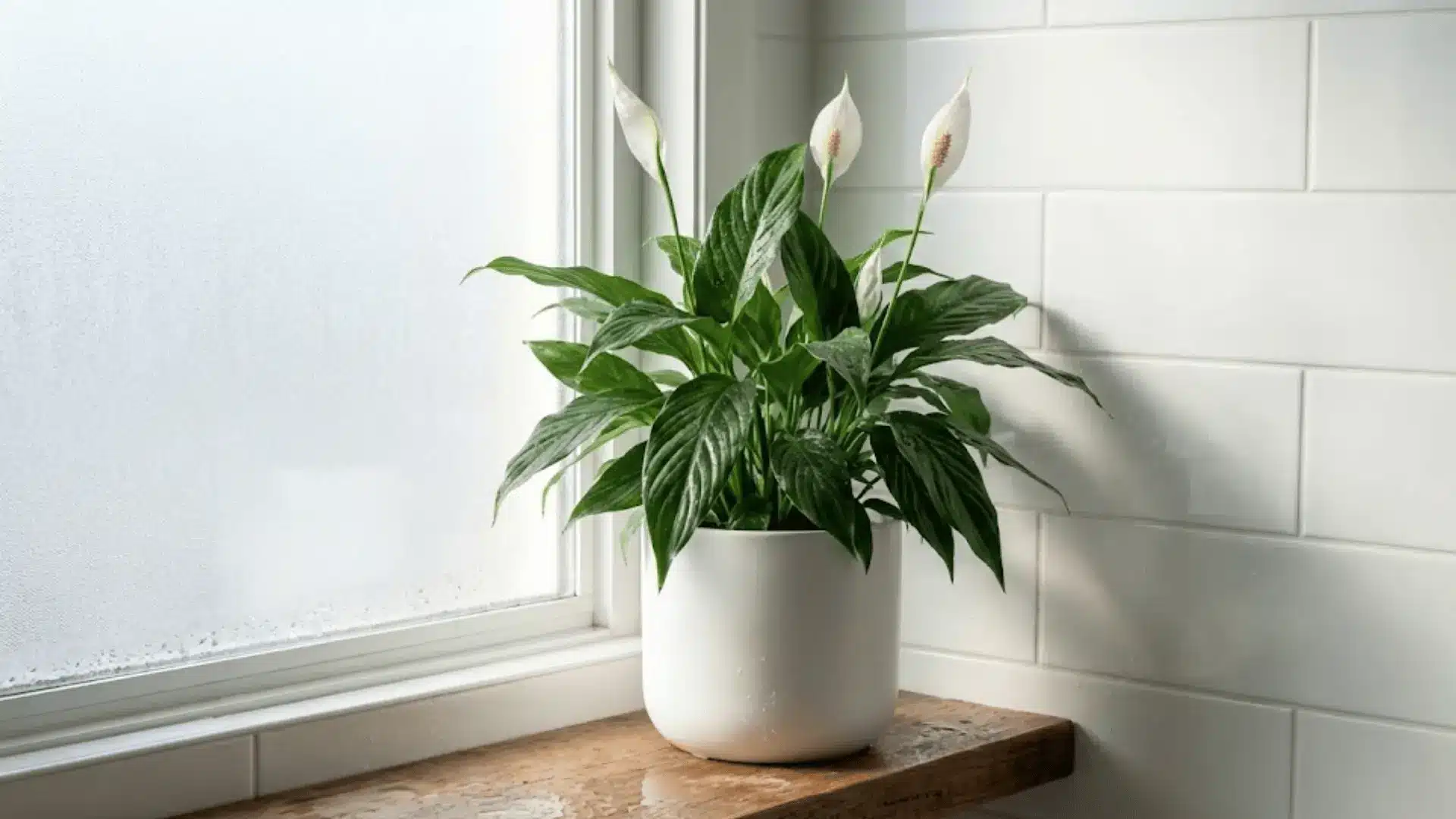
The Peace Lily comes up often in mold-related discussions largely because of its tolerance for damp, humid conditions.
It has been loosely connected to improving air quality in moisture-heavy spaces, but the claim that it actively removes mold spores remains largely anecdotal.
What it does well is thrive in low light and high humidity, the same environments where mold loves to grow.
2. Spider Plant
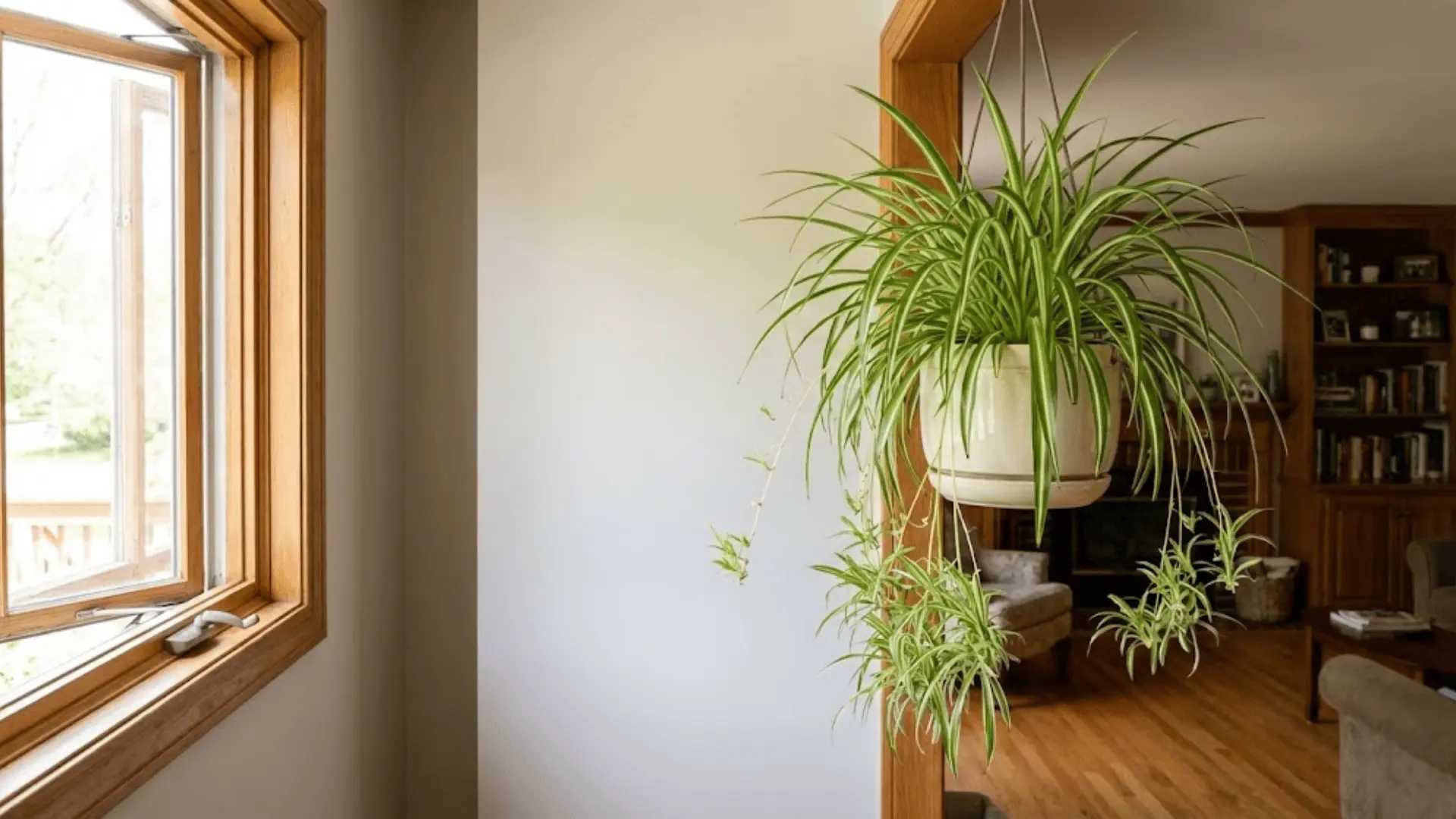
Spider plants have appeared in several air quality studies, which is probably why they keep showing up in these conversations.
They’re hardy, adaptable, and easy to grow, making them a popular choice for indoor spaces.
While some studies suggest they interact with airborne particles, direct evidence linking them to significant mold spore reduction in real homes is still pretty thin.
3. Boston Fern
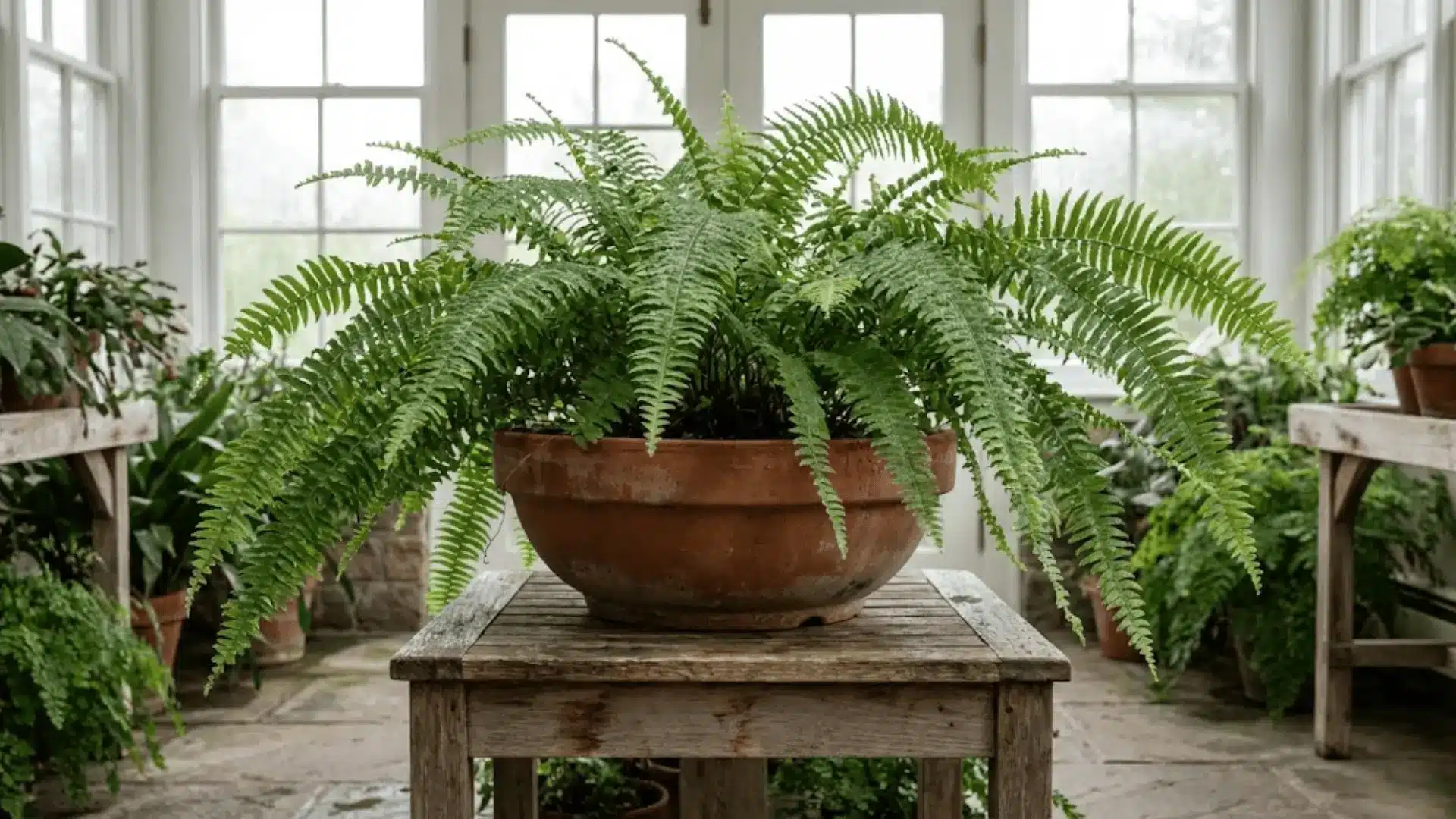
Boston Ferns are known for their high transpiration rate, meaning they release moisture back into the air, which is a double-edged sword in mold conversations.
They may help regulate humidity levels when conditions are too dry, but in already-damp homes, that same quality could work against you.
Promising in the right environment, but context really matters here.
Can Any Plant Really Remove 78% of Mold in a Home?
The short answer is not really, at least not in any way that holds up outside of a lab.
The specific figure that keeps circulating has no strong evidence behind it when applied to real household settings.
A home is not a sealed chamber. Air moves, doors open, spores continuously circulate, and the scale at which a plant would need to operate to make a measurable dent is simply not realistic.
A single houseplant, or even a few, cannot keep pace with the constant movement of airborne mold spores in a lived-in space.
The numbers just do not translate.
How Plants May Indirectly Help With Mold?
Plants may not be mold-fighting powerhouses, but they are not completely without benefit either. Here is where they can quietly work in your favor:
- Some plants help regulate indoor humidity, which, when balanced, creates a less hospitable environment for mold growth.
- Microbes living in potting soil have shown some ability to break down certain airborne pollutants at a small scale.
- A greener space often encourages better habits like ventilation and cleaning, which genuinely do reduce mold.
- The perception of fresher air can motivate healthier home maintenance routines overall.
None of these are dramatic fixes, but the right plants in the right spots can still earn their place on your windowsill, especially when you understand the 4 vine types well enough to choose wisely for your space.
What Actually Reduces Airborne Mold at Home?
If you are serious about tackling airborne mold, these are the approaches that actually have research behind them.
| Method | How | Why It Works |
|---|---|---|
| Ventilation | Exhaust fans, open windows | Flushes out moisture-heavy air |
| Dehumidifiers | Maintain humidity below 50% | Mold struggles to grow in dry air |
| HEPA Air Purifiers | Run consistently in key rooms | Physically captures airborne spores |
| Source Control | Fix leaks, wipe condensation | Removes what mold needs to survive |
| Clean Visible Mold | Use appropriate cleaning agents | Stops spores from spreading further |
Risks of Relying on Plants Alone
Leaning on houseplants as your primary mold solution can actually backfire in ways most people do not consider.
- Overwatering your plants creates excess moisture, which ironically encourages mold growth rather than reducing it.
- Damp potting soil is a known breeding ground for fungal spores, adding to your indoor air quality problem.
- Misplaced confidence in viral claims can delay actually addressing the real source of mold in your home.
- Without proper care, your plant corner could become a humidity hotspot that works against you.
The goal was never to scare you away from houseplants. It is simply worth knowing what they can and cannot do before treating them as a substitute for proper mold control.
Final Verdict
Houseplants bring life, calm, and a certain warmth to any space, and that genuinely counts for something.
But when it comes to the plant that removes airborne mold at home, the truth is a little more grounded than the headlines suggest.
Think of your plants as a small piece of a larger, more intentional approach to a healthier home rather than a standalone fix.
Pair them with real solutions and a little regular upkeep, and your space will thank you.
Found this helpful? Drop your thoughts in the comments. We would love to hear what is growing in your home.