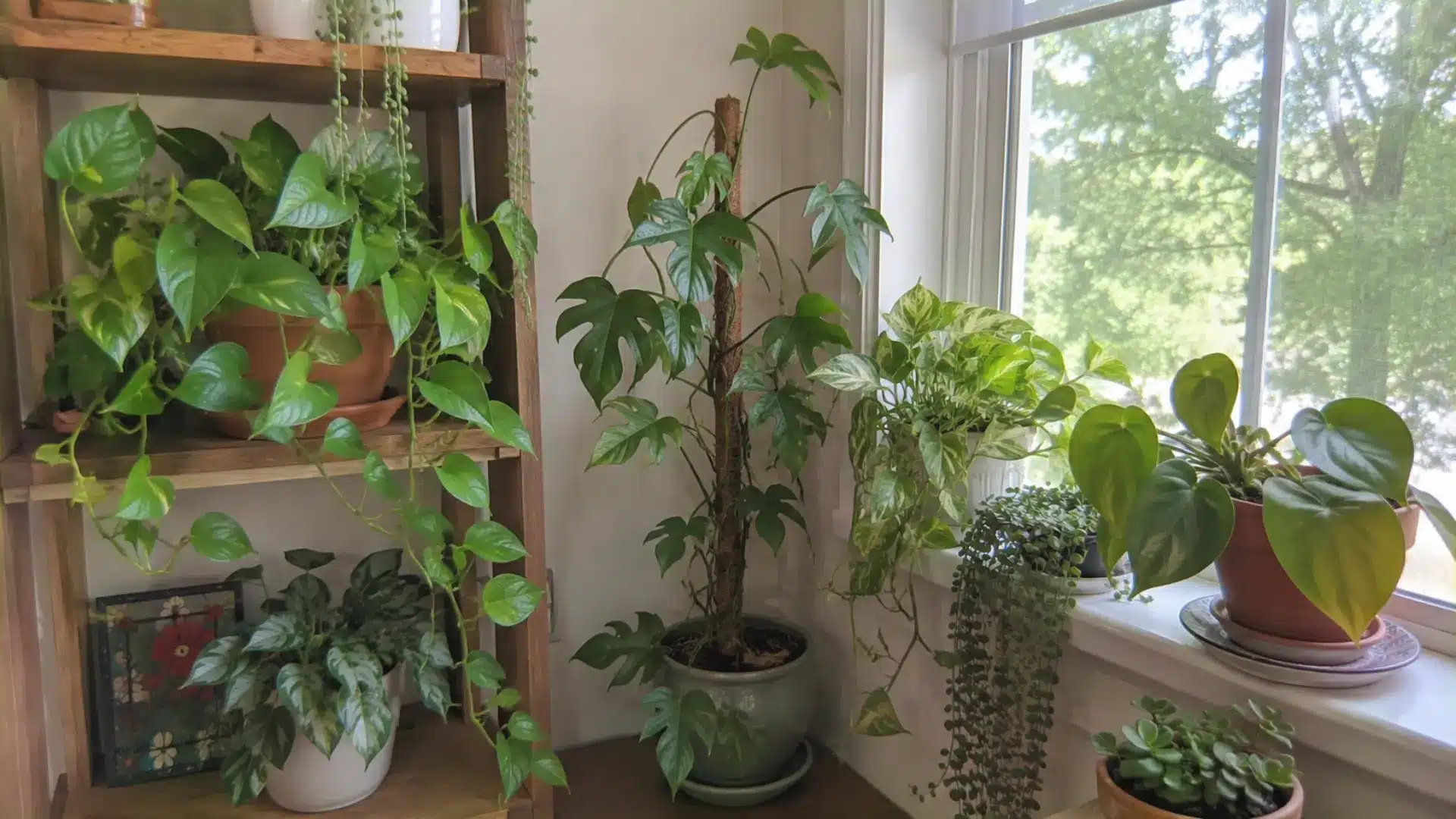
Indoor vines are one of the hottest home decor trends, and it is easy to see why.
These delightful displays take any empty corner from drab to divine while also cleansing your home of impurities and adding needed texture to bare interiors.
So if you are a plant novice who wants to liven up your home or an avid gardener looking for some low-maintenance plants, you will find something you like in this post.
What Makes a Great Indoor Vine Plant?
Choosing the right indoor vine starts with understanding your space and lifestyle.
Does that corner get bright light or stay shady? That decides which plants will actually thrive there.
Think about growth habits too: cascading vines suit hanging baskets, while climbers want a trellis or moss pole.
Pet owners should lean toward non-toxic varieties, and watering routines matter, since some vines forgive neglect while others need steady moisture.
Many also get credit for cleaning indoor air, though the famous NASA study behind that claim used sealed chambers rather than a ventilated home, a distinction we’ve looked at in more detail, worth knowing before you buy a plant mainly for its air-cleaning reputation.
How to Choose the Right Indoor Vine Plant for Your Home?
Finding your perfect vine match means aligning plant needs with your actual living situation.
Here’s how to narrow down your options:
- Light Levels Matter Most: Identify if your space offers low, medium, or bright indirect light before falling for any trailing beauty.
- Be Honest About Your Care Capacity: Beginner-friendly varieties forgive missed waterings while high-maintenance types need consistent attention.
- Consider Growth Speed: Fast growers fill spaces quickly but need regular pruning; slow growers offer patience and less upkeep.
- Match Your Aesthetic Vibe: Lush jungle feels, clean minimalist lines, eye-catching variegation, or bold, dramatic foliage all create different moods.
- Factor in Your Lifestyle Rhythm: Frequent travelers need drought-tolerant options while home-based plant parents can handle thirstier vines.
The right choice turns plant care into pure joy rather than another chore on your list.
Different Pothos Varieties
The easygoing vines below are where most plant collections start, and for good reason. They handle low light and inconsistent watering better than almost anything else on this list.
1. Golden Pothos

Ideal Light: Low to bright indirect
Growth Style: Trailing, cascading
The ultimate beginner vine that forgives just about everything. Golden pothos features heart-shaped leaves splashed with creamy yellow variegation that brightens any dim corner.
It grows fast, tolerates neglect, and looks gorgeous tumbling from shelves or climbing up moss poles. Water when the soil dries out completely.
Perfect for offices, bedrooms, or that awkward bathroom shelf. This plant practically thrives on being forgotten, making it ideal for busy plant parents who want lush greenery without the fuss.
2. Marble Queen Pothos

Ideal Light: Medium to bright
Growth Style: Trailing, cascading
A more dramatic cousin to the golden variety, Marble Queen flaunts heavy white and green marbling that creates an elegant, almost painted look.
It needs slightly more light than golden pothos to maintain those gorgeous variegated patterns. Let the soil dry between waterings and keep it away from cold drafts.
Drape it over floating shelves or let it cascade from macramé hangers for maximum visual impact. The creamy foliage adds a soft, refined touch to minimalist spaces and pairs beautifully with neutral décor palettes.
3. Neon Pothos

Ideal Light: Medium to bright
Growth Style: Trailing, cascading
If you want a pop of color without flowers, neon pothos delivers with its electric lime-green leaves that practically glow in good lighting. This cheerful vine keeps its vibrant color best in brighter spots, but adapts to medium light too.
Care mirrors other pothos varieties: water when dry, and watch it grow like crazy. Hang it near windows or place it on high shelves where the chartreuse foliage can catch natural light.
It’s the perfect mood booster for kitchens, sunrooms, or any space needing a fresh, energetic vibe.
4. Silver Satin Pothos
Ideal Light: Medium to bright
Growth Style: Trailing, cascading
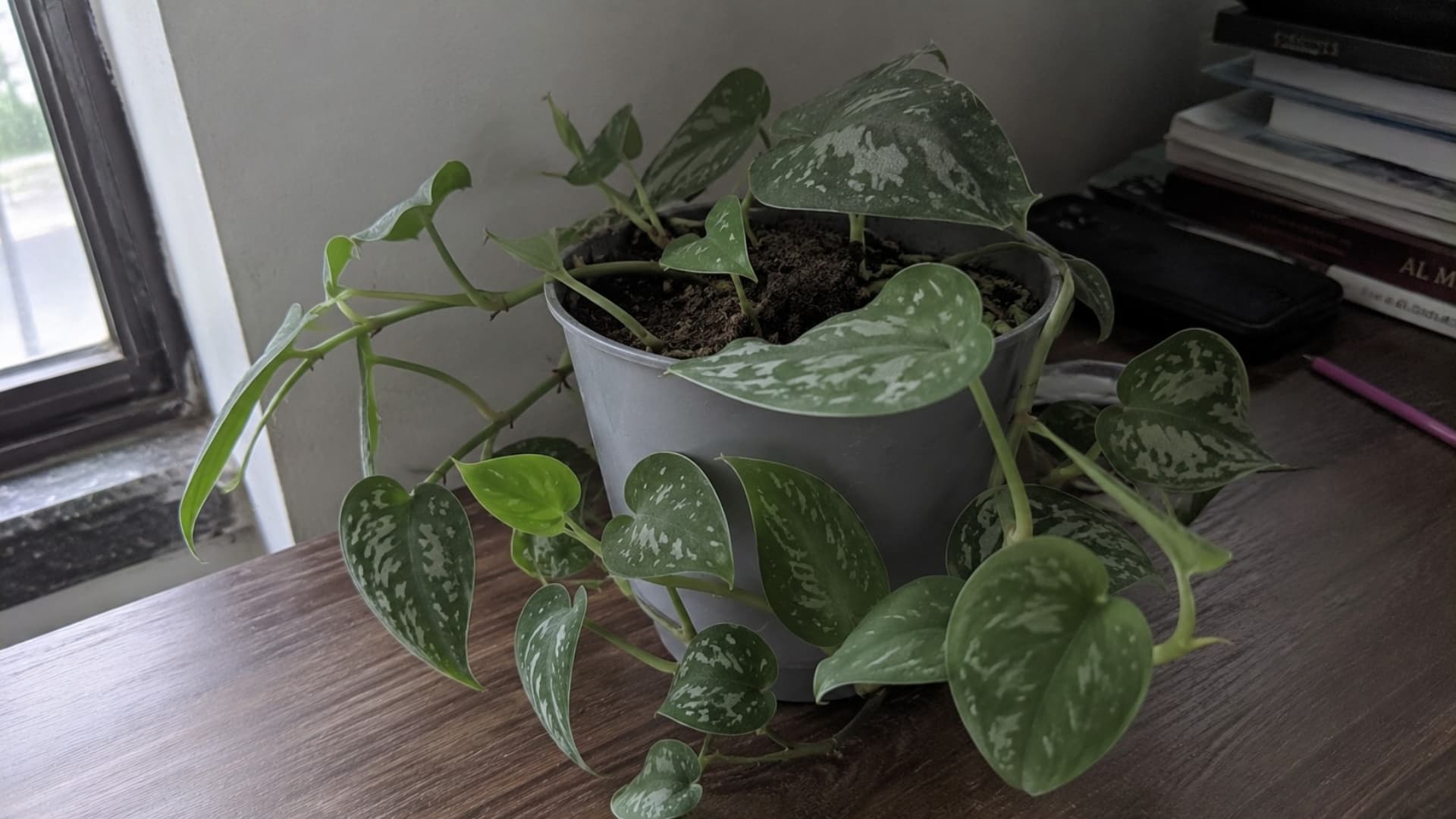
Despite the name, this isn’t a true pothos but shares the same easygoing vibe. Silver Satin features velvety leaves dappled with silvery spots that shimmer in natural light.
It grows more slowly than pothos, making it a low-maintenance indoor plant that needslittle pruning. Water when the top inch of soil dries out. Display it on shelves or in hanging planters where light can catch those metallic flecks.
The urbane color palette works beautifully in bedrooms or offices, adding texture and elegance without overwhelming your space with too much green.
Philodendrons & Philodendron-Like Climbers
These climbers also give you the option to train them up a pole for a taller, fuller look.
5. Heartleaf Philodendron
Ideal Light: Low to bright indirect
Growth Style: Trailing, climbing
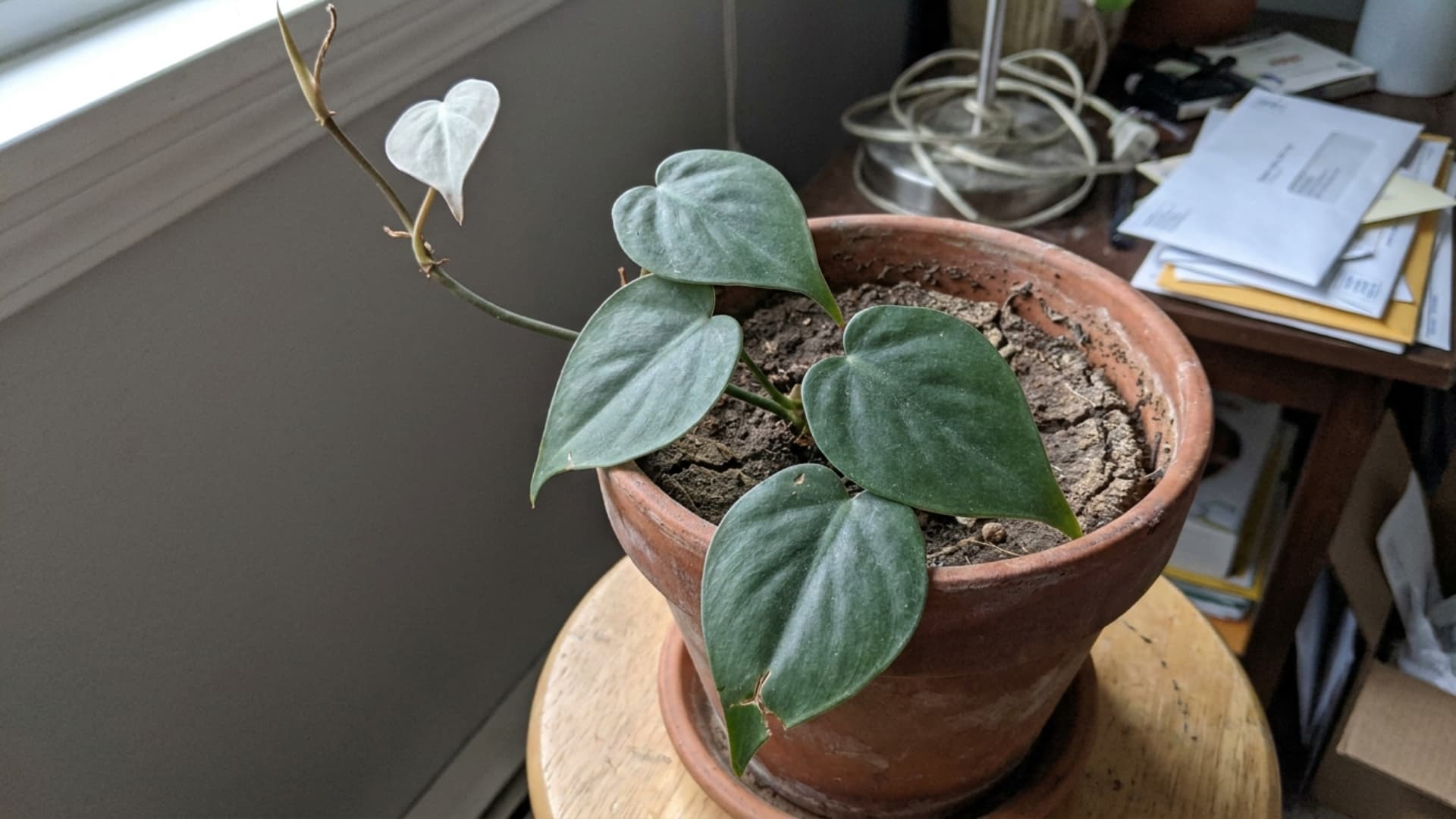
This classic beauty features glossy, heart-shaped leaves that trail elegantly or climb when given support. Heartleaf philodendron tolerates lower light better than most vines and grows quickly with minimal effort.
Keep the soil lightly moist and mist occasionally for happy leaves. It looks incredible cascading from tall plant stands or trained up a trellis in living rooms.
The deep green foliage adds richness to any corner, and its forgiving nature makes it perfect for plant newbies looking to build confidence before tackling fussier varieties.
6. Brazil Philodendron

Ideal Light: Medium to bright indirect
Growth Style: Trailing, climbing
Brazil philodendron brings tropical flair with its dark green leaves streaked with lime and golden variegation down the center. Each leaf looks hand-painted, creating serious visual interest.
It prefers consistent moisture and appreciates humidity, but isn’t overly demanding. Train it up moss poles or let it spill from hanging planters in bathrooms or bright hallways.
The variegation becomes more pronounced in good light, making it a showstopper for plant collectors wanting something beyond basic green. Pet owners should note this one’s toxic to cats and dogs.
7. Philodendron Micans

Ideal Light: Medium to bright indirect
Growth Style: Trailing, climbing
Philodendron micans wins hearts with its iridescent, velvety leaves that shift between deep green and burgundy depending on the light. New growth emerges with a gorgeous bronze tone that matures into that signature shimmer.
Keep soil consistently moist but not soggy, and provide moderate humidity for best results.
This vine looks absolutely dreamy, trailing from macramé hangers or trained on small trellises in cozy reading nooks.
The soft texture and rich coloring create an intimate, moody atmosphere perfect for bohemian or eclectic décor styles.
8. Mini Monstera

Ideal Light: Medium to bright indirect
Growth Style: Climbing, trailing
Not a true monstera but just as gorgeous, this fast-growing vine develops those iconic split leaves on a more compact scale. It needs a moss pole or trellis to climb for optimal leaf development, but can also trail.
Keep soil consistently moist and provide moderate humidity. Perfect for living rooms or bedrooms where you want that trendy tropical look without the massive size of true monsteras.
The fenestrated leaves create beautiful shadows and silhouettes against walls, adding architectural interest to your indoor jungle collection.
Ivies & Climbing Vines
If you like the idea of a plant that can either climb or trail depending on how you train it, this group has plenty of options.
9. English Ivy
Ideal Light: Medium to bright indirect
Growth Style: Trailing, climbing
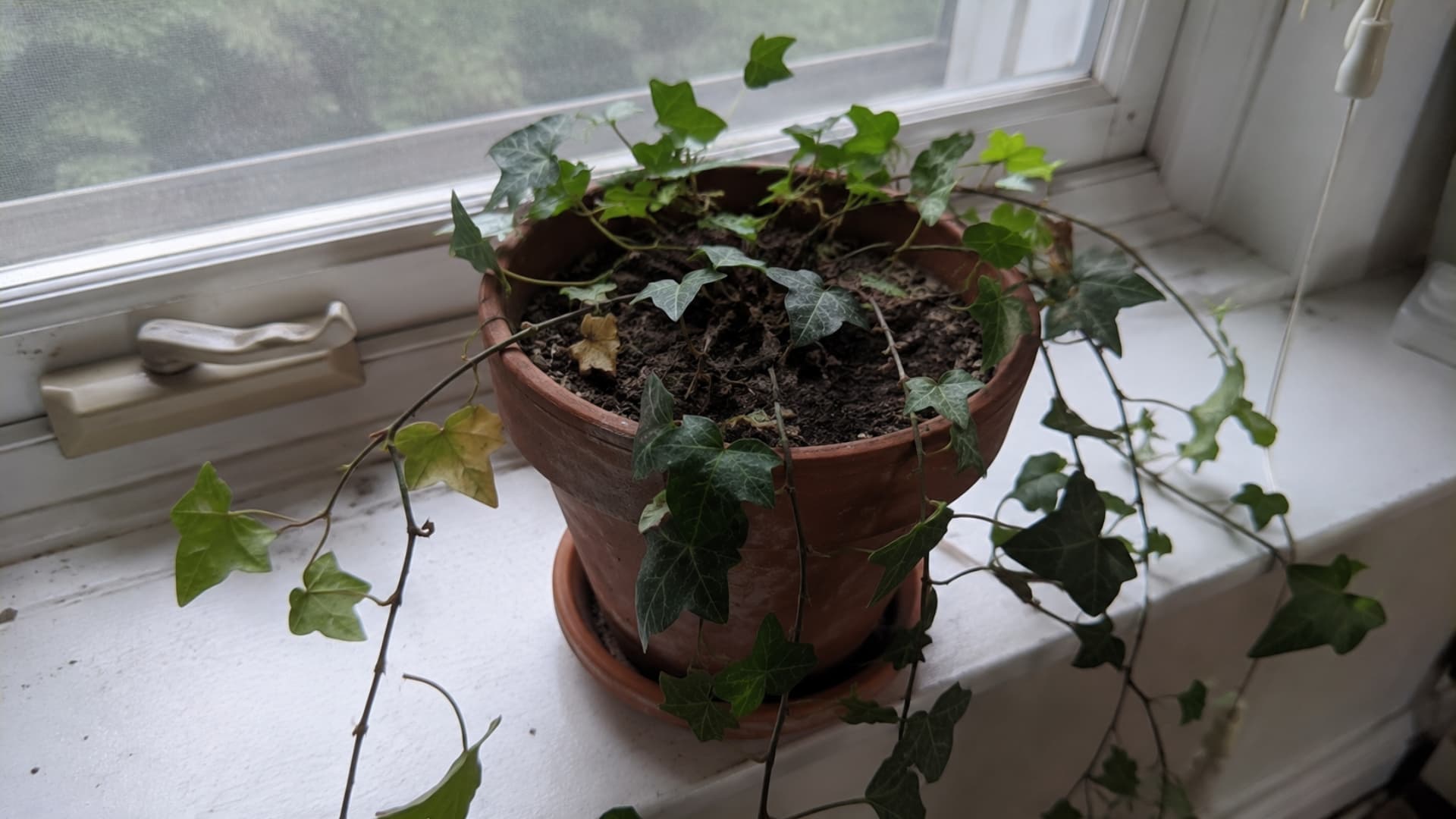
English ivy brings a cottage garden feel indoors with its classic lobed leaves and vigorous growth habit. Choose indoor varieties bred for warmer temperatures and lower light.
Keep soil evenly moist and mist regularly since ivy loves humidity. It’s stunning cascading from tall planters or trained up decorative frames and topiary forms.
Place it in bathrooms, kitchens, or entryways where it can soften architectural elements. While beautiful, keep it away from pets as it’s toxic when ingested.
10. Swedish Ivy

Ideal Light: Medium to bright indirect
Growth Style: Trailing, cascading
Don’t let the name fool you; Swedish ivy isn’t true ivy but a lovely trailing plant with scalloped, fuzzy leaves that create a soft, approachable look. It grows quickly and produces tiny white or purple flowers when happy.
Water when the top inch feels dry, and pinch back stems to encourage bushiness. Perfect for hanging baskets in kitchens or porches where its rounded foliage can spill generously.
The forgiving nature and fast growth make it ideal for filling empty spaces quickly without constant fussing or worry about finicky care requirements.
11. Creeping Fig

Ideal Light: Medium to bright indirect
Growth Style: Climbing, trailing
Creeping fig produces tiny heart-shaped leaves on delicate stems that cling to surfaces with aerial roots, creating a living wallpaper effect. It needs consistent moisture and humidity to thrive indoors.
Train it on moss boards, up textured walls, or let it cascade from tall planters. Perfect for creating green walls or softening hard surfaces in modern spaces.
The fine texture adds delicate detail without overwhelming smaller rooms. Growth can be aggressive outdoors but stays manageable inside. Regular misting keeps the miniature foliage looking fresh and prevents browning.
12. Grape Ivy
Ideal Light: Medium to bright indirect
Growth Style: Climbing, trailing
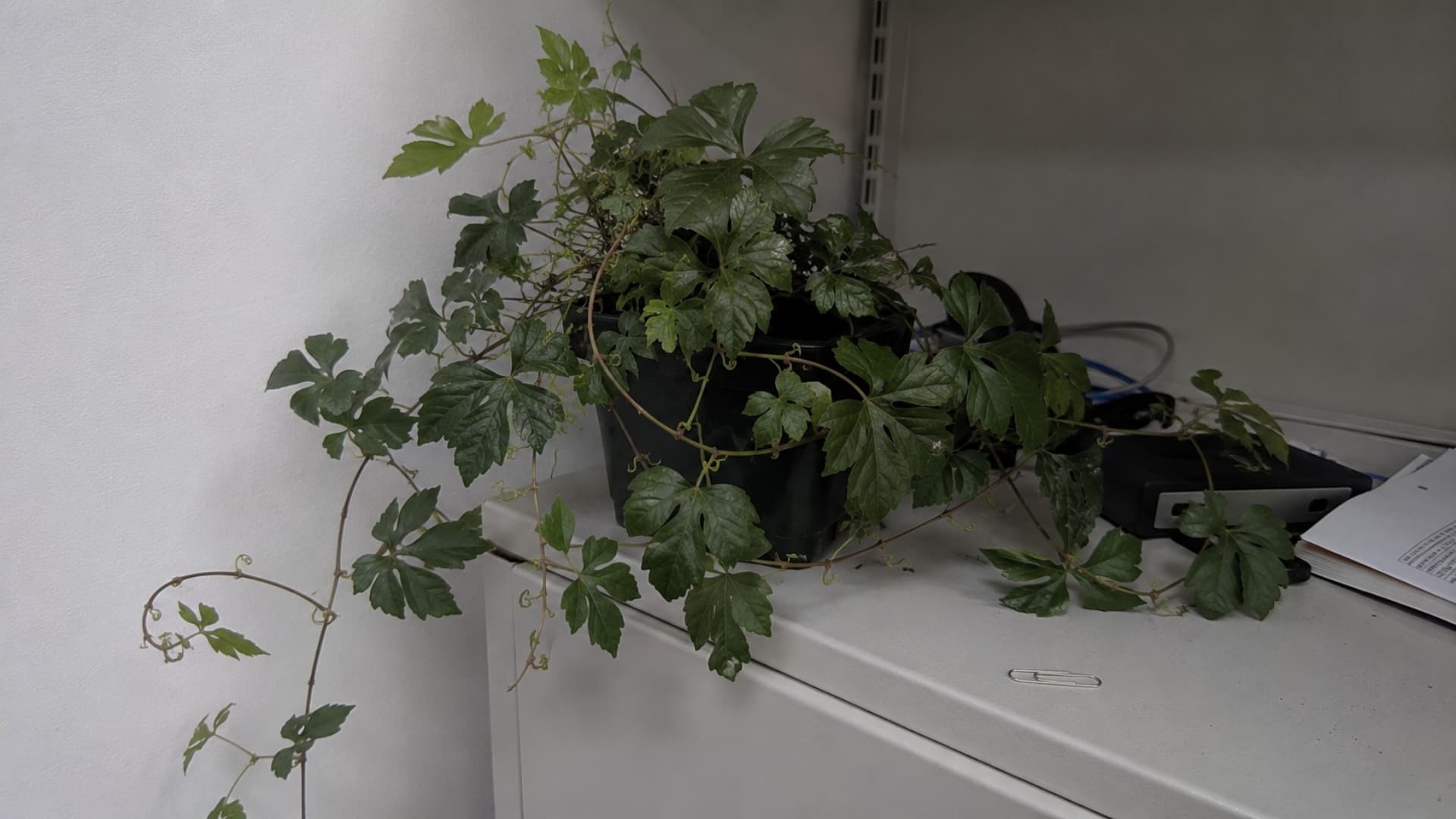
Grape ivy brings classic grace with glossy, compound leaves that create a lush, full appearance. This vine tolerates lower light better than many others and forgives occasional missed waterings.
It naturally climbs with tendrils, making it perfect for trellises, but also trails beautifully from hanging baskets. Place in living rooms, offices, or entryways where you want reliable greenery without fussy care requirements.
The traditional look works in both contemporary and classic interiors. Prune regularly to control size and encourage bushier growth that fills spaces more completely and attractively.
13. Kangaroo Vine

Ideal Light: Low to bright indirect
Growth Style: Climbing, trailing
Kangaroo vine tolerates some of the lowest light conditions of any vine, making it perfect for dim corners or north-facing rooms. The glossy, serrated leaves stay attractive year-round with minimal effort.
Water the soil when it feels dry, and don’t worry too much about humidity. Train it up supports or let it trail from tall furniture where adaptability matters most.
Its unfussy nature and tolerance for neglect make it ideal for offices, basement spaces, or anywhere natural light is limited, but you still crave that connection to nature and greenery.
List of String Succulents
For a completely different texture, these dangling succulents trade broad leaves for beads, hearts, and braids.
They need less water than the vines above, so let the soil dry out fully between drinks.
14. String of Hearts
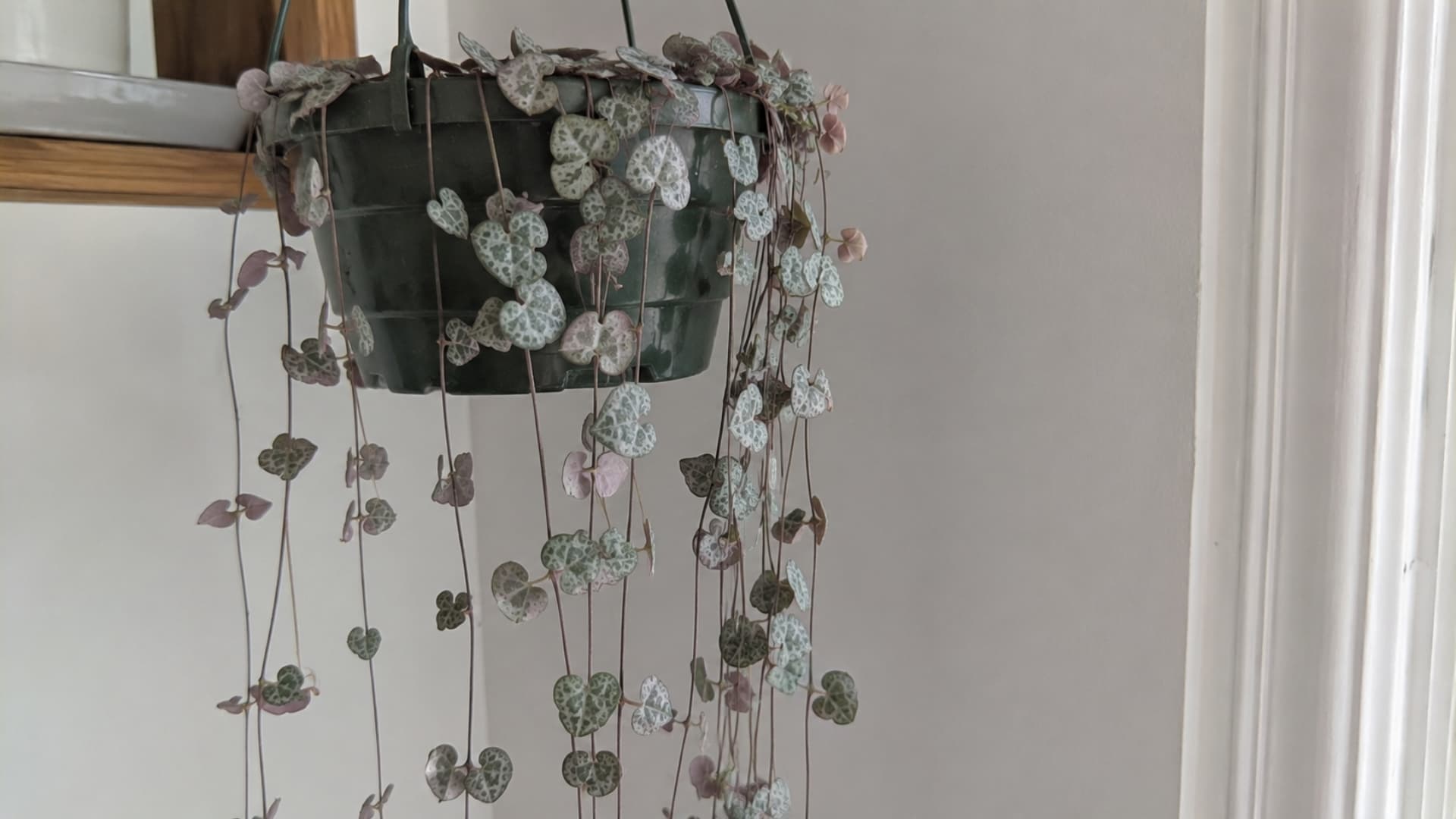
Ideal Light: Bright indirect
Growth Style: Trailing, cascading
String of hearts steals the show with delicate heart-shaped leaves in silvery green with purple undersides, dangling on thin stems like living jewelry. This succulent vine needs less water than most; let the soil dry completely between drinks.
Bright light keeps the foliage compact and colorful. Drape it from small hanging planters or display it on floating shelves where the dainty chains can cascade freely.
It’s perfect for minimalist spaces, or anywhere you want a romantic, whimsical touch without overwhelming visual weight. Propagation is ridiculously easy, too.
15. String of Pearls

Ideal Light: Bright indirect
Growth Style: Trailing, cascading
These quirky succulent beads look like green peas strung on delicate threads, making a serious conversation starter. String of pearls needs excellent drainage and infrequent watering; overwatering is the main killer.
Bright light near windows keeps the pearls plump and healthy. Display in shallow hanging pots or on high shelves where the unusual texture can be appreciated up close.
The sculptural quality works beautifully in modern or eclectic spaces. Just remember this one’s toxic to pets, so placement matters if you have curious cats or dogs around.
16. String of Turtles
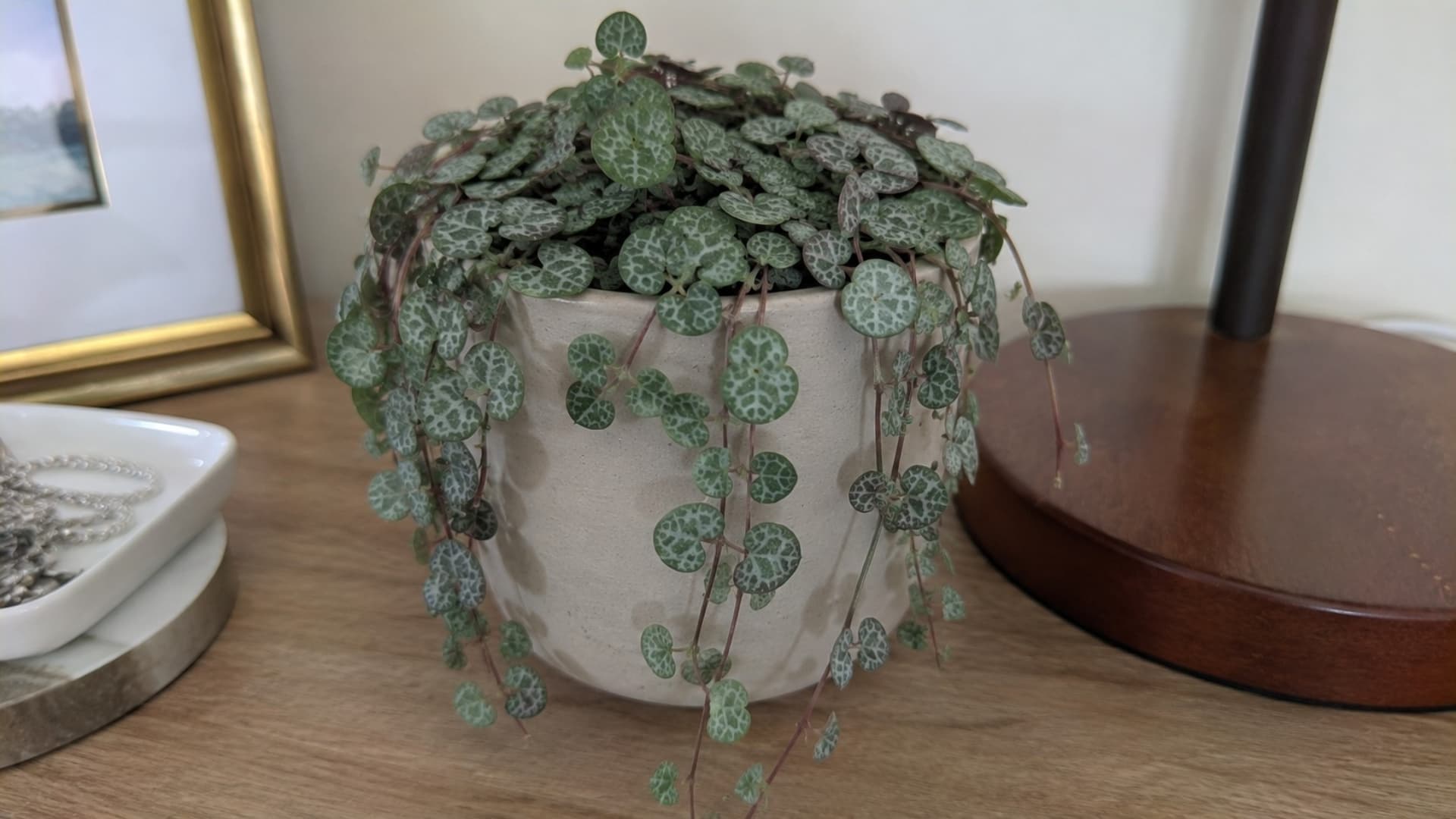
Ideal Light: Medium to bright indirect
Growth Style: Trailing, semi-cascading
Tiny turtle-shell patterned leaves make this semi-succulent vine absolutely adorable. String of turtles grows more slowly and stays more compact than other string plants, making it perfect for smaller spaces.
It prefers consistent moisture but needs well-draining soil to prevent root rot. Place it on desks, bathroom counters, or bedroom nightstands where you can admire its intricate patterns up close.
The miniature scale and unique markings appeal to collectors and anyone wanting something truly special. It’s pet-safe too, which is a bonus for animal-loving plant parents.
17. Burro’s Tail

Ideal Light: Bright indirect to direct
Growth Style: Trailing, cascading
These plump, blue-green succulent leaves overlap like chunky braids, creating a unique cascading texture. Burro’s tail needs infrequent watering and excellent drainage; think desert conditions.
The fleshy leaves are delicate and shed easily, so place them where they won’t be bumped. Hanging planters near sunny windows let the heavy ropes display their full sculptural beauty.
The unusual form and color provide textural contrast against leafier plants. Perfect for drought-prone plant parents or sunny spots where most vines would burn. Just handle with care during watering and repositioning.
18. Devil’s Backbone

Ideal Light: Bright indirect
Growth Style: Semi-trailing, upright
This quirky succulent vine features zigzagging stems and variegated leaves that create architectural interest. Devil’s Backbone needs bright light and minimal water; let the soil dry completely between drinks.
The unusual growth pattern adds sculptural drama to modern or eclectic spaces. Display on shelves or in small hanging planters where the angular stems create visual intrigue.
It’s relatively slow-growing and stays compact, making it manageable for smaller spaces. Note that the milky sap can irritate skin, so handle with care during pruning or repotting activities.
19. Dischidia Ruscifolia
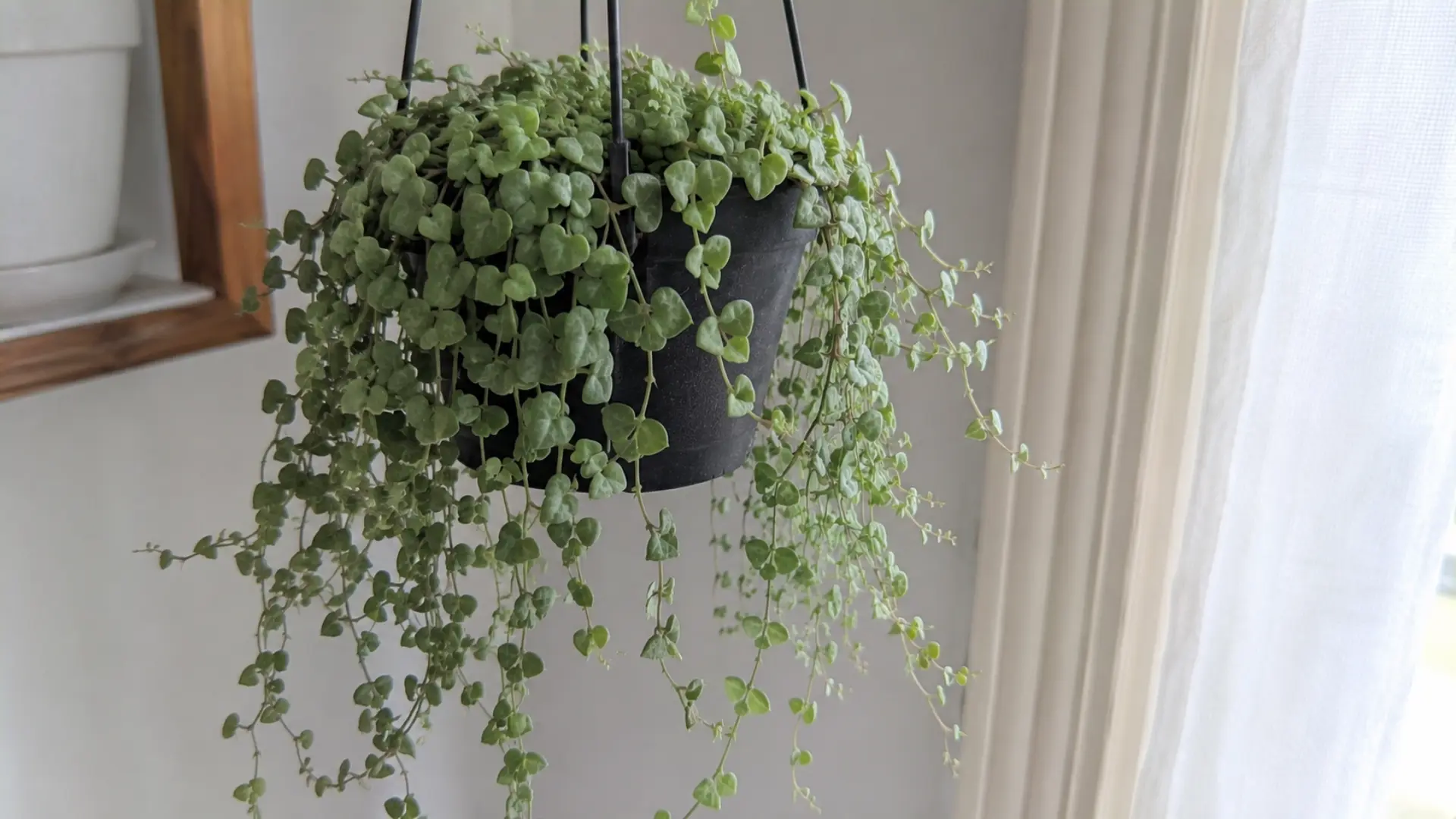
Ideal Light: Bright indirect
Growth Style: Trailing, cascading
Tiny heart-shaped leaves cluster densely along thin stems, creating a delicate, romantic cascade. This epiphytic vine prefers bright light and good air circulation, with soil that dries between waterings.
The miniature scale works beautifully in small hanging planters or terrariums with limited space. Display near bright windows or under grow lights for compact growth.
The charming appearance and manageable size make it perfect for plant lovers with limited space, or those who want to add vertical interest without overwhelming smaller rooms with heavy, large-leaved varieties.
Different Varieties of Hoyas
Known for their thick, waxy leaves and fragrant blooms, hoyas reward a little patience with something most vines on this list can’t offer: flowers.
20. Hoya Carnosa

Ideal Light: Bright indirect
Growth Style: Trailing, climbing
Hoya carnosa features thick, waxy leaves and produces clusters of fragrant, star-shaped flowers that smell incredible at night. This vine prefers drying out between waterings and blooms better when slightly root-bound.
Let it trail from hanging planters or train it around circular hoops for a living wreath effect. Bright light encourages flowering, so south- or west-facing windows are ideal.
The sculptural leaves and potential for blooms make it a long-term investment plant that rewards patient care with years of beauty and fragrance throughout your home.
21. Hoya Linearis

Ideal Light: Bright indirect
Growth Style: Trailing, cascading
This fuzzy-leaved hoya looks completely different from its waxy cousins, with soft linear foliage that creates a cascading waterfall effect. Hoya linearis needs bright light and prefers to dry out between waterings, like other hoyas.
The delicate appearance belies its tough nature. Display it in hanging planters near bright windows, where the fine texture can be beautifully backlit.
It occasionally produces sweet-smelling white flowers as a bonus. The soft, almost feathery look adds a gentle, organic element to spaces that might feel too structured or modern.
Colorful Trailing Plants to Choose From
Closing out the list are the vines that bring color front and center, from pink stripes to arrow-shaped variegation. These need brighter spots to hold onto their best hues.
22. Syngonium Podophyllum

Ideal Light: Medium to bright indirect
Growth Style: Trailing, climbing
Arrowhead vine starts with arrow-shaped leaves that become more lobed as the plant matures, offering changing interest over time. Available in shades from deep green to pink and white variegation.
It loves humidity and consistent moisture, making it ideal for bathrooms. Let it trail from shelves or train it up on supports for different looks. The color variety means you can match your décor palette perfectly.
Fairly easy care makes it approachable for beginners wanting something beyond basic pothos. Keep away from pets as it’s toxic when chewed or ingested.
23. Tradescantia Nanouk
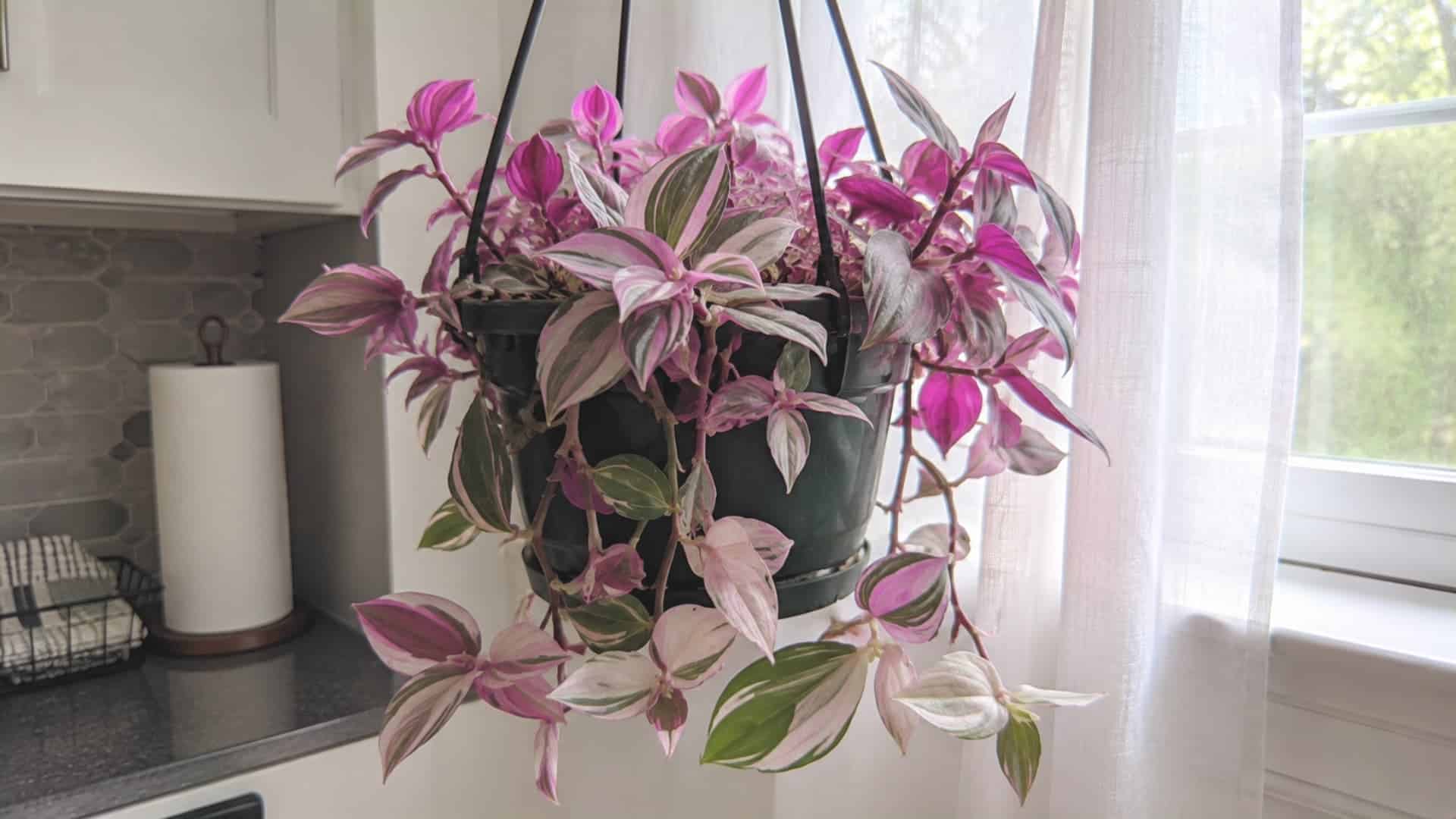
Ideal Light: Bright indirect
Growth Style: Trailing, cascading
This newer Tradescantia variety features thick leaves striped in pink, purple, white, and green; basically a rainbow in plant form. Nanouk needs bright light to maintain its vibrant colors and prefers evenly moist soil.
Pinch back regularly to encourage bushiness and prevent legginess. Display in hanging planters or on bright shelves where the colorful foliage creates a cheerful focal point.
The compact growth habit and stunning variegation make it perfect for small spaces needing personality. Easy to propagate, too, so you can share cuttings with friends or fill multiple spots.
24. Tradescantia Zebrina

Ideal Light: Bright indirect
Growth Style: Trailing, cascading
Zebrina’s silvery leaves with purple stripes underneath create striking two-tone beauty. Water when the top inch dries, and don’t stress if you forget occasionally.
It looks fantastic in hanging baskets or trailing from tall plant stands where both sides of the leaves show. The metallic sheen catches light beautifully throughout the day.
Super forgiving and easy to propagate in water, making it perfect for beginners or anyone wanting quick growth and instant gratification from their plant collection efforts.
25. Peperomia Hope

Ideal Light: Medium to bright indirect
Growth Style: Semi-trailing, cascading
Peperomia Hope features round, succulent-like leaves on trailing stems that create a soft, gentle cascade. This compact grower prefers to dry out between waterings and tolerates lower light reasonably well.
The thick leaves store water, making it forgiving if you occasionally forget to water. Perfect for desks, shelves, or small hanging planters where you want trailing interest without aggressive growth.
The rounded foliage and compact habit suit minimalist or small-space décor beautifully. Pet-safe too, making it worry-free for homes with curious animals who investigate every new plant addition.
Best Spots to Use Indoor Vines for Maximum Visual Impact
|
Placement Zone |
Best Vines |
Why It Works |
|---|---|---|
|
Floating Shelves |
Pothos varieties, String of Hearts, Tradescantia |
Height allows natural cascading, creates vertical interest, and softens straight lines |
|
Bookshelves & Cabinets |
Heartleaf Philodendron, Silver Satin Pothos, Peperomia Hope |
Weaves greenery between objects; breaks up visual clutter with organic shapes |
|
Kitchen Window Ledges |
English Ivy, Swedish Ivy, Grape Ivy |
Bright light suits most vines; it adds life to functional cooking spaces |
|
Bathrooms |
Philodendron Micans, String of Pearls, Creeping Fig |
Natural humidity mimics tropical conditions; moisture-loving plants thrive here |
|
Bedroom Corners |
String of Hearts, Hoya varieties, Mini Monstera |
Air-purifying qualities promote better sleep; trailing vines create calming movement |
The right placement turns vines from simple houseplants into intentional design elements that define your space’s character and flow.
Keeping Indoor Vine Plants Healthy
Healthy vines come from consistent care routines and catching problems early. Here’s how to keep your trailing beauties thriving:
- Water Wisely Based on Plant Type: Most vines prefer soil that dries slightly between waterings, while succulents need to completely dry; yellowing leaves signal overwatering and potential root rot.
- Use Well-Draining Soil and Feed Monthly: Mix standard potting soil with perlite or orchid bark for drainage; apply diluted liquid fertilizer during the growing season to support healthy growth and prevent leggy stems.
- Prune and Repot Strategically: Trim leggy growth to encourage bushiness, support long vines carefully to prevent breakage, and repot every 1-2 years when roots circle the pot.
- Monitor for Pests Regularly: Check undersides of leaves for mealybugs, aphids, or spider mites; treat immediately with insecticidal soap or neem oil spray.
- Adjust Environment for Leaf Issues: Browning tips indicate low humidity or chlorine in water; switch to filtered water and increase misting frequency for sensitive varieties.
Pet-Safe Indoor Vine Plants (and Which Ones to Avoid)
|
Pet-Safe Vines |
Toxic Vines to Avoid |
Safe Display Strategy |
|---|---|---|
|
String of Turtles |
All Pothos varieties |
Use high shelves beyond pet reach |
|
Peperomia Hope |
All Philodendrons |
Hang planters from ceiling hooks |
|
Swedish Ivy |
English Ivy |
Create plant rooms with closed doors |
|
Hoya varieties |
String of Pearls |
Add decorative barriers around floor plants |
|
Spider Plant |
Syngonium |
Train pets to avoid plants early |
|
Boston Fern |
Devil’s Backbone |
Keep vet and poison control numbers handy |
When in doubt, research any plant thoroughly before bringing it home, and always keep the ASPCA Animal Poison Control number handy for emergencies.
Indoor Vine Styling Ideas & Appeal Inspiration
Here’s how to incorporate trailing plants into different design languages:
- Boho Trailing Corners: Layer macramé hangers at varying heights with pothos and string of hearts, mixing textures and cascading lengths for relaxed, earthy vibes.
- Minimalist Trellis Walls: Train single-statement vines like Mini Monstera or Heartleaf Philodendron on simple black metal grids against white walls for clean architectural interest.
- Jungle-Style Living Rooms: Combine multiple vine varieties on shelves, plant stands, and hanging from ceilings to create immersive, lush green sanctuaries with maximum plant density.
- Scandinavian Hanging Setups: Use simple white ceramic or neutral planters with single trailing plants like String of Pearls or Silver Satin Pothos for understated Nordic charm.
- Modern Industrial Spaces: Pair vines in concrete planters or metal containers against exposed brick, letting trails soften hard edges and raw materials with organic movement.
The beauty of vines lies in their adaptability; they upgrade any style without demanding the space conform to them.
Frequently Asked Questions
What is The Easiest Indoor Vine Plant to Grow?
Golden pothos is the easiest indoor vine plant, tolerating low light and irregular watering with ease.
How Often Should I Water Indoor Vine Plants?
Most indoor vine plants need watering once the top inch or two of soil feels dry to the touch.
Can Indoor Vine Plants Grow In Low Light?
Yes, pothos, heartleaf philodendron, and kangaroo vine all tolerate low to medium indirect light well.
Are Indoor Vine Plants Safe for Pets?
Many trailing vines like pothos, philodendron, and English ivy are toxic to cats and dogs if ingested.
That’s a Wrap
Indoor vine plants aren’t just decor. They are living companions that grow alongside you as a plant parent.
If you pick a forgiving pothos or a statement-making monstera, there’s a trailing beauty out there that fits your space perfectly.
Start with one that matches your light and lifestyle, then watch it soften your walls and bring calm greenery into every corner.
Ready to start your vine collection? Drop a comment below sharing which plant caught your eye, or tag us in your trailing plant setups.
We would love to see what you’re growing.