
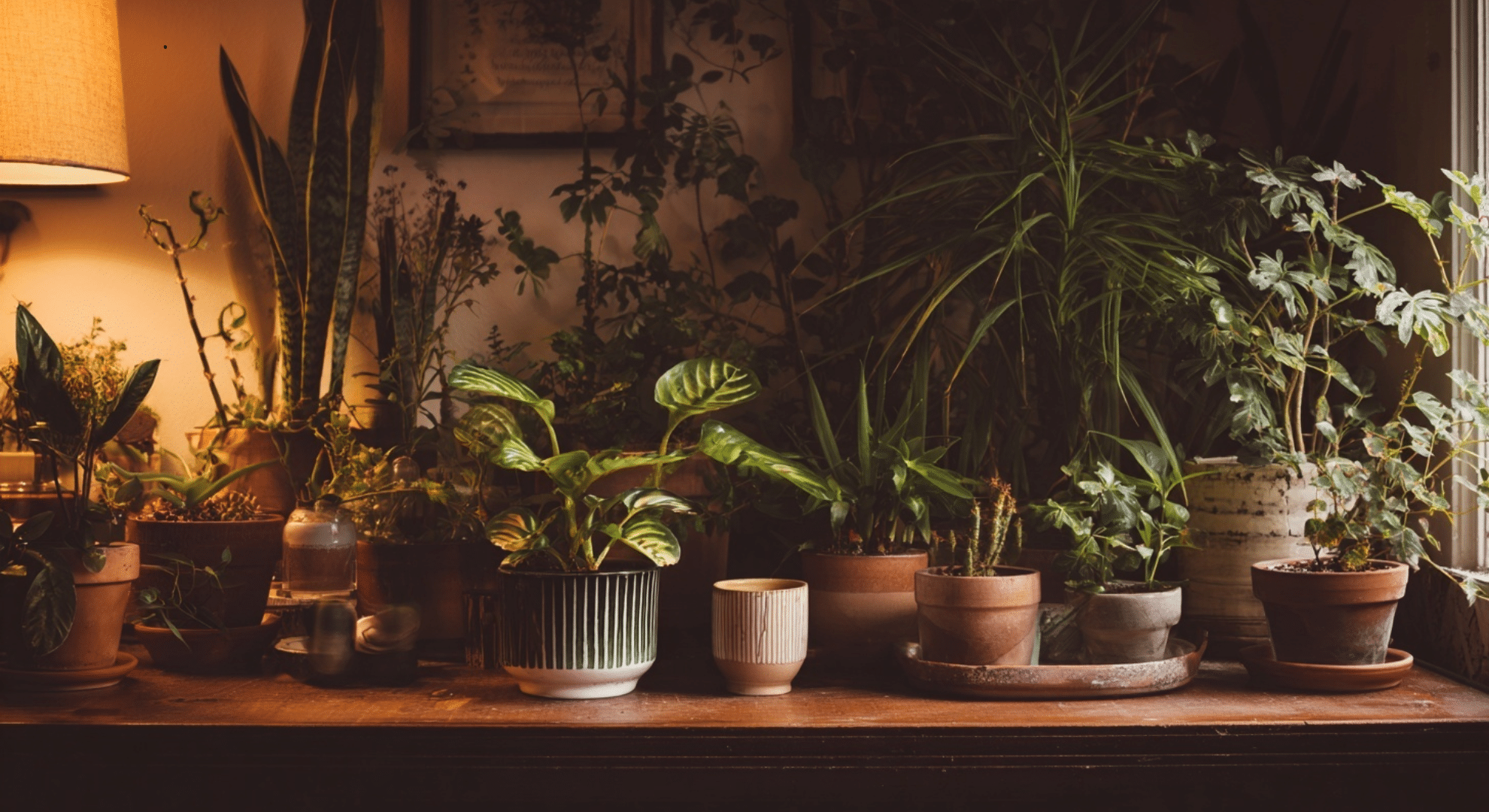
Some days, I just need something quiet to care for, something that doesn’t beep or buzz but still makes the room feel alive. That’s how I got into common houseplants.
I started small, just hoping not to kill it. But soon, that bit of green made my space calmer and helped me slow down, too.
Now it’s your turn. Maybe you want your room to feel less empty. Maybe you’re curious about what plants are easiest to care for.
This blog is for you. You’ll learn which houseplants are simple to grow, what they need, and how they can make a big difference in your space.
Why are Houseplants So Popular in Homes Today?
Indoor plants didn’t become common overnight. Years ago, people brought plants inside for simple reasons: fresh air, cleaner air, and a little green when the weather outside was dull.
Over time, they became more than just decorations. They turned into a way to make a space feel alive, calm, and cared for.
Part of the reason they’re so popular now is how easy they are to find. You can get a plant at a grocery store, a hardware shop, or even online. Many of them are also easy to care for.
They don’t need much: just a bit of water, some light, and a watchful eye. And when small issues like pests show up, handling bugs on indoor plants is part of the learning curve.
Some plants, like pothos or peace lilies, stick around because they’re reliable. Others, like monstera or fiddle leaf fig, rise with trends.
Most Common Houseplants You’ll See in Homes
This is a practical list to help you find plants that are easy to care for, easy to spot in stores, and a good fit for indoor life. These common houseplants are favorites for a reason:
1. Snake Plant (Sansevieria Trifasciata)
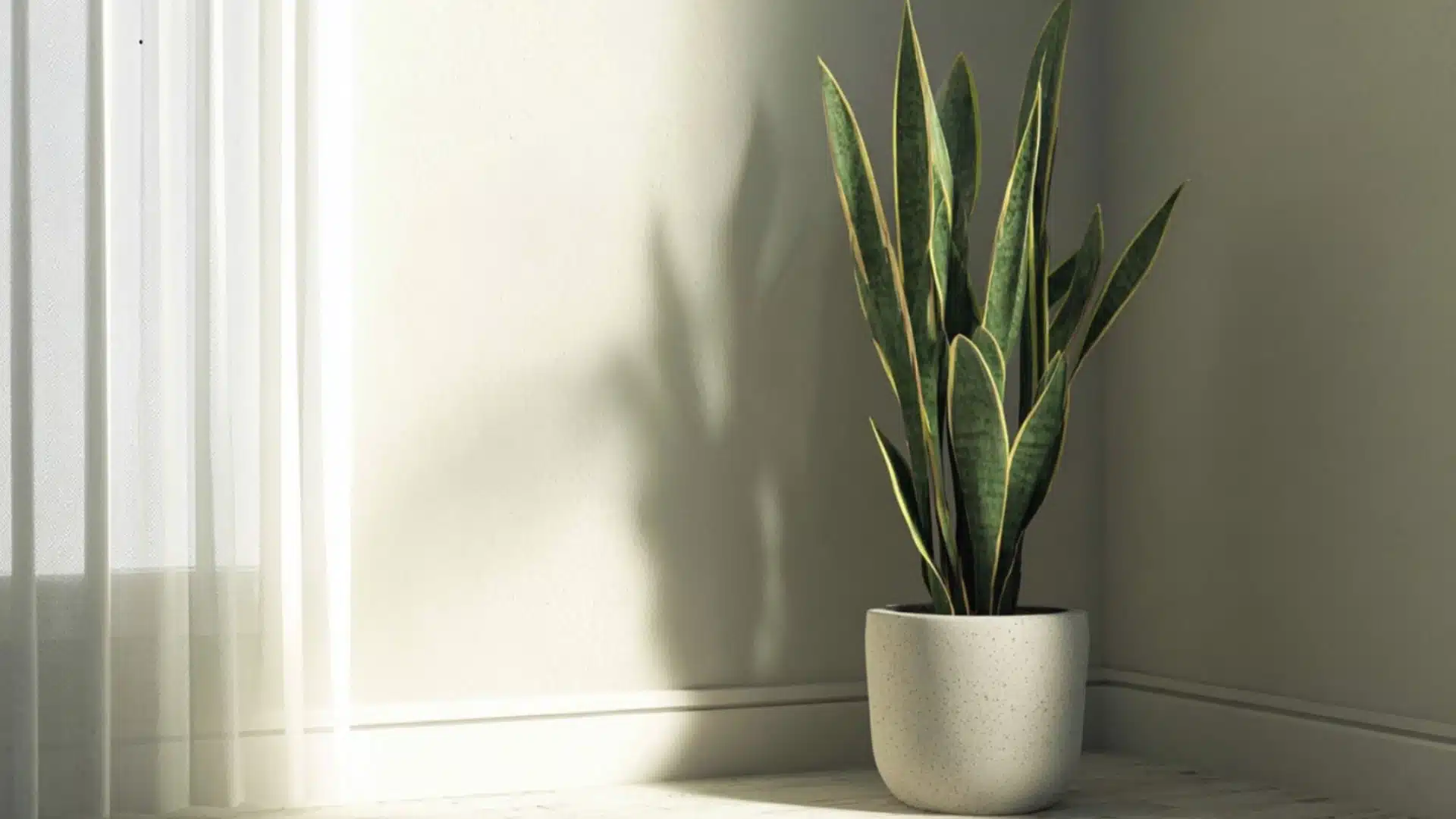
Its upright shape makes it a good choice for corners, entryways, and small rooms. Mature plants may also produce small, fragrant flowers indoors.
- Looks like: Tall, stiff leaves with green and yellow stripes.
- Light: Low to bright, indirect.
- Water: Let the soil dry between waterings.
- Why it’s loved: It’s very hard to mess up.
- Toxic tocats and dogs if ingested.
2. Pothos (Epipremnum Aureum)
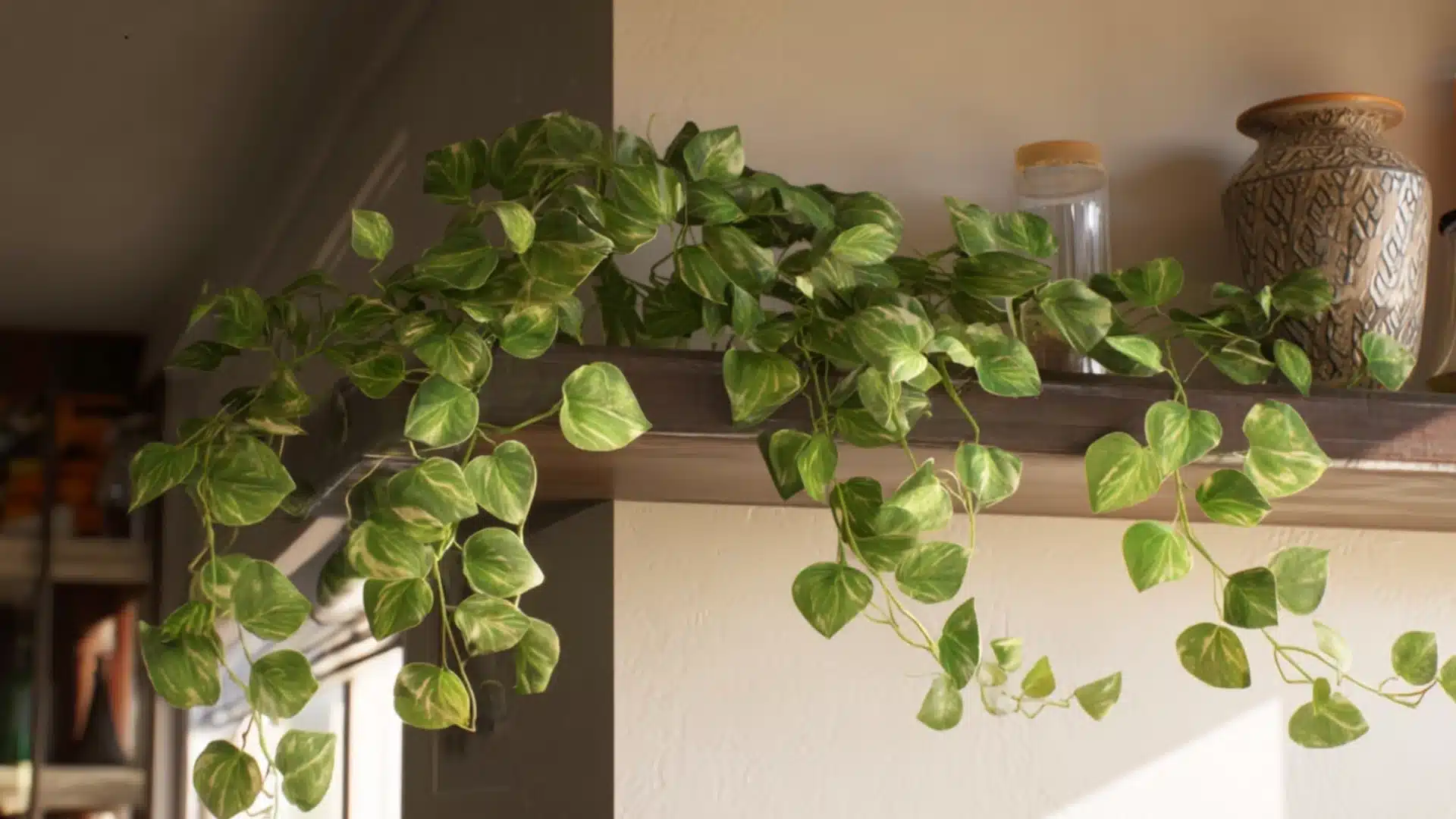
Its vines can trail from shelves or climb a support for a fuller display. The leaves may become larger when the plant is allowed to climb.
- Looks like: Trailing vines with green or white-splashed leaves.
- Light: Low to medium.
- Water: When the top inch is dry.
- Why it’s loved: Grows fast and is easy to cut and regrow.
- Toxic to pets and children.
3. Spider Plant (Chlorophytum Comosum)
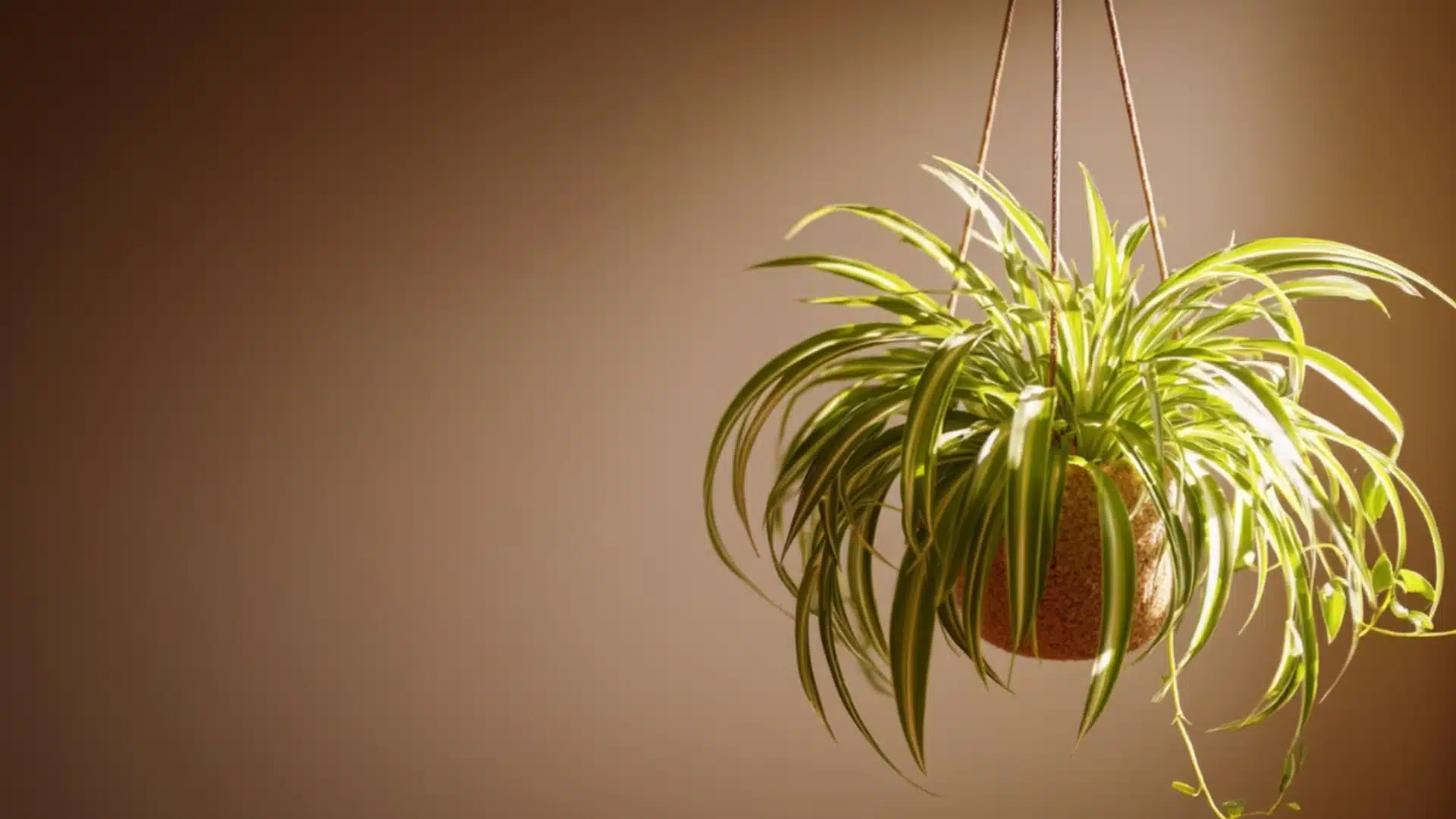
It produces arching stems that give the plant a soft, fountain-like appearance. The baby plantlets can be separated and grown as new plants.
- Looks like: Thin green leaves with white edges, plus little baby plants.
- Light: Bright, indirect.
- Water: When the topsoil feels dry.
- Why it’s loved: Fun to watch and great for hanging.
- Non-toxic to pets and children.
4. ZZ Plant (Zamioculcas Zamiifolia)
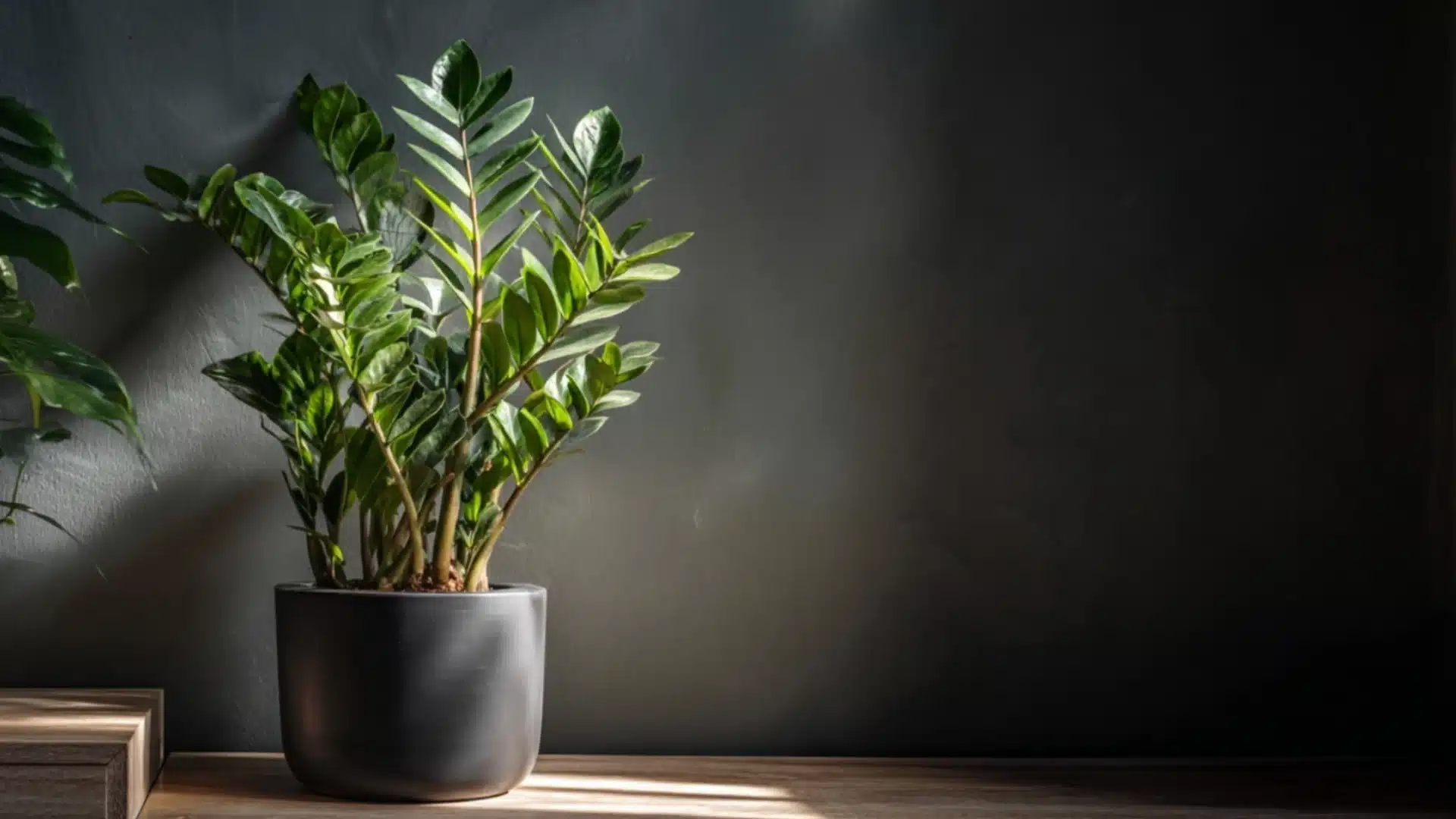
Its thick underground rhizomes store moisture and help it survive inconsistent care. The neat growth habit works well in offices, bedrooms, and shaded corners.
- Looks like: Shiny dark green leaves on strong stems.
- Light: Low to bright.
- Water: When the soil is dry.
- Why it’s loved: Handles neglect and low light well.
- Toxic to cats, dogs, and humans if ingested.
5. Monstera (Monstera Deliciosa)
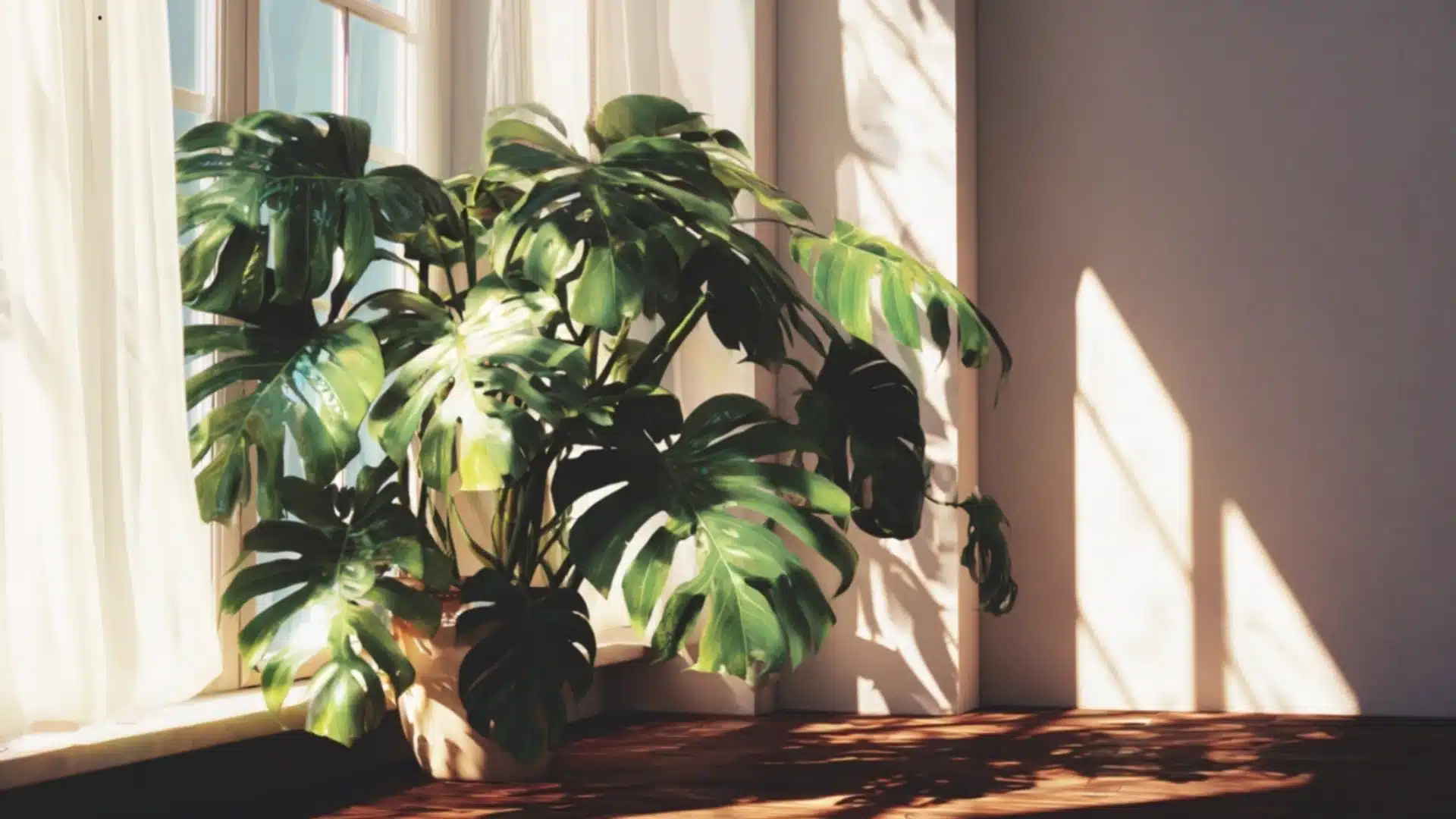
As the plant matures, its leaves develop deeper splits and openings. It can also climb a moss pole or support for stronger, more upright growth.
- Looks like: Big, split green leaves with a bold style.
- Light: Bright, indirect.
- Water: When the top inch is dry.
- Why it’s loved: It gives your space a wild, green feel.
- Toxic to pets and children.
6. Peace Lily (Spathiphyllum Wallisii)
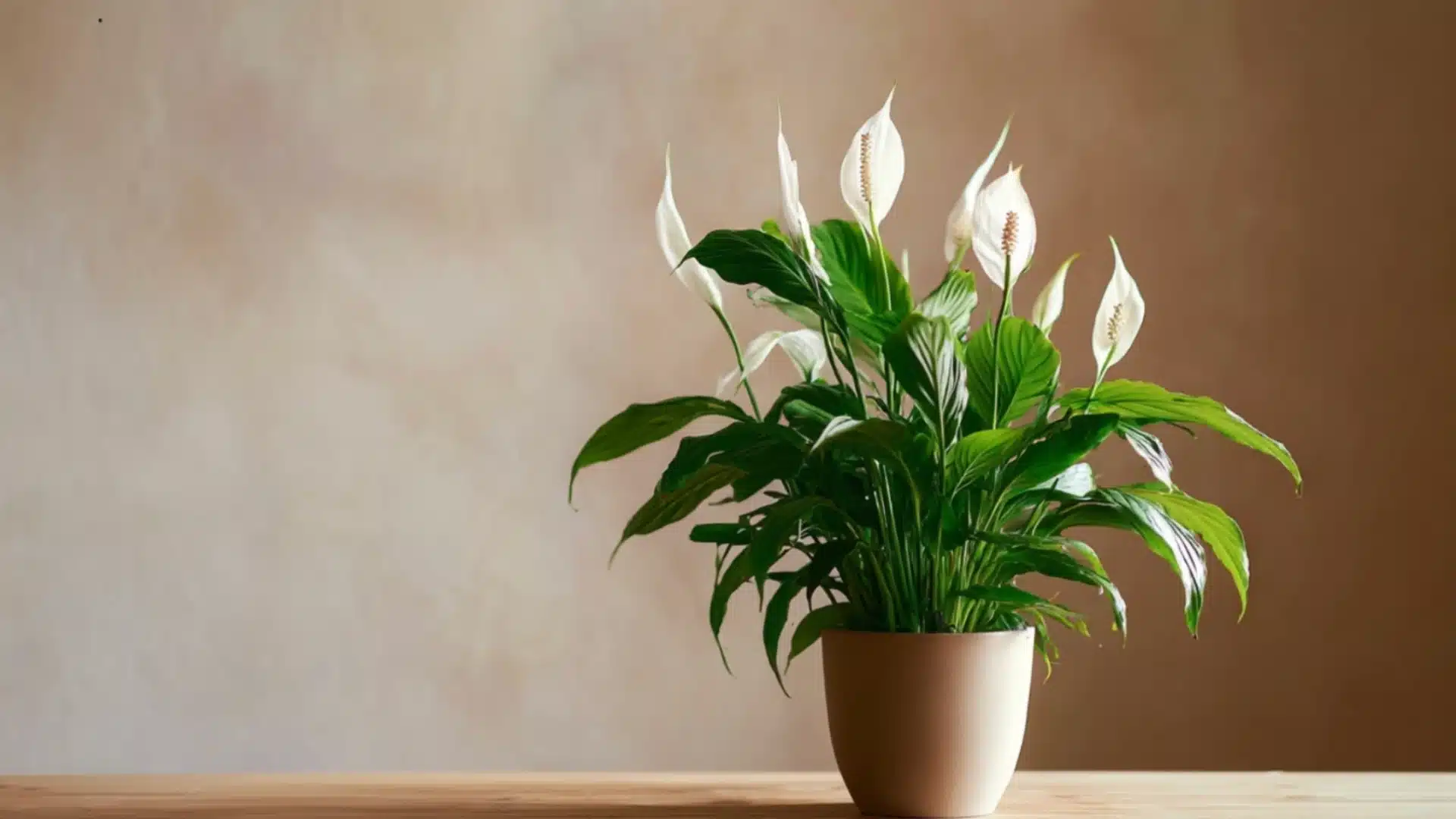
Its leaves often droop when the plant needs water, making it easier to judge when it needs water. Removing faded blooms helps keep the plant looking neat.
- Looks like: Wide green leaves and simple white flowers.
- Light: Medium to low.
- Water: Keep lightly moist.
- Why it’s loved: Flowers indoors clean the air.
- Toxic to cats, dogs, and children.
7. Philodendron (Philodendron Hederaceum)
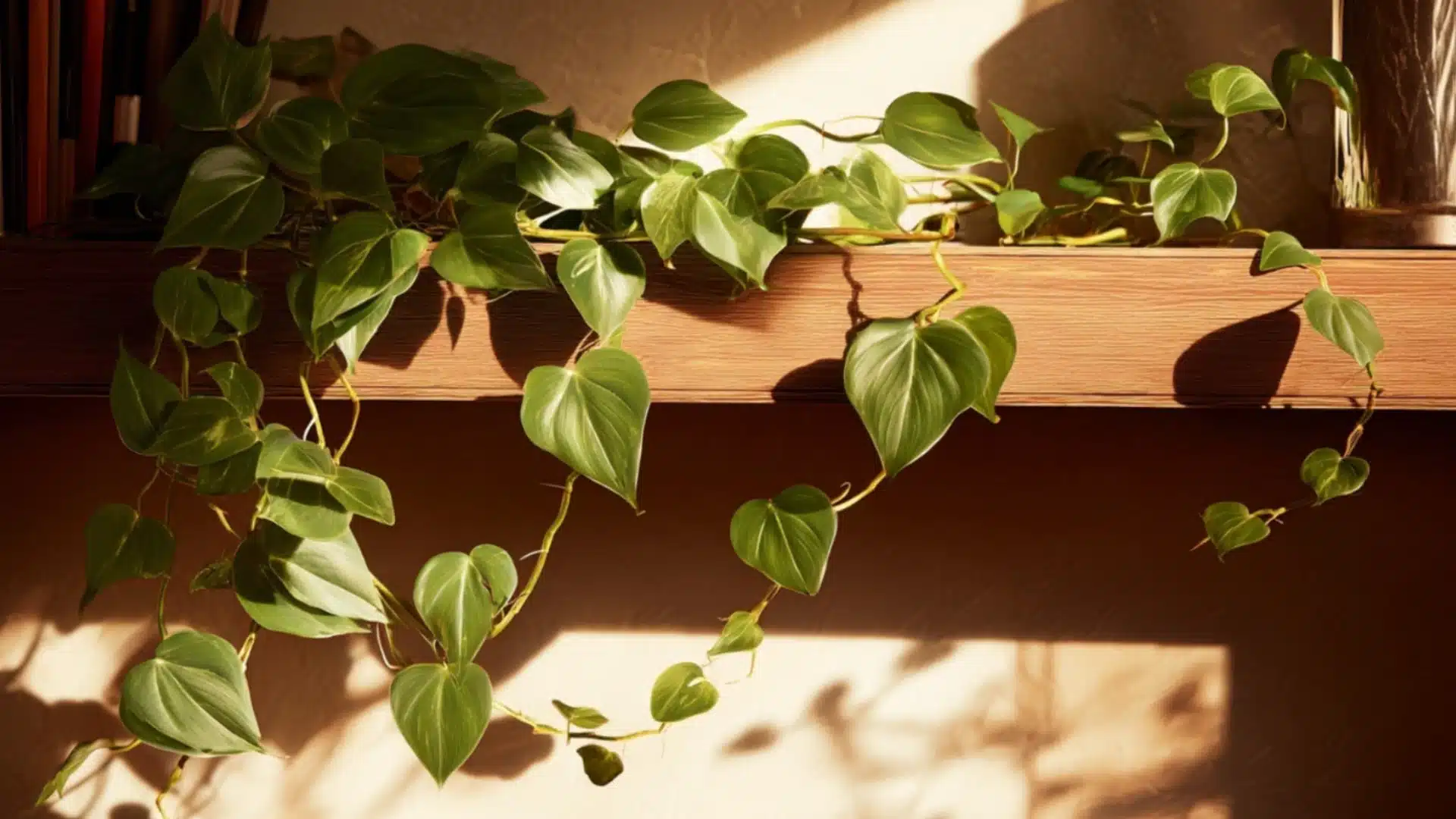
Its flexible vines can trail from a shelf or grow around a support. Regular trimming encourages fuller growth and prevents long, sparse stems.
- Looks like: Heart-shaped leaves on long vines.
- Light: Low to medium.
- Water: When the top is dry.
- Why it’s loved: Easy to grow and fun to hang.
- Toxic to pets and children.
8. Aloe Vera (Aloe Barbadensis Miller)
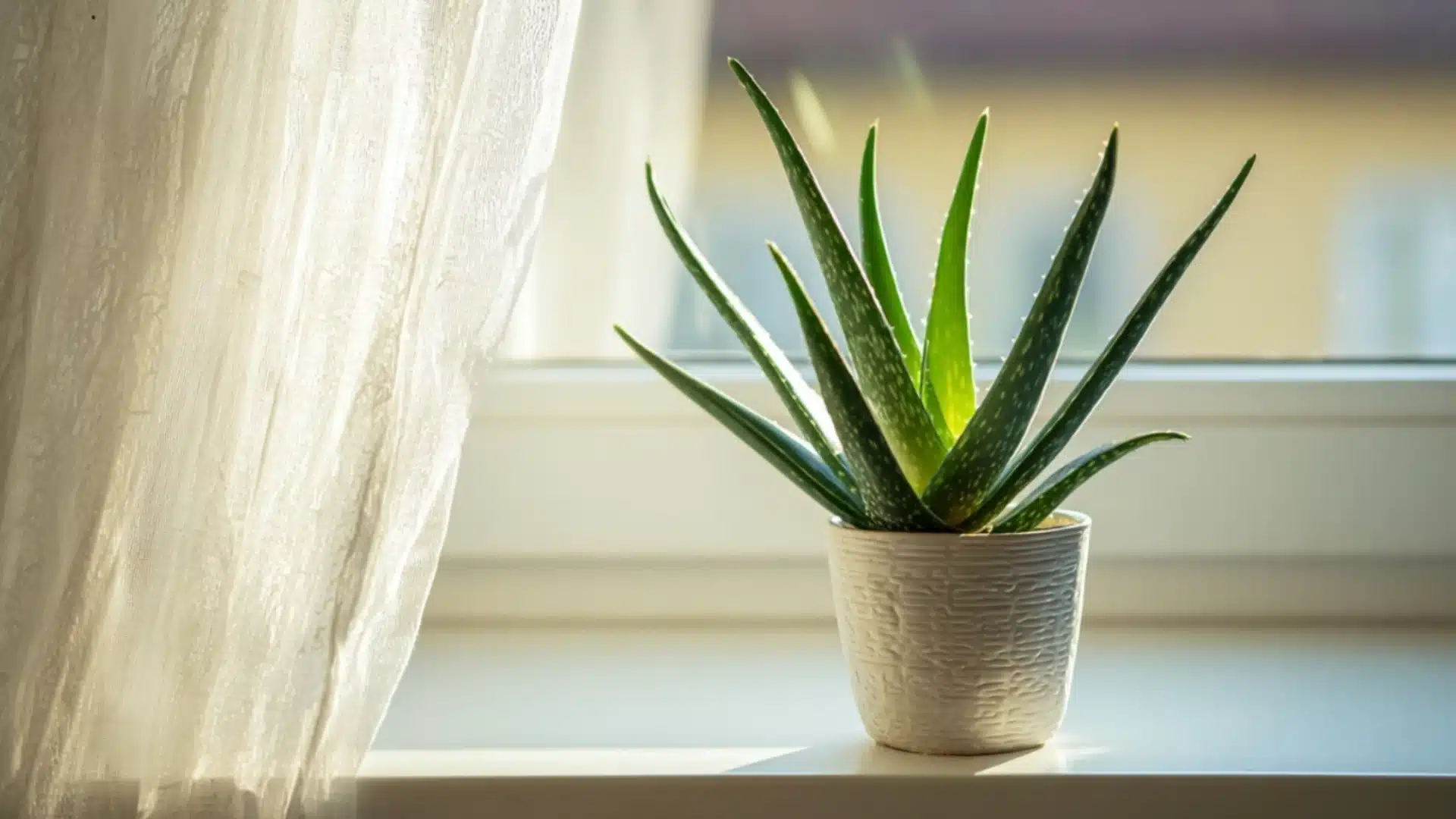
It grows best in a pot with good drainage and plenty of airflow around the roots. Small offsets may appear beside the main plant and can be repotted.
- Looks like: Thick green leaves with soft spikes.
- Light: Bright; some direct sun is fine.
- Water: Let the soil dry out fully.
- Why it’s loved: Great for dry spots and contains a healing gel.
- Toxic to cats and dogs.
9. Rubber Plant (Ficus Elastica)
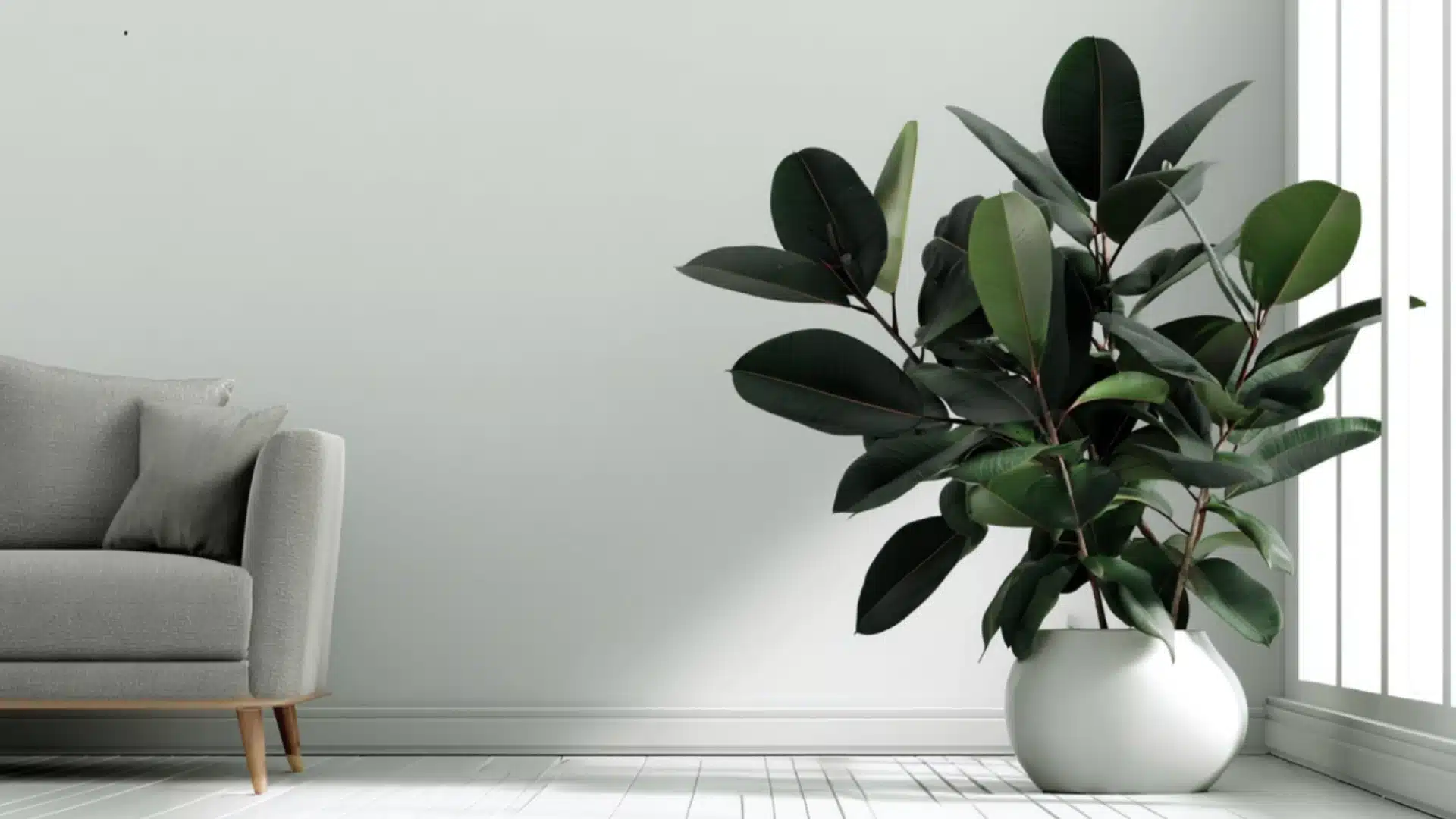
Its sturdy central stem eventually develops into a small indoor tree. Occasionally wiping the broad leaves helps keep them glossy and dust-free.
- Looks like: Large, dark green or reddish leaves.
- Light: Bright, indirect.
- Water: When most of the soil is dry.
- Why it’s loved: Adds height and bold color.
- Toxicto pets if ingested.
10. Calathea (Calathea Spp.)
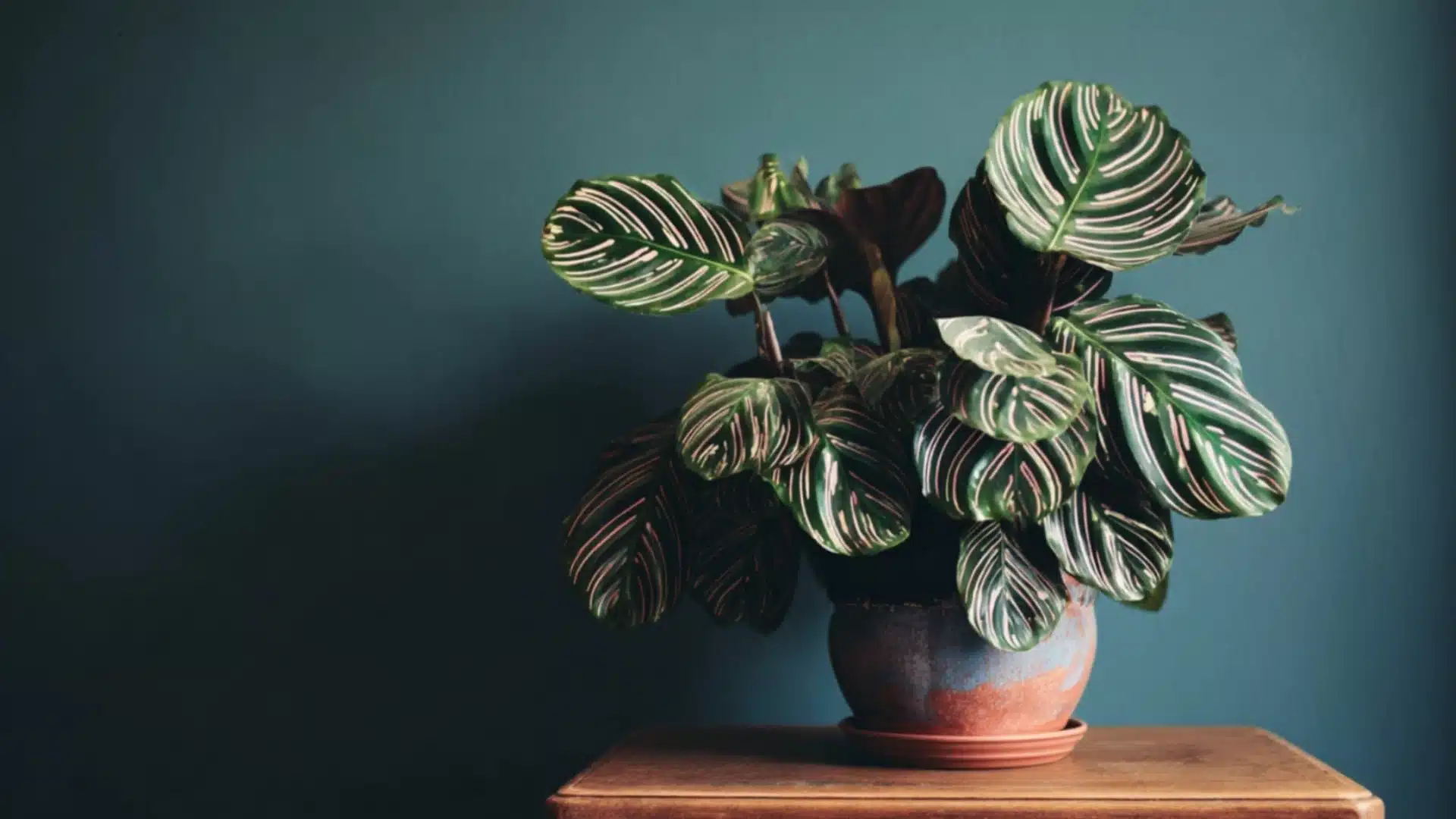
This plant prefers stable warmth and higher humidity, so it often does well in bathrooms or near humidifiers. Its patterned foliage makes it decorative even without flowers.
- Looks like: Striped or patterned leaves that sometimes move with light.
- Light: Medium, indirect.
- Water: Keep soil lightly damp.
- Why it’s loved: Eye-catching and has fun leaf movements.
- Non-toxicto pets and children.
11. Dieffenbachia (Dieffenbachia Seguine)
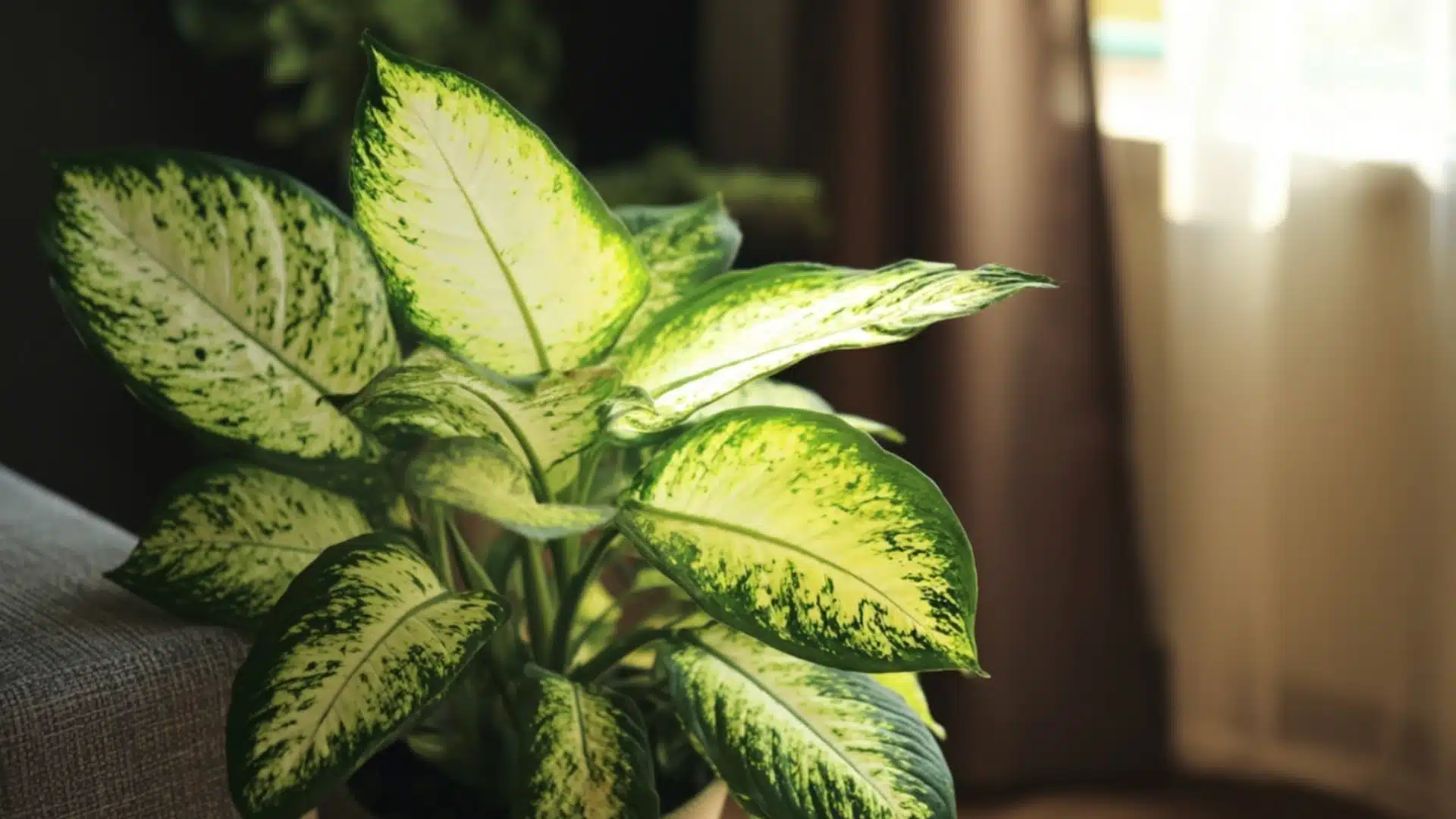
Its upright growth creates a full, tropical look without needing much floor space. So, just rotating the pot regularly helps the plant grow evenly toward the light.
- Looks like: Big green leaves with creamy white centers.
- Light: Low to medium.
- Water: When the top is dry.
- Why it’s loved: Grows quickly and adds bold leaves.
- Toxicto pets and humans; causes mouth irritation.
12. Chinese Evergreen (Aglaonema Spp.)
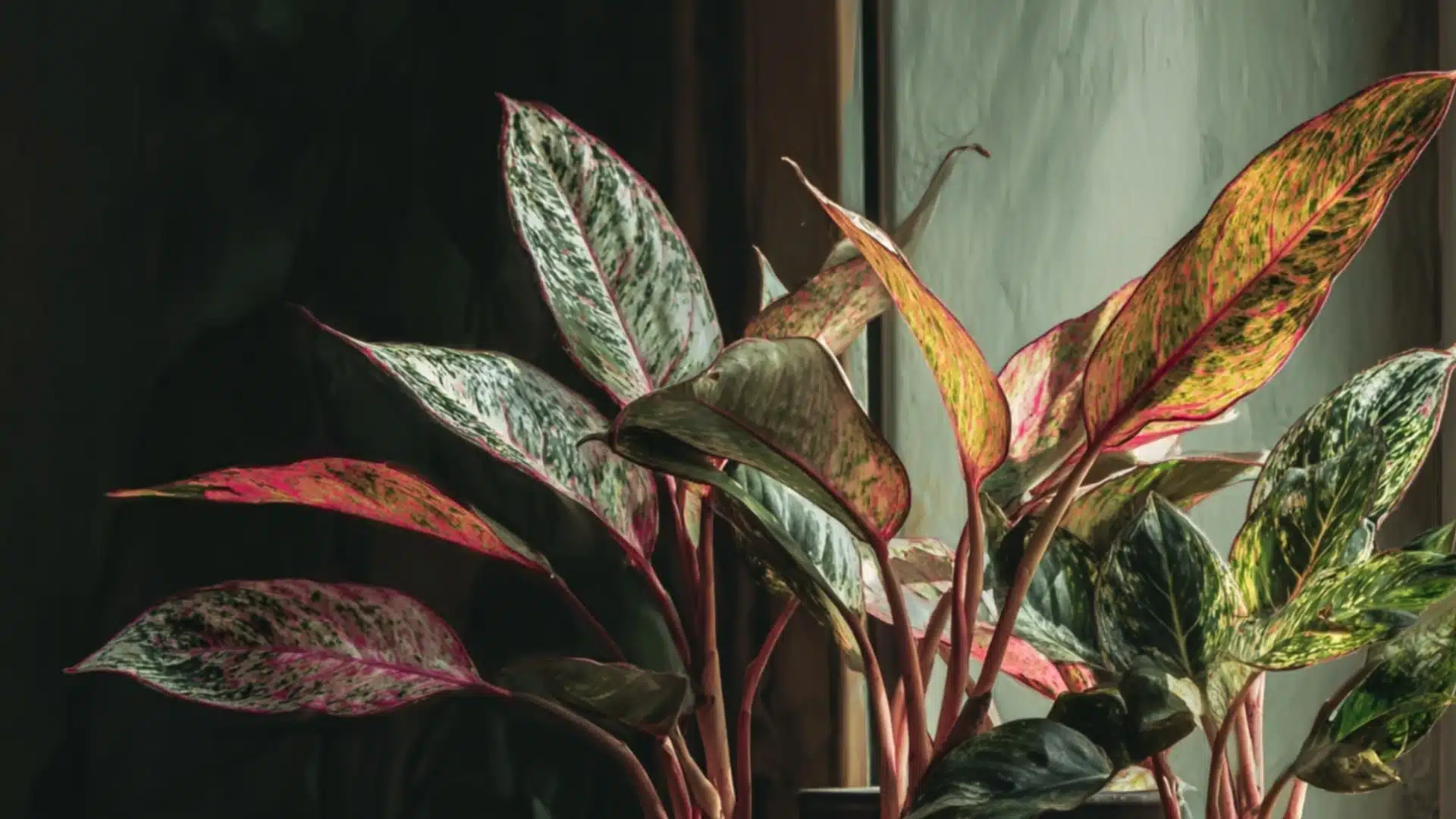
Different varieties offer subtle or vivid leaf colors, making it easy to match the plant with your décor. It also maintains a compact, tidy shape indoors.
- Looks like: Green leaves often streaked with pink, red, or white.
- Light: Low to medium.
- Water: Let the topsoil dry a bit.
- Why it’s loved: Handles low light and stays colorful.
- Toxicto cats and dogs.
13. Dracaena (Dracaena Fragrans)
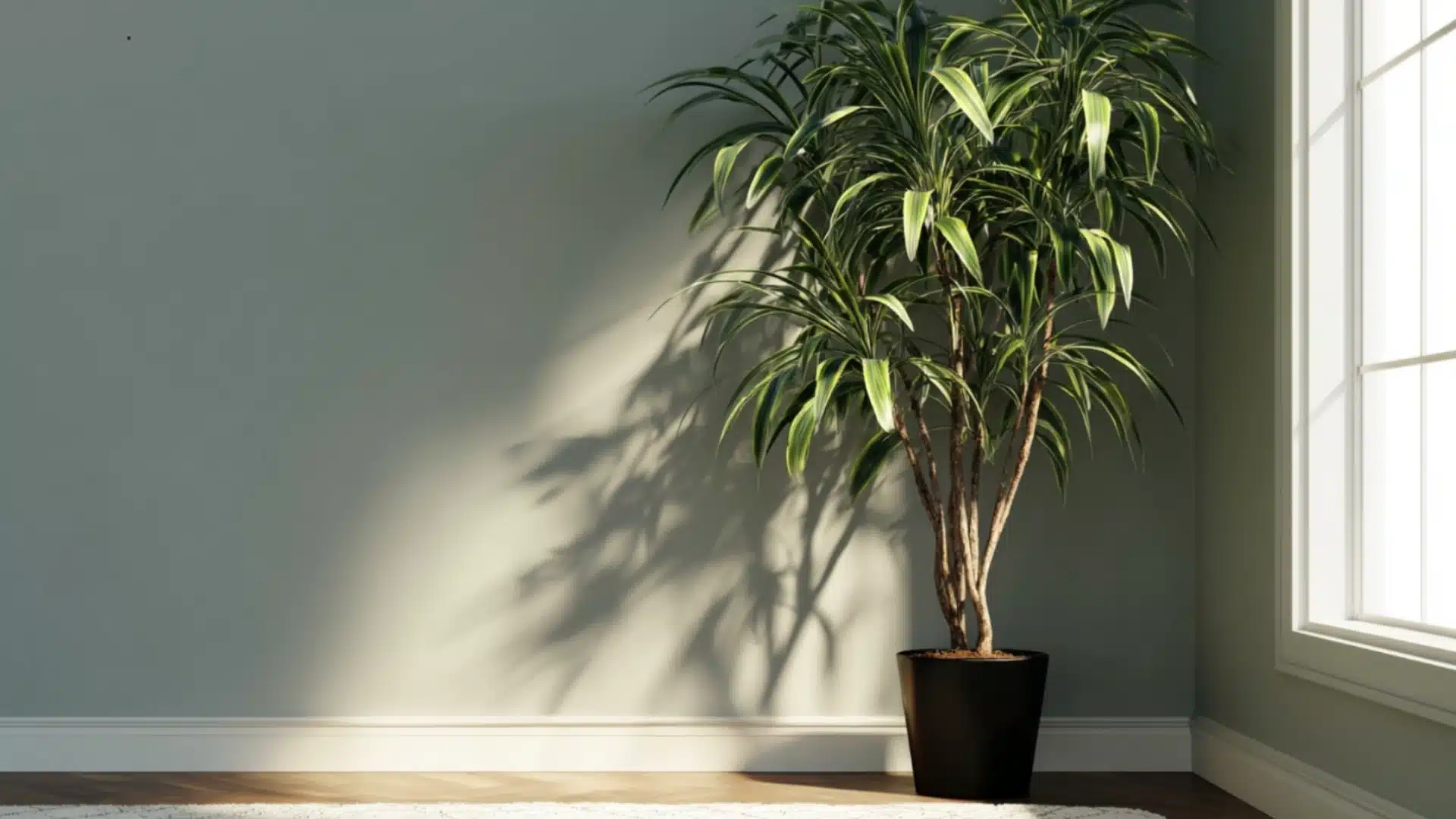
Its cane-like stems and narrow leaves give it a clean, structured appearance. Older plants may develop several leafy crowns, creating a fuller display.
- Looks like: Long, narrow green or striped leaves.
- Light: Medium to bright.
- Water: When the topsoil is dry.
- Why it’s loved: Great for corners and tall spaces.
- Toxicto cats and dogs.
14. Parlor Palm (Chamaedorea Elegans)
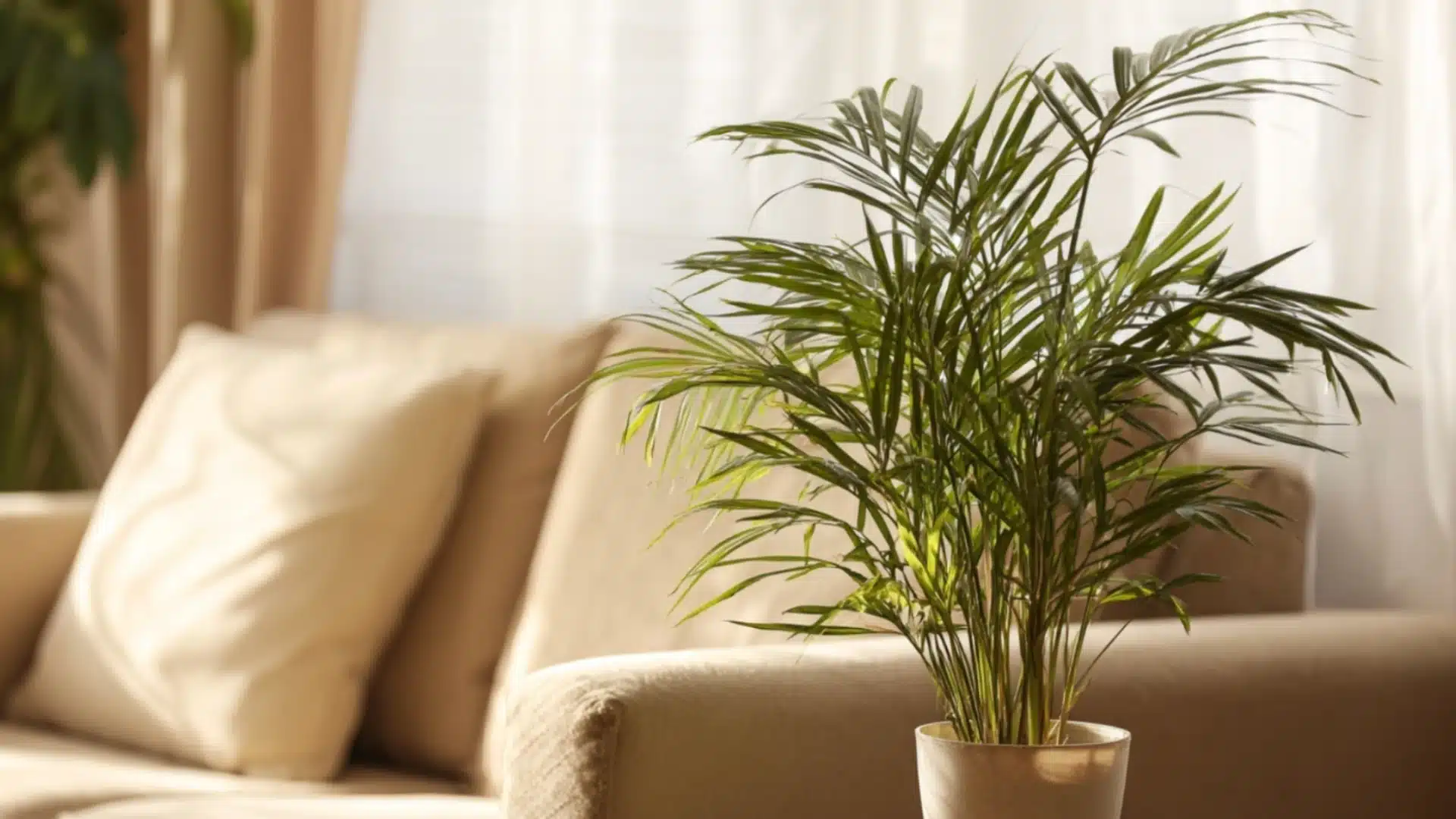
Its slow growth keeps it manageable for apartments, desks, and smaller rooms. The delicate fronds create a relaxed tropical look without taking over the space.
- Looks like: Soft, small palm leaves on thin stems.
- Light: Low to medium.
- Water: Keep soil slightly moist.
- Why it’s loved: Looks like a mini palm and fits well indoors.
- Non-toxicto pets and children.
15. Boston Fern (Nephrolepis Exaltata)
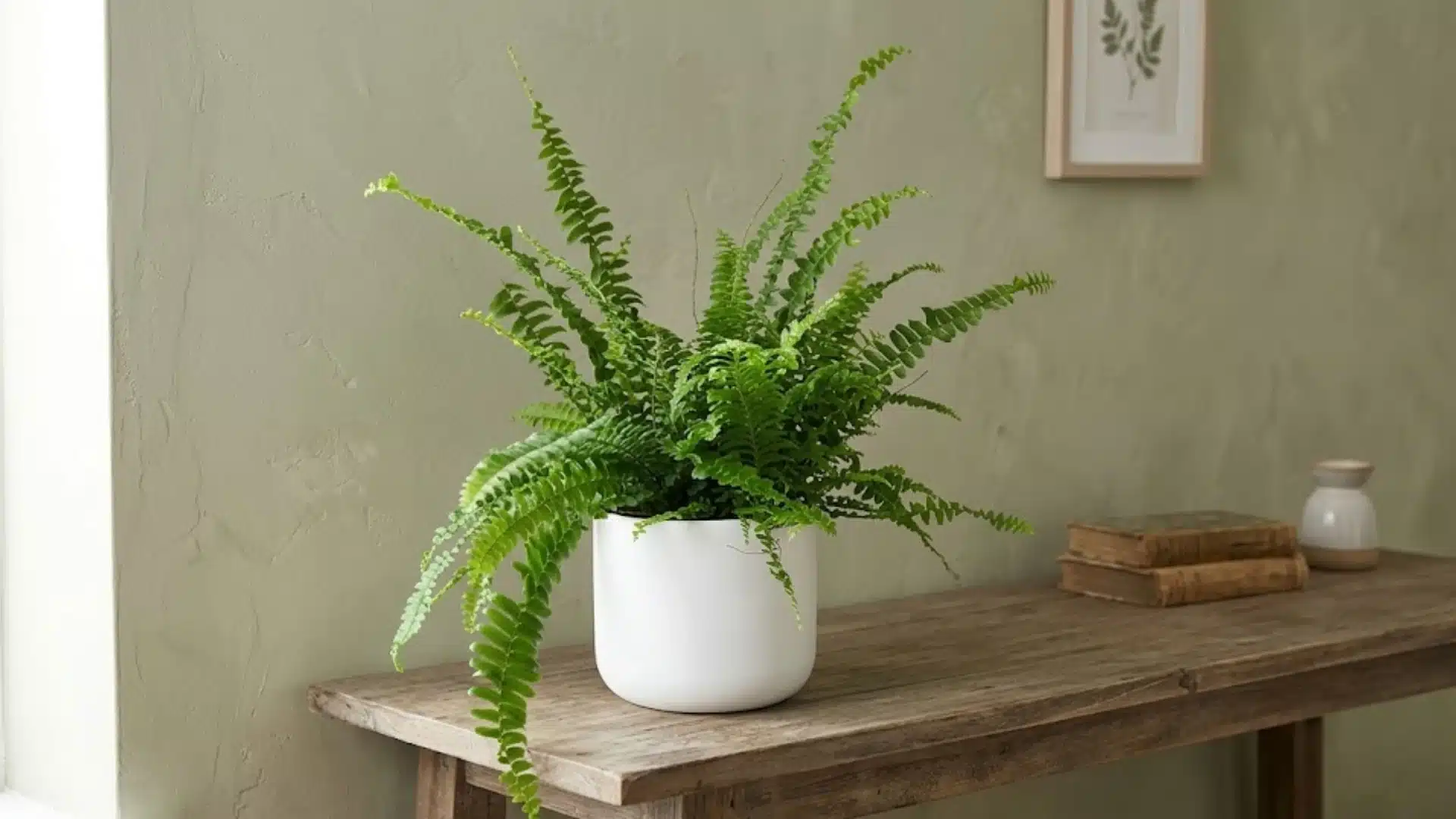
Its arching fronds look especially attractive in hanging baskets or raised planters. However, regular trimming removes dry growth and helps the plant maintain a lush shape.
- Looks like: Long, leafy fronds that spill over the pot.
- Light: Indirect light; avoid direct sun.
- Water: Keep soil moist; likes humidity.
- Why it’s loved: Looks full and adds texture.
- Non-toxicto pets and children.
16. English Ivy (Hedera Helix)
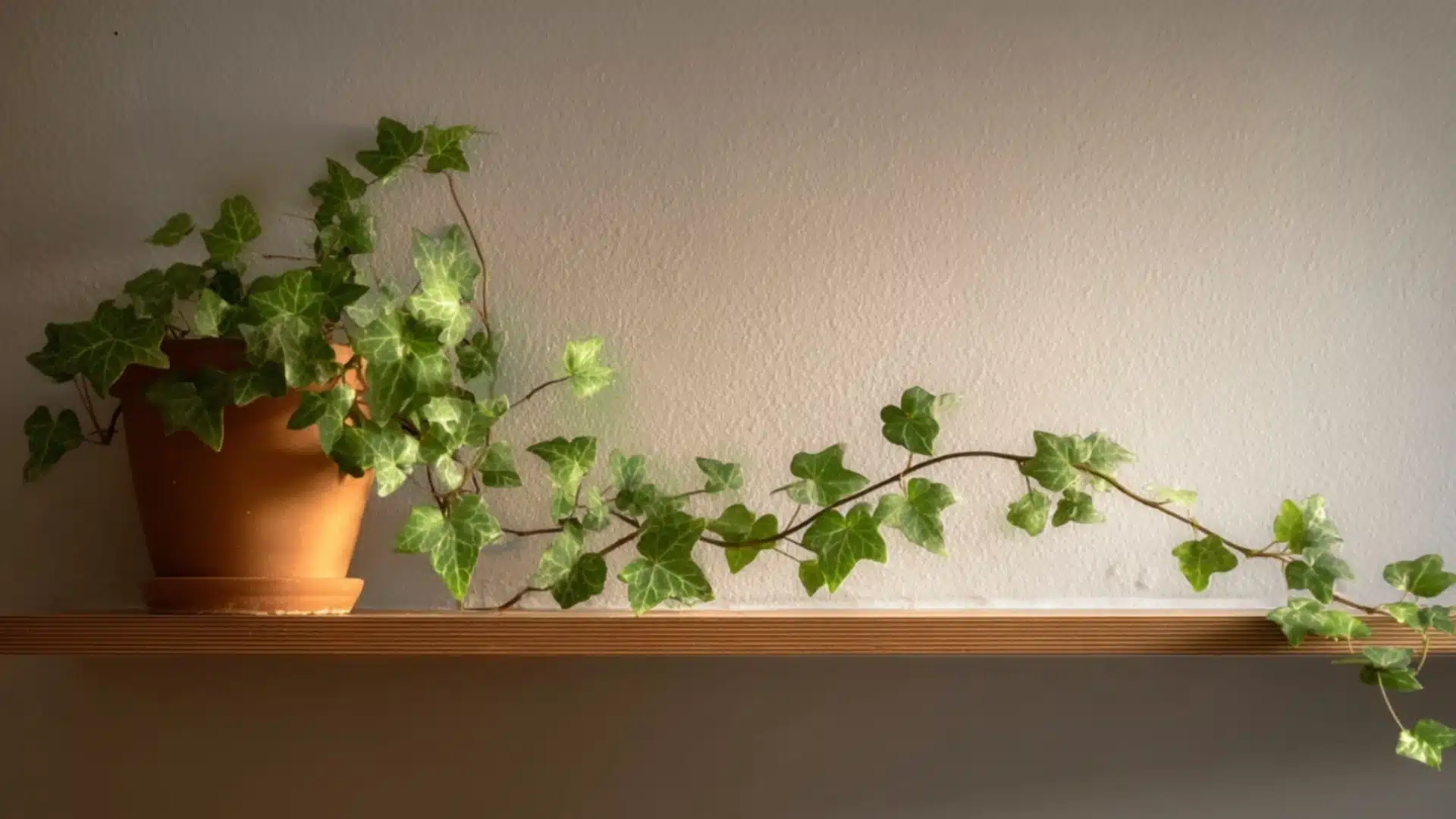
Its vines can be trained around frames, shelves, or small indoor trellises. Pinching back the tips encourages denser growth and prevents the plant from becoming leggy.
- Looks like: Small, pointy green leaves on long vines.
- Light: Bright, indirect.
- Water: When the soil is dry on top.
- Why it’s loved: Great for hanging or climbing.
- Toxicto pets and children.
17. Jade Plant (Crassula Ovata)
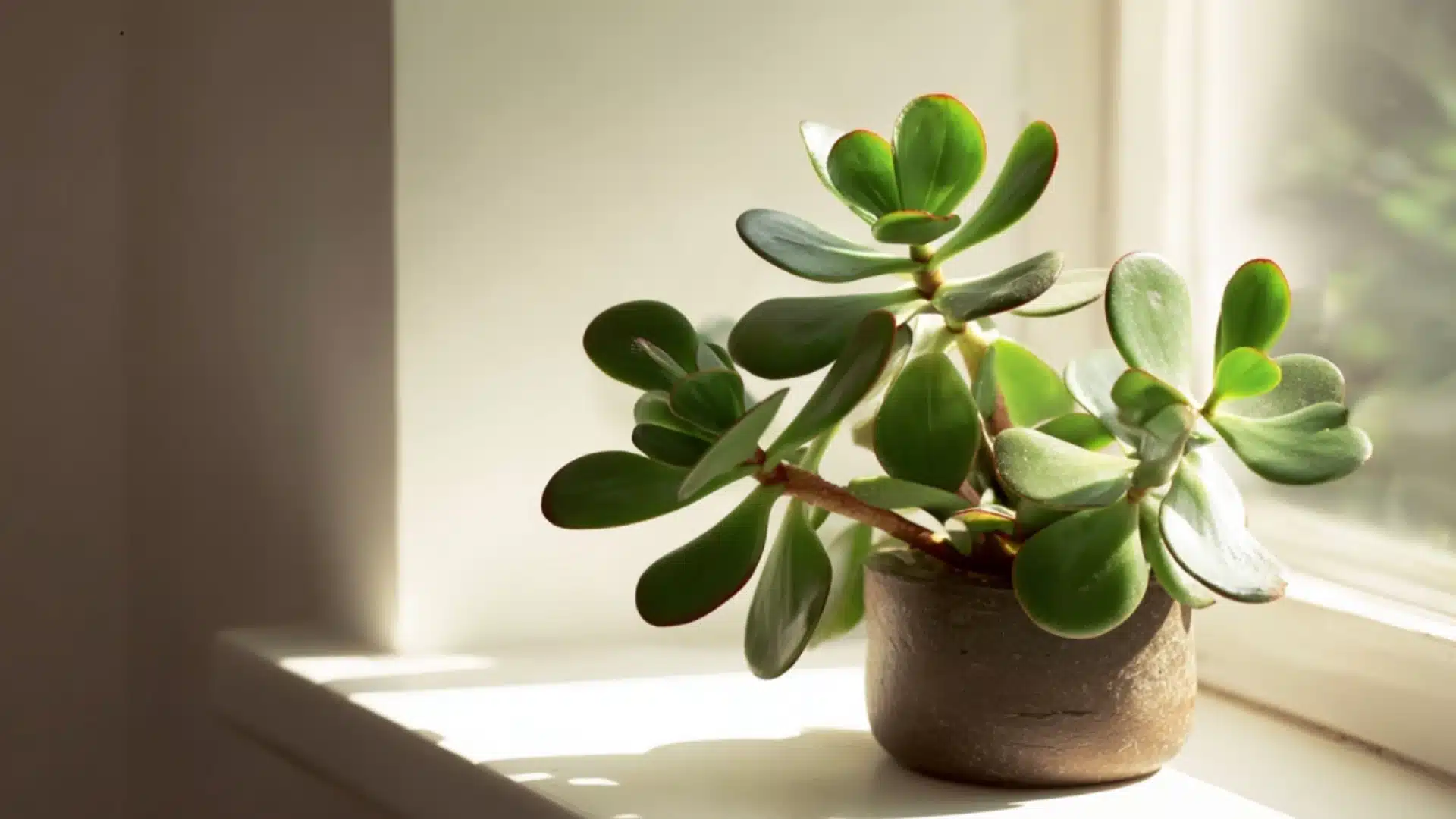
Its thick trunk and branching form can resemble a miniature tree as it matures. With steady care, it may live for decades and become a familiar household plant.
- Looks like: Thick, round green leaves on a stubby stem.
- Light: Bright light, some sun.
- Water: When the soil dries out fully.
- Why it’s loved: Long-lasting and often passed down between generations.
- Toxicto cats and dogs.
18. Prayer Plant (Maranta Leuconeura)
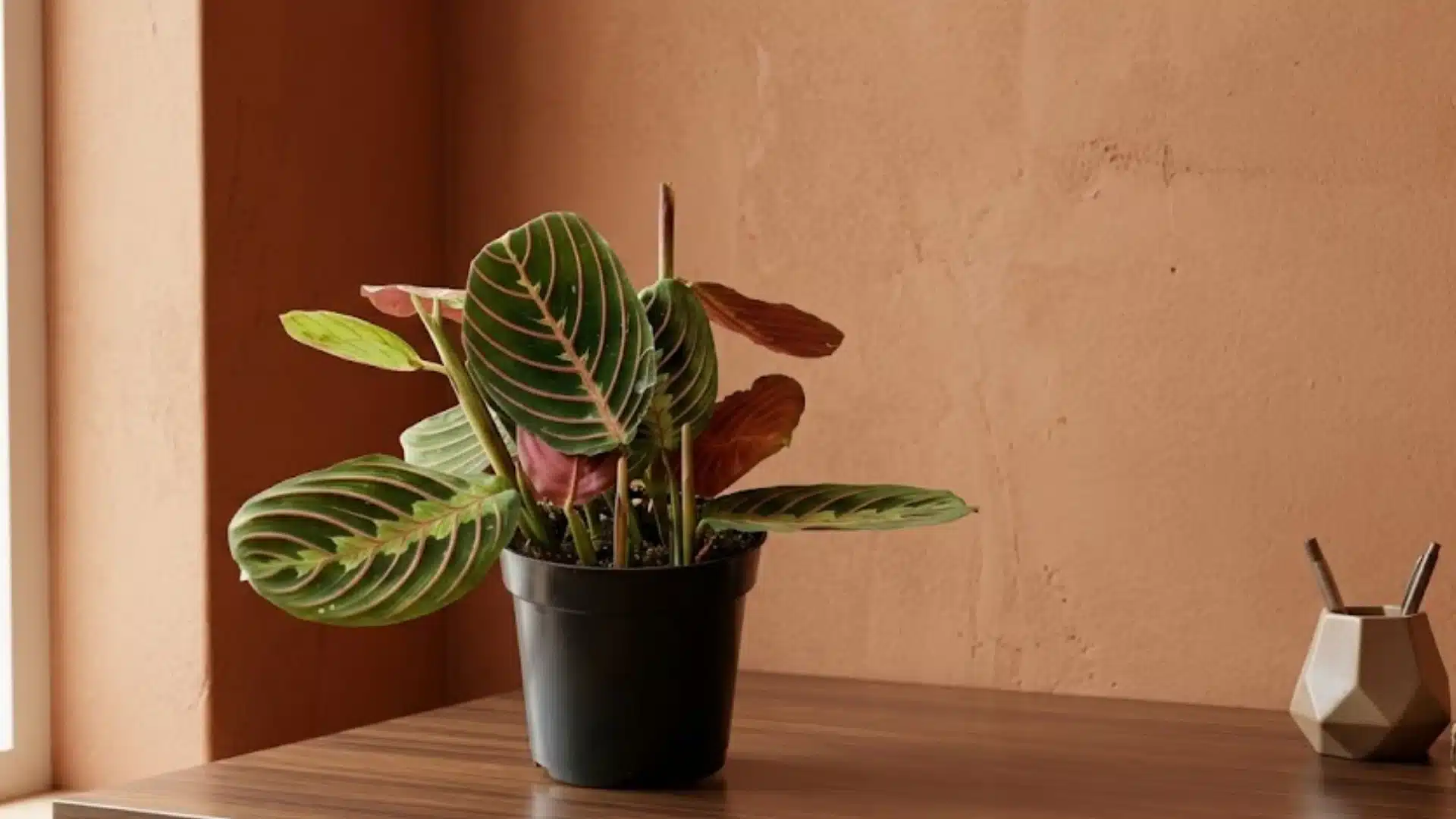
Prayer plant leaves fold upward in the evening and open again during the day. The low, spreading growth makes it well suited to tabletops and shallow planters.
- Looks like: Oval leaves with red veins and a “praying” motion at night.
- Light: Medium, indirect.
- Water: Keep soil lightly moist.
- Why it’s loved: It moves during the day and has cool colors.
- Non-toxicto pets and children.
19. Cast Iron Plant (Aspidistra Elatior)
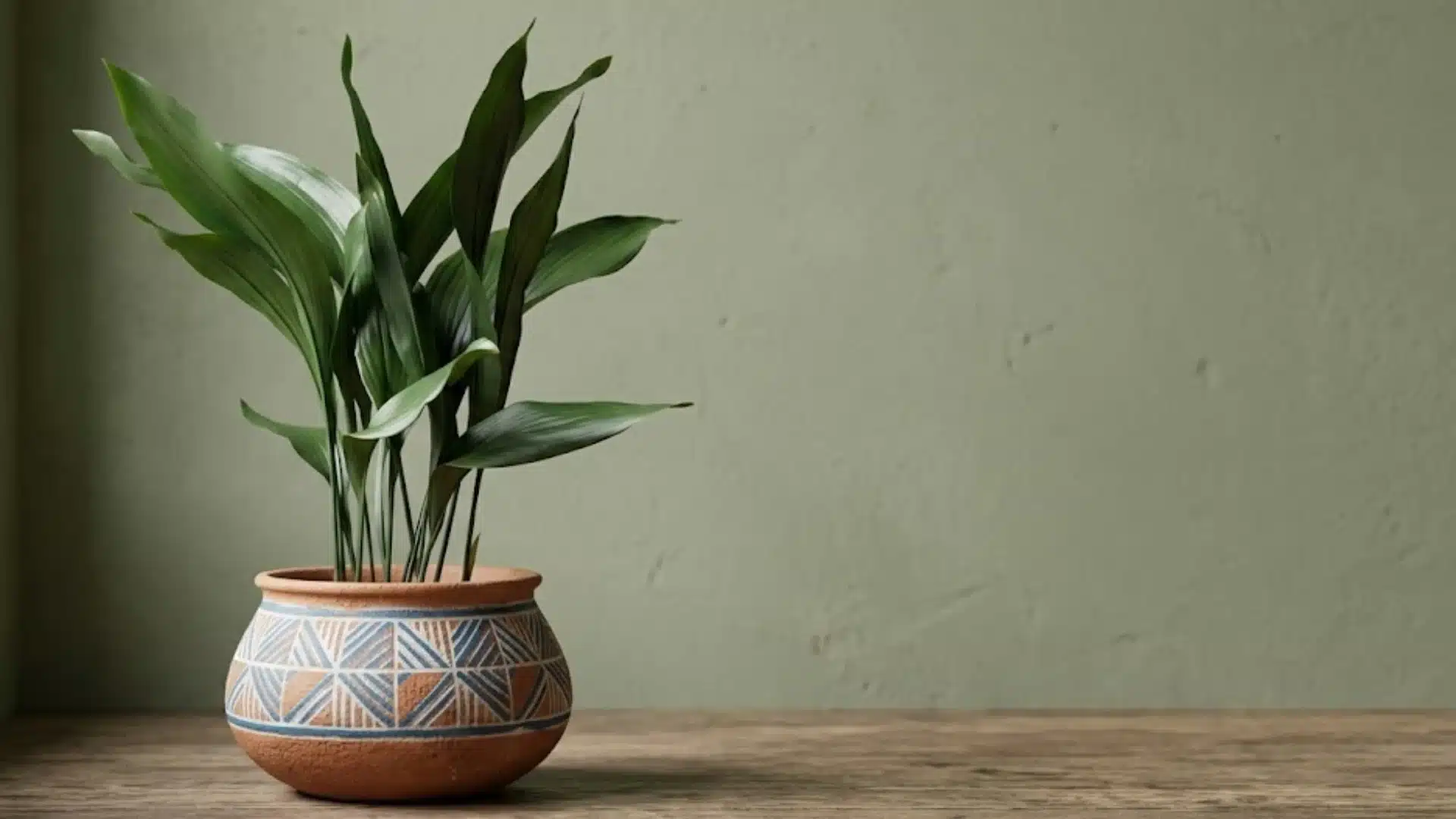
Its slow, steady growth makes it a reliable choice for low-maintenance indoor spaces. The broad leaves also create a clean, structured look without frequent pruning
- Looks like: Long, dark green leaves that grow upright.
- Light: Low-light friendly.
- Water: Let the top inch dry out.
- Why it’s loved: Very tough and good for shady spots.
- Non-toxicto pets and children.
20. Peperomia (Peperomia Spp.)
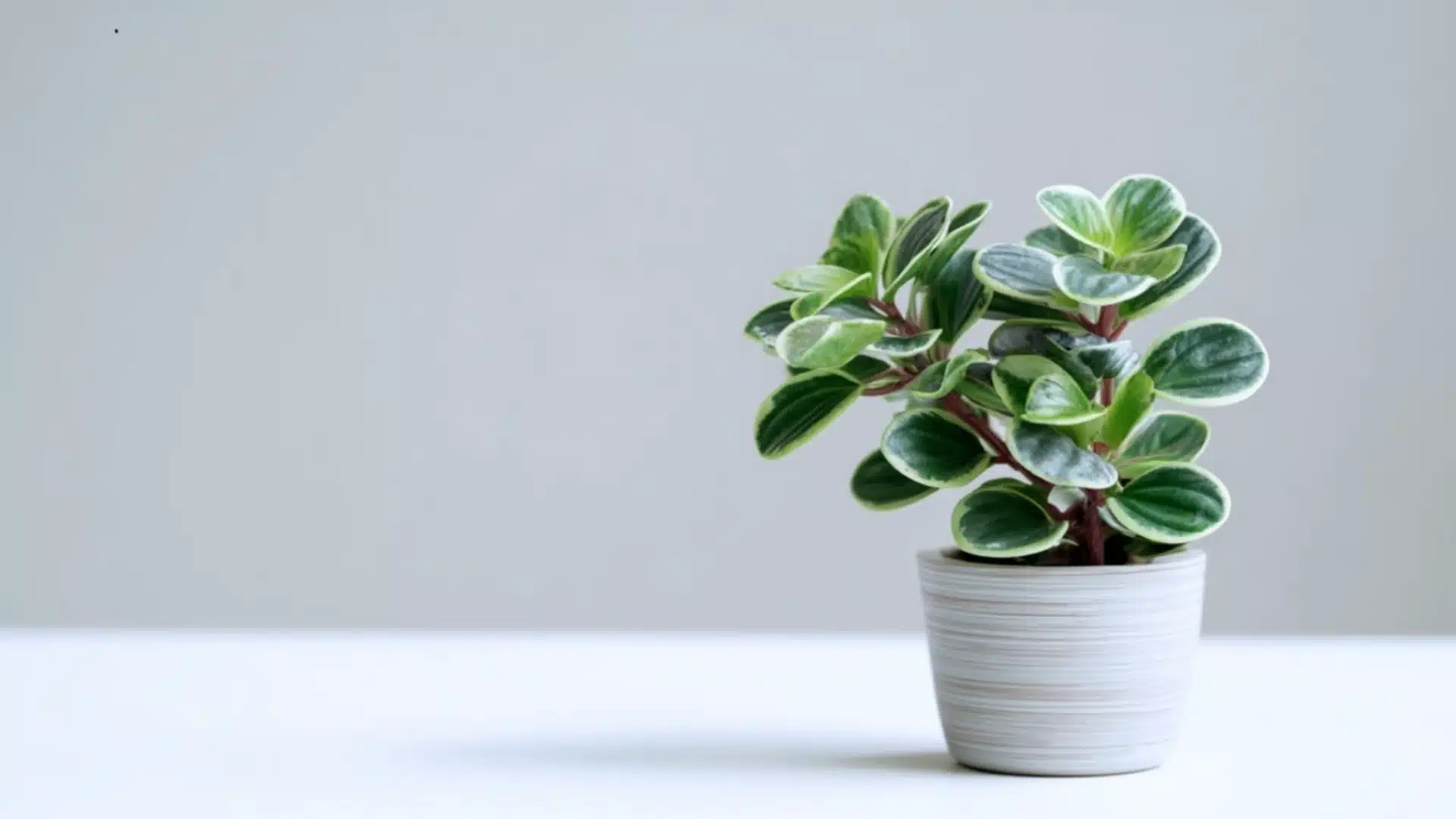
The compact size of Peperomia makes it ideal for small apartments, workspaces, and windowsills. A wide variety offers unusual leaf shapes and textures without taking up much room.
- Looks like: Small, rounded or textured leaves in many colors.
- Light: Bright, indirect.
- Water: Water the soil when the top is dry.
- Why it’s loved: Stays small and neat, perfect for desks or shelves.
- Non-toxicto pets and children.
If pets are part of your household, the toxicity notes above are worth a second look before you bring any of these plants home.
This is general guidance, not a substitute for advice from a veterinarian or the ASPCA Animal Poison Control Center if your pet has actually eaten part of a plant.
Just pick what fits your space and try it out. These plants are tough and helpful, making life indoors a little more peaceful.
Indoor Plants With Names and How to Recognize Them?
Knowing a plant’s name, both common and scientific, helps you care for it better, look up the right advice, and avoid mix-ups.
“Ivy,” for instance, can refer to several unrelated plants with different needs.
The easiest way to identify a houseplant you already own:
- Check the leaf shape (heart-shaped, long and thin, wide and flat)
- Growth habit (trailing, upright, bushy)
- Texture or color (smooth, glossy, striped, patterned).
When in doubt, apps like PictureThis or PlantNet can identify a plant from a photo in seconds.
If you’re buying new, the tag usually lists both names, the common one for easy reading and the scientific name to confirm exactly what you’re getting.
Common Houseplants by Care Level
Not all plants need the same amount of care. Some are almost hands-off, while others need a little more attention.
So, I have added this chart that has some common houseplants by how easy or hard they are to care for, so that you can choose what fits your lifestyle best:
| Plant Name | Care Level | Why |
|---|---|---|
| Snake Plant | Very Easy | Needs little water and handles low light |
| ZZ Plant | Very Easy | Great in shade and hard to overwater |
| Pothos | Easy | Fast-growing and tough to mess up |
| Spider Plant | Easy | Grows well and makes baby plants |
| Peace Lily | Easy | Shows clear signs when it needs water |
| Aloe Vera | Easy | Stores water and likes bright light |
| Philodendron | Easy | Adapts to many indoor spots |
| Chinese Evergreen | Easy | Low light friendly and needs little care |
| Cast Iron Plant | Easy | Tough and very low-maintenance |
| Peperomia | Easy | Small, simple, and works in many spaces |
| Monstera | Moderate | Needs more space and light to thrive |
| Rubber Plant | Moderate | Likes steady care and light changes slowly |
| Dracaena | Moderate | Sensitive to overwatering |
| Calathea | Moderate | Needs steady humidity and careful watering |
| Prayer Plant | Moderate | Likes moisture and reacts to light changes |
| Boston Fern | Moderate | Loves humidity and regular misting |
| English Ivy | Moderate | Needs light and can be fussy indoors |
| Parlor Palm | Moderate | Prefers low light but needs steady moisture |
| Jade Plant | Moderate | Needs sun and dry soil |
| Dieffenbachia | Moderate | Can be picky about light and water |
How to Propagate Popular Houseplants?
Propagation is how you make new plants from ones you already have, and it’s easier than it sounds.
Here’s how to do it with four of the most common ones.
- Pothos: Cut a stem just below a leaf node, place it in water, and roots appear within 1-2 weeks. Transfer to soil once roots are an inch long.
- Spider Plant: The baby plantlets that dangle from the mother plant can be snipped off and placed directly in moist soil.
- Snake Plant: Cut a healthy leaf into sections about 3–4 inches long and press the bottom end into moist soil. New growth appears in a few weeks.
- Philodendron: Similar to pothos; snip a stem with at least one node, root in water, then move to soil.
How to Choose the Right Houseplant for Your Home?
Choosing the right houseplant isn’t just about looks. It’s about picking something that fits your space, your light, and your routine.
Start by checking how much natural light your room gets. Some do great in small corners with hardly any sunlight, while others want wide windowsills or bright rooms to stay healthy.
If you have low light and little space, try ZZ plants, snake plants, or pothos. They’re compact and don’t mind shade.
But if you have a bright room with lots of windows, you can go for monstera, rubber plants, or aloe vera.
When you have tight spots like desks or shelves, then you can opt for Philodendrons, peperomias, and spider plants, which fit well.
Matching plants to your space makes care easier and keeps them happy without needing to move them around all the time.
Finally, check if you have pets. Some plants can be unsafe if chewed on, so double-check before bringing one home.
Common Mistakes New Plant Owners Make
New plant owners often make simple care mistakes as they learn how different houseplants respond to light, water, soil, and indoor conditions.
- Overwatering: Watering too frequently can keep roots constantly wet, leading to root rot, yellow leaves, and weak plant growth.
- Choosing the wrong light: Placing a sun-loving plant in a dark corner can slow growth, while direct sunlight may burn shade-loving plants.
- Repotting too soon: Moving a newly purchased plant immediately can add unnecessary stress before it adjusts to its new environment.
- Using unsuitable soil: Regular garden soil may hold too much moisture indoors, so choose a potting mix that suits the plant’s needs.
- Ignoring pet safety: Some common houseplants are toxic to cats and dogs, so check plant safety before bringing them home.
- Buying unsuitable plants: A plant may struggle when its light, humidity, temperature, or space needs do not match your home.
- Purchasing too many plants: Caring for several new plants at once can become overwhelming and make individual problems harder to notice.
Starting with a few easy-care plants gives you time to understand their habits and build stronger plant care skills.
Conclusion
When I first got into common houseplants, I just wanted something simple to take care of. I didn’t know much, but I figured things out little by little.
I learned when to water, where to place them, and which plants were okay with a bit of neglect. Those plants slowly made my home feel warmer and calmer.
Now it’s your turn. Think about what kind of light you have, how often you want to care for a plant, and what fits your space. Start small and give yourself time to learn.
Share your favorite houseplant or plant care experience in the comments below.
Frequently Asked Questions
What is the Easiest Houseplant for Beginners?
The snake plant and ZZ plant are the most forgiving; both handle low light and irregular watering without complaint.
Which Houseplants are Safe for Cats and Dogs?
Spider plant, calathea, parlor palm, Boston fern, prayer plant, cast iron plant, and peperomia are all non-toxic to pets.
How Often Should I Water My Houseplants?
Most common houseplants need watering when the top inch of soil feels dry. Overwatering is the most common reason houseplants die.
How Do I Know When to Repot a Houseplant?
Repot when roots start circling the pot’s edge or growing out of the drainage holes, or when water runs straight through without soaking in. Most common houseplants only need repotting every 1 to 2 years.



4 Responses
This information has been VERY INFORMATIVE! I appreciate you make it sound relaxing to care for house plants.
Thank you!
This is an Excellent post….so full of great information with clear instructions on the care of so many popular house ( and outdoor ) plants. Thankyou.
I love how practical this breakdown is, especially the “care level” section and the reminder that common doesn’t mean boring. The way you described plants like pothos and snake plants made it feel realistic for actual homes, not perfect Instagram setups. Do you have a personal favorite that surprised you with how resilient it was?
I have over 50 house plants scattered throughout my house and I get so much enjoyment out of them.