Searching for natural ways to keep bed bugs at bay? The thought of using certain scents to repel these unwelcome guests feels almost too good to be true.
A spritz of lavender here, a dab of peppermint there, and they’ll scatter, right?
While bed bugs do react to specific smells, the reality isn’t quite as simple as a spray-and-forget approach.
Some scents genuinely make them uncomfortable and might offer temporary relief, but counting on fragrance alone to tackle a full infestation rarely works.
What follows is a breakdown of which fragrances actually have an effect, which claims are pure myth, and what reliable strategies can truly protect your space from these persistent pests.
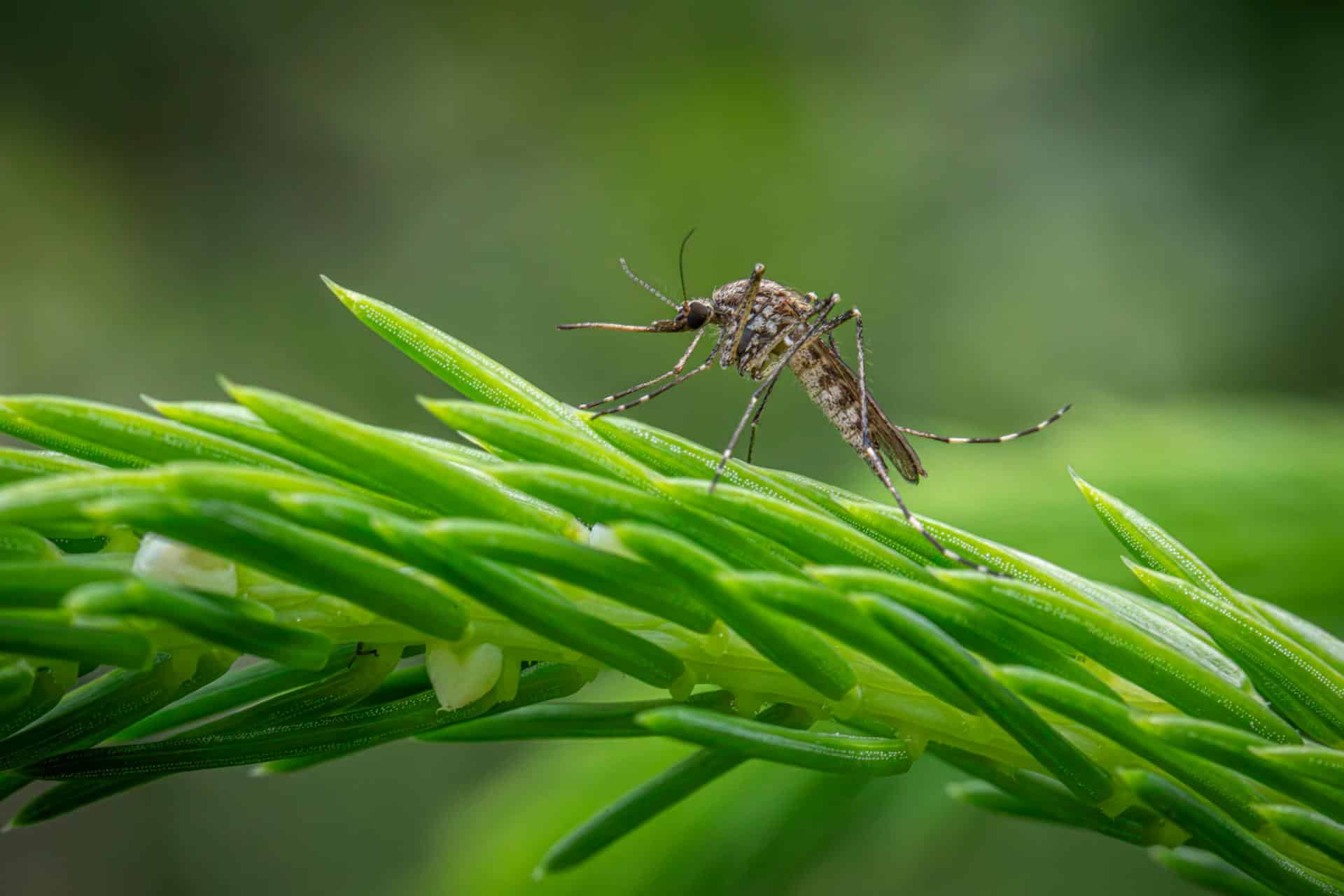
Before getting into scents, it helps to know what actual bed bugs look like versus common imposters.
Do Bed Bugs Actually Respond to Smells?
Bed bugs are surprisingly skilled at tracking down their next meal.
They rely heavily on carbon dioxide from your breath and the warmth radiating from your body to locate you while you sleep. Their olfactory receptors guide them toward these signals, but strong odors can disrupt this process.
Here’s where things get tricky: a repellent might confuse or deter them temporarily, but it won’t kill them. That distinction matters.
A scent that keeps bed bugs at bay for a few hours isn’t the same as one that eliminates them entirely. Understanding how they sense their environment helps clarify what fragrances can and can’t accomplish.
Scents Bed Bugs Hate

Certain smells pop up again and again in discussions about natural bed bug control. Some have research backing them, while others rely more on anecdotal evidence.
Here’s what actually holds up under scrutiny.
1. Lavender
Lavender essential oil has a calming reputation for humans, but bed bugs seem to dislike its floral intensity. Some studies suggest it has mild repellent properties, though results vary.
The main limitation? It doesn’t kill bed bugs outright, and its effects wear off quickly once the scent fades. Spritzing lavender around your bed might offer short-term relief, but don’t expect it to solve an active infestation on its own.
2. Tea Tree Oil
Known for its antimicrobial benefits, tea tree oil also shows up in bed bug repellent products. Research indicates it may have some repellent and insecticidal effects, particularly when bed bugs come into direct contact with it.
That said, it needs proper dilution before use. Undiluted tea tree oil can irritate skin and damage fabrics, so always mix it with a carrier oil or water before applying.
3. Peppermint
The sharp menthol aroma of peppermint oil is often cited as a bed bug deterrent. While the smell is certainly strong enough to mask the cues bed bugs follow, scientific studies on its effectiveness remain limited.
Anecdotal claims abound, but hard evidence is sparse. It might provide a temporary barrier, though it’s unlikely to keep determined bed bugs away for long.
4. Eucalyptus
Eucalyptus oil brings a cooling, camphor-like scent that many people find refreshing. Its repellent potential against bed bugs is modest at best.
Like other essential oils, it may discourage bed bugs temporarily, but the effects are short-lived. Eucalyptus works better as part of a broader prevention strategy rather than a standalone solution for dealing with these pests.
5. Clove Oil
Clove oil stands out as one of the more researched essential oils when it comes to bed bugs. Studies show it has contact toxicity, meaning it can kill bed bugs when applied directly.
However, its effectiveness as a vapor repellent is much weaker. You’d need to apply it directly to bugs or their hiding spots, which isn’t always practical in a real-world infestation.
6. Rubbing Alcohol
Rubbing alcohol kills bed bugs on contact by breaking down their outer shells. It’s quick and accessible, but comes with serious drawbacks. The biggest concern? It’s highly flammable.
Spraying alcohol around bedding, furniture, or electrical outlets creates a genuine fire hazard. If you notice skin irritation alongside bugs, you might be dealing with bed mite rash, which requires different treatment.
7. Vinegar
Vinegar shows up in countless DIY pest control remedies, but its reputation exceeds its actual effectiveness against bed bugs. While the acidity might kill a bug on direct contact, vinegar doesn’t repel bed bugs the way many believe.
It also evaporates quickly, leaving no lasting protection. Vinegar works better for cleaning surfaces than for keeping bed bugs away.
Essential Oils and Bed Bugs: What Science Says
Laboratory studies have shown that certain essential oils can repel or kill bed bugs under controlled conditions, but real-world performance often disappoints.
Research from Rutgers University found that while oils like clove and cinnamon demonstrated contact toxicity, their repellent effects lasted only a few hours.
The main issue? Essential oils evaporate quickly and don’t penetrate the cracks and crevices where bed bugs hide during the day.
If you’re considering plant-based options, look for EPA-registered products that have undergone proper testing. These formulations are designed for better coverage and longer-lasting results than homemade sprays.
What Smells Do NOT Work?
Plenty of folk remedies promise bed bug relief, but most fall short when put to the test. Here’s what you can skip:
- Dryer Sheets – Despite their fresh scent, dryer sheets have no proven repellent effect on bed bugs and won’t prevent infestations.
- Cinnamon – While it smells strong to us, cinnamon lacks the potency needed to repel or kill bed bugs in any meaningful way.
- Garlic – The pungent aroma that keeps vampires away in folklore does absolutely nothing to deter bed bugs in reality.
- Perfume or Cologne – These fragrances might mask odors temporarily, but they won’t interfere with bed bugs’ ability to track you down.
- Ultrasonic Repellents – Studies have consistently shown that ultrasonic devices have zero impact on bed bug behavior or movement.
Save your money and energy for methods that actually deliver results. These popular myths won’t solve your bed bug problem.
Better Ways to Get Rid of Bed Bugs
Scents alone won’t solve a bed bug problem, but these proven methods will.
Here’s what actually works:
- Heat Treatment – Exposing bed bugs to temperatures above 120°F kills them at all life stages, making professional heat treatments one of the most effective solutions.
- Professional Pest Control – Trained exterminators use targeted insecticides, specialized equipment, and proven strategies that DIY methods simply can’t match.
- Mattress Encasements – High-quality, bed bug-proof encasements trap any bugs inside your mattress or box spring, preventing them from feeding and eventually starving them out.
- Vacuuming and Steam Cleaning – Regular vacuuming removes bed bugs from surfaces, while steam cleaning penetrates fabrics and crevices where they hide.
- Integrated Pest Management Approach – Combining multiple tactics like monitoring, prevention, non-chemical methods, and targeted treatments delivers the most comprehensive and lasting control.
Real bed bug elimination requires commitment and the right tools. These methods give you the best chance at reclaiming your space for good.
Final Verdict
While certain scents that bed bugs hate might offer a temporary deterrent, they’re far from a complete solution.
Lavender, tea tree oil, and peppermint can play a minor supporting role, but tackling an infestation demands a more strategic approach.
Heat treatments, professional intervention, and thorough prevention methods will always outperform a spritz of essential oil.
If bed bugs have made themselves at home in your space, don’t rely on fragrance alone to evict them. Combine smart strategies, stay persistent, and reclaim your peace of mind.
Have questions or want to share what worked for you? Drop a comment below!