

Found a tiny brown bug crawling across your pillow and immediately went into full panic mode? That reaction happens more often than you think.
Bed bug anxiety is real, and it sends people into identification overdrive every single day.
Here’s the thing: dozens of harmless insects look remarkably similar to bed bugs at first glance. Misidentifying these lookalikes can lead to unnecessary stress, wasted money on treatments, and overlooking the actual culprit.
This guide cuts through the confusion and helps you separate genuine bed bug threats from their innocent doppelgangers, so you can respond appropriately and sleep easier tonight.
How to Tell Bed Bugs From Look-Alikes?
Before you assume the worst, take a closer look at what you found. Real bed bugs are apple–seed–sized, oval, and reddish-brown. They hang out near sleeping areas because they feed on human blood while you rest.
Context matters just as much as appearance, so consider where you spotted the bug and whether it matches typical bed bug behavior.
Key signs that confirm bed bugs:
- Tiny dark stains on sheets or mattress seams
- Shed skins that look like translucent shells
- Small reddish smears from crushed bugs
- Clustered bite marks, often in lines or groups
- Musty, sweet odor in severe infestations
11 Bugs That Look Like Bed Bugs
Spotting a small bug in your home doesn’t automatically mean bed bugs have invaded. Several common household insects share similar features that trigger false alarms.
Learning to distinguish these lookalikes saves you from unnecessary panic and helps you address the real issue, whether it’s a harmless visitor or an actual pest problem.
1. Bat Bugs

Size: 4 to 5 millimeters long, nearly identical to bed bugs
Appearance: Oval, flat, reddish-brown bodies with six legs and antennae
Bat bugs are the ultimate bed bug impostors. They look so similar that even pest control professionals need magnification to spot the difference, which lies in the longer fringe hairs on their bodies.
These bugs typically live in attics or wall voids where bats roost. Learning to tell bat bugs from bed bugs matters most when you’re dealing with infestations near bat habitats.
Bat bugs rarely bite humans unless their bat hosts are gone, making them less of a threat than their blood-feeding cousins.
2. Carpet Beetles
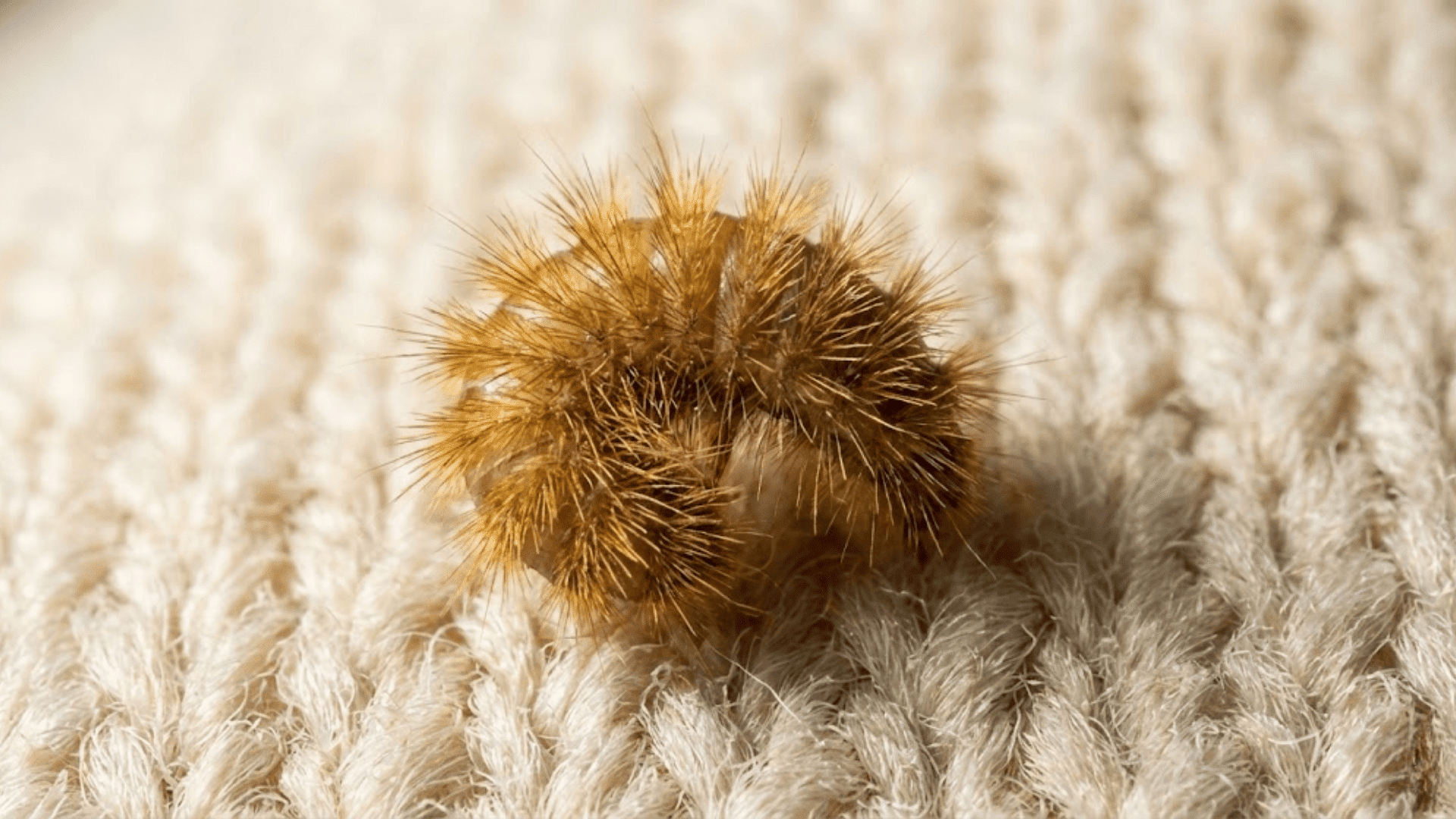
Size: Adults are 2 to 4 millimeters; larvae are 4 to 5 millimeters
Appearance: Adults are round with varied patterns; larvae are fuzzy and carrot-shaped
Carpet beetle larvae cause the most confusion because of their small, elongated bodies covered in bristly hairs.
Unlike smooth bed bugs, these larvae have a distinct fuzzy texture and often curl up when disturbed. They feed on natural fibers like wool and cotton rather than blood, so you won’t find them near your mattress.
Adult carpet beetles are actually quite pretty with their patterned shells, making them easy to rule out once you spot the distinctive rounded shape.
3. Spider Beetles
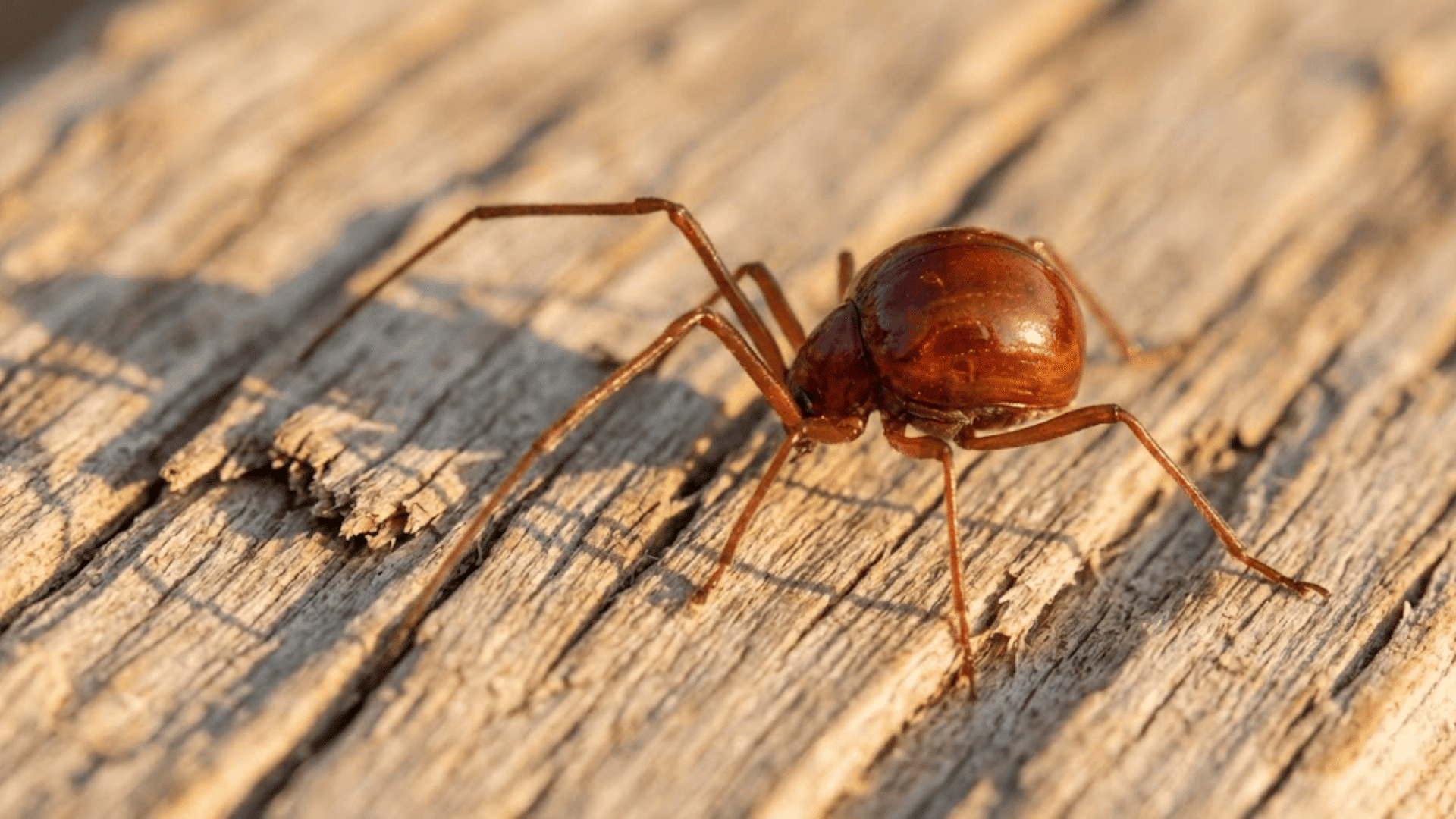
Size: 1.5 to 3.5 millimeters long
Appearance: Round, globe-shaped bodies with long legs and reddish-brown color
Spider beetles get their name from their spider-like appearance, with disproportionately long legs attached to a round body. Their bulbous shape resembles a well-fed bed bug, which triggers panic in homeowners.
However, spider beetles have a hard, shiny shell and visible antennae that bed bugs lack. They infest stored foods and prefer dark, undisturbed areas like pantries or basements.
You’ll never find them lurking in your mattress seams actively seeking blood meals at night.
4. Booklice
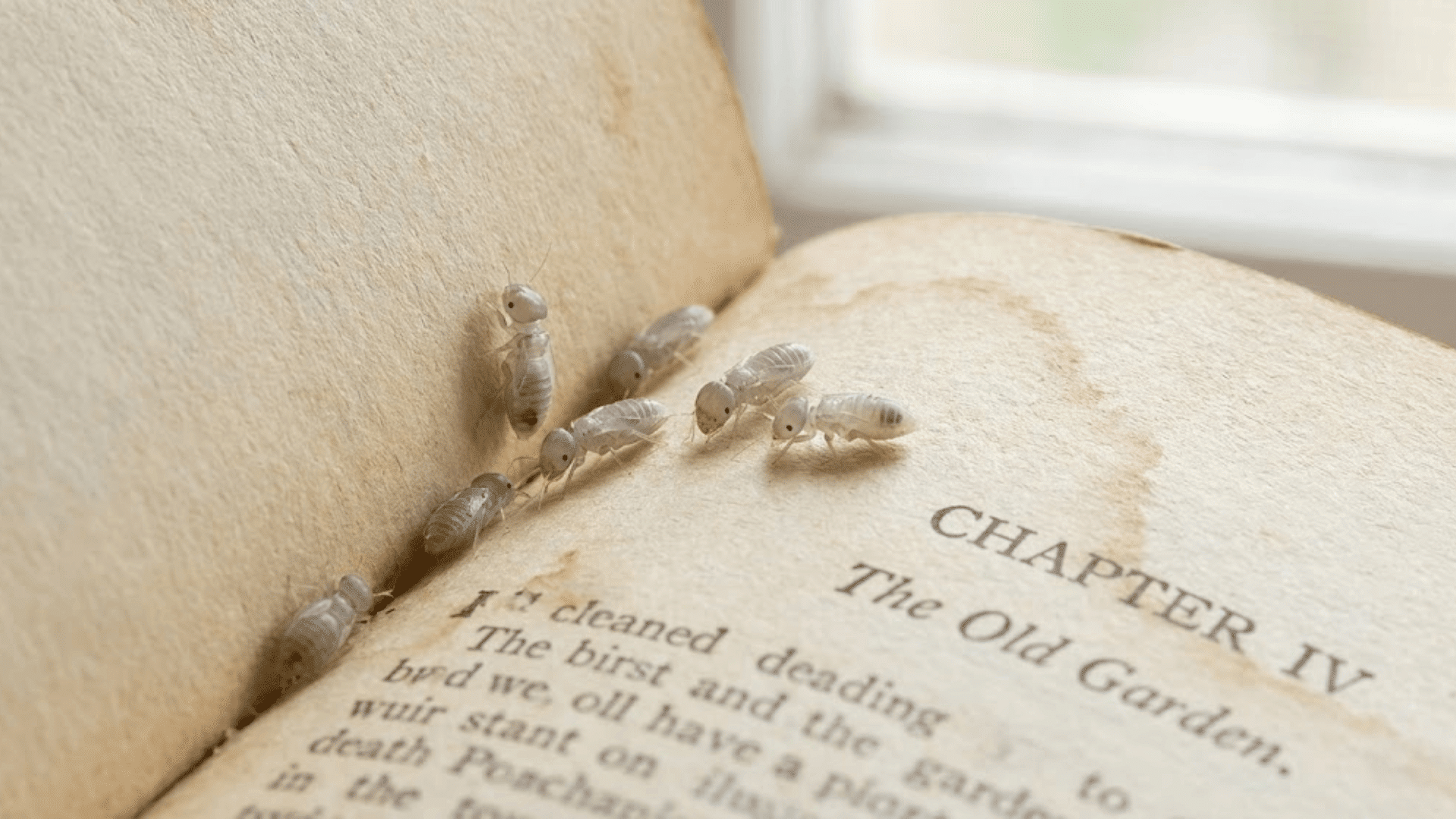
Size: 1 to 2 millimeters, much smaller than bed bugs
Appearance: Pale gray or translucent, soft-bodied with large heads
Booklice are tiny insects that thrive in humid environments with mold or mildew. Their pale, almost translucent bodies make them hard to spot, but they’re significantly smaller than bed bugs.
These harmless bugs don’t bite humans and prefer feeding on mold, fungi, and organic debris. You’ll typically find them in damp books, wallpaper, or stored boxes.
Their preference for moisture-rich areas and their minuscule size quickly rule them out as bed bugs once you compare them closely.
5. Cockroach Nymphs
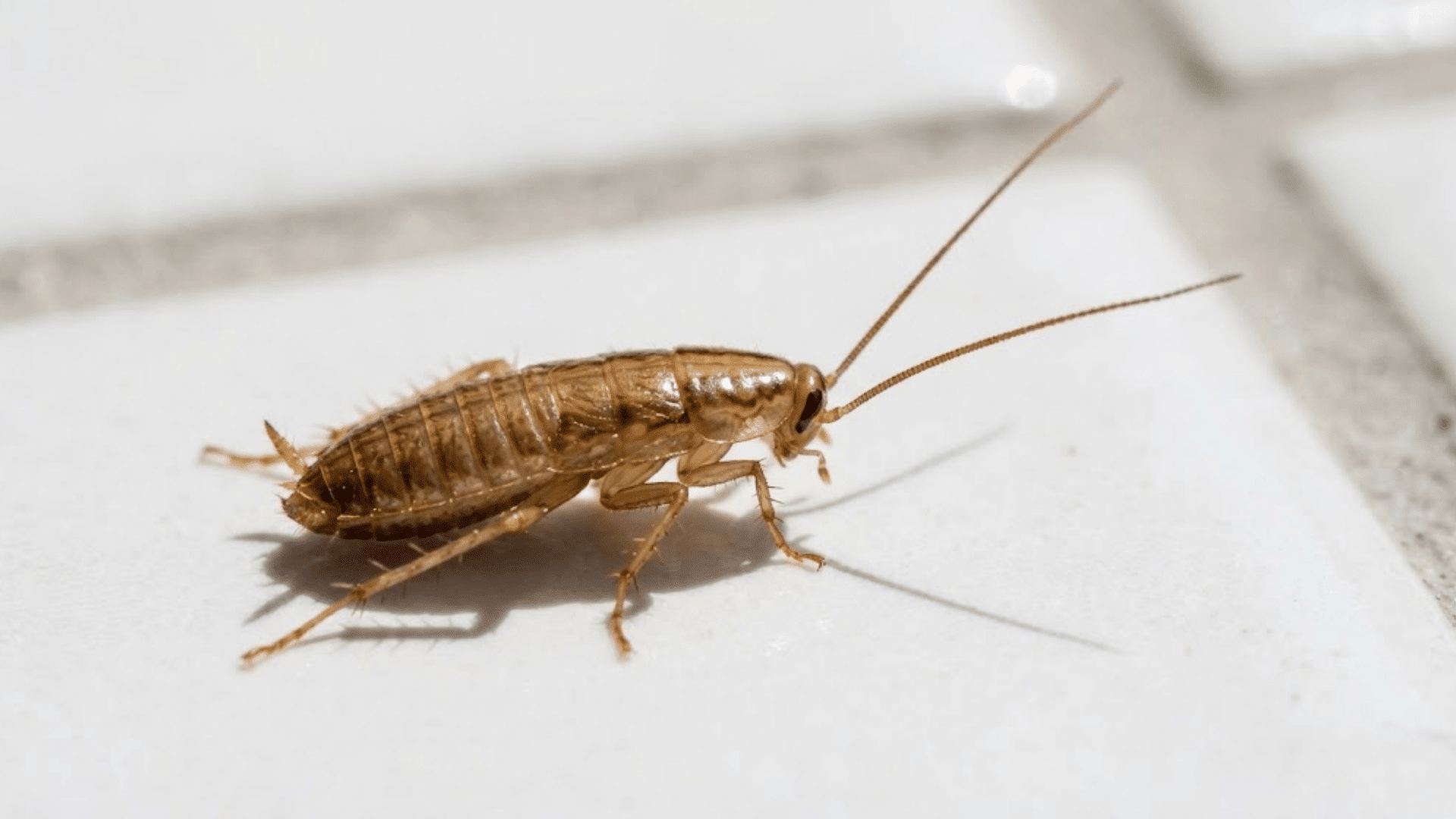
Size: 3 to 6 millimeters in the early stages
Appearance: Oval, brown or tan bodies with long antennae and visible leg segments
Baby cockroaches can fool people because of their similar size and brown coloring. The key difference lies in their body shape and movement.
Cockroach nymphs have longer, more segmented bodies with prominent antennae that extend forward. They also move much faster than sluggish bed bugs and scatter when exposed to light.
Unlike bed bugs that hide in fabric seams, cockroach nymphs prefer kitchens, bathrooms, and areas with food debris or moisture.
6. Fleas
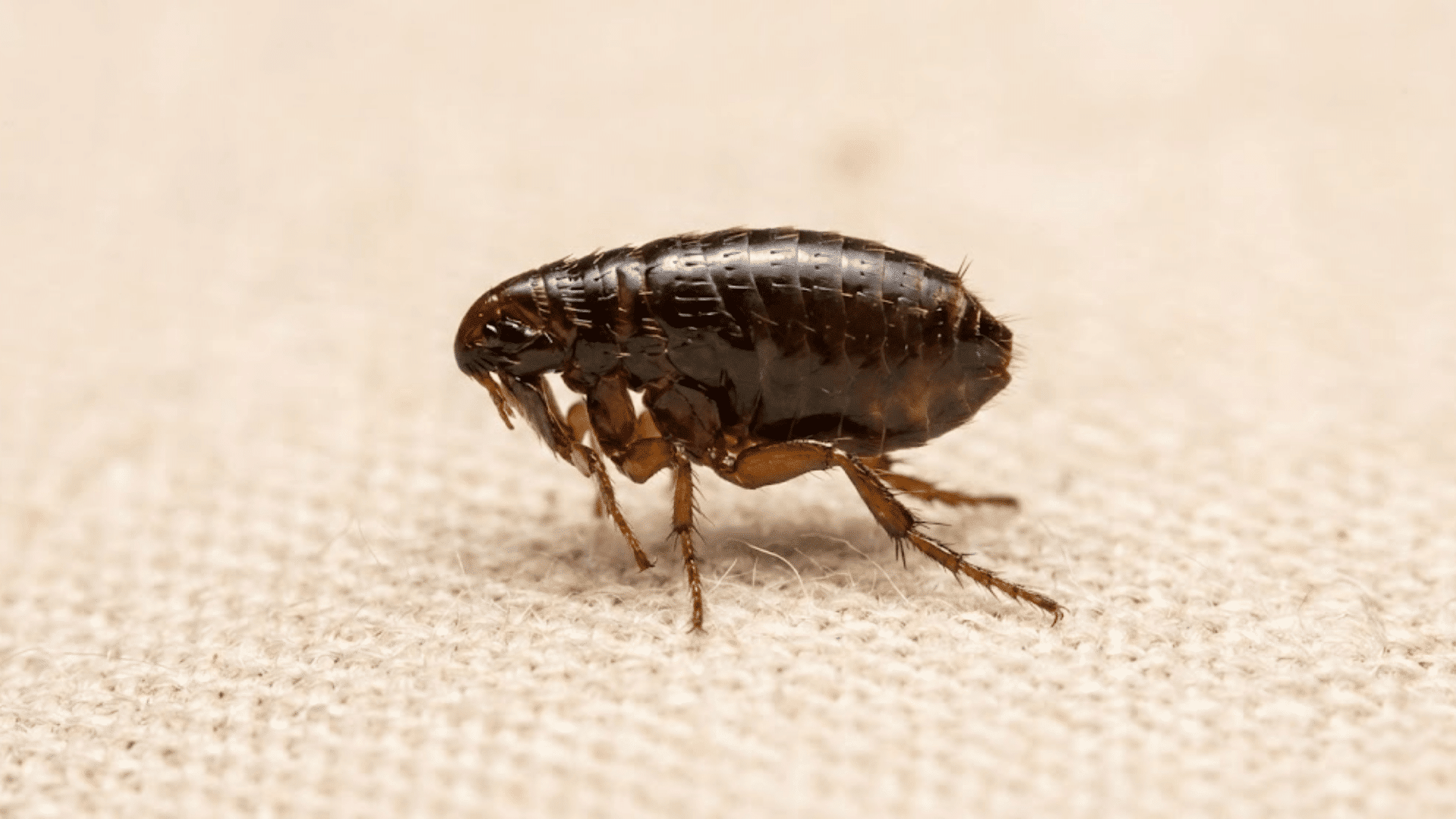
Size: 1.5 to 3 millimeters long
Appearance: Dark brown or black, extremely flat bodies with powerful hind legs
Fleas are smaller and darker than bed bugs, with bodies compressed side-to-side rather than top-to-bottom. Their superpower is jumping, something bed bugs absolutely cannot do.
If the bug launches itself away when you approach, it’s definitely a flea. Flea bites typically cluster around ankles and lower legs, while bed bug bites appear on exposed skin during sleep.
Fleas also prefer furry hosts like cats and dogs, so pet owners encounter them more frequently than bed bugs.
7. Ticks
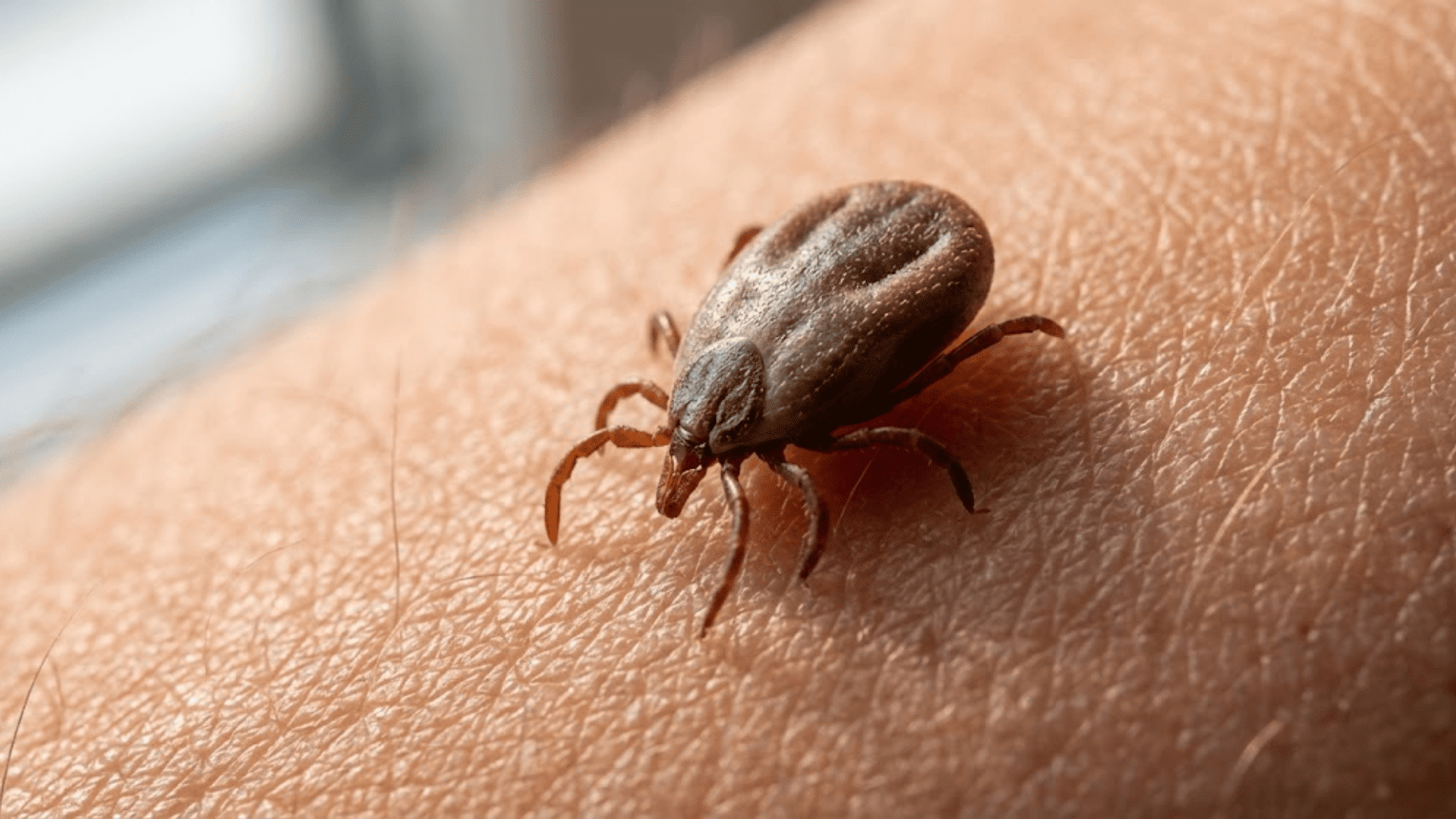
Size: 3 to 5 millimeters unfed; up to 10 millimeters when engorged
Appearance: Teardrop-shaped with eight legs, brown or reddish-brown coloring
Ticks have eight legs instead of six, immediately setting them apart from bed bugs. Their bodies are rounder and more leathery, with a distinct head that protrudes forward.
Ticks embed themselves in the skin to feed for days, while bed bugs bite and retreat quickly. You’ll typically pick up ticks outdoors in wooded or grassy areas, not inside your home.
Engorged ticks swell dramatically and turn grayish, looking nothing like the flat, oval shape of bed bugs.
8. Lice
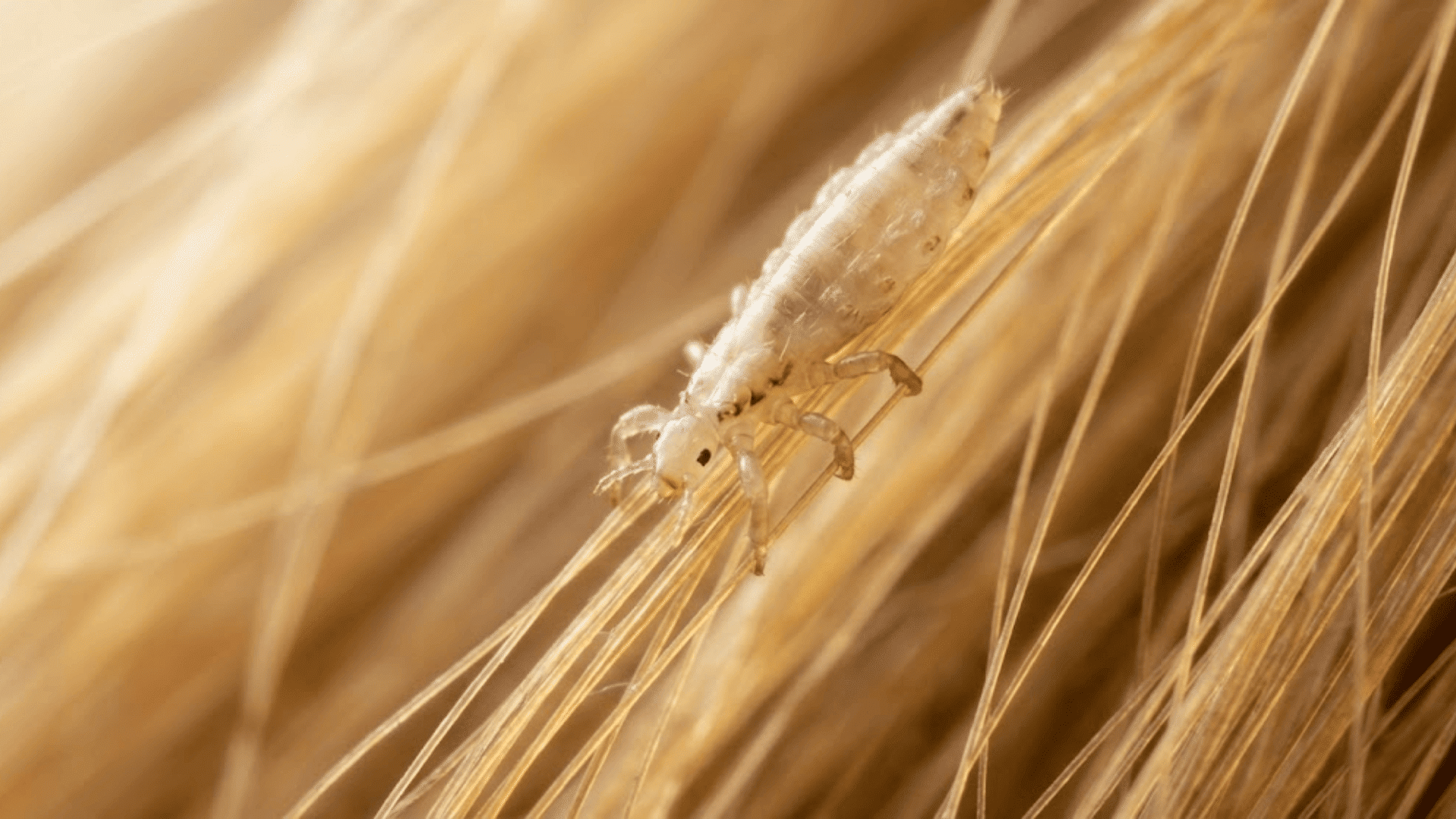
Size: 2 to 3 millimeters long
Appearance: Tan or grayish-white, elongated bodies with six legs equipped with claws
Lice live exclusively on human bodies or in hair, never in bedding or furniture like bed bugs. Their bodies are narrower and lighter in color, with specialized claws designed to grip hair shafts.
Lice move slowly and stay attached to their host, while bed bugs crawl freely across surfaces.
Lice eggs, called nits, attach firmly to hair strands and look like tiny white dots. If you find the bug on your body or scalp rather than near sleeping areas, it’s likely lice.
9. Mites
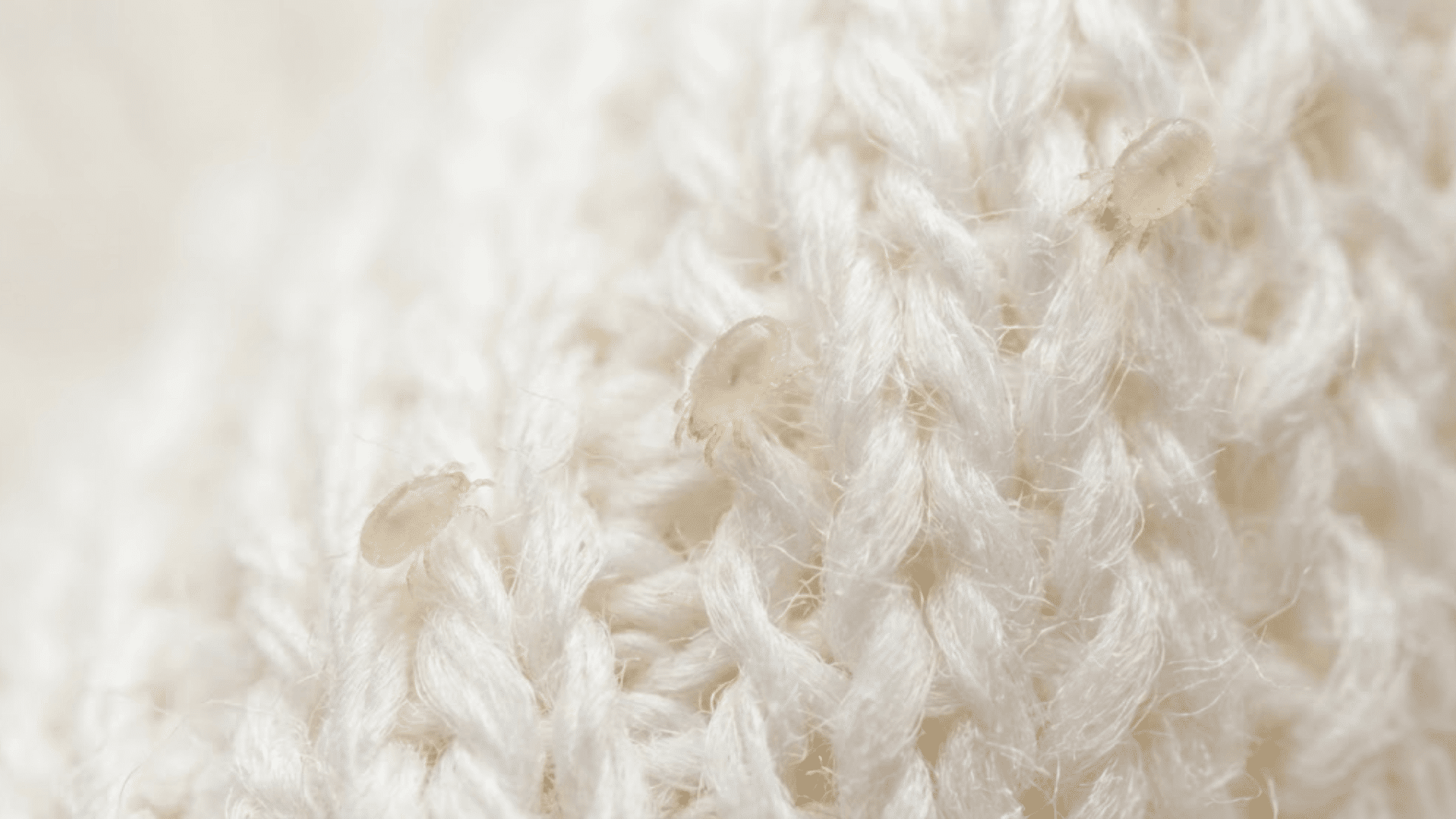
Size: 0.5 millimeters or smaller, nearly invisible to the naked eye
Appearance: Microscopic, translucent, or white, eight-legged arachnids
Most mites are too small to see without magnification, making them easy to rule out if you can clearly identify a bug. Dust mites and scabies mites cause itching and irritation but leave no visible bite marks, as bed bugs do.
Bird mites and rodent mites occasionally bite humans, creating red, itchy welts that mimic bed bug bites.
However, mite infestations stem from contact with birds, rodents, or contaminated materials rather than mattress infestations, giving you important context clues.
10. Weevils
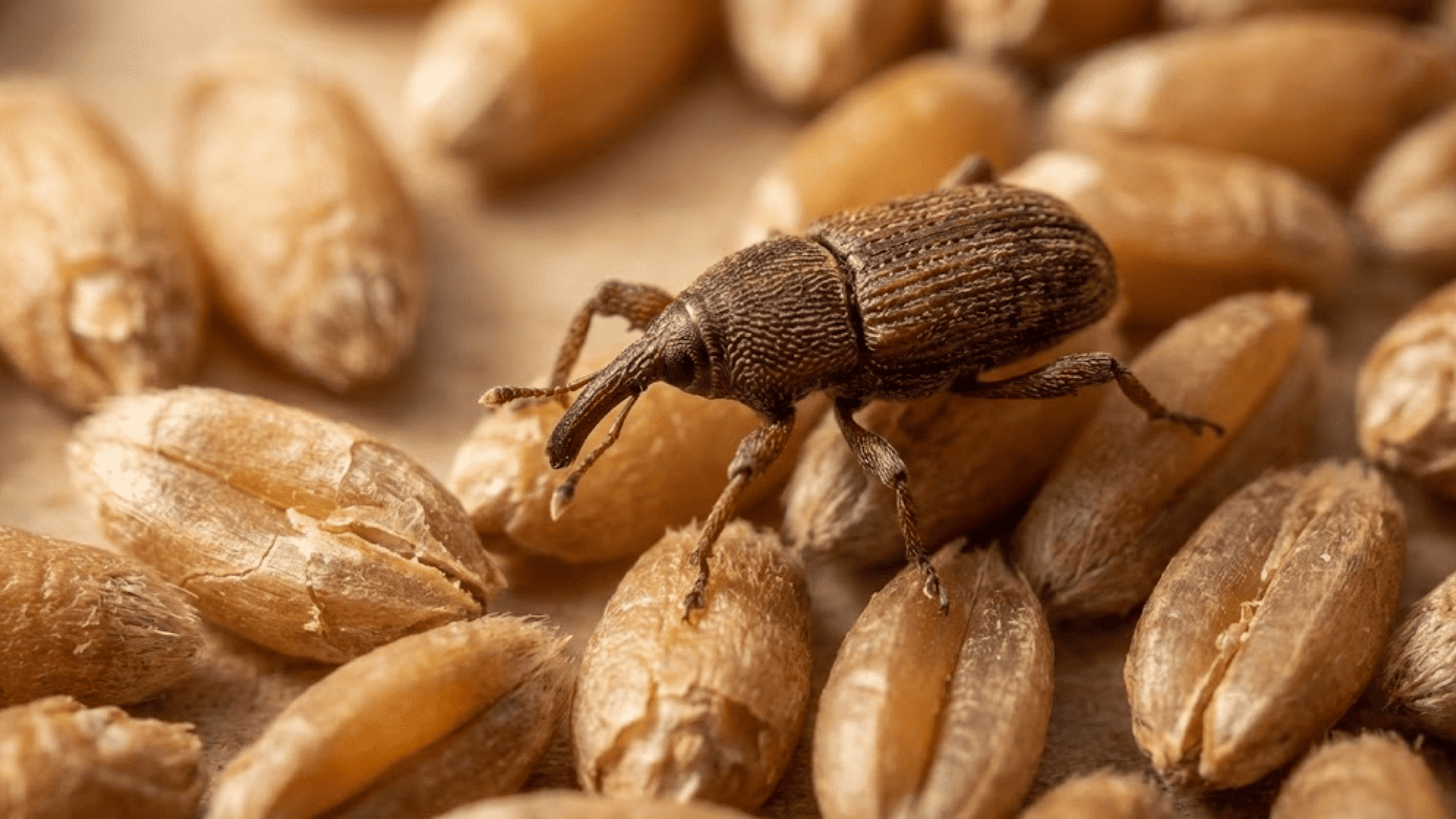
Size: 2 to 4 millimeters long
Appearance: Oval bodies with distinctive long snouts, brown or black coloring
Weevils have a signature elongated snout that makes them easy to distinguish from bed bugs once you look closely. These pantry pests infest grains, flour, and dried foods rather than bedding.
Their hard, beetle-like shells and slow, clumsy movements differ drastically from bed bugs’ flat bodies and deliberate crawling.
You’ll find weevils in your kitchen cabinets or food storage areas, never in bedroom furniture. Their snout alone is the dead giveaway that rules out any bed bug confusion.
11. Ants
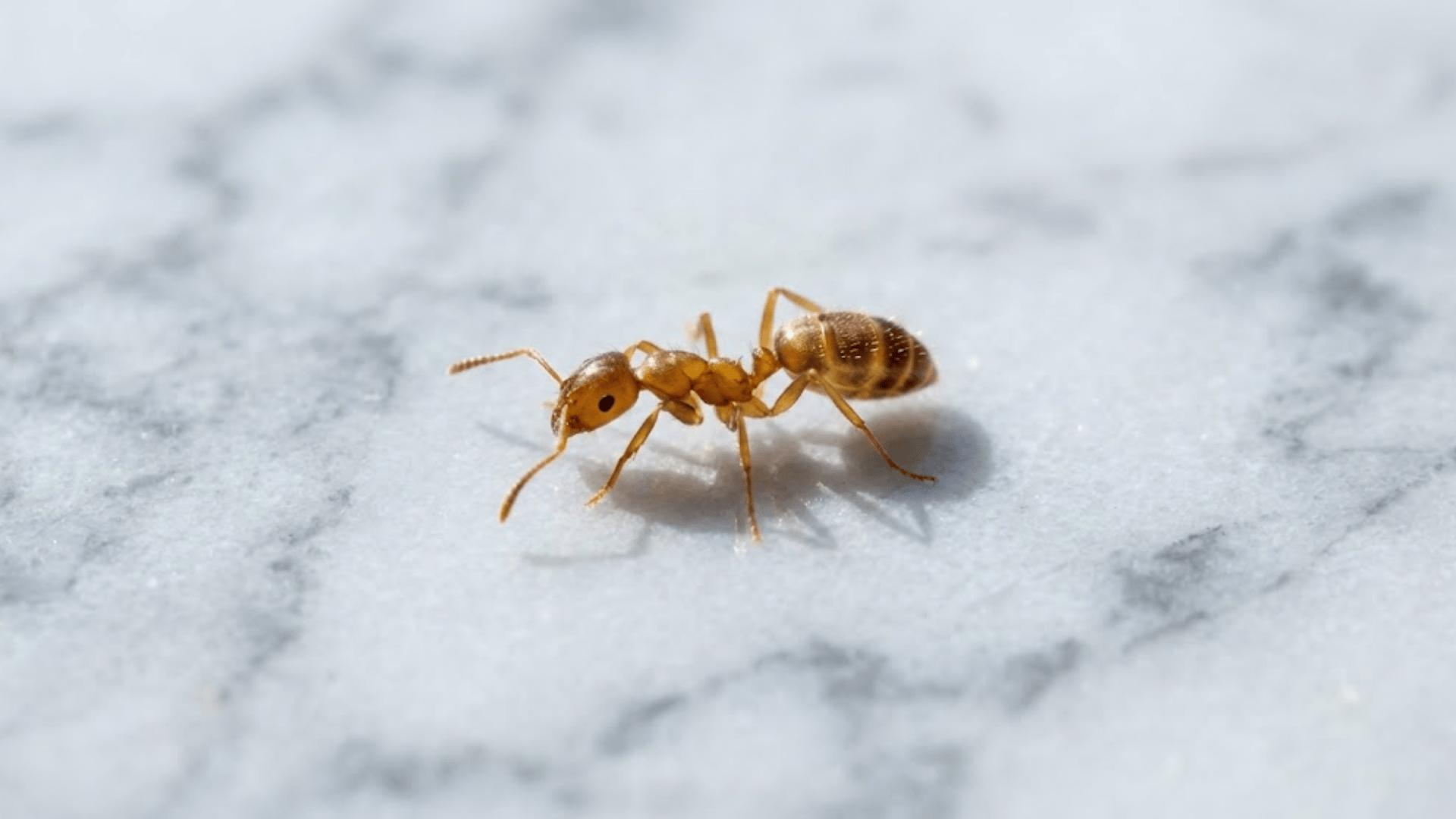
Size: 2 to 4 millimeters, depending on species
Appearance: Segmented bodies with narrow waists, elbowed antennae, and six legs
Pharaoh ants and other tiny species sometimes cause alarm because of their size and brown coloring. However, ants have distinctly segmented bodies with a pinched waist between thorax and abdomen that bed bugs lack.
They also move in trails and exhibit social behavior, while bed bugs are solitary travelers.
Ants have elbowed antennae that bend at sharp angles, and they don’t bite in patterns or feed on blood. If you see multiple bugs following each other, they’re definitely ants.
Bugs vs. Bed Bugs: Comparison Table
Still not sure what you found? This quick reference table breaks down the key differences between bed bugs and their most common lookalikes.
Compare size, color, typical hiding spots, and biting behavior to narrow down your identification and determine whether you need professional pest control or just a gentle escort outdoors.
| Bug Type | Key Difference from Bed Bugs | Location | Bites |
|---|---|---|---|
| Bed Bugs | 4–5 mm, flat oval, reddish-brown | Mattress seams, bedroom furniture | Clustered in lines on skin |
| Bat Bugs | Nearly identical – need magnification | Near bat roosts in attics | Rarely bites humans |
| Carpet Beetles | Patterned shells or fuzzy larvae | Carpets, closets | No bites – hair irritation |
| Spider Beetles | Round globe shape with long legs | Pantries, stored food | No bites |
| Booklice | Half the size, pale/translucent | Damp moldy areas | No bites |
| Cockroach Nymphs | Longer body, fast-moving | Kitchens, bathrooms | No bites |
| Fleas | Smaller, darker, jumps | On pets, carpets | Ankles and lower legs |
| Ticks | 8 legs, embedded in skin | Outdoors, on the body | Single embedded bite |
| Lice | Lives on scalp/body | Hair and clothing | Scalp itching |
| Mites | Microscopic, invisible | Throughout home | Itchy welts, no pattern |
| Weevils | Has a long snout | Kitchen cabinets | No bites |
| Ants | Pinched waist, trails in groups | Food sources | Single stings, not clusters |
What a Real Bed Bug Looks Like?
Adult bed bugs are about the size of an apple seed with flat, oval bodies that turn reddish-brown after feeding. They have six legs, short antennae, and no wings.
Nymphs look like miniature versions of adults but appear translucent or pale yellow until they feed, making them harder to spot. Their bodies darken as they mature through five growth stages.
Bed bug eggs are tiny white ovals, roughly the size of a pinhead, often found in clusters along mattress seams. Shed skins look like empty translucent shells and accumulate in hiding spots as nymphs grow.
Signs You Actually Have Bed Bugs
Identifying the bug itself is only half the battle. Real bed bug infestations leave behind telltale evidence that confirms their presence.
- Clustered bite marks that appear in lines or groups on exposed skin, often itchy and red
- Dark blood spots on sheets, pillowcases, or mattresses from crushed bugs after feeding
- Rusty stains along mattress seams, box springs, or bed frame joints from bug excrement
- Shed exoskeletons that look like translucent shells in hiding spots where bugs molt
- Sweet musty odor in severe infestations, described as similar to coriander or almonds
Finding even one or two of these signs warrants immediate inspection.
Bed bugs multiply quickly, and early detection makes treatment far more manageable and less expensive than waiting until the infestation spreads throughout your home.
What to Do If You’re Unsure What Bug You Found?
Don’t squash the bug. Carefully capture it in a sealed plastic bag or small container with a tight lid so you can get it properly identified.
Clear tape also works for preserving specimens without damaging their key features. Take well-lit photos from multiple angles before storing the bug in the freezer, which kills it while keeping it intact.
Contact a licensed pest control professional or your local extension office for expert identification. Many offer free inspections or photo-based analysis that takes the guesswork out of the equation.
Getting accurate identification matters because guessing wrong creates real problems.
Misidentifying harmless bugs leads to unnecessary treatments and wasted money, while mistaking bed bugs for something innocent gives them time to multiply into a serious infestation that costs far more to eliminate.
Common Bed Bug Identification Mistakes
Even careful observers make identification errors that lead to false alarms or delayed treatment.
Understanding these common mistakes helps you avoid jumping to conclusions and ensures you respond appropriately to whatever pest you’ve actually encountered.
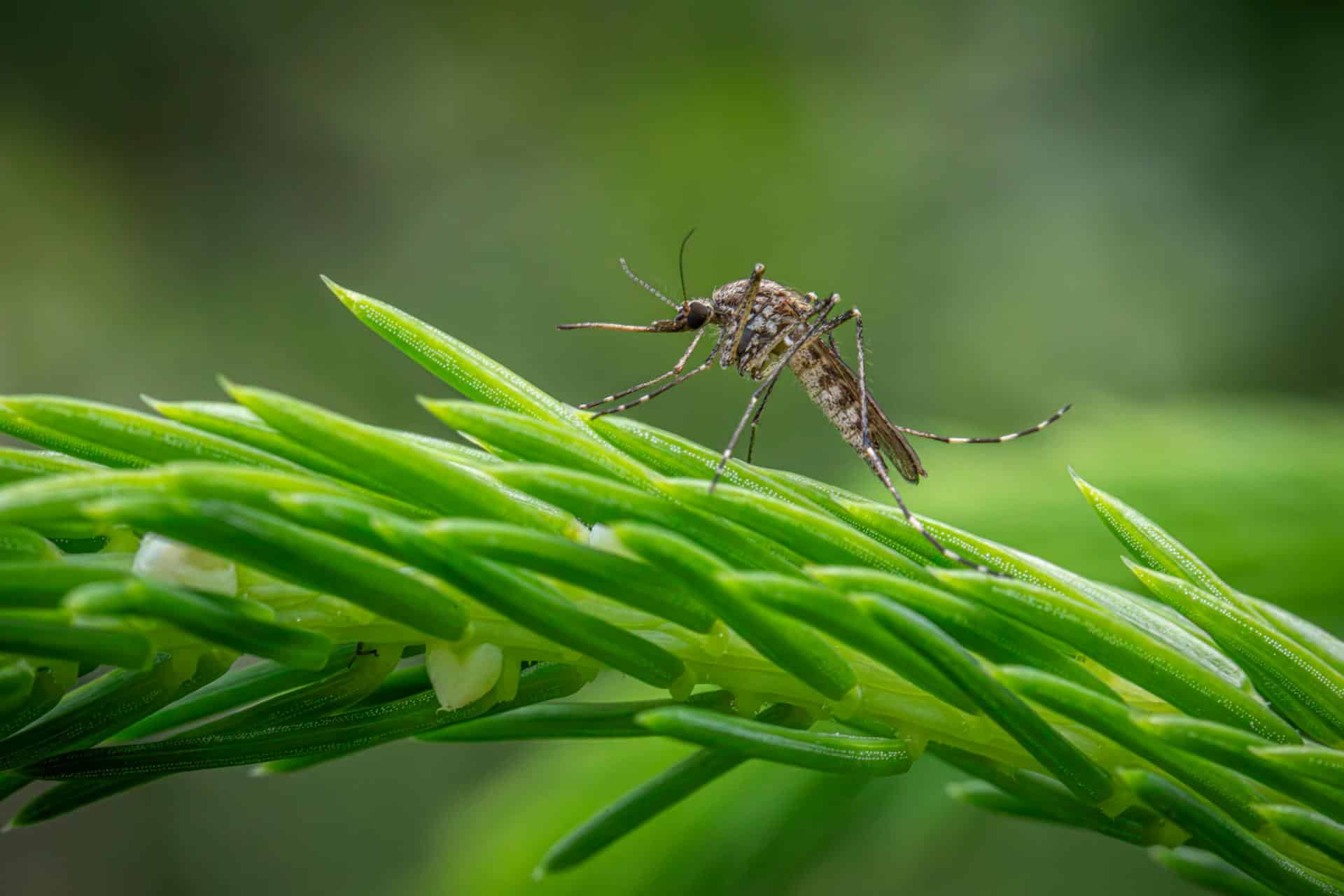
- Assuming any bite marks automatically mean bed bugs when mosquitoes, fleas, and skin conditions cause similar reactions.
- Ignoring where the bug was found since bed bugs stick near sleeping areas, not kitchens or bathrooms.
- Misjudging size by memory because bugs look different sizes depending on their feeding status and life stage.
- Overlooking behavior patterns like whether the bug jumps, flies, or moves in trails versus crawling solo.
- Relying on a single clue instead of looking for multiple signs like stains, shells, and live bugs together.
Proper identification requires examining several factors simultaneously rather than fixating on one characteristic. Take your time, gather evidence, and consult professionals when doubt remains.
That’s a Wrap
Most mistaken kinds of bed bugs turn out to be harmless household visitors that don’t require pest control at all.
Taking a moment to properly identify what you found saves you from unnecessary stress and wasted money on treatments you don’t need.
Look at the whole picture, including size, location, and behavior, before jumping to conclusions.
When doubt creeps in, capture the bug and get professional confirmation rather than guessing. Accurate identification makes all the difference between solving a minor nuisance and tackling a real infestation.
Have you dealt with a bed bug lookalike? Drop your story in the comments.




3 Responses
Excellent information!! Thank you!
I found a live bug in bed that does not look like a bed bug. it is all black..it looks like an ant. not a tiny ant. it’s plump.
I have had bed bugs lately. very few! there’s the pee stains. i’ve been bit around my handle and legs..not many bites but itchy!! I’ve washed and dried on very hot sheets and blankets. now tonight I find a lone all black ant “looking” alive bug. it’s not exactly looking like an ant.. I’m sleeping on the couch.