

You know that feeling when you finally prioritize what goes into your body, but never think twice about what it’s served on? Your beautiful dinnerware might be quietly leaching chemicals into every meal.
Lead-glazed ceramics, plastic compounds that break down over time, and questionable surface treatments can all harbor surprisingly toxic materials in conventional plates and bowls.
The good news? Creating a truly clean kitchen is easier than you think.
Ahead, we’ll cover safe material choices, trustworthy certifications to look for, reliable brands worth investing in, and simple care practices that keep your dinnerware both beautiful and genuinely non-toxic for years to come.
What Does “Non Toxic Dinnerware” Really Mean?
Non-toxic dinnerware means your plates and bowls are free of harmful substances like lead, cadmium, and BPA that can migrate into food.
While “lead-free” and “food-safe” sound reassuring, they’re not always what they seem.
The FDA sets action levels for lead in ceramics that allow trace amounts to leach into food, so their approval doesn’t guarantee zero toxins. Independent testing through labs or certifications offers stricter standards.
Watch out for vague claims like “natural” or “eco-friendly” without backing certifications. Many brands slap on feel-good labels without third-party verification.
True non-toxic dinnerware comes with transparent testing results and clear material disclosures you can actually trust.
Materials that are Safest for Non-Toxic Dinnerware
While some materials are naturally safer than others, the devil is often in the details: how they’re manufactured, what finishes are applied, and whether they’ve been properly tested.
Here’s a breakdown of the safest dinnerware materials, what makes them reliable, and what to watch out for before bringing them home.
| Material | Pros | Cons | What to Check |
|---|---|---|---|
| Ceramic & Porcelain | Non-porous, microwave safe, classic look | Vintage pieces may contain lead | Lead-free glaze certification, avoid hand-painted imports |
| Stoneware | Durable, chip-resistant, oven-safe | Quality depends on the glaze | Cadmium and lead-free certification |
| Glass (Tempered & Borosilicate) | Non-toxic, won’t leach chemicals, heat-resistant | Can break if dropped | Avoid lead crystal, choose tempered or borosilicate |
| Stainless Steel | Unbreakable, bacteria-resistant, kid-friendly | Not microwave safe | Food-grade 18/8 or 18/10 steel |
| Bamboo & Plant-Based | Biodegradable, lightweight | Often contains melamine or formaldehyde resins | 100% bamboo with no binders, never microwave |
Materials to Avoid in Dinnerware
Not all dinnerware is created equal, and some materials pose real risks to your health. Even if they look harmless or market themselves as safe, certain options can leach toxins into your food with regular use.
Here’s what to skip when building your non-toxic kitchen.
- Melamine: Releases formaldehyde when exposed to heat or acidic foods; never microwave or use with hot meals.
- Plastic Dinnerware: Contains BPA, phthalates, and other endocrine disruptors that leach over time, especially when heated or scratched.
- Poorly Glazed Ceramics: Decorative or vintage pieces with chipped, cracked, or unverified glazes can leach lead and cadmium into food.
- Imported Products Without Safety Disclosures: Lack proper testing and certifications; often contain hidden toxins in glazes, paints, or composite materials.
When in doubt, always ask for third-party testing results or certifications. If a brand can’t provide transparency about its materials and safety standards, it’s a red flag worth heeding.
15 Best Non-Toxic Dinnerware Brands
Finding dinnerware that’s both beautiful and safe shouldn’t feel like detective work. These brands prioritize transparency, rigorous testing, and non-toxic materials, so you can serve meals with confidence.
Minimalist modern designs and rustic handcrafted pieces are both represented here, with certified lead-free options for every style and budget.
1. Corelle

Country of Manufacture: USA
Pricing: $$ (Budget-friendly)
Color Options: White, patterns, solid colors
Corelle’s signature Vitrelle glass is triple-layered tempered glass that’s virtually unbreakable and completely non-toxic. No lead, no cadmium, no worries. It’s lightweight, chip-resistant, and dishwasher safe.
Perfect for families who want durability without compromising safety. Their classic white sets have been kitchen staples for decades, and newer collections offer modern patterns and colors.
2. East Fork Pottery
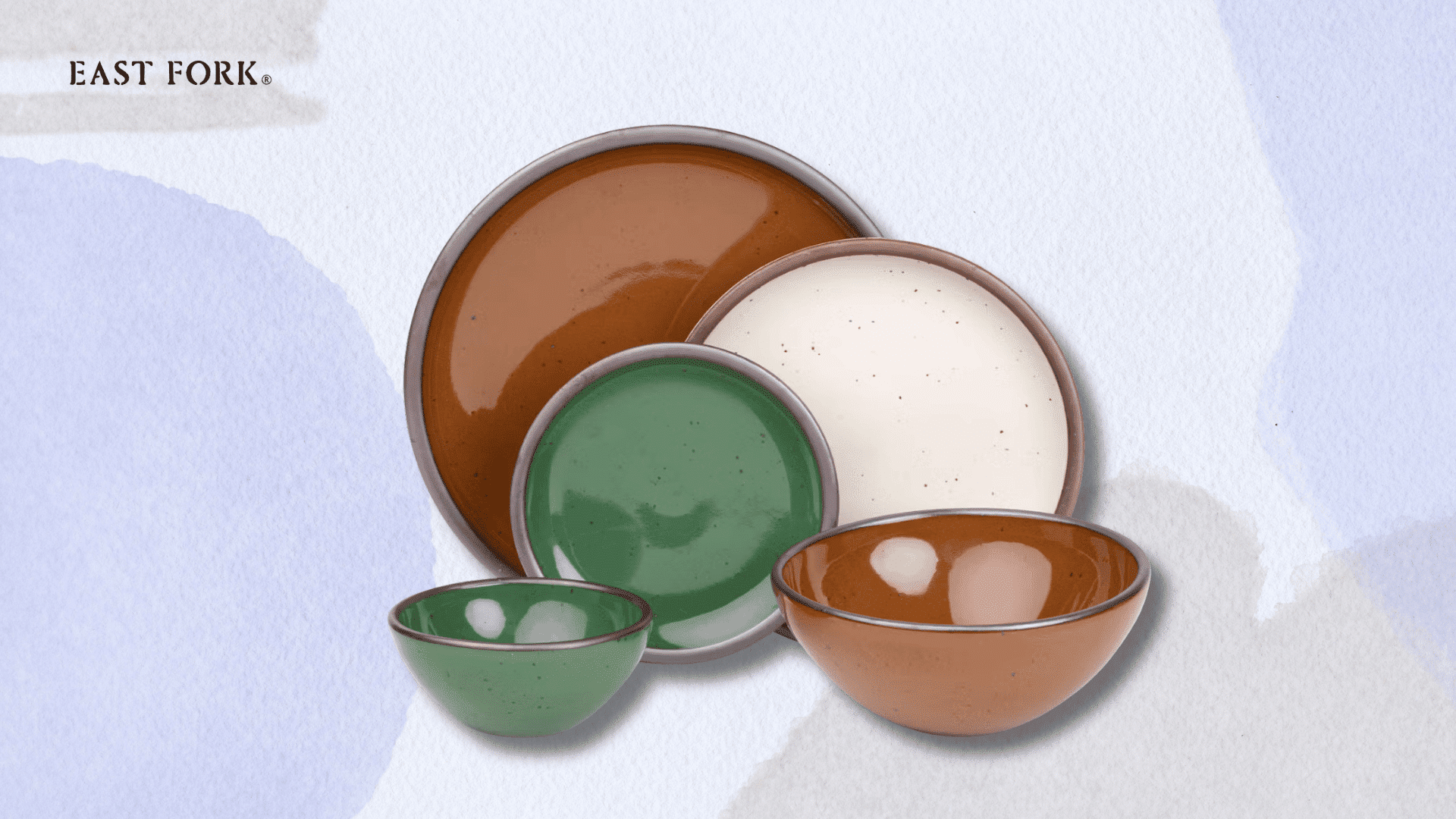
Country of Manufacture: USA (North Carolina)
Pricing: $$$ (Mid-range)
Color Options: Earthy neutrals, seasonal glazes
Handcrafted stoneware made with lead-free glazes and fired at high temperatures for maximum durability. East Fork is transparent about their materials and testing, making them a trusted choice for non-toxic dining.
Their pieces have a rustic, artisanal feel with slightly irregular edges that add character. Best for those who appreciate handmade ceramics with verified safety standards.
3. Fable
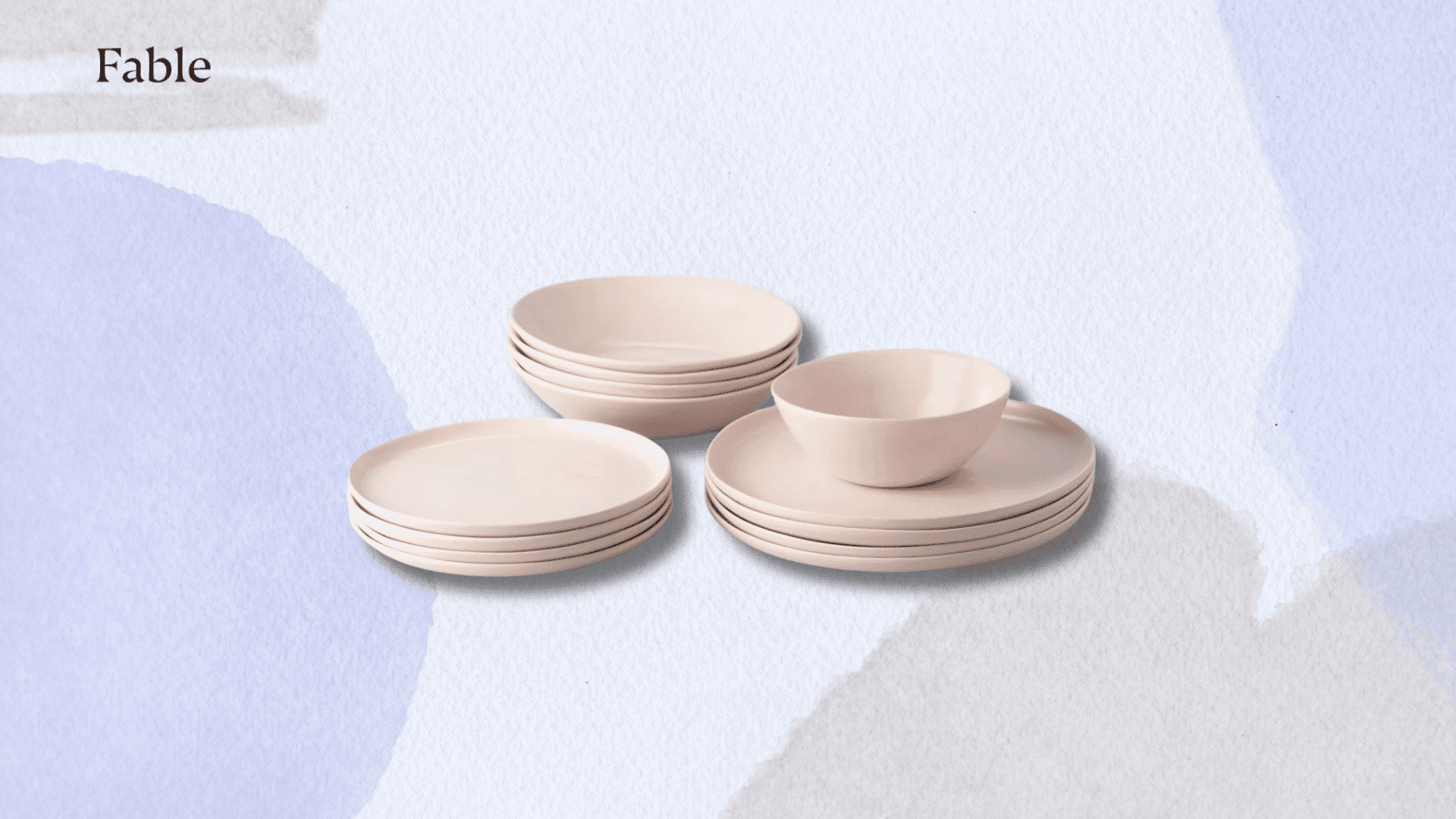
Country of Manufacture: Portugal
Pricing: $$$ (Mid-range)
Color Options: Soft pastels, neutrals
Fable’s porcelain dinnerware is lead-free, cadmium-free, and food-safe certified. Each piece is crafted in Portugal using traditional techniques with modern safety standards.
The minimalist aesthetic works beautifully in contemporary kitchens. Their glazes are non-toxic and tested to ensure no harmful leaching, making them safe for everyday use with hot or acidic foods.
4. Heath Ceramics
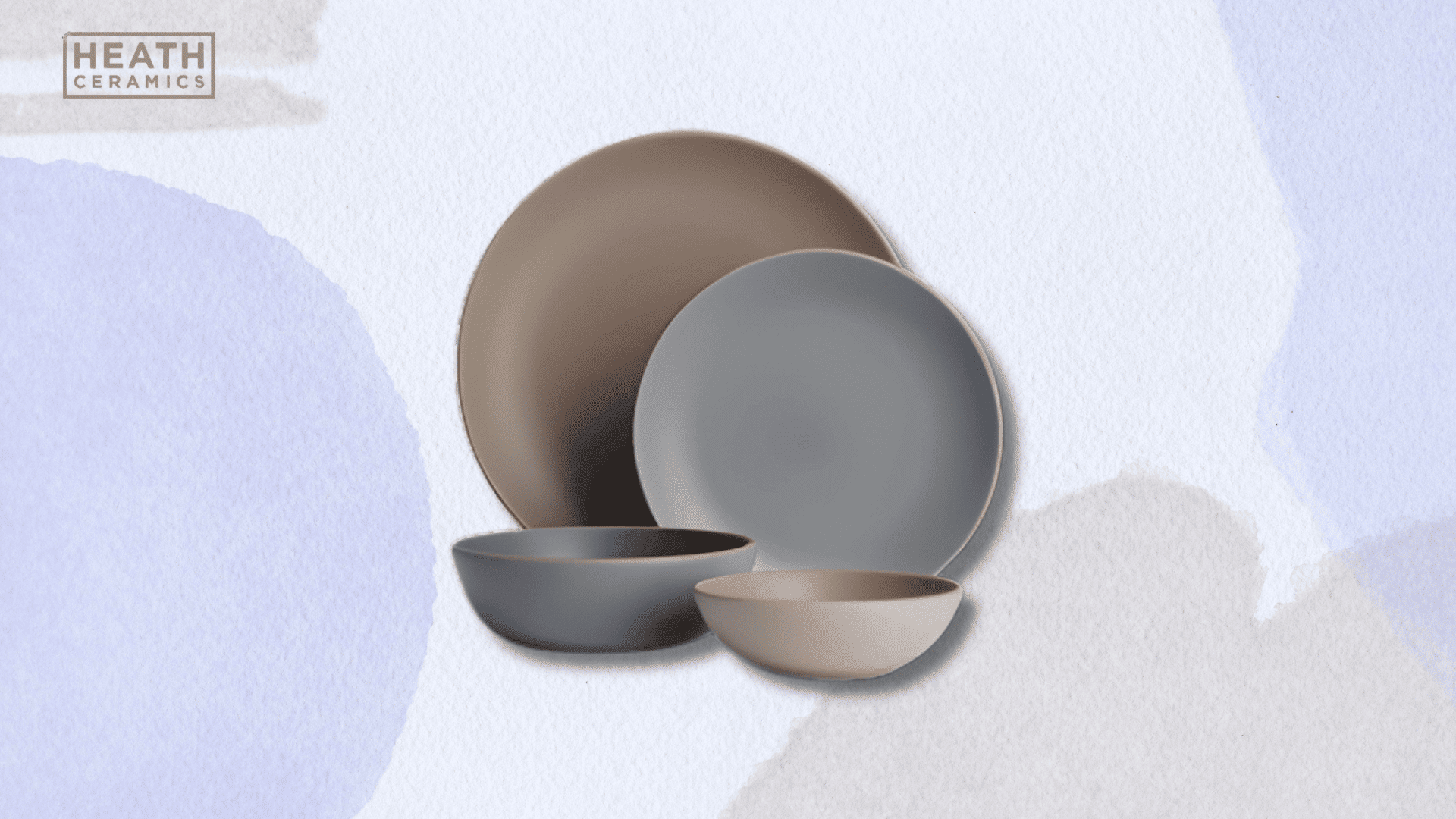
Country of Manufacture: USA (California)
Pricing: $$$$ (Premium)
Color Options: Wide range, including custom colors
Iconic California-made stoneware with lead-free glazes and a commitment to sustainability. Heath has been producing safe, high-quality ceramics since 1948. Their pieces are handcrafted, dishwasher safe, and built to last generations.
Best for design enthusiasts who want heirloom-quality dinnerware with complete transparency about materials and manufacturing processes.
5. Made in Cookware
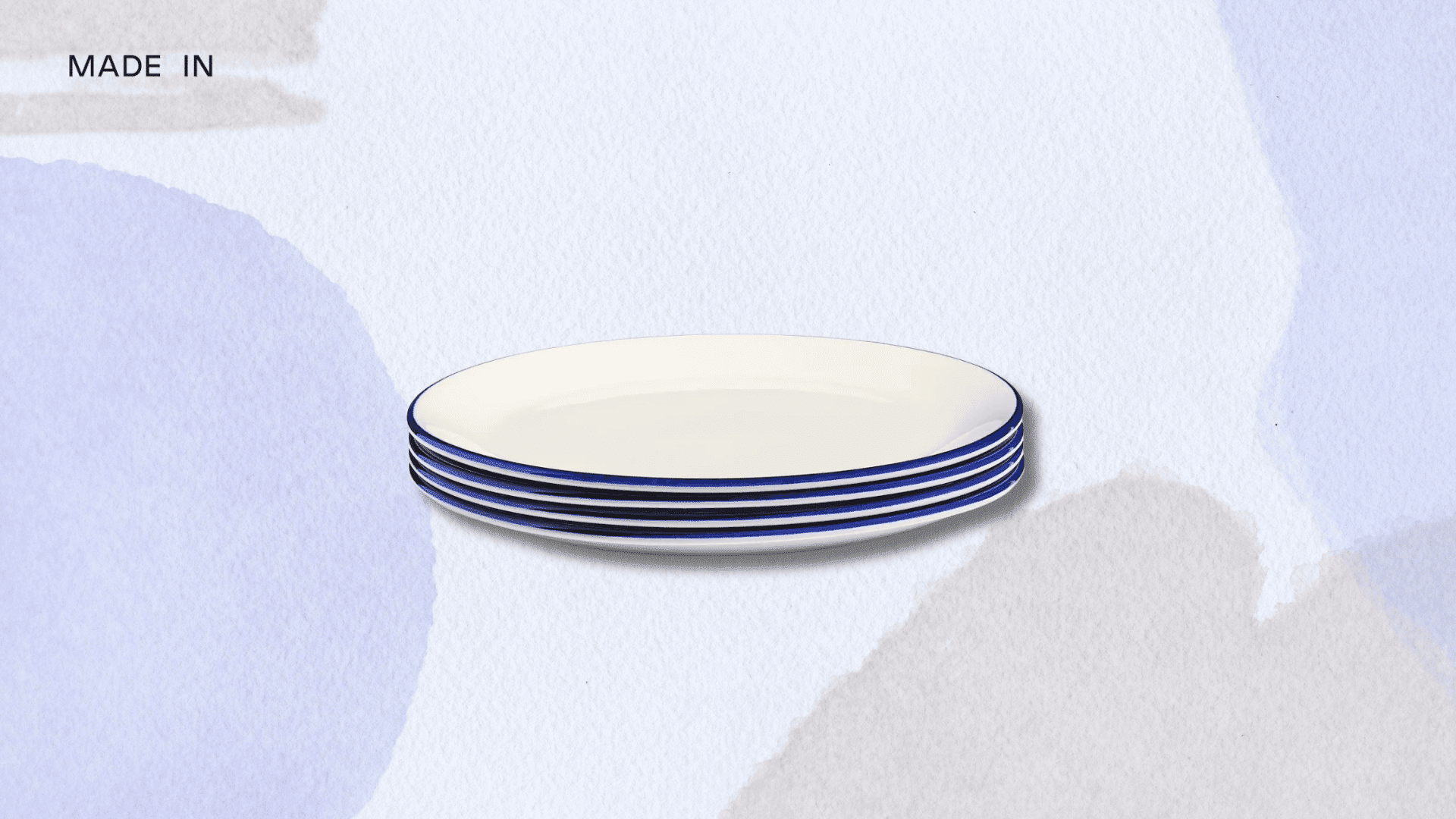
Country of Manufacture: Portugal
Pricing: $$ (Affordable)
Color Options: Classic white
Restaurant-quality porcelain that’s lead-free, cadmium-free, and fired at extremely high temperatures for durability. Made In partners with European manufacturers known for their rigorous safety standards.
The clean white finish is classic and versatile. Perfect for everyday dining and special occasions alike, with the durability to handle commercial dishwashers.
6. Lenox
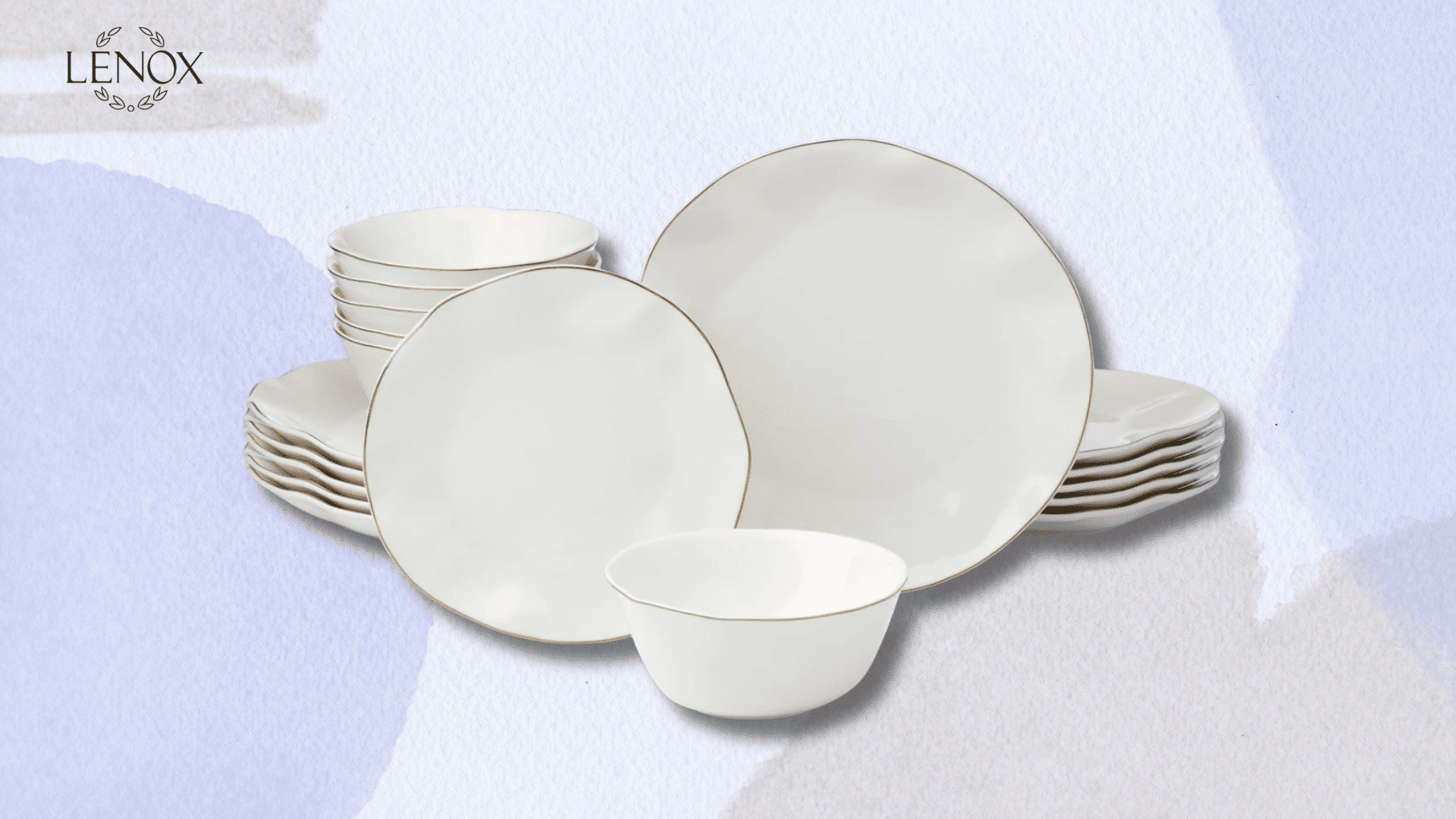
Country of Manufacture: USA
Pricing: $$$ (Mid to high)
Color Options: White, ivory, patterns
Lenox offers lead-free collections clearly marked on their website and packaging. Their bone china and porcelain lines meet FDA standards for food safety. Classic American craftsmanship with a refined aesthetic.
Best for formal dining and gift-giving. Always verify the specific collection is lead-free, as vintage Lenox may contain lead in decorative details.
7. Fiesta Dinnerware
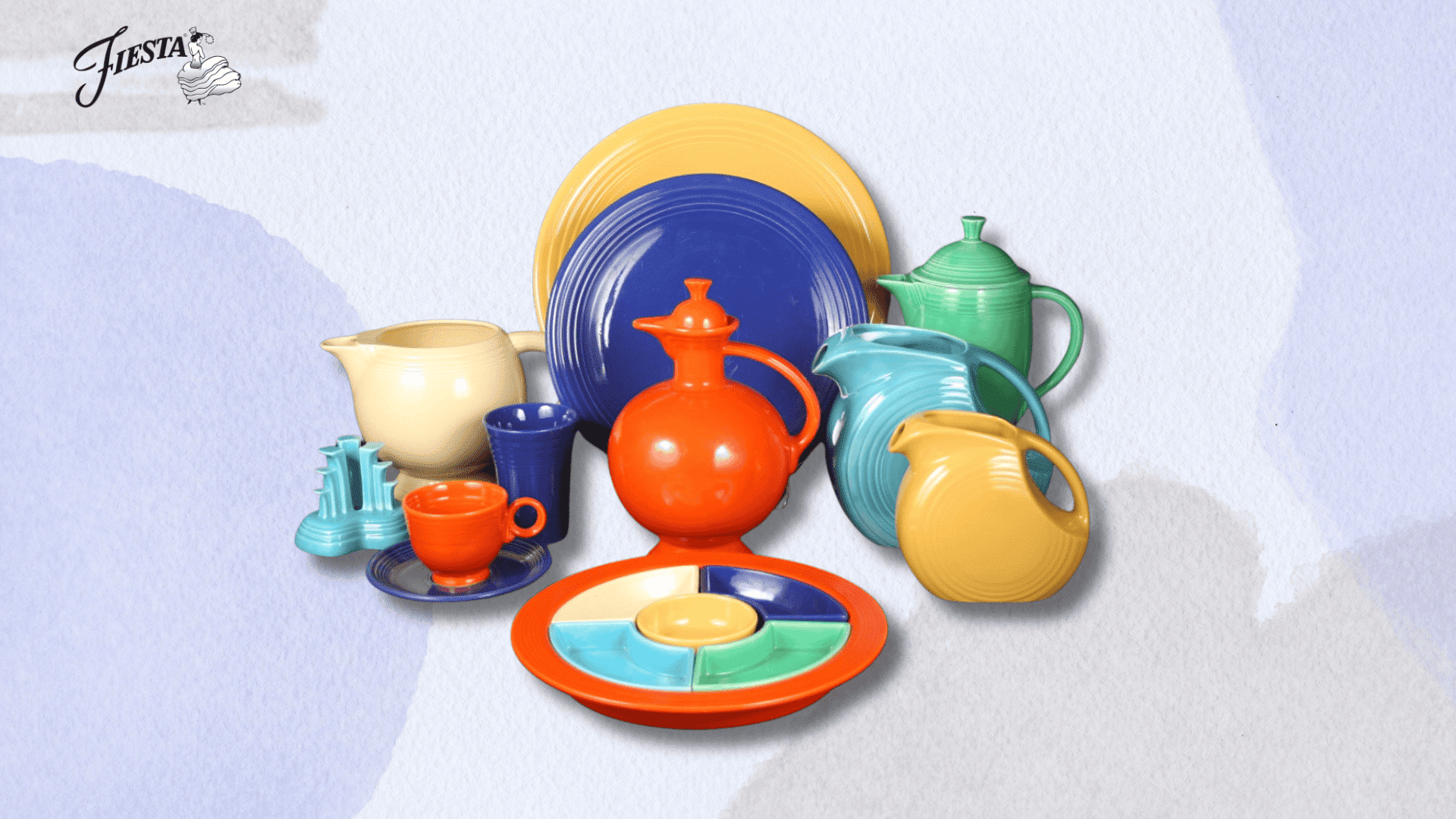
Country of Manufacture: USA (West Virginia)
Pricing: $$ (Budget-friendly)
Color Options: Rainbow of vibrant hues
Fiesta eliminated lead from its glazes in 1986 and remains committed to lead-free production. Their colorful, durable stoneware is an American classic.
Each piece is tested to meet California Prop 65 standards. Microwave, oven, and dishwasher safe. Best for families who want cheerful, reliable dinnerware that’s been safety-tested and made in the USA.
8. Mora Ceramics
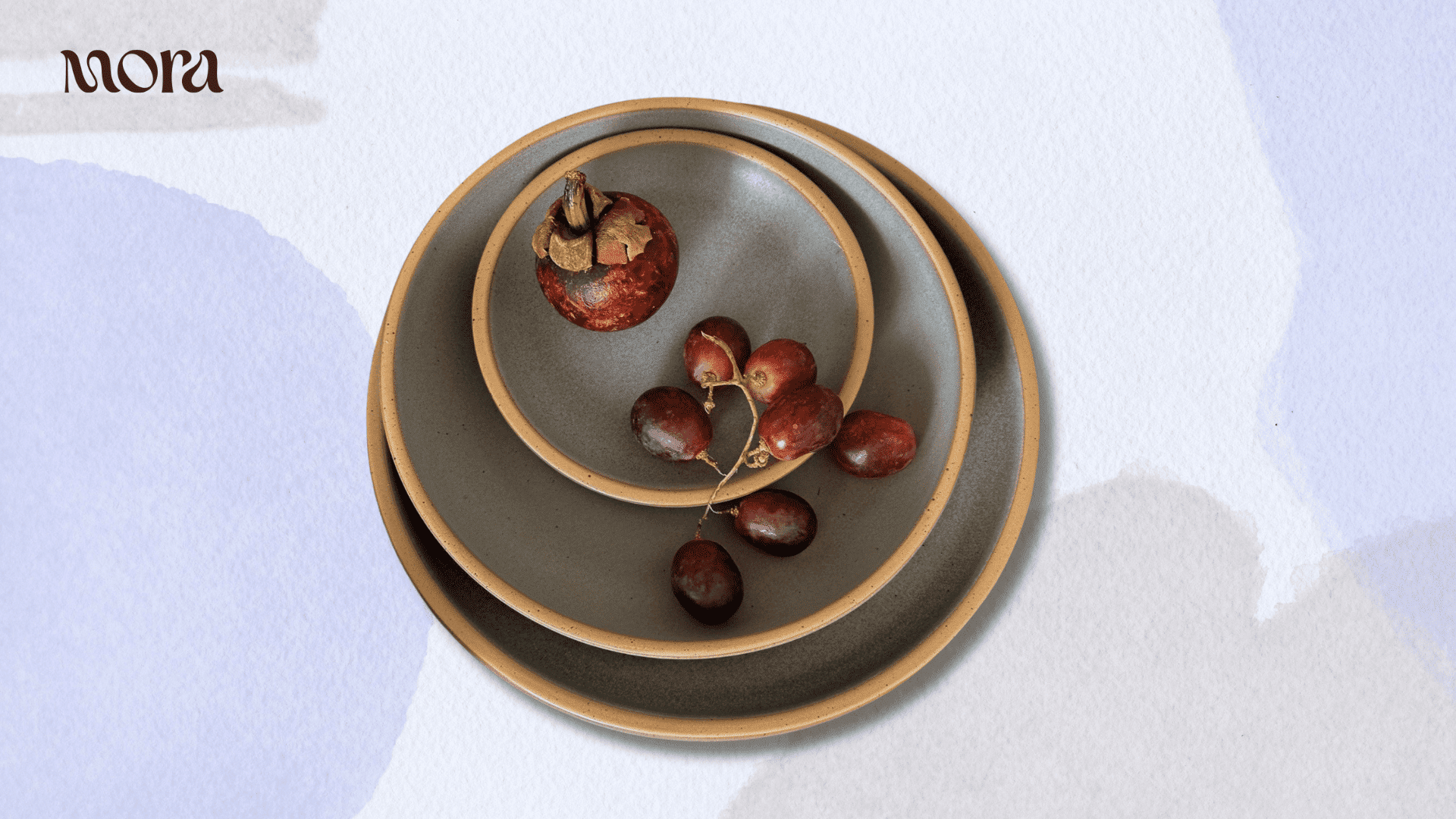
Country of Manufacture: Portugal
Pricing: $$ (Affordable)
Color Options: Neutrals, pastels, bold colors
Handmade stoneware with lead-free, cadmium-free glazes and third-party testing for safety. Mora prioritizes transparency and provides certifications on request.
Their pieces have a handcrafted look with slight variations that add charm. Best for eco-conscious buyers seeking European craftsmanship at accessible prices. Dishwasher and microwave safe for everyday convenience.
9. Crate & Barrel
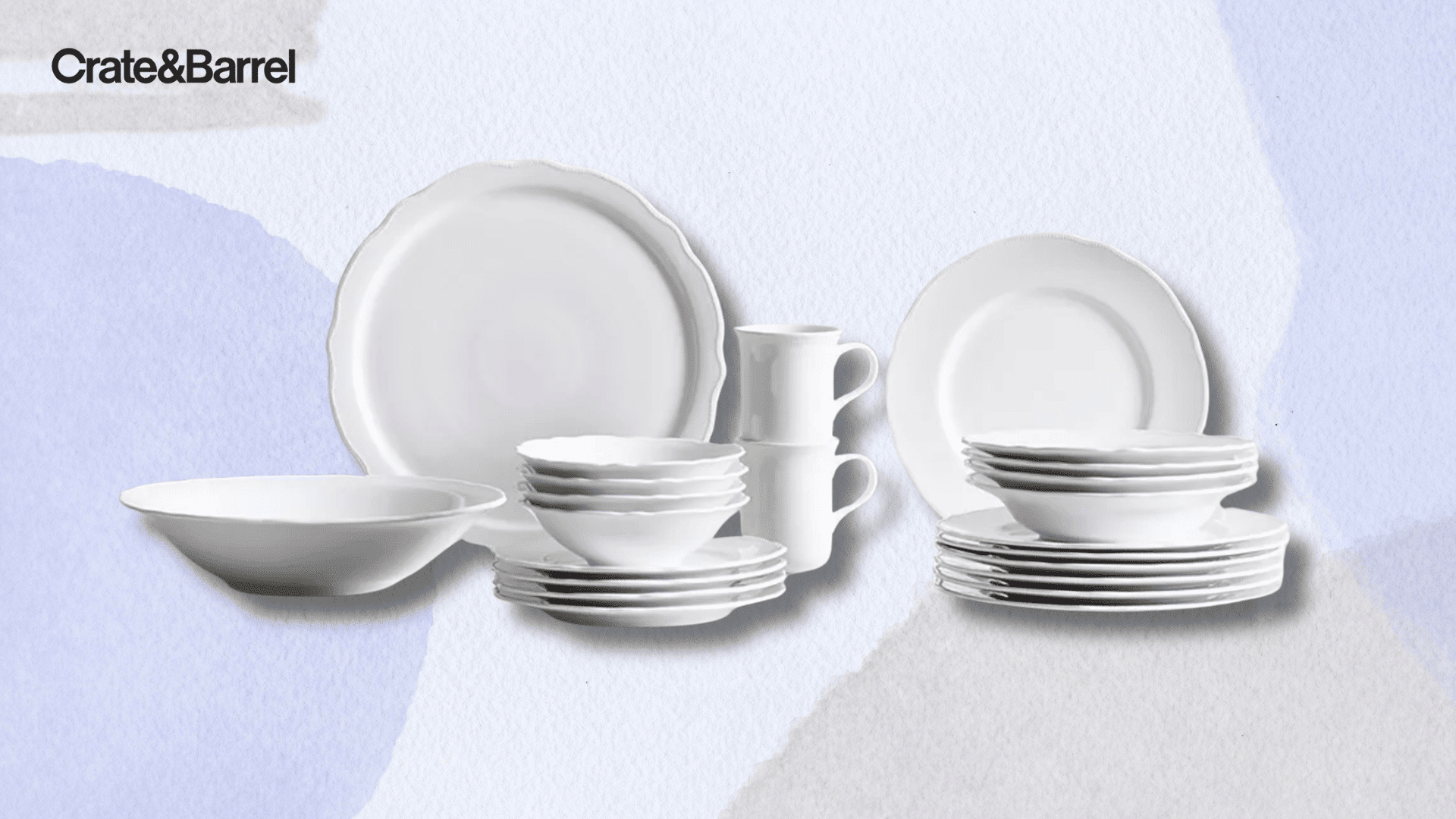
Country of Manufacture: Various (Portugal, Thailand, China, with testing)
Pricing: $$ to $$$ (Mid-range)
Color Options: Wide variety
Crate & Barrel’s certified lead-free collections are clearly labeled and meet strict safety standards. They work with international manufacturers who comply with FDA and Prop 65 requirements.
Best for those who want stylish, accessible dinnerware with safety guarantees. Always look for the lead-free certification on product pages or packaging before purchasing.
10. IKEA
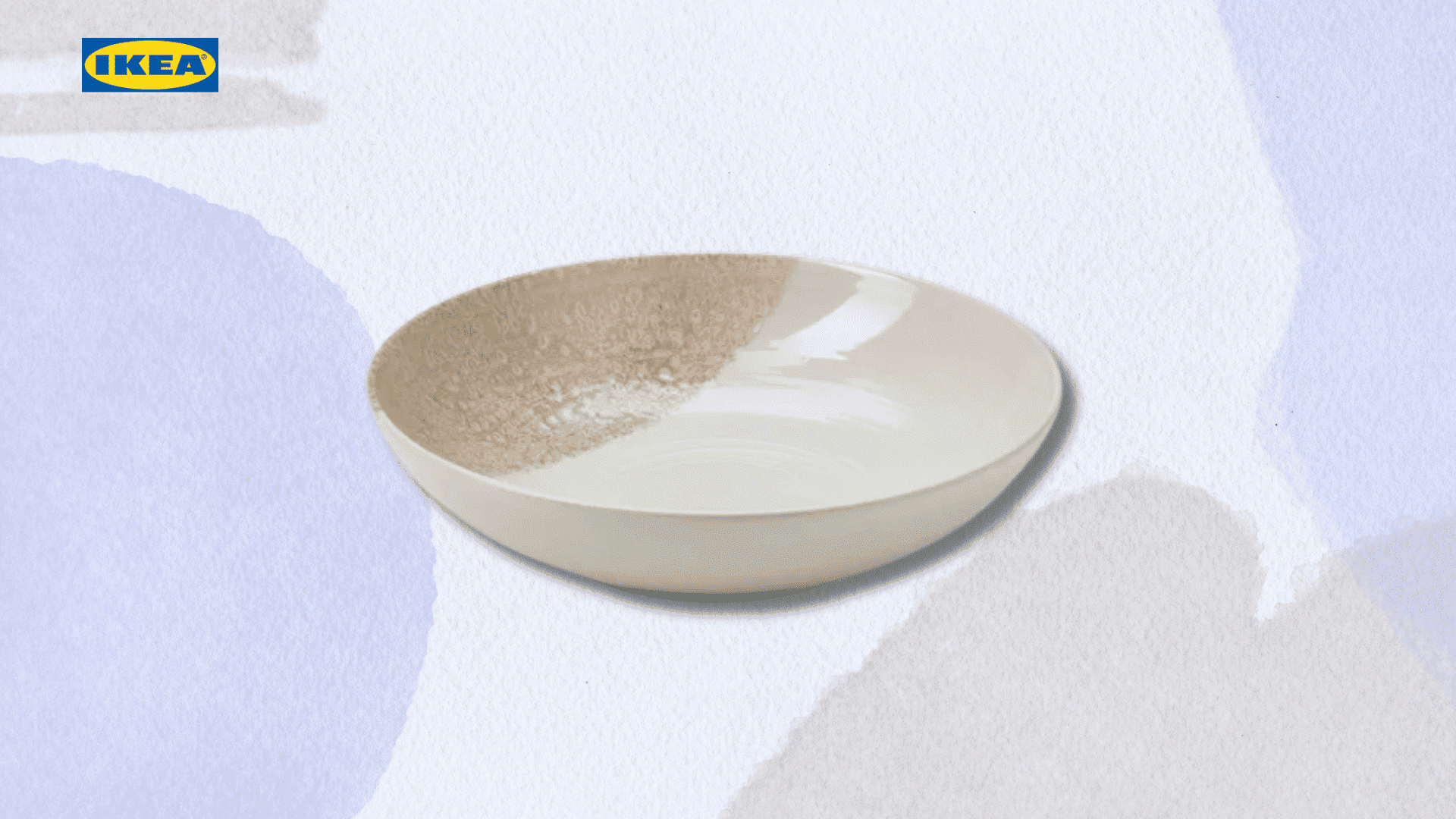
Country of Manufacture: Various (Europe, Asia, with testing)
Pricing: $ (Budget)
Color Options: White, neutrals, patterns
IKEA’s food-contact products meet strict EU and US safety regulations. Their simple white stoneware and porcelain lines are tested for lead and cadmium.
Best for minimalist aesthetics on a tight budget. While affordable, their verified safe collections don’t compromise on food safety. Stick to clearly labeled food-safe products and avoid decorative-only items.
11. Jono Pandolfi
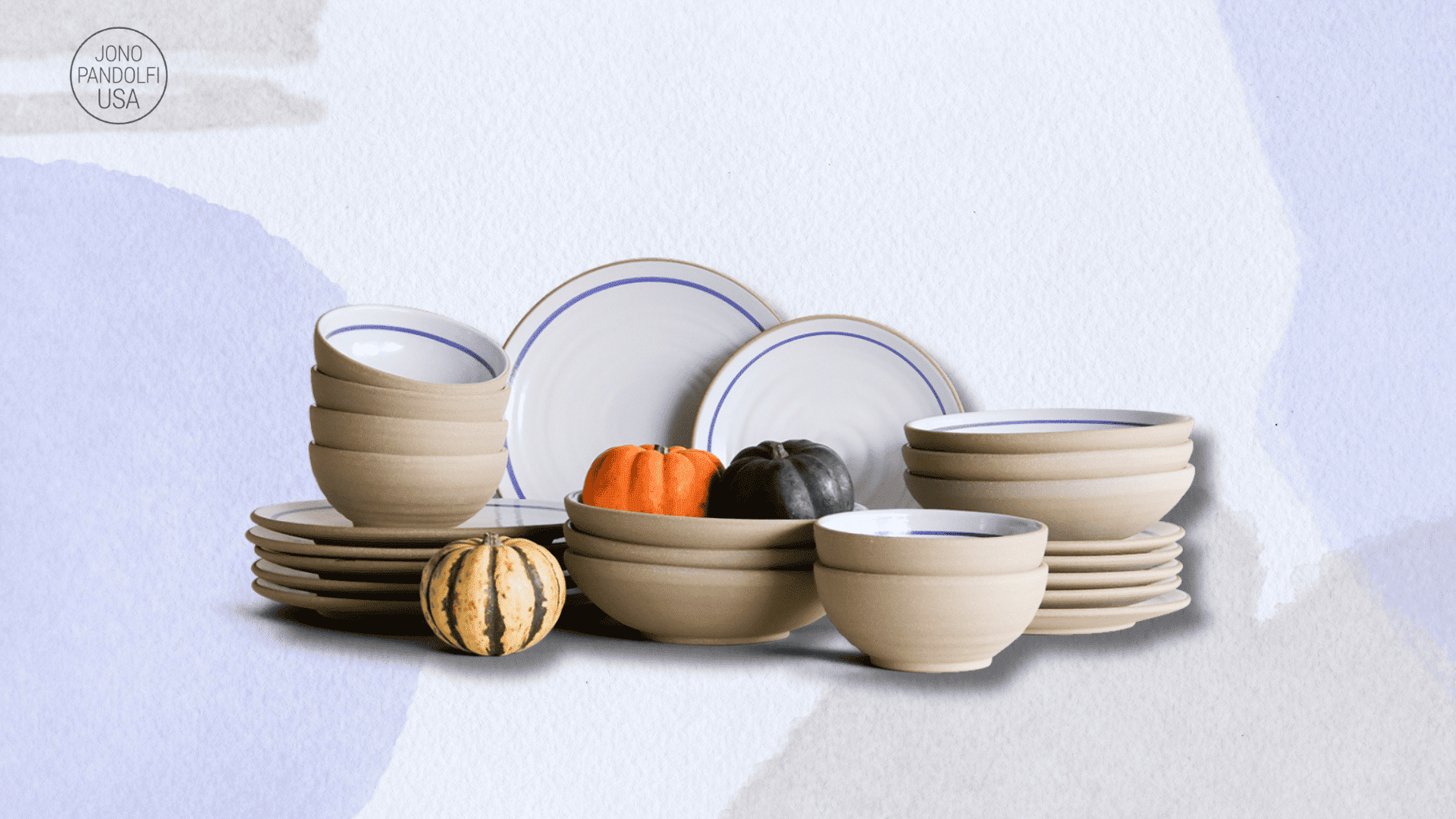
Country of Manufacture: USA (New Jersey)
Pricing: $$$$ (Premium)
Color Options: Custom glazes, neutrals
Restaurant-quality ceramics handcrafted with lead-free glazes and fired to commercial durability standards. Jono Pandolfi supplies top restaurants and prioritizes both aesthetics and safety.
Each piece is made in small batches with rigorous quality control. Best for serious home cooks and design lovers who want investment pieces that perform like professional dinnerware.
12. Xtrema
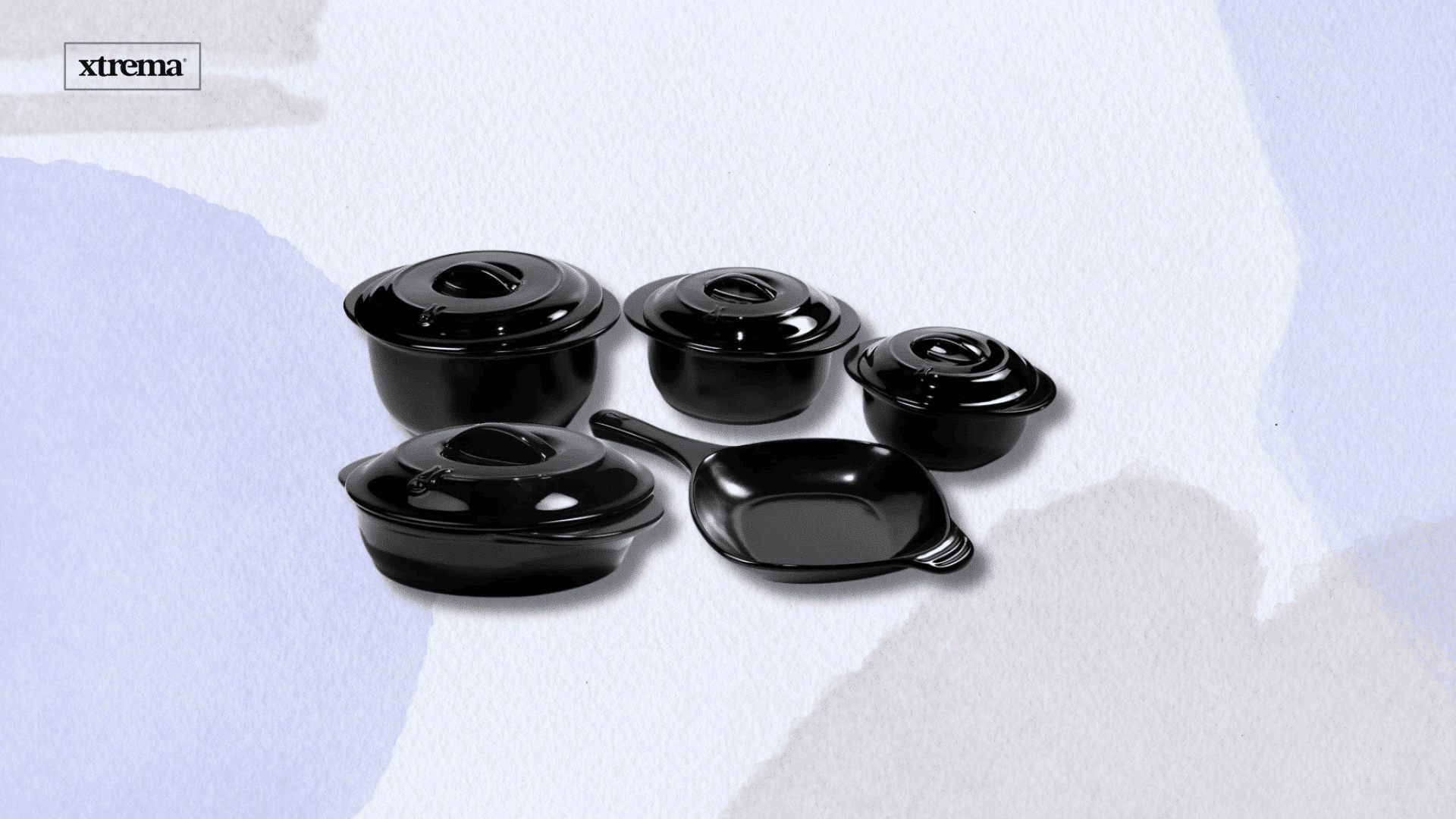
Country of Manufacture: China (with US safety testing)
Pricing: $$$ (Mid-range)
Color Options: Neutrals, earth tones
Pure ceramic with absolutely no glazes, lead, cadmium, or PTFE. Xtrema is tested by third-party labs and meets FDA standards. Their cookware and dinnerware can go from freezer to oven safely.
Best for those with chemical sensitivities or anyone seeking the cleanest possible option. Slightly heavier than typical dinnerware but incredibly durable.
13. Our Place
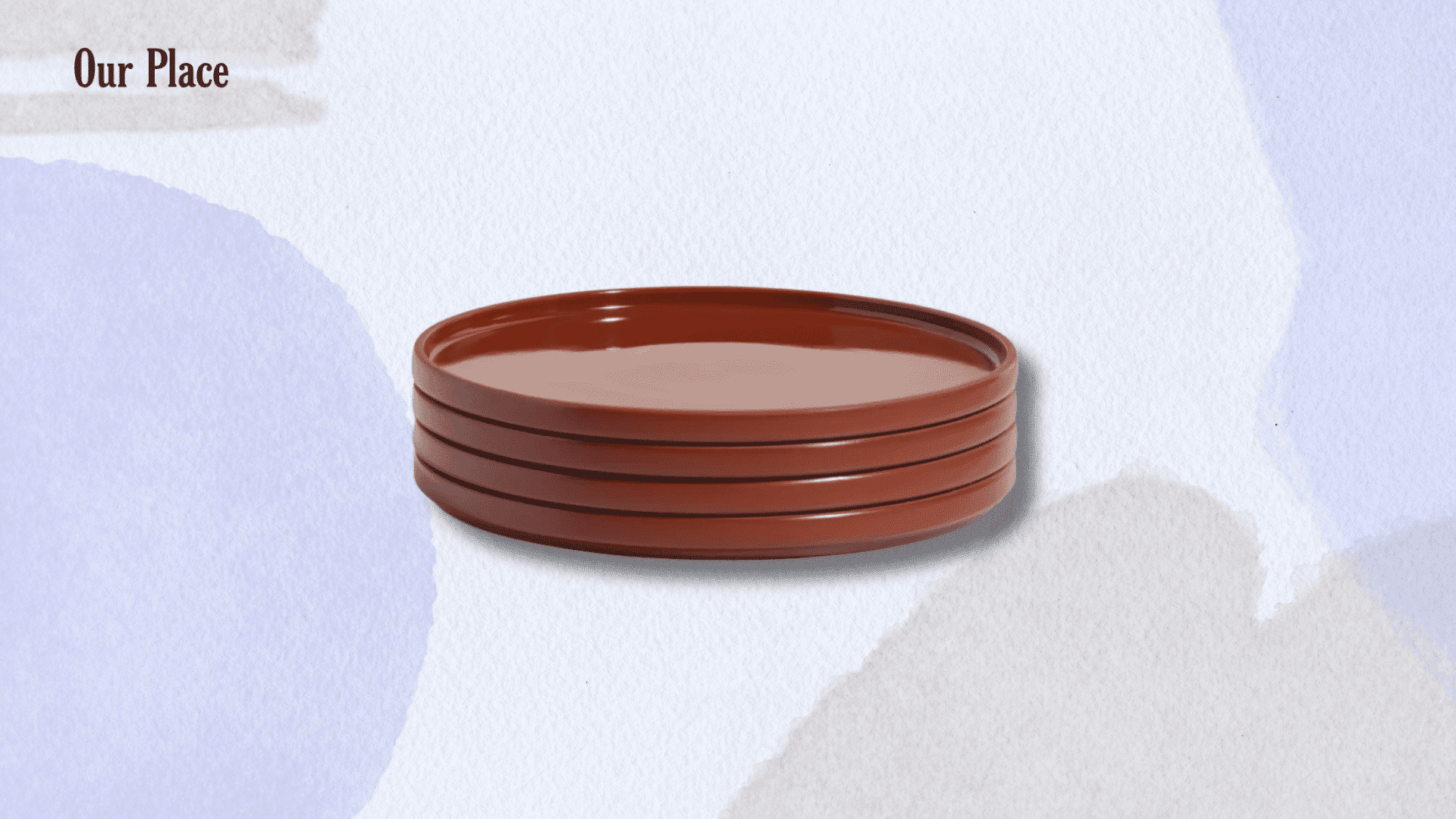
Country of Manufacture: Portugal
Pricing: $$$ (Mid-range)
Color Options: Trendy hues, neutrals
Lead-free, cadmium-free stoneware designed for modern lifestyles. Our Place provides transparency about materials and testing. Their pieces coordinate with their popular cookware for a cohesive kitchen aesthetic.
Best for style-conscious buyers who want Instagram-worthy dinnerware that’s actually safe. Dishwasher and microwave safe for everyday convenience.
14. Year & Day
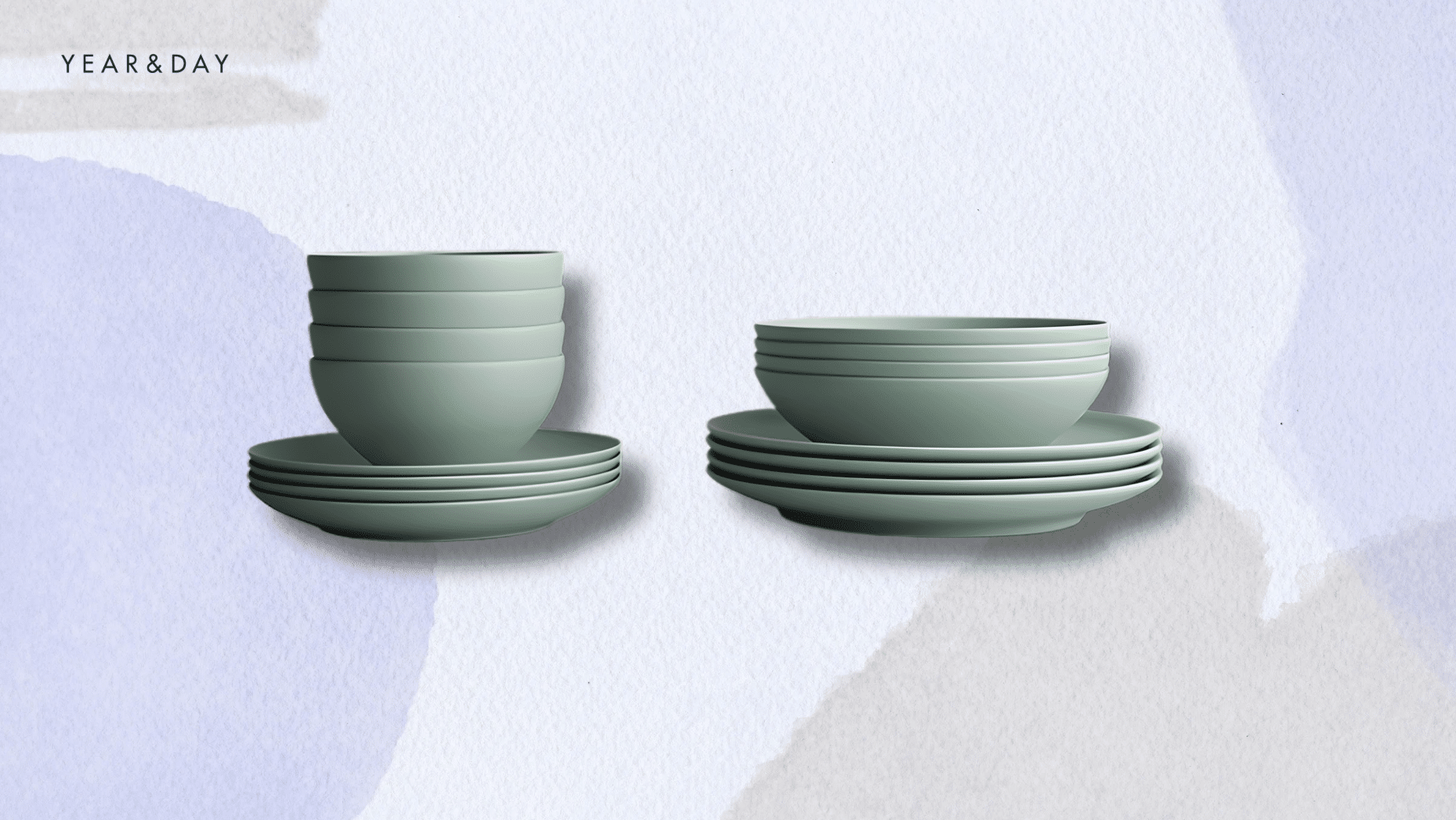
Country of Manufacture: Portugal
Pricing: $$ (Affordable)
Color Options: Pastels, neutrals, bold colors
Direct-to-consumer porcelain that’s lead-free, dishwasher safe, and beautifully designed. Year & Day cuts out retail markups to offer Portuguese-made quality at accessible prices.
Their mix-and-match color system makes building a collection easy. Best for millennials and young families wanting safe, stylish dinnerware without the premium price tag.
15. Emile Henry
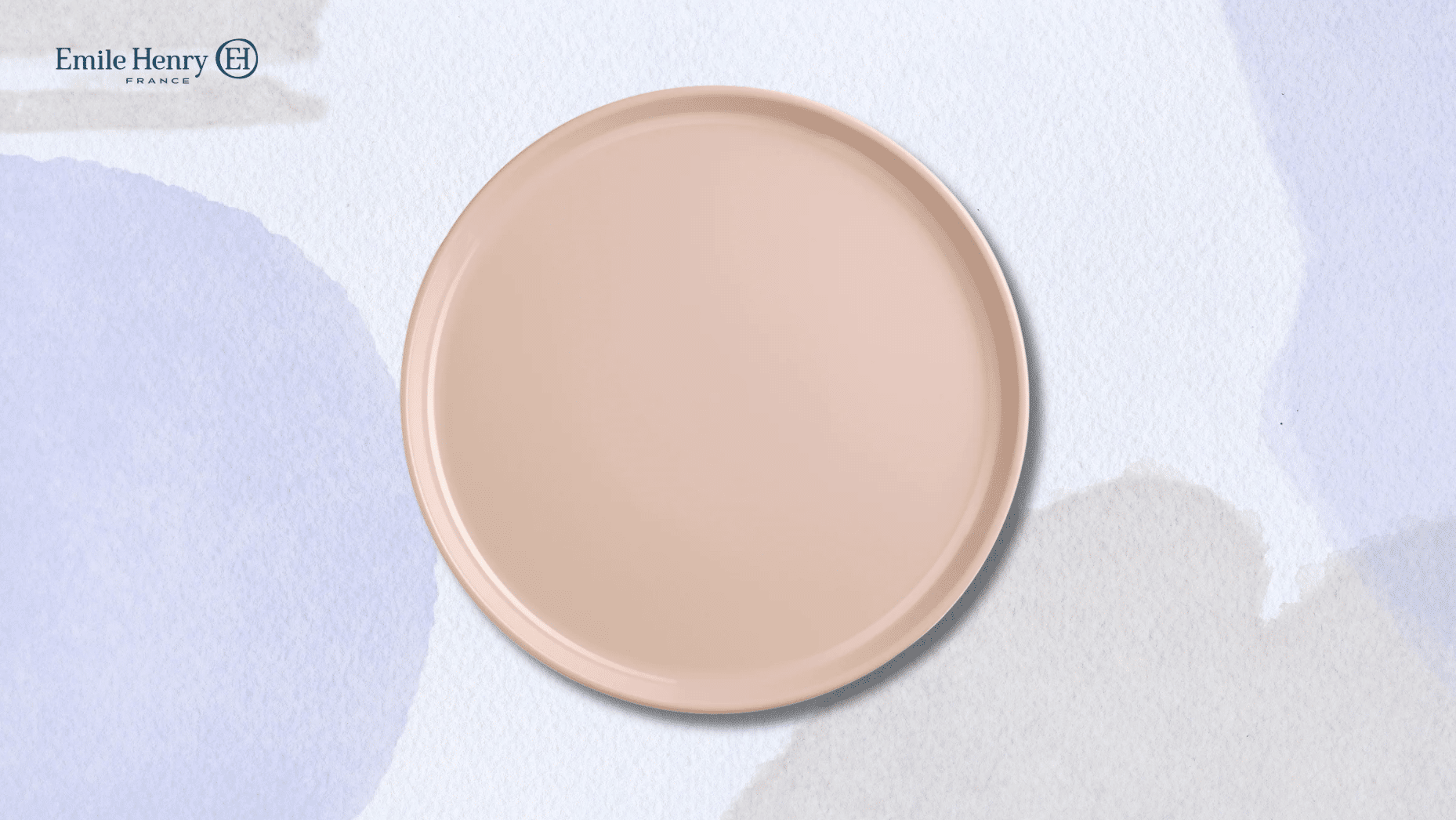
Country of Manufacture: France
Pricing: $$$$ (Premium)
Color Options: Rich, deep glazes
French-made ceramics with lead-free glazes and a 10-year warranty. Emile Henry specializes in high-fired Burgundy clay that’s naturally resistant to chips and thermal shock. Their dinnerware is oven, microwave, and dishwasher safe.
Best for serious home cooks who want European craftsmanship and heirloom quality. The investment pays off in durability and classic style.
How to Tell If Dinnerware is Truly Lead-Free?
Labels like “lead-free” and “food-safe” get tossed around freely, but not all claims hold up under scrutiny. Learning to spot genuine certifications and red flags can save you from bringing toxic dinnerware into your home.
Here’s how to verify safety before you buy.
| Verification Method | What to Look For | Reliability |
|---|---|---|
| Certifications & Labels | Prop 65 compliant, FDA-approved glazes, NSF certified, third-party lab seals | High |
| Manufacturer Disclosures | Published test results, transparent material lists, and clear contact information | Medium |
| Independent Lab Testing | Accredited lab testing for leachable lead; home kits offer quick screening only | Lab: Very high; Home kits: Low |
| Red Flags When Shopping | No certifications, “decorative only” labels, suspiciously low prices, and vintage pieces without proof | High risk |
Is “Lead-Free” Enough? Other Toxins to Watch For
Lead-free certification is a great start, but it doesn’t tell the whole story. Dinnerware can still harbor other harmful chemicals that leach into food over time.
Cadmium in glazes, PFAS in coatings, BPA in composite materials, and metallic trims can all pose health risks.
A truly non-toxic kitchen means looking beyond just lead and asking questions about what else might be lurking in your plates.
- Cadmium: Often used in red, yellow, and orange glazes; it leaches into acidic foods and accumulates in the body over time.
- PFAS (Forever Chemicals): Found in stain-resistant or non-stick coatings on some dinnerware; linked to hormone disruption and cancer.
- BPA (in Coatings & Composites): Present in plastic-based dinnerware and some protective coatings; mimics estrogen and disrupts endocrine function.
- Decorative Decals & Metallic Trims: Gold, silver, or colored designs may contain lead or cadmium; avoid on food-contact surfaces.
Care Tips to Keep Dinnerware Non-Toxic Over Time
Even the safest dinnerware can become problematic if it’s not cared for properly. Chips, cracks, and harsh cleaning methods can break down protective glazes and cause toxins to leach.
A few simple habits will keep your plates safe and your family protected for years to come.
- Hand-Wash Vintage or Delicate Pieces: Dishwashers can damage glazes over time, especially on older ceramics or hand-painted designs.
- Replace Chipped or Cracked Dishes Immediately: Damaged surfaces expose underlying materials and create pathways for lead or cadmium to leach into food
- Avoid Abrasive Scrubbers on Glazed Surfaces: Steel wool and harsh scouring pads can scratch protective glazes, increasing the risk of chemical migration
- Check Microwave Safety Before Heating: Not all non-toxic dinnerware is microwave-safe; metallic trims and certain glazes can crack or release toxins when heated
- Don’t Store Acidic Foods in Ceramic Containers Long-Term: Tomato sauce, citrus, and vinegar-based foods can pull heavy metals out of glazes during extended contact.
Taking care of your dinnerware isn’t just about keeping it looking nice; it’s about maintaining the barrier between your food and any materials that could compromise your health.
The Bottom Line
Building a collection of non-toxic dinnerware doesn’t have to be overwhelming or expensive.
Start with one or two trusted brands, verify their certifications, and gradually replace questionable pieces as your budget allows.
Your plates and bowls touch every meal you serve, so making thoughtful choices here has a ripple effect on your family’s long-term health. Small swaps add up to meaningful change.
Have questions about a specific brand or material we didn’t cover? Drop a comment below; we’d love to help you find the safest options for your kitchen!



6 Responses
How safest pioneer woman products
How safe are pioneer woman products
I have a collection of Homer Laughlin dishes. “Homer Laughlin Best China USA KH” is marked on the bottom. I really like these dishes a lot but have been afraid to use them since I found them at a second hand market. What company should I send them to see if the glaze is lead free? And what good does this do if some of the other materials can be just as harmful? Does anyone have a more comprehensive test that includes all of the harmful chemicals listed above?
What are your thoughts on the company Sojourn?
Thank you for a thorough explanation of the ins and outs of safe dinnerware. I recently tested several old, no longer used coffee mugs from my first apartment. As I suspected, they tested positive for lead. Yikes! Sentimentality is potentially fatal. It is unfortunate that the regulations are not better written. Too many people are unaware of the dangers of dinner plates. Thanks, again for the comprehensive information. Much appreciated.
Are ACMLIFE Tea sets and Dinnerware sets food-safe? They claim to be, but one consumer review said they tested positive for lead.