Living rooms are doing a lot more these days. You might use yours to watch TV, host friends, work on your laptop, or relax at the end of the day. The problem is that many homes and apartments have little extra space. RentCafe reported that the average apartment size in the United States remained around 900 square feet in 2024, which explains why more homeowners are paying closer attention to space-saving furniture.
However, saving space doesn’t mean filling your living room with the smallest furniture you can find. Pieces that are too compact can make the room feel awkward and uncomfortable just as quickly as oversized furniture can make it feel crowded. A better approach is to choose furniture that provides comfort while using floor space more efficiently. So what kinds of furniture actually help a modern living room feel open without feeling empty or uncomfortable?
What Actually Saves Space (Without Ruining Comfort)
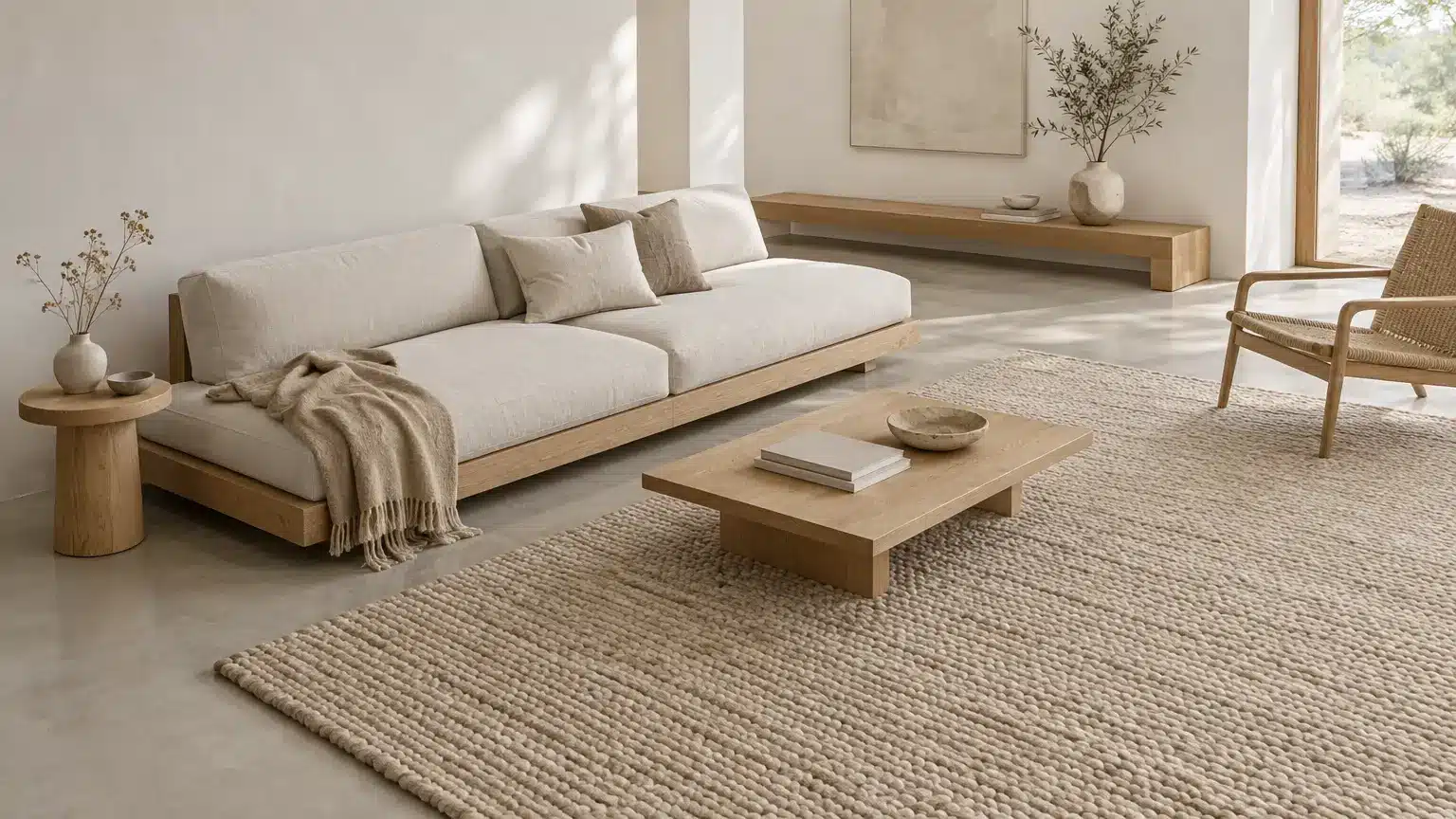
A living room usually feels crowded because of how furniture is designed and arranged, not only because of the room’s size. Thick arms, oversized bases, and bulky frames can take up more visual and physical space. Furniture with slimmer shapes and raised legs often makes a room feel more open because you can see more of the floor underneath. That extra visibility helps the layout look lighter and less boxed in.
Storage also plays a big part in how spacious a room feels. When everyday items are left out in the open, the entire space can quickly look messy, even in a room that is not very small. Furniture with built-in storage helps reduce visible clutter without adding extra cabinets or shelves. Flexible and movable pieces can also make a living room easier to adjust throughout the day, especially in homes where one area is used for relaxing, entertaining, and other daily activities.
Best Space-Saving Furniture That Still Feels Comfortable
Here are some of the best furniture choices for keeping a modern living room comfortable without using more floor space than necessary.
Wall-Hugging Recliners
Large recliners can take up more room because they need space behind them to fully extend. A wall-hugger reclining loveseat fixes that by reclining while staying much closer to the wall. You still get the comfort of a recliner, but without losing as much floor space around your seating area. Many newer styles also look less bulky, which helps the room feel more open and easier to arrange.
Storage Ottomans
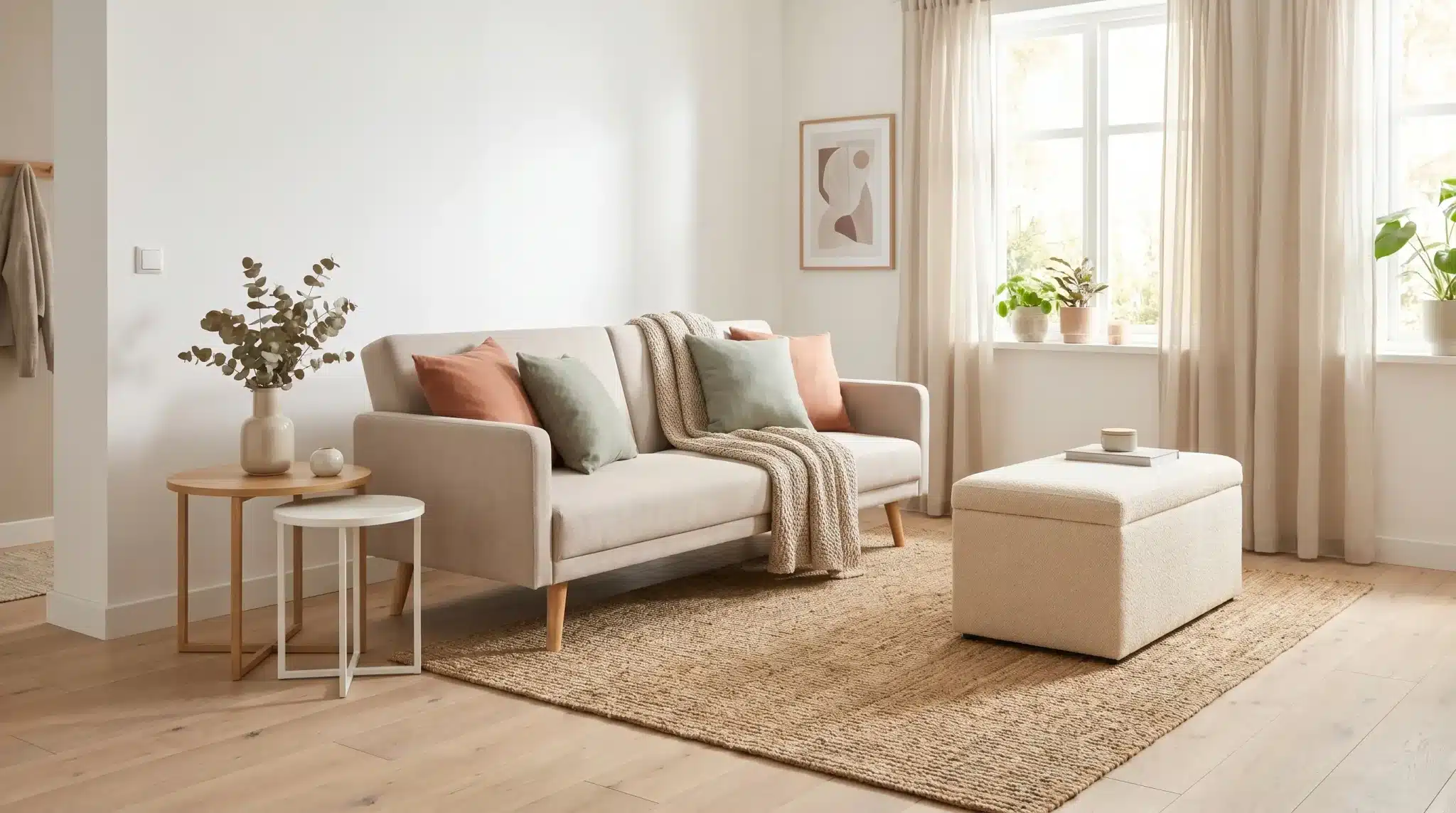
A storage ottoman gives you a place to sit, rest your feet, and hide everyday clutter – all in one. You can keep blankets, remotes, chargers, or kids’ toys inside instead of leaving them around the living room. In smaller spaces, many homeowners also use ottomans instead of bulky coffee tables because they are easier to move around and make the seating area feel less tight.
Compact Coffee Tables
Large coffee tables can easily take over a small living room, especially when there is not much space between the sofa and the TV area. A smaller Amish coffee table with drawers or a lift-top design gives you enough surface space for daily use while also helping you store smaller items out of sight. Since you don’t need to add another side cabinet or storage piece later on, the room stays easier to move around in.
Nesting Tables
Nesting tables give you extra surface space only when you need it. You can spread them out while entertaining guests or using multiple items at once, then slide them back together afterward to free up floor space. Their smaller footprint also improves the flow of movement compared to using a single oversized table in the middle of the room.
Best Picks Based on How You Use Your Living Room
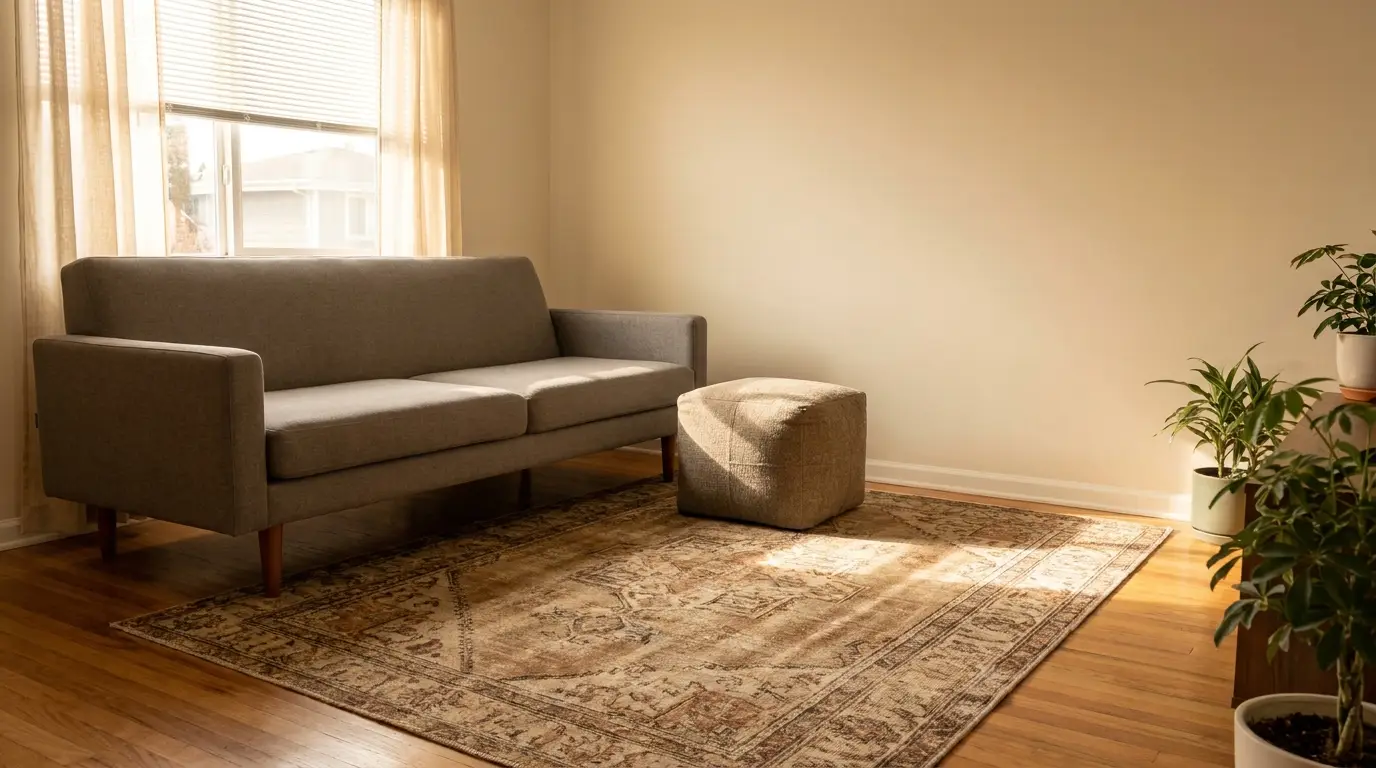
Some furniture combinations work better depending on what your living room needs most. If comfort is your priority, keeping fewer but larger seating pieces usually works better than squeezing in multiple small chairs or tables. For entertainment, furniture that can be moved or adjusted easily helps create more space when guests are over.
Family living rooms often benefit from furniture that keeps clutter contained and leaves enough open floor area for daily activity. In multi-use spaces, it also helps to separate functions without overfilling the room. A simple layout with flexible furniture usually feels more open and easier to maintain than trying to fit every possible feature into one area.
Common Layout Mistakes to Avoid
Small layout mistakes can make a living room feel more crowded than it really is. Here are some common problems homeowners run into and better ways to handle them.
| Common Mistake | Better Approach |
|---|---|
| Choosing furniture that is too small just to save space | Pick compact furniture that still feels comfortable for daily use |
| Using bulky arms and heavy bases | Choose slimmer profiles and raised legs to make the room feel lighter |
| Blocking walkways with tables or extra seating | Keep clear walking paths before arranging the rest of the furniture |
| Filling the room with too many separate pieces | Use multifunction furniture that replaces multiple items |
| Overloading open shelves with decor or storage | Leave some open space and mix in closed storage when possible |
| Having no main anchor piece in the layout | Use one primary seating piece to help organize the room visually |
| Ignoring sightlines across the room | Keep views open so the space feels less crowded |
| Adding more floor furniture before using the wall space | Use floating shelves or wall storage before bringing in extra pieces |
Make a Small Living Room Feel Bigger Without Losing Comfort
The best space-saving furniture is not always the smallest piece in the room. What matters more is choosing furniture that fits your daily routine while keeping the layout open and easy to move through. A well-planned living room can still feel comfortable, functional, and welcoming even with limited floor space.
Instead of filling the room with more furniture, focus on pieces that work harder and take up space more efficiently. Simple changes like better storage, slimmer furniture profiles, and flexible tables can make a noticeable difference in how your living room feels every day.