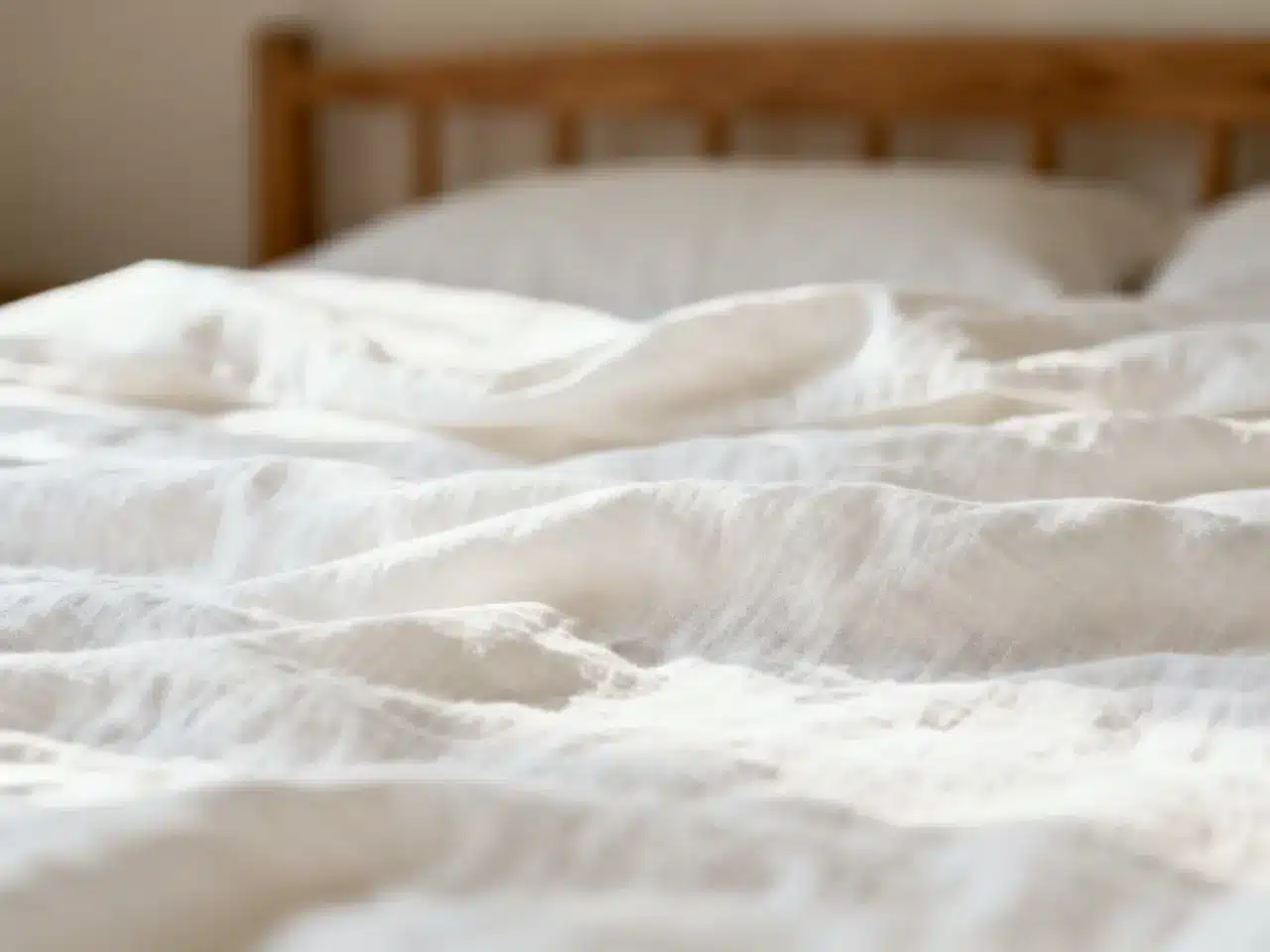
The premium bedding aisle has sold everyone the same story for the past twenty years. Higher thread count means better sheets. 1000 thread count is luxury. 1500 is exceptional. 1800 is what you buy when you want the very best.
The problem is that when the temperature climbs, the maths of that story completely reverses. In summer, high thread count cotton is quietly the reason your bedroom feels warmer than it should. The sheets that felt like an investment in November are working against you in July.
The Thread Count Trick Nobody Explains
Thread count measures the number of threads woven into a square inch of fabric. Higher thread count means more fibres packed into the same space. That extra density produces a smoother hand-feel, which is why higher thread count sheets feel more expensive when you handle them in the store.
But density has consequences that the marketing doesn’t mention. More fibres packed together means less space between them. Less space between fibres means less air moving through the fabric. Less air movement means heat gets trapped against the body rather than dispersed into the room.
The Sleep Foundation has consistently emphasised that airflow through bedding is one of the primary factors affecting sleep temperature. Fabrics that trap heat delay the natural cooling process the body needs to fall asleep, and to stay asleep through the night. Higher thread count cotton, particularly at 1000 and above, sits at exactly the density that impedes airflow most.
The premium cotton sheets sold as luxury bedding are, in summer, doing the exact opposite of what a household actually needs.
The Fibre Question Matters More Than the Number
The specification that actually affects sleep performance isn’t thread count. It’s the fibre itself.
Cotton, particularly the mercerised, treated cottons common in premium bedding, holds moisture and traps heat. The higher the thread count, the more pronounced both properties become. Polyester and polycotton blends handle heat particularly poorly. Silk feels cool initially but does not manage moisture well through a warm night. Linen breathes well but wrinkles heavily and requires meaningful care.
Bamboo has quietly become the standout answer for households genuinely rethinking their bedding. Bamboo fibre has a naturally hollow micro-structure that produces one of the more breathable natural bedding fabrics available. The fibre is also naturally moisture-wicking, drawing perspiration away from the skin during warm nights, and naturally hypoallergenic, resisting the dust mites and bacteria that build up in bedding over the summer months.
The category has matured meaningfully over the past decade. Specialist brands now produce bamboo bedding at premium specifications, with the softness, drape and hand-feel that would traditionally have been associated with much higher thread count cotton, but without the heat retention.
What Actually Works When the Temperature Climbs
The considered summer bedding approach involves several practical shifts.
Choose breathable natural fibres over high thread count cotton. Bamboo and linen both meaningfully outperform premium cotton in summer performance.
Look at what the fibre actually is, not just what the marketing calls it. Bamboo bedding, cotton bedding and linen bedding all handle warm nights differently. The composition matters more than the marketing.
Choose bedding designed to work across the year rather than seasonal replacement. The best premium bamboo bedding performs meaningfully well in summer heat and continues to perform through the cooler months, adjusting to body temperature rather than trapping it. A single well-made set of bedding that works year-round is a meaningfully better investment than rotating cheaper sets seasonally.
Prioritise quality over quantity. A well-made bamboo bedding set at genuine premium specification lasts years and gets better with age. Cheaper bedding sold on volume ends up costing more across its meaningfully shorter useful life.
The Bamboo Shift More Households Are Actually Making
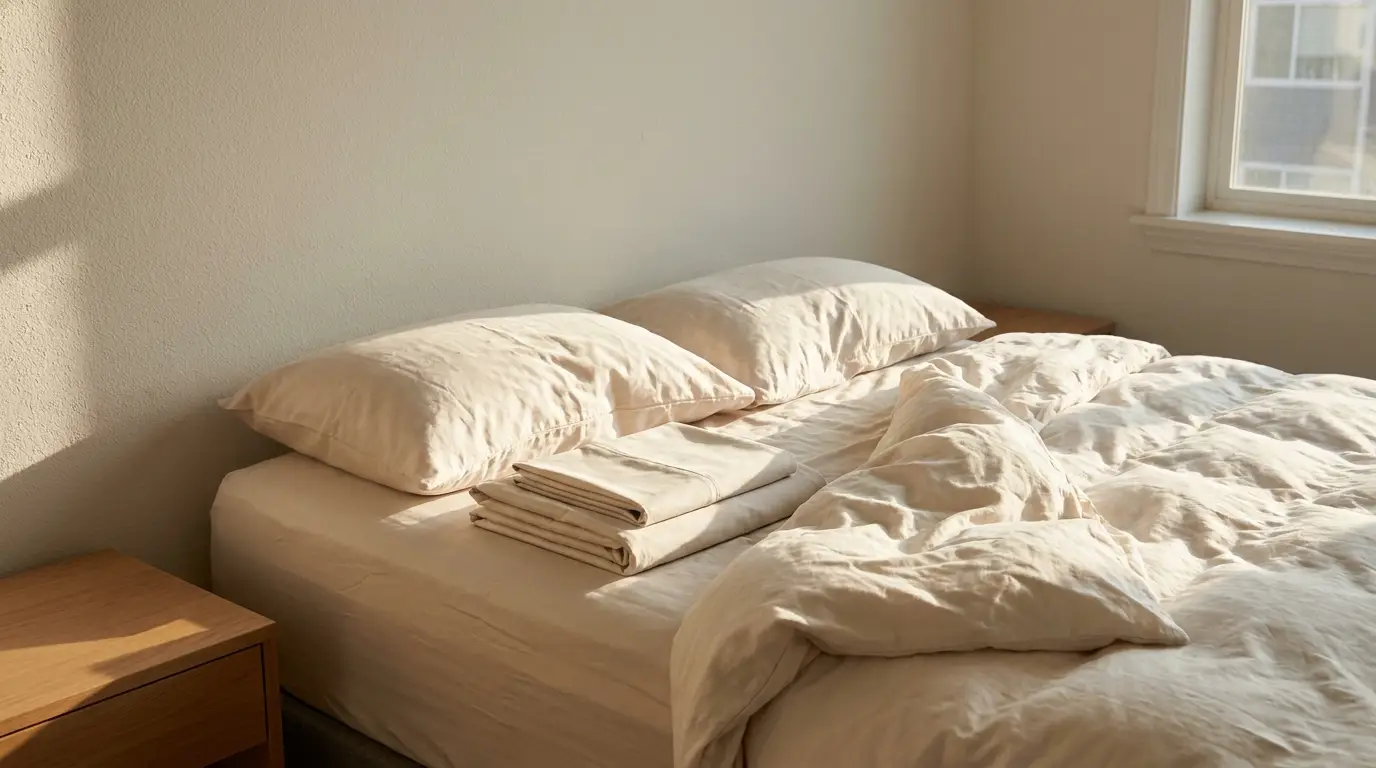
Bamboo bedding has moved from a niche category into the mainstream as a considered household choice over the past five years. The reasons run wider than summer performance alone.
Bamboo bedding at premium specifications is genuinely luxurious. The fabric drapes beautifully, feels exceptionally soft against the skin, and delivers the hand-feel most bedding buyers actually want. It gets softer with washing rather than deteriorating. It handles daily use meaningfully better than lower-quality cottons. And it delivers this year-round rather than only in summer.
The environmental case matters too. According to the World Wildlife Fund, cotton is one of the most water-intensive crops in global agriculture, with a single cotton t-shirt requiring approximately 2,700 litres of water to produce. Bamboo, by contrast, grows without irrigation in most climates, requires no pesticides, and regenerates within a growing season rather than the multi-year cycle cotton typically requires. For households increasingly attentive to the environmental profile of their household purchases, the calculation has shifted meaningfully.
What to Actually Look For
For households considering the bedding upgrade properly, several practical markers indicate quality.
100% bamboo composition rather than bamboo blends. Blended fabrics often lose the properties that make bamboo genuinely useful.
Sateen weave specifically. A well-made bamboo sateen delivers the silky smoothness and drape that make premium bedding genuinely feel premium, alongside the breathability the fibre naturally offers.
Genuine premium thread counts. Well-made bamboo bedding at 400 thread count delivers exceptional softness without the density problems of ultra-high thread count cotton.
Established brand credentials. UK specialist bamboo bedding brands like Lost Loom, a family-run producer of premium bamboo bedding at 100% bamboo viscose in a 400 thread count sateen weave, have quietly built the category over the past few years by focusing on the specification detail and the year-round quality that considered households actually want.
Clear returns and multi-year guarantees. Well-made bedding brands stand behind their products with meaningful return periods and multi-year guarantees, which tells you more about their confidence in the product than any marketing claims.
The Habit That Lasts Beyond This Summer
The households that address the bedding question this year tend to find the change persistent. Premium bamboo bedding works meaningfully well in summer heat and continues to work through the cooler months, adjusting to body temperature in both directions rather than trapping heat when trapping heat is exactly what you don’t want.
The premium cotton bedding sold as luxury has been the default for so long that the alternative feels novel. But the households that make the shift consistently describe the difference as meaningful, and consistent, and persistent across every subsequent year.
The expensive cotton sheets in the linen cupboard are working against you in a heat wave. The considered decision to actually address it, this summer, is one of the more useful household decisions available. What you invest in now, you sleep on for years.