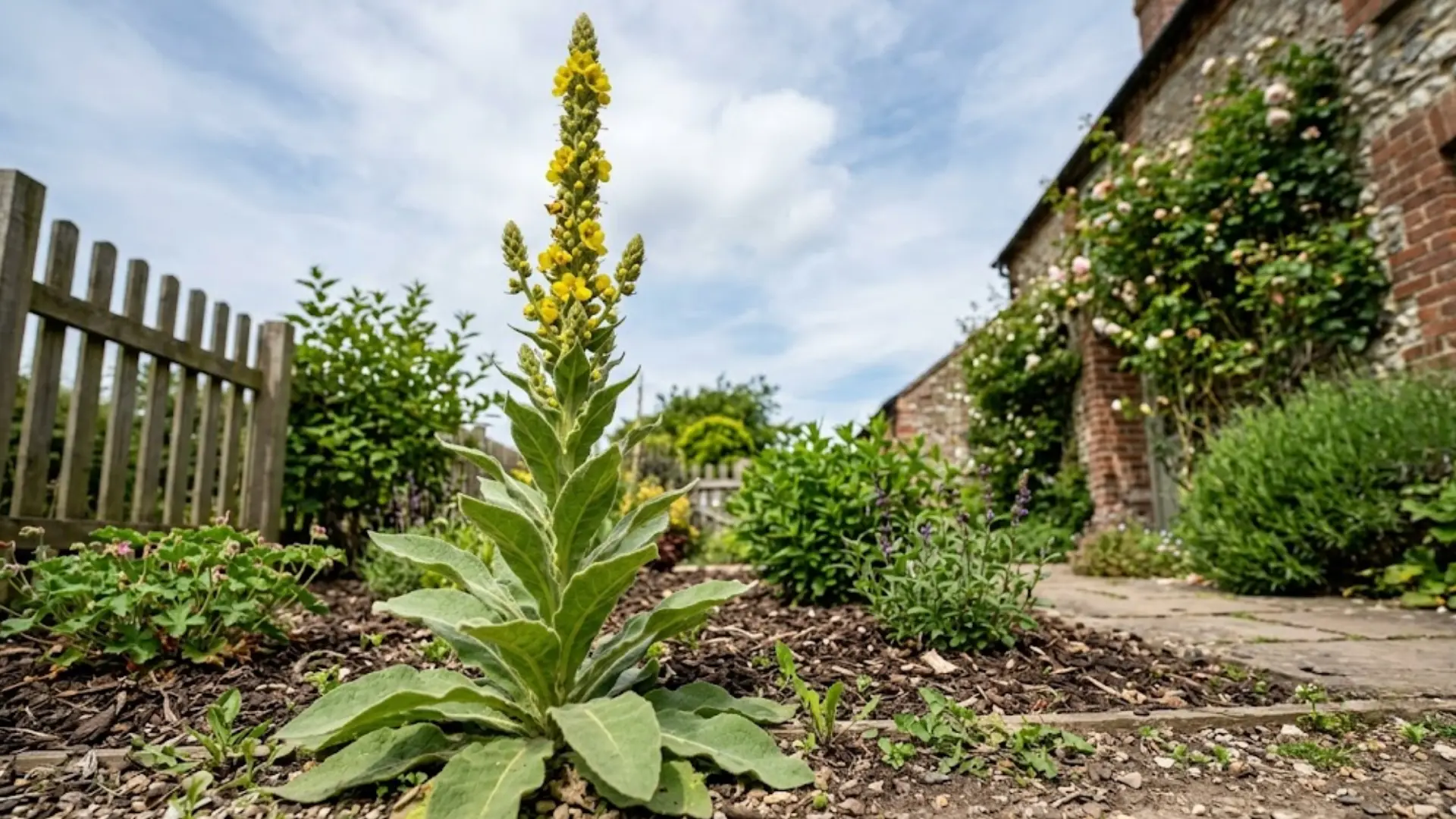
Mullein is hard to miss once its tall stalk of yellow flowers rises above the surrounding plants.
But knowing how to harvest mullein correctly is not quite as obvious.
When I first started learning about this plant, I realized that picking whatever looked ready could mean harvesting leaves too late, or collecting seeds before they matured.
For me, the goal is simple: collect useful parts of the plant while keeping them clean and leaving enough behind to continue growing naturally.
In this blog, I will walk you through the best time to harvest mullein leaves, flowers, roots, and seeds, along with simple tips for drying, storing, and harvesting.
What is Mullein?
Mullein (Verbascum thapsus) is a hardy wild plant with a long history of traditional use.
Native to Europe, North Africa, and parts of Asia, it now grows in many regions around the world, especially in sunny fields, meadows, roadsides, and open spaces.
This biennial plant takes two years to complete its life cycle.
In the first year, it grows as a low rosette of soft, fuzzy leaves. In the second year, it produces a tall flower stalk with bright yellow flowers.
The growth stage matters because different parts are harvested at different times:
First-year plants are best for harvesting leaves and roots; second-year plants are best for harvesting flowers and collecting seeds.
In my own garden, I keep a light layer of mulch around first-year rosettes to keep the dirt off the mullein.
How to Identify Mullein Before Harvesting?
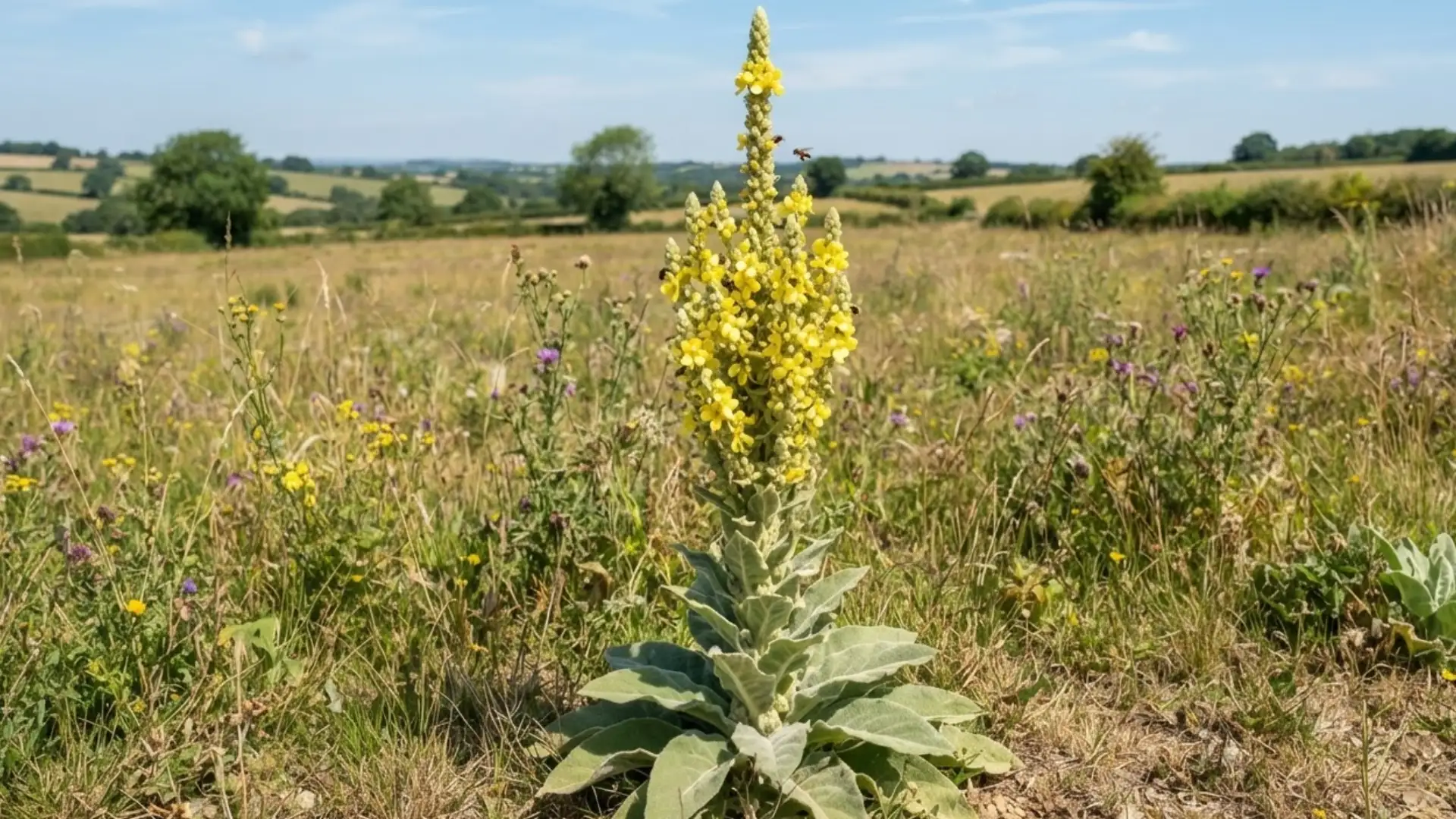
Correct identification is important before harvesting mullein, especially when collecting it from the wild. It has several distinctive features that make a mature plant easier to recognize.
- Soft, fuzzy leaves: Mullein has thick, gray-green leaves covered with fine, velvety hairs that feel soft to the touch.
- Basal leaf rosette: During its first year, the plant forms a low rosette of large leaves close to the ground.
- Tall flower stalk: In its second year, mullein usually produces a single upright stalk that can grow several feet tall.
- Small yellow flowers: Five-petaled yellow flowers grow closely along the upper portion of the tall flower spike.
- Dry seed capsules: After flowering, small brown capsules develop along the stalk and contain numerous tiny seeds.
- Common growing areas: Mullein often appears in sunny fields, open ground, gravelly areas, and other disturbed soils.
Those same velvety hairs that make the leaves easy to spot can also cause mild skin or eye irritation on contact, so it helps to keep that in mind before you handle the plant with bare hands.
When is the Best Time to Harvest Mullein?
The right time to harvest mullein depends on which part of the plant you’re collecting.
Leaves, flowers, roots, and seeds all have their own ideal harvesting time, so knowing the growth stage can make a big difference.
| Plant Part | Best Time to Harvest | Harvesting Notes |
|---|---|---|
| Leaves | First year, before the plant starts flowering | Younger leaves are usually softer and preferred for harvesting. |
| Flowers | Summer, when the plant is in bloom | Collect flowers as they open throughout the blooming season. |
| Roots | Fall of the first year or early spring | Harvest when the plant is dormant for easier collection. |
| Seeds | Late summer or fall, once the seed pods have dried | Collect seeds after the pods turn brown and dry. |
Whenever possible, harvest mullein on a dry, sunny day.
Avoid picking it right after rain, as extra moisture can make the drying process slower and increase the risk of mold.
How to Harvest Mullein: Step-by-Step Process
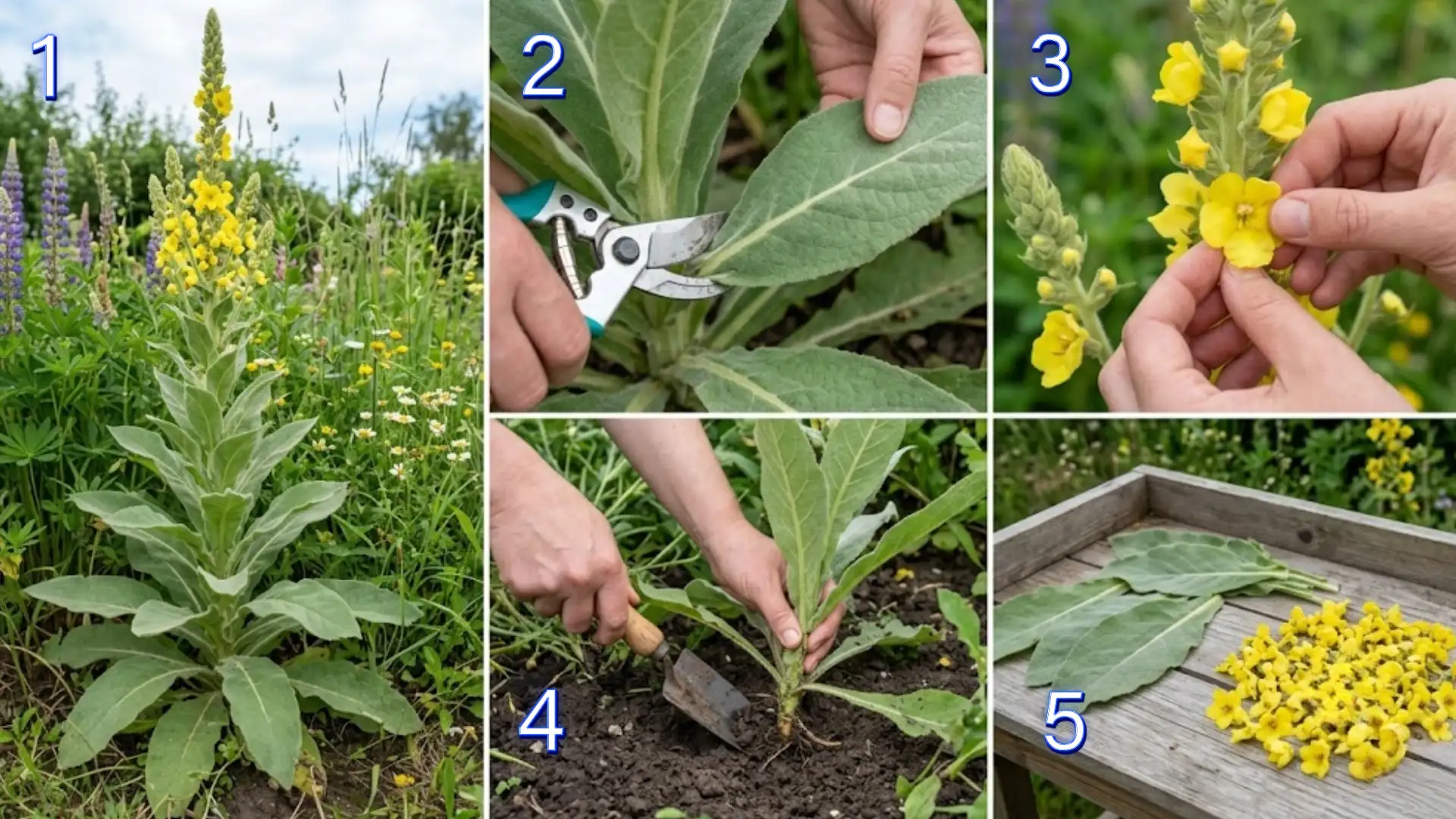
Harvesting mullein is fairly simple once you know which parts of the plant you want to collect.
Tools required: Clean pruning shears, gardening gloves, a small hand trowel, a breathable basket, paper bags, and clean containers for collecting plant parts.
1. Choose a Healthy Mullein Plant
Start with a healthy mullein plant growing away from busy roads, sprayed lawns, industrial areas, or other possible sources of contamination.
Look for firm, gray-green leaves without large brown spots, mold, or extensive insect damage.
The flowers should appear fresh if you plan to collect them. Avoid plants covered in heavy dust or showing signs of disease.
2. Harvest the Leaves
Choose fresh, healthy leaves free of major damage or discoloration.
Using clean scissors or pruning shears, cut individual leaves near their base rather than pulling or tearing them from the stalk.
Take only a few leaves from each plant so plenty of foliage remains for propagating new plants.
Place the harvested leaves loosely in a breathable basket to prevent bruising and excess moisture buildup before drying.
3. Collect the Flowers
Harvest mullein flowers when they are freshly opened, preferably after morning moisture has dried.
Gently pinch or pick individual yellow flowers from the stalk without damaging nearby buds that have not opened yet.
Since mullein flowers open gradually, you may need to return several times during the blooming period. Place the flowers loosely in a shallow container or basket.
4. Dig Up the Roots
Collect roots from younger mullein plants before they develop a tall flowering stalk.
Use a hand trowel or small garden fork to loosen the soil around the plant, working carefully to avoid cutting the main root.
Gently lift the plant and shake away loose soil. Brush off remaining dirt, then clean the root as needed before cutting and preparing it for drying.
5. Collect Mature Seeds
Wait until the flower stalk has dried and the seed capsules have turned brown before collecting mullein seeds.
Hold a paper bag or container beneath the mature seed head, then gently shake or rub the capsules so the tiny seeds fall inside.
You can also cut dry sections of the stalk directly into a bag. Keep the collected seeds dry until you are ready to store them.
Can You Harvest Mullein After it Flowers?
Yes, you can still harvest mullein after it flowers, but what you collect will depend on what you’re looking for.
Once mullein has finished flowering, the leaves are usually older, thicker, and not as soft as the first-year leaves.
If you’re specifically harvesting leaves, it’s best to collect them before the plant sends up its tall flower stalk. That said, a flowering mullein plant is far from useless.
The flowers are one of the most valued parts to harvest, and once the blooms fade, the plant produces seeds that help new mullein plants grow in the future.
So, even after flowering, mullein still has plenty to offer. It’s all about harvesting the right part at the right time.
How Long Does Mullein Take to Dry?
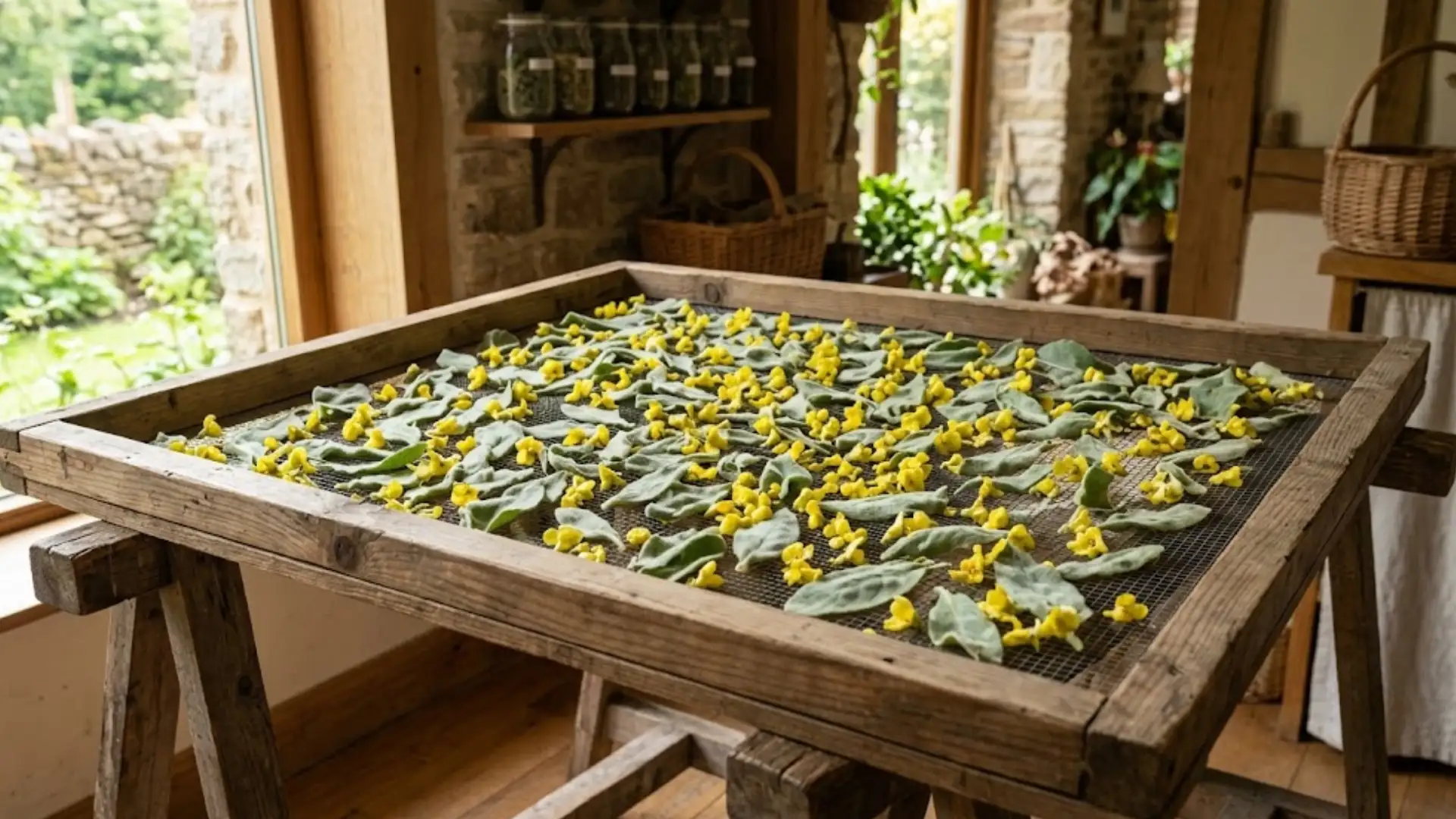
Mullein usually takes about 3 to 10 days to air-dry; flowers often dry faster than leaves, while thick leaves and roots may take longer.
Spread leaves and flowers in a single layer on a drying screen or clean surface in a warm, dry, well-ventilated area away from direct sunlight.
Turn larger leaves occasionally so both sides dry evenly. Clean the roots, slice them into smaller pieces, and spread them apart to improve airflow.
Signs your mullein is fully dry:
- Leaves feel crisp and crumble easily between your fingers.
- Flowers feel dry rather than soft or damp.
- Stems snap instead of bending.
- Root pieces feel hard and dry throughout.
- No cool or moist spots remain when touched.
Avoid storing mullein until it is completely dry because leftover moisture can encourage mold and spoil the entire batch.
Storage Options for Dried Mullein
Proper storage helps keep dried mullein clean and protected from moisture, light, and pests. Make sure every plant part is completely dry before storing it.
- Glass jars: Ideal for long-term storage because they protect mullein from moisture, dust, and odors.
- Paper bags: A good option for short-term storage, especially when kept in a cool, dry place.
- Airtight containers: Help protect dried mullein from humidity and preserve its freshness.
- Label your containers: Add the plant name, harvested part, and date collected for easy tracking.
Can You Harvest Mullein Growing Along Roadsides?
You may see mullein growing along roadsides, but it is generally better to harvest from cleaner locations.
Roadside plants can collect dust, vehicle exhaust particles, road salt, and other pollutants from passing traffic and runoff.
Some roadsides are also treated with herbicides or other chemicals to control vegetation, and it may not be obvious when spraying has occurred.
Instead, look for mullein growing in an untreated field, garden, open meadow, or another area away from heavy traffic and known chemical use.
If you are harvesting on land you do not own, get permission from the property owner and check local foraging rules first.
What Can You Do With Harvested Mullein?
Once properly dried, harvested mullein can be used in several traditional herbal and practical preparations.
Talk with a healthcare provider before using mullein for any health-related purpose, especially if you take medication.
- Prepare herbal tea: Dried mullein leaves and flowers are traditionally steeped in hot water and carefully strained before drinking.
- Make infused oil: Mullein flowers are commonly infused in carrier oil for use in traditional topical herbal preparations.
- Create herbal blends: Dried leaves can be combined with other herbs when preparing homemade herbal tea blends and infusions.
- Make natural crafts: Dried mullein stalks, leaves, and flowers can be incorporated into rustic arrangements and other decorative craft projects.
- Save seeds for planting: Mature seeds can be collected, dried, and stored for growing mullein plants in a suitable garden area.
Conclusion
Harvesting mullein becomes much easier when you pay attention to the plant’s growth stage and collect each part at the right time.
If you want the soft leaves, yellow flowers, roots, or mature seeds, start with a healthy plant growing in a clean location.
Remember to harvest responsibly, take only what you need, and leave enough behind for the plant to continue growing naturally.
Which part of mullein are you most interested in harvesting? Tell us in the comments below.
Frequently Asked Questions
What Part of the Mullein Plant Do You Smoke?
Dried mullein leaves have traditionally been smoked, but inhaling smoke can irritate and damage the lungs, so smoking mullein is not considered risk-free.
Is Any Part of the Mullein Plant Poisonous?
No, mullein is not generally considered highly poisonous, but its seeds contain compounds of concern and should not be eaten. Correct plant identification is essential.
Can You Eat Mullein Leaves Raw?
No, mullein leaves are not typically eaten raw because their dense, fuzzy hairs can irritate the mouth and throat. Herbal preparations are usually carefully strained.
What Not to Mix With Mullein?
Reliable information about mullein interactions is limited. If you take medications or other herbal products, consult a healthcare professional before combining them with mullein.