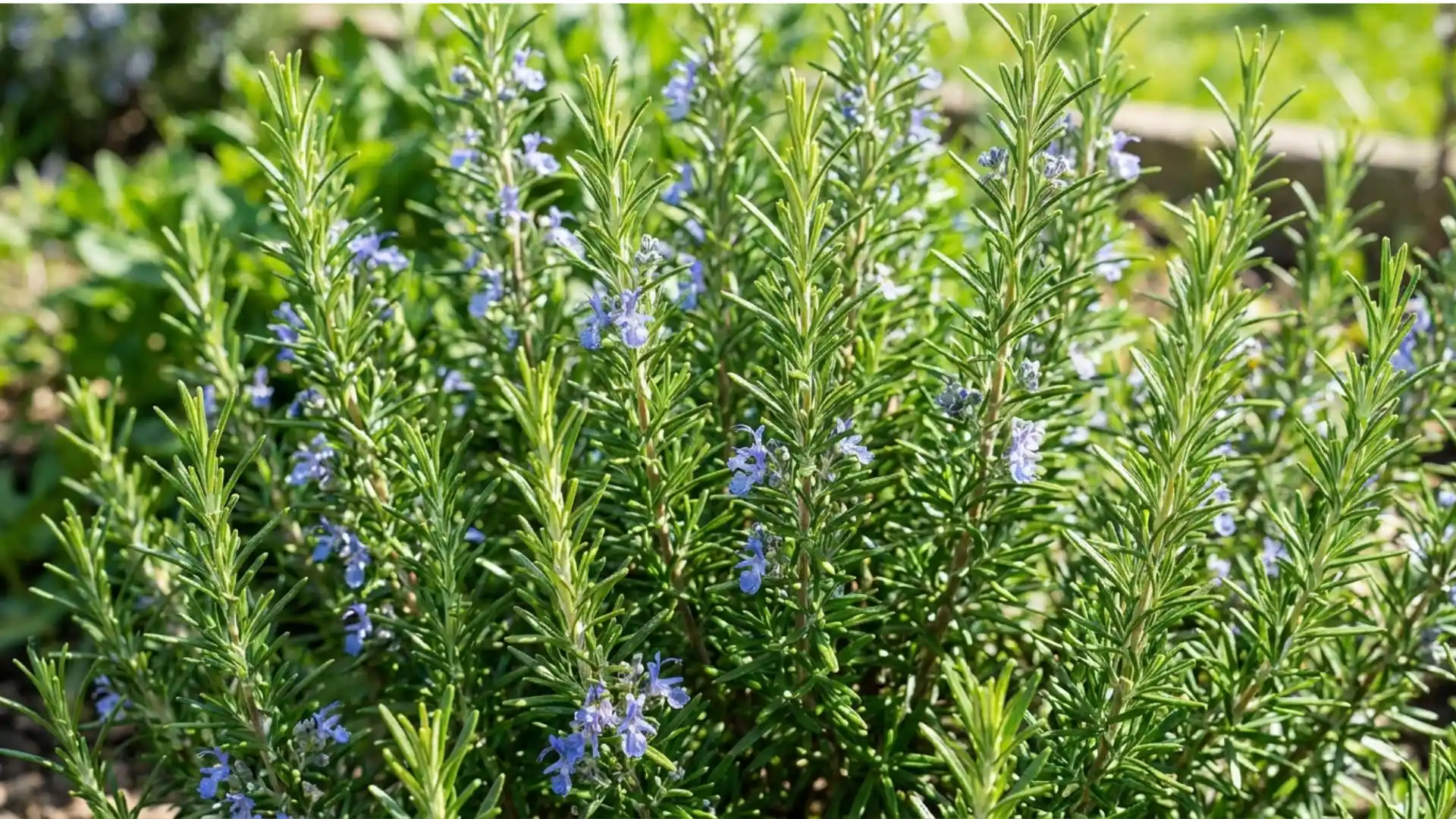
Rosemary shrugs off drought, bad soil, and neglect that would kill most herbs. But even this tough plant can get stressed if you harvest it the wrong way.
Knowing when to harvest rosemary matters just as much as how you cut it.
Take too much at once, or cut into the wrong part of the stem, and your plant can end up sparse and slow to bounce back.
Once you know a few simple rules, harvesting rosemary so it keeps growing full and healthy is easy. Here’s exactly how to do it right.
When to Harvest Rosemary
Timing matters with rosemary. Get it right, and you’ll get better-tasting sprigs and a plant that keeps producing all season.
Cut in late morning, once the dew’s dried but before the afternoon heat hits, since that’s when rosemary’s oils are strongest.
Wait until the plant is established, at least 8 inches tall with sturdy stems, since cutting too early can stunt root growth.
Look for healthy new growth and good green color before you cut, and hold off if the plant looks thin or pale.
Harvest before flowering for the mildest leaves, or after for a slightly stronger flavor.
What You’ll Need
Harvesting rosemary doesn’t take much gear, just a clean, sharp blade and something to hold your sprigs.
| Tool | Best Use Case |
|---|---|
| Kitchen Scissors | Quick, light harvesting for a few sprigs at a time |
| Garden Snips/Pruning Shears | Larger harvests or cutting thicker, woodier stems |
| Bypass Pruners | Older, established plants with tough, mature growth |
| Basket or Shallow Container | Collecting sprigs without crushing or bruising them |
| Small Bucket with Water | Keeping cut sprigs fresh if you’re harvesting a large batch |
Quick Tip: Wipe your blades with rubbing alcohol before you start. It keeps things clean and reduces the risk of disease spreading between plants.
Step-by-Step Guide to Harvesting Rosemary
Harvesting your own rosemary is easy when you follow these simple, step-by-step instructions.
Step 1: Spot the RightStems
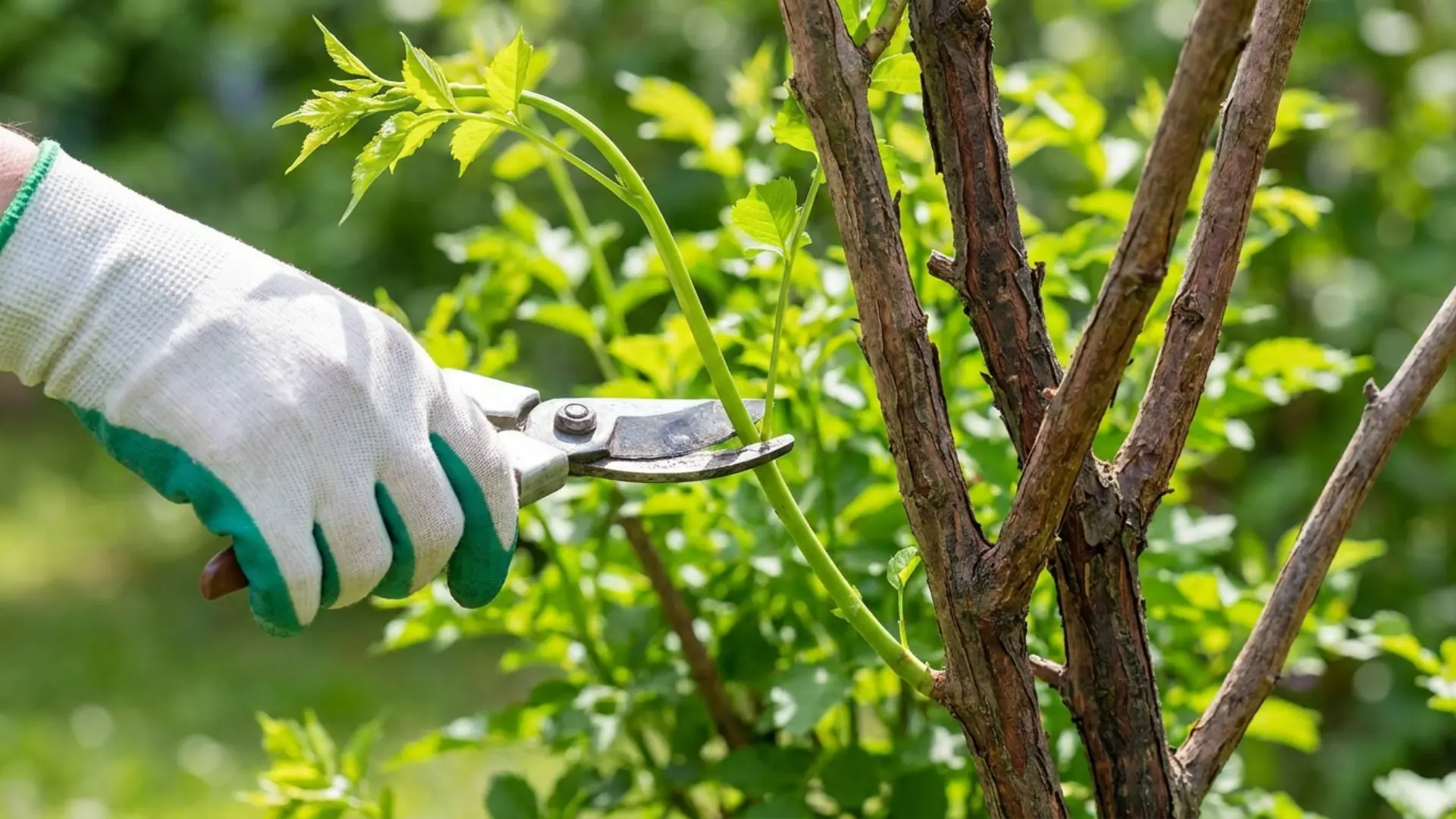
Not all growth is created equal. New green growth is soft, flexible, and ideal for regular cutting, since it heals quickly and encourages fresh branching.
Woody, brown stems are older and tougher, storing more of the plant’s energy reserves.
These are generally best left alone unless a bigger structural trim is needed, as cutting too deep into old wood can stress the plant and slow its ability to bounce back afterward.
Step 2: Choose the Cut Point
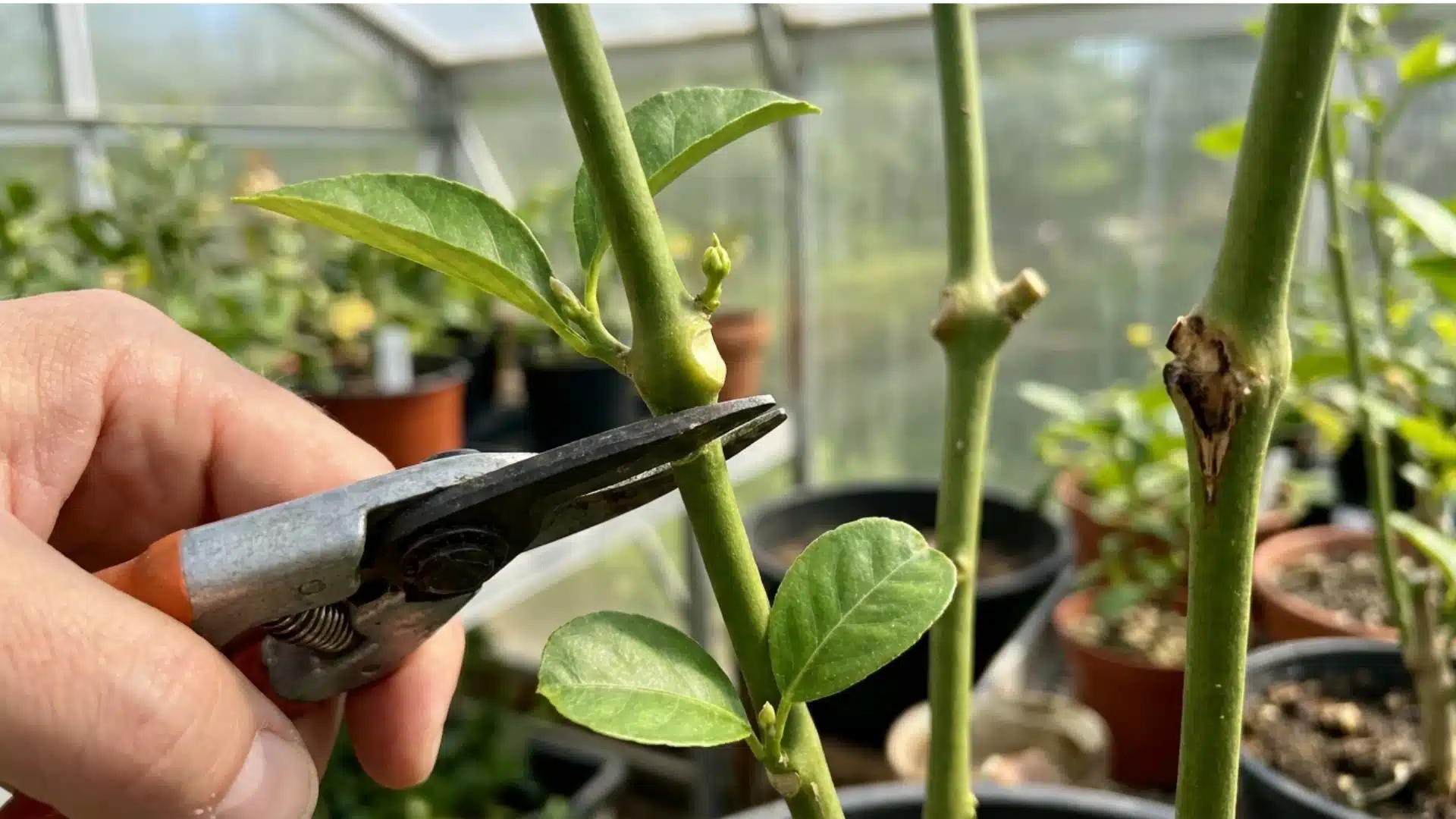
Always cut just above a leaf node, the small point where leaves sprout from the stem. This spot matters because it’s exactly where new growth will branch out next.
Cutting too far above a node leaves an awkward stub, while cutting too close can damage the joint itself.
Get the placement right, and the plant responds by filling out with fresh, bushy growth instead of turning bare and leggy over time.
Step 3: Follow the 1/3 Rule
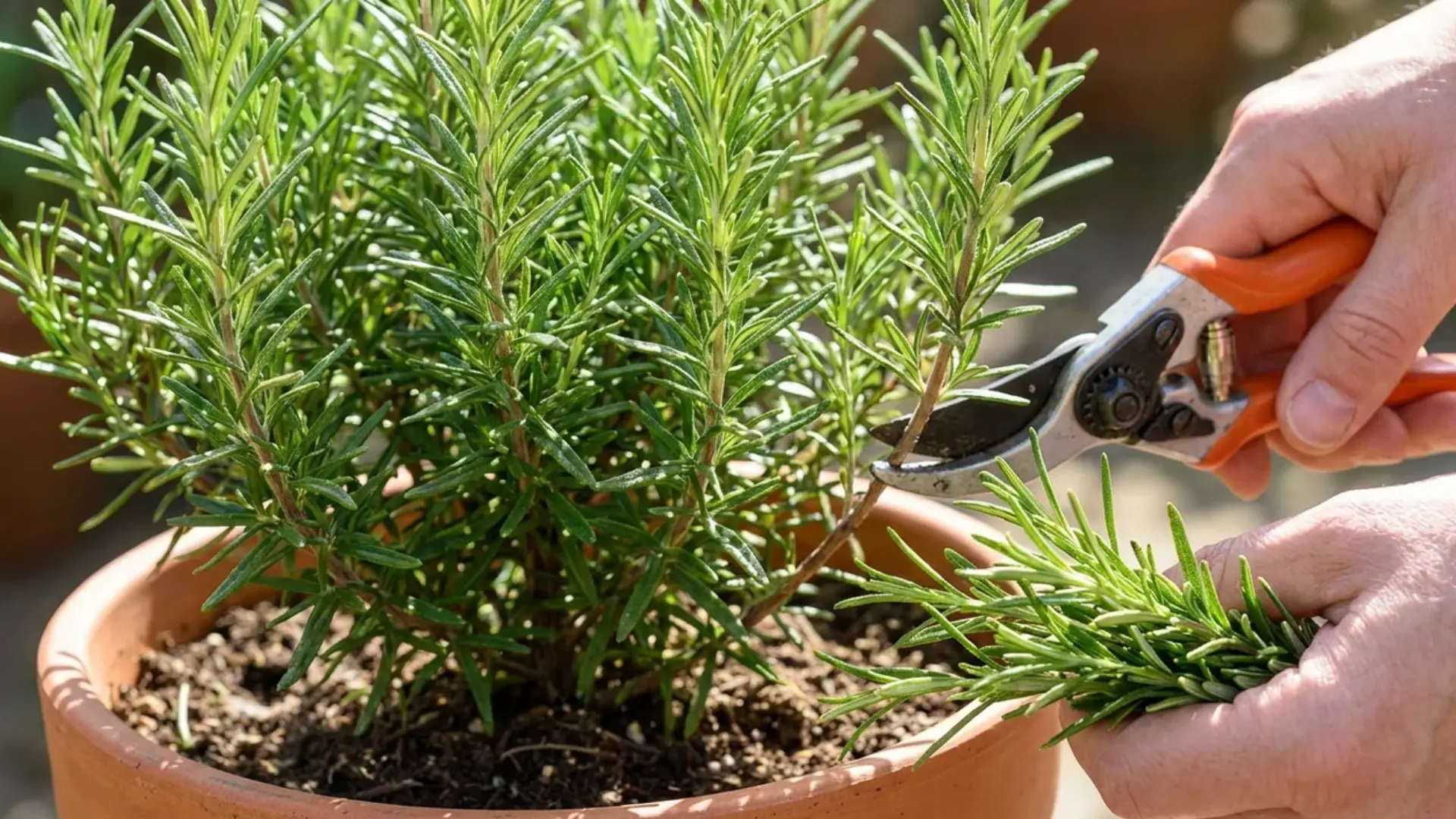
Never take more than a third of the plant at any single harvest. This limit isn’t a suggestion. Rosemary genuinely needs that remaining foliage in place to recover well.
Overharvesting shocks the plant, slows regrowth, and can leave it looking thin for weeks.
Sticking to the 1/3 rule keeps enough foliage in place for the plant to photosynthesize normally, which means steadier, healthier growth harvest after harvest.
Step 4: Snip Soft Tips for Everyday Use
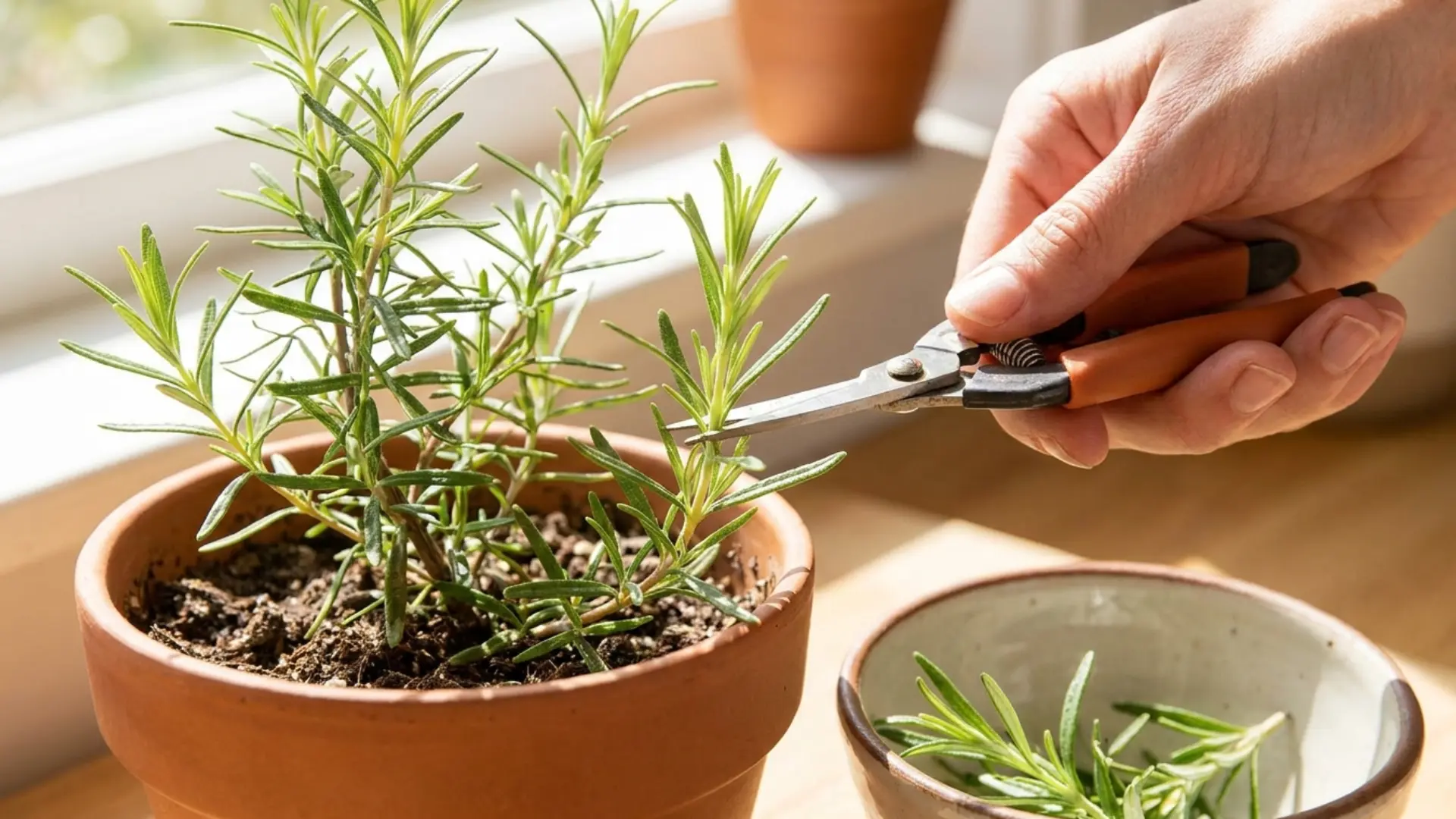
For a quick handful of rosemary from the kitchen, snip the tender green tips just above a node.
These soft, young stems cut easily and heal fast, making this the lowest-stress method available.
It’s ideal for small, frequent harvests, like grabbing a few sprigs for dinner, since it barely disturbs the plant and encourages it to keep pushing out new tender growth right where the cut was made.
Step 5: Cut Woody Stems for Bigger Harvests
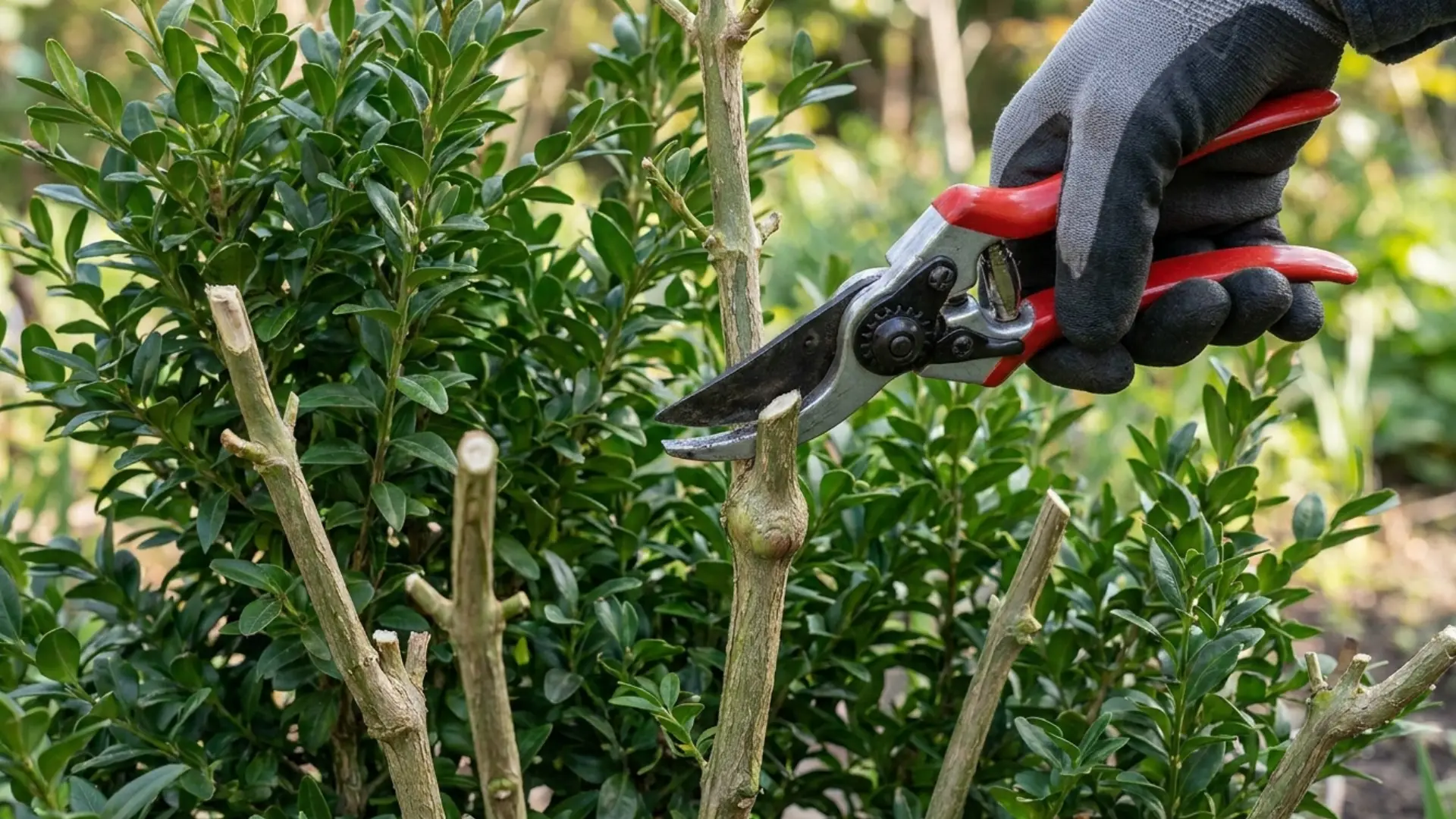
For larger harvests or reshaping an overgrown plant, cut further down into semi-woody sections, always just above a node.
These thicker stems need sharper shears to avoid crushing, since a clean cut heals faster than a ragged one.
This technique works well once or twice a season, giving the plant a real trim while still leaving enough structure and foliage for a strong, steady recovery.
Propagating New Plants From Your Cuttings
Every time you take a semi-woody cutting for a bigger harvest, you also get a head start on a new plant. Rosemary roots reasonably well from 4- to 6-inch stem sections cut just below a node.
- Strip the leaves from the bottom two inches of the cutting.
- Set the stem in a glass of water or moist sand, keeping the leafless end submerged or buried.
- Place it somewhere bright but out of direct afternoon sun.
- Change the water every few days and watch for roots, which typically show up within three to four weeks.
- Once roots reach about an inch long, move the cutting into well-draining potting soil.
I’m not certain how much success rates vary by rosemary variety, so if one cutting fails, try again with a fresh piece of soft, new growth. Woody stems root far less reliably than green ones.
If you’re rounding out a wider herb bed, sage plants take a nearly identical care approach, which makes the two an easy pairing near the kitchen door.
Harvest Rosemary Without Damaging the Plant
Harvesting rosemary the right way keeps the plant healthy, productive, and full of fresh new growth.
- Harvest in Moderation: Remove no more than one-third of the plant at a time to prevent stress and encourage quick recovery.
- Cut only Green, Flexible Stems: Avoid thick, woody branches since they rarely produce new growth.
- Give the Plant Time to Recover: Rotate where you harvest and wait a few weeks before trimming the same area again.
- Trim the Growing Tips: Light tip pruning encourages branching, helping your rosemary grow fuller and bushier.
- Harvest Seasonally: Harvest regularly in spring and early summer, reduce harvesting in late summer, and avoid heavy pruning in fall.
How to Store Freshly Harvested Rosemary?
Fresh rosemary stays flavorful longer when stored the right way. Choose a method based on when you plan to use it.
| Storage Method | Best For | How to Store |
|---|---|---|
| Refrigerate | Up to 2 weeks | Wrap in a damp paper towel, seal, and refrigerate to keep fresh. |
| Dry | Several months | Hang small bundles upside down; store dried leaves in an airtight jar. |
| Freeze | Several months | Freeze sprigs or chopped rosemary in bags or olive oil cubes. |
| Infuse | Homemade flavored oil | Use dried rosemary to infuse olive oil, then store it safely. |
For the dry method, the same low, steady airflow used when drying chives at home works well for rosemary sprigs too, since both herbs lose flavor fastest in humid, low-airflow spots.
Common Rosemary Harvesting Mistakes to Avoid
Even a healthy rosemary plant can struggle if it’s harvested the wrong way. Avoid these common mistakes to keep it thriving year after year.
Mistake 1: Cutting Too Much at Once
Do instead: Harvest no more than one-third of the plant at a time. Leaving enough foliage helps rosemary recover faster and continue producing healthy new growth.
Mistake 2: Harvesting From Young or Stressed Plants
Do instead: Wait until the plant is well-established. Skip harvesting if you notice yellowing leaves, wilting, or signs of pests, and let it regain its strength first.
Mistake 3: Using Dull Tools
Do instead: Use sharp, clean pruning shears to make neat cuts. Clean cuts heal faster and reduce the risk of disease.
Mistake 4: Ignoring Recovery Time
Do instead: Space out your harvests and rotate where you trim. This gives the plant time to recover and encourages even, bushy growth.
Frequently Asked Questions (FAQs)
How Often Can You Harvest Rosemary?
Harvest every few weeks during active growth, allowing time to recover between cuttings.
Can You Harvest Rosemary in Winter?
Yes, harvest lightly since winter growth is slower.
Does Cutting Rosemary Make It Grow Back Fuller?
Yes, trimming tips encourages bushier, healthier new growth.
How Can You Tell If a Rosemary Stem Is Too Woody to Cut?
A woody stem has turned light brown or gray and feels rigid rather than bendable. Green, flexible stems snap cleanly with a little give, while woody stems resist and can crack instead of cutting cleanly.
Final Thoughts
Harvesting rosemary doesn’t have to be complicated.
Once you know when and how to harvest rosemary so it keeps growing, you can enjoy fresh, flavorful sprigs while keeping your plant healthy for years.
Harvest with care, avoid over-pruning, and give your rosemary time to recover between cuts. Have a favorite harvesting tip or storage method?
Share it in the comments below, or pass this guide along to a fellow herb gardener looking to grow healthier rosemary.