26% of adults worldwide regularly feel sad. 24% feel lonely, while 39% frequently have anxiety [1]. Unfortunately, this is how reality looks for most people. And a big role in that plays overstimulation.
Having a meditation garden at home is a perfect antidote against it. 92% of people regularly practice meditation to reduce stress [2]. A private outdoor meditation space can be your personal cure for anxiety, stress, and overthinking.
Ready to DIY your personal peaceful oasis?
Who Needs an Outdoor Meditation Space?
A stereotype claims that if you have a private meditation space, you’re a mindfulness guru. The truth is that a calming outdoor space with no distractions, intentionally designed to calm, can benefit almost anyone.
Not sure whether to devote your backyard to a meditation space? These people who may especially benefit from a private, peaceful oasis:
● Beginners in meditation
Meditation beginners usually start indoors, where there are many distractions but no natural influences. In a natural environment, grounding in a moment is much easier because of the break from technology and the fresh air, which stimulates focus.
● Advanced meditators
It goes without saying that advanced meditation masters need more space for their hobbies because of different mindfulness practices and a higher need for privacy.
● People experiencing relationship stress
Whether in a couple or solo, sitting alone with your thoughts improves self-awareness and empathy. Did you know that the attachment styles in relationships quiz can teach you about your reactions? You can communicate this knowledge to your significant other.
Calm outdoor spaces can create room for emotional reflection and self-regulation before reacting impulsively during conflicts. People trying to better understand emotional patterns in close relationships may also benefit from tools like the attachment styles in relationships quiz while building more mindful daily routines.
● People recovering from (childhood) trauma
Therapists recommend being in nature and mindfulness as better alternatives to unhealthy coping mechanisms learned in childhood. 89% of respondents in the UK seek natural environments because they make them feel better [3].
● Those who don’t know how to use their backyard space
Have an unused, empty, or hoarded outdoor corner? Why not transform it into something that gives your life a meaningful purpose?
How to DIY an Outdoor Meditation Space? Step-by-Step Guide
Step 1: Understand Why You Want a Meditation Garden
Creating a garden meditation is a big project that, although it can be affordable, may require some time and money.
Before getting down to it, take a moment to understand why you want this space in the first place. Your purpose will have an impact on design decisions later. Here are examples of outdoor meditation spaces’ purposes:
● stress relief after work
● mindfulness or meditation practice
● yoga or stretching
● place for journaling, gratitude, and reflection
● reconnecting with nature
● creating a calming aesthetic retreat
A space for stretching will be different from a place for stress relief. Although the base is the same, decorations and functionality will differ.
Step 2: Find a Calm Corner
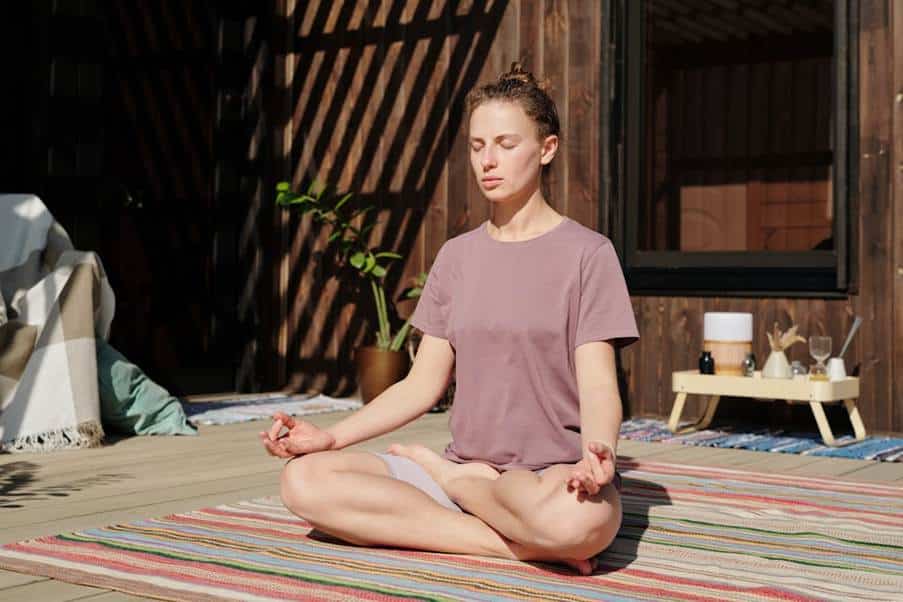
DIYing an outdoor meditation space is possible even with a small backyard, garden, balcony, patio, or rooftop. How can I know my chosen place will be good for a meditation garden? Mindfulness experts for meditation gardens to be:
● relatively quiet
● somewhat or fully private
● with no striking visual distractions
● free of negative memories attached to it
● with plenty of sunlight
● with access to fresh air and wind
Step 3: Plan Layout Roughly
Once you’ve chosen your meditation space, start planning the layout loosely before buying or moving too many things. The main word here is roughly.
Although it’s possible to hire an exterior designer who can realize all your dreams about a meditation garden, DIYing an outdoor meditation space should come naturally, based on how you naturally use the space.
Firstly, think about the main elements you may want to include. People frequently opt for:
● a bench or chair
● meditation cushion or yoga mat
● pathways made of natural elements
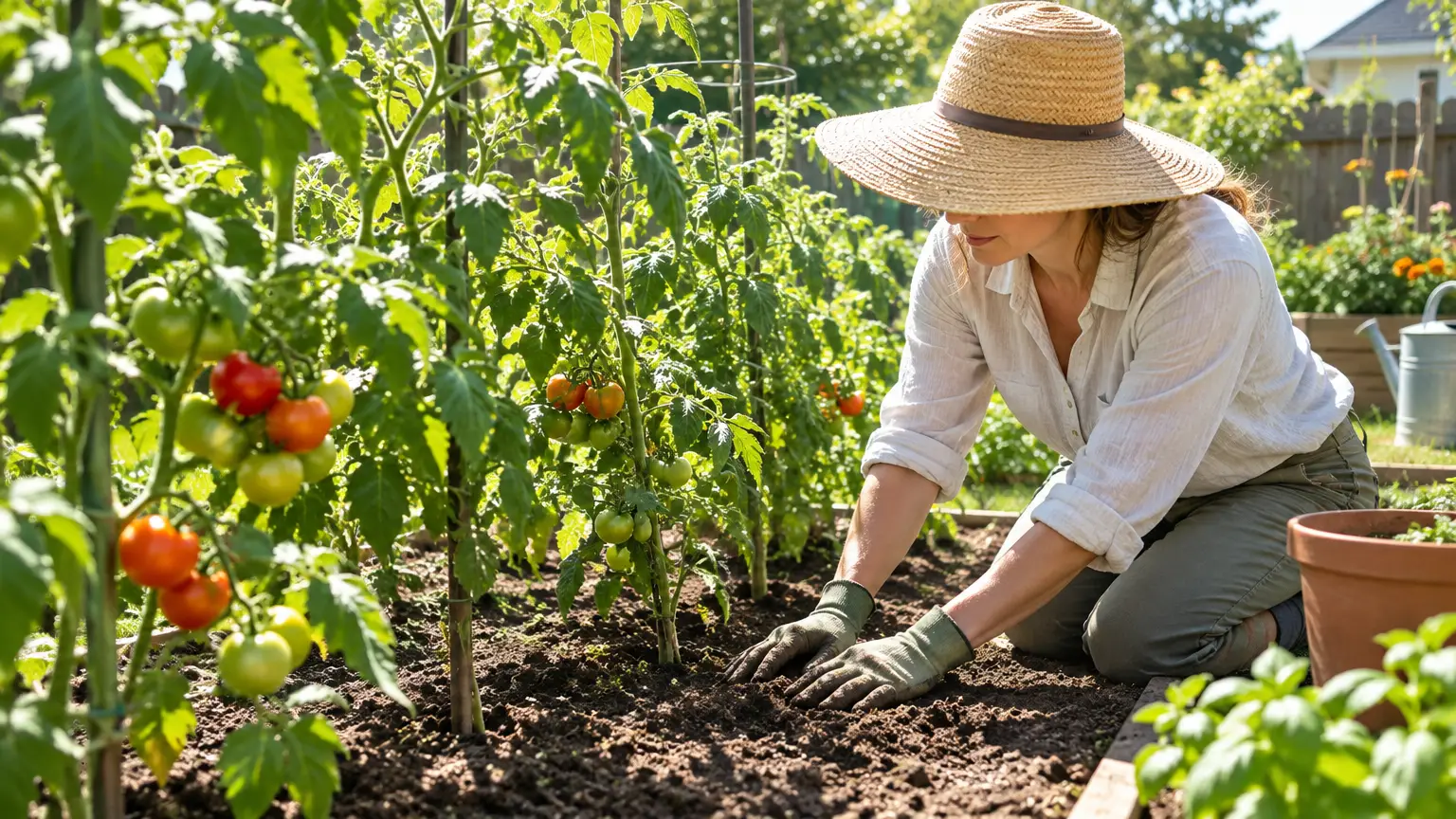
● lots of easy-to-maintain plants
● stones or gravel
● extra lighting
● decorations
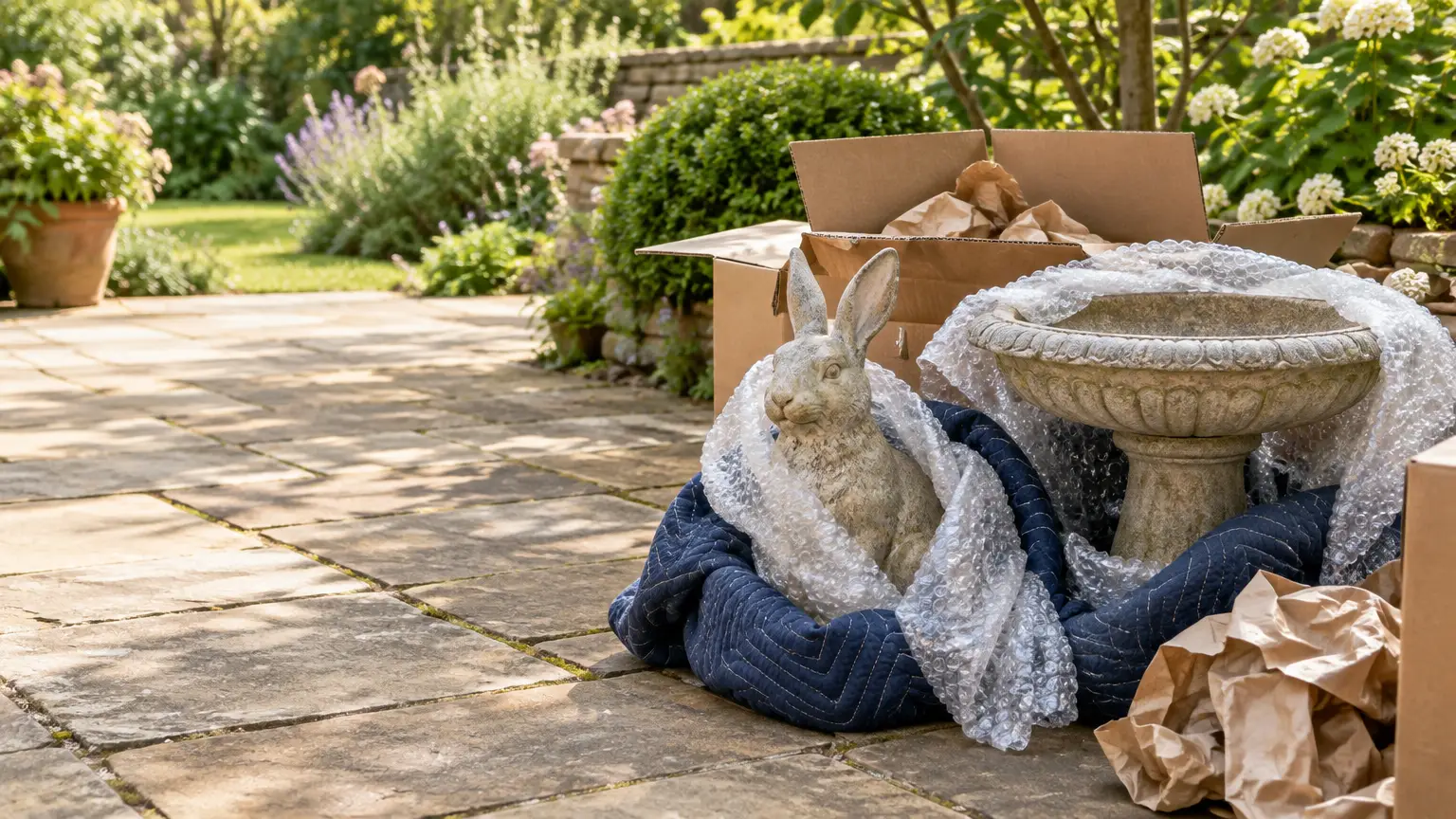
● a small fountain or water feature
● bird feeder
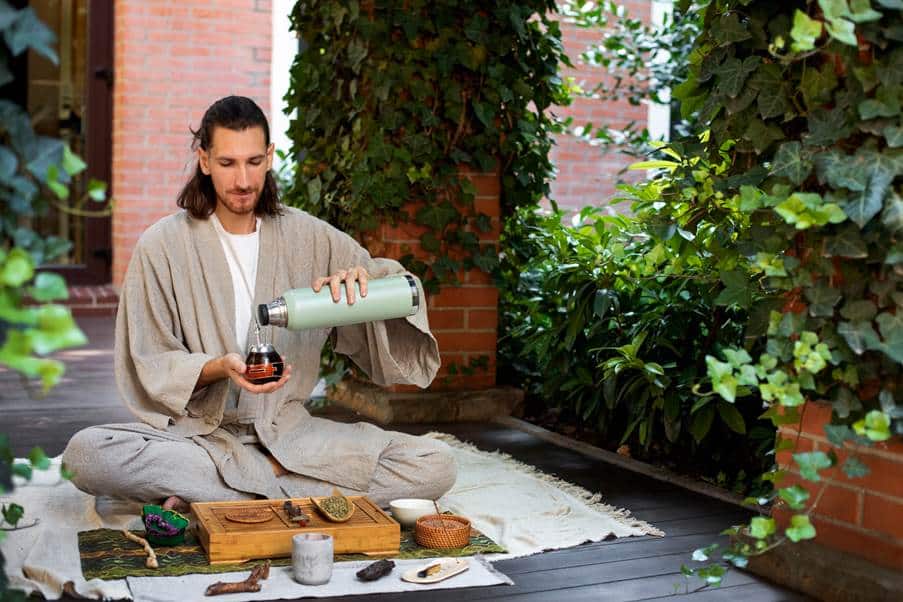
● all you need for stress relief (blankets, journal, tea ceremony set, etc.)
We highly recommend taking advantage of a bigger backyard meditation space to create pathways. Walking meditations are next-level for those who want to combine deep mindfulness with movement.
Don’t worry if your meditation is smaller, you can still practice standing meditation or step on stones, wood, or cushions to ground in sensations of texture.
Last tip for your rough layout: try not to overcrowd the area. Visually busy meditation gardens lose their meaning because they overload the nervous system.
Step 4: Add Natural Elements
Nature itself has calming effects on the human nervous system. You do not need expensive landscaping for your garden meditation.
Start small and collect more nature trinkets with time. Common meditation garden elements include wood, stone, plants, (planted) trees, herbs, water elements, nature scents, bird feeders, baboo sticks, lawn, etc.
Step 5: Test the Space During the Process
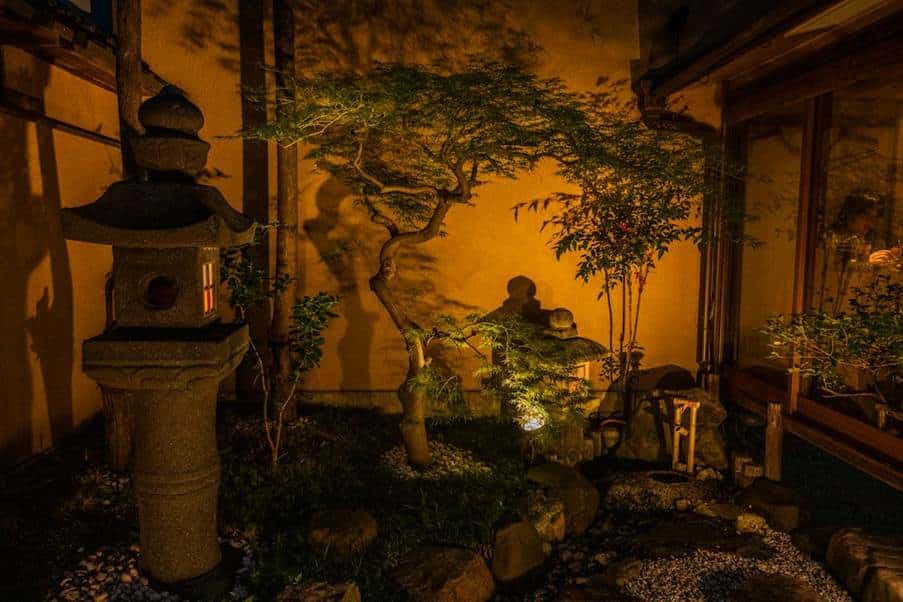
One of the biggest mistakes people make is waiting until the garden is “finished” before actually using it.
Meditation gardens are deeply personal spaces, so it’s important to test them throughout the process. Your garden should be adapted to your needs, not the other way around.
In order to determine your natural behaviors in the garden, you should test them. Sit there for a while. Read, meditate, stretch, or simply drink coffee. Sometimes the original plan may look beautiful in theory but feel wrong in practice. That’s completely normal.
The best meditation spaces usually evolve intuitively over time. Instead of forcing the garden to match an image from social media, allow it to become self-guided.
Step 6: Keep the Garden Flexible
Your meditation garden does not have to stay exactly the same forever. It’s okay to change and evolve. Say you liked yoga more than meditation over time. Then, let the garden change with you.
You might also want smaller changes. Some days you may want:
● more sunlight
● less lighting
● fewer decorations
● a different seating arrangement
● no scents
● no distractions at all
So, just remember that you are allowed to move furniture around, replace plants, add seasonal decorations, and experiment.
Meditation gardens should support your well-being, not become another project where you pressure yourself to achieve “perfection.”
Where to Find Meditation Garden Ideas
Keep in mind that meditation gardens will differ based on:
● culture
● climate
● personality
● available space
● aesthetic preferences
Looking for inspiration for your personal outdoor space? One of the easiest places to start is Pinterest, where people share:
● small balcony meditation spaces
● DIY backyard layouts
● Zen-inspired gardens
● budget-friendly ideas
● cozy outdoor corners and nooks spaces
You can also look at:
● Japanese Zen gardens
● palace or botanical garden photography
● landscape design resources
● wellness retreat spaces
● outdoor yoga studios
to gather ideas for pathways, lighting, plants, layout, etc.
Pro tip: consult yoga instructors, meditation teachers, or mental health professionals for ideas about grounding and sensory regulation. These specialists can give you advice based on your specific needs, unlike generic advice on the web.