Heard a sudden pop coming from your backyard and had no idea what to think?
Chances are, you just witnessed one of nature’s most dramatic little moments, exploding pods on trees doing exactly what they were born to do.
Trees with popping seed pods have a clever way of sending their seeds into the world, using pressure, tension, and timing to make it happen.
Understanding why tree pods explode is honestly the first step to appreciating the quiet genius growing right outside your window.
Let’s get into it.
Why Do Tree Pods Explode?
As seed pods mature and dry out, they build up an intense internal tension along their seams.
When that tension peaks, the pod snaps open with a sharp pop, launching seeds outward in a process called ballistic seed dispersal. It is the tree’s way of giving its seeds the best shot at finding new ground.
Environmental triggers play a big role, too.
Hot, dry weather, sudden temperature shifts, and the late summer to early fall window are prime conditions for pods to burst.
Humidity changes can speed up the process, making warm afternoons the most likely time to catch one mid-pop.
Common Trees With Exploding Seed Pods
Walking through your yard and spotting unusual pods is half the fun. If you are still unsure what you are looking at, tree seed pod identification can help you work through the details more confidently.
Here are some of the most common trees with popping seed pods worth knowing.
1. Black Locust
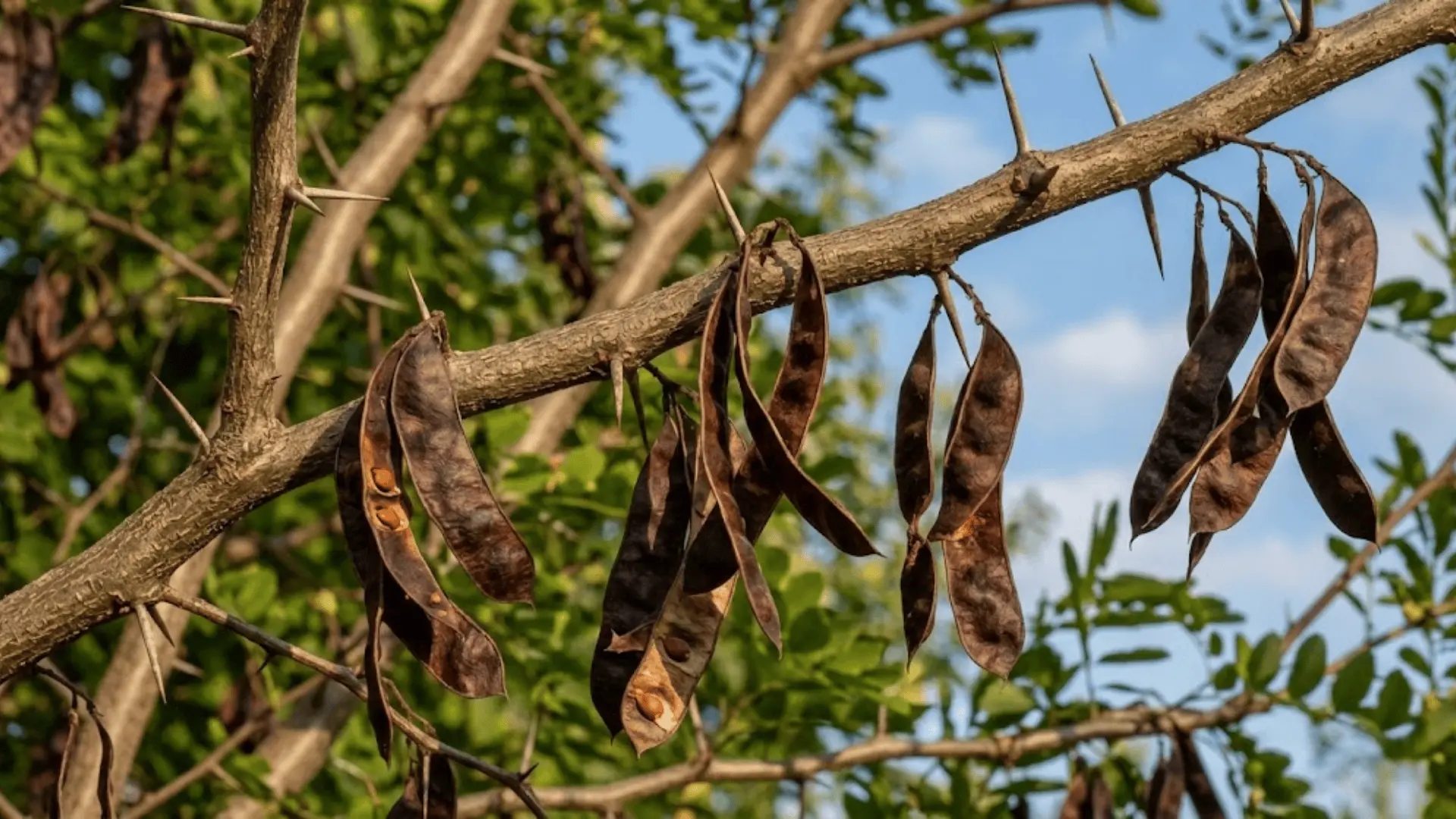
Black locust pods are flat, brown, and narrow, ripening through late summer before twisting and splitting open with a sharp snap.
Look for paired thorns along the branches as your clearest identification clue. The pods tend to hang in clusters, and once they dry out fully, they curl and crack in a way that is pretty hard to miss.
2. Honey Locust
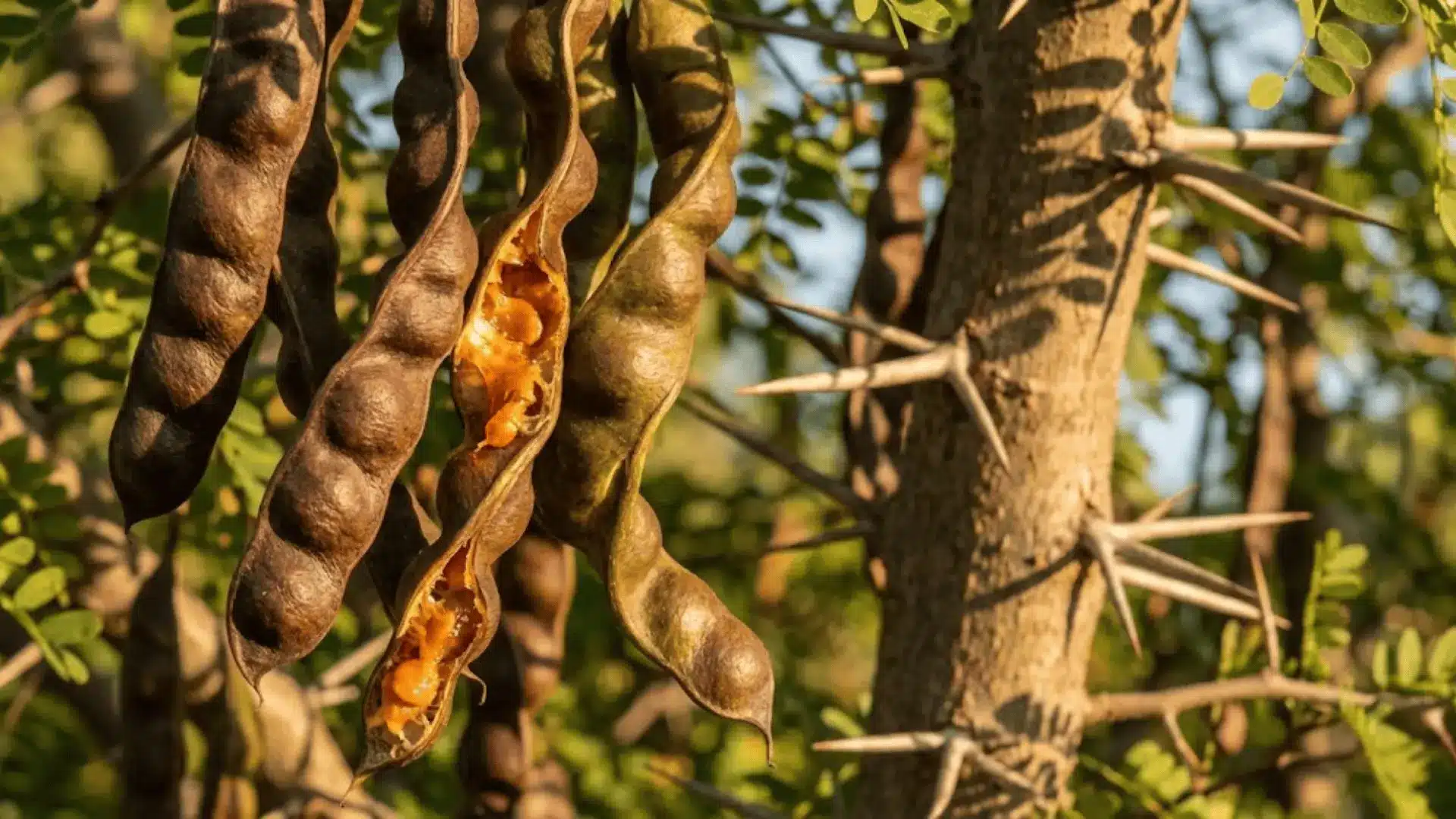
Honey locust produces thick, elongated pods filled with a sticky, sweet pulp that splits apart as the pod dries and contracts. These pods are noticeably larger than black locust pods and tend to spiral slightly when they open.
The tree comes in both thorned and thornless varieties, so checking the trunk and branches for branching thorns can help you tell it apart from similar species.
3. Kentucky Coffeetree
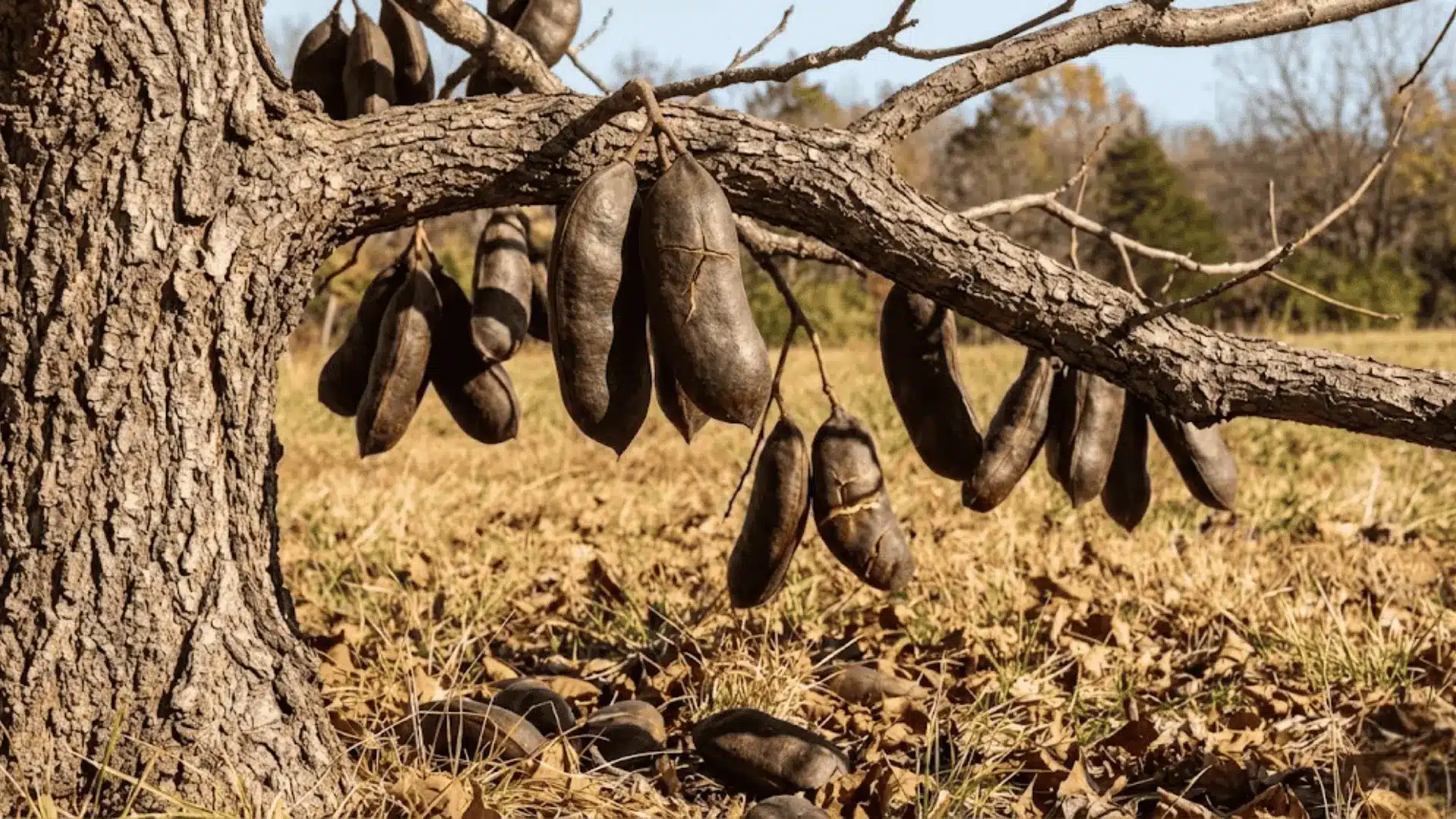
The Kentucky coffeetree carries large, thick, dark brown woody pods that look almost leathery compared to other species.
They crack open rather than split cleanly, and their weight makes them easy to spot on the ground beneath the tree. The pods are toxic to livestock, so identification matters especially if you have animals grazing nearby.
4. Redbud
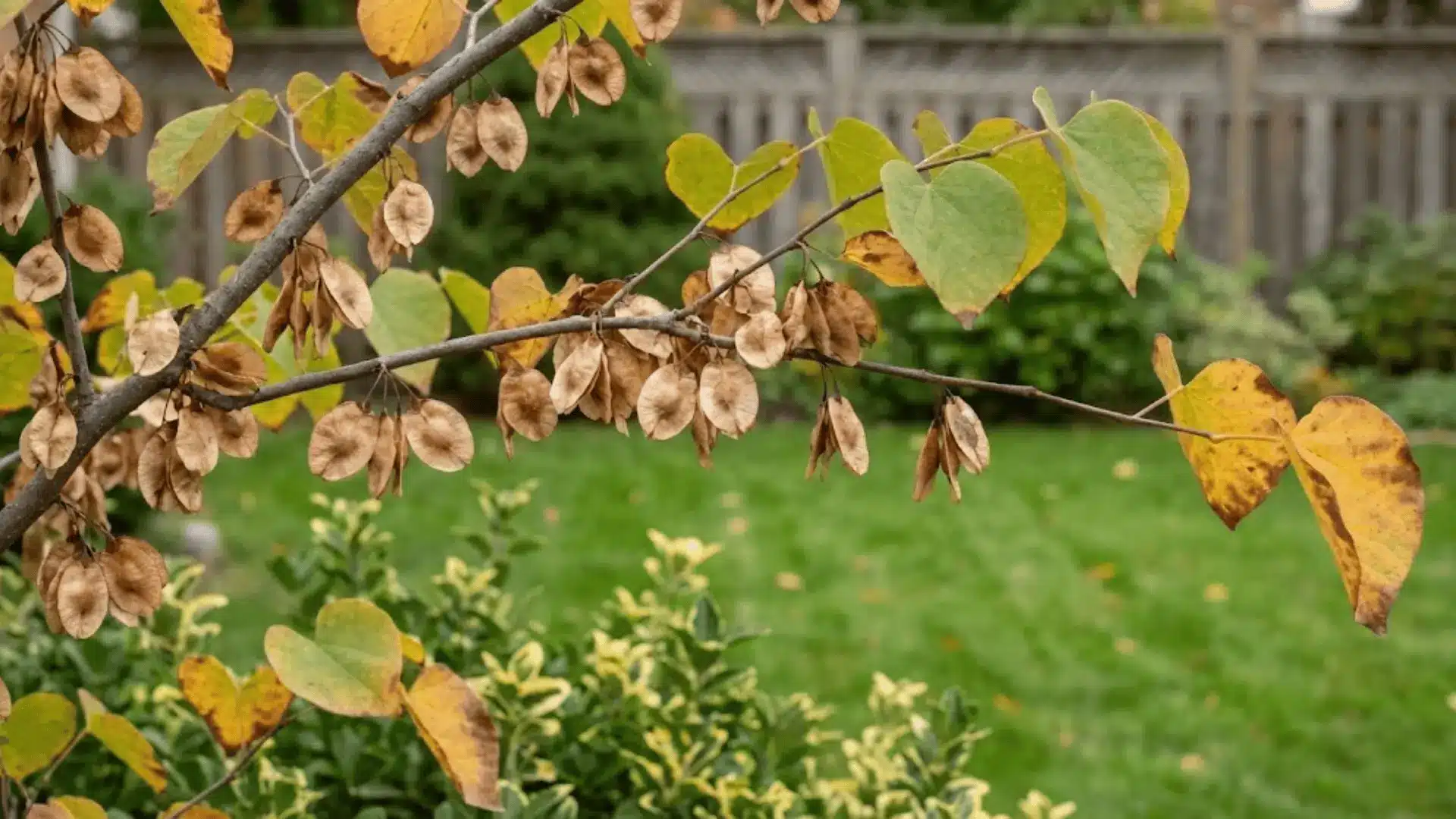
Redbud is a beloved ornamental tree, and its small, flat pods dry and split quietly along their seams in late season. They lack the dramatic snap of larger species but are a charming part of the tree’s seasonal cycle.
The pods are easy to identify alongside redbud’s signature heart-shaped leaves and the vivid pink blossoms it carries in early spring.
5. Sweetgum
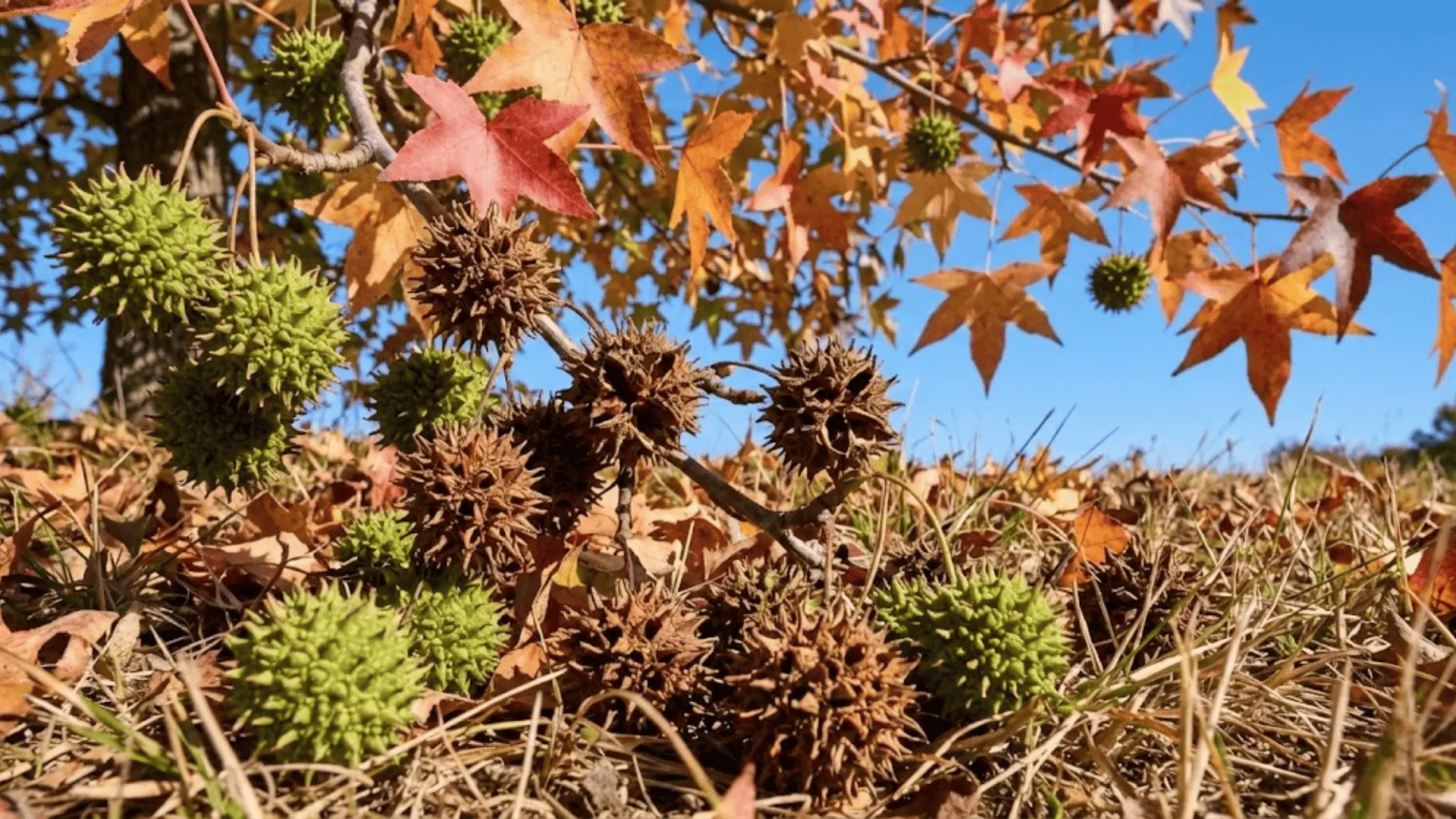
Sweetgum’s spiky seed balls are not true pods but resemble exploding pods because they drop, crack, and scatter seeds. They are hard, woody, and sharp, making them distinctive.
Much like dealing with cottonwood fluff and seeds, seasonal debris from sweetgum can take over a yard quickly if cleanup is not kept up with. The tree’s star-shaped leaves are your quickest identification marker if you are unsure.
6. Mesquite
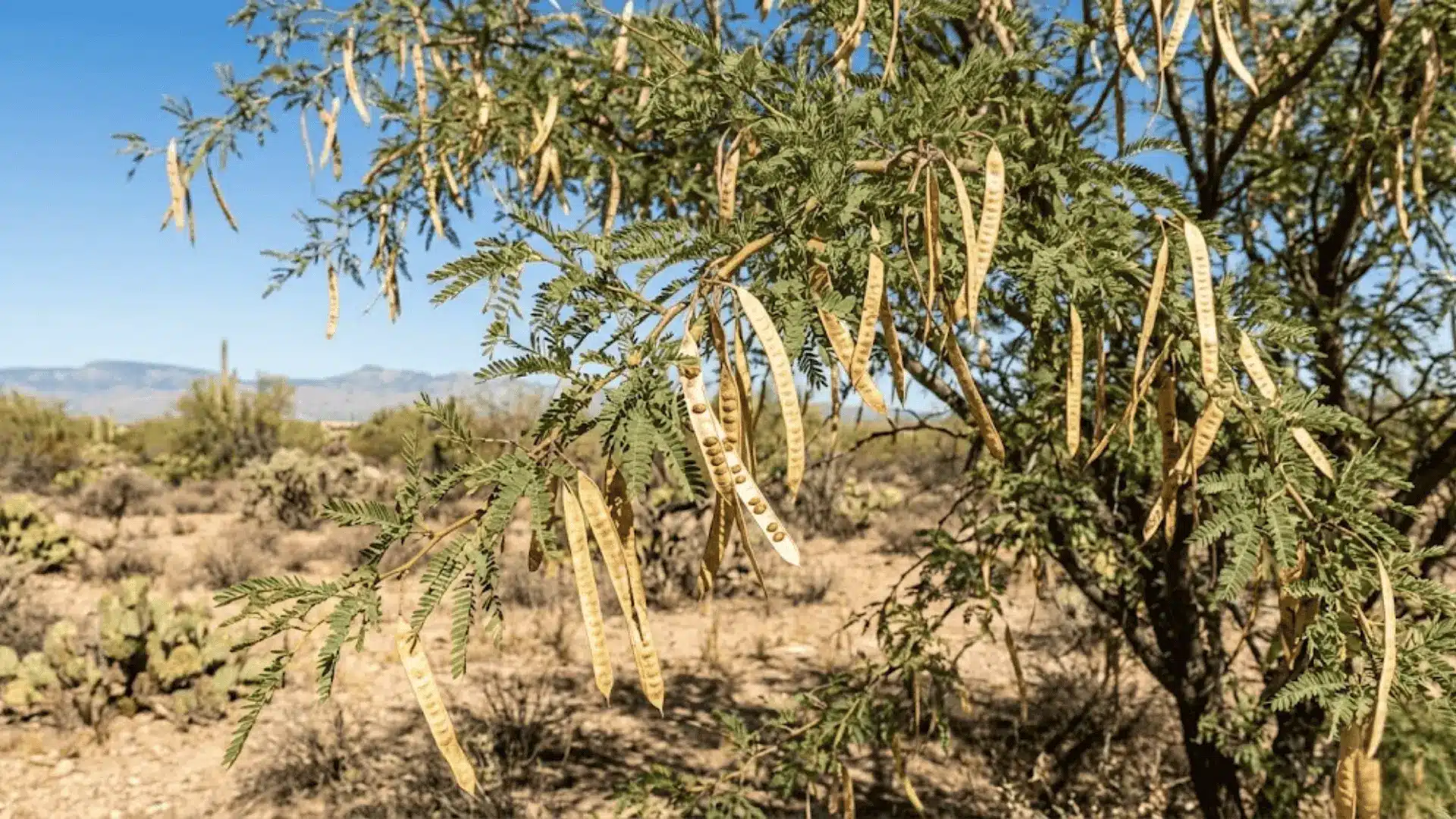
Mesquite produces narrow, straw-colored pods that dry and split in the heat of the Southwestern U.S., where this tree thrives in arid, open landscapes.
The pods are edible and historically significant to Indigenous communities. Splitting occurs gradually with rising temperatures and dropping moisture, as mesquite is highly heat-dependent for pod-bursting.
Are Exploding Pods Dangerous?
For the most part, exploding pods are harmless, but there are a few things worth keeping in mind if you have these trees in your yard.
- The popping sounds can be startling, especially during quiet evenings or early mornings.
- Fallen pods and seed debris can create slipping hazards on patios, walkways, and driveways.
- Seeds spread quickly, leading to unexpected seedling growth in garden beds and lawns.
- Certain species, like black locust and mesquite, have invasive tendencies, taking over open spaces if left unchecked.
- Kentucky coffeetree pods are toxic to livestock, making cleanup important for homes with animals.
Nothing here should discourage you from enjoying these trees. A little seasonal awareness goes a long way in keeping your yard both safe and beautiful.
How to Identify the Tree Causing the Popping?
You do not always need to be a botanist to figure out what is growing in your yard. These visual and seasonal clues can help you narrow it down pretty quickly.
| Tree | Pod Size & Thickness | Bark Texture | Leaf Shape | Thorns | Pod Burst Season |
|---|---|---|---|---|---|
| Black Locust | Flat, narrow, thin | Deeply furrowed, ridged | Oval, paired leaflets | Yes, paired | Late summer to fall |
| Honey Locust | Long, thick, twisted | Gray-brown, plated | Fine, feathery leaflets | Yes, branching | Late summer to fall |
| Kentucky Coffeetree | Large, leathery, woody | Rough, scaly, dark | Large bipinnate leaves | No | Fall to early winter |
| Redbud | Small, flat, thin | Smooth to slightly furrowed | Heart-shaped | No | Late fall |
| Sweetgum | Spiky, round, hard | Grayish, corky ridges | Star-shaped, five-lobed | No | Fall to winter |
| Mesquite | Narrow, straw-like, thin | Rough, shaggy, reddish-brown | Small, feathery leaflets | Yes, single | Summer to early fall |
Keeping a casual eye on your tree through the seasons makes identification even easier over time.
Yard Cleanup & Management Tips
Staying on top of pod season does not have to feel like a chore. A few simple habits can keep your yard looking clean and your garden beds in great shape.
- Rake regularly through late summer and fall to prevent pods and seeds from piling up.
- Use mulch in garden beds to suppress seed germination and improve overall soil health.
- Clear walkways and patios often during peak pod season to avoid slipping hazards.
- Light seasonal pruning can reduce pod production over time, keeping things more manageable year to year.
-
For larger trees, consulting a certified arborist who provides tree pruning services before pruning ensures you are not stressing the tree unnecessarily.
A little consistency through the season saves a lot of effort later, and your yard will thank you for it.
The Bottom Line
Exploding pods on trees are one of those small, surprising things nature does completely on its own terms.
Now that you know which trees with popping seed pods to look for and how to manage them, the whole experience feels a lot less startling and a lot more interesting.
Why do tree pods explode? Simply put, it is survival in its most creative form.
With the right care and a little seasonal attention, these trees can be a genuinely rewarding part of your landscape.
Have one of these trees in your yard? Drop the name in the comments below!