
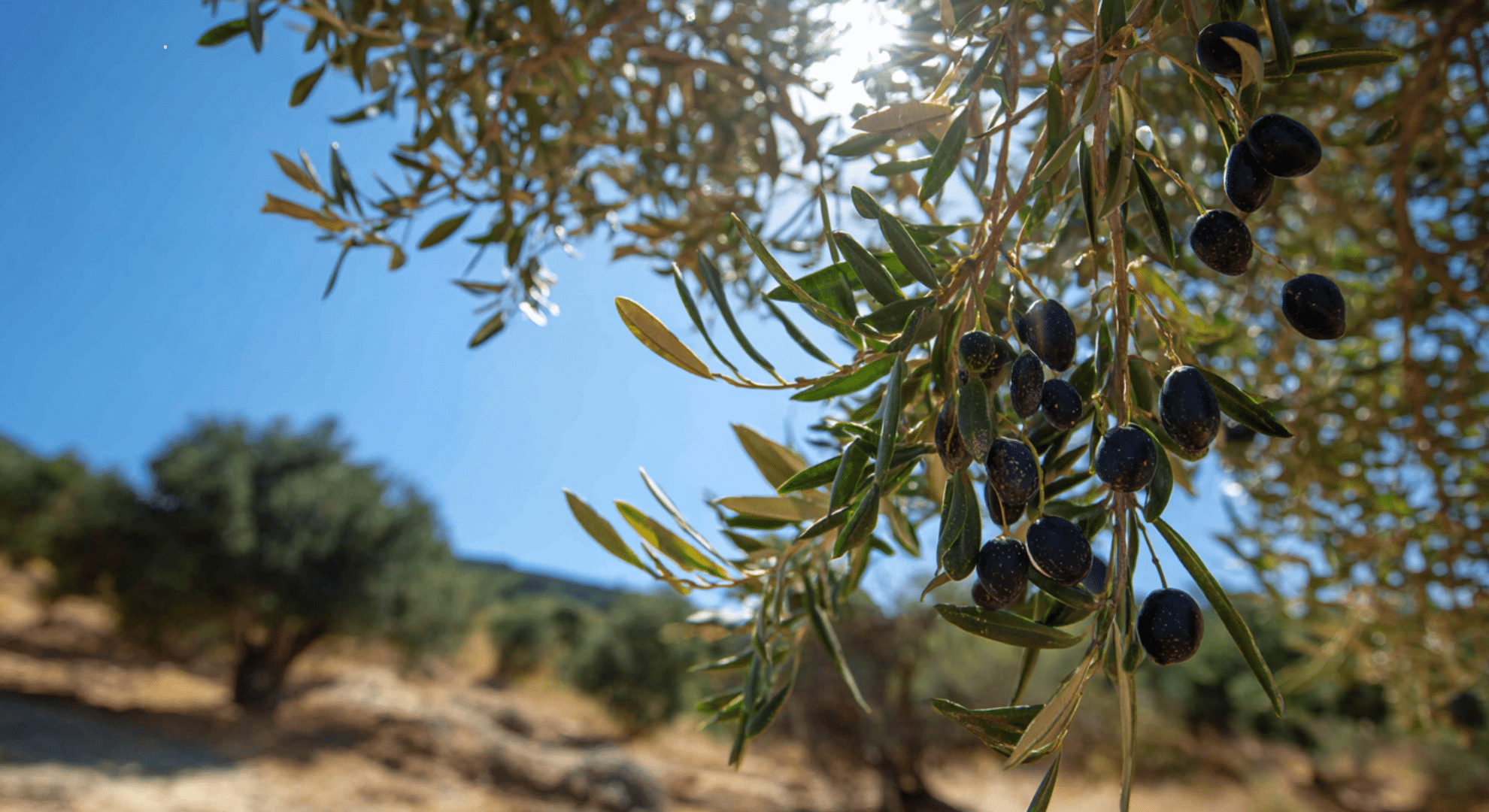
You may have eaten olives for years without ever stopping to wonder where they come from.
Do olives grow on trees, bushes, or vines? It is a simple question to think about.
I remember seeing an olive tree for the first time and realizing how different the fresh fruit looked from the olives served in jars and salads.
That made me curious about how olives grow and what happens before they reach our plates. Olive trees have their own natural process, shaped by seasons, sunlight, flowers, and growth.
Sometimes, the everyday foods we know best have the most interesting stories growing behind them.
Understanding Olives at a Glance
Olives are small stone fruits that grow on evergreen olive trees. They are widely cultivated for table use and olive oil, especially in regions with warm, dry summers and mild winters.
| Fact | Details |
|---|---|
| Botanical Name | Olea europaea |
| Plant Type | Evergreen fruit tree |
| Fruit Type | Drupe or stone fruit |
| Native Region | Mediterranean region |
| Tree Height | Usually 20 to 30 feet, depending on the variety and pruning |
| Pollination | Mainly pollinated by wind |
| Soil Preference | Well-drained sandy, loamy, or rocky soil |
| Main Uses | Table olives, olive oil, spreads, salads, and cooking |
| Harvest Season | Usually late summer through winter |
Do Olives Grow on Trees?
Yes, olives grow on trees, specifically on a tree called the olive tree.
These trees are part of the same plant family as lilacs and ash trees. Even though olives are fruits, they don’t grow on vines like grapes or on the ground like strawberries.
They grow on strong, woody branches, just like apples or oranges. These trees produce flowers in spring, and the pollinated flowers begin developing into olives.
The fruit forms directly on the branches, often in clusters, and gradually increases in size over several months.
That kind of shared ancestry always catches my attention, since plant family trees often connect species that look nothing alike on the surface.
Although olive trees can survive dry conditions, proper watering during flowering and fruit development helps support healthy growth and consistent production.
Do Olive Trees Grow as Trees or Bushes?
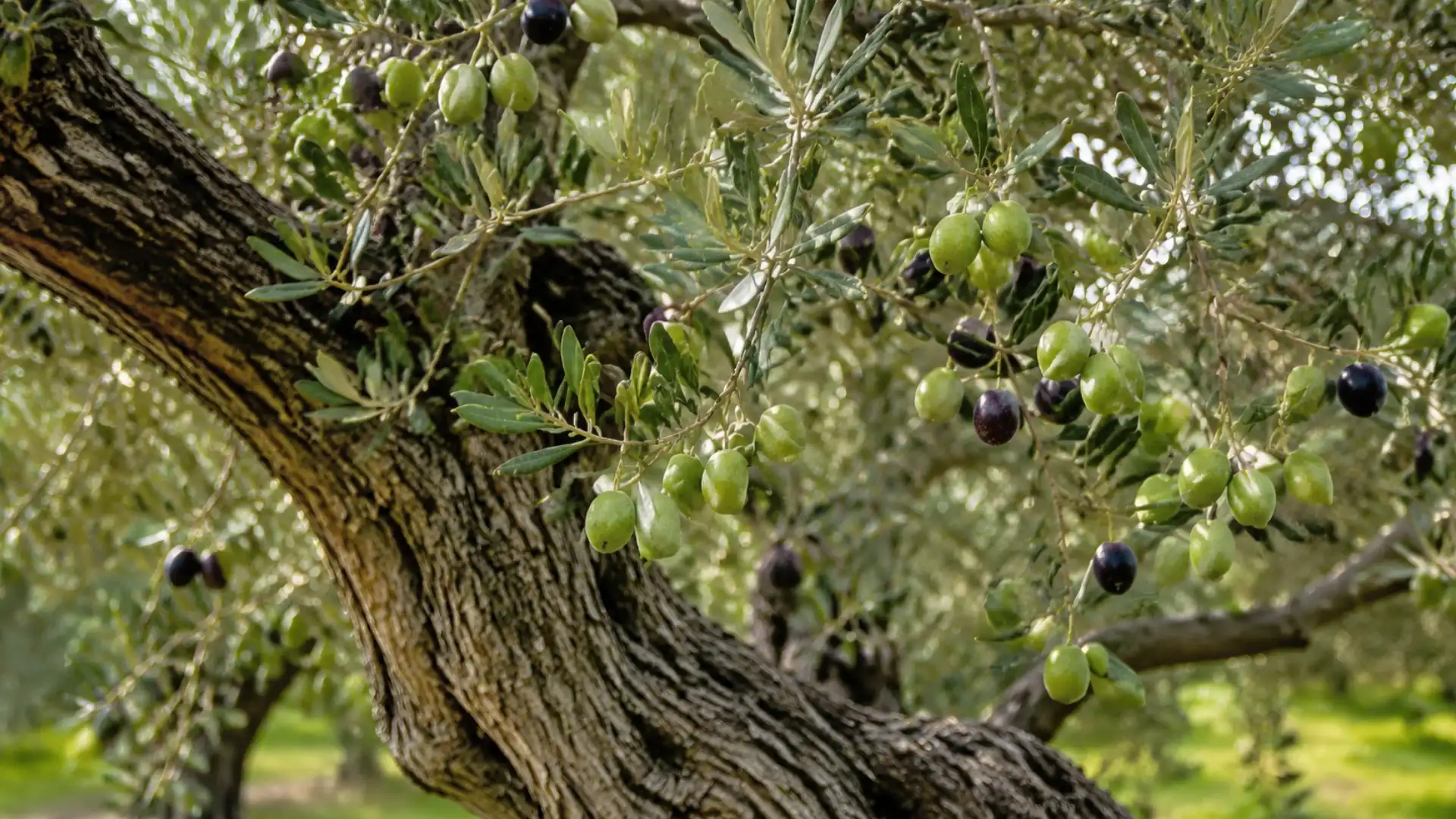
Olive trees are naturally trees, but they can sometimes look like bushes. It all depends on how they’re cared for.
If left alone, an olive tree will grow with one main trunk and develop a wide, strong shape like other fruit trees.
But when they’re trimmed or grown in tight spaces, they might be pruned to stay low and spread out like a bush.
In farms or home gardens, people often shape olive trees to fit the space they have. Some choose to keep them small for easier picking. Others let them grow tall for shade and beauty.
Even when they look bushy, olive trees still have the same woody trunk and strong root system that make them true trees.
So while their shape can change, they’re not vines or shrubs. They’re real trees, just ones that can be shaped in different ways depending on how they’re grown.
How Do Olives Grow?
Olives grow through a seasonal process that begins with flowering and ends with harvesting. The process takes several months and happens gradually.
1. Flower Buds Begin to Form
Olive trees begin preparing for fruit production before the flowers appear. During cooler months, the tree develops buds on branches that grew during the previous season.
As temperatures rise in spring, these buds continue developing. Some become leafy shoots, while others turn into flower clusters.
Healthy branches and suitable winter conditions are important at this stage.
2. Olive Flowers Begin to Bloom
In spring, the olive tree produces clusters of tiny cream or white flowers. These flowers may not look dramatic, but they are essential for fruit development.
Some flowers contain the parts needed to produce olives, while others mainly release pollen.
The flowering period is usually brief and can be affected by strong winds, heavy rain, or sudden temperature changes.
Only flowers that remain healthy and receive successful pollination have the chance to become olives.
3. Pollination Takes Place
Olive trees are mainly pollinated by wind. Pollen travels from one flower to another and allows fertilization to occur.
Some olive varieties can pollinate themselves, but many produce a better crop when another compatible variety grows nearby. Dry, mild weather usually supports successful pollination.
After pollination, many flowers naturally fall, and only a small number continue developing into fruit.
4. Young Olives Begin Developing
After successful pollination, tiny green olives begin forming where the flowers were attached.
The young fruits slowly increase in size during late spring and summer. Inside each olive, the hard central pit starts developing.
That pit is the true seed, tucked deep inside the flesh rather than sitting loose the way it does in something like an apple. However, getting comfortable with seed pod identification makes it easier to spot that difference across other trees, too.
Fruit growth may slow while the pit hardens, then continue again as the flesh expands.
5. Olives Ripen and are Harvested
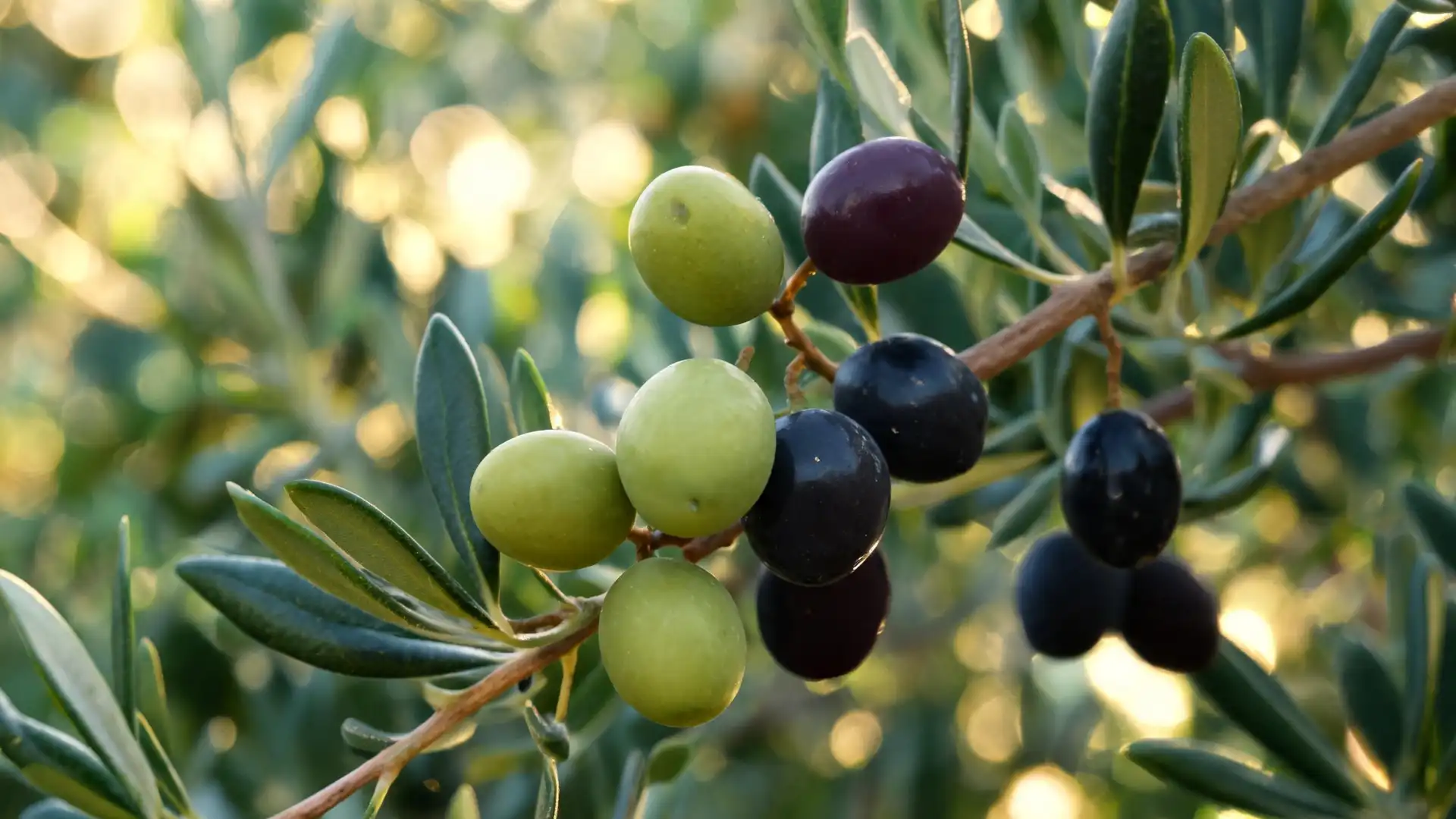
Olives start green and gradually change color as they mature. Depending on the variety, they may become yellow-green, reddish-purple, brown, or black.
The fruit also becomes softer and develops more oil during ripening. Harvest time depends on how the olives will be used.
Green table olives are picked earlier, while darker olives are often left longer.
When Do Olive Trees Start Producing Fruit?
Most olive trees start producing their first fruit between 3 and 5 years after being planted. But even then, the amount is small.
Young trees are still focusing on building strong roots and branches, so fruit isn’t their main focus yet. It usually takes 8 to 10 years before a tree produces a good harvest.
Some types may take even longer, especially if they’re grown from seed instead of a cutting.
To get fruit, olive trees need full sun: at least 6 hours a day. Good pruning also helps by letting light reach the inner branches. But pruning too much or at the wrong time can reduce flowering.
Adding too much fertilizer, especially nitrogen, can cause the tree to grow leaves instead of fruit. Cold weather is another problem. If frost hits during flowering season, it can kill the flowers and stop fruit from forming.
With the right care, though, a healthy tree will give you olives year after year. You just need time, sun, and a little balance.
Why Some Olives are Green, and Others are Black?
The difference between green and black olives has nothing to do with the type of tree they grow on. It’s all about ripeness; green olives are picked early, before they fully ripen.
They’re firmer, a bit more bitter, and often used for stuffing or slicing. Black olives, on the other hand, are left on the tree longer. As they ripen, they turn darker and become softer.
These fully ripe olives are usually used for making oil or canned products.
| Olive Color | Ripeness Level | Taste | Common Use |
|---|---|---|---|
| Green | Unripe | Firm, slightly bitter | Snacking, stuffing |
| Purple/Brown | Mid-ripe | Richer, less bitter | Curing, specialty oils |
| Black | Fully ripe | Soft, smooth flavor | Olive oil, canned |
It’s common to see green and black olives growing on the same tree. That’s because not all olives ripen at the same time.
Farmers may pick some olives early for green uses and leave others longer for oil or black olive production.
Factors That May Affect the Growth of Olive Trees
Olive trees grow best in warm, sunny regions with dry summers and mild winters. Several conditions can influence how well an olive tree grows and produces fruit
- Warm Climate: Olive trees prefer Mediterranean-style climates with hot, dry summers and mild winters.
- Full Sunlight: They grow best in locations that receive at least six to eight hours of direct sunlight each day.
- Well-Drained Soil: Sandy, loamy, or rocky soil works well because olive roots do not tolerate standing water.
- Mild Winters: Some cool weather supports flowering, but severe frost can damage branches, buds, and developing fruit.
- Low Humidity: Dry air helps reduce the risk of fungal diseases and supports healthier growth.
- Good Airflow: Open planting areas allow air to move through the branches and help prevent moisture-related problems.
- Protected Location: Planting near a wall or sheltered area can help protect young trees from strong winds and cold conditions.
Can You Eat Olives Straight Off the Tree?
No, you can’t eat olives straight off the tree. Fresh olives are very bitter and have a strong, unpleasant taste.
That’s because they contain a natural chemical called oleuropein, which makes them hard to enjoy raw.
To make olives tasty, they need to go through a process called curing. This can involve soaking them in salt, water, brine, or lye to remove the bitterness.
Some olives are also fermented during this process, which helps develop their flavor.
So, even though they look ready to eat when ripe, olives must be treated first.
That’s why store-bought olives taste so different; they’ve been carefully cured and sometimes flavored with herbs, garlic, or oil before they reach your plate.
Conclusion
Olive trees need time, patience, and suitable conditions before they begin producing a reliable harvest.
For home growers, success often comes from choosing the right variety and giving the tree consistent care without overwatering or overpruning.
Even small changes in weather or growing conditions can affect the final crop.
If you are planning to grow an olive tree or simply want a clear answer about where olives come from, you now have the basics.
Have you ever grown an olive tree or seen one producing fruit? Share your experience, questions, or tips in the comments below.
Frequently Asked Questions
Where Can You Grow Olives?
Olives grow best in California, Arizona, Texas, and parts of Oregon, Georgia, and Florida where summers are warm, winters are mild, and soil drains well.
Can Olive Trees Grow in Pots?
Yes, olive trees can grow in large pots with drainage holes, full sunlight, and well-draining soil, but container-grown trees may produce fewer olives.
Do Olive Trees Need a Male and Female Tree?
No, olive trees are not divided into male and female trees. However, some varieties produce better fruit when another compatible olive variety grows nearby.




One Response
Can I get a copy of your picture of the old olive tree to use on the cover of my book?