Some seeds need more than soil, water, and warmth to germinate.
I have found that certain seeds need a period of cold conditions before they are ready to sprout.
Without this treatment, some seeds may take much longer to germinate or may not sprout at all.
Seed stratification recreates the seasonal conditions that seeds would normally experience outdoors before growing in spring.
Knowing these basic requirements can help me prepare dormant seeds correctly and give them a better chance of successful germination.
What is Cold Stratification?
Cold stratification is a process that exposes seeds to cold, moist conditions for a specific period before planting.
It copies the natural winter conditions that many seeds experience outdoors.
Some seeds have a built-in dormancy that prevents them from sprouting immediately after they fall from the parent plant.
A period of cold temperatures helps break this dormancy and prepares the seed for germination when warmer conditions return.
Depending on the plant, the process may take a few weeks or several months.
Once the required chilling period is complete, you can plant the seeds under suitable growing conditions.
Cold Stratification vs Seed Stratification: What is the Difference?
Cold stratification and seed stratification are closely related, but they do not mean exactly the same thing. Here is the difference between the two:
| Feature | Cold Stratification | Seed Stratification |
|---|---|---|
| Meaning | Exposing seeds to cold, moist conditions | Treating seeds with specific conditions to break dormancy |
| Purpose | Mimics winter conditions before spring growth | Mimics natural seasonal conditions needed for germination |
| Temperature | Requires a period of cold temperatures | May involve cold, warm, or changing temperatures |
| Moisture | Usually requires consistent moisture | Moisture needs depend on the stratification method |
| Duration | Often lasts several weeks or months | Varies depending on the seed species and method |
| Best For | Seeds adapted to cold winter climates | Seeds with different types of natural dormancy |
| Examples | Lavender, milkweed, apple, cherry | Includes seeds needing cold, warm, or combined treatments |
Different Methods of Cold Stratifying Seeds
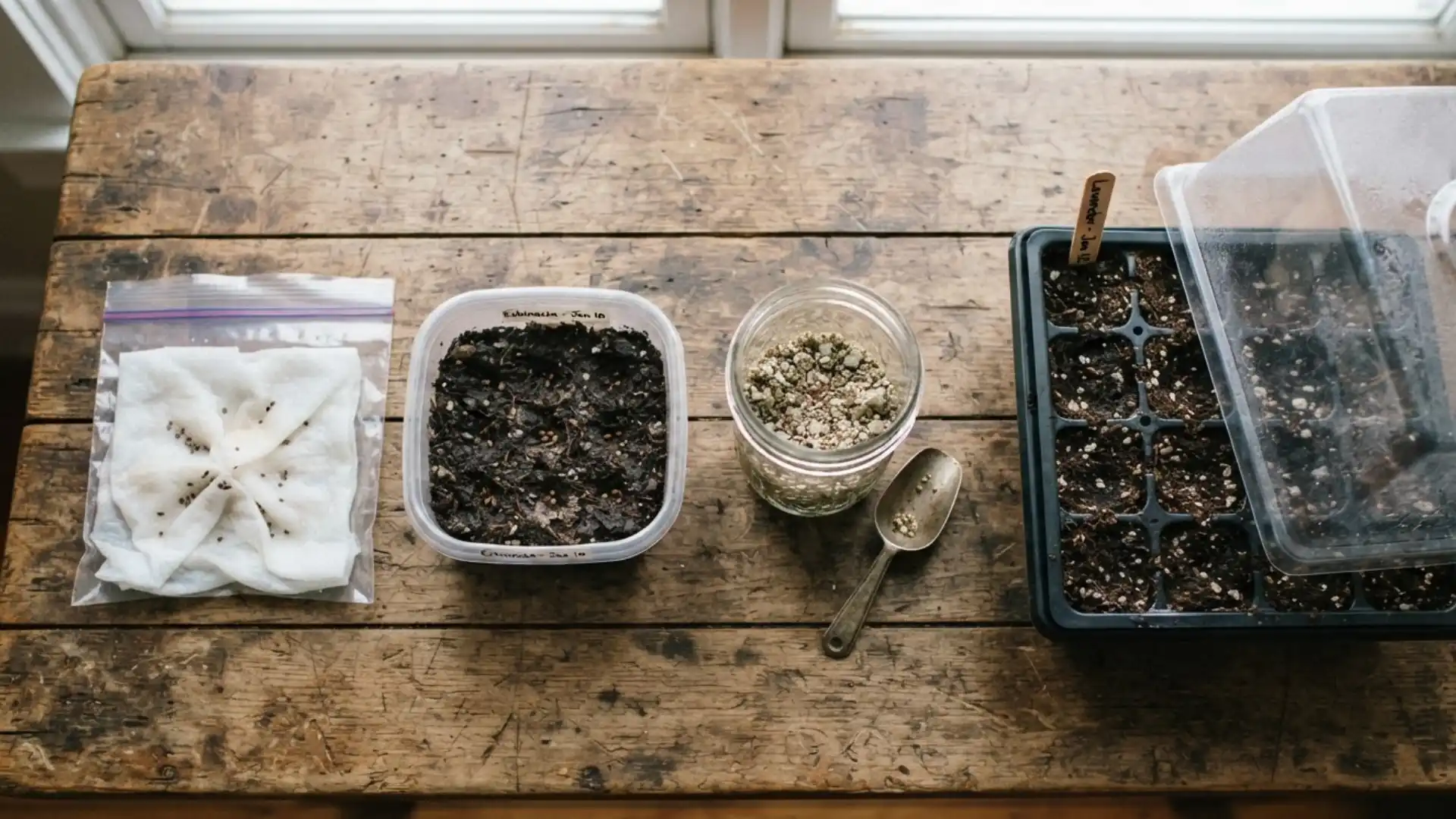
Several methods exist, depending on the seed type, available space, and growing setup, while ensuring each seed receives the right moisture, temperature, and chilling period.
1. Cold Stratification With a Paper Towel
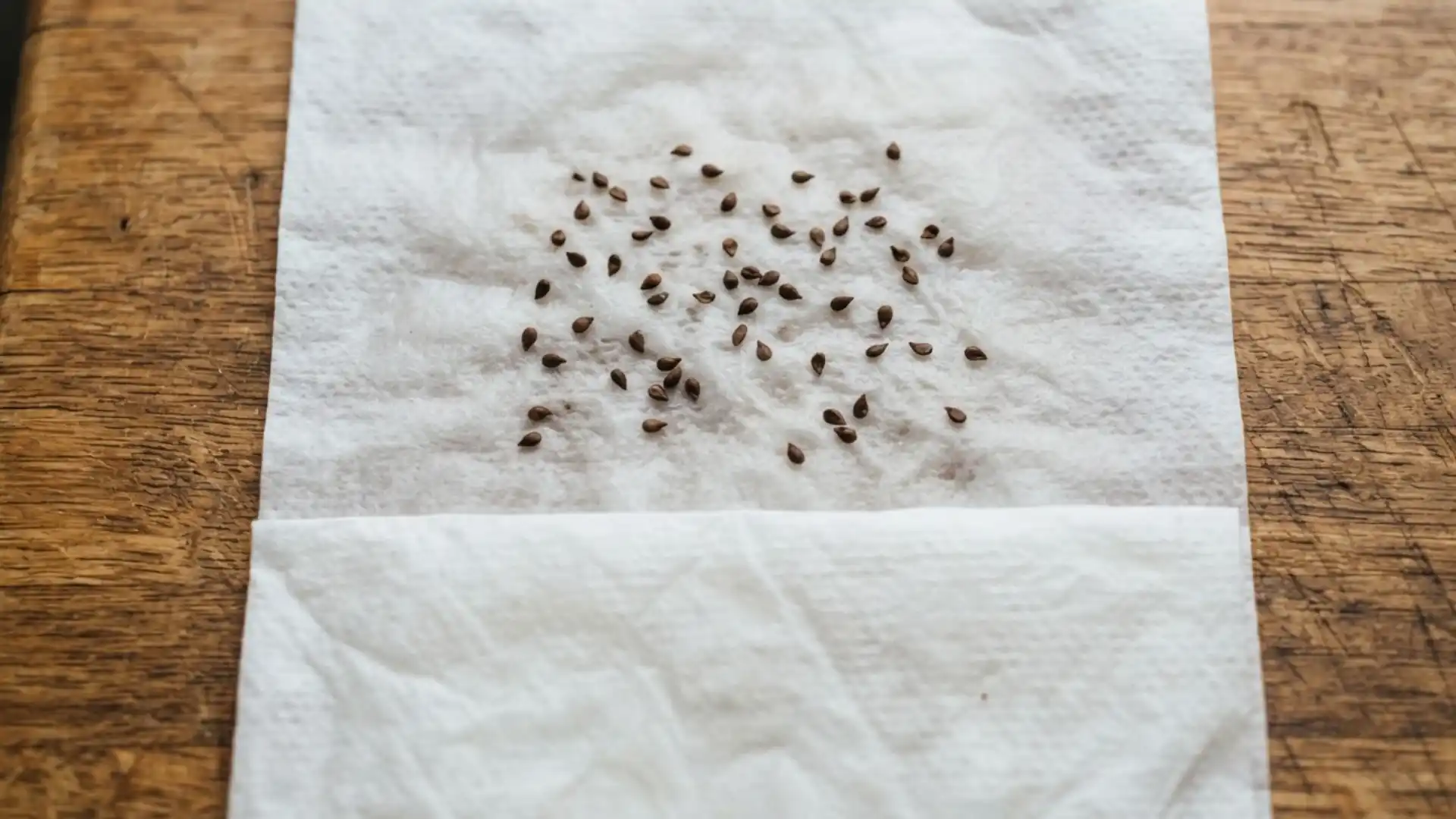
The paper towel method works well for small batches because you can easily monitor the seeds throughout the chilling period.
A damp towel maintains the necessary moisture, while a resealable bag prevents it from drying quickly. This method also makes early root growth easy to spot.
Steps to follow:
- Moisten a clean paper towel and squeeze out excess water.
- Spread the seeds apart across one half.
- Gently fold the towel over the seeds.
- Place it inside a labeled resealable bag.
- Refrigerate for the recommended chilling period.
- Check regularly and plant any seeds that begin sprouting.
2. Cold Stratification in Potting Mix
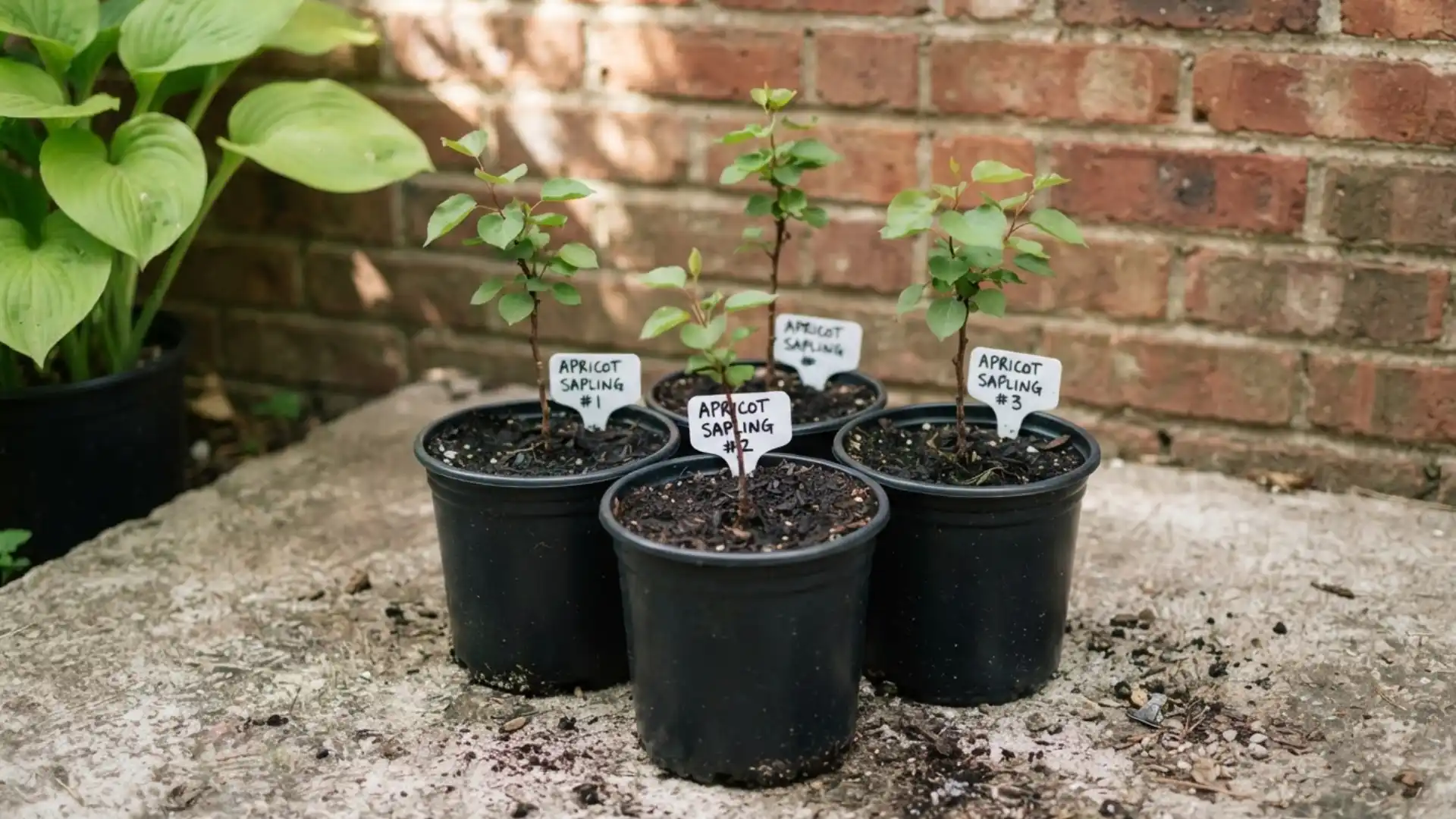
Using potting mix gives seeds conditions similar to those they will experience after planting.
The moist growing medium surrounds the seeds evenly and helps maintain steady moisture during refrigeration.
Steps to follow:
- Lightly moisten fresh, clean potting mix.
- Add the mix to a small container or bag.
- Place the seeds throughout the medium.
- Close the container and label it with the date.
- Store it in the refrigerator for the required period.
- Remove the seeds when chilling is complete and sow as recommended.
3. Cold Stratification With Sand or Vermiculite
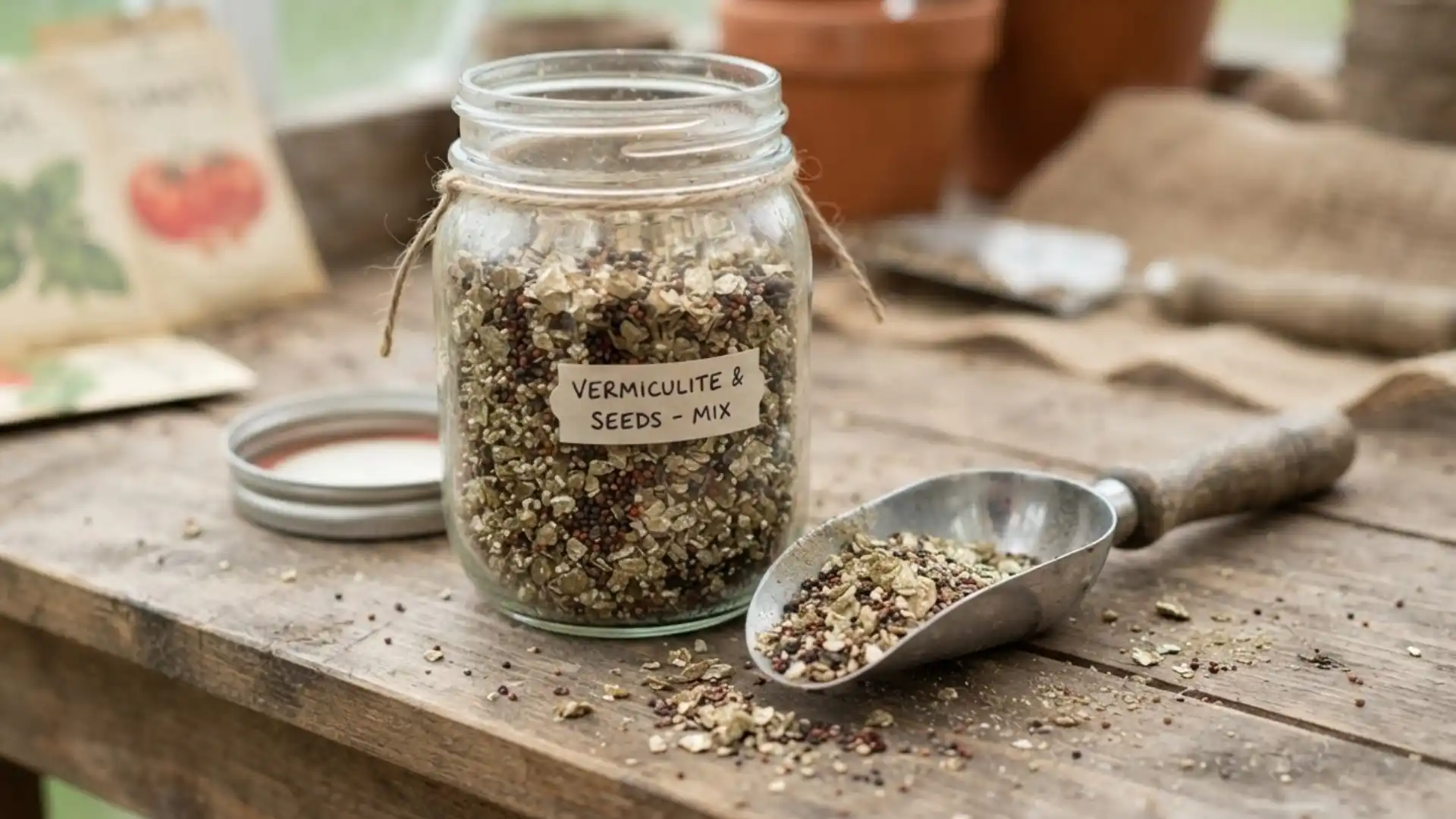
Sand and vermiculite can hold enough moisture around seeds without creating heavily compacted conditions.
This method can be useful for larger seeds or varieties that need an extended period of cold treatment before sowing.
Steps to follow:
- Dampen the sand or vermiculite without soaking it.
- Combine the seeds evenly with the prepared material.
- Transfer the mixture into a sealed bag or container.
- Label it with the seed variety and starting date.
- Refrigerate for the species-specific chilling period.
- Inspect occasionally for mold, dryness, or germination.
4. Cold Stratification in Seed Trays or Pots
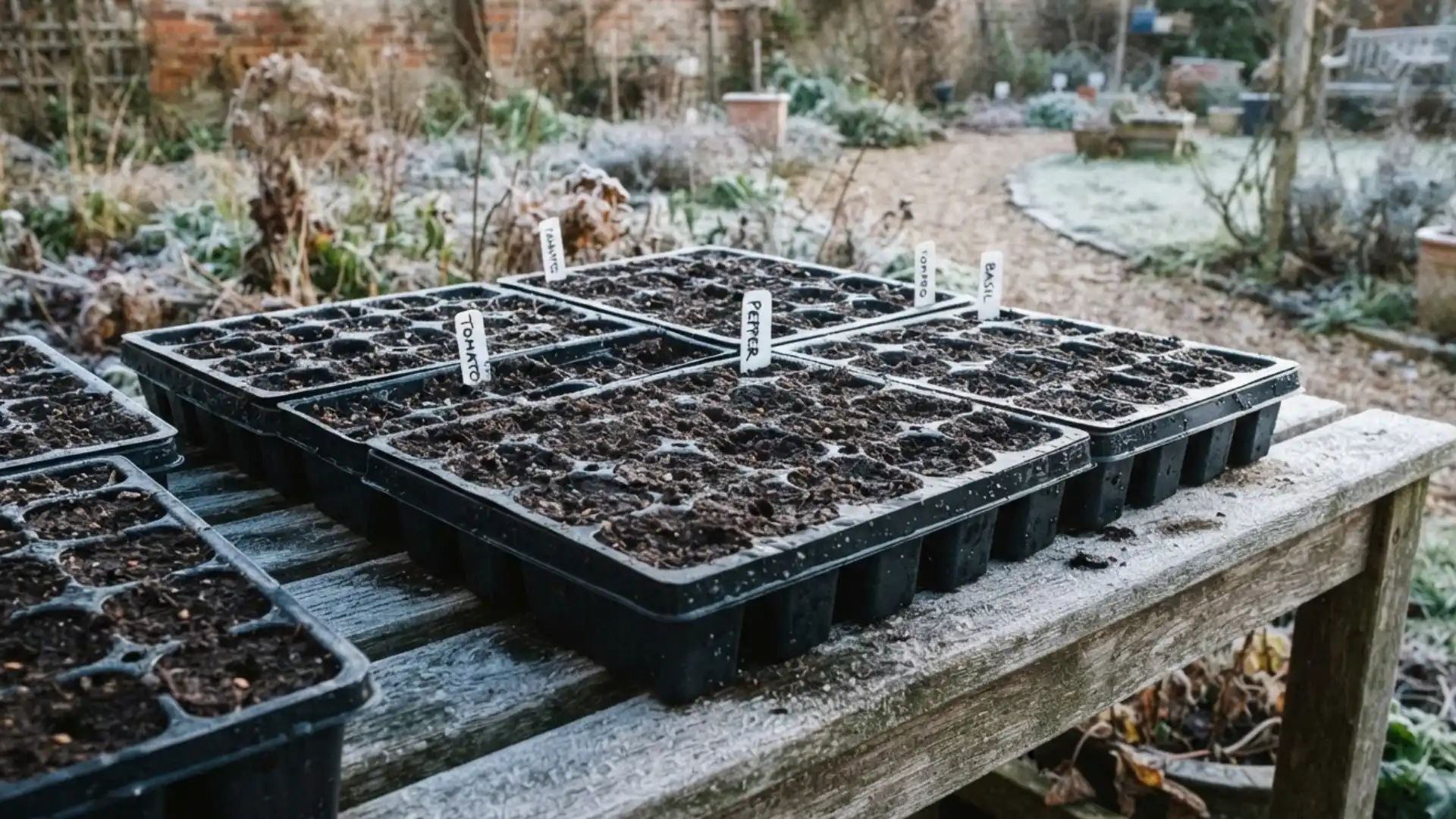
This method allows seeds to complete their cold period in the same container where they can later begin growing.
It reduces handling after stratification and works especially well when individual seeds are difficult to separate. You can keep chilled containers outdoors or in another suitably cold location.
Steps to follow:
- Fill clean trays or pots with suitable seed-starting mix.
- Sow seeds at their recommended depth and spacing.
- Water lightly to moisten the growing medium.
- Cover or protect containers from heavy rain and animals.
- Place them in appropriate cold conditions for the required period.
- Move them to suitable germination conditions once stratification ends.
When Should You Cold Stratify Seeds?
You should cold stratify seeds several weeks or months before you plan to sow them, depending on the plant’s specific chilling requirement.
Many seeds need about 30 to 60 days of cold treatment while some species may require 90 days or longer.
Check the seed packet or growing instructions before choosing a starting date.
Count backward from your planned planting date to determine when to begin cold stratification.
This timing usually overlaps with your indoor seed-starting schedule, so it helps to plan both on the same calendar.
If you are using natural outdoor stratification, sow the seeds in fall or early winter so seasonal cold can provide the necessary treatment.
Which Seeds Need Cold Stratification?
Many plants native to regions with cold winters produce seeds that remain dormant until they experience a period of low temperatures.
However, requirements can differ between species and varieties, so always check the seed packet or reliable growing instructions before starting cold stratification.
1. Flower Seeds
Many perennial and native flowers use winter temperatures as a natural signal that determines when growth should begin.
Giving these seeds a controlled chilling period can help overcome dormancy and improve germination.
- Lavender: Many varieties benefit from several weeks of moist chilling before sowing.
- Milkweed: Many species require cold, moist treatment to help break natural seed dormancy.
- Echinacea: Cold treatment can improve germination in several commonly grown Echinacea species.
- Black-Eyed Susan: Some varieties benefit from chilling before being planted in warm soil.
- Delphinium: A period of cool or cold conditions can support more reliable germination.
- Columbine: Many columbine seeds respond well to several weeks of cold, moist treatment.
2. Herb Seeds
Although many common annual herbs germinate without special treatment, certain perennial herbs benefit from exposure to winter-like conditions.
Stratification can be particularly useful for varieties adapted to climates with seasonal temperature changes.
- Lavender: Chilling can help improve germination for varieties with stronger natural dormancy.
- Catnip: Cold, moist treatment may help encourage more consistent germination in dormant seeds.
- Hyssop: Some varieties benefit from a short chilling period before spring sowing.
- Perennial Herbs: Certain cold-climate perennial herbs may require stratification depending on their species and variety.
3. Tree and Shrub Seeds
Trees and shrubs from temperate climates often produce seeds with stronger dormancy mechanisms that prevent autumn germination.
Their seeds may need longer periods of cold, moist conditions than many flowers and herbs.
- Apple: Seeds generally require a cold, moist period before they can germinate successfully.
- Maple: Stratification needs vary considerably among maple species, with some requiring cold treatment.
- Dogwood: Seeds may require extended stratification and, for some species, additional pretreatment.
- Cherry: Many cherry seeds need cold stratification after their hard outer pits are properly prepared.
- Walnut: Many walnut species benefit from prolonged cold, moist conditions before spring germination.
Seeds That Don’t Need Cold Stratification
Many common garden seeds do not need cold stratification because they can germinate once they receive suitable warmth, moisture, and light.
Most annual vegetables and warm-season flowers fall into this group.
Seeds such as tomatoes, peppers, cucumbers, beans, peas, squash, pumpkins, sunflowers, marigolds, and zinnias can usually be sown without a chilling period.
Many common herbs, including basil and cilantro, also germinate without cold treatment.
Giving these seeds unnecessary cold stratification will not improve germination and may delay planting.
Instead, sow them according to the recommended depth and provide the correct soil temperature and consistent moisture.
How to Tell If Cold Stratification Worked?
You can tell cold stratification worked by looking for changes in the seeds during chilling and after planting.
Some seeds begin to swell as they absorb moisture, while others develop small cracks in their seed coats.
You may also notice a tiny white root emerging, which means germination has already started.
If this happens, plant the sprouted seed carefully rather than leaving it in the refrigerator.
However, seeds do not need to show visible changes for stratification to be successful. The clearest results often appear after sowing.
Properly stratified seeds may germinate faster, more evenly, and in greater numbers than untreated seeds.
Keep in mind that germination speed varies by species, so follow the expected germination time for the particular seeds you are growing.
Common Cold Stratification Mistakes to Avoid
Cold stratification is simple, but small mistakes can reduce germination or cause seeds to rot.
Keeping the temperature, moisture, and timing suitable for the seed variety can help you get better results.
- Using Too Much Water: Excess moisture can encourage mold growth and cause seeds to rot before planting.
- Letting Seeds Dry Out: Keep the growing medium consistently damp so seeds get the moisture they need during stratification.
- Using the Wrong Temperature: Conditions that are too warm may not provide the chilling period needed to break dormancy.
- Ending Stratification Too Early: Removing seeds before their required chilling period can result in slow or uneven germination.
- Ignoring Seeds During Storage: Check seeds regularly for mold, dryness, excess moisture, or early sprouting that requires immediate planting.
If a batch does not get used this season, storing extra seeds properly keeps them viable for the following year.
Conclusion
Cold stratification can be helpful when you are growing seeds that need a period of winter-like conditions before they can germinate.
Once you know which seeds require this treatment, the process becomes easy going.
The key is to follow the recommended temperature and chilling period for the specific plant while checking regularly for mold, dryness, or early sprouting.
For which seeds do you want to try cold stratification? Share your choice in the comments below.
Frequently Asked Questions
Can You Cold Stratify Seeds for Too Long?
Yes, seeds can remain cold too long and may sprout prematurely, develop mold, or become damaged. Follow the recommended stratification period for each seed variety.
Can You Skip Cold Stratification?
You can skip cold stratification, but seeds that require it may germinate slowly, unevenly, or not at all. Outdoor winter sowing can provide natural stratification instead.
Can Seeds Germinate While Being Cold Stratified?
Yes, some seeds can germinate during cold stratification once dormancy breaks. If roots or shoots appear, remove the seeds carefully and plant them promptly.
Can You Use a Freezer Instead of a Refrigerator for Cold Stratification?
No, a standard freezer runs colder than the ideal range and can damage seed tissue or kill the embryo. Keep seeds in the refrigerator, generally between 34°F and 41°F (1°C to 5°C), for consistent results.