I once gave up on a fern within a week of bringing it home, my living room just does not get enough sun.
Turns out I was not choosing the wrong plant, I was choosing the wrong kind of low light plant.
There is a real difference between low light and no light, and once you know it, entire rooms open up that you’d written off as too dim.
Plants suited for shade still grow, just slower and steadier than their sun-loving cousins. A grow light helps when a space is genuinely dark.
Ahead are low light houseplants worth trying, starting with the toughest ones, then moving into good low light indoor plants for brighter corners.
What Counts as Low Light for Houseplants?
Not every dim corner qualifies the same way, and knowing where your space falls on the light scale makes plant selection far easier.
| Light Level | Where You’ll Find It | What It Means for Plants |
|---|---|---|
| Direct sunlight | Sun rays touch leaves for hours | Fastest growth, most flowering |
| Bright indirect | Close to a sunny window, no direct rays | Strong, steady growth |
| Medium indirect | A few feet back from that window | Moderate growth |
| Low light | North-facing windows, interior corners, hallways, offices, windowed bathrooms with little sun | Slower growth, lighter watering, fewer flowers, higher overwatering risk |
| No meaningful light | Windowless space | No natural light for photosynthesis; needs artificial lighting to survive |
North-facing windows, spots several feet from any window, interior corners catching only reflected daylight, hallways, offices, and windowed bathrooms with little direct sun all typically qualify as low light.
Picking houseplants that suit your space starts with knowing which of these your room falls under.
A light meter gives the most accurate reading of where your room actually falls, though phone apps can offer a rough estimate.
Best Low-Light Houseplants for Indoor Spaces
Not every plant wilts in a dim corner. These 37 picks are ranked with the toughest low-light performers first, so you can match one to your space with confidence.
1. Cast Iron Plant
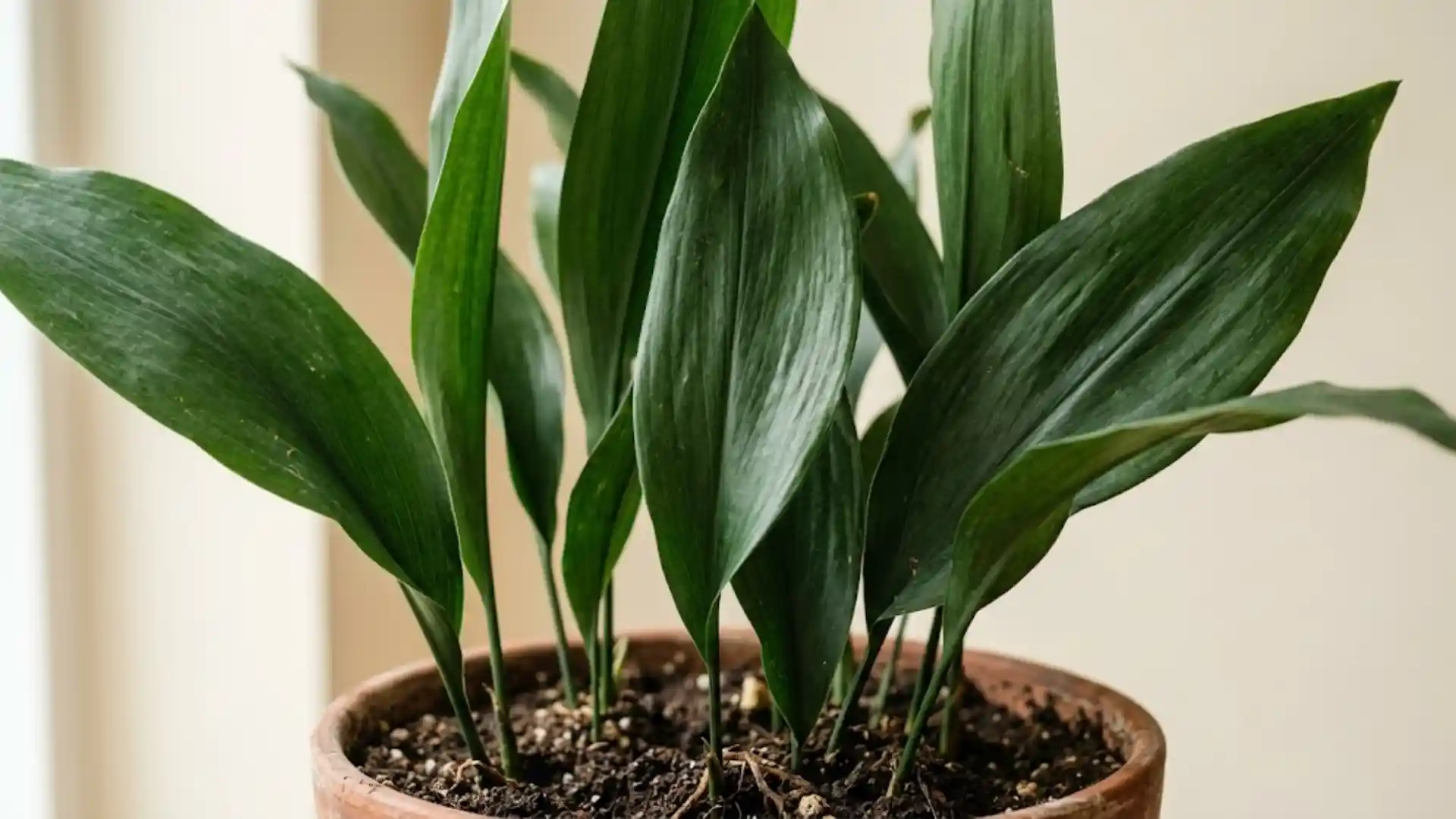
- Scientific Name: Aspidistra elatior
- Best Low-Light Placement: North-facing corners, hallways, or rooms with minimal ambient light
- Soil: Well-draining, general-purpose potting mix
- Watering Tendency: Let soil dry between waterings; highly drought tolerant
- Mature Size/Shape: 2 to 3 feet, upright clumping foliage
- Pet-Safety Status: Non-toxic to cats and dogs
This is one of the few houseplants that genuinely thrives where almost nothing else will. It is widely considered one of the best options for spaces limited to low light, earning that reputation through sheer resilience.
Beginners lean on it because it forgives missed waterings and low humidity alike. The tradeoff is pace, growth in very dim rooms slows considerably, so patience matters more than skill here.
2. Snake Plant
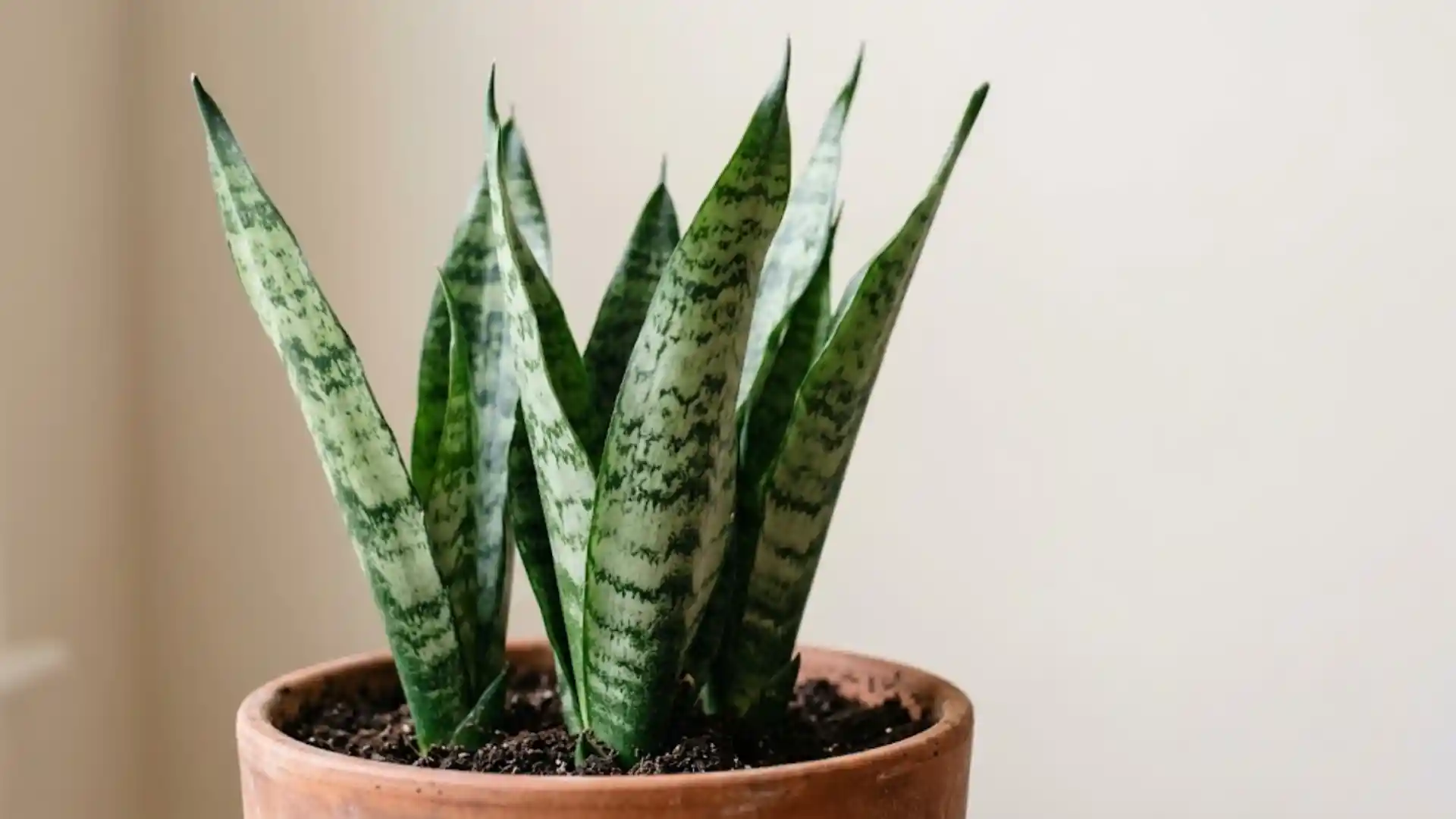
- Scientific Name: Dracaena trifasciata
- Best Low-Light Placement: Bedrooms, offices, hallways, and interior corners
- Soil: Well-draining, sandy or succulent-style mix
- Watering Tendency: Water only when soil is fully dry; very drought tolerant
- Mature Size/Shape: Upright, sword-shaped leaves, 1 to 4 feet depending on variety
- Pet-Safety Status: Mildly toxic to cats and dogs if ingested
Snake plant’s stiff, architectural leaves hold their shape in almost any light condition, which is why it shows up in offices and bedrooms alike.
It tolerates low light well, though bright indirect exposure produces noticeably stronger growth. In a dark corner, expect it to hold steady rather than expand quickly.
3. ZZ Plant
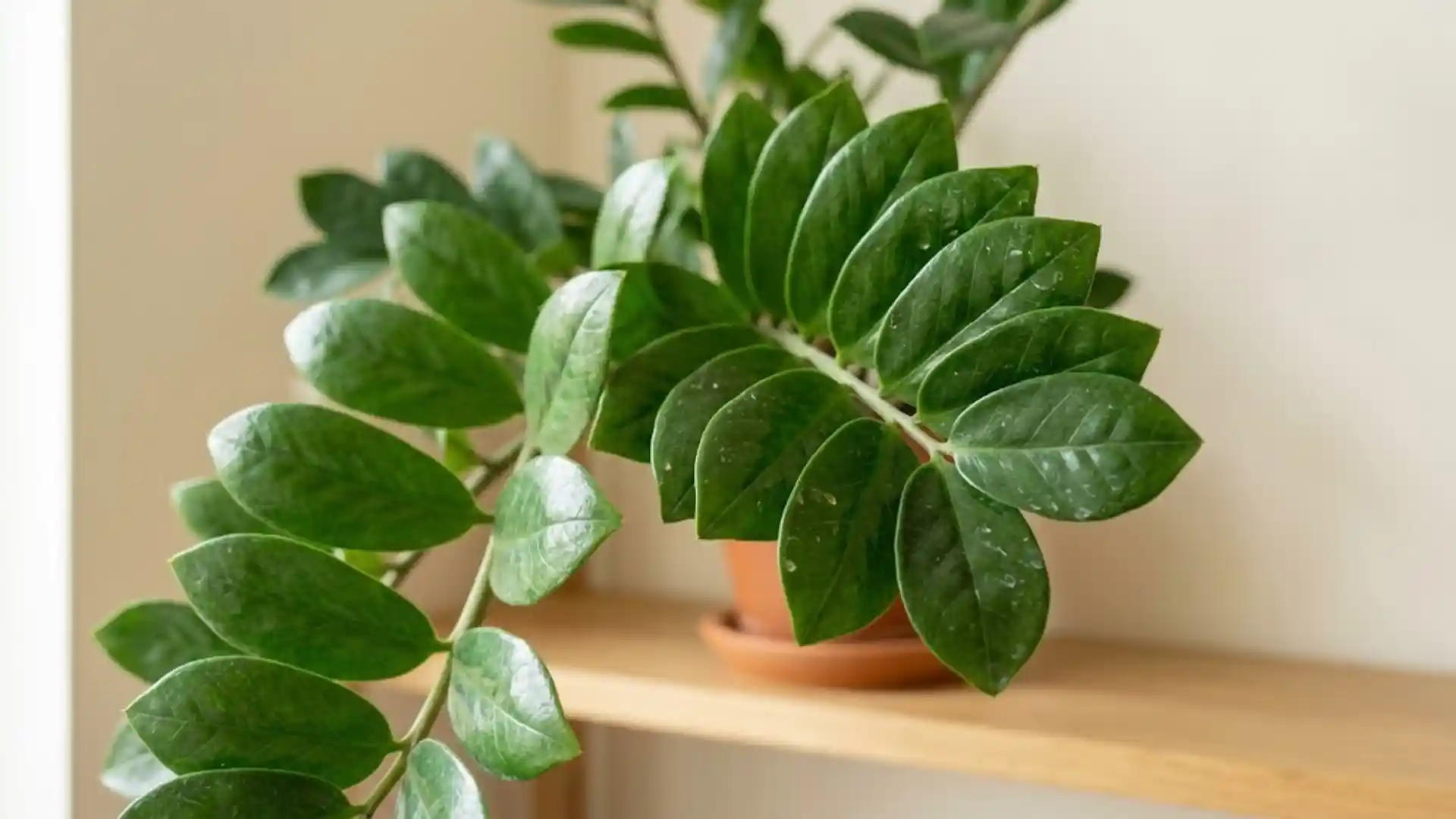
- Scientific Name: Zamioculcas zamiifolia
- Best Low-Light Placement: Interior offices, low-light corners, windowless-adjacent rooms
- Soil: Well-draining potting mix
- Watering Tendency: Infrequent; underground rhizomes store water for dry spells
- Mature Size/Shape: 2 to 3 feet, glossy compound leaves
- Pet-Safety Status: Toxic to cats and dogs if chewed or ingested
The rhizomes beneath the soil are what make ZZ plant so forgiving, they hold reserves of water and nutrients, so a missed watering or a dim windowsill rarely does lasting damage.
Raven ZZ, with its darker, near-black foliage, is a striking cultivar rather than a separate species, and it shares the same low-light resilience.
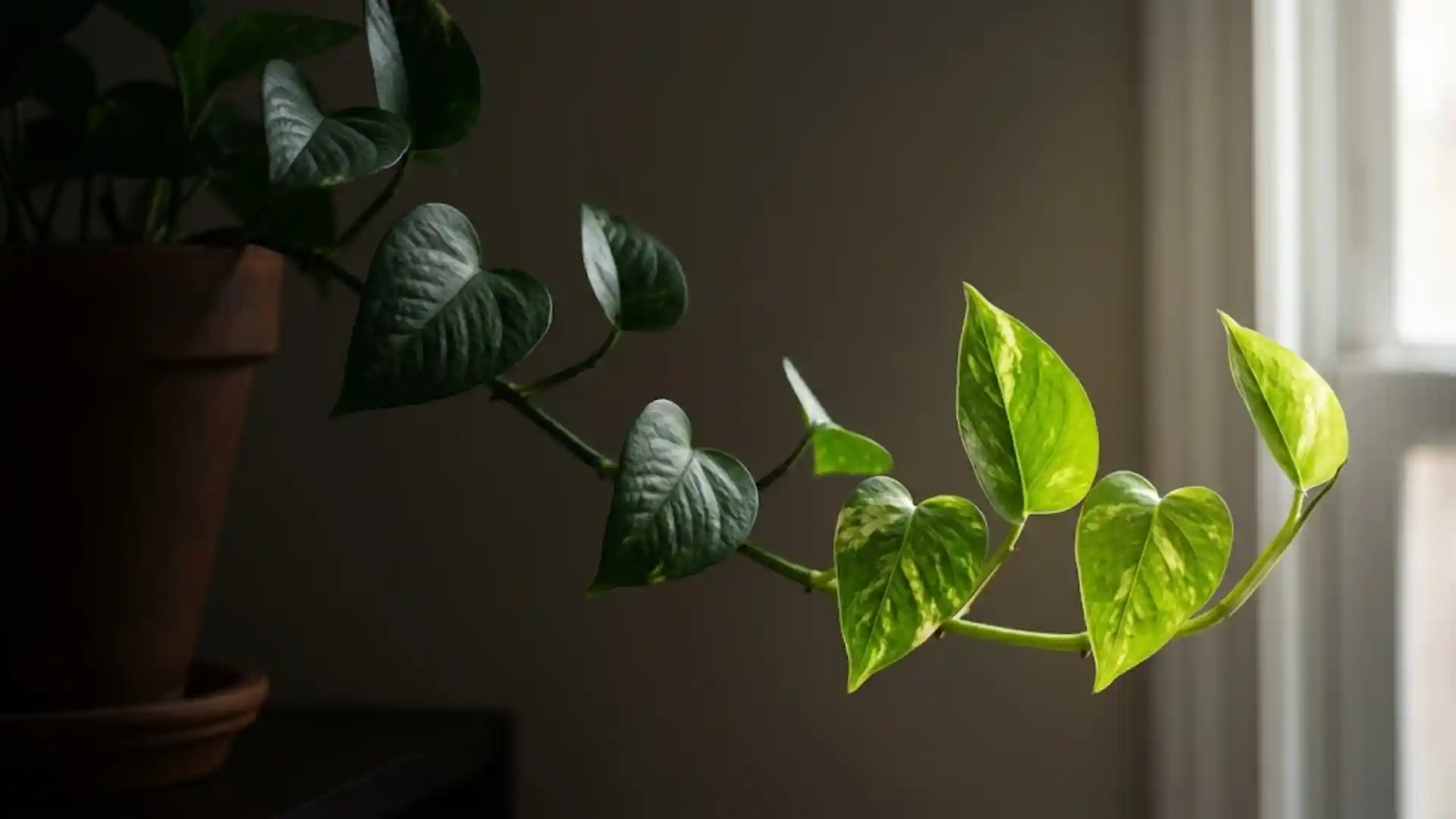
4. Pothos
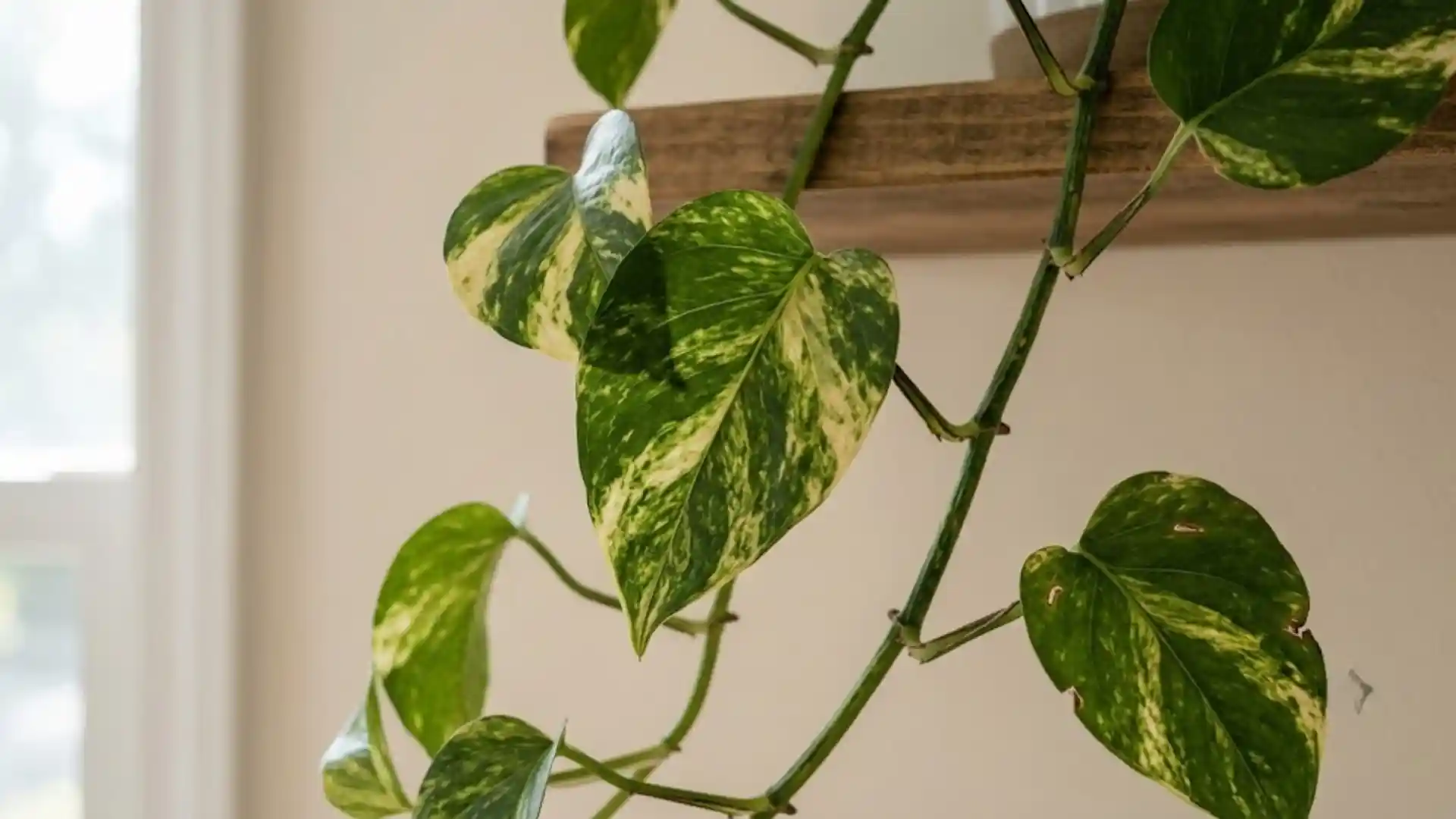
- Scientific Name: Epipremnum aureum
- Best Low-Light Placement: Shelves, hanging baskets, and corners with minimal daylight
- Soil: Well-draining, general-purpose potting mix
- Watering Tendency: Water when the top inch of soil dries out
- Mature Size/Shape: Trailing vines, several feet long when mature
- Pet-Safety Status: Toxic to cats and dogs if ingested
Pothos remains one of the easiest trailing plants for dim rooms, with Golden, Jade, and Neon varieties offering different looks.
Darker green cultivars like Jade tend to hold their appearance better in low light, while heavily variegated types may fade or revert as the plant reaches for more light. Not every variegated pothos keeps its pattern intact in shade.
5. Chinese Evergreen
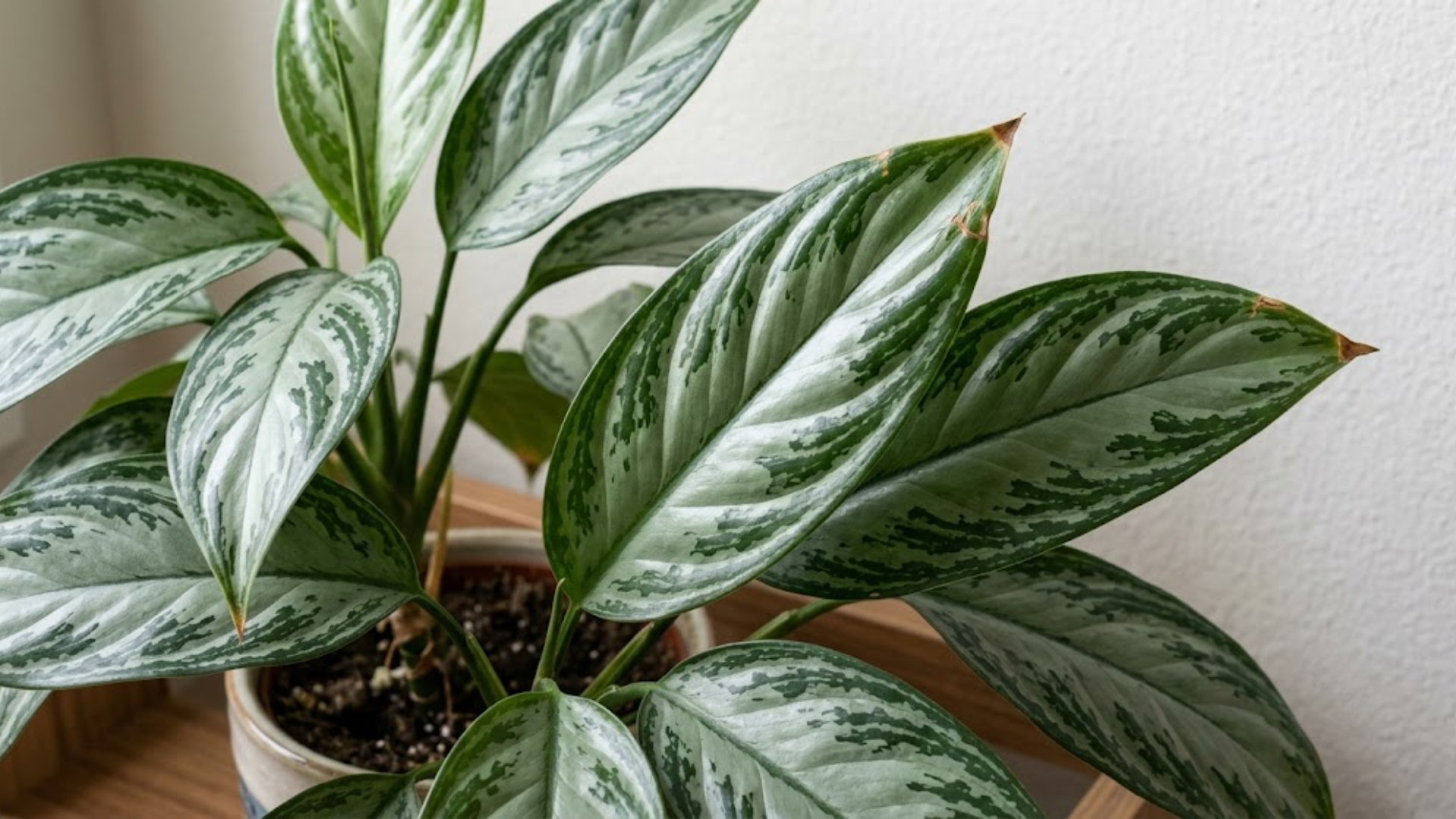
- Scientific Name: Aglaonema spp.
- Best Low-Light Placement: Interior corners, offices, and rooms without direct sun
- Soil: Well-draining, peat-based potting mix
- Watering Tendency: Water when soil surface feels dry; avoid soggy roots
- Mature Size/Shape: 1 to 2 feet, upright clumping foliage
- Pet-Safety Status: Toxic to cats and dogs if ingested
Chinese evergreen tolerates genuinely dim locations better than most flowering houseplants, especially green and silver cultivars bred for lower light.
Red and pink varieties carry striking color but generally need brighter conditions to hold that intensity, fading toward green if placed too far from any light source. For the darkest rooms, sticking with green or silver types is the safer bet.
6. Heartleaf Philodendron
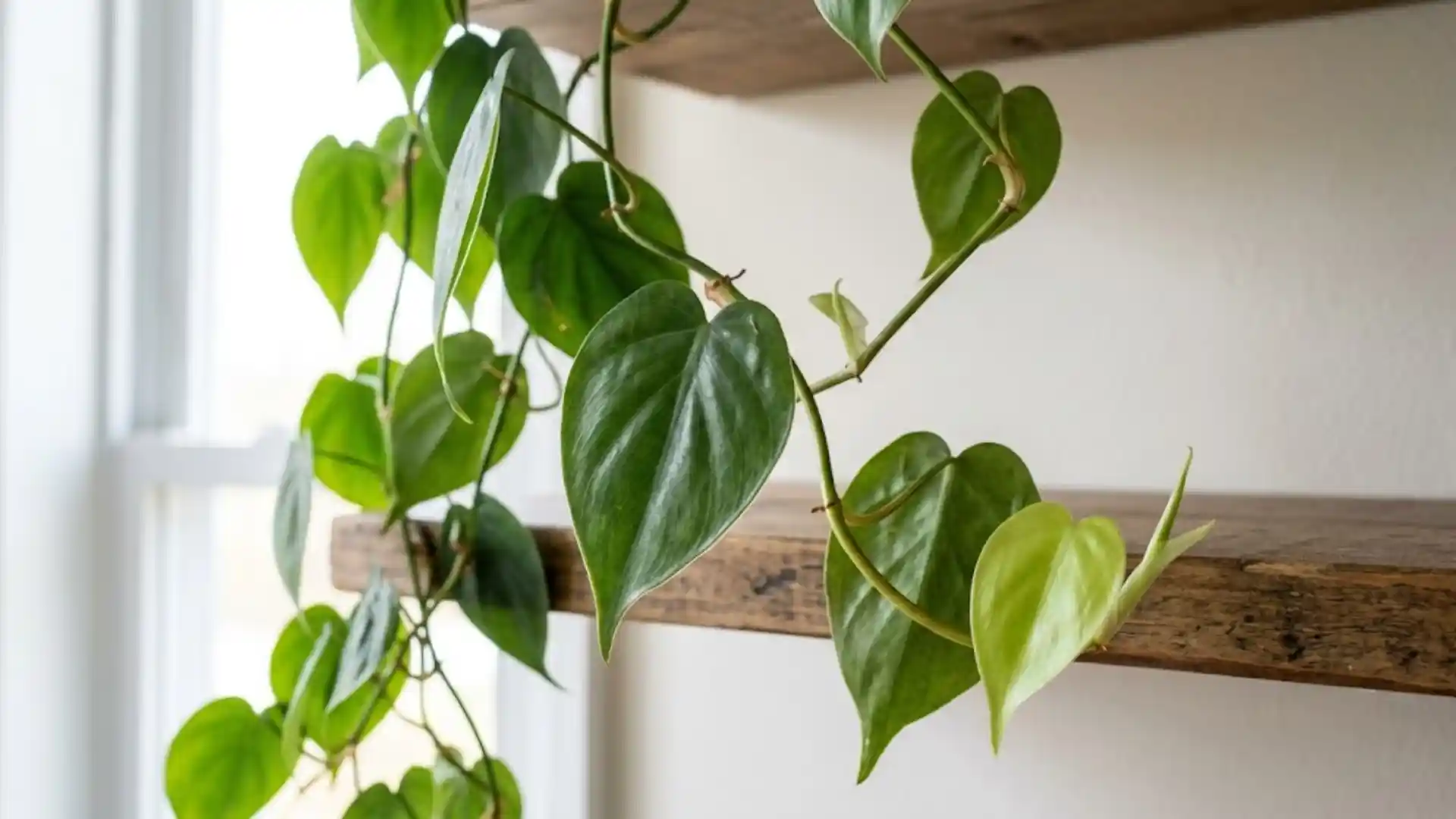
- Scientific Name: Philodendron hederaceum
- Best Low-Light Placement: Shelves, hanging planters, and low-light corners
- Soil: Well-draining, general-purpose potting mix
- Watering Tendency: Water when the top inch of soil is dry
- Mature Size/Shape: Trailing vines, can extend several feet
- Pet-Safety Status: Toxic to cats and dogs if ingested
This easy trailing plant adapts across high, medium, and low indirect light, making it a flexible choice for shelves or hanging planters in a dim room.
In lower light, vines still grow but more slowly and with wider gaps between leaves, giving the plant a looser, less dense look than one grown near a bright window.
7. Peace Lily
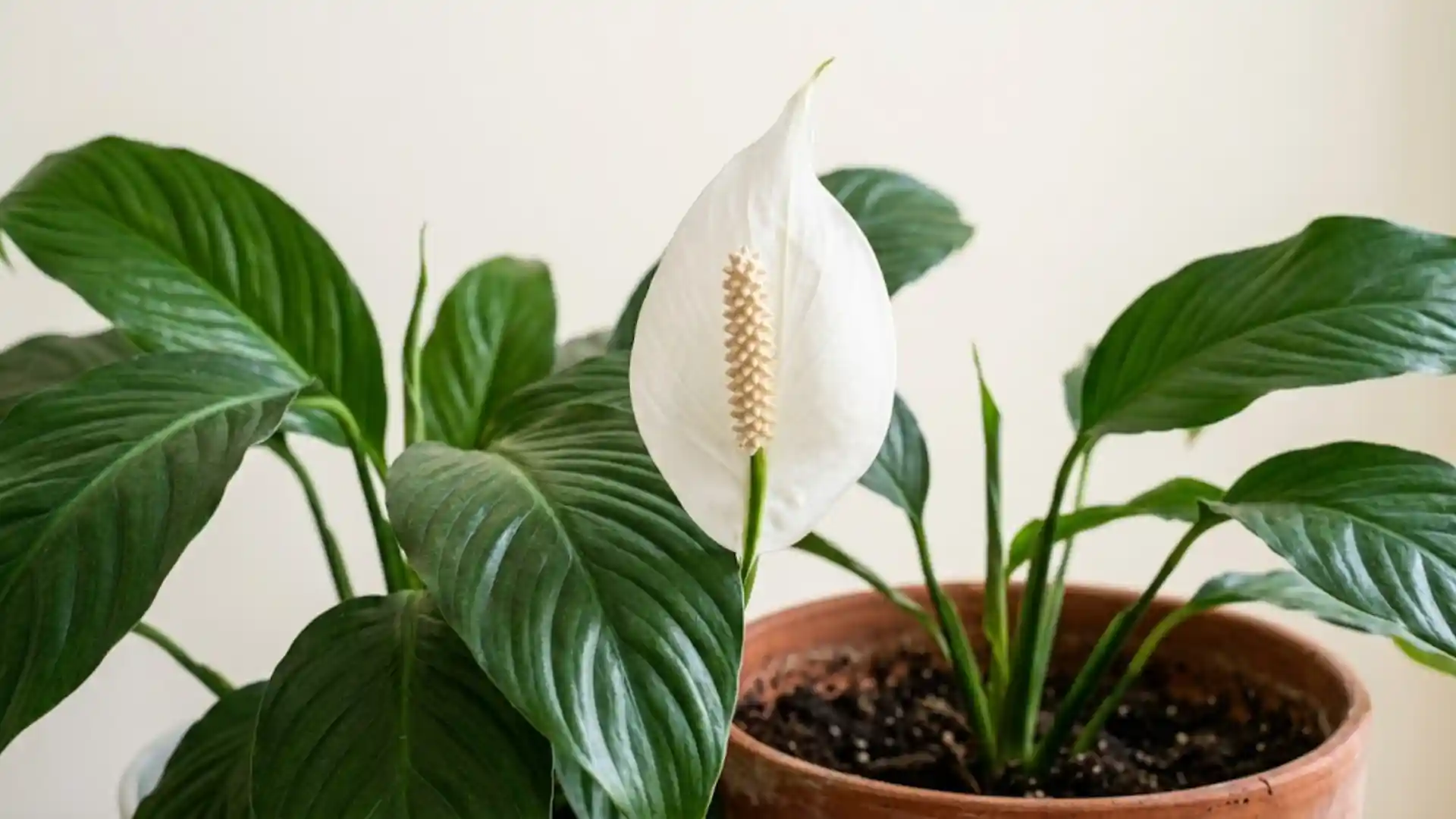
- Scientific Name: Spathiphyllum spp.
- Best Low-Light Placement: Bathrooms, offices, and interior rooms with filtered light
- Soil: Well-draining, moisture-retentive potting mix
- Watering Tendency: Keep soil consistently moist but not waterlogged
- Mature Size/Shape: 1 to 3 feet, upright glossy foliage with white blooms
- Pet-Safety Status: Toxic to cats and dogs if ingested
Peace lily stands out as one of the few flowering plants that adapts to lower-light interiors. Though, there is a key tradeoff, foliage holds up fine in dim conditions, but blooming slows or stops without medium light.
Consistent moisture and higher humidity help this plant thrive, making bathrooms a particularly good fit.
8. Corn Plant
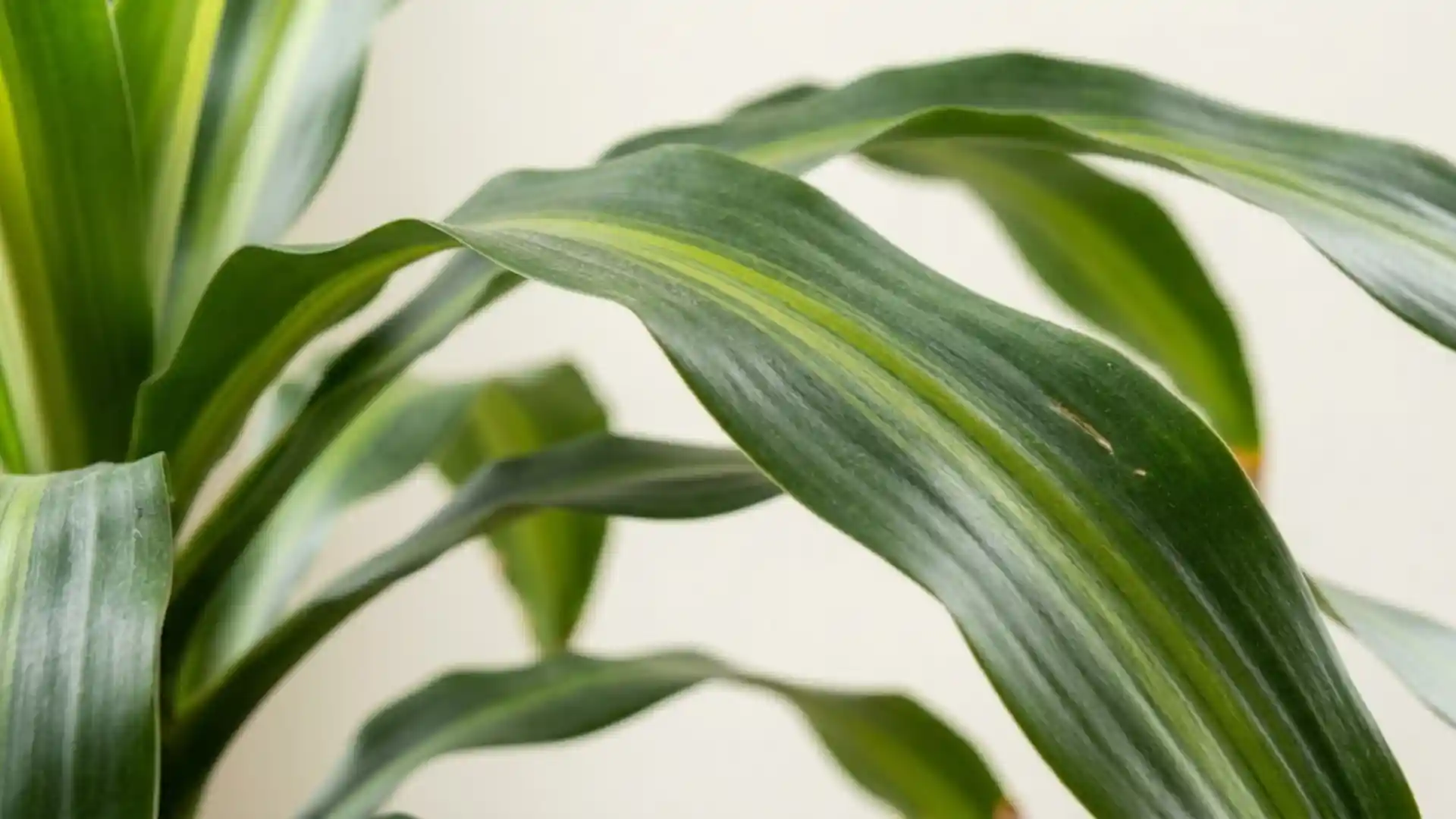
- Scientific Name: Dracaena fragrans
- Best Low-Light Placement: Living rooms, offices, and tall floor spaces away from windows
- Soil: Well-draining potting mix
- Watering Tendency: Allow soil to dry between waterings; sensitive to overwatering
- Mature Size/Shape: 3 to 6 feet, tall cane-like stems with arching leaves
- Pet-Safety Status: Toxic to cats and dogs if ingested
As a tall floor plant, corn plant fills vertical space in offices and living rooms without needing much natural light.
Growth slows considerably in dim conditions, so patience is key, and overwatering poses a bigger risk than underwatering since the plant’s water needs drop along with its light exposure.
9. Janet Craig Dracaena
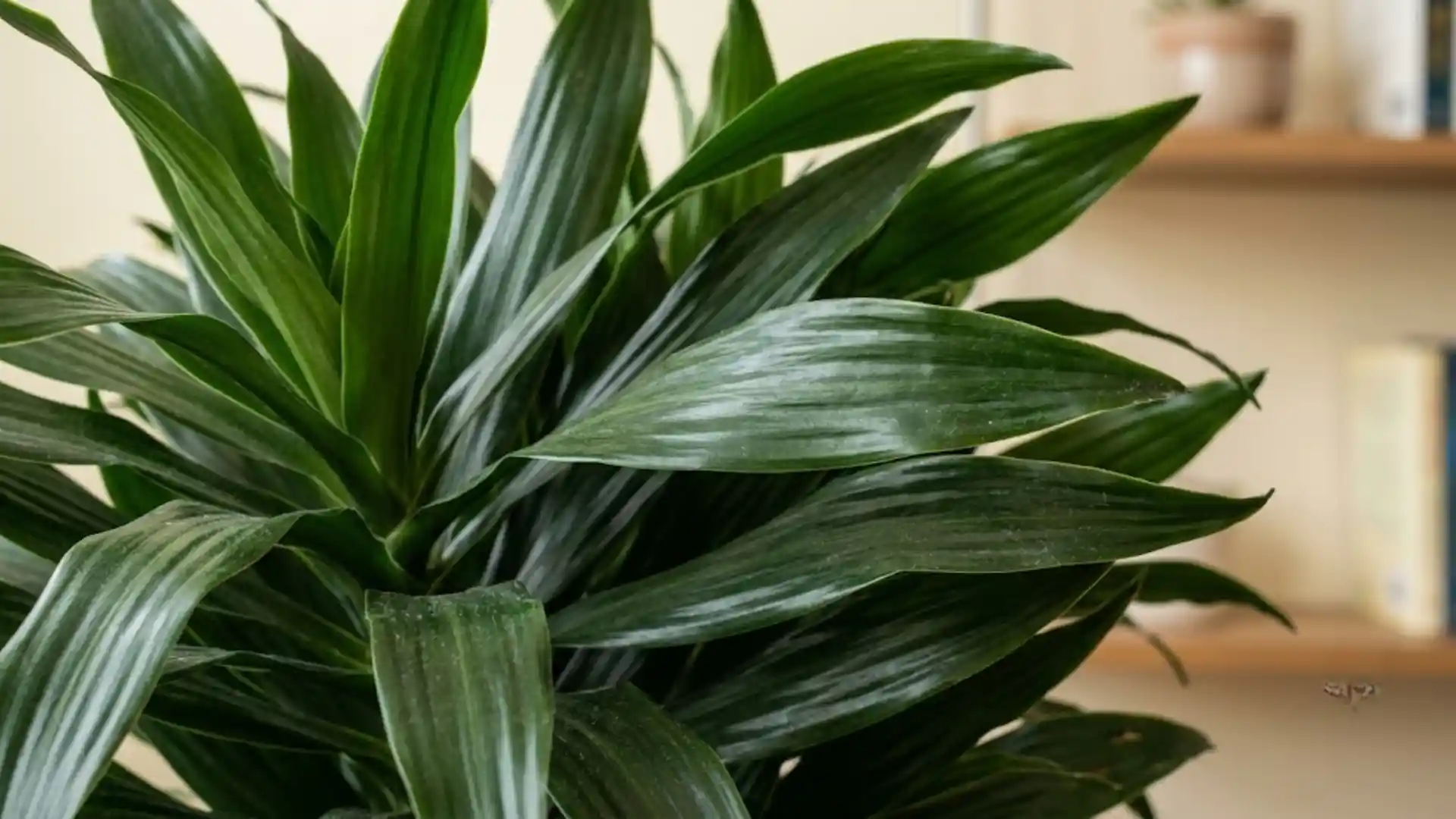
- Scientific Name: Dracaena fragrans ‘Janet Craig’
- Best Low-Light Placement: Office interiors and rooms with minimal daylight
- Soil: Well-draining potting mix
- Watering Tendency: Allow soil to dry between waterings
- Mature Size/Shape: 2 to 4 feet, dense clumping foliage
- Pet-Safety Status: Toxic to cats and dogs if ingested
Janet Craig offers a denser, more compact look than the standard corn plant, with darker, solid green leaves growing close together rather than atop a tall visible cane.
That fuller form makes it a popular pick for office interiors, where it holds up well in rooms with little natural light.
10. Dragon Tree
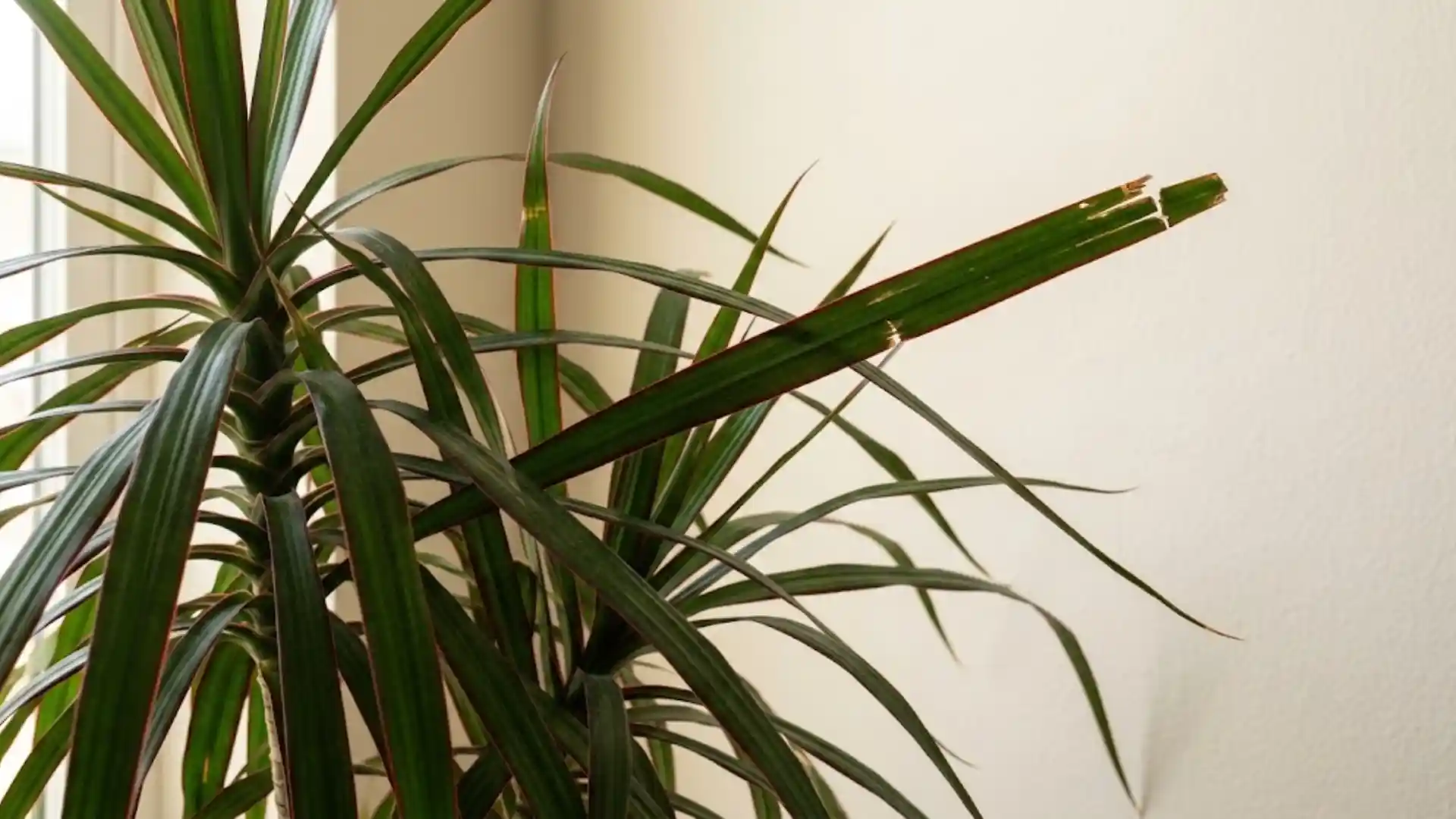
- Scientific Name: Dracaena marginata
- Best Low-Light Placement: Floor spaces in offices and living rooms away from windows
- Soil: Well-draining potting mix
- Watering Tendency: Allow soil to dry between waterings; drought tolerant
- Mature Size/Shape: 3 to 6 feet, narrow arching leaves on slender stems
- Pet-Safety Status: Toxic to cats and dogs if ingested
Dragon tree’s narrow, spiky foliage and slender trunk give it an architectural presence that works well as a floor plant in dimmer rooms.
It tolerates low light but shouldn’t be expected to grow vigorously there, treat it as a plant that holds steady rather than one that fills out quickly in shade.
11. Lucky Bamboo
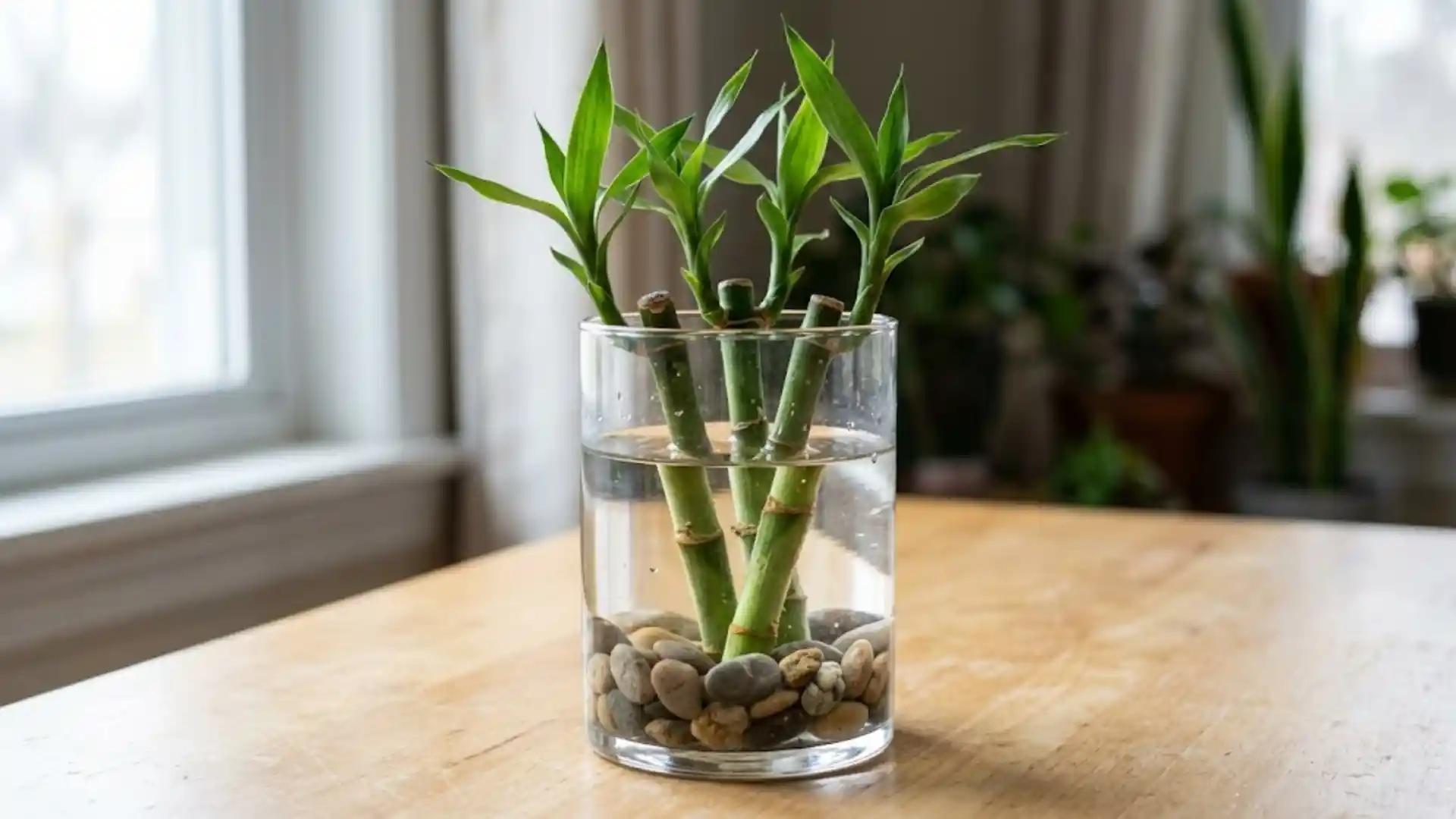
- Scientific Name: Dracaena sanderiana
- Best Low-Light Placement: Desks, bathrooms, and other interior spots with filtered light
- Soil: Can be grown in water with pebbles or in well-draining soil
- Watering Tendency: Change water weekly if water-grown; keep soil lightly moist if soil-grown
- Mature Size/Shape: 1 to 2 feet, slender stalks with narrow leaves
- Pet-Safety Status: Non-toxic to cats and dogs
Lucky bamboo adjusts well to lower illumination, making it a natural fit for desks and bathrooms with little direct sun.
Water-grown stalks need regular water changes to prevent stagnation and root rot. While soil-grown plants follow a more typical watering routine, staying lightly moist rather than fully dry between waterings.
12. Arrowhead Plant
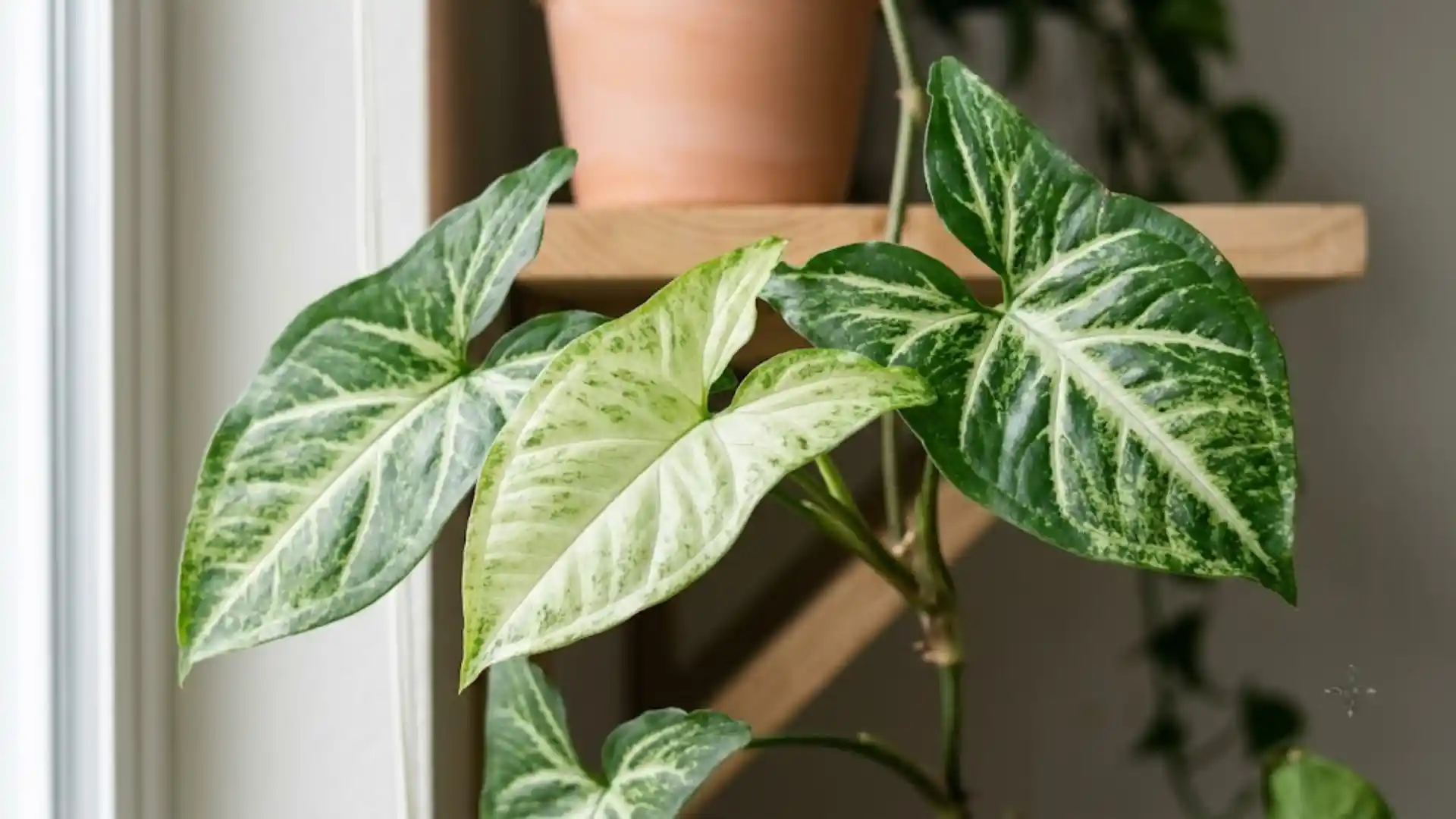
- Scientific Name: Syngonium podophyllum
- Best Low-Light Placement: Shelves, hanging planters, and low to medium indirect light spots
- Soil: Well-draining, general-purpose potting mix
- Watering Tendency: Water when the top inch of soil dries out
- Mature Size/Shape: Compact when pruned, trailing or climbing when left unchecked
- Pet-Safety Status: Toxic to cats and dogs if ingested
Arrowhead plant can be kept compact through regular pruning or allowed to trail and climb naturally. It handles low light reasonably well but grows fuller and denser with medium indirect light.
Variegated forms may lose some of their coloring in the dimmest spots, gradually shifting toward a more solid green.
13. Dumb Cane
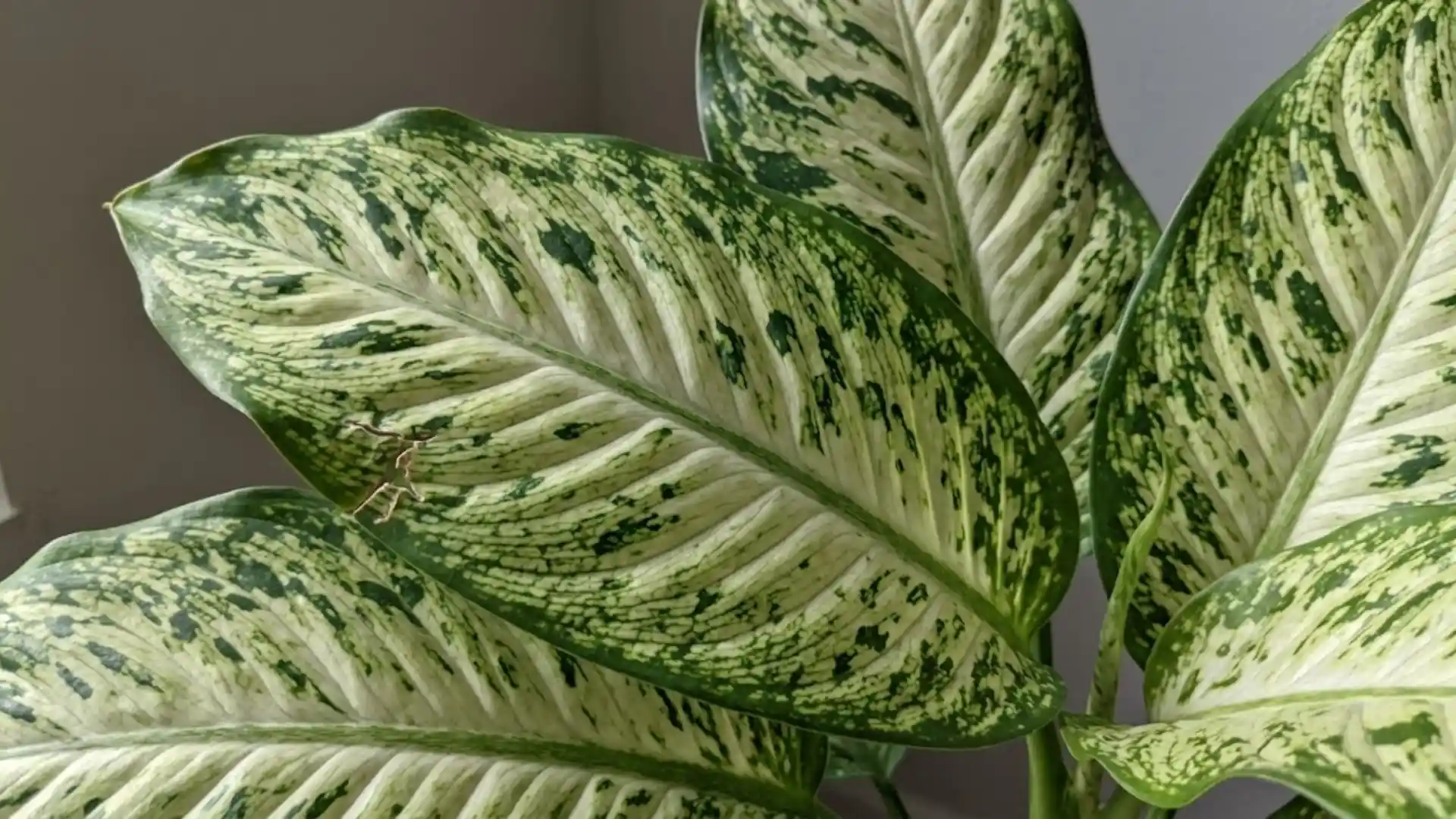
- Scientific Name: Dieffenbachia spp.
- Best Low-Light Placement: Floor or tabletop spots in rooms with filtered light
- Soil: Well-draining, general-purpose potting mix
- Watering Tendency: Water when the top inch of soil dries out
- Mature Size/Shape: 2 to 5 feet, large patterned leaves
- Pet-Safety Status: Toxic to cats and dogs, can cause mouth and throat irritation if chewed
Dumb cane’s large, patterned leaves make it a strong visual choice for a floor or tabletop spot, and it handles low light reasonably well.
Keeping the foliage dense and full does require a bit more consistent light than the darkest corner offers, so a spot with some filtered brightness suits it best. Its toxicity means it’s worth keeping well out of reach of pets.
14. Bird’s Nest Fern
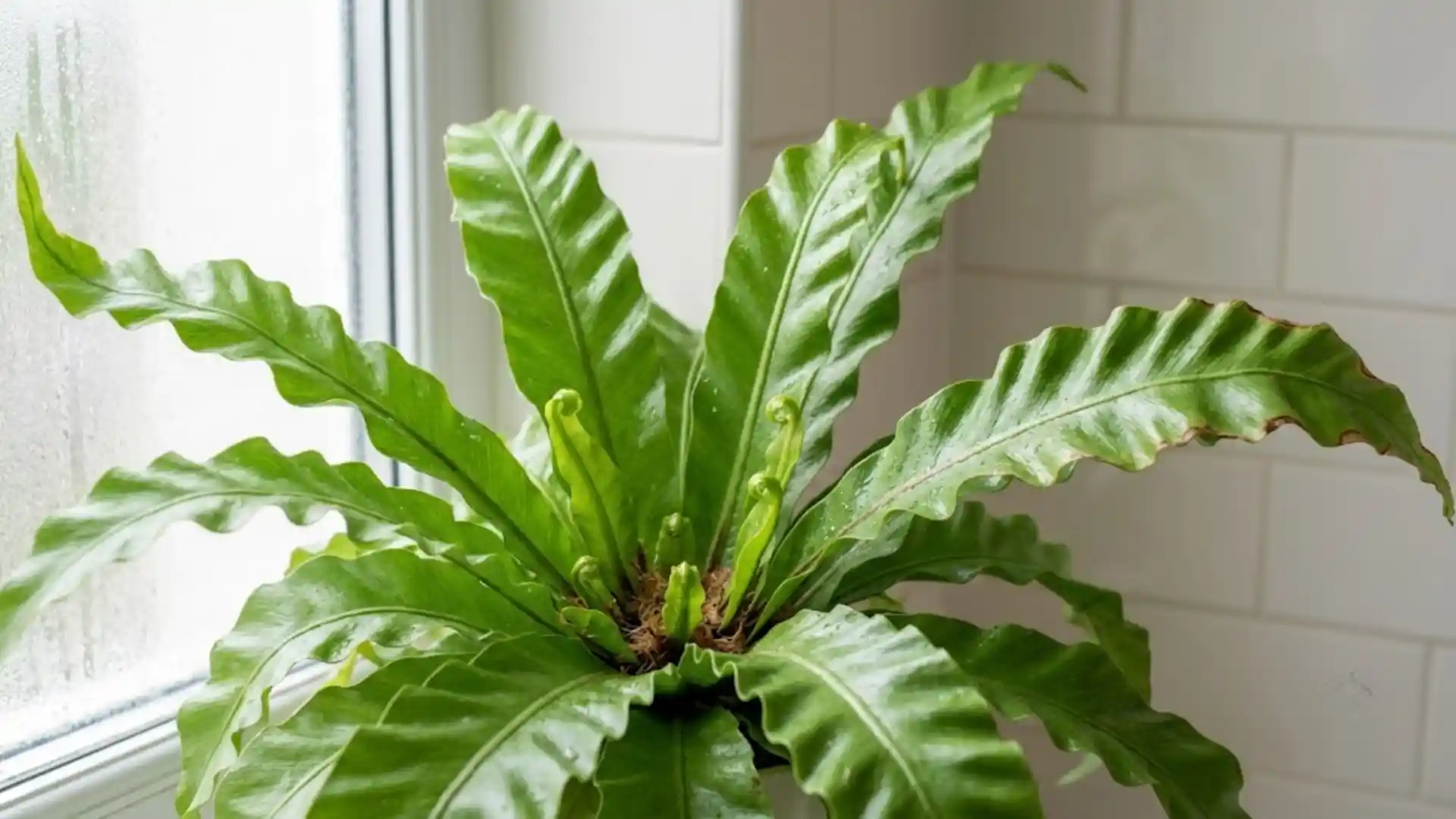
- Scientific Name: Asplenium nidus
- Best Low-Light Placement: Humid bathrooms and shaded interior spots
- Soil: Well-draining, moisture-retentive potting mix
- Watering Tendency: Keep soil evenly moist; higher humidity needed
- Mature Size/Shape: 1 to 2 feet, wavy rosette-shaped fronds
- Pet-Safety Status: Non-toxic to cats and dogs
Bird’s nest fern tolerates low light but prefers medium, filtered brightness for its best growth.
Humidity matters almost as much as light here, this fern needs more consistent moisture than drought-tolerant options like snake plant or ZZ plant, making a humid bathroom one of its most natural indoor homes.
15. Holly Fern
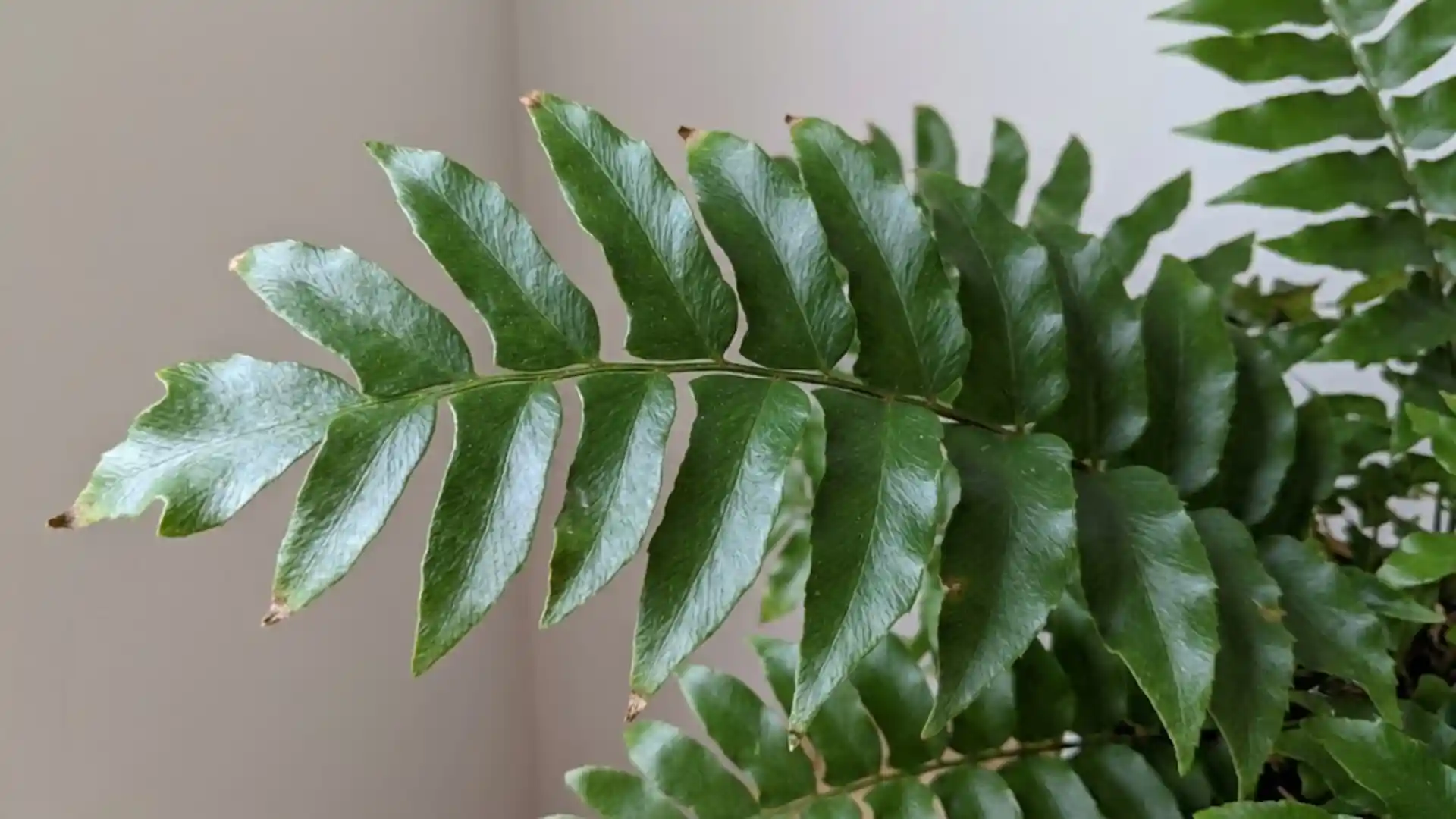
- Scientific Name: Cyrtomium falcatum
- Best Low-Light Placement: Cooler, humid rooms with filtered light
- Soil: Well-draining, moisture-retentive potting mix
- Watering Tendency: Keep soil consistently moist without waterlogging
- Mature Size/Shape: 1 to 2 feet, leathery arching fronds
- Pet-Safety Status: Non-toxic to cats and dogs
Holly fern’s dark green, leathery fronds hold up better than many ferns in lower light, and it prefers cooler, more humid spaces over warm, dry rooms.
Consistent moisture matters here, letting the soil dry out fully between waterings tends to stress this plant more than an occasional overwatering would.
16. Parlor Palm
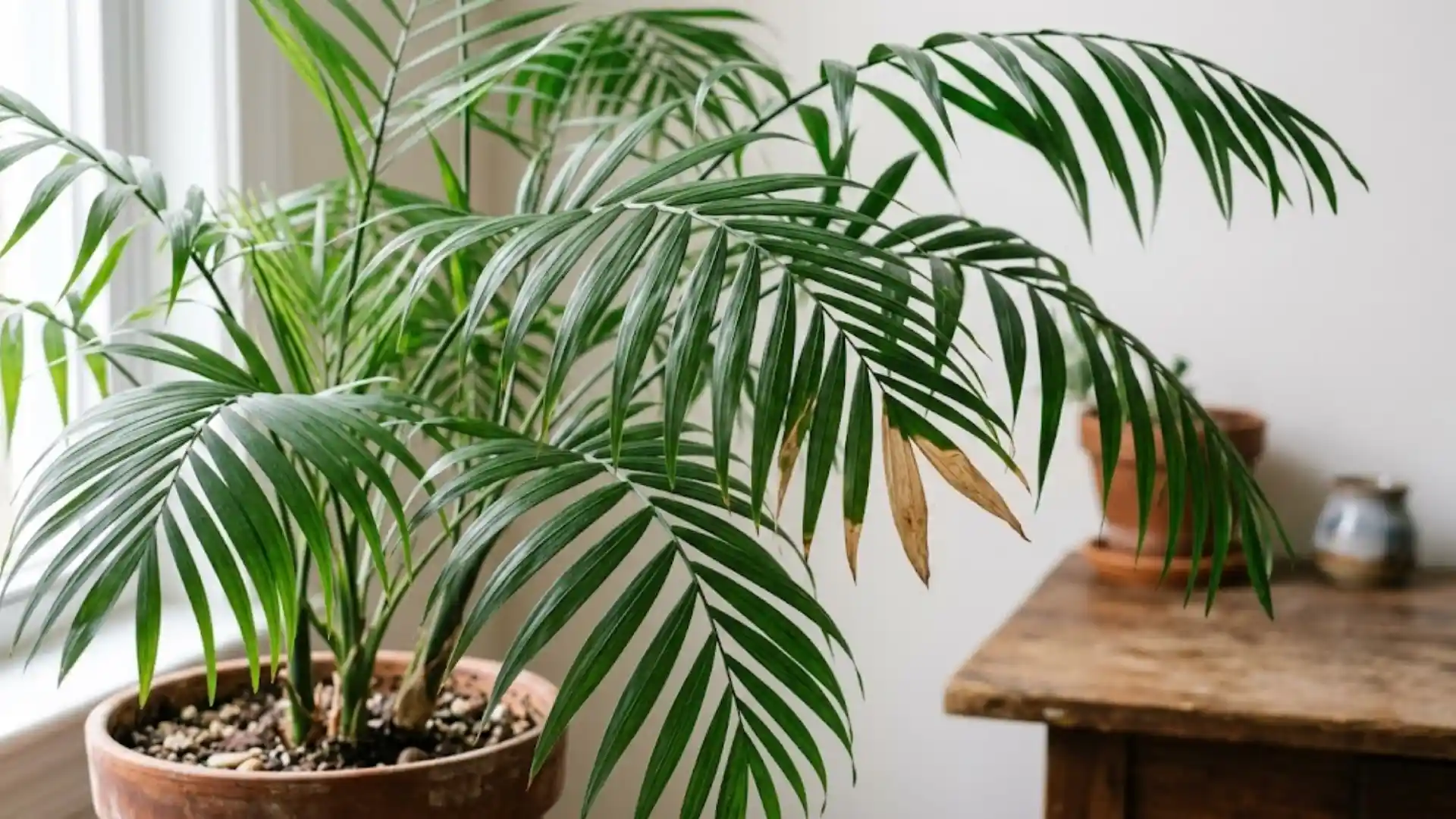
- Scientific Name: Chamaedorea elegans
- Best Low-Light Placement: Apartments, offices, and rooms without direct sun
- Soil: Well-draining potting mix
- Watering Tendency: Water when the top inch of soil dries out
- Mature Size/Shape: 2 to 4 feet, feathery arching fronds
- Pet-Safety Status: Non-toxic to cats and dogs
As one of the more shade-tolerant palms available, parlor palm fits naturally into apartments and offices where sunlight is limited.
Its feathery, arching fronds give a soft, tropical look without demanding the bright conditions most palms need, though it should stay well away from direct sun exposure at any point.
17. Kentia Palm
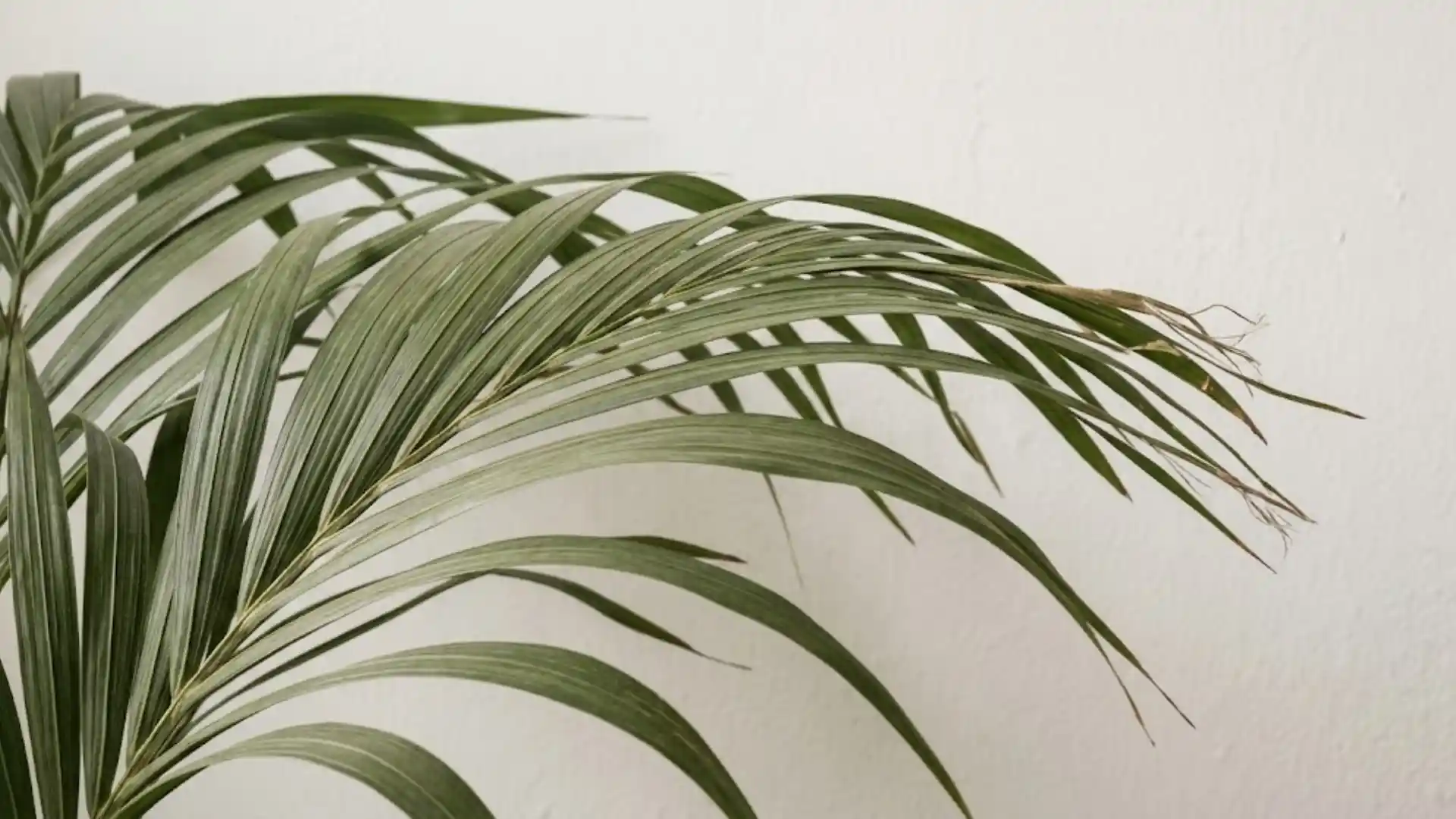
- Scientific Name: Howea forsteriana
- Best Low-Light Placement: Larger rooms and floor spaces away from windows
- Soil: Well-draining potting mix
- Watering Tendency: Water when the top inch of soil dries out
- Mature Size/Shape: 4 to 8 feet indoors, tall arching fronds
- Pet-Safety Status: Non-toxic to cats and dogs
Kentia palm ranks among the most shade-tolerant palms suited to indoor growing, making it a solid choice for larger rooms with limited natural light.
Its tall, arching fronds bring height and softness to a space, though growth indoors tends to be slow, so this is a plant chosen for its steady presence rather than rapid change.
18. Spider Plant
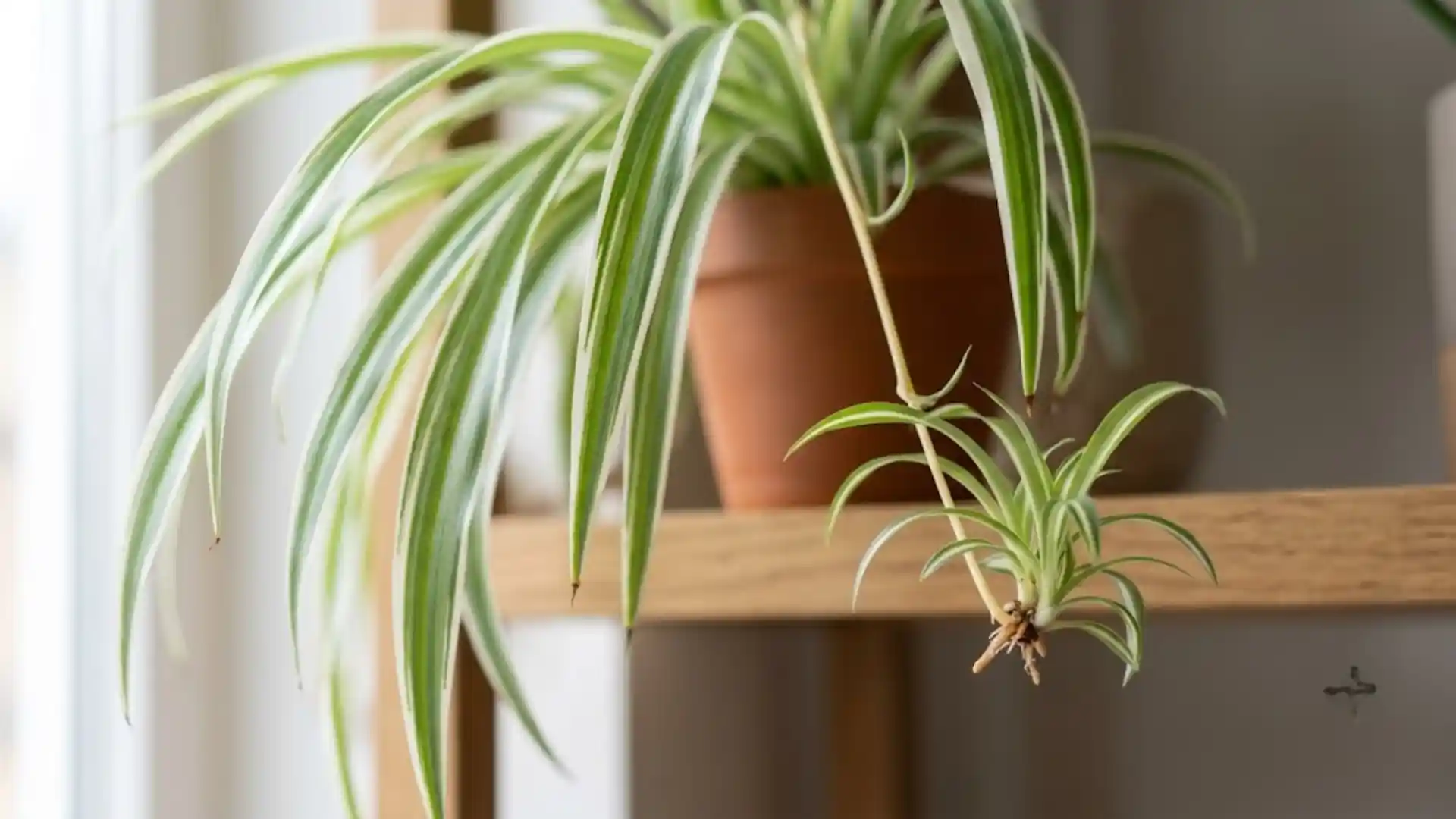
- Scientific Name: Chlorophytum comosum
- Best Low-Light Placement: Hanging baskets and shelves in rooms with filtered light
- Soil: Well-draining, general-purpose potting mix
- Watering Tendency: Water when the top inch of soil dries out
- Mature Size/Shape: Arching leaves with trailing plantlets
- Pet-Safety Status: Non-toxic to cats and dogs
Spider plant tolerates low light but grows noticeably more strongly, and produces more plantlets, in medium indirect light.
In very dim conditions, expect slower leaf production and fewer of the trailing baby plants this species is known for, though the plant itself will still hold on without much trouble.
19. Prayer Plant
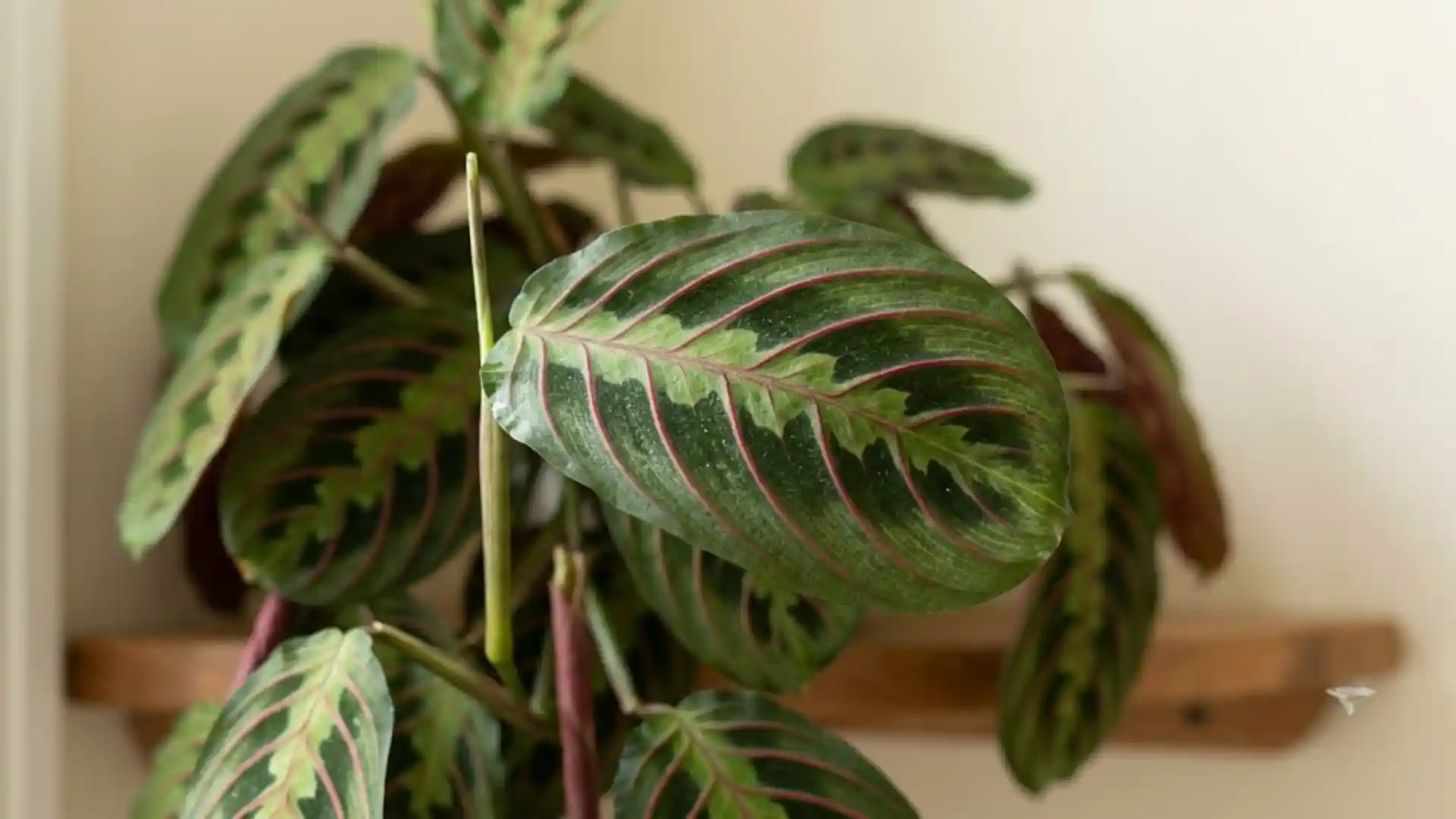
- Scientific Name: Maranta leuconeura
- Best Low-Light Placement: Shelves and tabletops with filtered or indirect light
- Soil: Well-draining, moisture-retentive potting mix
- Watering Tendency: Keep soil consistently moist; higher humidity preferred
- Mature Size/Shape: 1 foot, patterned oval leaves that fold at night
- Pet-Safety Status: Non-toxic to cats and dogs
Prayer plant’s boldly patterned leaves fold upward in the evening, giving it its name, and it does best in filtered or indirect light rather than deep shade.
It also needs more humidity and consistent moisture than many low-light options, making it better suited to attentive plant owners than to a set-it-and-forget-it corner.
20. Baby Rubber Plant
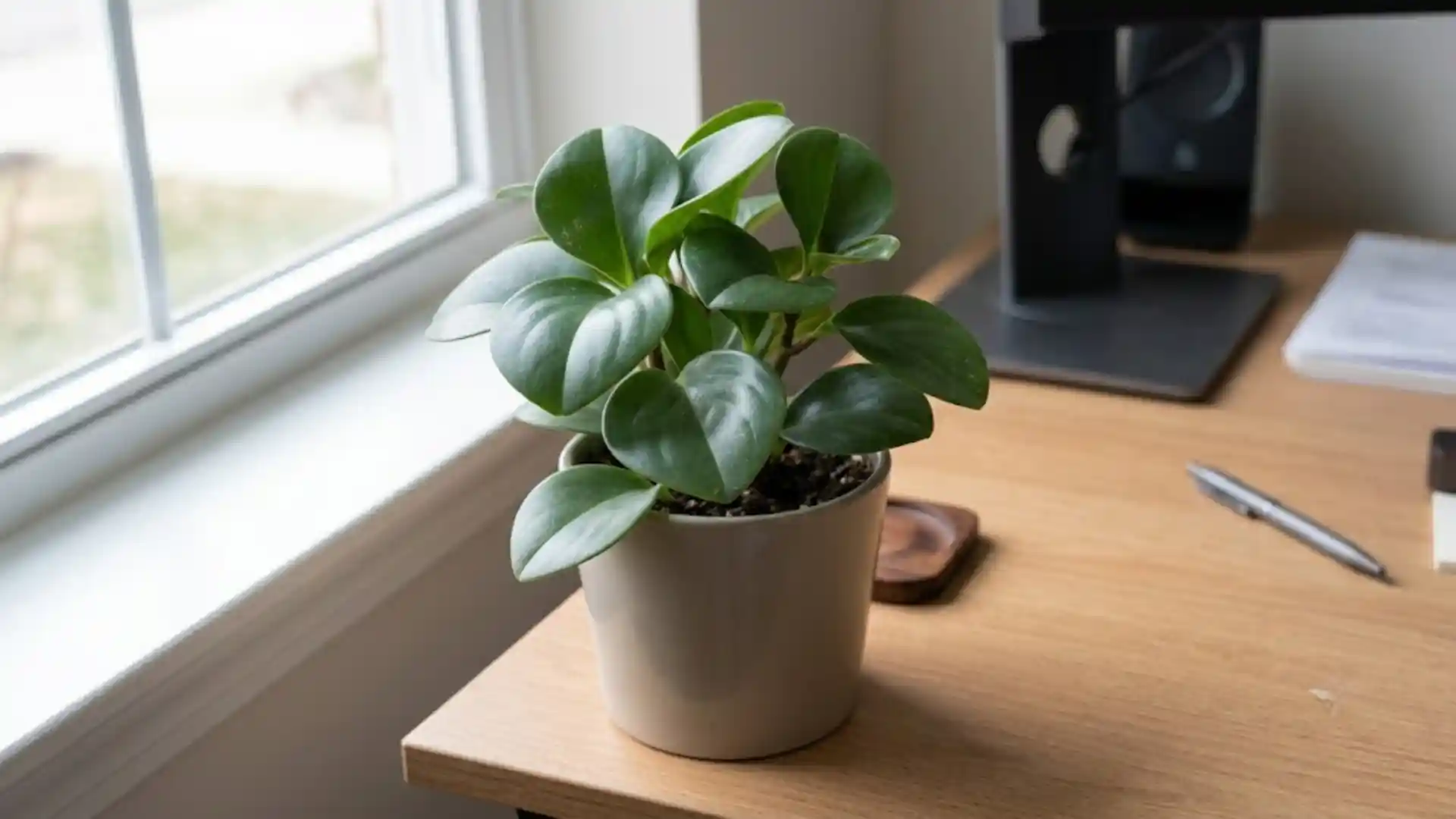
- Scientific Name: Peperomia obtusifolia
- Best Low-Light Placement: Desks and tabletops in rooms with filtered light
- Soil: Well-draining potting mix
- Watering Tendency: Allow soil to dry between waterings; avoid overwatering
- Mature Size/Shape: 8 to 12 inches, thick rounded leaves
- Pet-Safety Status: Non-toxic to cats and dogs
Baby rubber plant’s thick, waxy leaves store water efficiently, which makes it fairly tolerant of poorer light and inconsistent care.
The bigger risk in low-light settings is overwatering rather than underwatering, since the plant’s already-slow water use drops even further when light is limited, so soil should dry out fully between waterings.
21. Emerald Ripple Peperomia
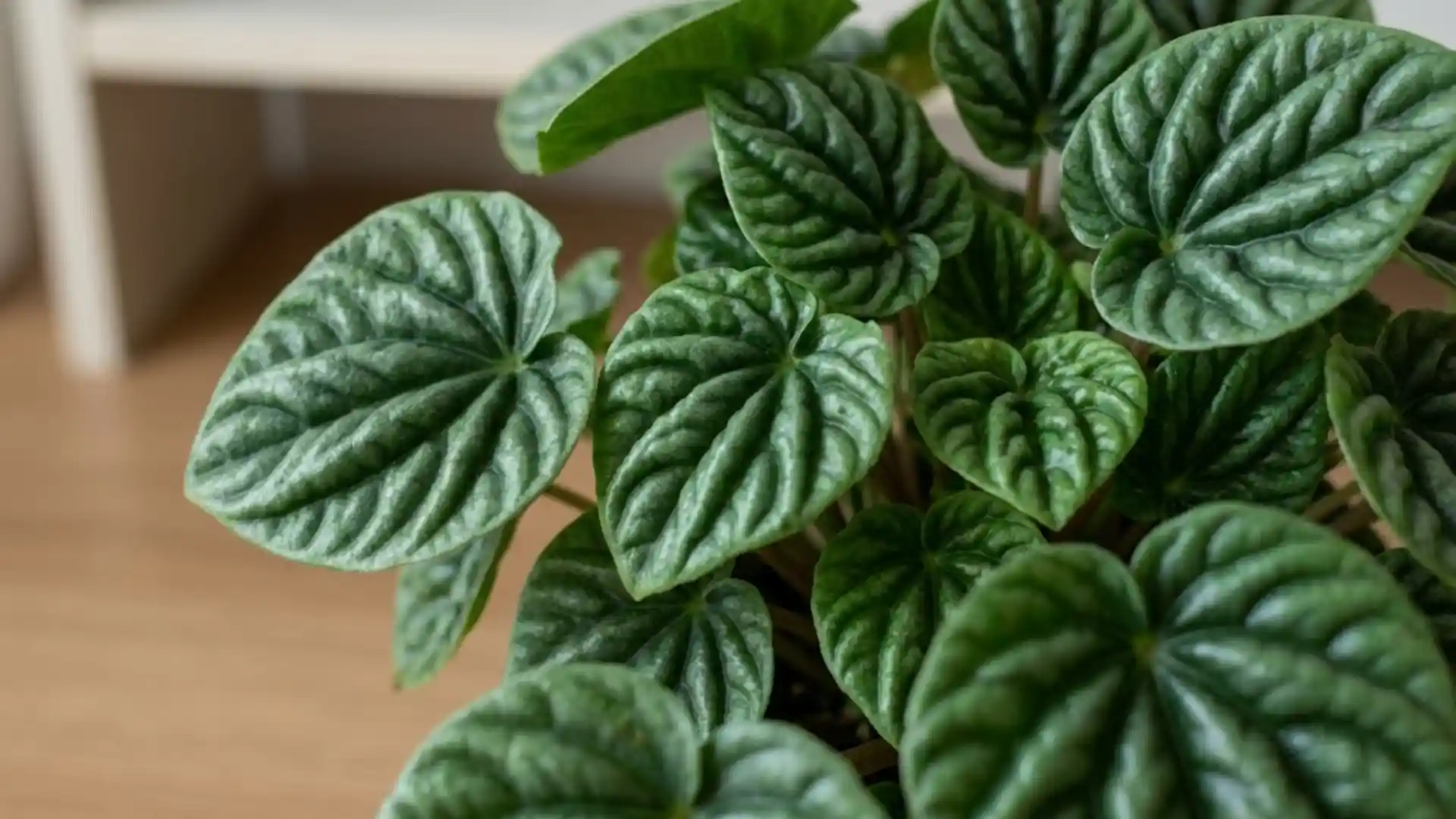
- Scientific Name: Peperomia caperata
- Best Low-Light Placement: Shelves and desks in rooms with filtered light
- Soil: Well-draining potting mix
- Watering Tendency: Allow soil to dry between waterings
- Mature Size/Shape: 6 to 10 inches, compact and textured
- Pet-Safety Status: Non-toxic to cats and dogs
This compact peperomia brings deeply textured, rippled foliage to a shelf or desk without needing much space or light.
It can tolerate poor light for limited periods, though growth slows considerably in the dimmest spots, so rotating it toward a slightly brighter window now and then helps maintain fuller growth.
22. Swedish Ivy
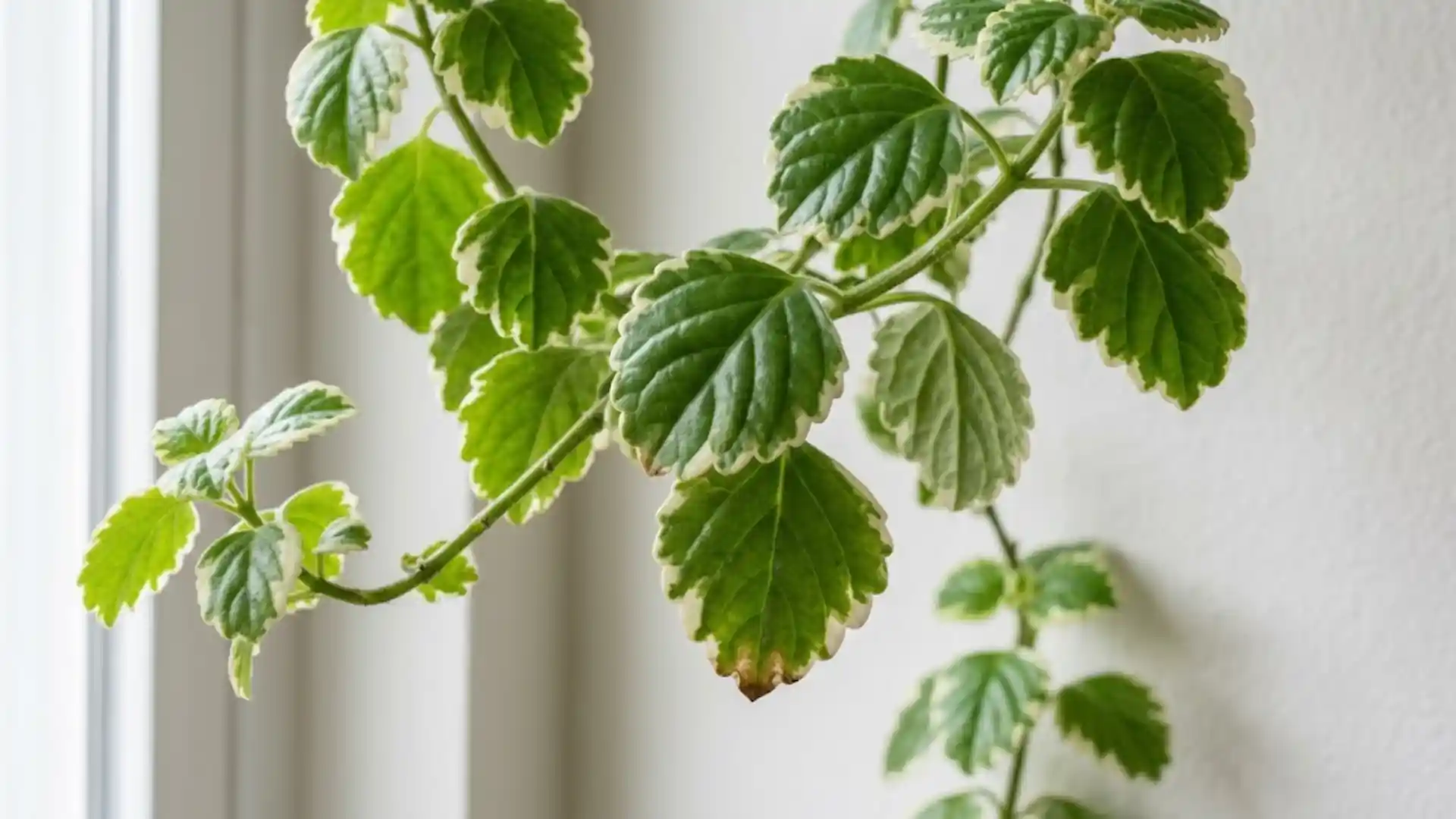
- Scientific Name: Plectranthus verticillatus
- Best Low-Light Placement: Hanging containers in rooms with filtered light
- Soil: Well-draining potting mix
- Watering Tendency: Water when the top inch of soil dries out
- Mature Size/Shape: Trailing vines with scalloped leaves
- Pet-Safety Status: Non-toxic to cats and dogs
Swedish ivy’s trailing habit and scalloped leaves make it a natural fit for hanging containers, and it’s an easy-care option overall.
It prefers filtered light rather than deep shade, growing fullest when placed a few feet from a window rather than tucked into the darkest corner of a room.
23. Kangaroo Vine
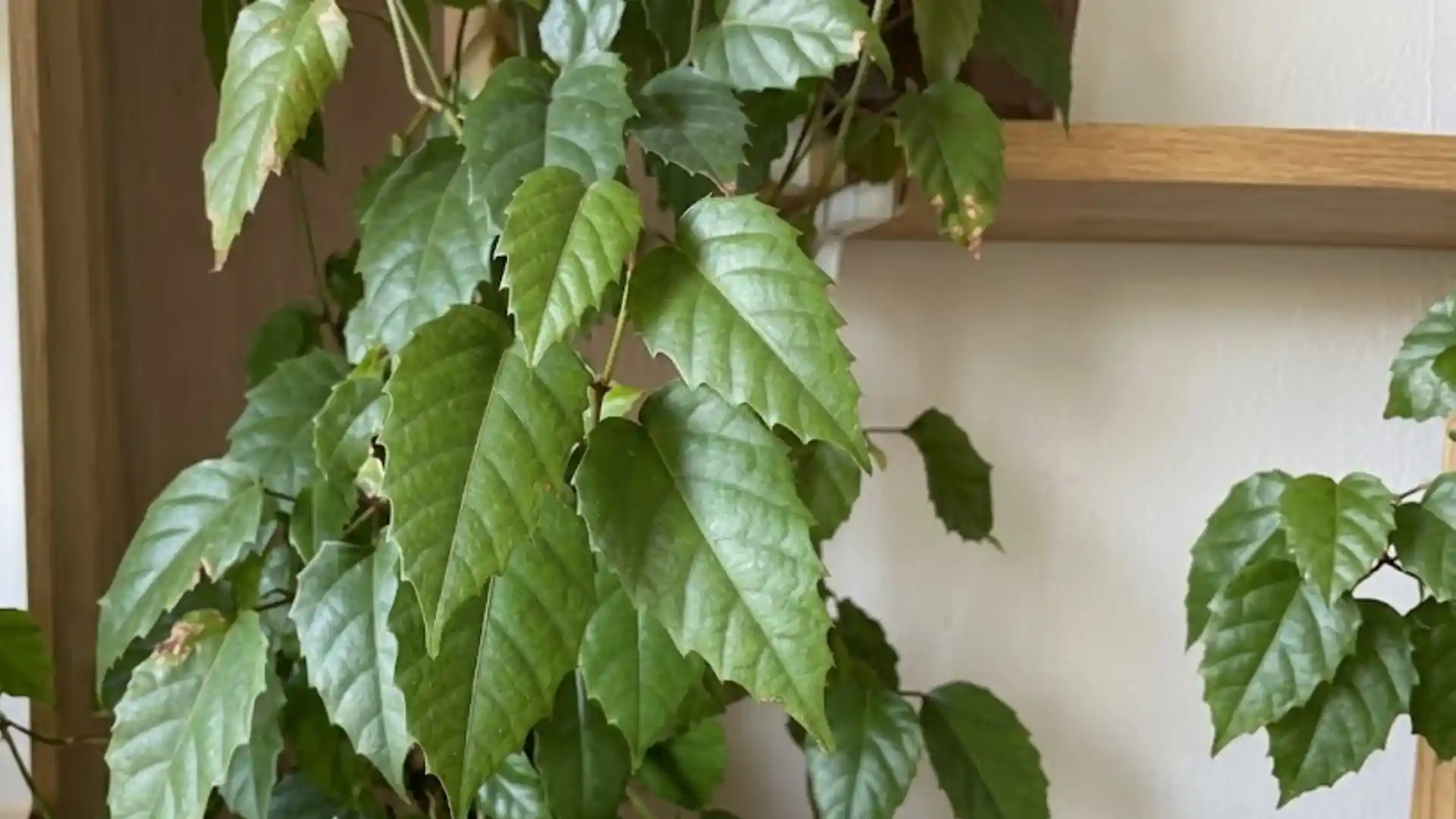
- Scientific Name: Cissus antarctica
- Best Low-Light Placement: Shelves and hanging planters with filtered light
- Soil: Well-draining potting mix
- Watering Tendency: Water when the top inch of soil dries out
- Mature Size/Shape: Trailing or climbing vines with glossy leaves
- Pet-Safety Status: Non-toxic to cats and dogs
Kangaroo vine tolerates lower light reasonably well and offers a different leaf shape than more common trailing options like pothos, with glossy, serrated foliage that climbs or trails, depending on support.
It is a solid alternative for anyone wanting variety in a room already filled with rounder-leafed plants.
24. Asparagus Fern
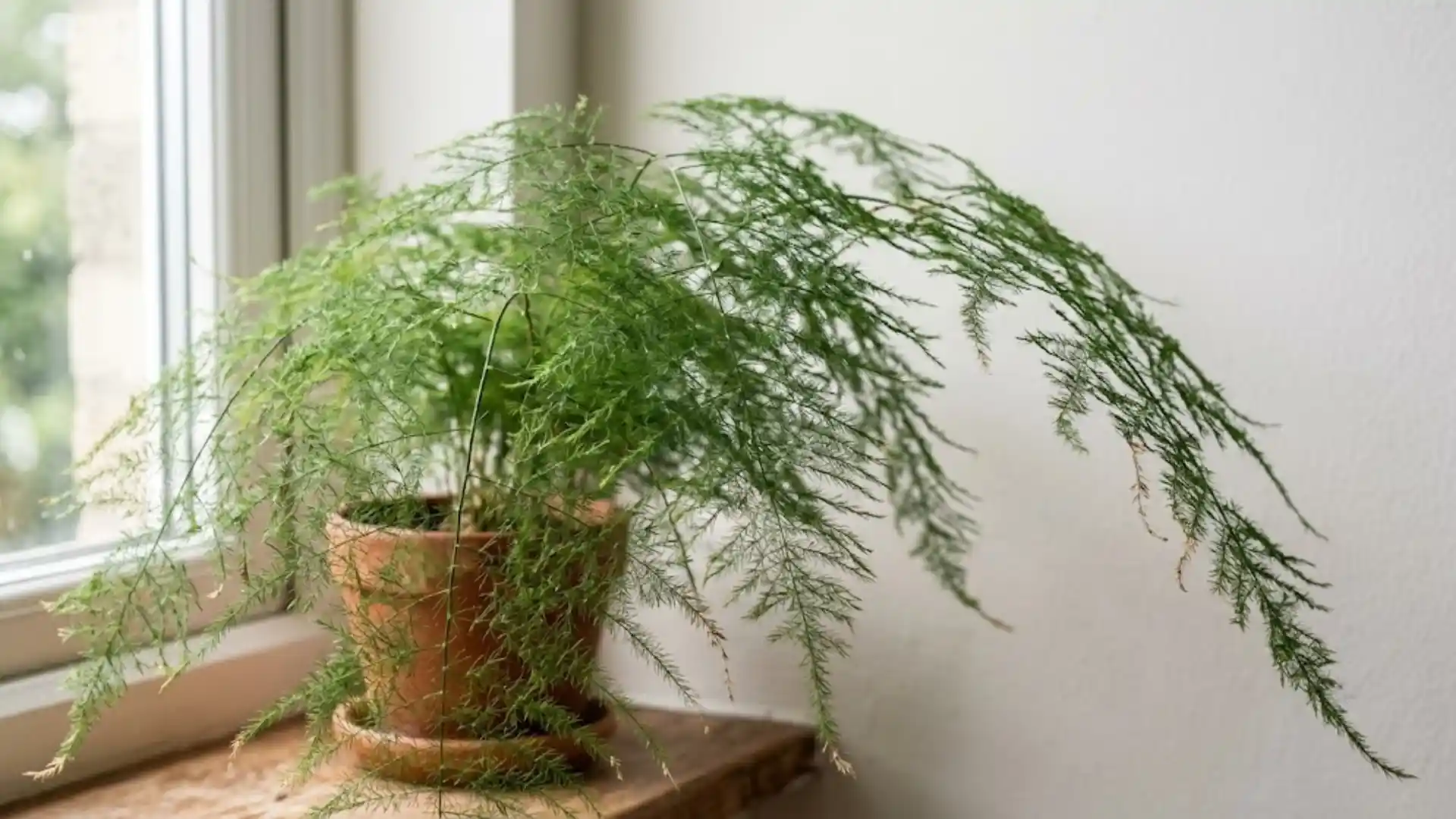
- Scientific Name: Asparagus densiflorus
- Best Low-Light Placement: Hanging baskets and shelves with filtered light
- Soil: Well-draining, moisture-retentive potting mix
- Watering Tendency: Keep soil evenly moist; needs more water than drought-tolerant options
- Mature Size/Shape: Feathery, fine-textured trailing fronds
- Pet-Safety Status: Toxic to cats and dogs if ingested
Despite the name, asparagus fern is not a true fern, though it shares that soft, feathery look.
It tolerates low light, but growth becomes noticeably more abundant with medium light, and it needs more consistent moisture than drought-tolerant plants like snake plant, so soil should not be allowed to dry out completely.
25. Flame Violet
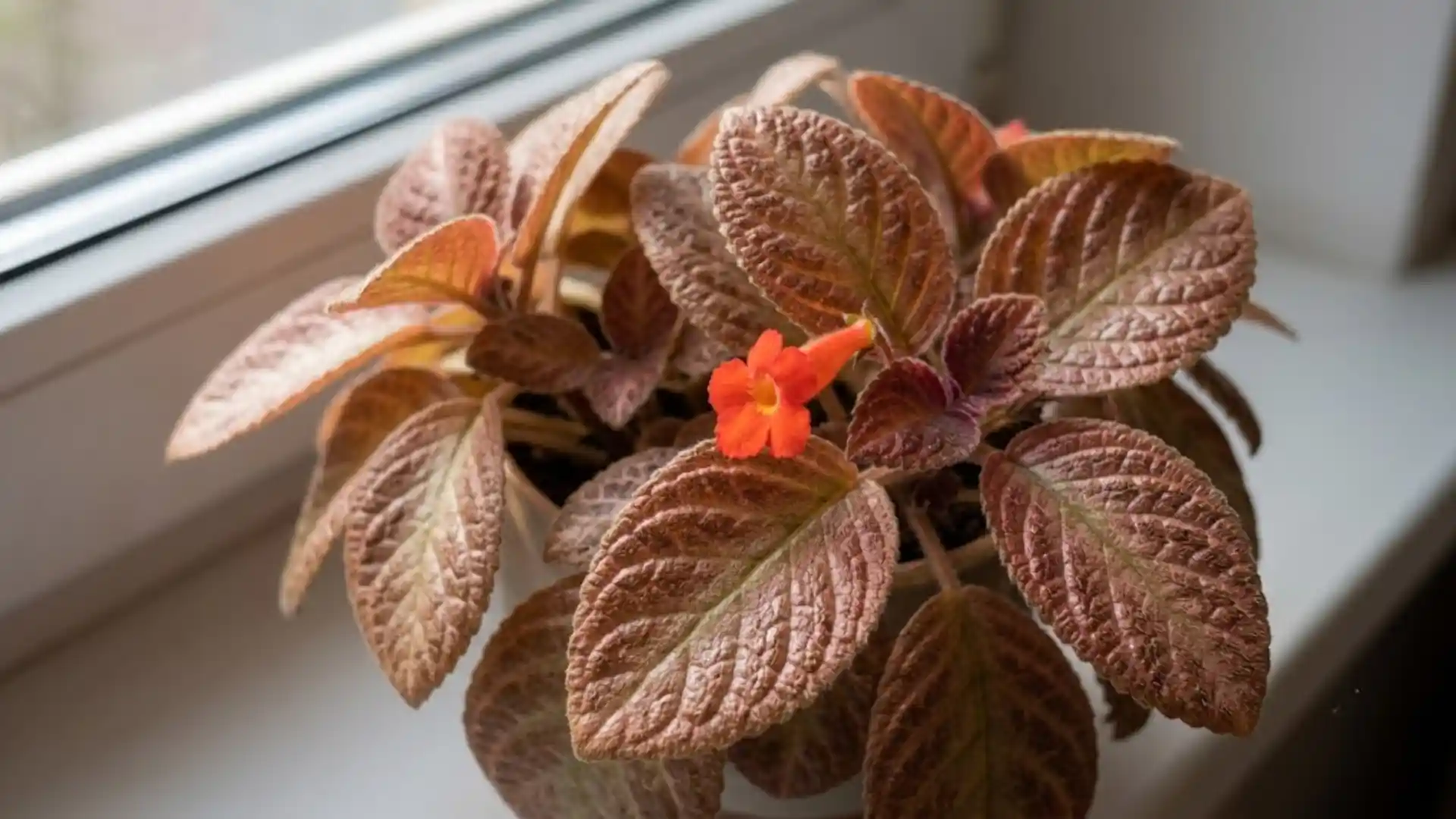
- Scientific Name: Episcia cupreata
- Best Low-Light Placement: Warm, humid interior spots with filtered light
- Soil: Well-draining, moisture-retentive potting mix
- Watering Tendency: Keep soil consistently moist; higher humidity required
- Mature Size/Shape: 6 to 8 inches, low-growing with colorful foliage
- Pet-Safety Status: Non-toxic to cats and dogs
Flame violet brings colorful foliage and small flowers to a low-light space, but it’s more demanding than a typical low-maintenance pick.
It needs warmth and higher humidity to stay healthy, so a steady, filtered-light spot away from cold drafts works far better than treating it as a hands-off houseplant.
26. Aluminum Plant
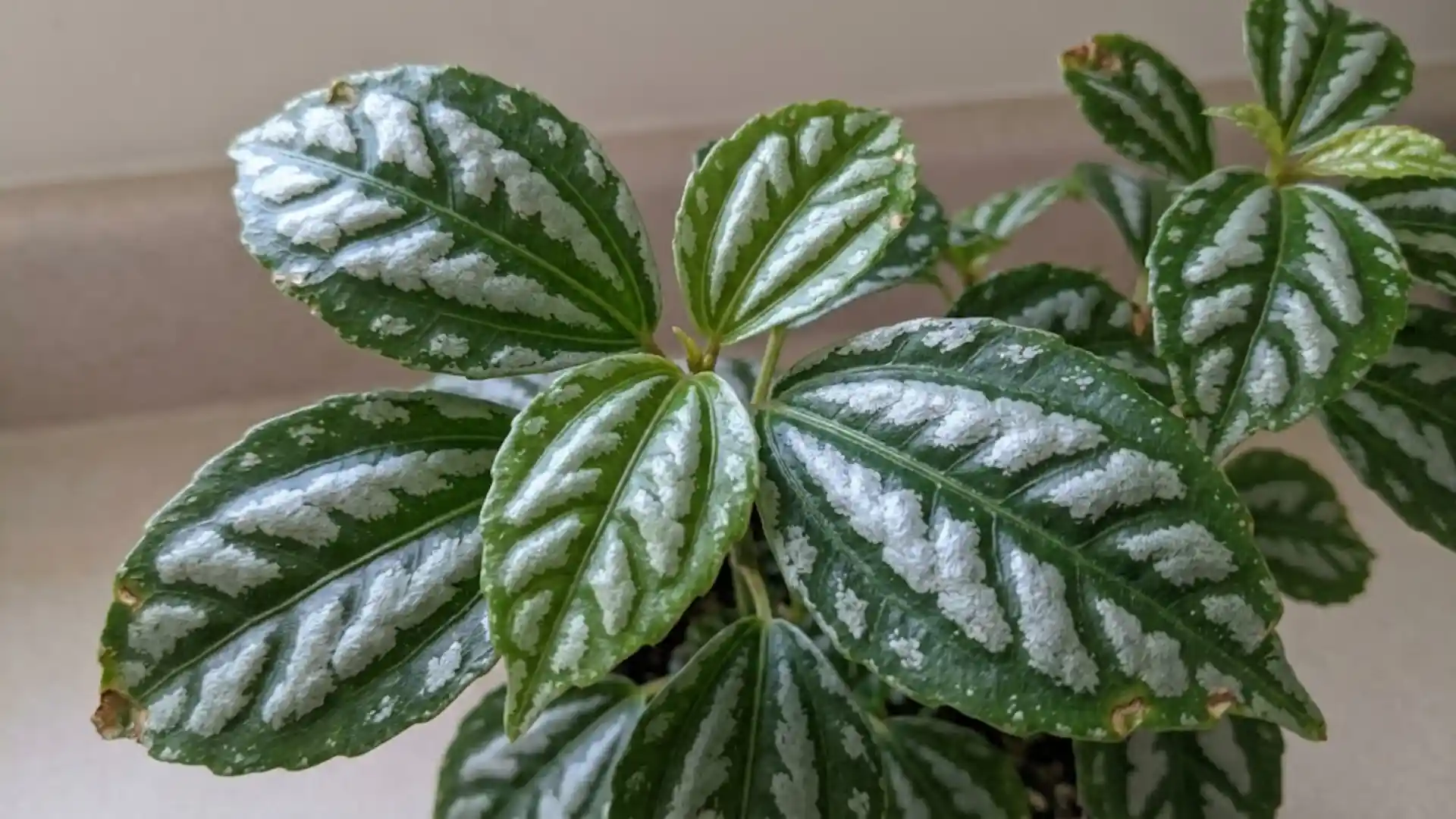
- Scientific Name: Pilea cadierei
- Best Low-Light Placement: Bathrooms and tabletops with indirect daylight
- Soil: Well-draining potting mix
- Watering Tendency: Keep soil lightly moist; higher humidity preferred
- Mature Size/Shape: 6 to 12 inches, silver-patterned compact foliage
- Pet-Safety Status: Non-toxic to cats and dogs
Aluminum plant’s silver-patterned leaves add visual interest to a compact tabletop spot, and it tolerates low light reasonably well.
Humidity plays a bigger role in its health than light does, making a bathroom with some indirect daylight one of the better indoor placements for keeping it full and vibrant.
27. Moon Valley Pilea
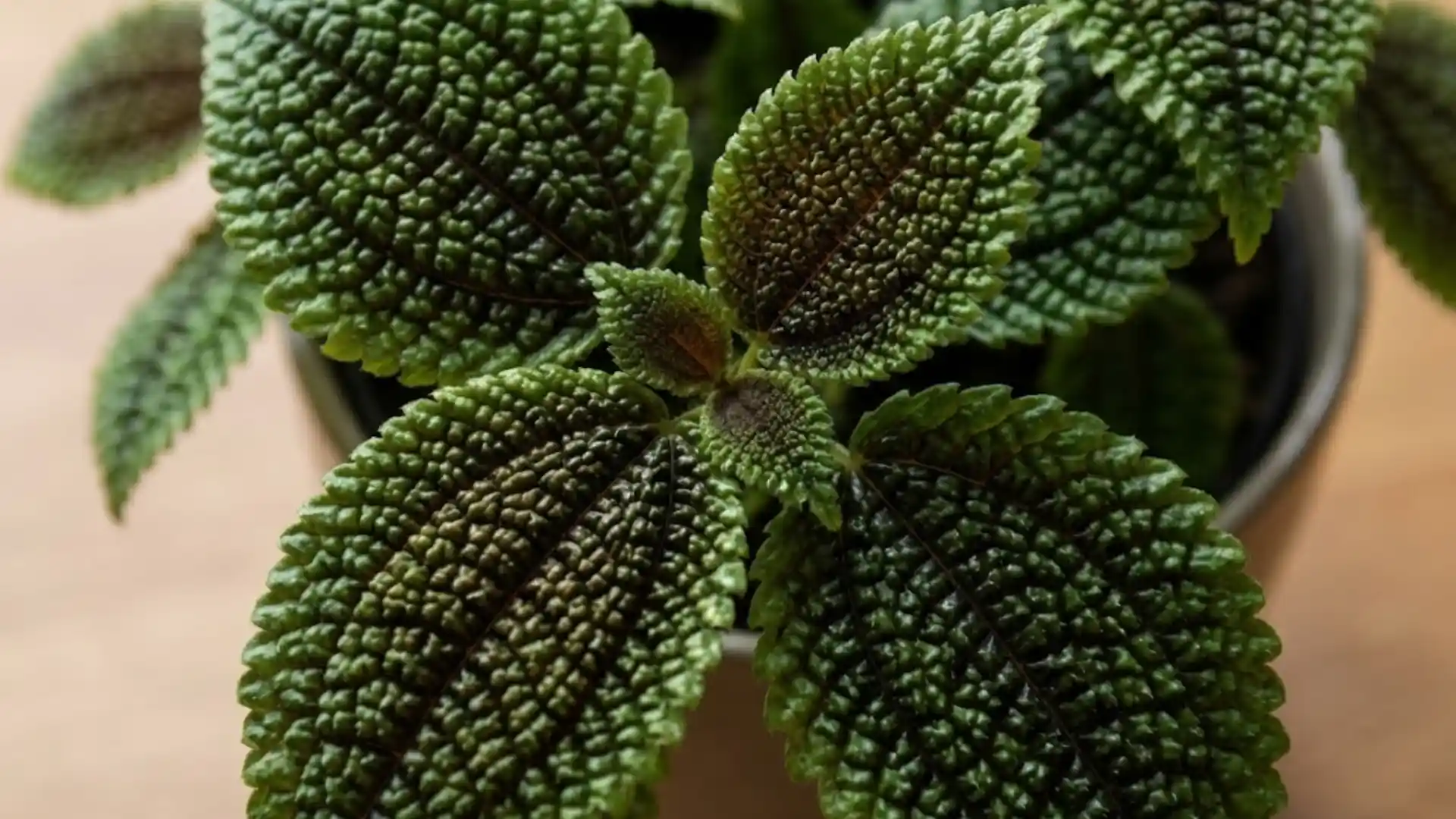
- Scientific Name: Pilea ‘Moon Valley’
- Best Low-Light Placement: Small tabletop spaces with filtered light
- Soil: Well-draining potting mix
- Watering Tendency: Keep soil lightly moist between waterings
- Mature Size/Shape: 8 to 12 inches, deeply textured crinkled foliage
- Pet-Safety Status: Non-toxic to cats and dogs
Moon Valley pilea’s deeply crinkled, textured leaves make it a striking small-space choice, though low light here is tolerated rather than ideal.
For the most compact, dense growth this variety is known for, a spot with a bit more filtered brightness will serve it better than the dimmest corner available.
28. Bromeliad Guzmania
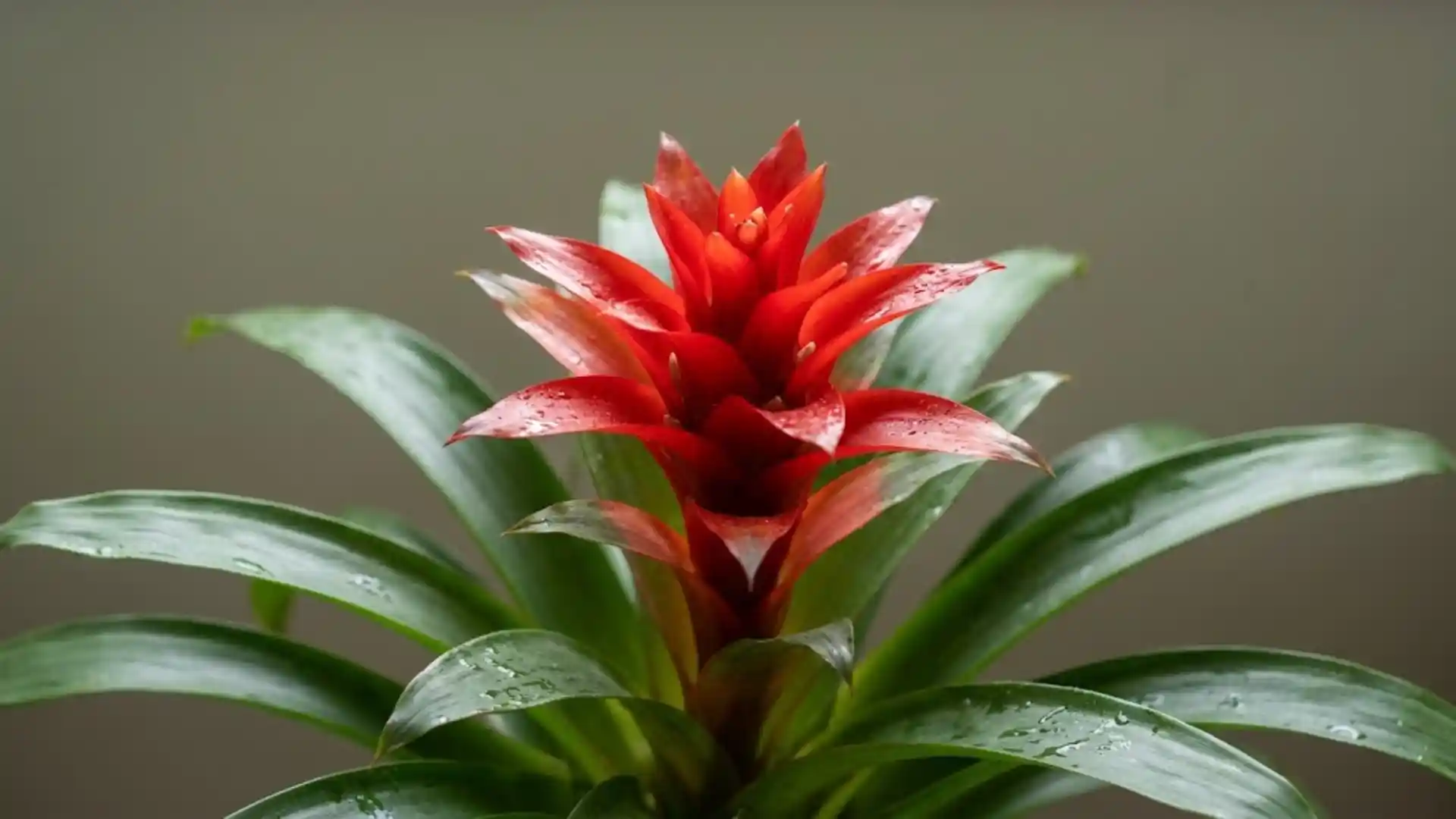
- Scientific Name: Guzmania spp.
- Best Low-Light Placement: Humid rooms with filtered or low light
- Soil: Well-draining, bark-based potting mix
- Watering Tendency: Keep the central cup filled with water; mist regularly
- Mature Size/Shape: 1 to 2 feet, rosette foliage with a bold colored bract
- Pet-Safety Status: Non-toxic to cats and dogs
Guzmania brings bold, tropical color to a humid room, preferring filtered or low light rather than direct sun or true darkness.
Flowering and color intensity can depend on adequate light exposure, so while the plant itself tolerates dimmer spots, its most vivid display benefits from a slightly brighter position.
29. English Ivy
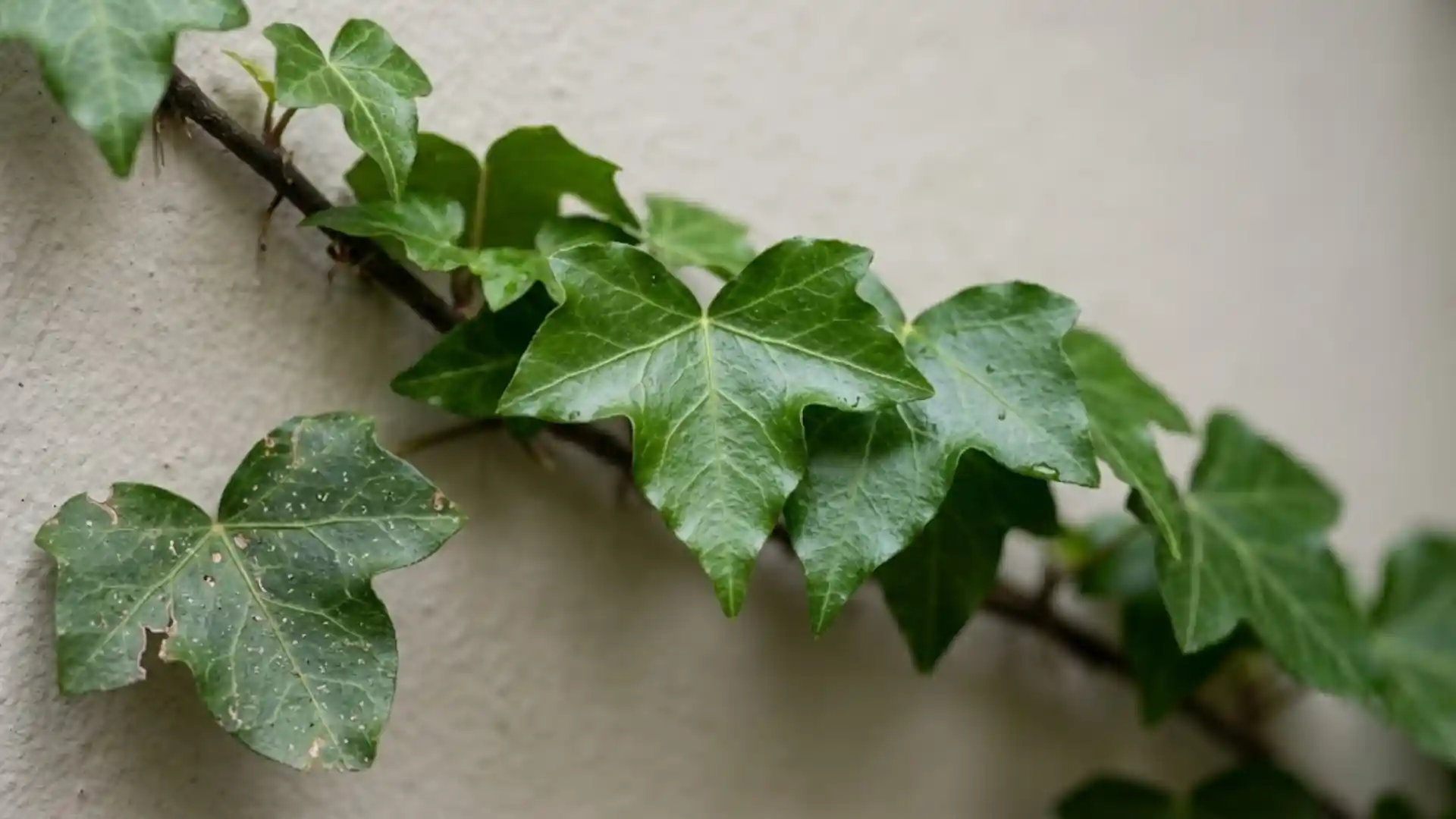
- Scientific Name: Hedera helix
- Best Low-Light Placement: Hanging containers in cooler, humid rooms
- Soil: Well-draining, moisture-retentive potting mix
- Watering Tendency: Keep soil consistently moist; prefers higher humidity
- Mature Size/Shape: Trailing vines with lobed leaves
- Pet-Safety Status: Toxic to cats and dogs if ingested
English ivy tolerates low to moderate light and suits cooler, more humid environments better than warm, dry rooms.
Indoors, it can be more demanding than a plant like pothos, needing steadier moisture and better air circulation to avoid issues, so it works best for owners willing to check on it regularly.
30. Hoya
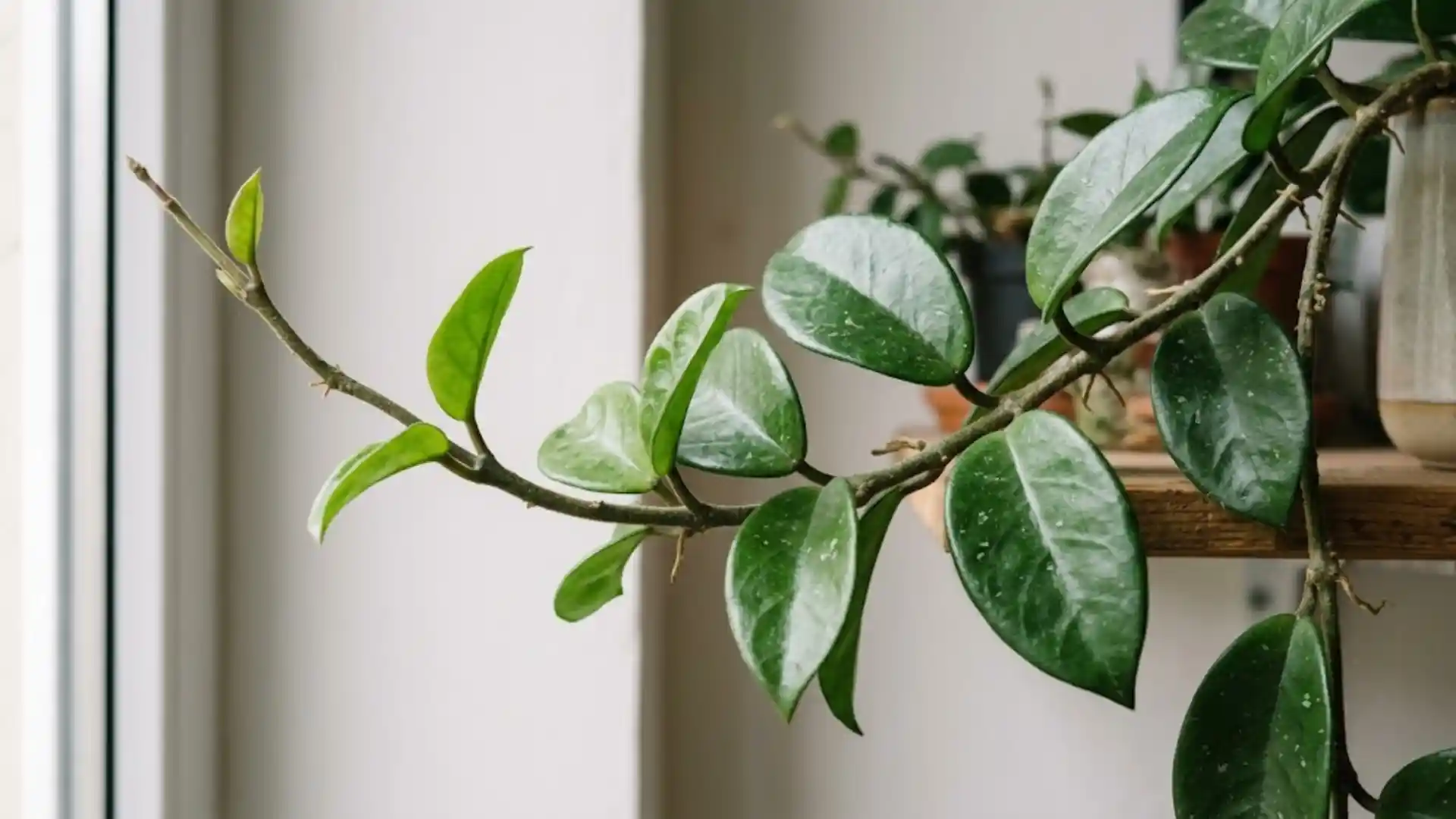
- Scientific Name: Hoya carnosa
- Best Low-Light Placement: Hanging planters and shelves with filtered light
- Soil: Well-draining, chunky potting mix
- Watering Tendency: Allow soil to dry between waterings
- Mature Size/Shape: Trailing vines with thick, waxy leaves
- Pet-Safety Status: Non-toxic to cats and dogs
Hoya tolerates lower light but needs medium light to grow well and higher light still to flower, an important distinction for anyone hoping to see its signature clustered blooms.
In a genuinely dim spot, expect the vines to hold steady with waxy foliage intact, but don’t count on flowering without brighter conditions.
31. Rubber Plant
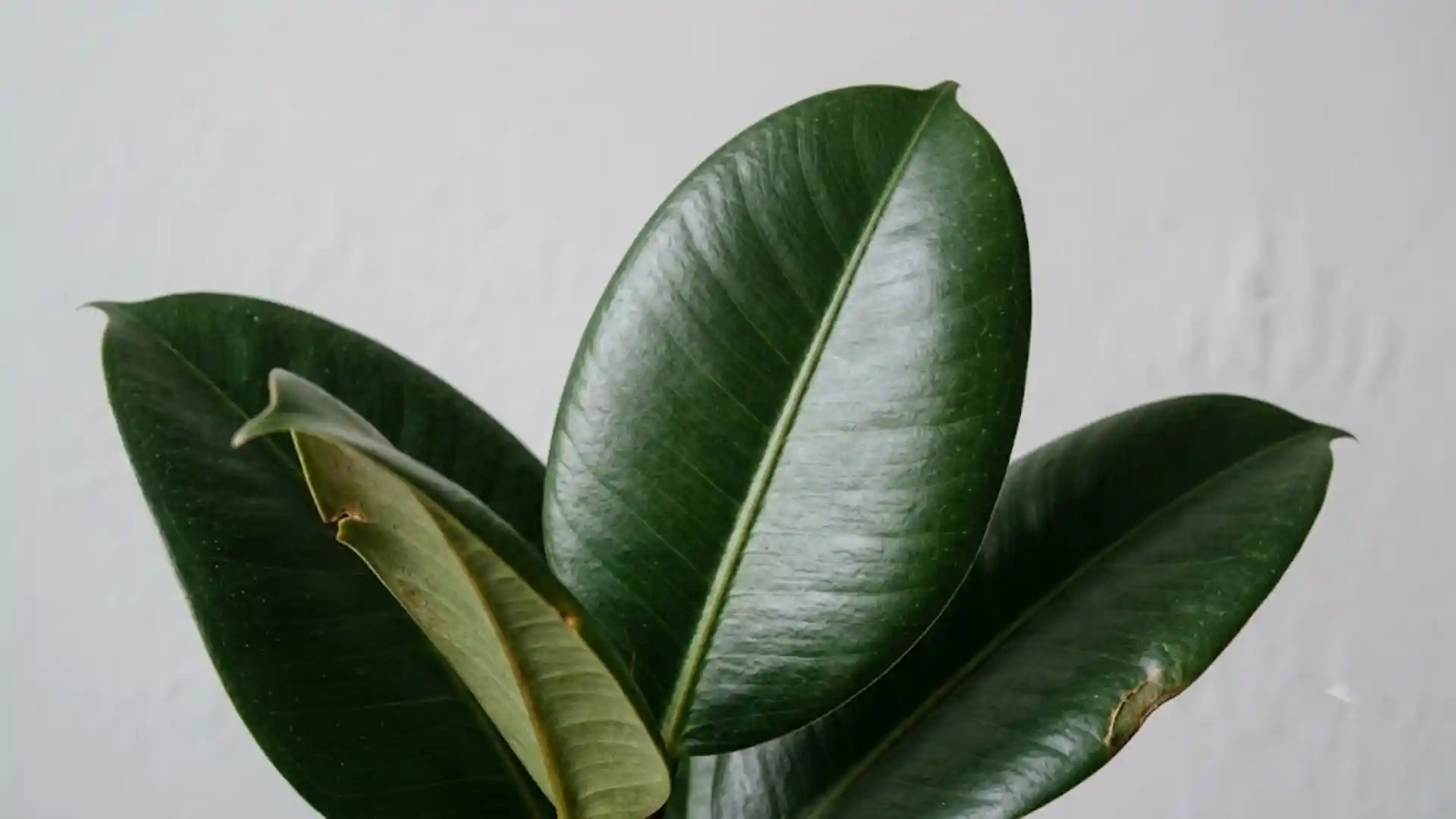
- Scientific Name: Ficus elastica
- Best Low-Light Placement: Rooms with some ambient daylight rather than dark corners
- Soil: Well-draining potting mix
- Watering Tendency: Allow soil to dry between waterings
- Mature Size/Shape: 3 to 8 feet, large glossy leaves
- Pet-Safety Status: Toxic to cats and dogs if ingested
Rubber plant can tolerate lower indoor light, but prolonged exposure to very dim conditions can lead to foliage loss over time.
It does better in a room with some ambient daylight rather than being tucked into the darkest available corner, where its large, glossy leaves are more likely to thin out.
32. Norfolk Island Pine
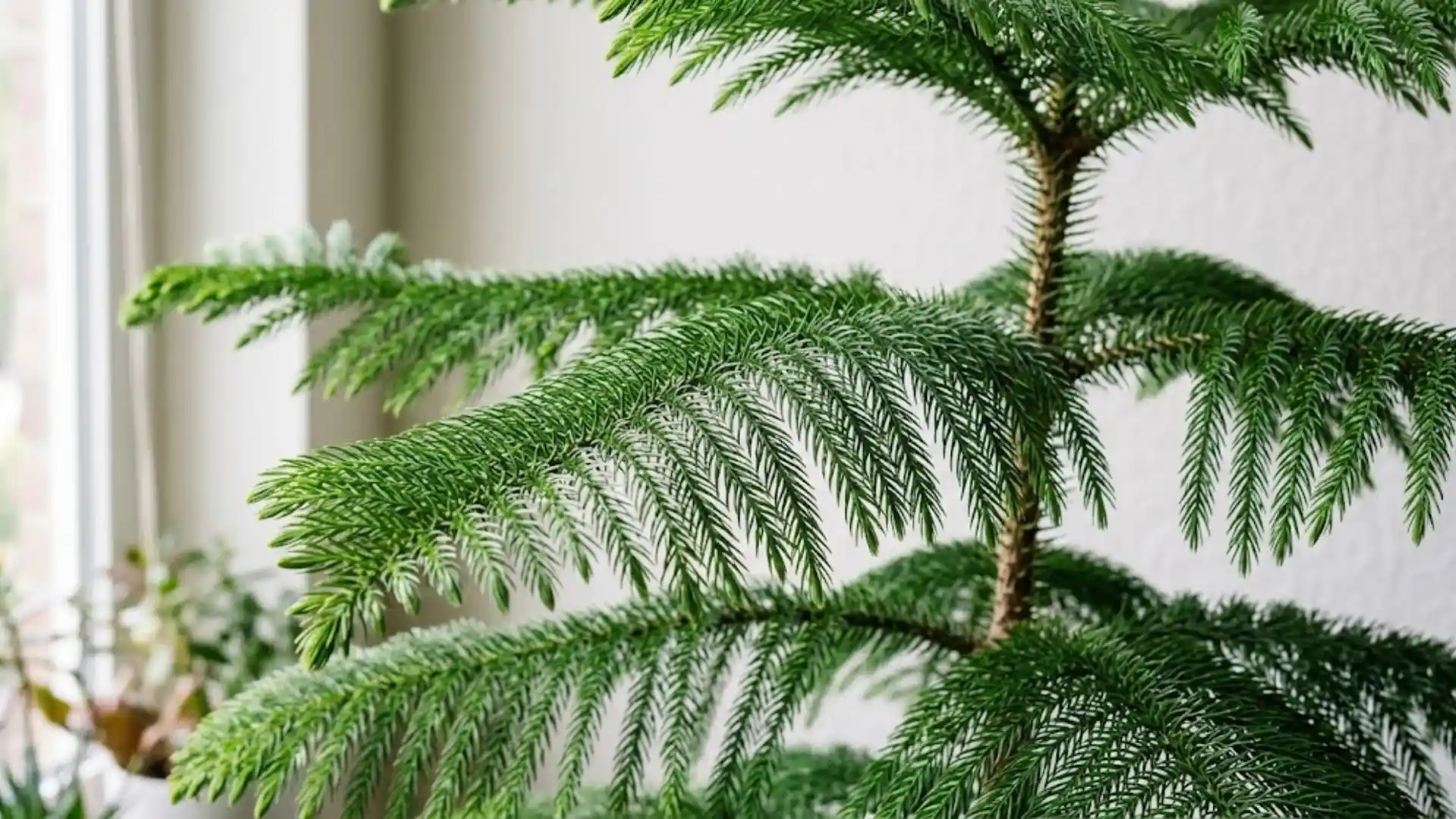
- Scientific Name: Araucaria heterophylla
- Best Low-Light Placement: Living rooms and offices with filtered light
- Soil: Well-draining potting mix
- Watering Tendency: Keep soil lightly moist; avoid letting it dry out fully
- Mature Size/Shape: 3 to 6 feet indoors, symmetrical branching form
- Pet-Safety Status: Non-toxic to cats and dogs
Norfolk Island pine can tolerate poor light, holding its soft, needle-like branches even in a dim room.
Medium light produces noticeably better, more symmetrical growth, so while it survives in shade, a spot with a bit more brightness helps this plant keep its naturally balanced, tree-like shape.
33. Begonia Rex Cultivars
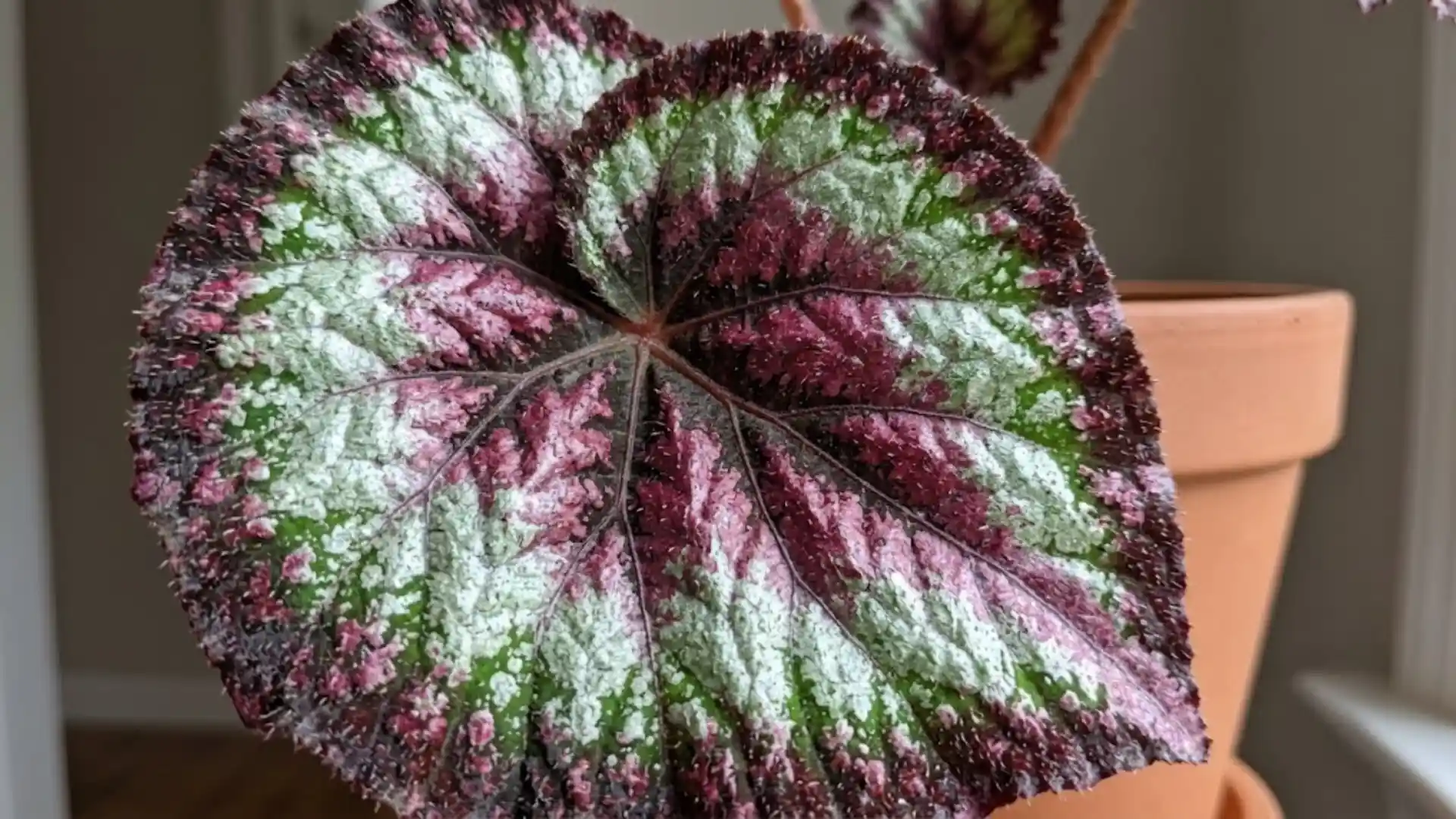
- Scientific Name: Begonia rex-cultorum
- Best Low-Light Placement: Bright, filtered-light spaces rather than dark corners
- Soil: Well-draining, moisture-retentive potting mix
- Watering Tendency: Keep soil evenly moist; avoid waterlogging
- Mature Size/Shape: 1 to 1.5 feet, richly patterned ornamental foliage
- Pet-Safety Status: Toxic to cats and dogs if ingested
Rex begonias fall into a medium-light category more than a true low-light one, and they belong here with a clear caveat, they need filtered brightness, not genuine darkness.
Lower light can noticeably reduce their color intensity and overall vigor, so this is a better fit for a bright low-light space than the dimmest room in the house.
34. Angelwing Begonia
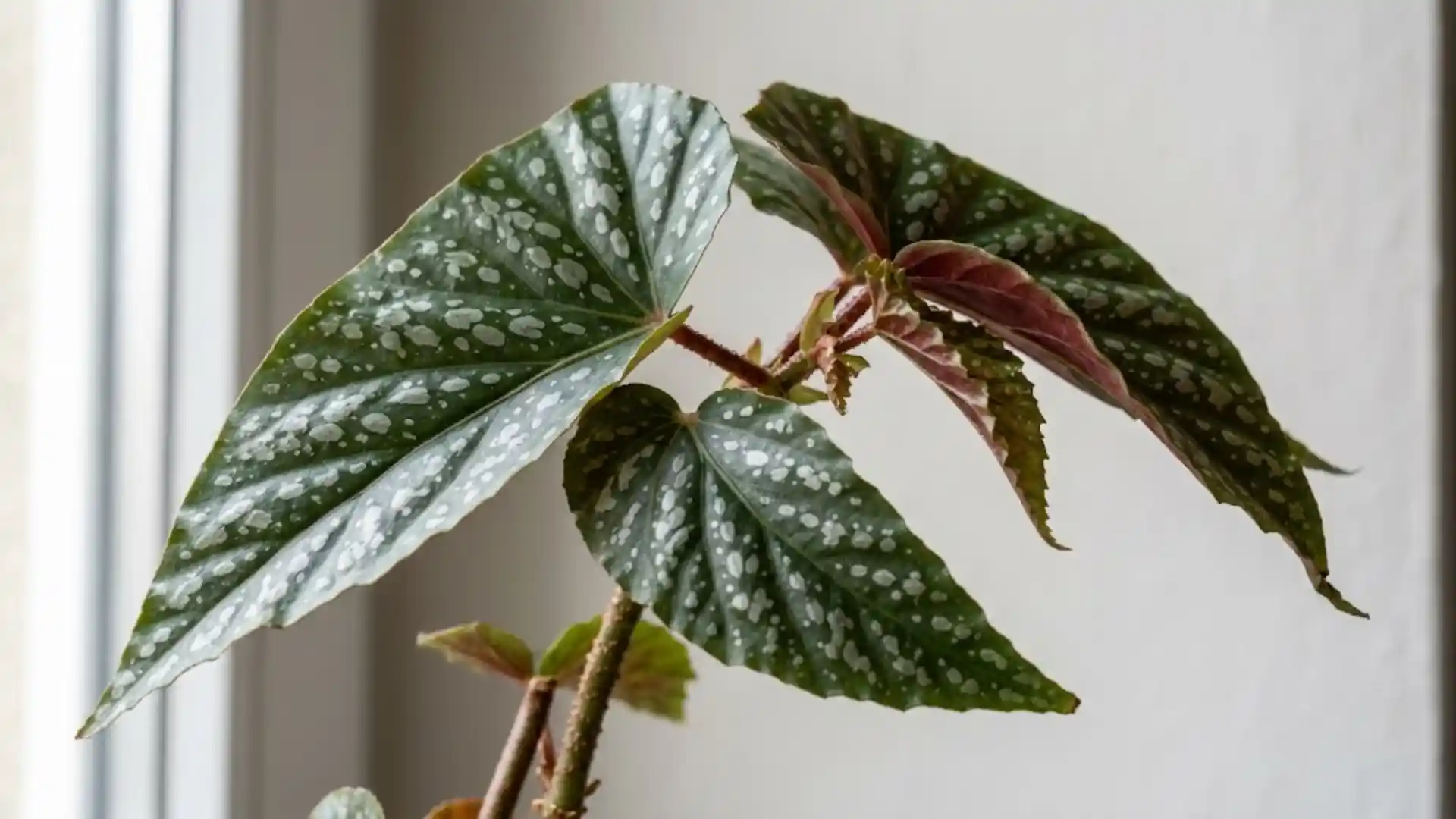
- Scientific Name: Begonia × corallina
- Best Low-Light Placement: Filtered-light spots rather than deep shade
- Soil: Well-draining, moisture-retentive potting mix
- Watering Tendency: Keep soil evenly moist; higher humidity preferred
- Mature Size/Shape: 2 to 4 feet, cane-like stems with patterned wing-shaped leaves
- Pet-Safety Status: Toxic to cats and dogs if ingested
Angelwing begonia’s patterned, wing-shaped leaves tolerate filtered light better than deep shade, and this plant needs consistent humidity and moisture to stay healthy.
Brighter indirect light generally produces fuller, more vigorous growth, so it works best positioned a few feet from a window rather than in the darkest part of a room.
35. Grape Ivy
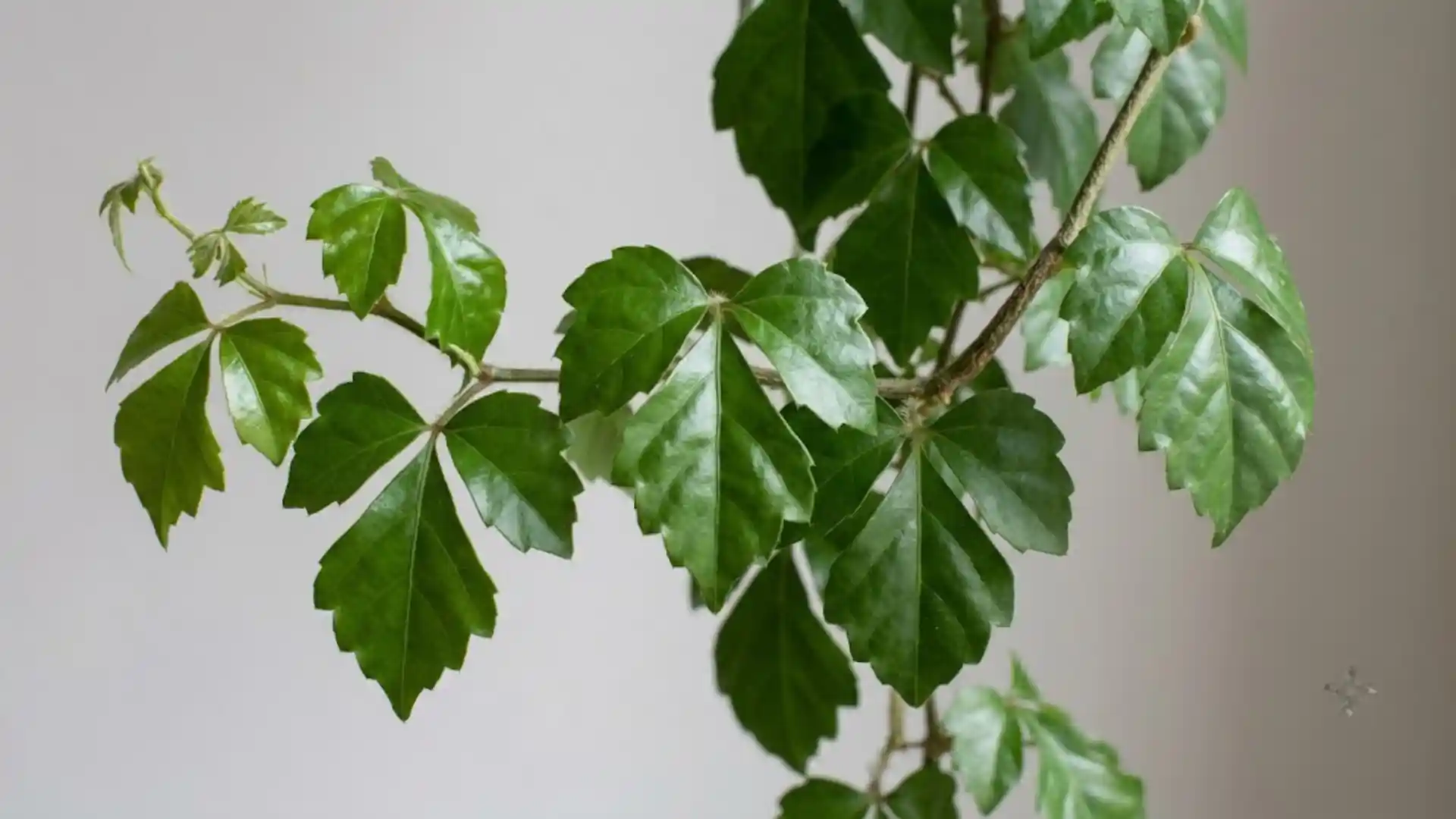
- Scientific Name: Cissus rhombifolia
- Best Low-Light Placement: Hanging containers with low to medium indirect light
- Soil: Well-draining potting mix
- Watering Tendency: Water when the top inch of soil dries out
- Mature Size/Shape: Trailing vines with three-lobed leaves
- Pet-Safety Status: Non-toxic to cats and dogs
Grape ivy offers a useful alternative to pothos for hanging containers, tolerating low to medium light with trailing, three-lobed foliage.
Growth becomes noticeably stronger with more light, so while it survives in dimmer spots, a slightly brighter hanging position will help it fill out more densely over time.
36. Parlor Palm ‘Bella’
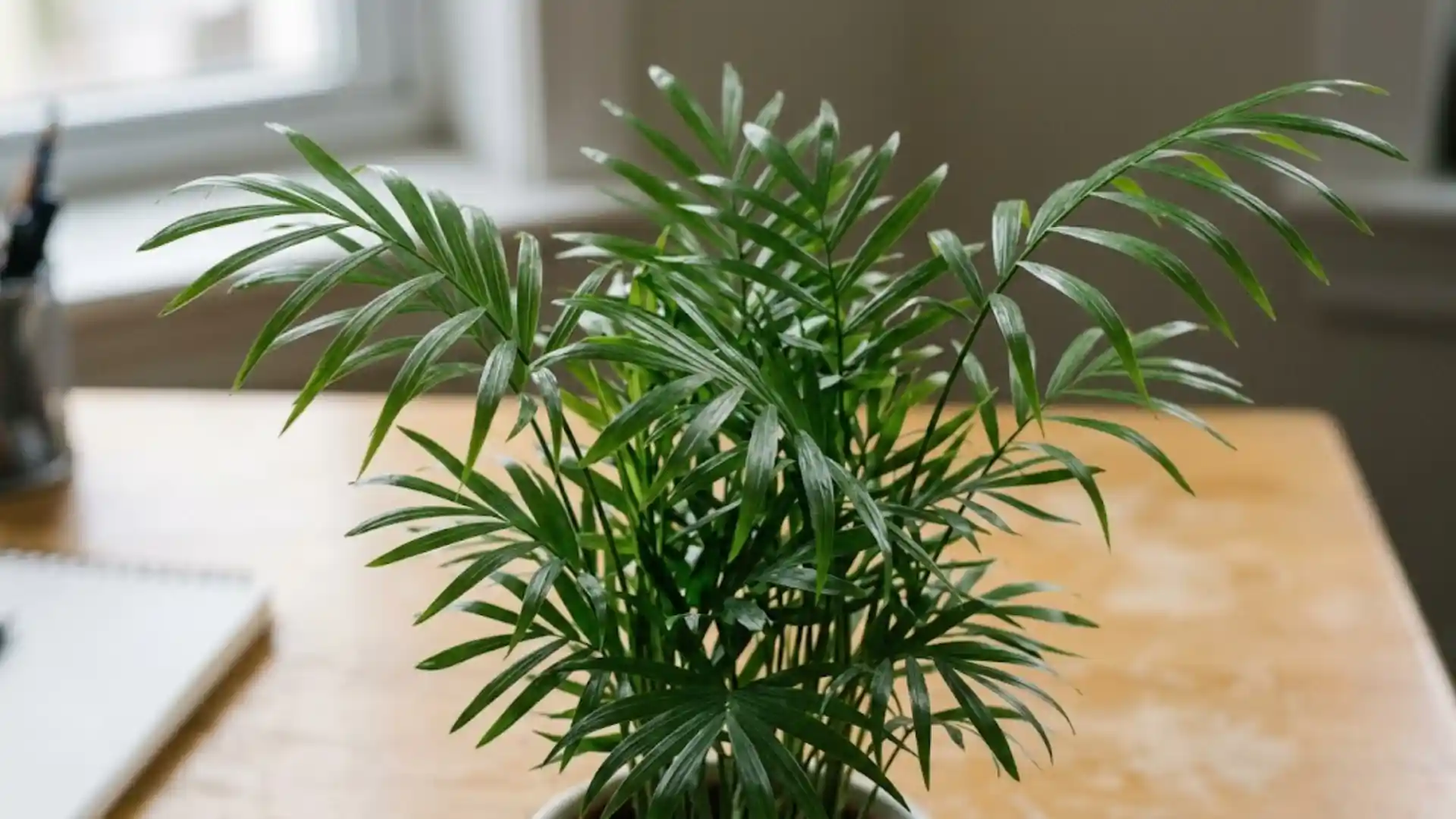
- Scientific Name: Chamaedorea elegans ‘Bella’
- Best Low-Light Placement: Desks and tabletops in rooms without direct sun
- Soil: Well-draining potting mix
- Watering Tendency: Water when the top inch of soil dries out
- Mature Size/Shape: 1 to 2 feet, compact feathery fronds
- Pet-Safety Status: Non-toxic to cats and dogs
This compact form of parlor palm brings the same shade tolerance as the standard variety into a smaller footprint, making it well suited to desks and tabletops.
It is a good option when a full-sized parlor palm would take up more space than a room can spare, without sacrificing its low-light resilience.
37. Green Pothos ‘Jade’
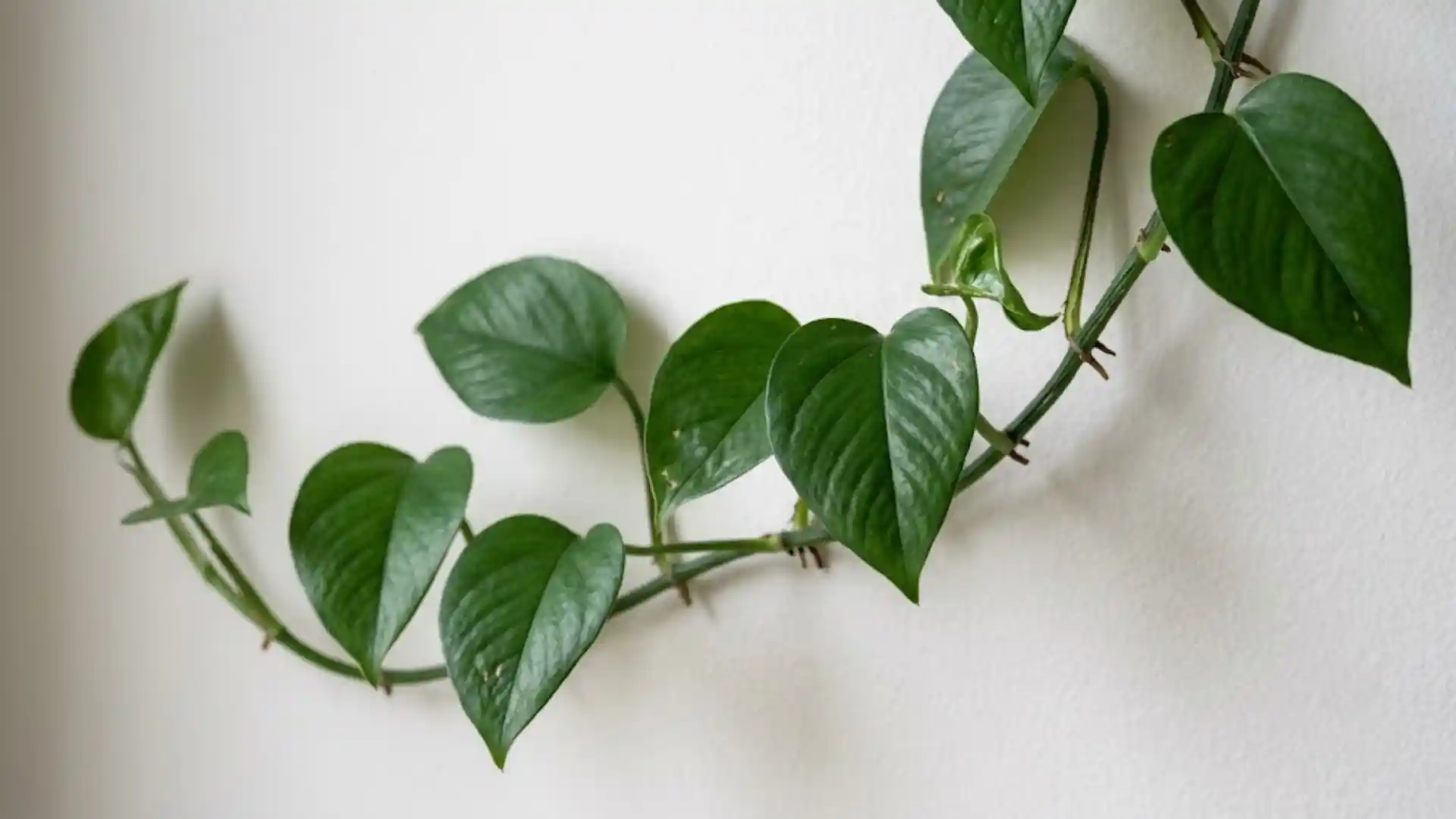
- Scientific Name: Epipremnum aureum ‘Jade’
- Best Low-Light Placement: Shelves, hanging planters, and dim corners
- Soil: Well-draining, general-purpose potting mix
- Watering Tendency: Water when the top inch of soil dries out
- Mature Size/Shape: Trailing vines, several feet long when mature
- Pet-Safety Status: Toxic to cats and dogs if ingested
Jade pothos closes out this list as a highly practical low-light cultivar. Its solid dark green leaves hold their appearance better in dim spaces.
Highly variegated pothos types tend to fade or lose pattern without enough light. For anyone who wants that classic trailing pothos look without worrying about color loss, Jade is the more dependable pick.
What to Do If Your Room Has Almost No Natural Light?
A full-spectrum LED grow light placed at an appropriate distance, ideally on a timer, can make a windowless room workable.
Wattage needs vary by plant, so no single setting works for all of them. If adding a light is not an option, lean on the toughest performers first:
- Cast iron plant
- Snake plant
- ZZ plant
- Chinese evergreen
- Pothos
Another Option: Rotate plants between brighter and darker rooms every few weeks instead of forcing one plant to live somewhere it can’t truly thrive. Artificial lighting genuinely helps close the gap where natural light falls short.
Low-Light Houseplants vs. Plants That are Often Mislabelled
Not every plant on a typical “low-light” list actually belongs there.
Some genuinely thrive in dim corners, others simply tolerate them while preferring more light, and a few are frequently miscategorized entirely.
| Genuinely Tolerate Low Light | Tolerate Low Light, Prefer More | Not True Low-Light Plants |
|---|---|---|
| Cast iron plant | Rubber plant | Aloe vera |
| Snake plant | Hoya | Most cacti |
| ZZ plant | Spider plant | Jade plant |
| Chinese evergreen | Prayer plant | Crotons |
| Pothos | Peace lily | Ponytail palm |
| Heartleaf philodendron | Norfolk Island pine | Citrus |
| – | – | Fiddle-leaf fig |
Wrapping It Up
Finding the right low light houseplants really comes down to knowing your space and being honest about how dark it actually is.
Some plants will settle in and thrive, others just need a grow light to bridge the gap. Either way, greenery is possible in almost any corner of your home.
Start with one or two from this list, watch how they respond, and adjust from there.
Your space will guide you more than any rule ever could.
Which of these are you adding to your home first? Drop a comment, I’d love to hear what you’re working with.
Frequently Asked Questions (FAQs)
Can Houseplants Survive in a Room with No Windows?
Only with artificial lighting. Without any light source, plants can’t photosynthesize enough to survive long term.
Why is My Low-Light Plant Turning Yellow?
Yellowing often signals overwatering, since plants use less water in dim conditions. It can also mean the space is simply too dark for that particular species.
Do Variegated Houseplants Need More Light?
Yes, in most cases. Variegated leaves often fade or revert to solid green when light is too low to sustain the pattern.
Will a Grow Light Help a Low-Light Houseplant?
Yes, a full-spectrum LED grow light can supplement weak natural light effectively. Placement, distance, and daily duration all matter more than the light alone.
What is the Easiest Low-Light Houseplant for Beginners?
Cast iron plant and snake plant are two of the most forgiving choices. Both tolerate inconsistent watering and genuinely low light without much fuss.