
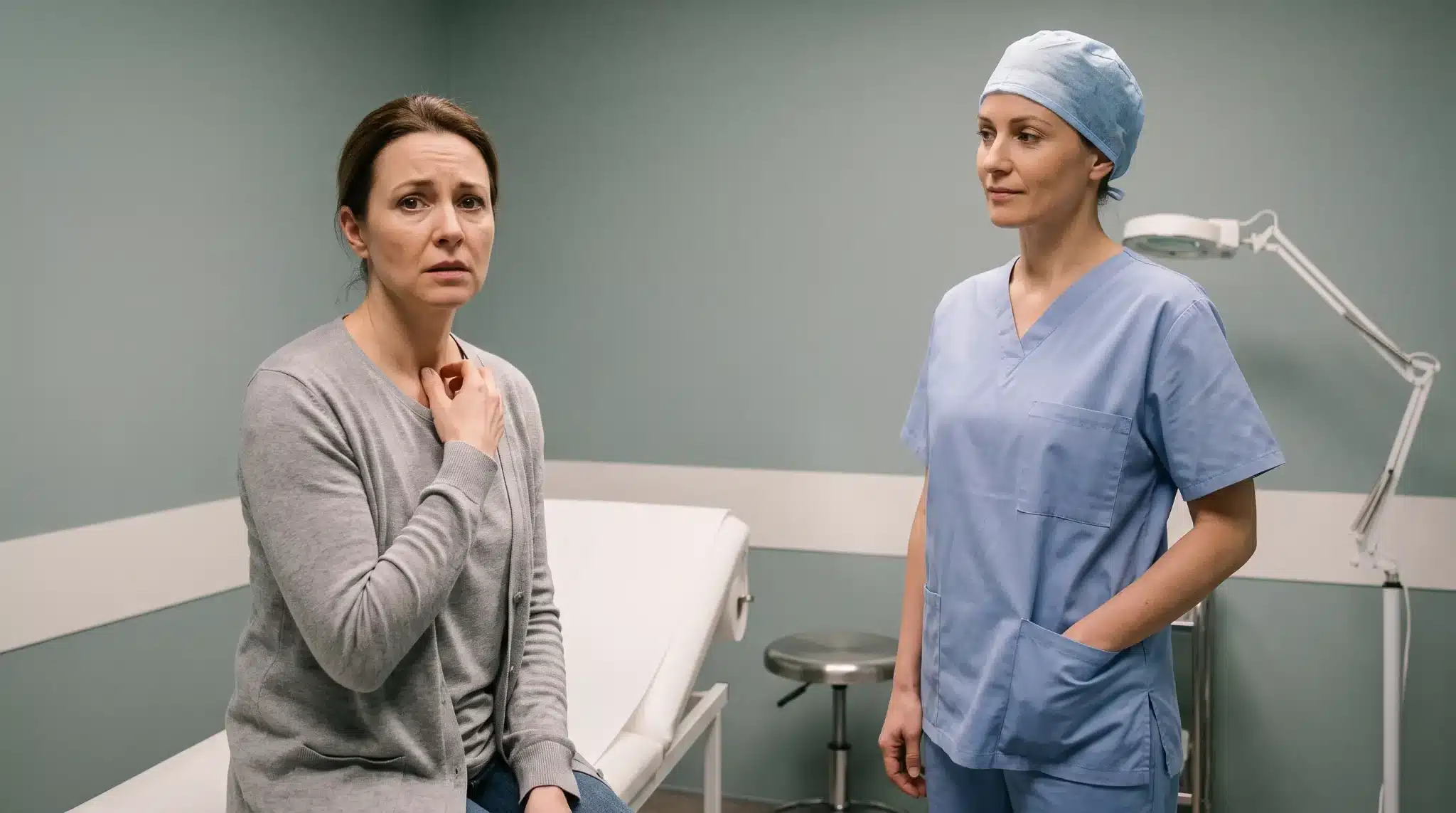
An internal bra procedure is intended to support breast tissue during healing, but complications can sometimes turn an expected recovery into a need for further treatment. Patients may experience persistent pain, infection, tissue damage, distortion, or problems with the implanted support material.
In Illinois, someone researching an internal bra complications lawsuit may be trying to understand whether those problems could be connected to the product or the circumstances of surgery. Corrective procedures can involve additional medical costs, recovery time, and uncertainty about future results. Determining the cause often requires a careful review of the surgical history, medical records, and subsequent treatment. For affected patients, early medical attention and informed legal guidance can help clarify what options may be available.
Why Internal Support Can Fail
People who develop lasting discomfort after breast mesh placement may face medical expenses, lost income, and additional procedures. A review of potential legal options, including an internal bra complications lawsuit, may help affected patients examine product records, surgical notes, and injury evidence. Such documentation can clarify whether complications resulted from device failure, improper placement, inadequate warnings, or another preventable problem.
Common Complications
Internal support material can cause several physical problems. Some patients develop hardened scar tissue, while others experience pulling, asymmetry, or visible rippling. Mesh may fold, migrate, or press against nearby structures. In certain cases, the body reacts with prolonged inflammation. These conditions can affect appearance, comfort, sleep, exercise, and emotional health. A specialist can assess symptoms through examination and diagnostic testing, which can help with a later claim.
Pain and Movement
Pain may feel like tightness, burning, stabbing, or soreness during physical activity. Restricted arm movement can signal tethered tissue or excessive scar formation. Some patients report discomfort while lying down or wearing fitted clothing. Pain medication may offer temporary relief, yet persistent symptoms often require deeper evaluation. A surgeon may compare both sides, assess skin tension, and identify areas affected by abnormal support material.
Infection and Tissue Damage
Infection can develop after surgery, even when initial healing appears normal. Warning signs include redness, warmth, swelling, fever, drainage, or worsening tenderness. An opening near the incision may expose internal material and increase the risk of contamination. Severe inflammation can damage skin, fat, or breast tissue. Medical teams may order cultures, blood tests, ultrasound imaging, or other assessments before recommending removal or reconstruction.
Signs That Surgery May Be Needed
Corrective surgery may become necessary when conservative care fails or physical harm continues. Important warning signs include persistent pain, repeated infection, open wounds, device exposure, severe firmness, and progressive distortion. A sudden change in breast shape also calls for prompt medical attention. Surgical planning depends on tissue condition, prior operations, current symptoms, and the patient’s preferred cosmetic outcome. A second opinion may provide useful confirmation.
How Doctors Evaluate the Problem
A clinical review usually begins with a detailed symptom history and physical examination. Physicians may ask when discomfort started, whether symptoms are worsening, and how daily activities are affected. Imaging can reveal fluid collections, misplaced material, scar bands, or tissue injury. Medical records may show the product name, lot number, placement method, and follow-up instructions. These details support safer treatment decisions.
Corrective Treatment Options
Treatment varies based on the complication’s severity. Minor symptoms may improve with observation, medication, physical therapy, or close monitoring. More serious cases can require mesh removal, scar release, drainage, wound repair, or replacement with another support method. Some patients need staged procedures rather than a single operation. Recovery time depends on the amount of tissue affected and whether reconstruction is performed during the same procedure.
Risks During Revision Surgery
Revision procedures carry risks that patients should discuss before consent. Possible concerns include bleeding, infection, anesthesia reactions, numbness, additional scarring, uneven appearance, and recurring firmness. Previous operations can make tissue less flexible and alter blood supply. Surgeons may explain several approaches, including removal alone or removal followed by reconstruction. Clear records of benefits, risks, and expected recovery can support informed decisions.
Preserving Evidence After Complications
Patients should keep operative reports, invoices, photographs, prescriptions, pathology results, and messages exchanged with medical providers. A dated symptom journal can record pain levels, physical limitations, infections, and missed work. Product packaging or identification cards may contain useful information. Copies of imaging studies and treatment plans can also help establish a timeline. These materials help with healthcare discussions and potential legal review.
Conclusion
Internal breast support complications can affect physical health, appearance, finances, and quality of life. Persistent pain, infection, exposure, or distortion should receive timely medical attention rather than routine dismissal. Corrective surgery can help restore comfort or repair damaged tissue, although each case requires individualized planning. Patients can protect their interests by seeking qualified care, collecting complete records, and documenting changes. Early action gives medical teams and legal professionals clearer information for evaluating available remedies.