
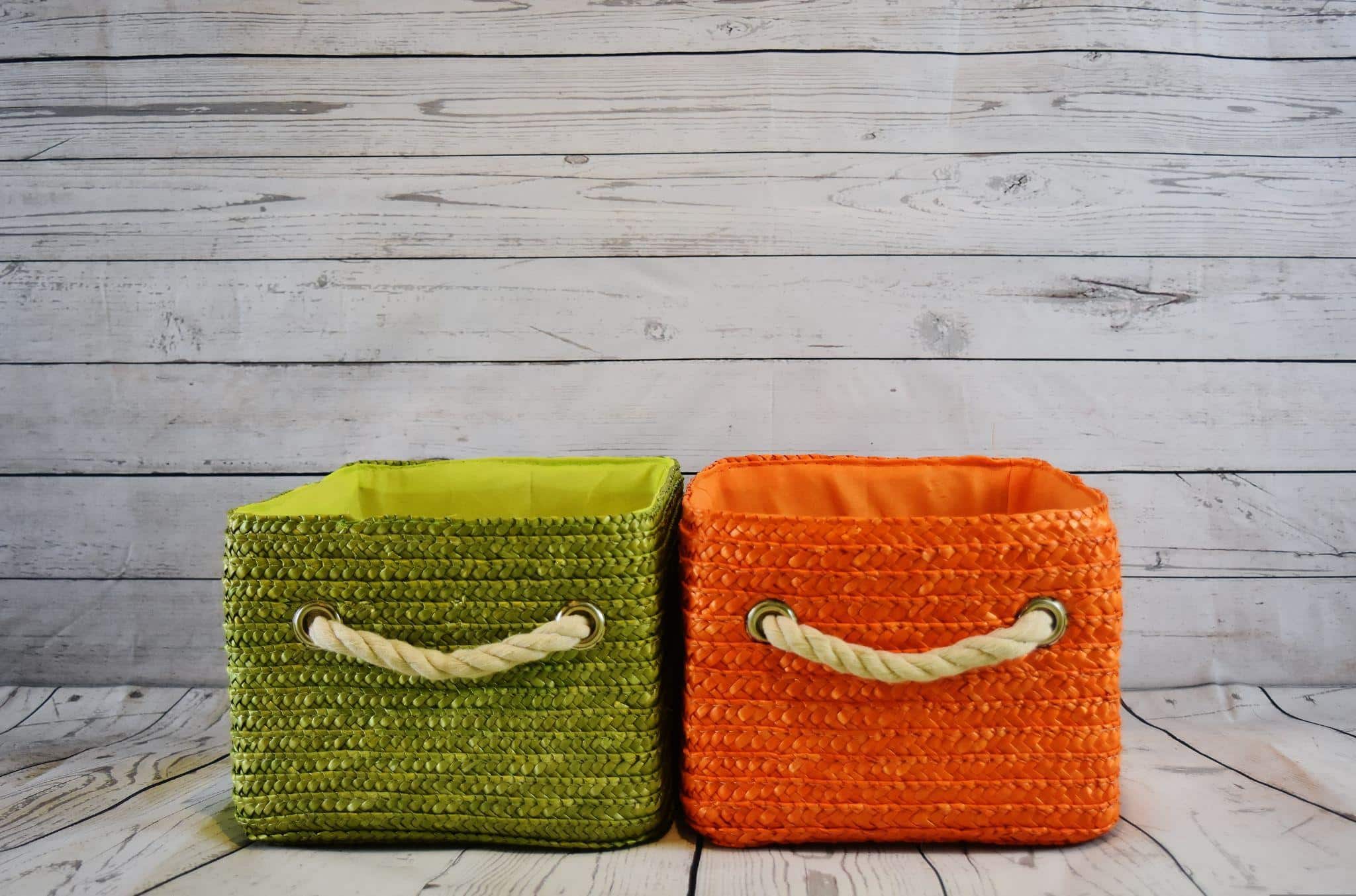
Most closets fall apart within weeks of a big cleanout, and the reason usually comes down to a system that does not match how the space gets used every day. A weekend of matching bins and folded stacks looks great in photos, then the pile creeps back by the second week because the setup asked for more effort than anyone had time to give. A closet built around real habits, not aspirational ones, tends to hold its shape for years instead of days.
Why Most Closet Systems Fall Apart So Fast
An American Cleaning Institute study found that disorganization causes about 80 percent of household clutter, not a shortage of space. That number points away from buying bigger dressers or extra rods and toward fixing the sorting habits inside a closet. A container that takes two extra steps to use correctly gets skipped by the third week, and the pile builds right back up around it.
The Real Problem Is Rarely Space
Research from the National Association of Productivity and Organizing Professionals found that people regularly wear about 20 percent of their clothes, while the other 80 percent sits mostly untouched. A closet redesign works better when it starts by removing what does not get worn, rather than adding storage to hold it. Fewer items on the rod make every other system, from bins to shelf dividers, easier to keep neat.

Systems Fail When They Fight Your Habits
A drawer that has to be opened, dug through, and refolded every time gets used less over time, and clothes start piling on a chair instead. Open shelving, clear bins, and hooks placed at eye level survive daily use better because they ask less of the person reaching for them. The real test for any new system is not how it looks on day one, but whether it still works after a rushed Tuesday morning.
Start With an Honest Inventory Before Buying Anything
Before ordering bins or shelf inserts, note the case of a typical Filipino mail order bride: pull everything out first and sort it into a few clear categories:
- Keep and wear: Items worn in the past twelve months that still fit and function well.
- Repair or alter: Pieces worth fixing, such as a hem or a missing button.
- Donate or sell: Clothing in good shape that no longer fits the current routine.
- Seasonal storage: Coats, swimwear, and holiday items that only need a few weeks of access each year.
When this sorting happens before shopping, the next round of storage purchases matches what actually stays.
Make Use of the Vertical Space Most Closets Waste
A standard closet rod uses roughly half the available height, leaving several feet of empty air above and below the hanging clothes. A second rod for shorter items such as shirts and folded pants can roughly double hanging capacity without changing the floor plan. The space below deserves the same attention, since shoe racks and stackable bins turn wasted floor area into real storage.
Double Rods and Shelf Risers
A second rod mounted about forty inches below the first works well for shirts, skirts, and folded slacks, while the original rod stays free for dresses and coats. Shelf risers do a similar job on built-in shelving, turning one flat surface into two or three usable levels for sweaters and bags.
Labeled Bins for the Upper Shelf
Items used only a few times a year, like winter gear or travel bags, belong on the highest shelf in clearly labeled bins. A label removes the guesswork that leads to pulling down three containers to find one scarf, often the first habit that breaks a tidy system.
Small Fixes That Hold Up Over Months, Not Days
A few low-cost additions tend to outlast the more elaborate builds, mostly because they remove the guesswork from daily use.
| Fix | What it solves |
|---|---|
| Slanted shoe shelf | Keeps pairs visible instead of stacked in a pile |
| Clear drawer dividers | Stops folded items from sliding into one heap |
| Cedar blocks | Reduces moth damage in wool and natural fibers |
| Slim velvet hangers | Frees up rod space compared with plastic or wire hangers |
None of these changes require tools or a weekend, yet together they solve most of the daily friction that pushes closets back into clutter.
Keep It Organized With A Short Weekly Reset
Even a well-built system needs a small amount of upkeep, and five minutes once a week tends to be enough. Putting a worn item straight back on its hanger or shelf, rather than on a chair, stops the pile from forming in the first place. Over a few months, that short habit does more for a closet’s appearance than any single product.
A closet stays organized less because of what it holds and more because of how little effort it takes to put things back, which is really the whole goal of a good storage plan from the start.