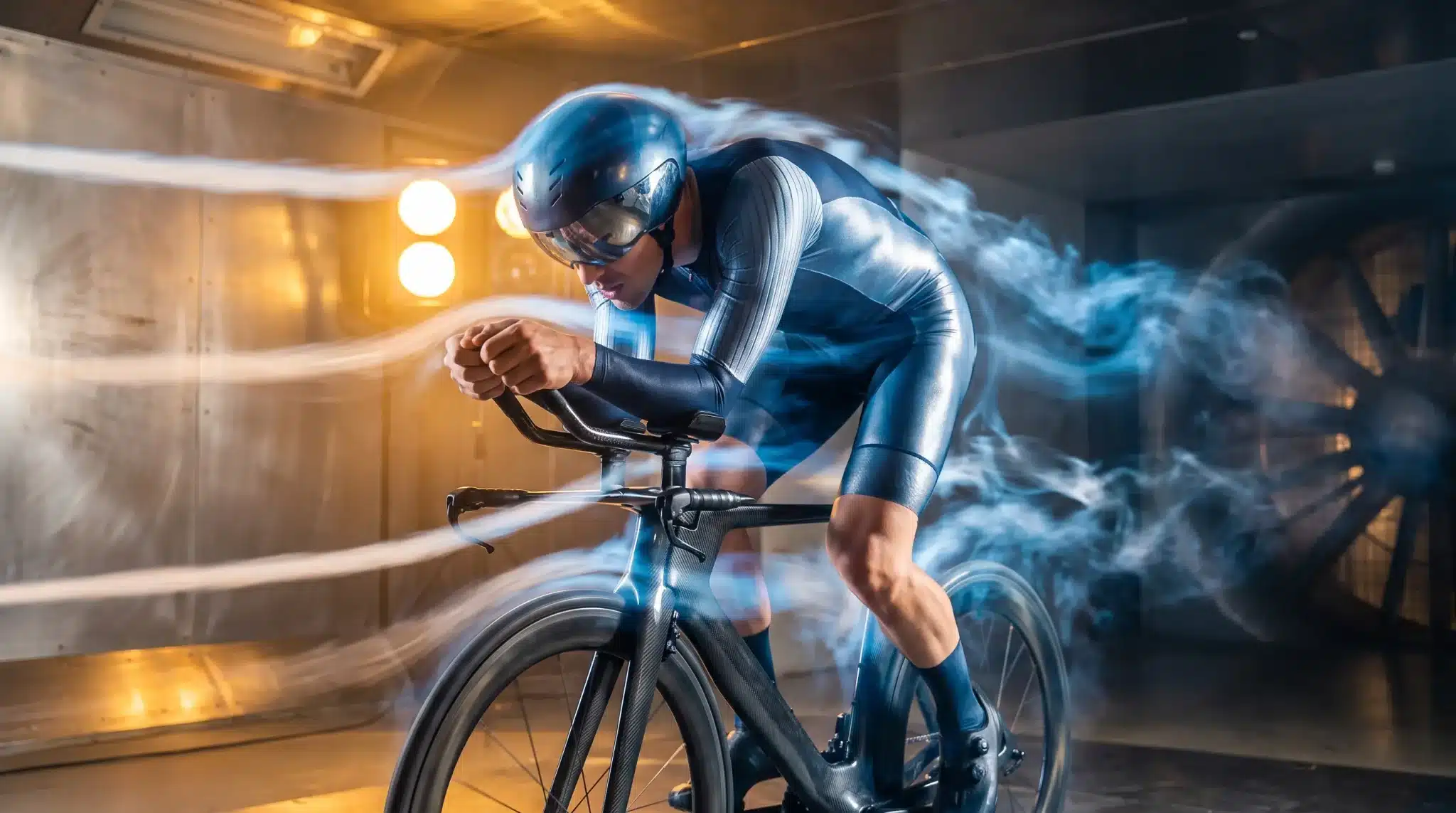
Aerodynamics is a factor that is hidden yet influential in terms of many sports competitions that revolve around speed. All the athletes, sportsmen, coaches, and engineers are studying airflow to have an advantage over their rivals. Sometimes even hundredths of a second decide who wins a competition. Want to know where and how this invisible power affects the result of sports? Then check out the next sections.
Importance of Aerodynamic Resistance in Athletics
In sports where speed decides the winner, aerodynamics plays a big part. Drag force or air resistance goes against the movement of the athlete at each and every point of the process. Moreover, the higher the speed of the movement, the more the drag increases, and it often depends on the square of the velocity. Many digital wagering platforms mention that mathematical rules about the results of the sports games are similar to the Gate of Olympus slot volatility and odds. Bettors use computational analytics to manage risks and improve their financial results while making bets. And watching professionals in cycling or skiing with this knowledge gives you many surprises.
Air resistance occurs because of multiple factors during the movement of the athlete. They include frontal surface area, body position, and the texture of clothes. In sports science, these factors are studied using wind tunnels and computational modeling. Small changes in the position of the athlete can reduce air resistance by a percent. Sometimes even little changes in equipment affect the result of the race by fractions of a second.
Why the Success of Cyclists Greatly Depends on the Aerodynamic Performance
One of the most obvious examples of aerodynamics’ impact on competitive results is cycling. In the case of racing, drag is responsible for the majority of the resistance faced by the cyclist. Professional teams spend millions on aerodynamic studies in wind tunnels of their helmets, suits, and even positions. Cyclists who participate in time trials use extreme postures just for the sake of cutting the drag.
Even the design of equipment is influenced by the studies on aerodynamics. Now the shape of the frames, wheels, and even water bottles is tested the same way as other high-performance mechanisms are. The same attention to detail can be observed even outside of the sports industry, as in the Grandpashabet giriş page and its interface. Marginal gains in cycling are similar to those that occur in other sectors through engineering.
Aerodynamic Principles Used in Winter Sports
There is no doubt that winter sports such as downhill skiing and ski jumping make extensive use of aerodynamic laws as well. For example, skiers tuck in order to decrease their frontal profile in the air. It allows to create minimal drag and the achievement of higher velocity on flat sections of a ski course. In turn, ski jumpers’ goal is to create a certain shape of their body in order to gain additional lift. So, it proves that aerodynamics is applied for contrary goals within the same set of physical forces.
It has become quite common to conduct suit tests in the field of winter sports. Materials are evaluated for texture, stitching, and interaction with the flow of air at high speed. Often, there are regulations related to technological aspects of the suit used in order to make competitions equal. Analysis of video and data collected by sensors is an important part of preparation and helps to adjust the body position.
Motorsport and Struggle With Aerodynamic Drag Forces
Perhaps the clearest example of the application of aerodynamics in sports can be found in motorsport, especially Formula 1 racing. There is a combination of wings, diffusers, and underbody channels that create downforce. In other words, downforce pushes the car to the ground. At the same time, designers have to find a balance between downforce and drag, which is caused on straightaways.
The table below will show how aerodynamic priorities differ in different kinds of sports.
|
Sport |
Primary Aerodynamic Goal |
Key Technique Used |
|
Cycling |
Minimize frontal drag |
Aero helmets, tucked riding position |
|
Ski Jumping |
Maximize controlled lift |
V-style ski positioning, suit design |
|
Downhill Skiing |
Minimize drag at high speed |
Compact tuck position |
|
Formula 1 Racing |
Balance downforce and drag |
Wings, diffusers, and underbody channels |
As one can see, aerodynamic principles vary depending on the particular sport. In other words, each kind of sport has specific requirements for speed, control, and stability, and that is why aerodynamics in each of them should be approached in a unique manner. So, aerodynamics is rather a set of principles than a universal approach.
Swimming and Its Specific Requirements for Fluid Dynamics
In contrast to other sports where aerodynamic drag is a crucial factor, swimming does not require overcoming air resistance at all. Water is a much denser medium than air, so the drag forces are different in this environment. Swimmers create minimum fluid resistance through optimal body positions and the reduction of surface turbulence. As for suits, they are created specifically in order to limit the drag force.
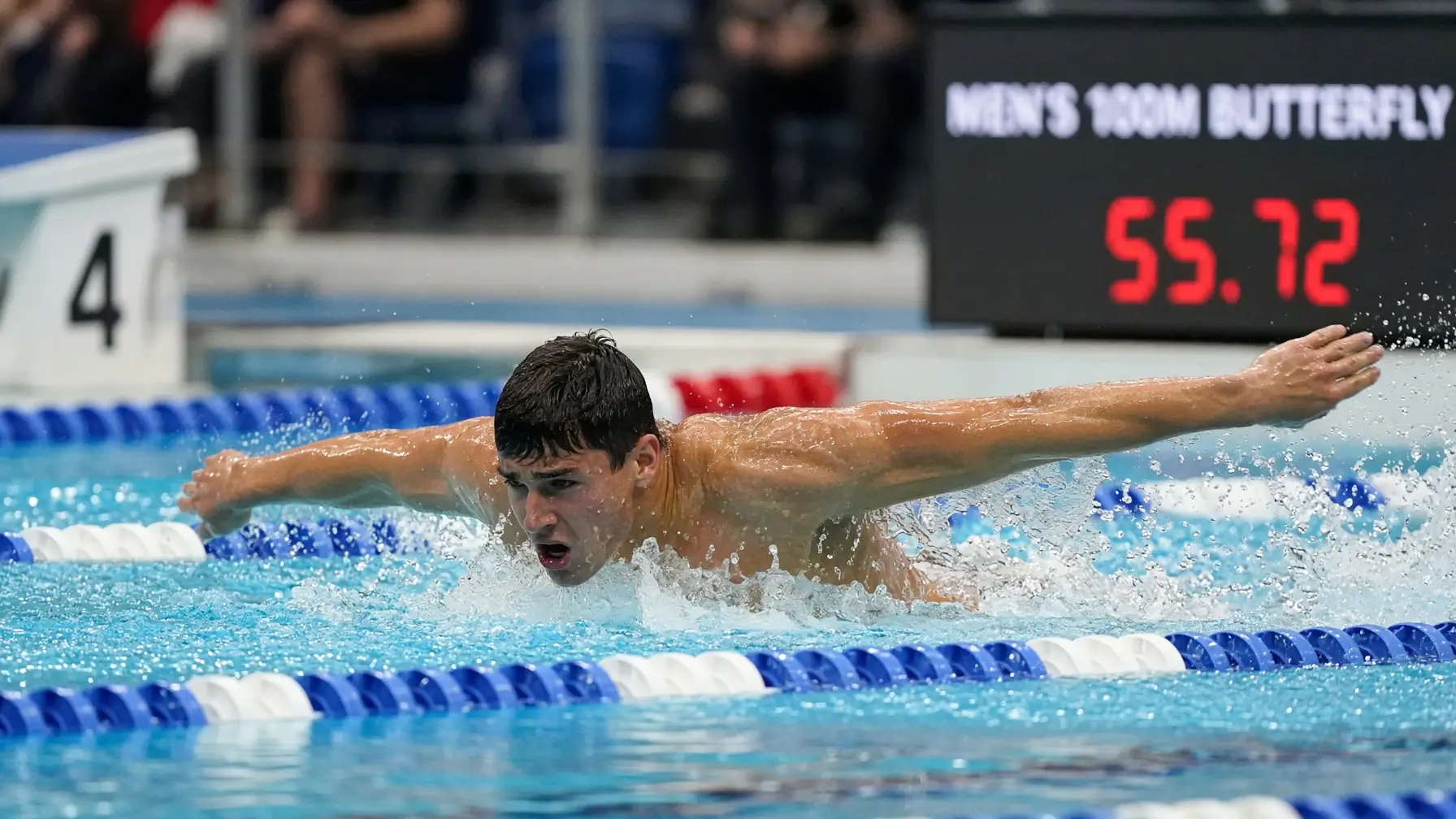
Coaches make use of special cameras which help to observe a swimmer’s movement under the water in order to identify problems with his/her technique. Such an approach is reminiscent of wind tunnel testing used in cycling and motorsport in order to analyze airflow around the body.
Testing of Aerodynamic Performance in Engineering
Wind tunnels are used in order to measure and evaluate aerodynamic performance in almost all types of sports. An athlete or model is introduced into a controlled airflow chamber where sensors are used to determine drag force, pressure distribution, and airflow around the body. Currently, computational fluid dynamics software is added to physical tests in order to conduct comprehensive numerical simulations. Together, these technologies allow conducting numerous tests of design variations very quickly.
On-field testing is also used in order to verify laboratory results. Field conditions contain variables that may not be replicated in a controlled environment. Wind, humidity, and temperature fluctuations impact the performance of the equipment during competition. Engineers regularly compare data from the wind tunnel with measurements conducted on the track.
Why Small Aerodynamic Improvements Provide Significant Competitive Advantage
Elite sports involve competitions with extremely small gaps between the athletes. Small aerodynamic improvements lead to direct time or position advantages. There are a number of factors influencing the aerodynamic performance of athletes:
- Body position: A more compact position decreases frontal area and improves aerodynamic performance of the body.
- Clothing and suit design: Textured and smooth suits provide different airflow separation.
- Shape of the equipment: Rounded and tapered equipment decreases turbulence behind the athlete.
- Environmental conditions: Direction and altitude increase or decrease the aerodynamic efficiency of the body.
All of these factors do not work separately during competition. Coaches usually use several small changes instead of one large change. This is the way coaches use the accumulative nature of aerodynamics science.
The Persistent Influence of Airflow on Competitive Sports
Aerodynamics will continue to play an essential part in speed sports for many years ahead. Constant advances in the field of sensor and computational technologies allow for improving athlete training techniques. Knowledge about this science is helpful in order to understand the reasons for gaining an advantage by some athletes despite their similar physical fitness levels.