I used to think aerating was one of those lawn care tasks you could squeeze in whenever you had time. Then I watched my neighbor’s thick, green grass bounce back after aeration while mine stayed patchy and hard.
That’s when I learned timing actually matters. The best time to aerate your lawn is during your grass’s peak growing season, early spring or fall for cool-season grasses, and late spring through early summer for warm-season varieties.
Aerating at the right time gives your lawn the recovery power it needs to fill in those holes and actually benefit from the process.
You’ll learn exactly when to aerate based on your grass type, how to spot the signs your lawn needs it, and what mistakes to avoid that could set you back.
What is Lawn Aeration and Why Does It Matter?
Lawn aeration is the process of poking small holes into your soil to break up compaction. Those holes let air, water, and nutrients reach your grass roots instead of just sitting on the surface.
I’ve seen lawns that looked half-dead come back to life after a good aeration. That’s because compacted soil suffocates roots and blocks everything they need to grow.
Over time, foot traffic, mowing, and even rain press your soil down tight. Grass roots can’t push through that dense layer, so they stay shallow and weak.
Aeration fixes that problem. It loosens the soil and creates space for roots to spread deeper. Deeper roots mean stronger grass that handles heat, drought, and wear much better.
You’ll also notice water soaking in instead of pooling or running off. Fertilizer actually reaches the roots instead of washing away. Your lawn gets thicker, greener, and healthier overall.
What Happens During Aeration
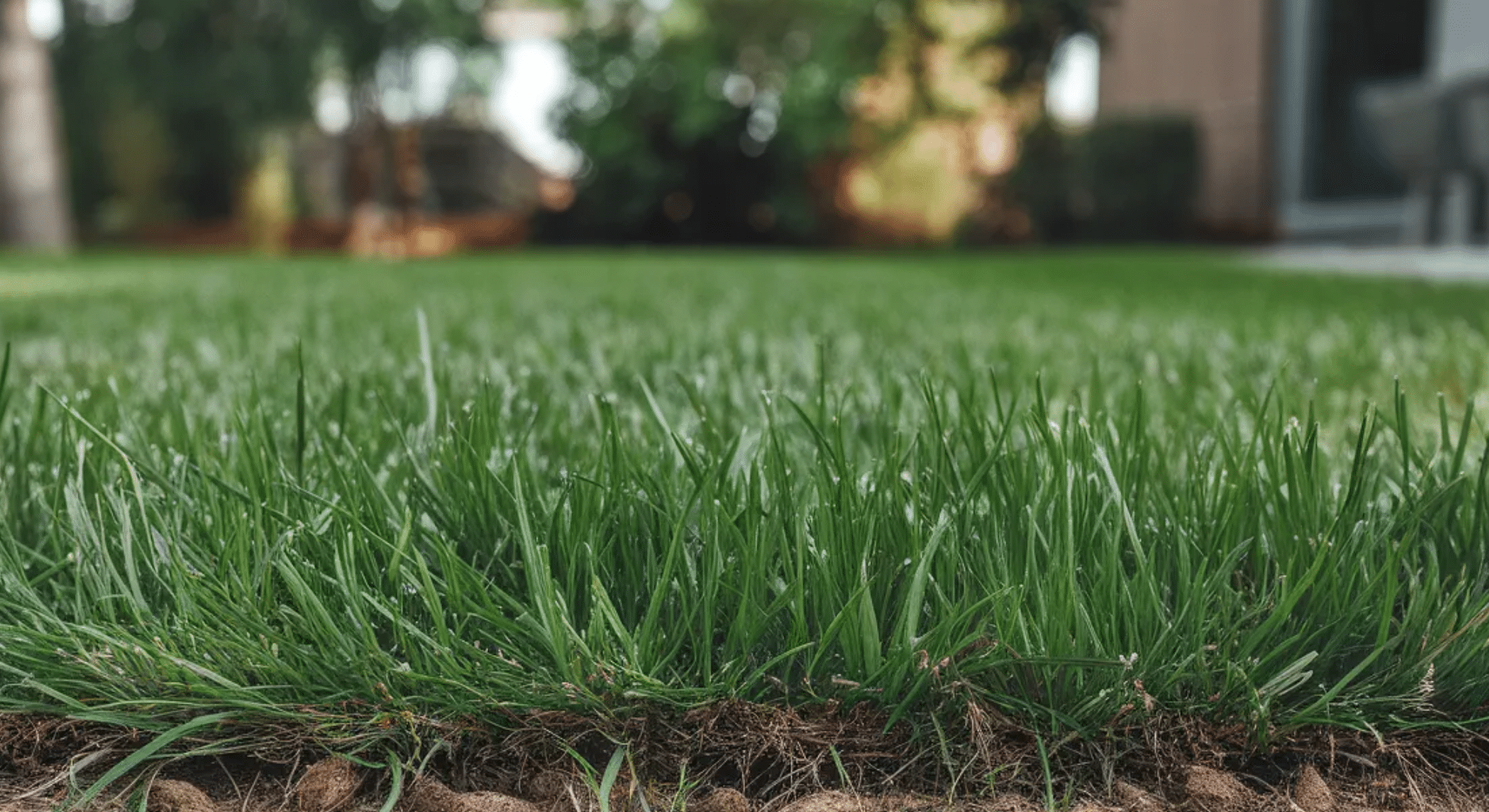
There are two main types: core aeration and spike aeration. Core aeration pulls out small plugs of soil, leaving actual holes behind. Spike aeration just pokes holes without removing anything.
I always go with core aeration because it actually relieves compaction. Those soil plugs you see scattered across your lawn prove the job’s getting done.
When you aerate, you’re breaking up that hard, packed-down layer. Air can finally flow through the soil. Water soaks in deep instead of running off. Nutrients reach the roots where they’re needed.
After aeration, your lawn looks dotted with small holes and dirt plugs on the surface. It’s not pretty at first, but that’s a good sign.
The plugs break down naturally over a few weeks. Meanwhile, those holes give your grass room to breathe and grow stronger from the ground up.
How Aeration Improves Lawn Health
Aeration transforms your lawn from the roots up. I’ve watched struggling grass turn into thick, resilient turf once it gets the room to grow properly.
When soil loosens up, roots push deeper into the ground. Deeper roots mean your grass can access water and nutrients that were previously out of reach.
You’ll notice your lawn stays greener during hot, dry spells. That’s because those deeper roots tap into moisture below the surface instead of relying on frequent watering.
Compacted soil also creates drainage problems. Water pools on top, drowns the roots, or runs off completely. Aeration fixes that by creating pathways for water to move through the soil naturally.
Your fertilizer works better too. Instead of sitting on hard ground where it washes away, it filters down to the root zone where it actually feeds your grass.
The result is thicker grass that crowds out weeds and handles foot traffic without thinning out.
When is the Best Time to Aerate Your Lawn?
Timing aeration around your grass’s growing season makes all the difference. You want your lawn actively growing so it can recover quickly and take full advantage of those open holes in the soil.
Best Time for Cool-Season Grasses
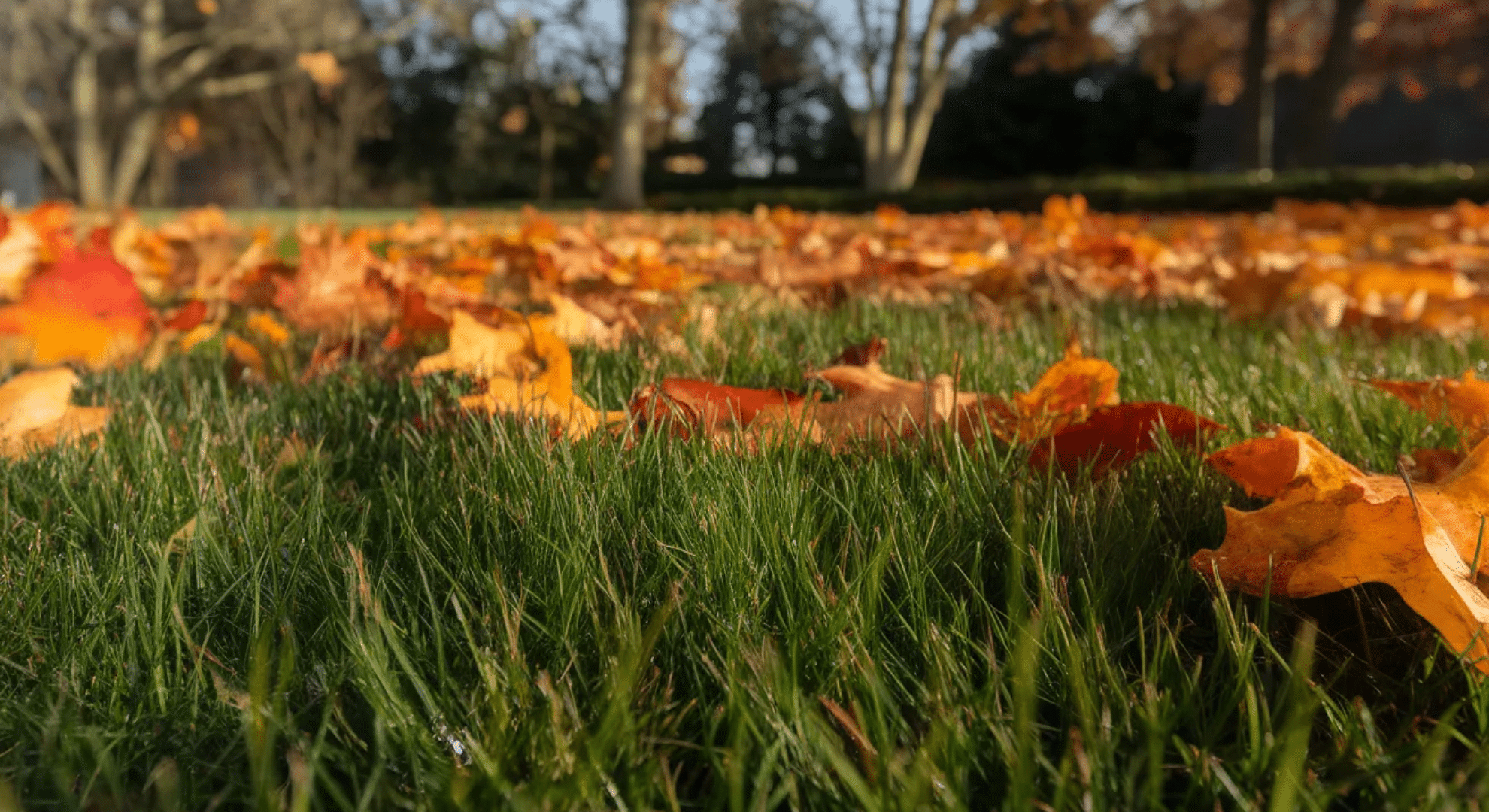
Fall is hands down the best time to aerate cool-season grasses like Kentucky bluegrass, fescue, and ryegrass. September through November hits that sweet spot when your grass is growing strong but the summer heat is gone.
I’ve seen the best results aerating in early fall. Your grass has weeks of active growth ahead to fill in and thicken up before winter hits.
Early spring works as a backup option, typically March through May. Your grass is waking up and ready to grow, though it won’t recover quite as fast as it does in fall.
In Northern states and the Midwest, aim for mid-September to early October. That gives your lawn enough time to heal before the first hard freeze.
Best Time for Warm-Season Grasses
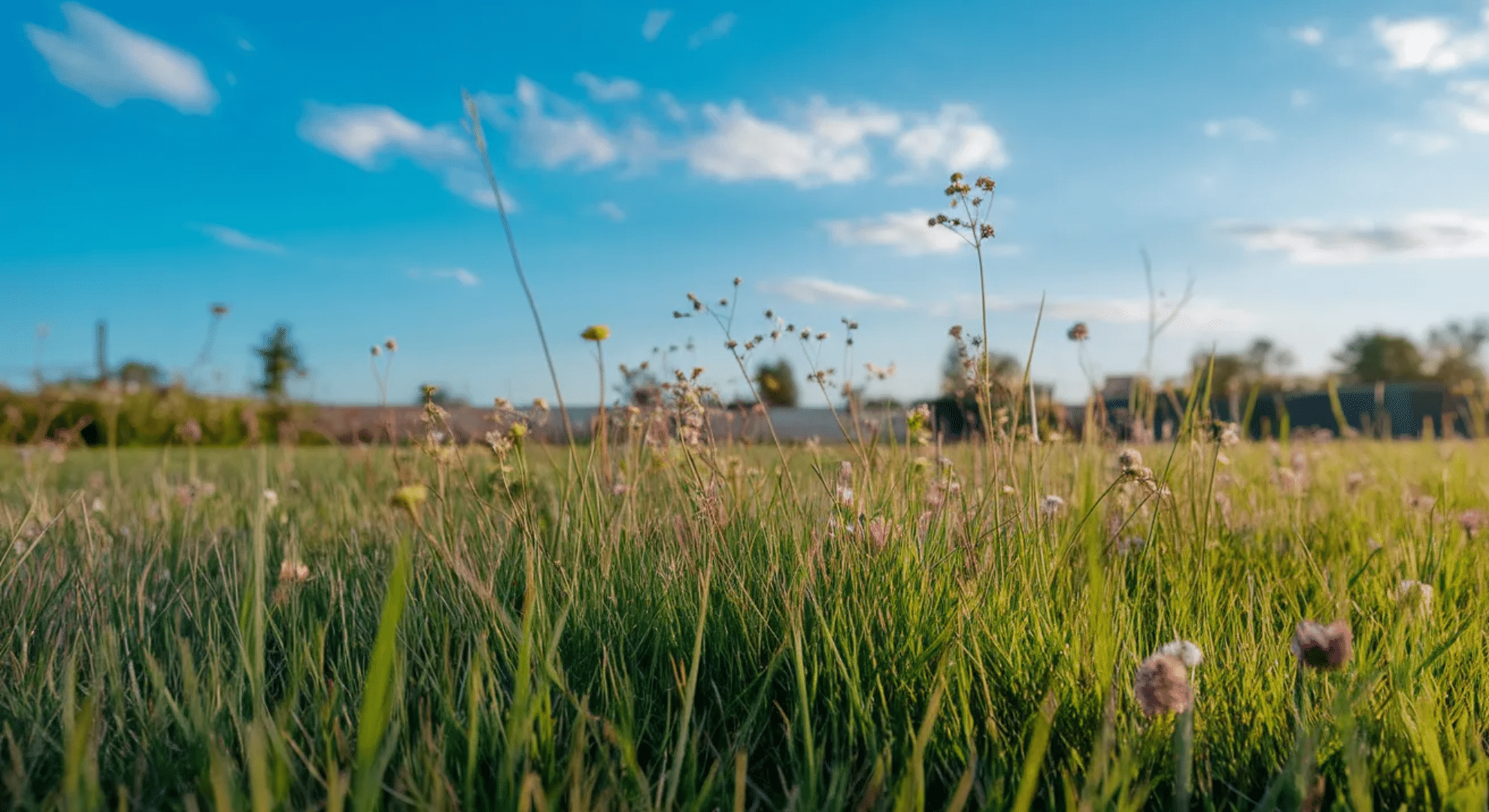
Warm-season grasses like Bermuda, St. Augustine, and Zoysia need late spring through early summer aeration. May to July is your window.
This timing lines up perfectly with their peak growth period. Your grass is pumping out new growth and can quickly repair those aeration holes.
Never aerate when your warm-season grass is dormant or just waking up. You’ll stress it out instead of helping it.
In the Southern US and Southwest, late May through June works best. Your grass is fully active and temperatures haven’t peaked yet.
How Your Climate Affects Aeration Timing
Soil temperature matters more than the calendar date. You want soil temps between 50°F and 65°F for cool-season grass, and above 70°F for warm-season varieties.
In cooler climates, watch for the last frost date in spring. Aerating too early when frost is still possible can damage your grass.
Hot climates need careful timing too. Aerating during extreme heat stresses your lawn when it’s already struggling. Aim for when temperatures are warm but not scorching.
Local weather patterns can shift your timing by weeks. A late spring means you push back aeration. An early fall means you move it up.
Your lawn will tell you when it needs aeration if you know what to look for. I’ve learned to spot the signs before things get really bad.
The Screwdriver Test: Grab a regular screwdriver and try pushing it into your soil. It should slide in easily to about 6 inches deep. If you’re struggling to get it in more than 2 or 3 inches, your soil is too compacted. That’s a clear sign you need to aerate. I do this test in a few different spots around my yard. Some areas compact faster than others, especially where people walk frequently.
Visible Signs Your Lawn Needs Aeration
Water pooling on your lawn instead of soaking in means compacted soil. You’ll see puddles sitting there long after watering or rain.
Thinning grass or bare patches show up when roots can’t push through hard soil. The grass just gives up trying to grow.
A spongy feel when you walk means thatch has built up too thick. That layer blocks everything from reaching the soil below.
If your lawn dries out fast and needs constant watering, compacted soil is likely the problem. Water can’t penetrate deep enough to last.
Weeds taking over is another red flag. Healthy, thick grass crowds out weeds, but struggling grass leaves room for them to move in.
Ideal Soil and Weather Conditions for Aeration
Soil moisture makes or breaks your aeration results. I always check that my soil is moist but not soaking wet before I start.
The best condition is when soil feels like a wrung-out sponge. You should be able to push a screwdriver in fairly easily, but water shouldn’t squeeze out when you press the soil.
Aerate a day or two after a good rain or watering. That gives soil time to absorb moisture without being muddy. Avoid aerating bone-dry soil. The aerator can’t pull proper plugs, and you’ll just be bouncing across hard ground wasting time.
Never aerate in muddy conditions either. Wet soil clogs the machine, creates ruts, and compacts even worse when you walk on it.
Weather-wise, pick a cloudy day or cooler temperatures if possible. Hot sun stresses grass right after aeration when roots are exposed.
Mild temperatures between 60°F and 75°F work best. Your grass recovers faster without extreme heat or cold slowing it down.
Aeration Methods and Tools
You’ve got several options for aerating, and the right choice depends on your lawn size and how compacted your soil is. I’ve used different methods over the years, and each has its place.
| Method | Best For | Pros | Cons |
|---|---|---|---|
| Core Aerator (Gas-Powered) | Large lawns over 5,000 sq ft | Pulls actual soil plugs, highly effective, covers ground fast | Expensive to rent, heavy to maneuver, noisy |
| Manual Core Aerator | Small lawns under 1,000 sq ft | Affordable, good workout, full control | Slow, physically exhausting, time-consuming |
| Tow-Behind Aerator | Very large lawns with riding mower | Covers massive areas quickly, less physical work | Requires tractor or riding mower, expensive |
| Spike Aerator | Light compaction, small areas | Cheap, easy to use, no mess | Doesn’t remove soil, can worsen compaction |
| Aerator Shoes | Spot treatment only | Very cheap, good for targeted areas | Ineffective for whole lawns, uncomfortable to wear |
Core aeration beats spike aeration every time for serious compaction. Those pulled plugs prove you’re actually breaking through the hard layer instead of just poking it.
When to Hire a Professional Service
Hiring a pro makes sense when your lawn is over 5,000 square feet or heavily compacted. I’ve rented equipment before, and it’s expensive, exhausting, and tricky to operate properly.
Professionals have commercial-grade aerators that pull deeper plugs and cover ground faster. They also know exactly when soil conditions are right and can spot problems you might miss.
If your back can’t handle the physical work or you don’t have time, the cost is worth it.
Combining Aeration with Overseeding
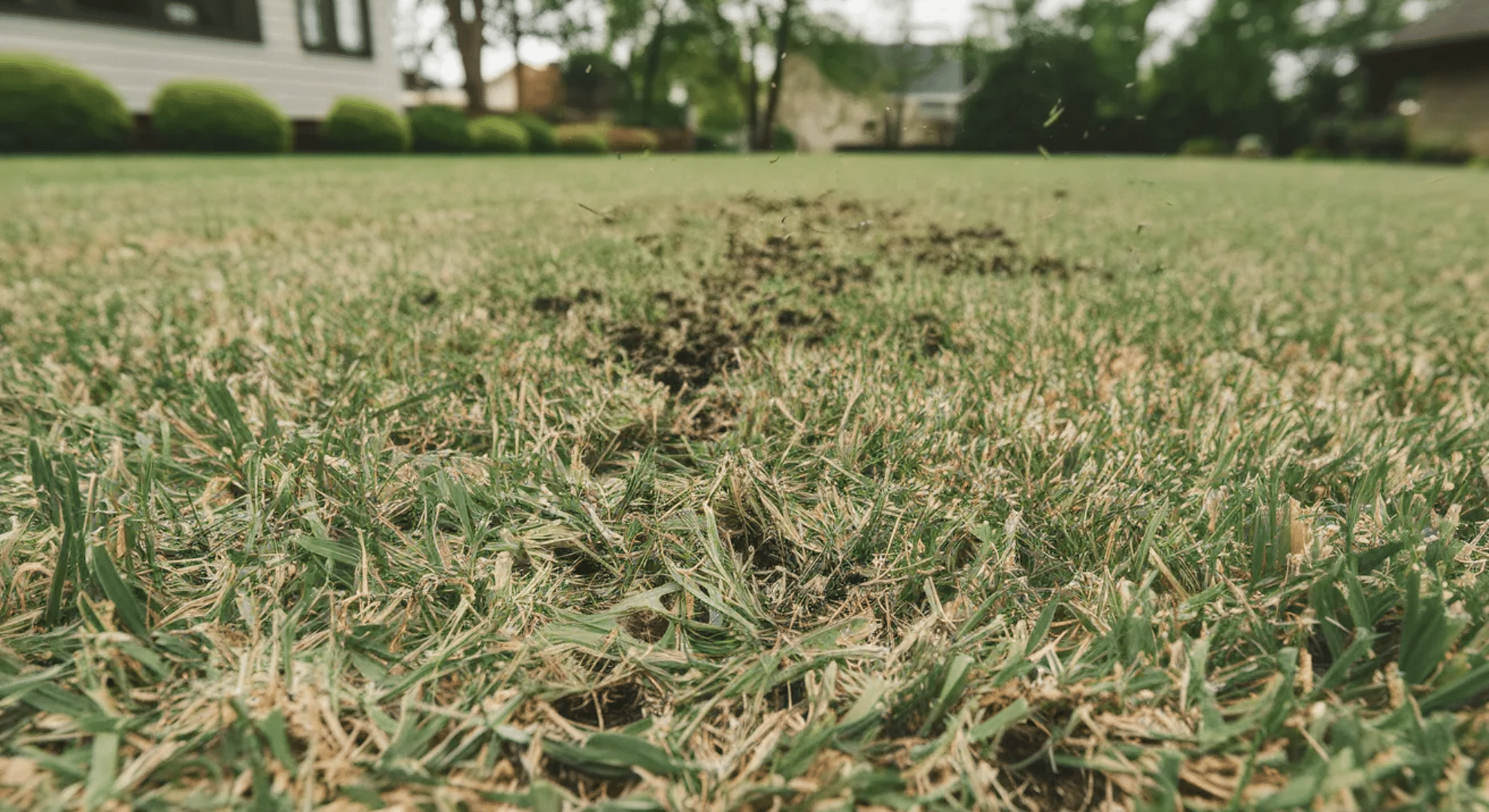
Aerating right before overseeding is one of the smartest lawn moves you can make. I’ve seen bare spots fill in twice as fast when you pair these two tasks.
Those aeration holes create perfect pockets for grass seed to settle into. The seed makes direct contact with soil instead of sitting on top where birds eat it or wind blows it away.
You want to overseed immediately after aerating, while those holes are still fresh and open. Spread your seed across the lawn, and it’ll naturally fall into the holes.
The seeds get protection, moisture, and soil contact all at once. Germination rates shoot up because conditions are ideal.
This combo works best during your grass’s peak growing season. Fall for cool-season grasses, late spring for warm-season varieties.
Water consistently after overseeding. Keep the top inch of soil moist until you see new grass sprouting. Those aeration holes help water reach the seeds better than compacted soil ever could.
Common Mistakes When Combining Both Tasks
Even though pairing aeration with overseeding makes perfect sense, there are ways to mess it up. I’ve made some of these mistakes myself and watched my results suffer because of it:
- Overseeding too early or too late after aeration
- Using wrong seed type for your grass
- Not watering enough after seeding
- Expecting instant results
Common Lawn Aeration Mistakes to Avoid
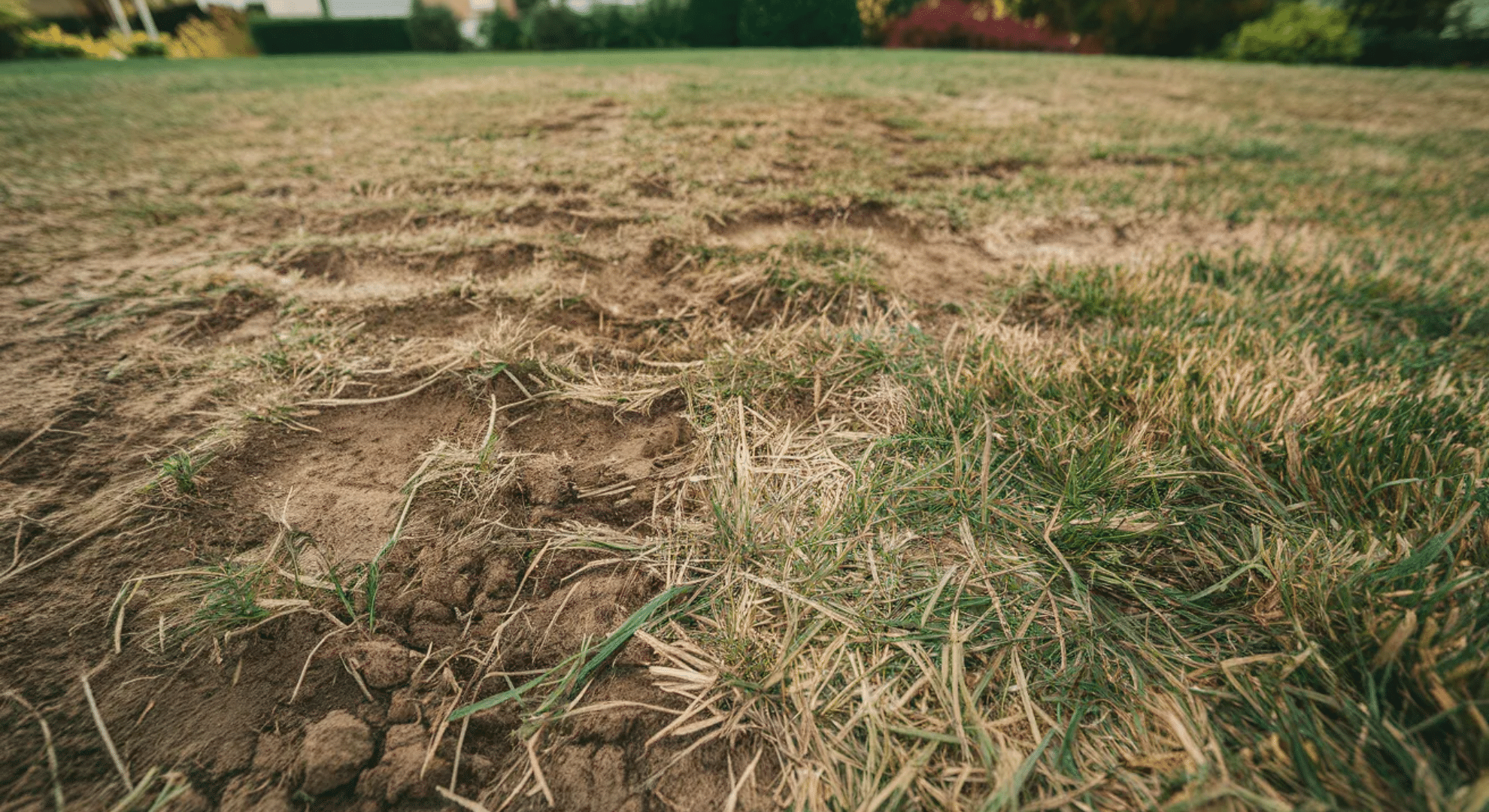
Aeration helps your lawn, but only if you do it right. I’ve seen people waste time and money by making simple mistakes that actually hurt their grass instead of helping it.
- Aerating during dormancy: Your grass can’t recover when it’s not actively growing. You’ll just create holes that sit there doing nothing or invite weeds to move in.
- Aerating on dry, hard soil: The aerator can’t pull proper plugs when soil is rock-hard. Water your lawn a day or two before so the machine can actually penetrate.
- Making only one pass: A single pass doesn’t create enough holes to make a real difference. Go over your lawn twice in different directions for proper coverage.
- Ignoring sprinkler heads and utilities: I’ve seen aerators rip up sprinkler systems and hit buried lines. Mark everything before you start so you can steer around obstacles.
- Aerating too frequently: Once or twice a year is plenty for most lawns. More than that stresses your grass and creates unnecessary work.
- Skipping follow-up care: Aeration isn’t a one-and-done job. You need to water properly afterward and let those plugs break down naturally on the surface.
- Using spike aeration on heavy compaction: Spike aerators just push soil down tighter. They don’t actually relieve compaction like core aeration does.
Take your time and do it properly. A rushed aeration job wastes your effort and leaves your lawn struggling instead of thriving.
What to Do Before and After Aerating
Prepping your lawn and following through with proper care makes aeration actually work. I’ve learned these steps matter just as much as the aeration itself.
| Before Aeration | After Aeration |
|---|---|
| Water the lawn 1-2 days before, so the soil is moist but not muddy | Leave soil plugs on the surface to break down naturally |
| Mow your grass to normal height, not too short | Water deeply to help the grass recover and the roots grow |
| Mark sprinkler heads, utility lines, and any hidden obstacles | Apply fertilizer or overseed while the holes are fresh |
| Clear debris, sticks, and toys from the lawn | Avoid heavy foot traffic for 1-2 weeks |
| Check soil moisture with the screwdriver test | Keep the lawn moist if you oversowed until germination |
Don’t rake up those soil plugs sitting on your lawn. They’ll break down in a few weeks and return nutrients to the soil. Let them do their job naturally instead of bagging them up.
How Long Results Take to Show
You’ll start seeing improvements within 2 to 4 weeks after aerating. I’ve noticed grass looking greener and thicker as roots push deeper into that loosened soil.
Water absorption improves almost immediately. You’ll see puddles disappearing faster right after aeration.
Full results take about 6 to 8 weeks as roots establish and grass fills in. If you overseeded, new grass will be visible in 2 to 3 weeks depending on conditions.
Conclusion
I’ve learned that timing aeration right makes all the difference between a struggling lawn and one that actually thrives.
When is the best time to aerate your lawn? It depends on your grass type, but hitting that peak growing season gives your lawn the recovery power it needs. Fall works best for cool-season grasses, while late spring suits warm-season varieties perfectly.
You’ve got the signs to watch for, the methods to choose from, and the mistakes to avoid.
Pair aeration with overseeding and proper follow-up care, and you’ll see real results within weeks. Compacted soil doesn’t fix itself, but a well-timed aeration gives your grass room to breathe and grow stronger.
Check out other lawn care guides for more ways to keep your yard healthy and green all season long!