I’ll never forget the evening I sat on my porch after a long workday, sipping tea, when a vibrant goldfinch landed just a few feet away. For a moment, it felt magical — until it flew off before I could truly enjoy the sight.
Like many gardeners, I had the bittersweet experience of knowing birds visited my yard but rarely getting to observe them up close.
That changed when I started combining easy-to-grow flowers and herbs with a smart bird feeder. The result? A lively, bird-friendly garden that brings daily joy, supports local wildlife, and creates a thriving backyard ecosystem.
Whether you have a spacious yard or a small balcony, this approach delivers beautiful blooms, happier birds, and unforgettable moments.
In this guide, you’ll discover the best easy-to-grow flowers and herbs that attract birds, practical planting tips, garden layout ideas, and how integrating an AI bird watching feeder can transform your gardening efforts into an enriching daily experience.
Why Is Attracting Birds to Your Garden So Important?
Attracting birds goes far beyond simple enjoyment. Birds play a vital role in maintaining a healthy ecosystem. They are natural pest controllers, eating thousands of insects like aphids, caterpillars, and beetles every season.
Many species also help with pollination and seed dispersal, which improves plant diversity and garden productivity.
From a personal perspective, birdwatching offers proven mental health benefits. Studies show that connecting with nature reduces stress, anxiety, and improves overall well-being. It’s also a wonderful educational activity for children and families.
A bird-friendly garden increases your property’s curb appeal and brings a sense of accomplishment as you watch “your” birds return day after day.
Recommended Easy-to-Grow Flowers: Beautiful and Practical
The foundation of any successful bird garden starts with the right plants. Here are some of the easiest, most rewarding flowers and herbs that birds absolutely love:
Sunflowers
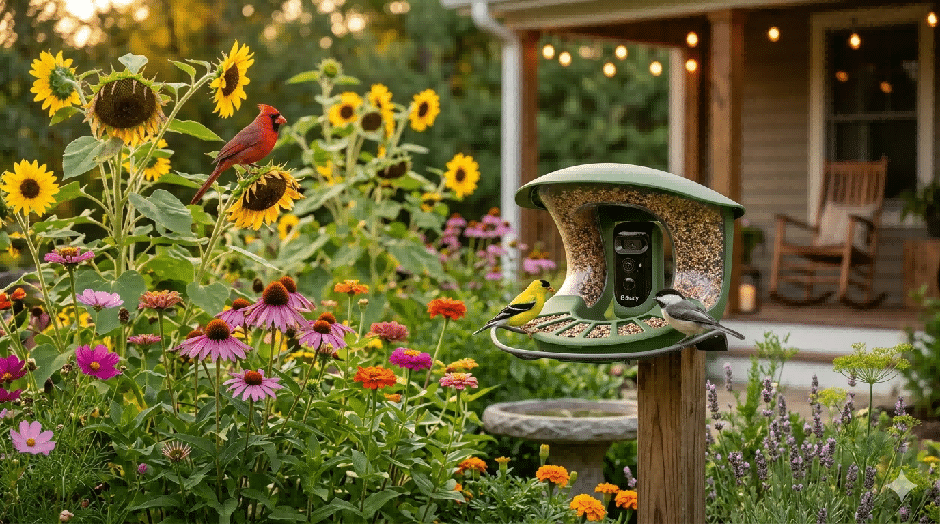
These iconic flowers are incredibly easy to grow from seed. They bloom in mid to late summer and produce nutrient-rich seeds that goldfinches, chickadees, and cardinals adore. Plant them at the back of borders or in large containers.
Echinacea (Coneflowers)
A favorite among pollinators and birds alike. These hardy perennials bloom from summer into fall. Their cone-shaped centers are packed with seeds that birds feast on in autumn. They’re drought-tolerant and perfect for beginners.
Zinnias
One of the easiest flowers to grow from seed. They offer bright, long-lasting blooms throughout summer and attract hummingbirds, butterflies, and seed-eating birds. Zinnias are excellent for cutting gardens too.
Cosmos
Delicate yet tough, cosmos flowers bloom profusely and are loved by many songbirds. They self-seed easily, making them a low-maintenance choice for filling garden gaps.
Marigolds
Bright and cheerful, marigolds repel certain pests while attracting beneficial insects that birds feed on. They’re perfect for edging pathways or container gardens.
Other excellent options include Black-eyed Susans, Salvia, Chrysanthemums, and herbs like basil, dill, and lavender. These plants not only look beautiful but also provide natural food sources and shelter.
Integrating Smart Bird Feeders: Upgrading from Planting to Observation
Growing the right plants is the first step. The next level is using technology to fully enjoy your efforts. This is where a modern bird feeder with AI recognition makes all the difference.
Birdfy smart bird feeders use advanced AI to automatically identify over 6,000 bird species. When a bird visits, you receive instant notifications on your phone, along with high-quality video recordings.
Features like night vision, HD cameras, weatherproof design, and an in-app bird log turn passive observation into an interactive experience.
Placing your AI bird watching feeder near flowering plants creates the perfect combination — natural foraging from flowers and supplemental nutrition from the feeder. This approach reduces dependency on the feeder while encouraging natural bird behaviours.
Many users report feeling pure joy when they receive a notification and watch a rare or beautiful bird they helped attract. One gardener shared: “After planting my first batch of coneflowers, I captured video of a goldfinch on my smart bird feeder for the very first time — the sense of accomplishment was indescribable.”
Setup Tips: Position the feeder 6–10 feet from cover (bushes or trees), use squirrel-proof models if needed, and provide food especially during winter and breeding seasons. Regular cleaning keeps birds healthy.
Practical Guide to Planting and Garden Layout
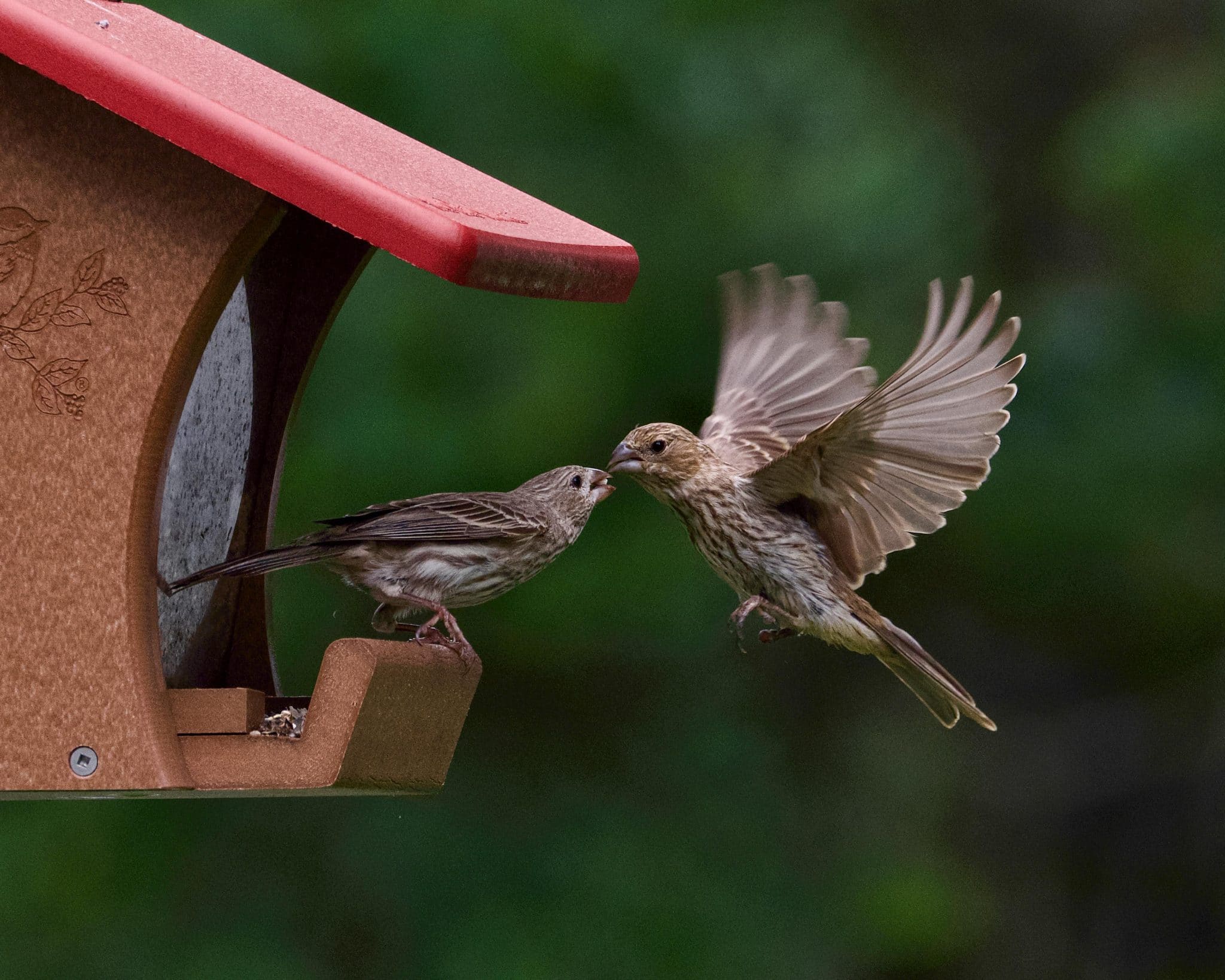
Creating a bird-friendly garden is simpler than most people think. Follow these practical steps:
Site Selection
Choose a location with at least 6 hours of sunlight daily. Proximity to a water source (or birdbath) makes the area even more attractive.
Soil Preparation and Companion Planting
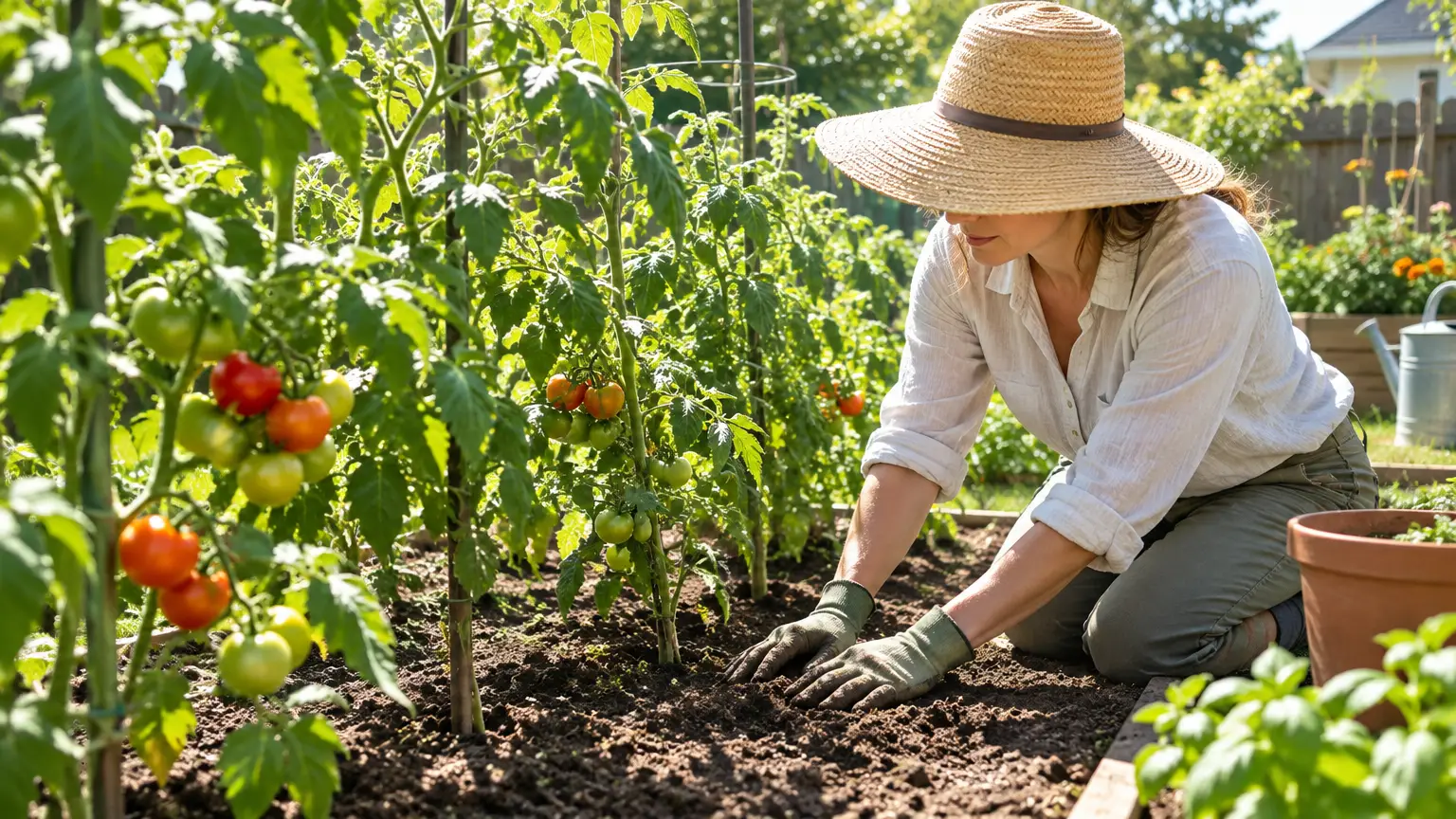
Work compost into the soil for healthy growth. Use companion planting — pair tall sunflowers with mid-height coneflowers and low-growing marigolds. Herbs like lavender and dill add fragrance and attract beneficial insects.
Layered Garden Design
- Tall background: Sunflowers and Black-eyed Susans
- Middle layer: Coneflowers, Zinnias, and Salvia
- Front edge: Marigolds and low herbs
This layered approach gives birds safe perching and feeding zones at different heights.
Small-Space & Container Solutions
Even apartments and balconies can support birds. Use large pots or raised beds. Many of the recommended flowers thrive beautifully in containers.
Maintenance Tips
Water consistently but avoid overwatering. Deadhead some flowers for continuous blooms, but leave many seed heads intact — birds rely on them in late summer and fall. Avoid chemical pesticides and embrace organic gardening methods. Native plant varieties are especially beneficial for local bird populations.
Holistic Ecological Benefits and Long-Term Maintenance
When you combine bird-friendly plants with a smart feeder, you create a complete, self-supporting ecosystem. The flowers provide nectar, seeds, and shelter. The AI bird watching feeder offers reliable supplemental food. In return, birds control pests and help your garden flourish.
For year-round success, plan for seasonal interest. Spring and summer bring blooms and nesting activity, while fall seed heads and winter feeding support birds during migration and cold months.
Involving children and family members turns this into a meaningful educational experience. Kids love checking the app for new bird identifications and learning about nature up close.
Important Topics for Bird-Friendly Gardening
- Native vs. Non-native Plants: Native flowers often support local birds better.
- Water Sources: Adding a shallow birdbath dramatically increases bird visits.
- Shelter and Nesting: Include shrubs and trees for protection.
- Seasonal Feeding Strategies: Adjust food types according to the time of year.
- Creating a Certified Wildlife Habitat: Many organizations offer certification for bird-friendly gardens.
FAQs
1. What flowers attract the most birds?
Sunflowers, coneflowers, zinnias, and black-eyed Susans are among the best. They provide abundant seeds and nectar.
2. How does an AI bird watching feeder work?
It uses artificial intelligence and high-resolution cameras to automatically identify bird species and send real-time alerts to your phone.
3. Can I use a smart bird feeder on a balcony?
Yes! Many Birdfy models are compact and perfect for small spaces.
4. When is the best time to start a bird garden?
Spring is ideal, but you can begin any time. Many flowers grow quickly from seed during warmer months.
5. Do smart bird feeders require WiFi?
Most models need a stable WiFi connection for full functionality and notifications.
6. How do I keep squirrels away from my bird feeder?
Choose squirrel-proof designs and use baffles or place the feeder strategically.
Conclusion
Building a bird-friendly garden with easy-to-grow flowers and herbs is one of the most rewarding things you can do as a gardener.
By thoughtfully choosing plants like sunflowers, coneflowers, and zinnias, and enhancing your space with a modern bird feeder with AI recognition from Birdfy, you create more than just a beautiful garden — you build a thriving ecosystem filled with life and daily moments of wonder.
Start small, stay consistent, and watch as your backyard transforms into a sanctuary that birds love and you’ll cherish for years to come. Your garden (and the visiting birds) will thank you.