Building a custom home is exciting, but it is also unfamiliar territory for most people. Unlike buying an established house, you are making decisions at almost every stage, from the block of land through to the tapware in the ensuite. Knowing roughly what happens and when helps take the guesswork out of the experience, and it means fewer surprises once the first trades arrive on site.
Good custom home builders will walk you through each stage as it happens, but it helps to understand the overall process before you sign a contract. Below is a breakdown of what typically happens from initial planning through to the day you get the keys.
Why the Custom Home Process Feels Different to a Project Home
With a project home, most of the decisions are already made for you. A custom build flips that around. You are involved in decisions on layout, orientation, materials and finishes, which gives you a home that actually suits your block and your lifestyle, but it also means the process takes longer and requires more input from you along the way. Understanding the stages ahead of time makes that input a lot less overwhelming.
1. Planning, Design and Budgeting
Every custom build starts with working out what you actually want and what it is realistic to spend. This is where you will meet with a designer or architect, discuss layout, bedroom and bathroom numbers, orientation and any special features, and start putting a budget together that includes construction costs, council fees, landscaping and a contingency for the unexpected.
It is worth allowing some buffer in your budget from the outset. Even well planned builds tend to run into a few variations along the way, and having room to absorb them keeps stress levels down later.
2. Choosing Your Builder and Signing the Contract
Once the design direction is set, you will move into selecting a builder and finalising a fixed price contract. This is the point to ask plenty of questions: what is included in the price, how variations are handled, what the payment schedule looks like, and what the expected timeframe is for each stage.
Many homeowners also engage an independent building consultant or lawyer to review the contract before signing. It is a small step that can save a lot of grief if a dispute comes up later in the build.
3. Council Approval and Site Preparation
Before any construction can begin, your plans need to go through council or private certification. This includes checks against zoning rules, boundary setbacks, height limits and, depending on your block, bushfire or flood overlays. Soil testing is usually done around this time too, since it determines what kind of footings or slab your home will need.
Once approvals are through, site preparation begins. This covers clearing the land, levelling where needed, and setting up drainage, power and site amenities so the build can get underway.
4. Slab and Foundations
With the site ready, your builder pours the concrete slab or footings. This stage sets the literal foundation for everything that follows, so it needs to cure properly before work continues. It can feel like a slow stage from the outside, since there is not much visible progress, but it is one of the most important for the long term structural integrity of the home.
5. Frame Stage
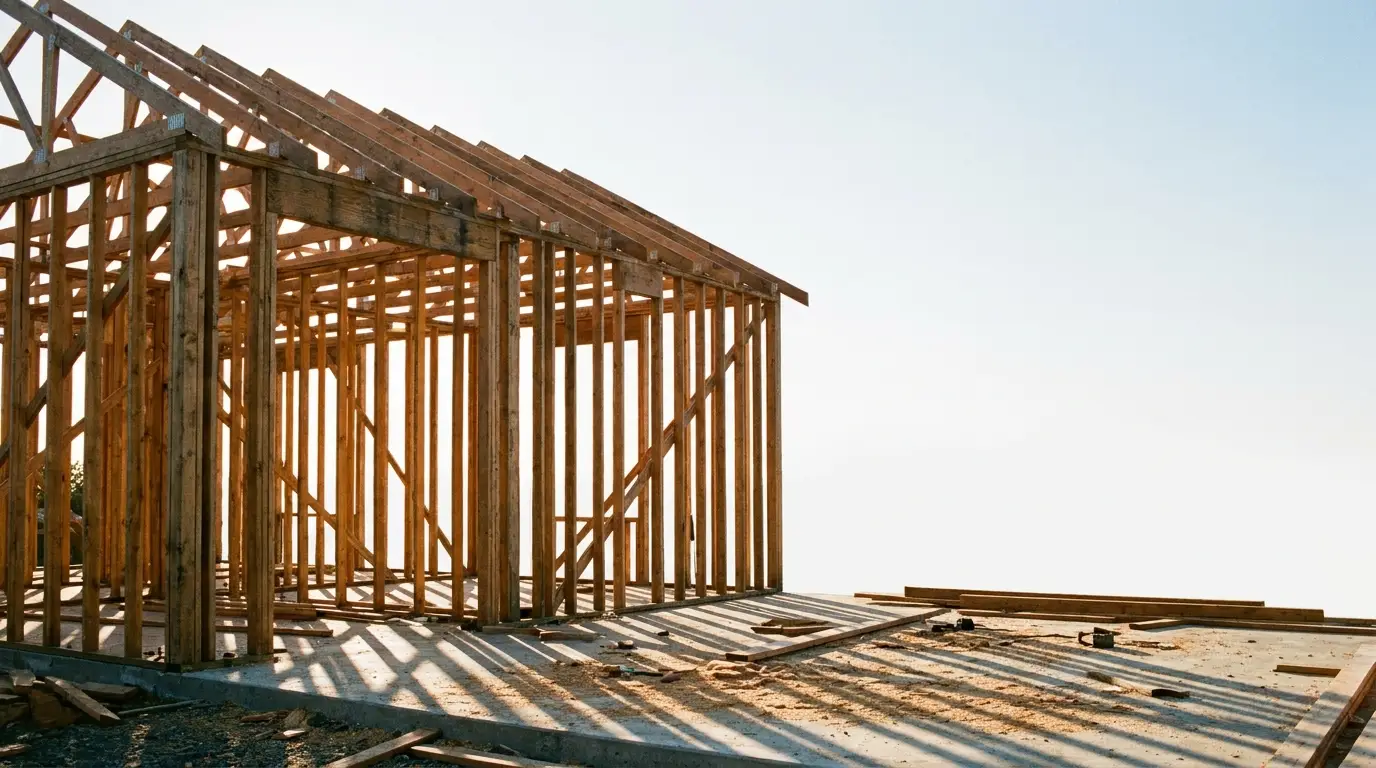
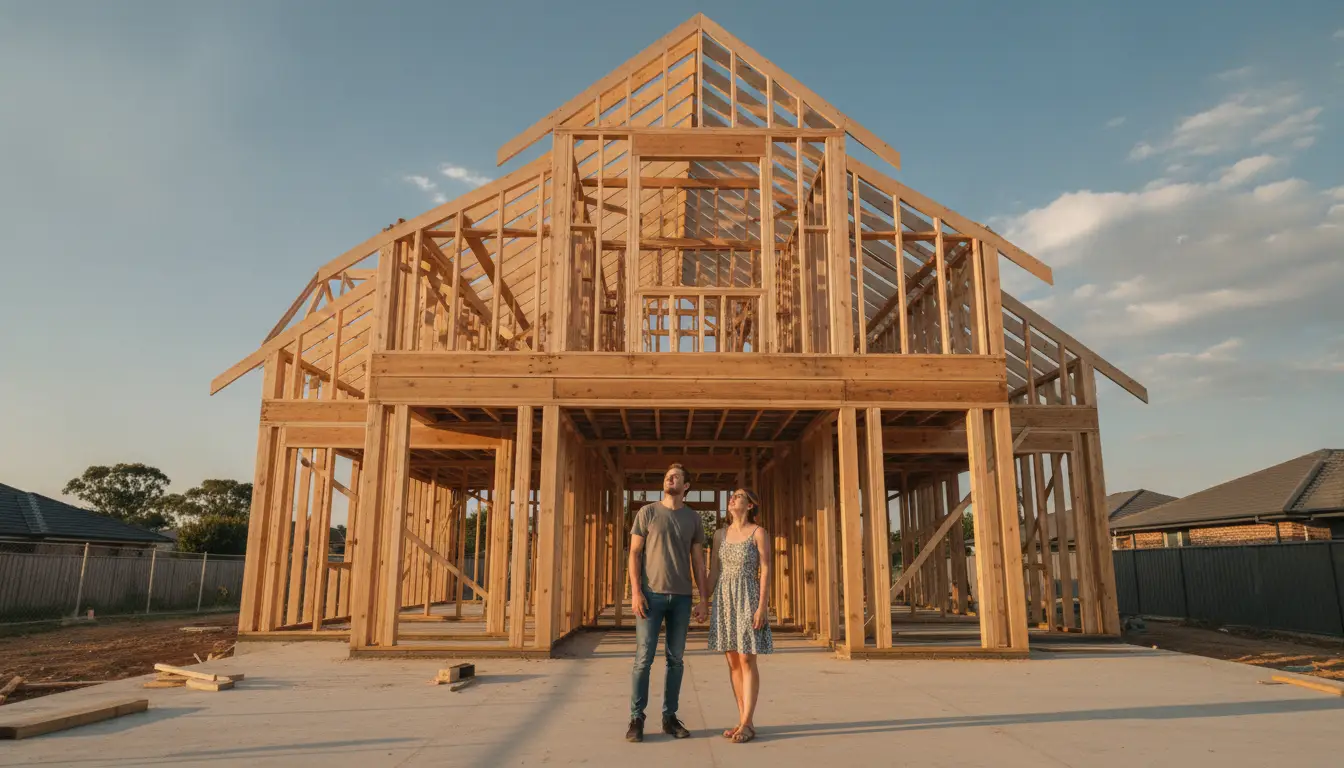
This is usually the stage homeowners find most exciting, since the frame is when a home starts to look like a home. Wall frames and roof trusses go up, and for the first time you can walk through the rooms and get a real sense of scale, ceiling heights and how the layout flows.
If you are going to request any layout adjustments, this is generally the last practical opportunity to do so before things become far more costly to change.
6. Lock-Up Stage
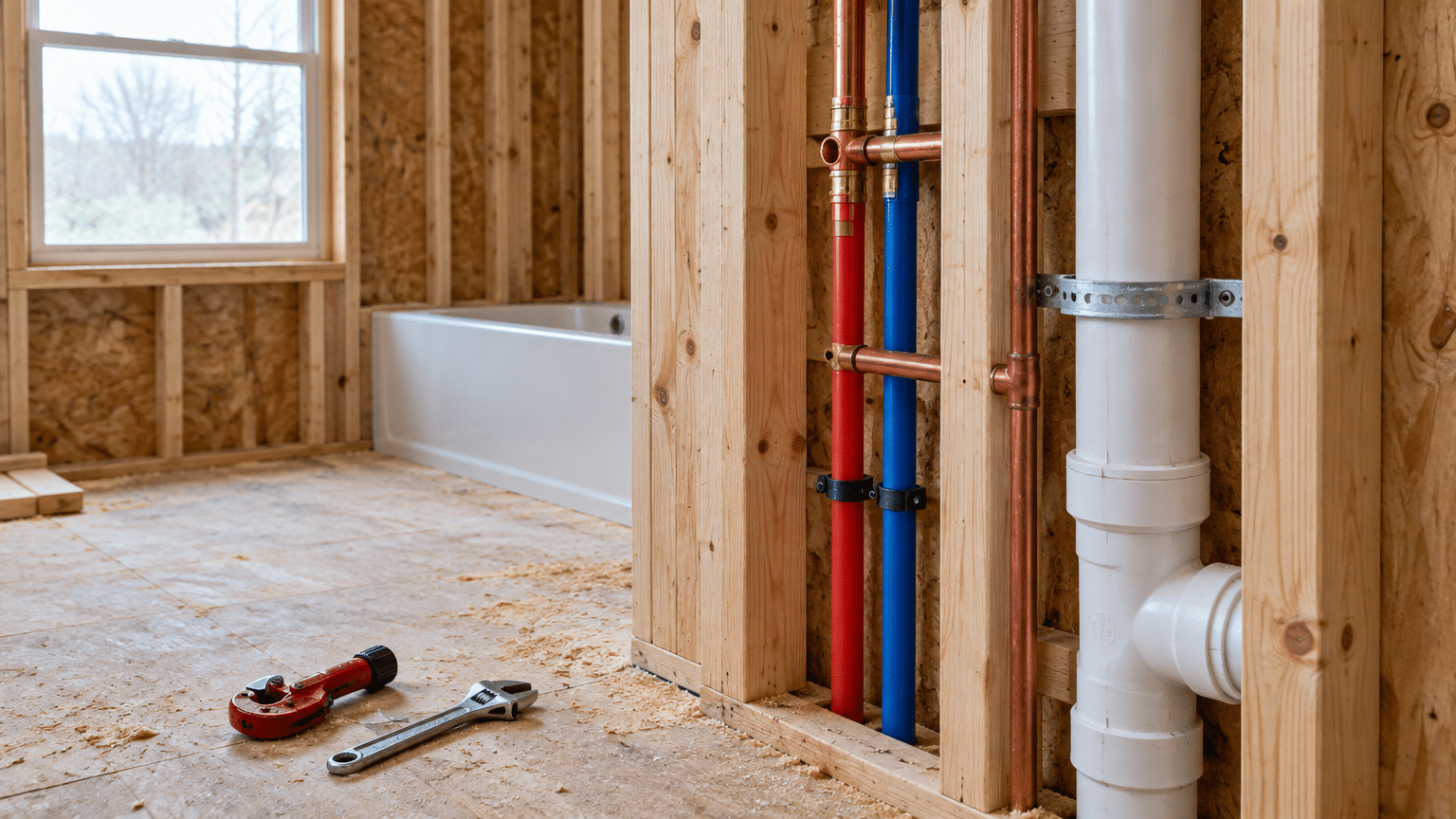
Once the roof is on and external walls, windows and doors are installed, the home reaches lock-up. From here, the site becomes weatherproof, which allows internal trades like plumbing, electrical and insulation to begin. Progress can feel quicker during this stage because so many trades are working in parallel.
7. Fixing and Fit-Off
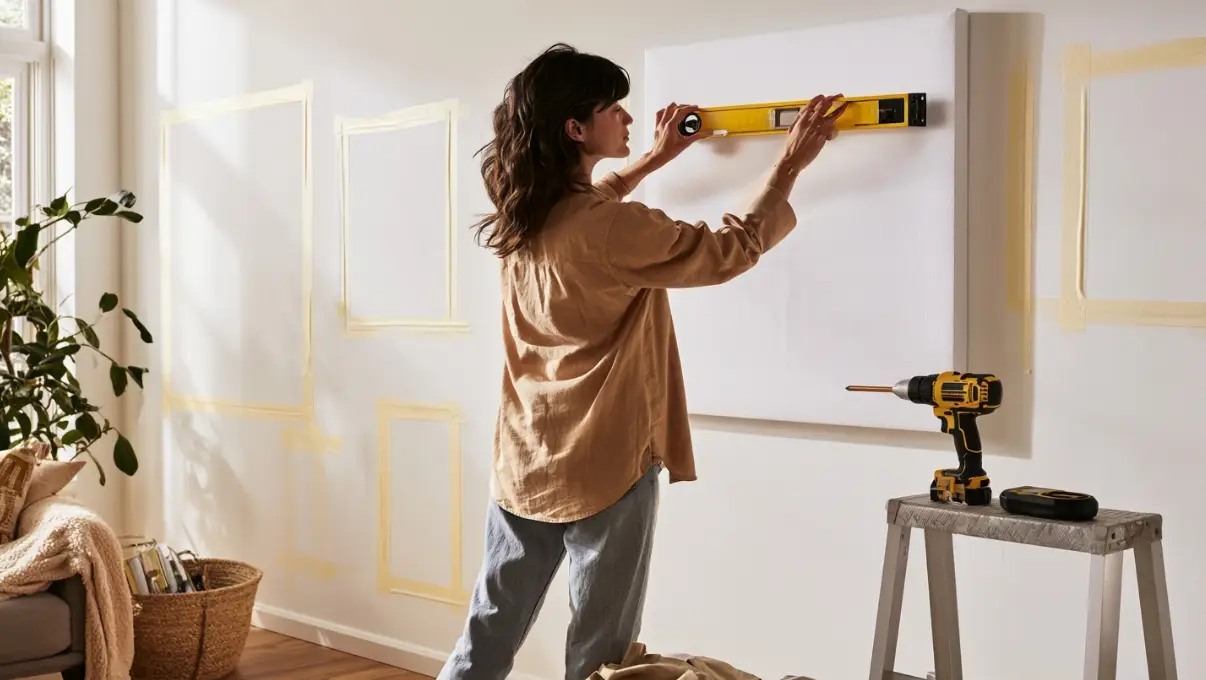
This is where your home really starts to reflect the choices you made during the design phase. Plasterboard goes up, cabinetry and joinery are installed, flooring is laid, and tapware, light fittings and appliances are fitted off. Painting also happens during this stage, along with the finer detail work that turns a shell into a livable home.
8. Practical Completion and Handover
Once construction is finished, you and your builder will walk through the home together for a practical completion inspection. This is your chance to flag anything that needs attention, such as paint touch ups or minor fitting adjustments, before final payment and handover. Most building contracts also include a defects liability period after handover, giving you time to raise anything that surfaces once you have settled in.
What Can Affect Your Timeline
Most custom builds in Australia take somewhere between nine and eighteen months from contract signing to handover, though this varies significantly based on the size and complexity of the home. A few factors tend to have the biggest impact on timeline:
- Weather, particularly extended wet periods that delay slab pouring or roofing
- How quickly selections and approvals are finalised
- Supply availability for materials and fittings
- The complexity and level of customisation in the design
- Trade availability in your area
Staying responsive when your builder needs decisions from you, particularly around selections, is one of the simplest ways to keep a build moving on schedule.
Final Thoughts
The custom home building process has a lot of moving parts, but it follows a fairly predictable sequence from planning through to handover. Understanding what happens at each stage, and roughly when, makes it far easier to stay involved without feeling overwhelmed. Choosing a builder who communicates clearly and keeps you informed as each stage progresses goes a long way toward making the experience feel exciting rather than stressful, right through to the day you walk through the front door of your finished home.