

That trailing pothos on your shelf or the climbing philodendron framing your window, they feel permanent, don’t they?
But have you ever wondered about the actual vine plant lifespan and how long house vines live indoors?
Indoor vine plant longevity is rarely a fixed answer. It shifts with the species you choose, the care you give, and the little environment you create for them.
Some vines grow alongside you for decades, while others need a bit more intention to truly thrive.
Stick around, because we’re breaking down which vines go the distance and how to help them get there.
What Determines a Vine Plant’s Lifespan Indoors?
A vine’s lifespan rarely comes down to just one thing. Several factors quietly shape how long your plant sticks around.
- Species type matters most, as tropical vines and woody climbers age very differently, and so do annuals versus perennials.
- Consistent watering, proper light, and timely repotting keep the roots happy long-term.
- Humidity, temperature stability, and air circulation make or break an indoor environment for vines.
- Regular pruning redirects energy into fresh growth, and propagating cuttings essentially gives an aging vine a second life.
Understanding these factors gives you real control over your plant’s future, and knowing your vine climbing types makes the difference between a vine that fades and one that genuinely flourishes.
Average Lifespan of Popular Indoor Vine Plants
Not all vines are built the same, and their lifespans reflect that beautifully.
Here’s a look at how long your favorite trailing and climbing companions are likely to stay with you.
1. Pothos
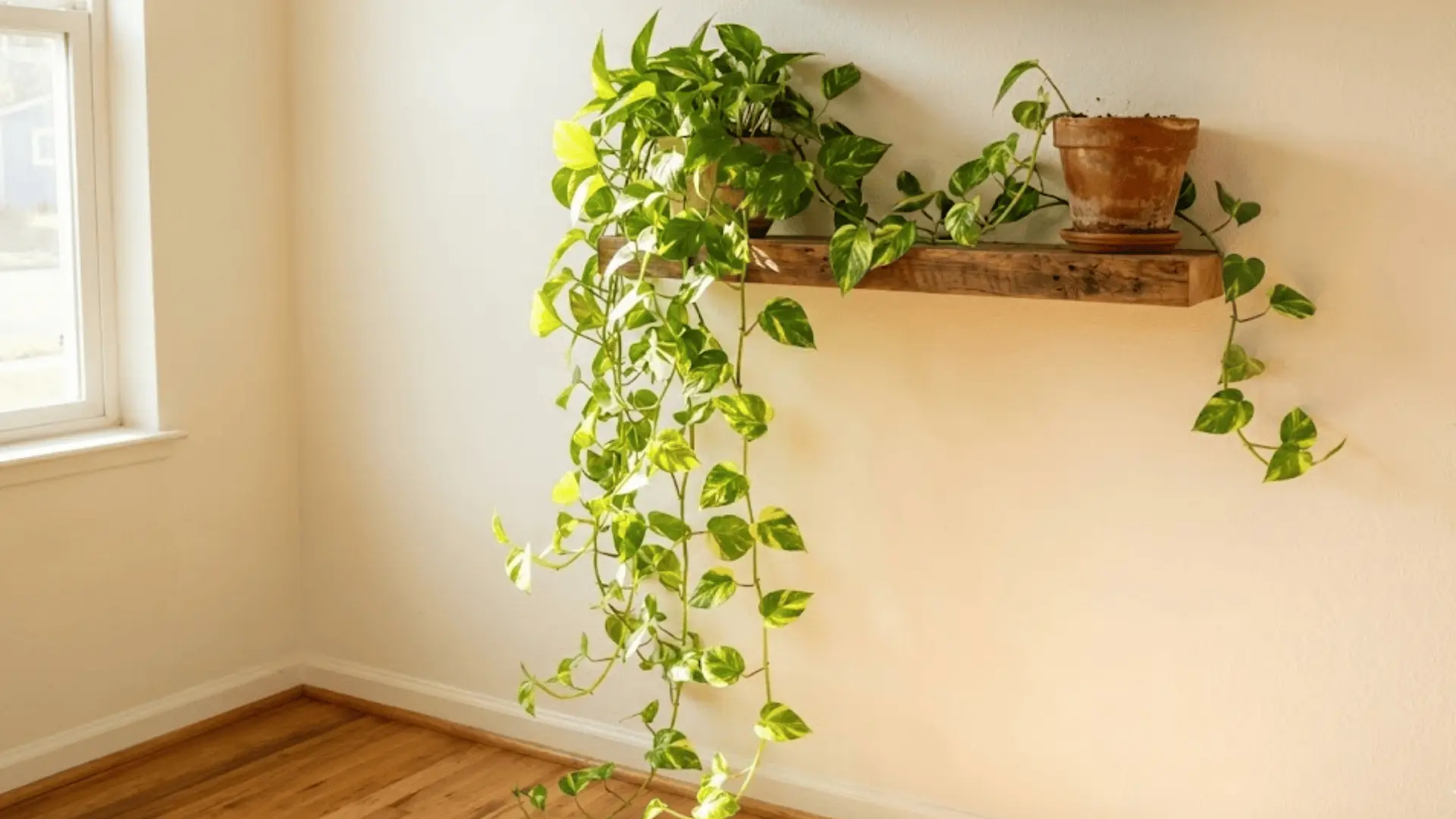
Pothos can live anywhere from 10 to 20 years indoors, sometimes even longer with the right care. Its resilience comes from its ability to adapt to low light and irregular watering.
The most common decline causes are root rot from overwatering and prolonged exposure to cold drafts, both of which are easy to avoid once you know what to watch for.
2. Philodendron
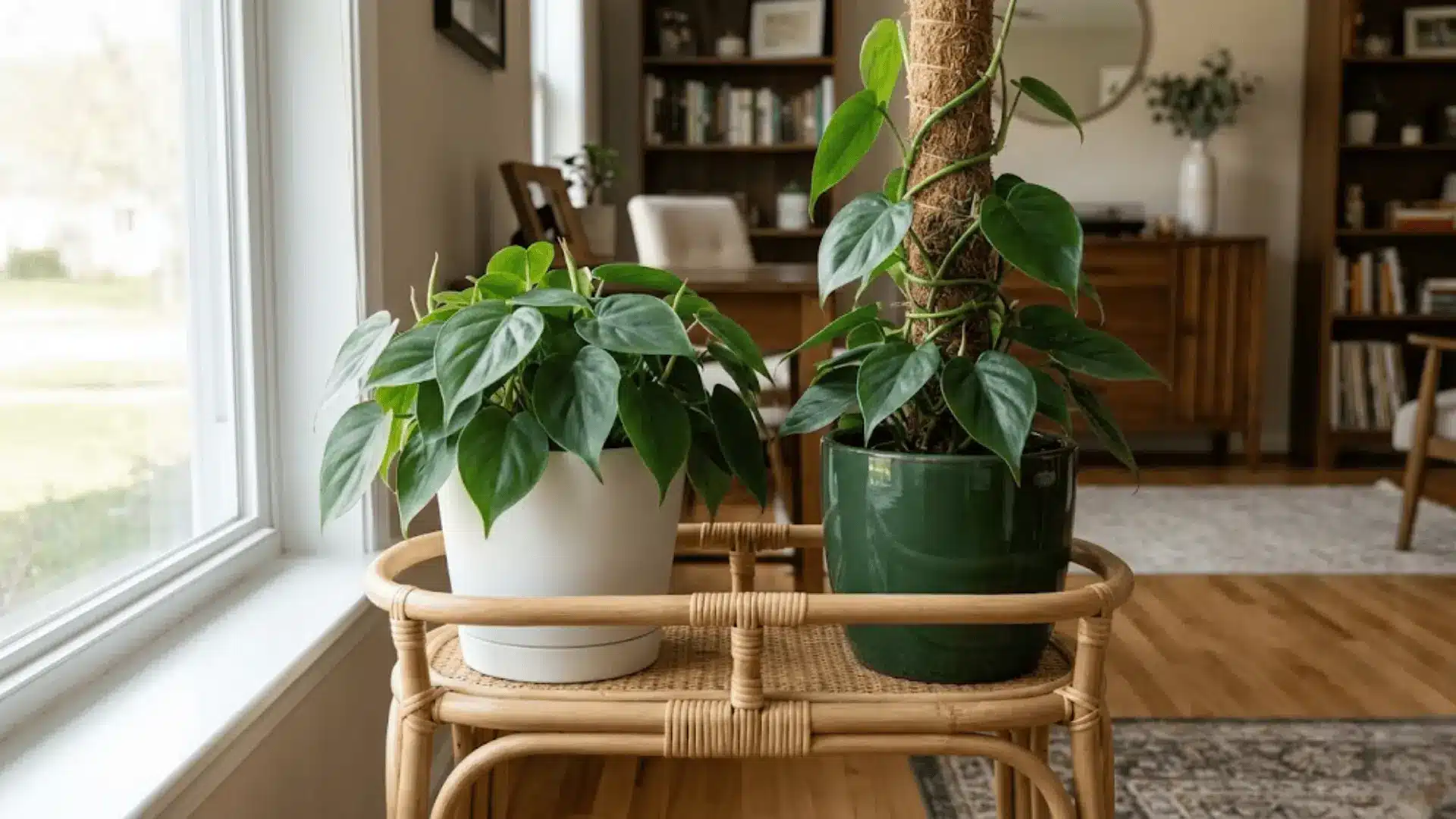
A well-loved philodendron typically lives 10 to 15 years indoors. Heartleaf varieties tend to stay compact and manageable, while climbing types can grow quite expansive over time.
Their longevity depends heavily on consistent humidity, indirect light, and occasional repotting as their root systems mature.
3. English Ivy
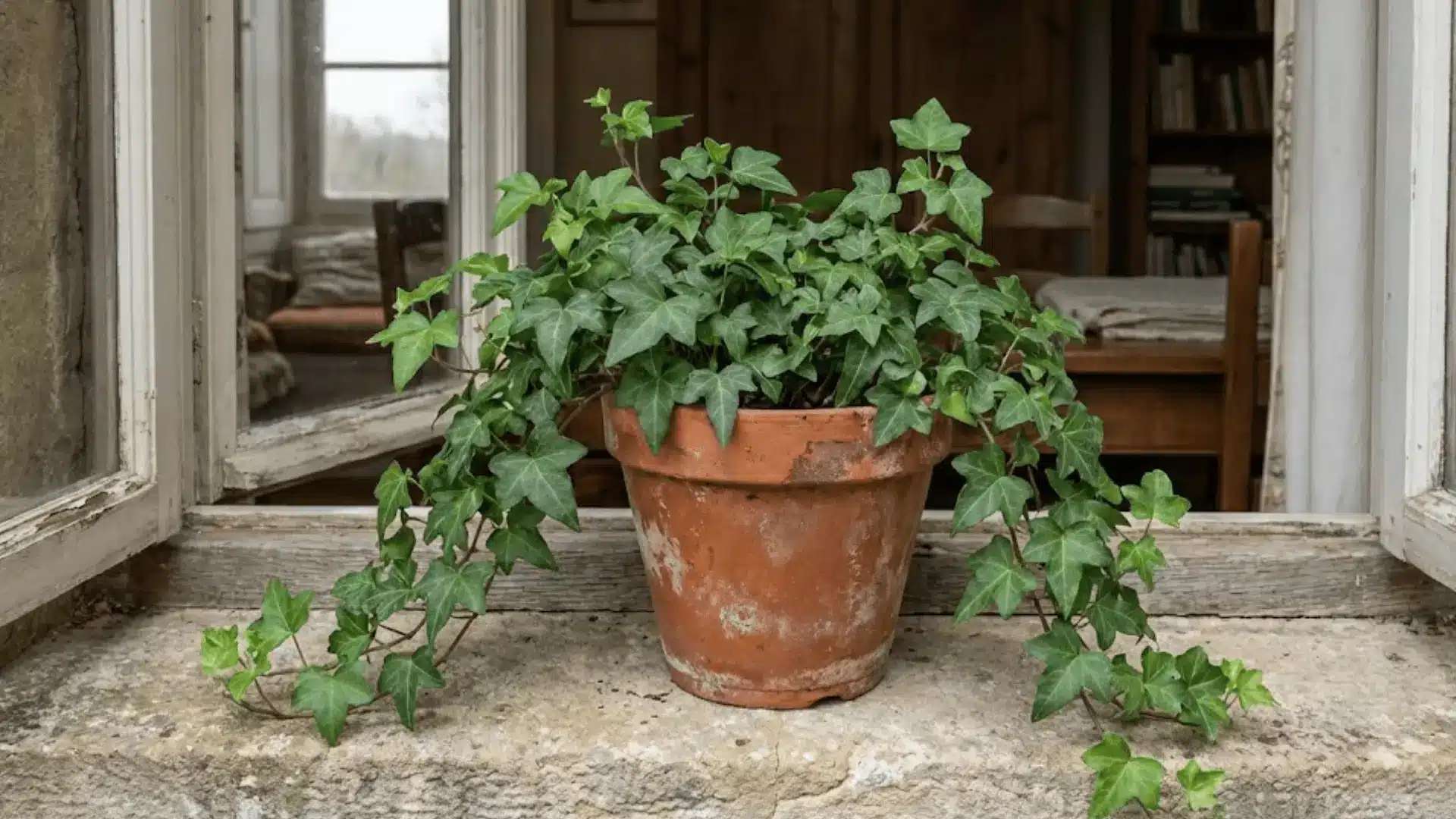
Outdoors, English ivy is practically unstoppable, but indoors, its lifespan averages around 5 to 10 years. It is notably sensitive to dry air and spider mites, which are the two biggest threats in an indoor setting.
Regular misting and attentive pest checks go a long way in keeping it healthy.
4. String of Hearts
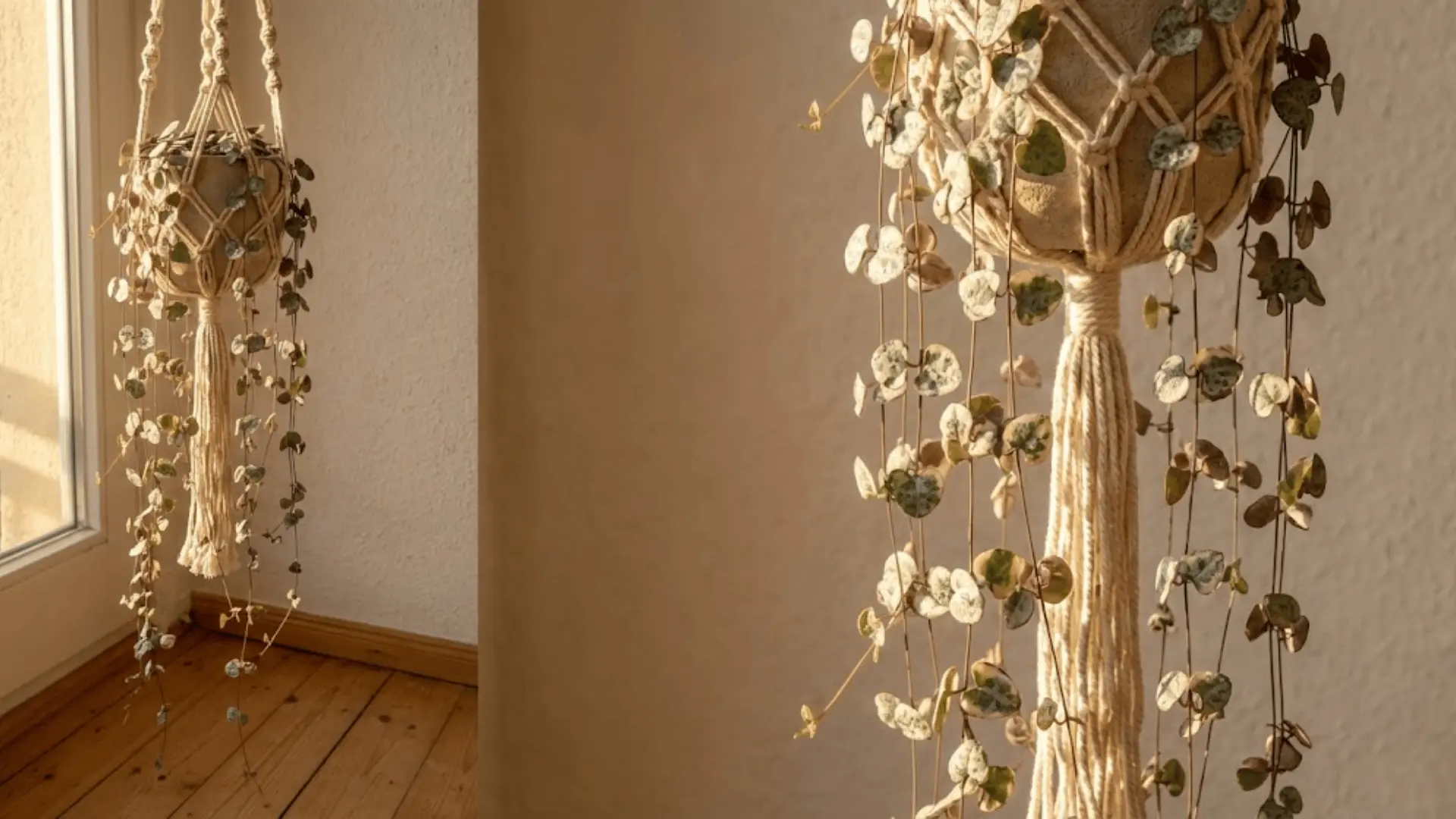
This delicate semi-succulent vine typically lives 3 to 5 years indoors, though propagation can extend its presence in your space indefinitely.
It goes through natural dormancy periods in cooler months, where growth slows significantly. Mistaking dormancy for decline is one of the most common reasons people give up on it too soon.
5. Hoya
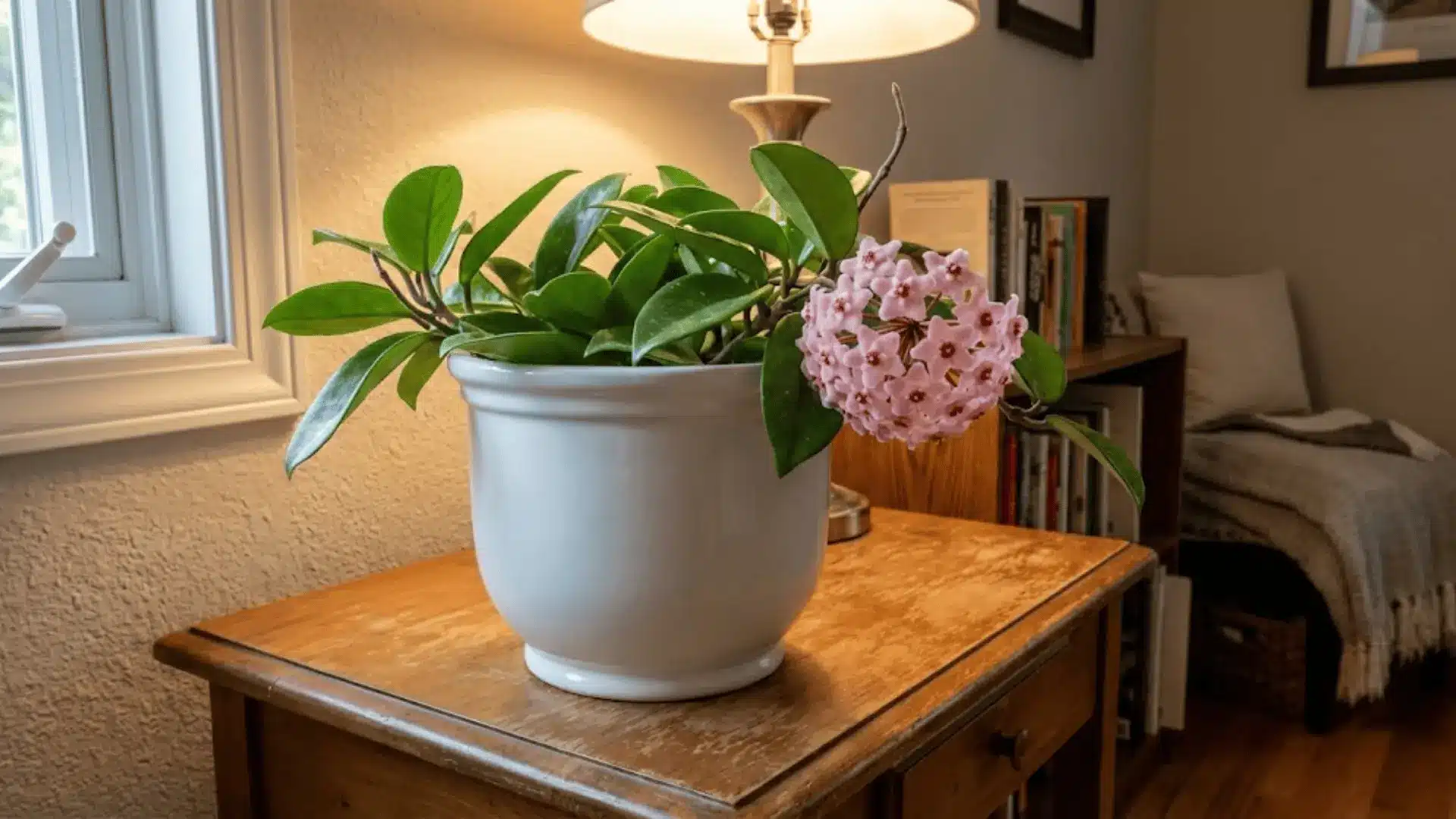
Hoya is one of the longest-lived vining houseplants you can own, with a lifespan that stretches 20 to 30 years or more. It is a slow grower, but patience pays off when it finally begins its flowering cycles.
Older hoyas tend to bloom more freely, meaning the plant genuinely gets more rewarding with age.
6. Tradescantia
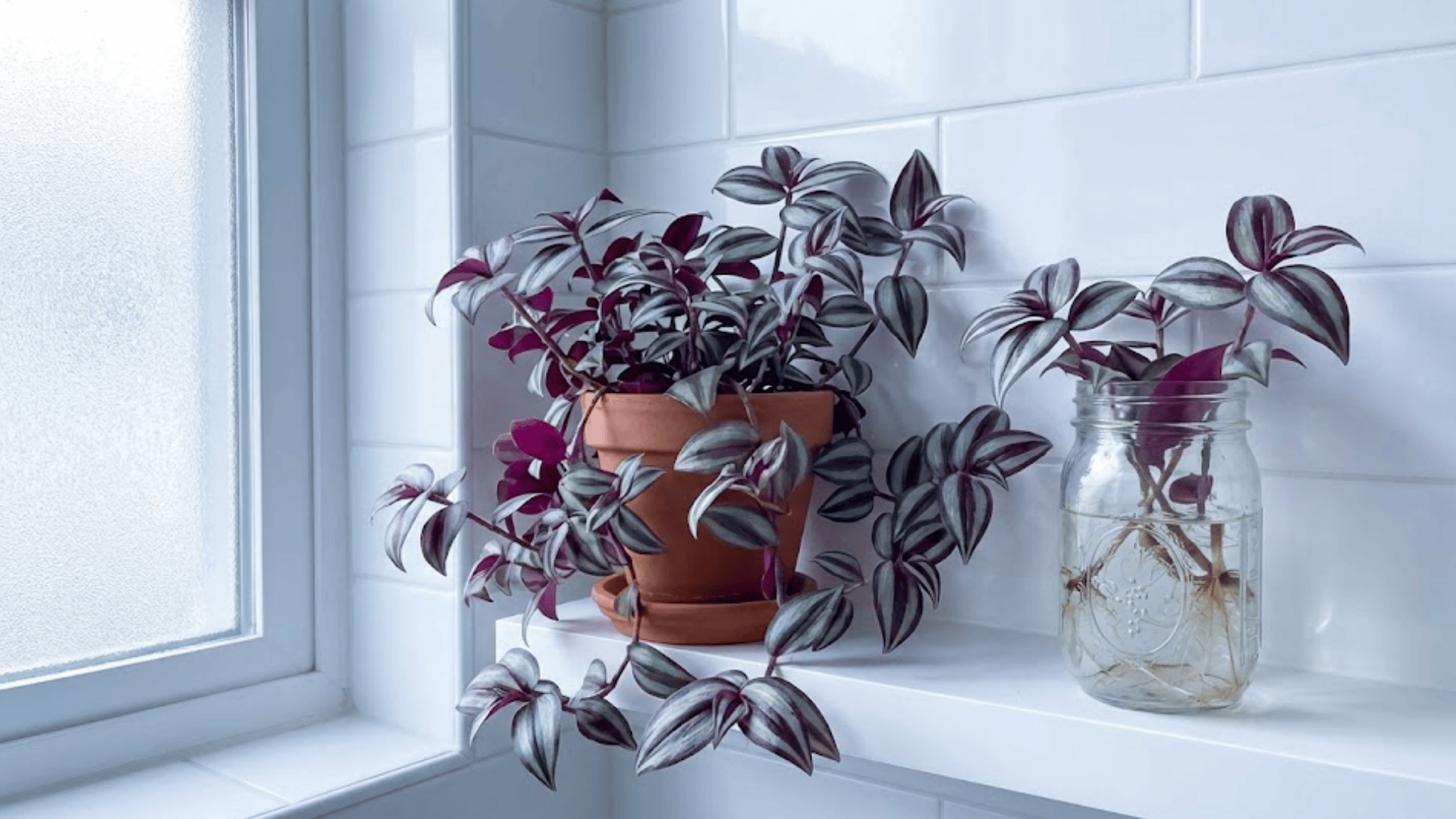
Tradescantia has a faster aging pattern compared to other vines, typically looking its best for 2 to 5 years before stems become leggy and growth loses its vibrancy.
The good news is that it propagates effortlessly in water, so taking cuttings and restarting the plant is a simple and satisfying way to keep it going.
Signs Your Vine Plant is Aging
Vines are pretty good at showing you when they’re slowing down.
Here are the most telling signs to watch for.
- Stems are turning woody and losing their flexible, fresh appearance.
- New leaves are growing in sparse, smaller, or farther apart than usual.
- The overall shape looks leggy with long stretches of bare stem.
- Growth has noticeably slowed, even during the active growing season.
- Leaves are dropping more frequently without any change in care.
Catching these signs early gives you the chance to prune, propagate, or revisit your choice of indoor vine plants before the plant declines too far.
How to Extend the Lifespan of House Vines?
Good care does not just keep your vines alive; it genuinely adds years to their life. These are the four areas worth paying the most attention to.
| Care Area | What to Do | Why It Matters |
|---|---|---|
| Watering | Water when the topsoil is dry; ensure drainage | Prevents root rot and underwatering stress |
| Light | Bright indirect light; adjust placement seasonally | Sustains healthy, long-term growth |
| Repotting & Soil | Repot when roots outgrow the container; refresh soil every 1-2 years | Restores nutrients and root space |
| Pruning | Trim leggy stems; propagate healthy cuttings | Redirects energy and resets plant vitality |
Can Vine Plants Live Forever Indoors?
Technically, many indoor vines are perennials, meaning they have no fixed expiration date. But there is a difference between a plant that is alive and one that actually looks good.
Most vines hit an aesthetic peak before gradually becoming leggy or tired-looking. This is where propagation quietly changes everything.
Taking cuttings from a healthy parent plant and rerooting them is essentially how you keep a vine going indefinitely.
The original plant may age, but its cuttings carry the same genetics forward, making propagation the closest thing to true plant immortality.
Annual vs. Perennial Vine Plants Indoors
Not every vine is playing the same long game. Understanding how annuals and perennials behave indoors helps you set the right expectations and care for them accordingly.
| Factor | Annual Vines | Perennial Vines |
|---|---|---|
| Lifespan | Complete their cycle in one growing season | Live for years with consistent care |
| Examples | Black-eyed Susan vine, Sweet potato vine | Pothos, Philodendron, Hoya |
| Dormancy | Often mistaken for dying, as growth stops | Go through natural rest periods, especially in winter |
| Winter Survival | Rarely survive indoors through winter | Thrive indoors year-round with stable temperatures and humidity |
| Propagation Value | Limited, best enjoyed seasonally | High, cuttings can extend the plant’s life indefinitely |
Final Takeaway
Every vine has its own timeline, and that is honestly what makes growing them so personal.
Nurturing a decades-old hoya or propagating a fresh batch of pothos cuttings, indoor vine plant longevity always comes down to the little consistent efforts you put in.
How long do house vines live indoors? As long as you are willing to learn what they need.
Think of your vine plant’s lifespan as a growing relationship, one that rewards patience and attention in the most beautiful ways.
Which indoor vine has been your longest companion? Drop it in the comments!