Last spring I planted four pea varieties side by side just to see what would happen, and the differences showed up fast.
Sugar Ann shot straight up on thin, wiry vines, Alaska stayed short and stocky, and one packet never even sprouted.
That mess taught me more about pea varieties than any chart could, since pod shape, harvest time, and even leaf shape all set one type apart from the next.
Let us have a look at what actually separates each type of pea, so you can pick the right one for your own garden.
How Different Types of Peas Are Classified
Breeders sort peas by one main trait: whether a parchment layer lines the inside of the pod wall.
That fibrous layer makes a pod inedible, splitting plants into shelling or edible types before any variety name.
Seed catalogs categorize varieties based on maturity: early, second early, or maincrop. Regional conventions differ, and the same variety is often listed under three or four different names across seed companies.
Garden crops with widely named varieties cause this same confusion, including different types of fig trees.
Quick Comparison Table of the Main Types of Peas
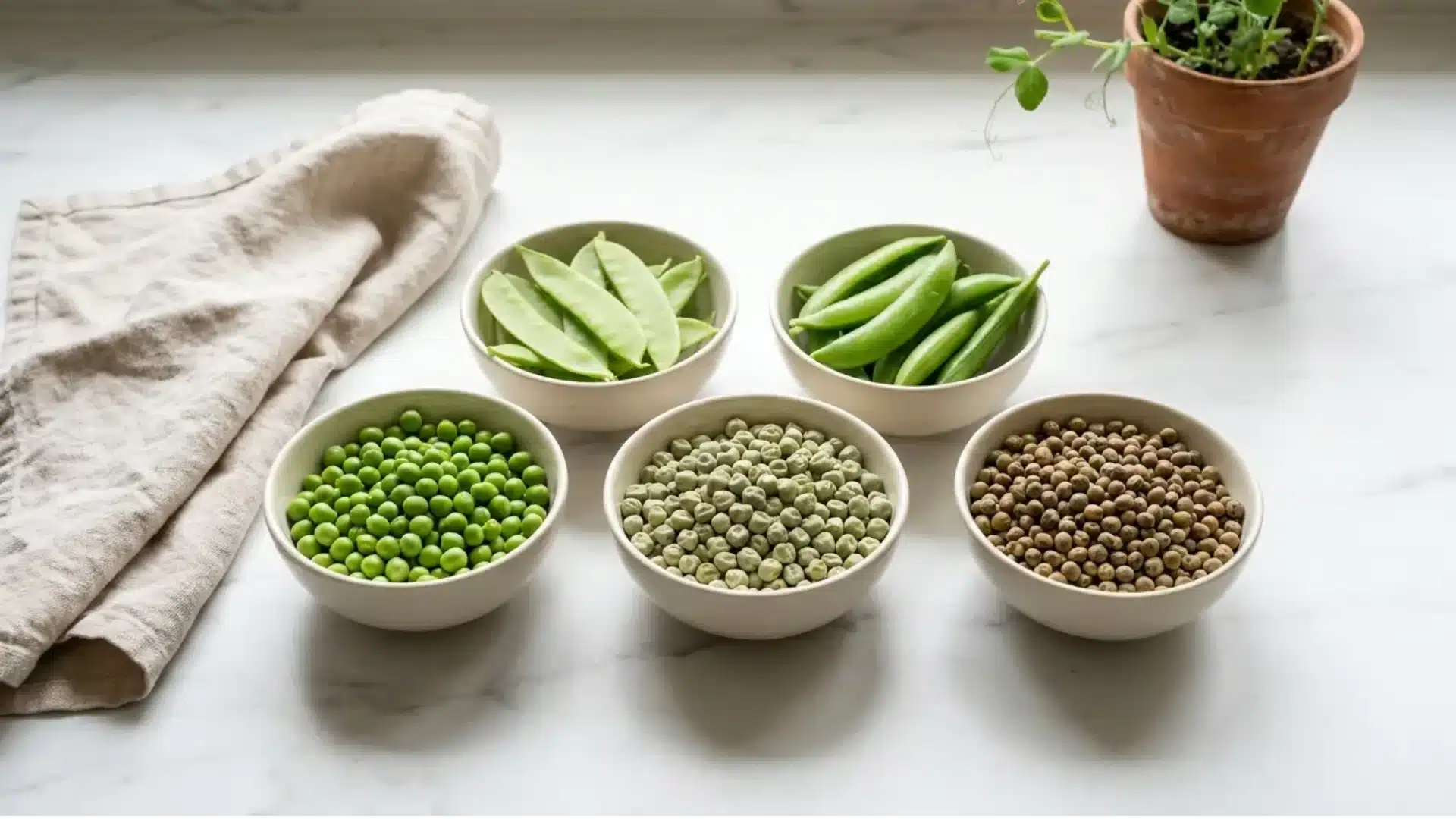
Each one varies in pod texture, culinary use, and optimal preparation method.
| Type | Pod Edible? | Best Used | Texture |
|---|---|---|---|
| English (Garden) Peas | No | Fresh shelling, soups, sides | Sweet, tender seeds |
| Snow Peas | Yes | Stir-fries, salads | Crisp, flat pod |
| Sugar Snap Peas | Yes | Raw snacking, stir-fries | Crunchy, plump pod |
| Marrowfat Peas | No | Mushy peas, dried dishes | Starchy, dense |
| Field Peas | No | Cover crop, dried food use | Hard, small seed |
Different Types of Peas
Different varieties truly earn their names, and each one deserves distinct attention.
Type 1: English (Garden) Peas
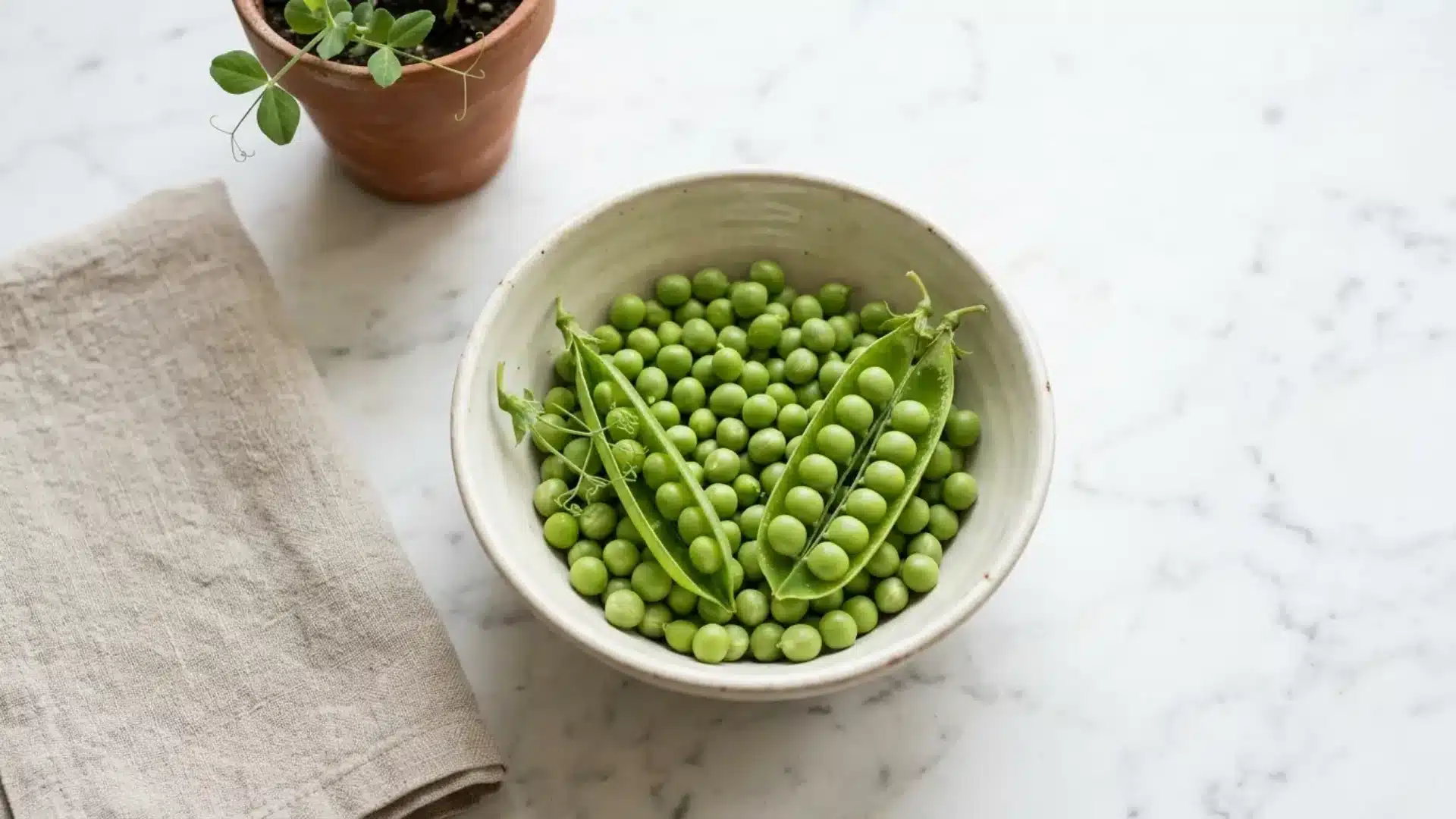
English peas are what most people picture: small round seeds in a tough, fibrous pod you do not eat.
The pod gets tossed, and the sweet seeds inside get boiled, steamed, or dropped straight into soup. They are the classic shelling pea found in farmers’ markets and freezer bags alike, prized for their sugary bite.
A smaller, sweeter version of this same pea, called petit pois, gets harvested even earlier for a tender result.
Popular Varieties of English Peas Include:
- Alaska
- Alderman
- Bijou
- Champion of England
- Feltham First
- Green Arrow
- Green Feast
- Kelvedon Wonder
- Lincoln
- Little Marvel
- Maestro
- Meteor
- Prince Albert
- Progress No. 9
- Thomas Laxton
- Wando
- Waverex (petit pois)
Type 2: Snow Peas
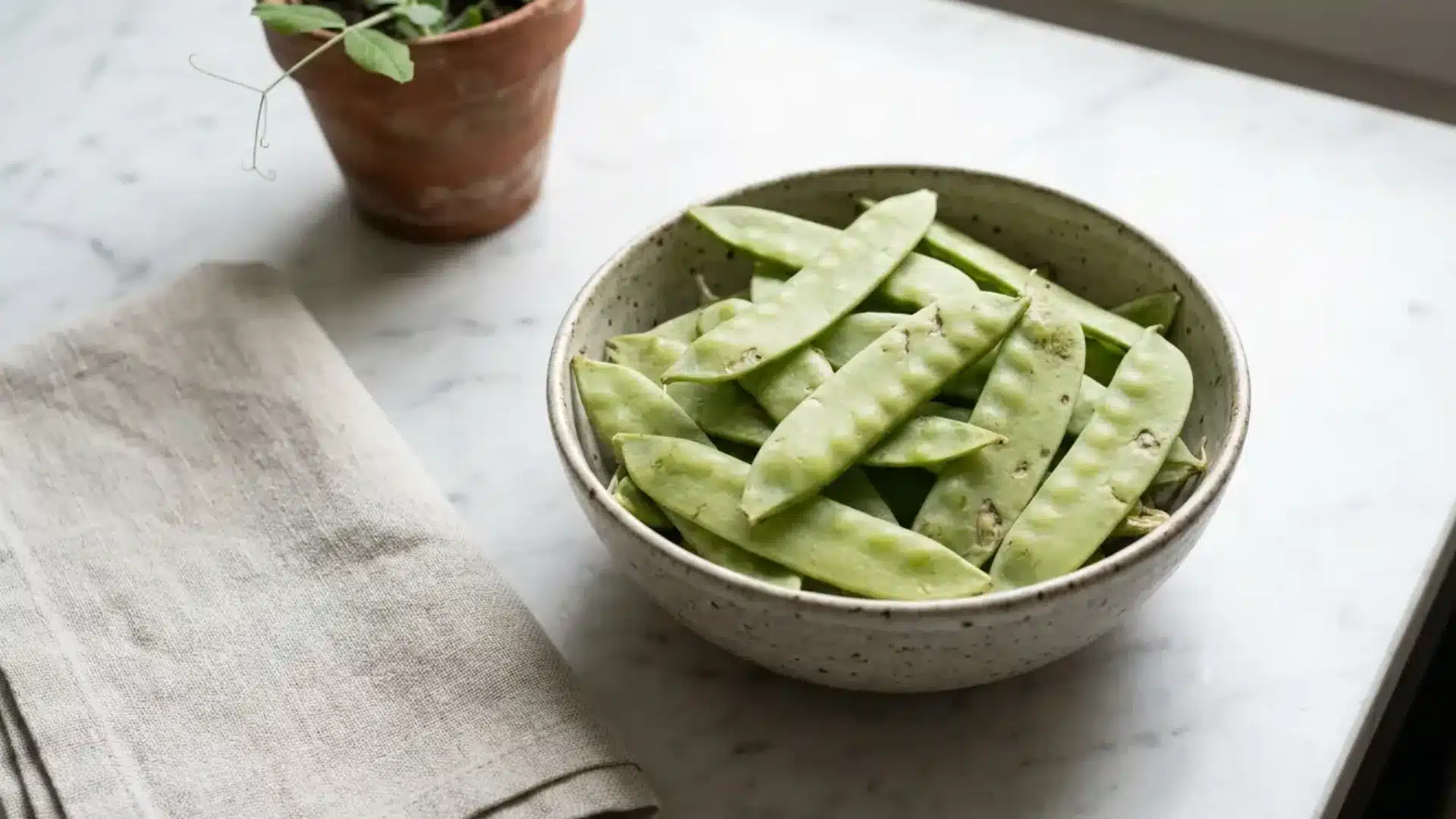
Snow peas are flat, thin pods used in stir-fry: pale green and crisp, eaten whole before seeds swell.
Unlike English peas, the pod is the main part and is tender enough to snap without strings. They bring a light crunch and mild sweetness to a dish, which is why they show up so often in Asian cooking.
Snow peas cook fast, so a quick toss in a hot pan is usually all they need.
Popular Varieties of Snow Peas Include:
- Avalanche
- Carouby de Maussane (Mangetout)
- Delikata
- Dwarf Gray Sugar
- Golden Sweet
- Mammoth Melting Sugar
- Norli
- Oregon Giant
- Oregon Sugar Pod
- Oregon Sugar Pod II
- Snowbird
- Snowflake
- Spring Blush
Type 3: Sugar Snap Peas
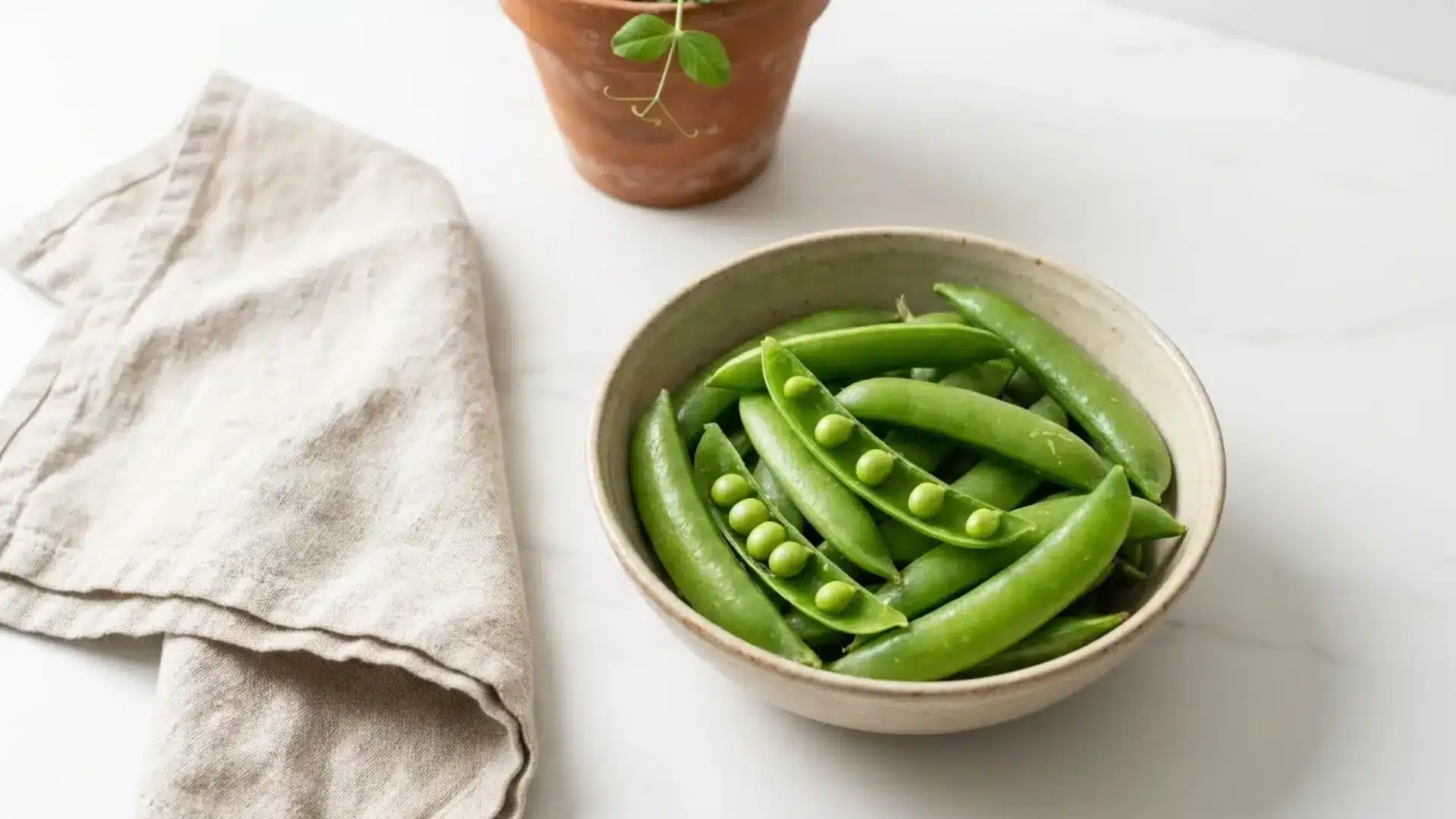
Sugar snap peas are a cross between English and snow peas: round, plump pods you eat whole, seeds and all, with no shelling required. The pod remains tender as seeds fill out, providing a satisfying crunch and sweetness.
They work raw in a salad, steamed as a side, or tossed straight into a stir-fry without losing their snap.
Sugar snap peas are one of the most versatile picks in the whole pea family.
Popular Varieties of Sugar Snap Peas Include:
- Cascadia
- Sugar Ann
- Sugar Bon
- Sugar Daddy
- Sugar Lace
- Sugar Magnolia
- Sugar Snap
- Sugar Sprint
- Super Sugar Snap
Type 4: Marrowfat Peas
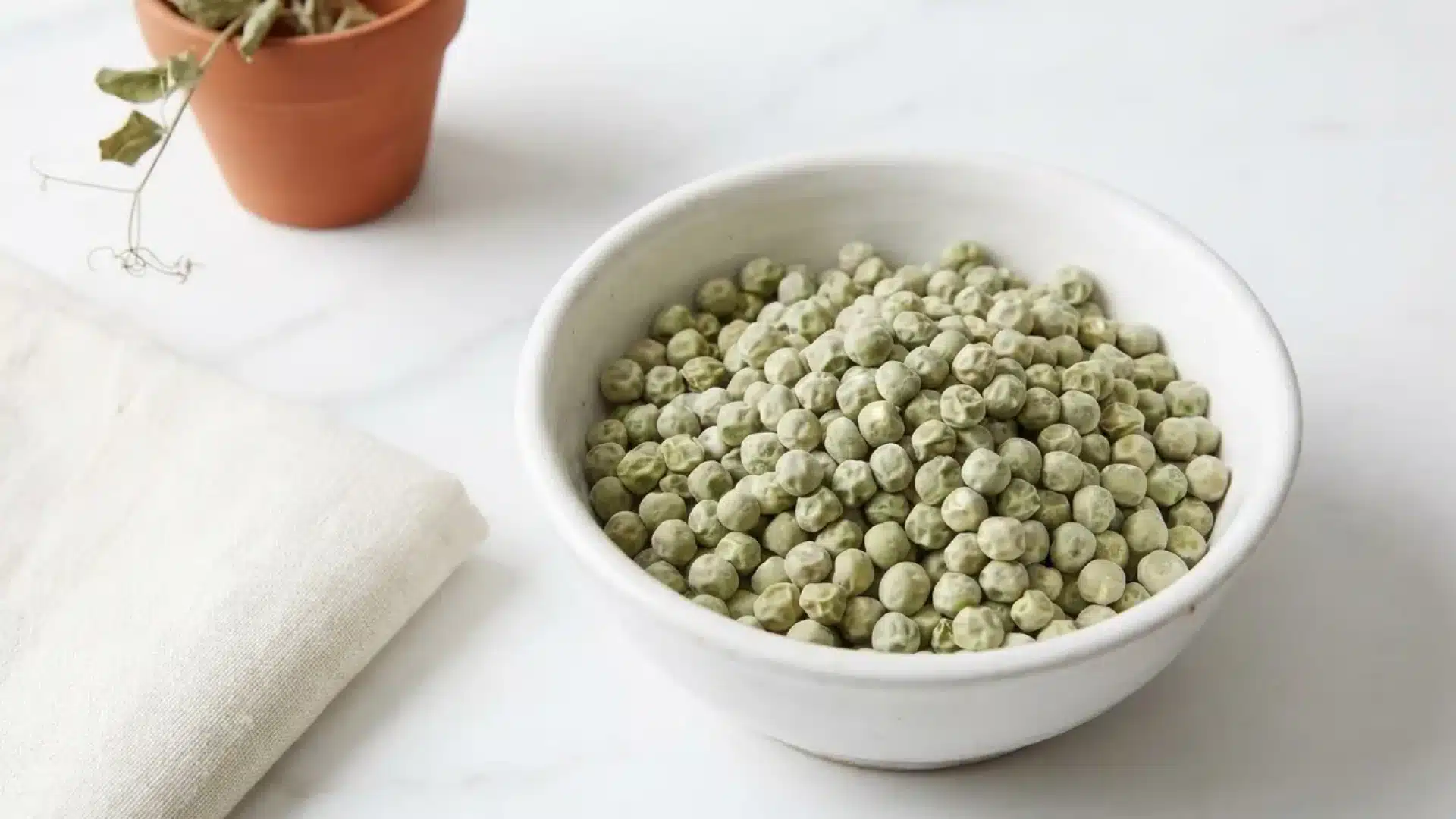
Marrowfat peas stay on the vine longer, maturing and drying fully before harvest.
That extra time gives them a larger size and a starchy, dense bite once cooked – nothing like the sweet crunch of a fresh pea. They are best known as the base for mushy peas, a British staple often served alongside fish and chips.
Marrowfat peas need a long soak before cooking, since they start out completely dried and hard.
Popular Varieties of Marrowfat Peas Include:
- AAC Olive
- AAC Trakalo
- Dwarf Marrowfat
- Matchless (True Tall Marrowfat)
- Vermont Marrowfat Green
Type 5: Field Peas
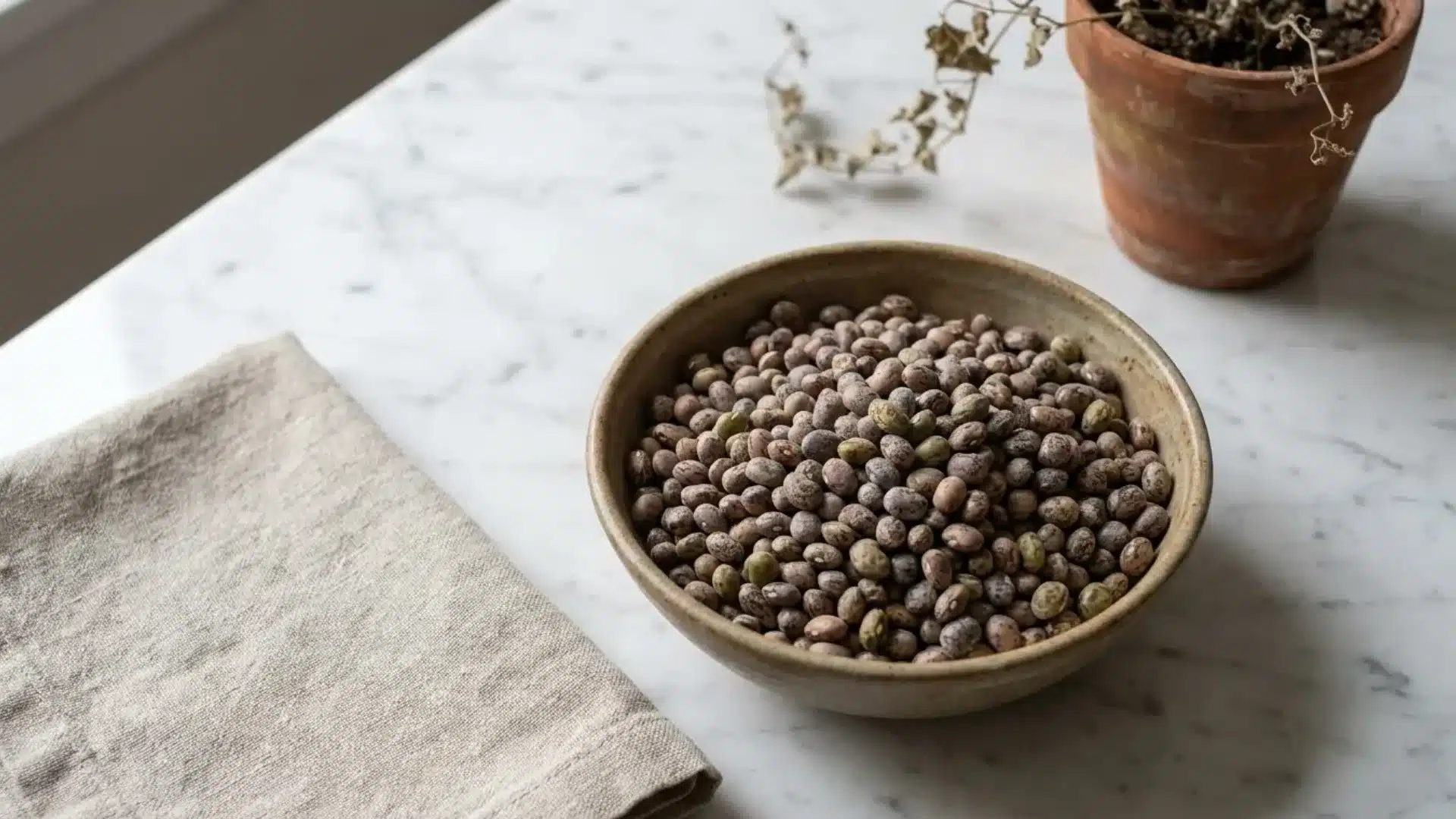
Field peas are a hardy subspecies bred to survive cold, harsh winters in open farmland.
Farmers grow them mainly as a cover crop, planted to protect and enrich soil between main growing seasons.
Some varieties do get harvested and dried for food, showing up in traditional dishes far less familiar than mushy peas or soup. Unlike the cowpea, which shares the name field pea in casual use, this type is a true botanical pea.
Popular Varieties of Field Peas Include:
- Austrian Winter Pea (black pea)
- Bonneville
- Canadian Field Pea (spring pea)
- Dun Pea
- Maple Pea
How to Pick and Store Fresh Peas
Freezing is more effective than fridge storage for prolonging shelf life beyond a few days.
Blanch shelled peas in boiling water for two minutes, then plunge them into ice water before bagging.
This step locks in color and slows the enzymes that break down sweetness.
Frozen peas hold well for up to eight months in a freezer-safe bag with the air pressed out. Farmers markets sell peas at peak freshness during a short spring window, often just a few weeks long.
Bulging, swollen pods typically indicate that peas have been left on the vine too long, beyond their peak sweetness.
Are Snow Peas and Snap Peas Both Sugar Peas?
The term predates both varieties more than they realize.
Sugar pea was a general term used long before sugar snap peas emerged in 1979.
Grocery stores still slap the same sticker on both bags, which keeps the mix-up alive at checkout.
Cooking behavior tells them apart faster than shape does: snow peas wilt within seconds of hitting a hot pan, while sugar snap peas hold their bite through a longer sauté.
Seed catalogs use mangetout for snow peas, a French term meaning “eat it all,” rarely applied to snap peas.
Rare and Unusual Types of Peas Worth Growing
In addition to the common varieties, a few rare heirloom peas deserve a place in any garden.
- Purple Podded Pea: A striking heirloom with deep violet pods that turn green once cooked.
- Golden Sweet Pea: An Indian heirloom snow pea with bright yellow pods and bicolor purple flowers.
- Waverex: The classic petit pois variety, prized for its tiny, extra-sweet seeds harvested young.
- Carouby de Maussane: A French heirloom with large purple-tinged pods and showy purple flowers.
- Bijou: A rare 1800s heirloom mangetout with unusually long, sweet pods still grown today.
Botanical Species Often Called Peas
Many foods include the word “pea” in their names, but they don’t all come from the same plant.
| Common Name | Actual Species | Why It’s Not a True Pea |
|---|---|---|
| Chickpea | Cicer arietinum | Completely separate genus from Pisum sativum |
| Black-Eyed Pea | Vigna unguiculata | A cowpea, unrelated to true peas |
| Pigeon Pea | Cajanus cajan | A different tropical legume genus entirely |
| Sweet Pea | Lathyrus odoratus | Ornamental flower, not edible or related |
Edible Pod Peas vs Shelling Peas: Which Should You Grow?
Edible pod peas skip the shelling step, so a handful goes straight from vine to plate in minutes. Shelling peas demand extra prep time, since each pod gets opened by hand before cooking.
Freezing favors shelled peas, which hold their texture better than a thawed pod will.
Cost per harvest differs too: edible pod varieties yield more usable food per plant, since nothing gets discarded.
Families with kids often lean toward pod peas for easy snacking straight off the vine.
Serious cooks seeking a traditional pea flavor opt for the shelling variety.
Choosing the Right Pea Variety for Your Garden
Soil quality has a greater impact than the choice of variety.
Peas want loose, well-draining soil with a neutral pH, plus steady moisture once flowers appear.
Full sun suits most types, though afternoon shade helps in hotter regions.
Succession sowing every two weeks stretches your harvest window instead of one heavy flush. Save seed from open-pollinated varieties if you want the same pea again next year, since hybrids will not breed true.
Space rows wide enough apart to keep airflow steady and lower mildew risk.
This matters most for climbing types like sugar snap peas, where good trellis technique keeps airflow steady and pods easy to reach.
Common Mistakes When Choosing Pea Varieties
Even seasoned gardeners often make the same common mistakes when choosing a variety.
- Choosing a slow heirloom in a short growing season often ends in a wasted crop.
- Planting a tall climbing variety without a trellis leads to tangled, weak vines.
- Buying shelling pea seed instead of an edible pod variety wastes a season.
- Choosing a variety without mildew resistance in humid climates leads to frequent crop loss.
- Planting without checking this number often means pods ripen after the cool spring window has closed.
- A single variety leaves the whole harvest exposed to the same pest or disease.
- Striking heirloom colors don’t guarantee strong yields outside their ideal conditions.
Pea Nutrition at a Glance
These numbers shift slightly by pea type and preparation, but the overall nutrition profile stays consistently strong.
| Nutrient | Per 100g (cooked) | Benefit |
|---|---|---|
| Calories | 84 kcal | Light, low-impact energy |
| Protein | 5.4 g | Rare for a vegetable |
| Fiber | 4.1 g | Aids digestion |
| Vitamin C | 14.2 mg | Supports immunity |
| Vitamin K | 24.8 mcg | Aids blood clotting |
| Iron | 1.5 mg | Supports oxygen flow |
| Potassium | 244 mg | Supports blood pressure |
Frequently Asked Questions (FAQ’s)
What is the Most Popular Type of Pea?
Sugar snap peas rank as the most popular type for home gardens.
Can You Eat Snow Pea Pods Raw?
Yes, snow pea pods are edible raw and taste crisp with mild sweetness.
Do All Pea Varieties Need a Trellis?
No, dwarf and bush varieties grow low and skip trellising entirely.
Which Type of Pea is Used for Pea Soup?
Marrowfat and dried field peas are the traditional choice for pea soup.
Wrapping It Up
Pea season starts at the seed rack, not the garden bed.
Types of peas stop being confusing once you’ve grown two side by side in the same bed.
Plant a shelling variety next to a snap variety this year, and let the harvest settle the argument. One climbs past your shoulders. The other stays knee-high and done within six weeks.
Neither wins outright; they just solve different problems in the kitchen.
Tell us below which one wins your garden next spring.