When people plan upgrades for a metal building, they often think in terms of the whole envelope: walls, roof, doors, ventilation, maybe even slab edge details. In an ideal world, that full-system approach makes sense. But in the real world, budgets, schedules, and operational demands rarely line up so neatly.
That is exactly why starting with the roof can be such a smart move.
For many metal buildings, the roof is the largest and most exposed surface in the structure. It takes the brunt of solar heat gain, weather swings, and moisture-related stress. If you are trying to improve comfort, reduce energy waste, or address condensation, the roof is usually the first place worth your attention.
Why the Roof Has an Outsized Impact
A metal roof does more than keep rain out. It shapes the indoor environment every day, whether you notice it or not.
Heat Gain Starts at the Top
In warm weather, the roof is often the biggest source of unwanted heat entering a metal building. Sunlight beats down on the panels, the surface temperature rises quickly, and that heat radiates inward. If the roof assembly lacks insulation or an effective thermal break, the indoor temperature can climb fast, especially in workshops, storage buildings, garages, and agricultural spaces.
Even if walls are underinsulated too, the roof usually contributes more immediate heat load simply because of its orientation and exposure. Addressing that top layer first can noticeably change how the building feels during peak afternoon hours.
Condensation Often Shows Up There First
Metal buildings are especially vulnerable to condensation because metal surfaces cool down quickly. When warm, moist interior air meets a cooler roof panel, water can form on the underside. That can lead to dripping, damp materials, corrosion, mold concerns, and damaged contents.
If you have ever walked into a metal building in the morning and noticed moisture overhead, the roof is already telling you where the problem begins.
Comfort Is Not Just About Temperature
Occupants often describe an underinsulated metal building as “harsh” rather than simply hot or cold. That is because radiant heat from above can make a space uncomfortable even when the air temperature seems manageable. Reducing that radiant load can make a meaningful difference for people working inside for long hours.
Why a Roof-First Approach Makes Practical Sense
Not every project can be tackled all at once. A roof-first strategy works because it prioritizes the building component that typically produces the fastest and most visible return.
It Can Lower the First Cost of Improvement
A complete building insulation retrofit may not be feasible in one phase. Starting with the roof lets owners make measurable progress without waiting for a bigger capital project. That can be especially helpful for small businesses, farm operators, and owners of older outbuildings that still need to stay in service.
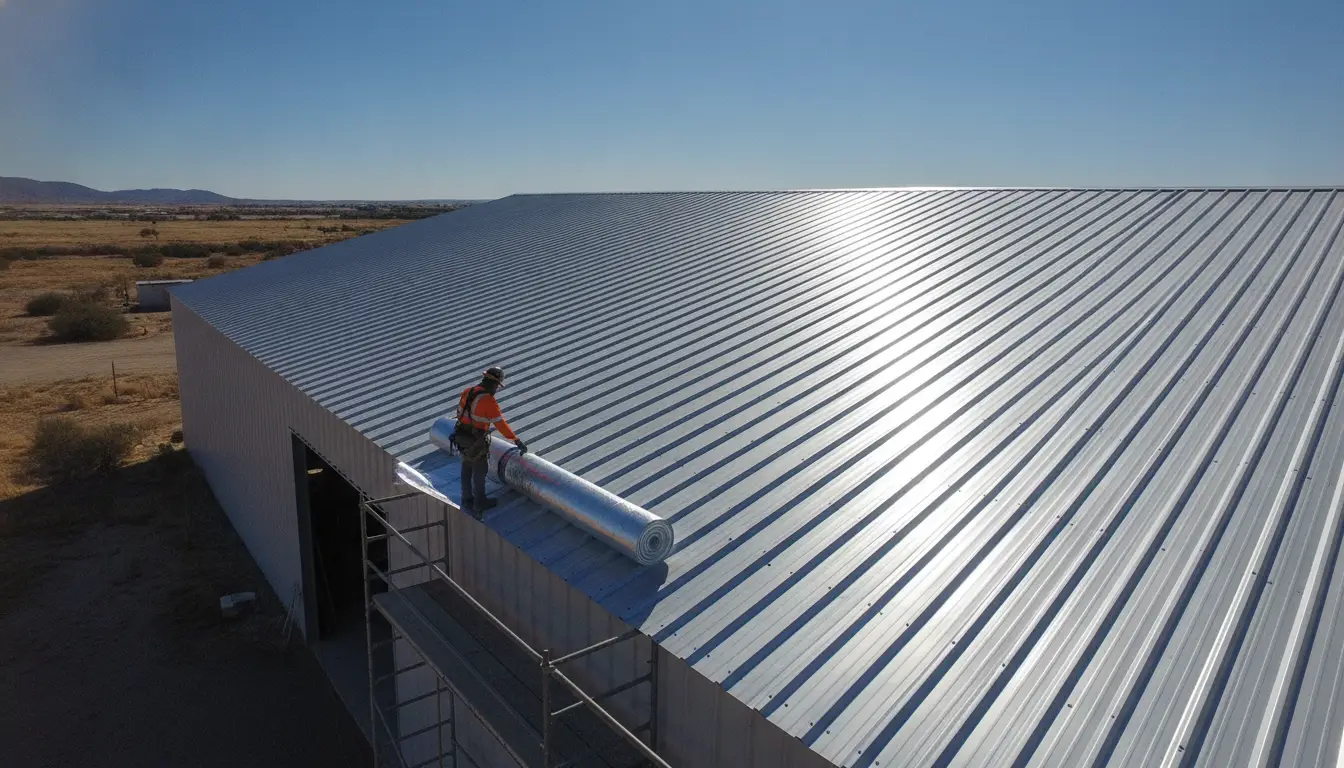
In many cases, owners researching phased upgrades begin by asking whether insulating only a metal roof is worthwhile. It often is, particularly when the roof is the dominant source of heat gain or condensation. The key is to view it not as a shortcut, but as a strategic first phase that addresses the most exposed part of the structure.
It Targets the Biggest Pain Points First
If your building’s main issues are excessive summer heat, dripping condensation, or uncomfortable radiant exposure, wall upgrades alone are unlikely to solve them. The roof is usually the common denominator.
A focused first phase can help you:
- reduce peak indoor temperatures
- limit moisture accumulation under roof panels
- improve day-to-day comfort for occupants and stored materials
That kind of targeted improvement matters when the building is actively used and downtime is limited.
Where Roof-First Projects Deliver the Most Value
Not every metal building has the same performance priorities. Still, there are several building types where roof-first work tends to pay off quickly.
Workshops and Service Buildings
In workspaces where people spend long hours standing under a metal roof, radiant heat becomes more than an annoyance. It affects productivity, comfort, and sometimes even safety. A cooler roof assembly can make the entire building more usable, especially in regions with long hot seasons.
Agricultural and Storage Structures
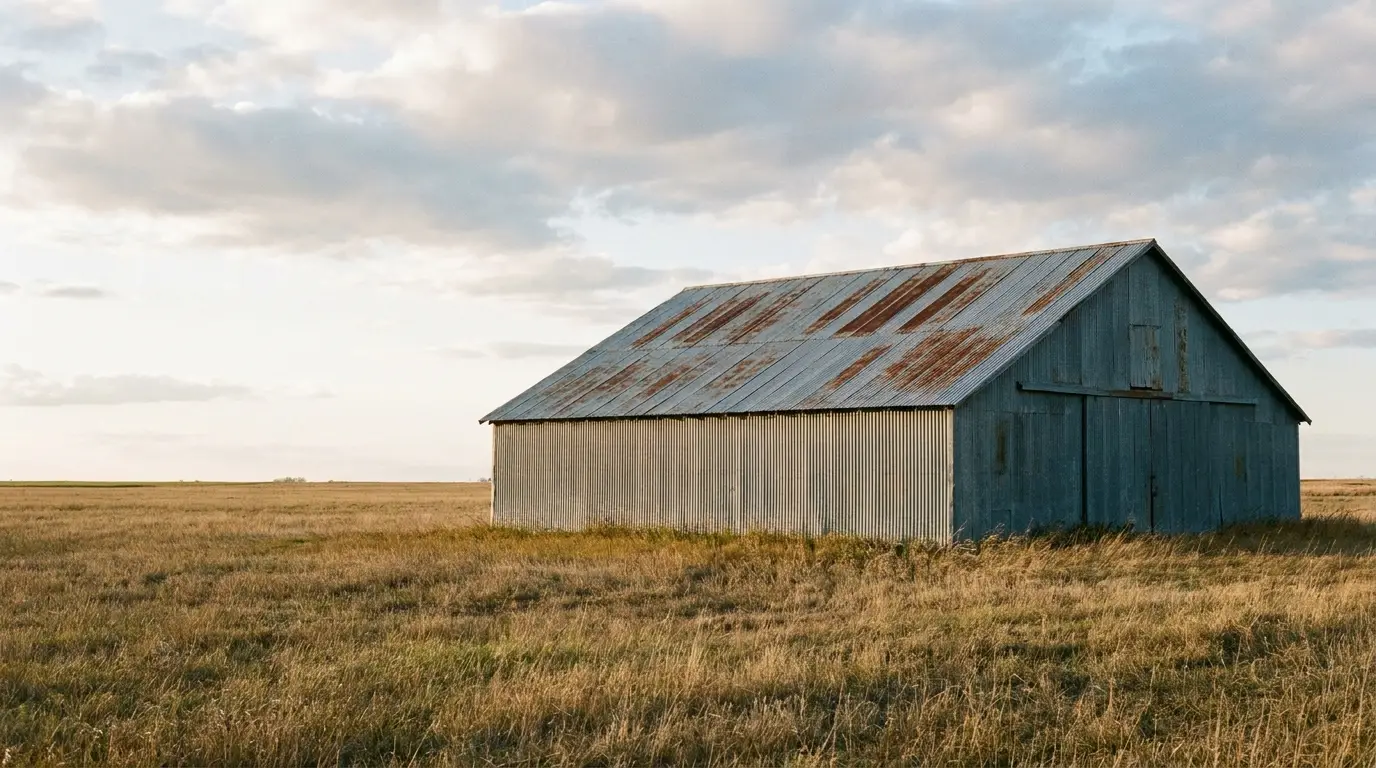
Barns, equipment sheds, and storage buildings often hold moisture-sensitive materials, machinery, feed, or supplies. Condensation from the roof can damage contents gradually, even when owners do not see a dramatic leak. A roof-focused upgrade can help protect what is stored inside while also improving internal conditions for animals or workers.
Commercial and Light Industrial Spaces
Warehouses and fabrication buildings may have large roof spans and relatively limited wall area by comparison. In those structures, the roof can dominate the building’s thermal behavior. Starting there is often the most efficient way to improve energy performance without disrupting operations across the whole facility.
Important Considerations Before You Start
A roof-first approach is smart, but it should still be planned carefully.
Ventilation and Moisture Control Matter
Insulation alone is not the entire story. You also need to think about indoor humidity, air movement, and how the roof assembly dries. If condensation is already a problem, solving it may require both insulation and better ventilation strategy.
Installation Details Make a Big Difference
Gaps, compression, or poorly sealed seams can reduce performance. The roof is a large surface, so small installation mistakes can add up quickly. This is one area where “close enough” often is not good enough.
Roof-First Does Not Mean Roof-Only Forever
For many buildings, the roof is the best place to begin, not necessarily the last place to improve. Once the most critical issue is addressed, walls, doors, and other weak points can be upgraded in later phases. That staged approach often produces better decision-making because owners can evaluate real-world results before expanding the scope.
The Bottom Line
If you are trying to improve a metal building with limited time or budget, the roof deserves first consideration. It is usually the most exposed surface, a major source of heat gain, and one of the most common origins of condensation trouble. Addressing it first can improve comfort, protect contents, and create a solid foundation for future upgrades.
That does not mean every building needs the exact same solution. But it does mean the roof is rarely just one piece among many. In metal buildings, it is often the piece that influences everything else below it.
Start there, and the rest of the building tends to make more sense.