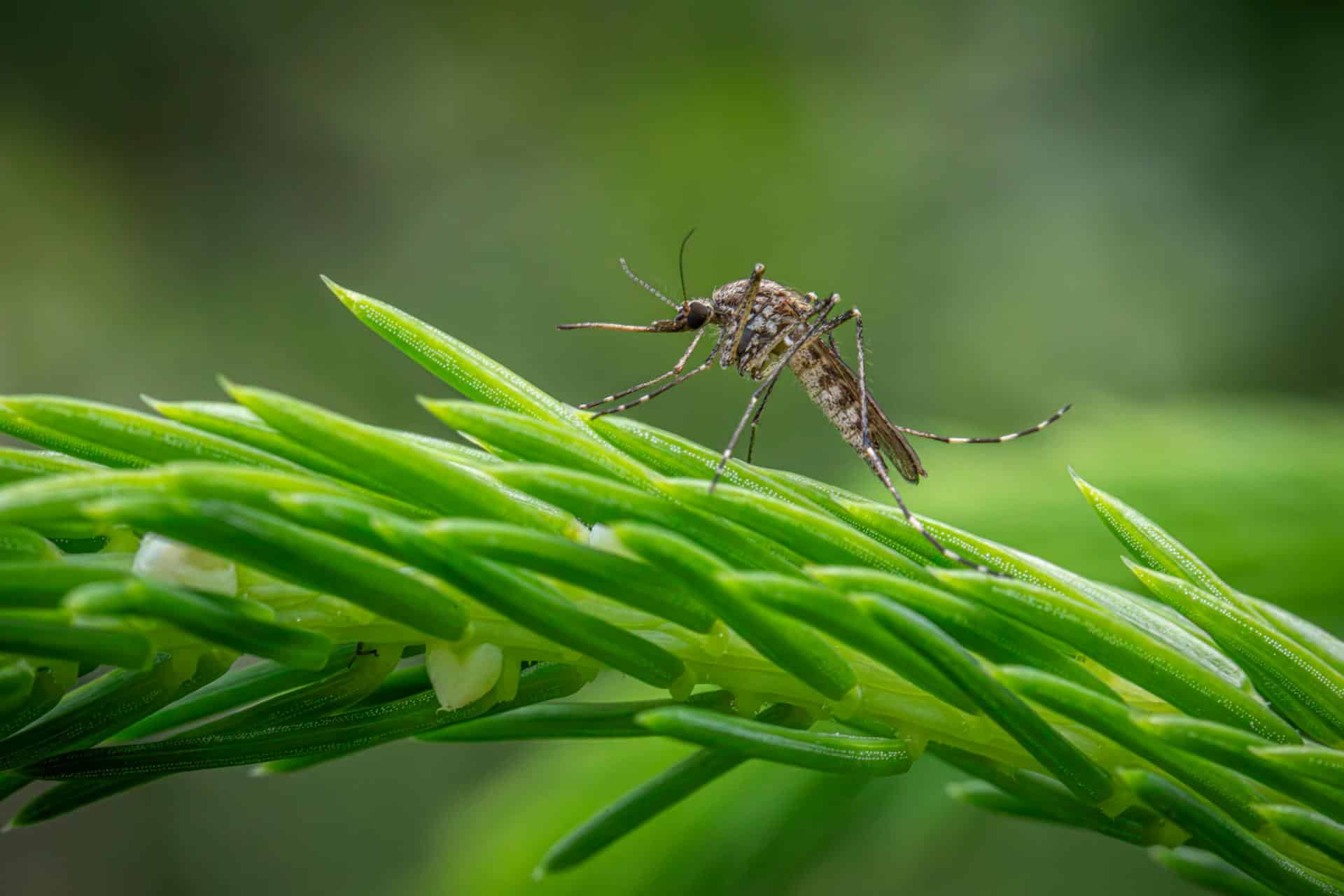
Spotting tiny, almost invisible bugs crawling through your houseplant soil can feel alarming at first glance.
Are they harmful?
Will they spread?
Should you be worried?
Before you panic and reach for the pesticide, here’s what most plant parents don’t realize: those little creatures quietly moving through the dirt are likely doing your plant a quiet favor.
Soil mites are more common than you’d think, and if you’re still getting familiar with soil bug identification, understanding what they actually are changes everything about how you’ll choose to respond to them.
They Were There Before You Noticed!
Soil mites are tiny arthropods that live naturally in soil, compost, and leaf litter, feeding on decaying organic matter, fungi, and algae.
Most are barely visible to the naked eye, yet they play a surprisingly active role in keeping soil healthy.
They typically find their way into your home through store-bought potting mix, outdoor plants brought inside, or compost-heavy soil blends.
Damp, consistently overwatered soil also creates the kind of environment where their populations grow noticeably.
Knowing where they come from makes it much easier to manage them without overreacting.
Those Little Specks Have a Name
Soil mites are easy to miss until you’re really looking. They show up as tiny white, tan, or brown specks moving slowly across the surface of your soil, almost like the dirt itself is shifting.
Their movement is what usually catches your eye first.
Because of their size and color, they’re frequently confused with spider mites or fungus gnats, but unlike those, soil mites tend to stay close to the soil rather than migrating to leaves or flying around your space.
Once you know what you’re looking for, they’re actually pretty easy to spot.
What Soil Mites Actually Do to Humans?
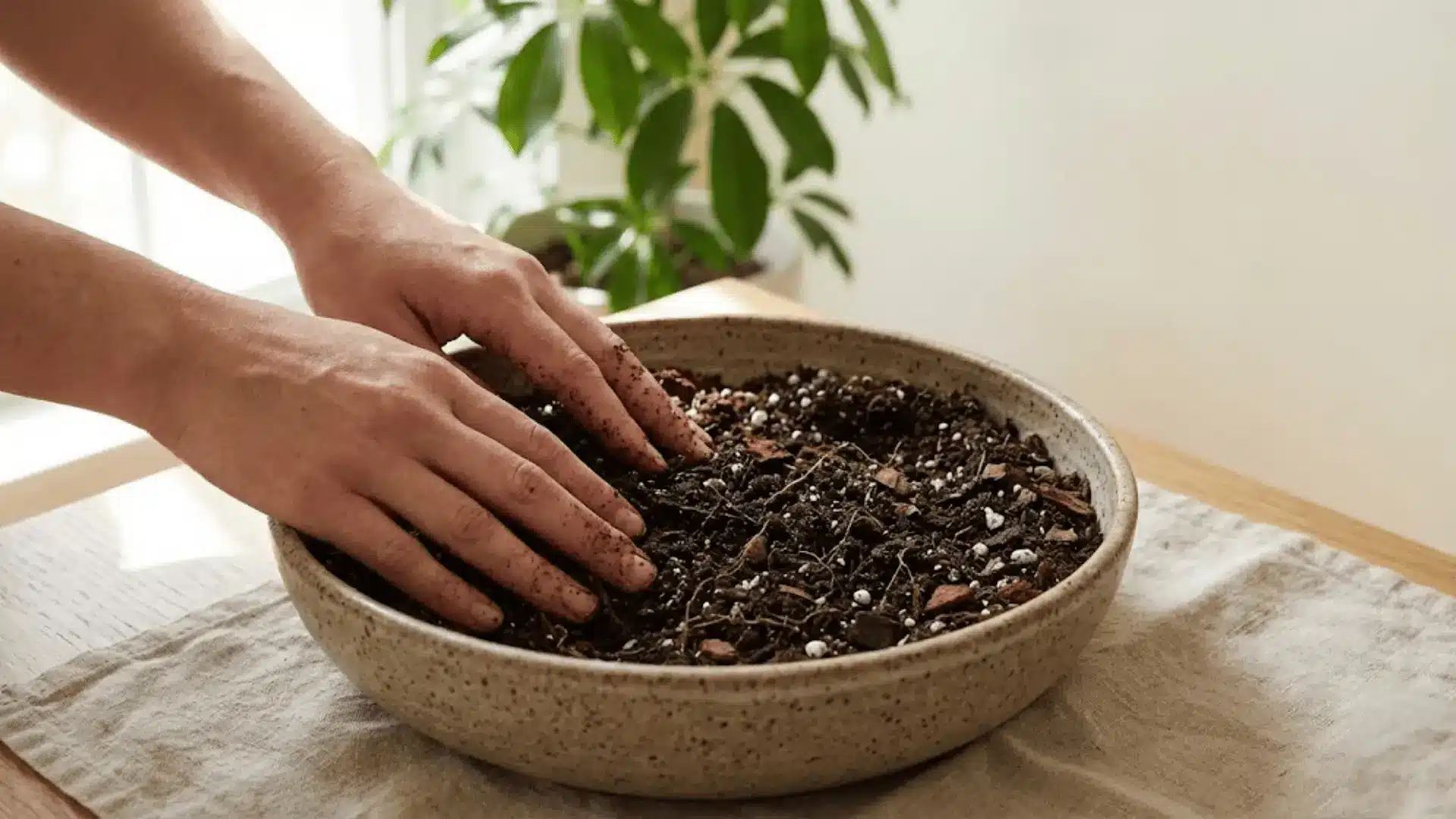
Seeing bugs in your soil naturally raises questions about safety, and that concern is completely valid. The good news is that soil mites are far less threatening than they appear.
Do Soil Mites Bite?
The vast majority of soil mite species have zero interest in humans. They don’t bite, sting, or cause any direct physical harm.
The confusion usually comes from mixing them up with parasitic mites like scabies or chiggers, which are an entirely different category.
Soil mites live to decompose organic matter, not interact with people.
Can They Live on Skin or in Beds?
Soil mites are deeply tied to their environment and genuinely cannot survive outside of it.
They need moisture, organic matter, and soil structure to live, none of which your skin or bedding provides.
So while the idea sounds unsettling, they have no reason and no ability to migrate onto you or into your living space beyond the pot itself.
Should You Worry About Allergies?
For most people, soil mites are a complete non-issue health-wise. Reactions are rare, but here’s what to watch for if you’re particularly sensitive:
- Mild skin irritation after handling heavily infested soil
- Sneezing or irritation when repotting, similar to general dust sensitivity
- Watery eyes or a scratchy throat during prolonged soil exposure
- Slight respiratory discomfort in poorly ventilated spaces while gardening
Worth knowing: These reactions are not the same as dust mite allergies, which are far more common and clinically significant. Soil mites rarely trigger the same immune response.
Are Soil Mites Your Plant’s Friend or Enemy?
Soil mites and plant health have a more nuanced relationship than most people expect. Before pulling them out, it’s worth understanding what they’re actually doing down there.
When Soil Mites are Actually Working for You
Soil mites are quite contributors to a healthy growing environment. They break down organic matter, releasing nutrients your plant feeds on, improve soil aeration, and make water distribution more even.
In balanced numbers, they’re essentially a free, natural soil management system working in your favor.
When Their Presence Becomes a Concern
Soil mites rarely cause direct harm, but an overpopulation spike usually means something is off. Consistently damp soil from overwatering creates the perfect breeding ground.
In extreme cases, aggressive species may disturb delicate root systems, though actual damage remains uncommon. A visible swarm is less a mite problem and more a signal to revisit your watering habits.
Soil Mites vs. Other Common Soil Pests
Not every tiny creature in your soil deserves the same reaction.
Soil mites are just one piece of a much larger picture, and knowing how they fit within four types of pests helps you tell them apart at a glance.
| Feature | Soil Mites | Spider Mites | Fungus Gnat Larvae | Root Aphids |
|---|---|---|---|---|
| Size | Pinhead-sized | Tiny, dot-like | Small, thread-like | Small, pear-shaped |
| Movement | Slow, soil-bound | Fast, on leaves | Wriggle in soil | Slow, near roots |
| Plant Damage | Rare | High, leaf damage | Moderate, root damage | High, root damage |
| Human Risk | None | None | None | None |
When Should You Kill or Control Soil Mites?
Control only becomes necessary when the balance tips noticeably.
Here’s when it’s worth stepping in:
- A large, visible population spreading beyond the soil surface
- Soil that stays persistently damp despite a regular watering routine
- Visible mold or fungal growth appearing alongside the infestation
- Personal discomfort with their presence in an indoor living space
If you’re checking two or more of these, that’s a reasonable signal to start thinking about control methods rather than coexisting.
Getting Rid of Soil Mites Without Harming Your Plant
If control is necessary, the approach matters just as much as the outcome. The goal is managing the mites without stripping your soil of everything that keeps it alive.
| Method | What It Does | Safe for Plants |
|---|---|---|
| Let Soil Dry Out | Eliminates the damp environment mites thrive in | Yes |
| Repot with Fresh Soil | Resets the environment, removes debris | Yes |
| Neem Oil Soil Drench | Disrupts mite activity naturally | Yes |
| Diatomaceous Earth | Physically deters mites on the topsoil layer | Yes |
| Beneficial Nematodes | Introduces natural predators into the soil | Yes |
Why Chemical Pesticides Are Worth Avoiding?
Harsh pesticides rarely stop at mites. They disrupt the beneficial microbes and organisms your soil depends on, often creating a bigger imbalance than the mites themselves ever caused.
Do Soil Mites Spread Around the House?
Soil mites are genuinely not built for life outside their environment.
They’re entirely dependent on moisture and organic matter to survive, which means your floors, furniture, and bedding hold no appeal for them.
If a pot tips over, any mites that spill out will struggle to survive for long without the conditions the soil provides.
They don’t migrate, they don’t seek out new environments, and they certainly don’t spread through a home the way a pest infestation would. What stays in the soil, very much stays in the soil.
The Closing Note
Most plant parents never give their soil a second thought until something moves.
Now that you know what’s actually living in there and why, soil mites feel a lot less like a threat and a lot more like context.
A healthy plant, balanced soil, and a little informed observation go a long way.
Have you ever spotted soil mites in your plants? Drop your experience in the comments below, whether it’s a question, a story, or something you’ve tried that actually worked.