

You’re outside, hands in the dirt, and something wriggles past your fingers. You pause.
What was that? Some kind of worm? A pest? I used to wonder the same thing every time I saw movement in the soil.
Figuring out soil bug identification changed how I garden. I stopped guessing and started noticing patterns, who’s helping, who’s hurting, and who’s just passing through.
In this blog, I’ll share what I learned so you can do the same. You’ll learn how to spot different bugs, what they mean for your soil, and how to respond when something’s off.
The soil under your feet is more crowded than a city street; only smaller, quieter, and always working.
Why You’re Suddenly Noticing Soil Bugs
When people suddenly notice bugs in their soil, it’s usually because something has changed. Maybe they just watered their plants and saw little critters crawling.
Or maybe they brought a plant inside or just repotted it. These shifts can wake up bugs that were already there, or attract new ones.
Soil conditions matter a lot. Wet soil, rich compost, or decaying leaves can create the perfect place for bugs to live and breed. If a pot doesn’t drain well, or there’s too much moisture, it can make the bugs more active—and more visible.
But not all bugs are bad. Some bugs help break down old plant material. Others eat the bad bugs. These helpful bugs are part of healthy soil.
The problem comes when you see large numbers, or when your plant starts looking sick. That’s a sign the balance is off, and you may be dealing with pests, not just regular soil life.
Soil Bugs Identification Guide
If you’re seeing tiny bugs in your plant’s soil, it’s easy to worry. But not all bugs are bad. Some help your soil, while others can hurt your plants.
This guide helps you tell the difference. You’ll learn what the bug looks like, how it moves, where it lives, and if it’s a problem or not.
Fungus Gnats
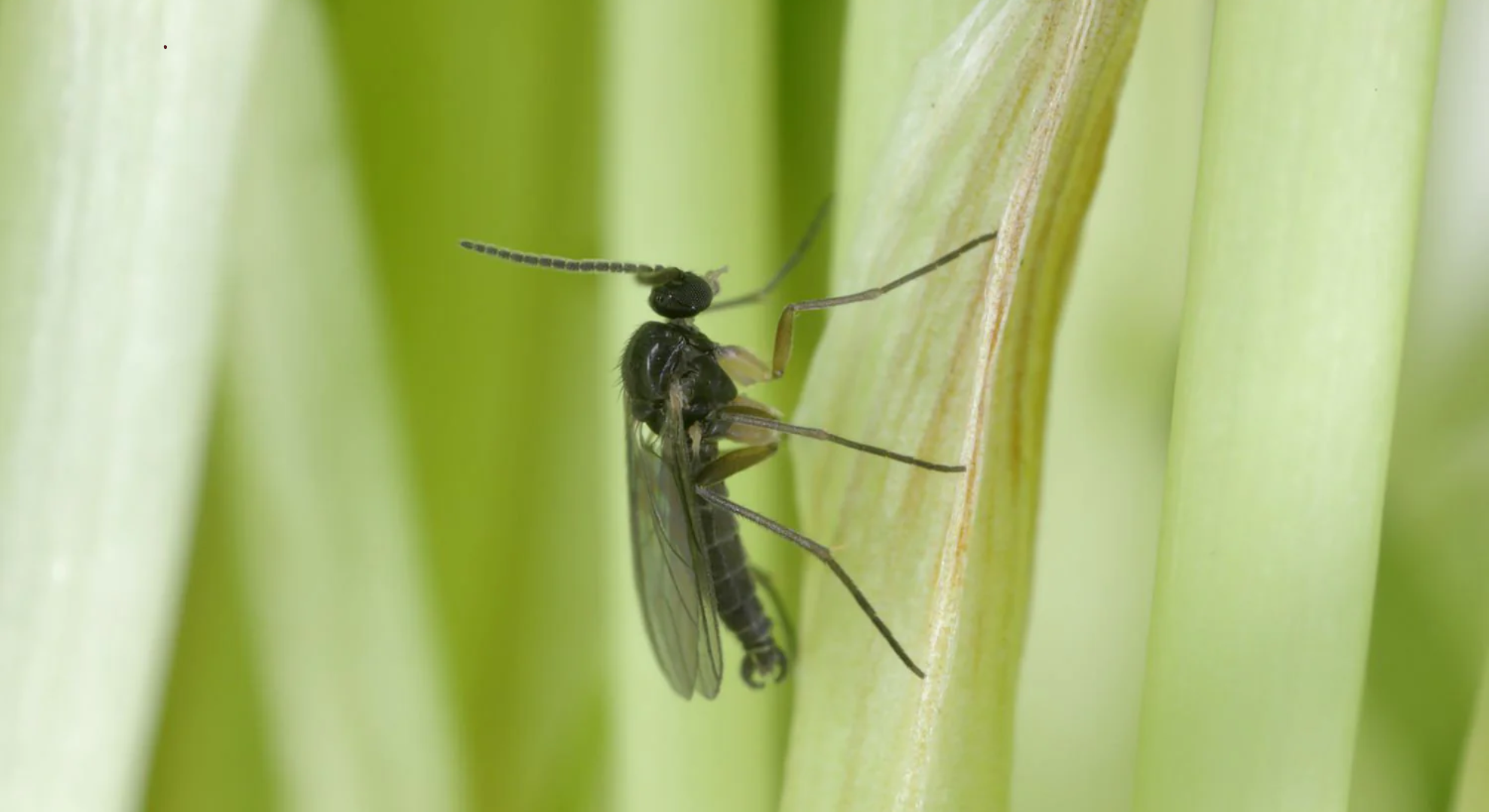
These are one of the most common bugs people notice in indoor plants.
- Bug Name: Fungus Gnat
- Appearance: Tiny black or brown flies, about 1/8 inch long
- Movement Style: Adults fly in short, random bursts
- Where They Live: Larvae live in damp topsoil; adults hover above the plant
- Harmful or Harmless? Harmful – the larvae chew on plant roots
Watch for them when the soil stays too wet. They love moisture.
Springtails

These tiny bugs are often confused with fungus gnats, but they behave very differently.
- Bug Name: Springtail
- Appearance: White, gray, or black; tiny like grains of sand
- Movement Style: Jump when disturbed using a spring-like tail
- Where They Live: Near the top of moist soil and around dead leaves
- Harmful or Harmless? Harmless – they eat fungi and dead stuff
They don’t hurt your plants and are a sign your soil has healthy organic matter.
Root Aphids
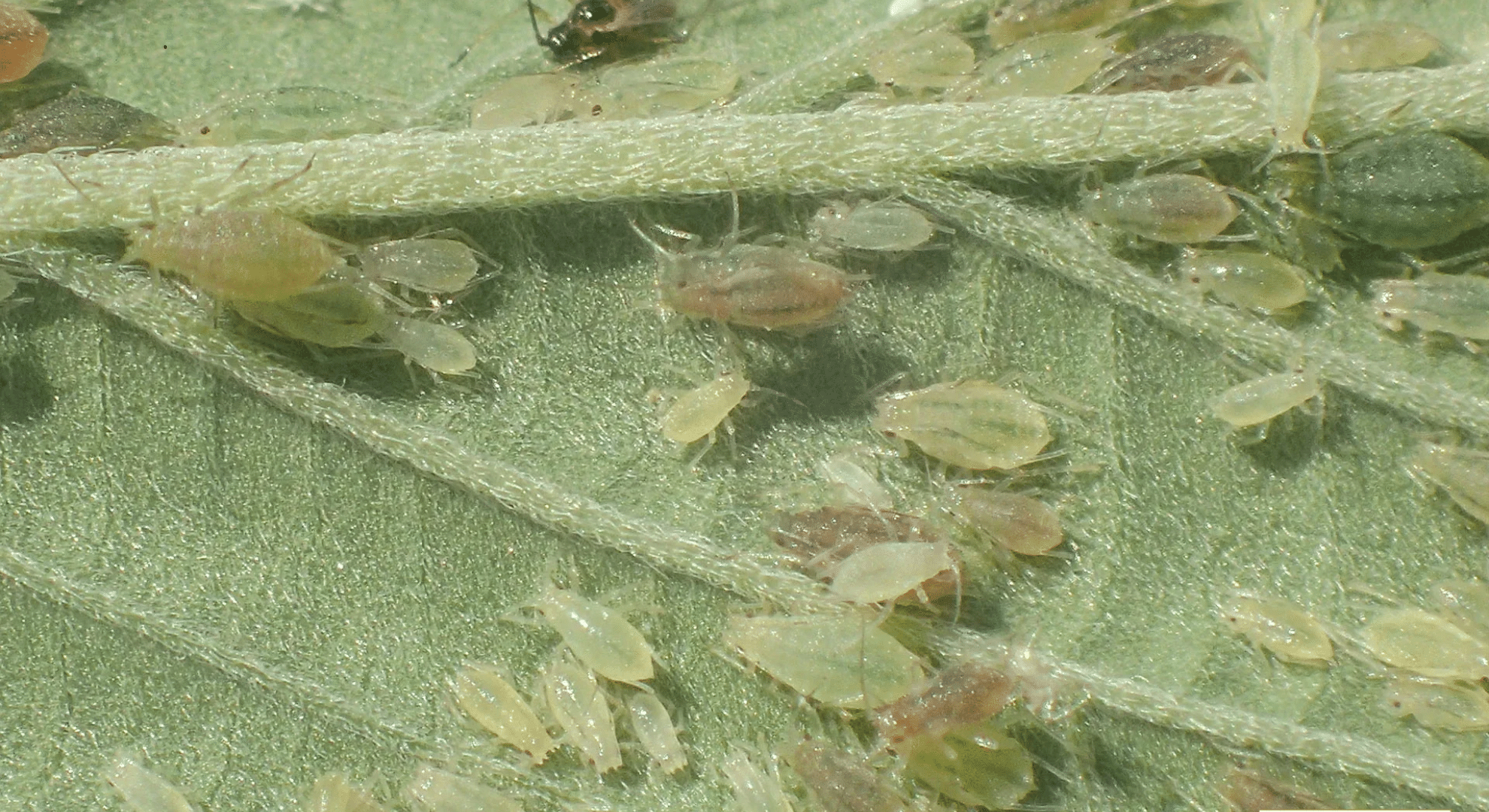
These bugs stay hidden underground, which makes them hard to catch early.
- Bug Name: Root Aphid
- Appearance: Round, pale yellow or green
- Movement Style: Slow crawling
- Where They Live: On or near roots under the soil
- Harmful or Harmless? Harmful – they suck nutrients from roots
If your plant looks weak or isn’t growing well, check for these near the roots.
Soil Mites
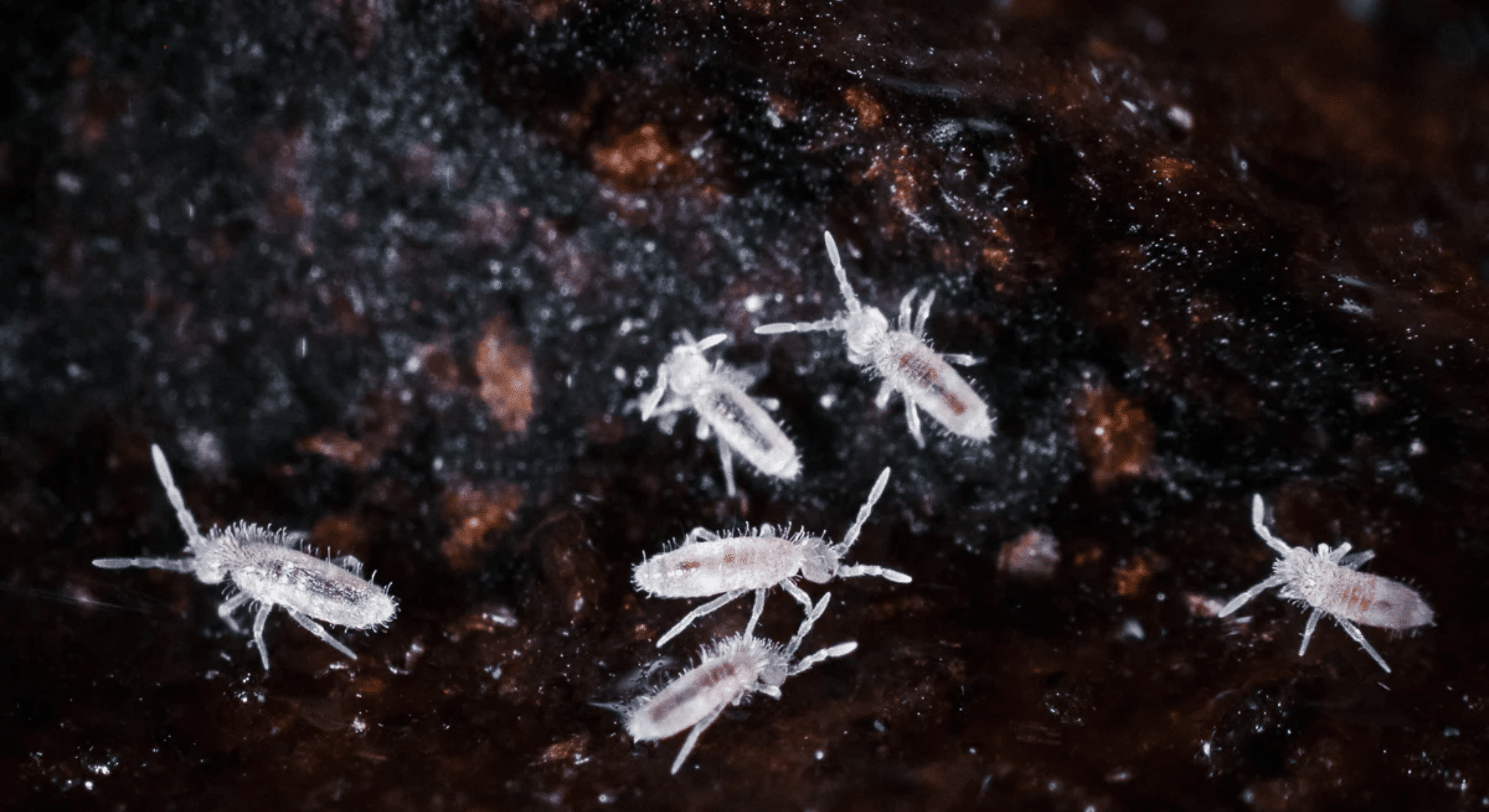
These tiny bugs are usually seen in healthy, living soil. But people often confuse them with pests.
- Bug Name: Soil Mite
- Appearance: White or tan, round, and very small
- Movement Style: Slow crawling
- Where They Live: Anywhere in the soil, especially near decaying material
- Harmful or Harmless? Harmless – they help break down organic matter
No need to worry about these. They help the soil and don’t harm your plants.
Root Mealybugs
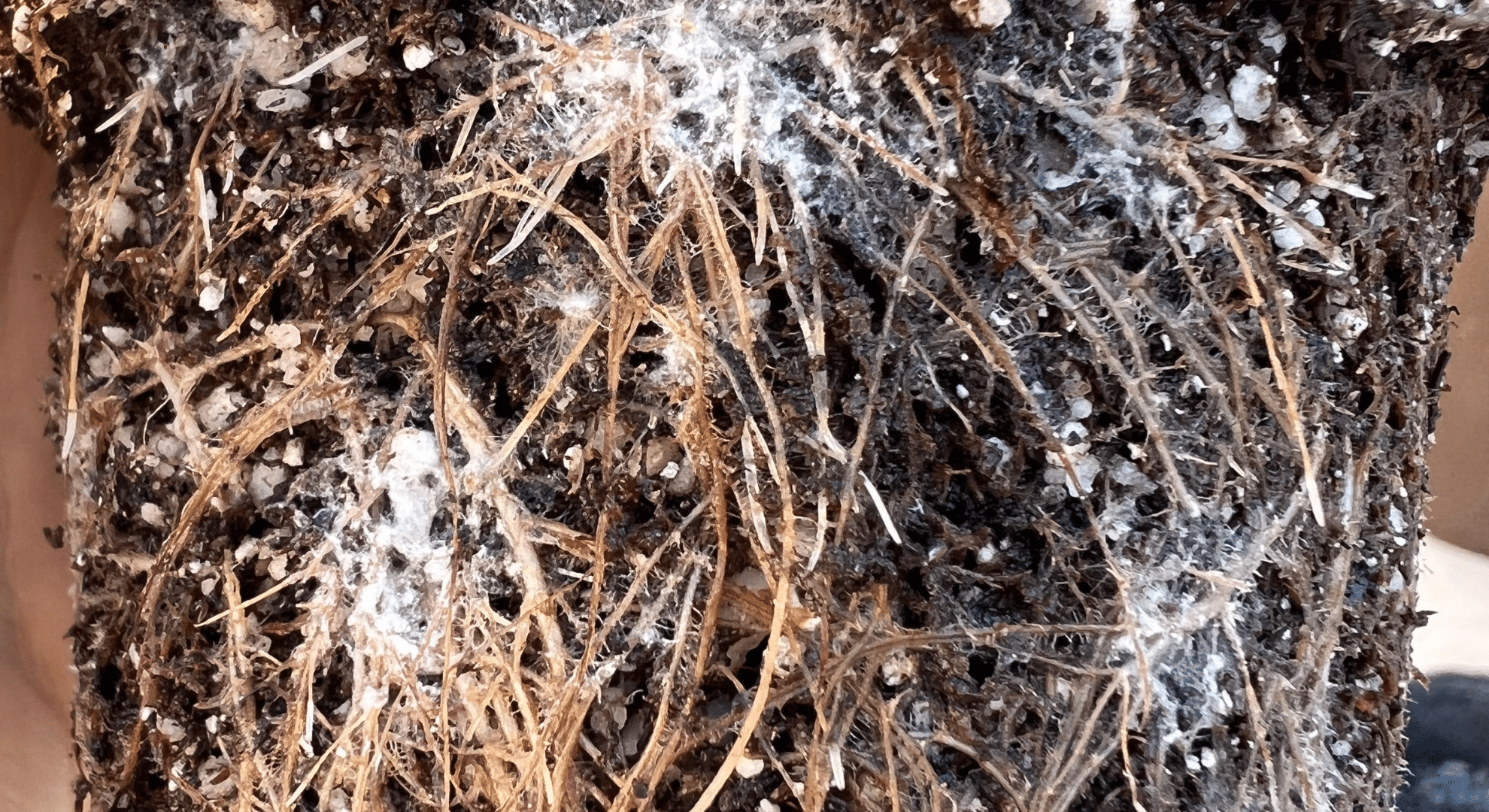
These pests can be hard to spot until your plant starts struggling.
- Bug Name: Root Mealybug
- Appearance: White, soft-bodied with cotton-like fuzz
- Movement Style: Slow crawling
- Where They Live: Deep in the soil, close to the plant’s roots
- Harmful or Harmless? Harmful – they suck sap from roots
If you see a white cotton-like mess near the roots, this could be the cause.
Beetle Larvae (Grubs)

Grubs are common in outdoor pots or garden beds. They usually show up in rich, damp soil.
- Bug Name: Beetle Larvae (Grubs)
- Appearance: White or cream-colored, C-shaped with a brown head
- Movement Style: Slow crawling
- Where They Live: Deeper layers of the soil
- Harmful or Harmless? Harmful – they feed on roots
Too many of these can kill young plants or grass. Keep an eye out when digging.
Centipedes
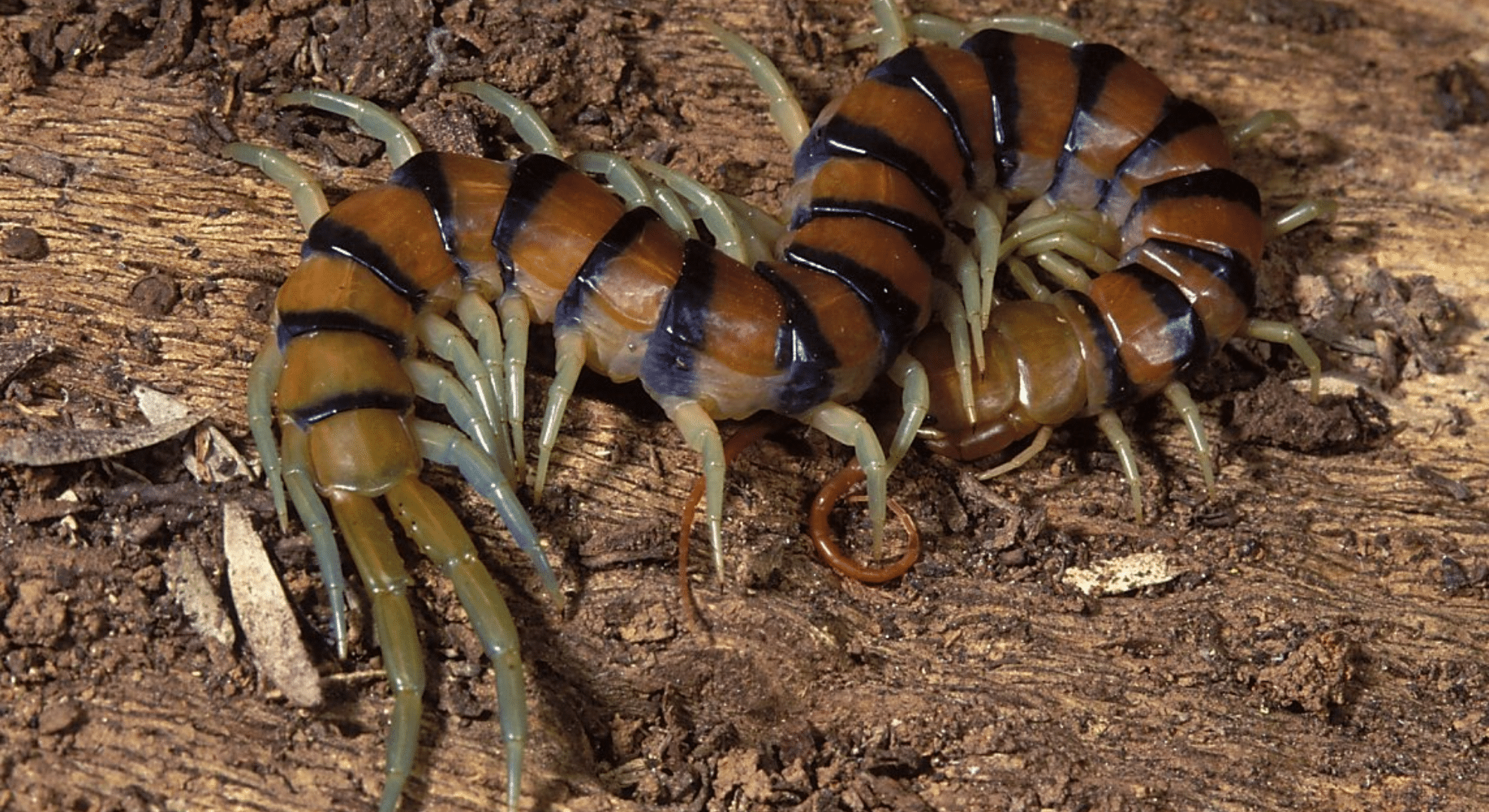
People often worry about these fast-moving bugs, but they aren’t usually a problem for your plants.
- Bug Name: Centipede
- Appearance: Long body, reddish or brown, many legs
- Movement Style: Fast crawling
- Where They Live: Lower soil layers and under pots
- Harmful or Harmless? Harmless – they eat other pests
They’re creepy but useful. Centipedes help control bad bugs in the soil.
Millipedes
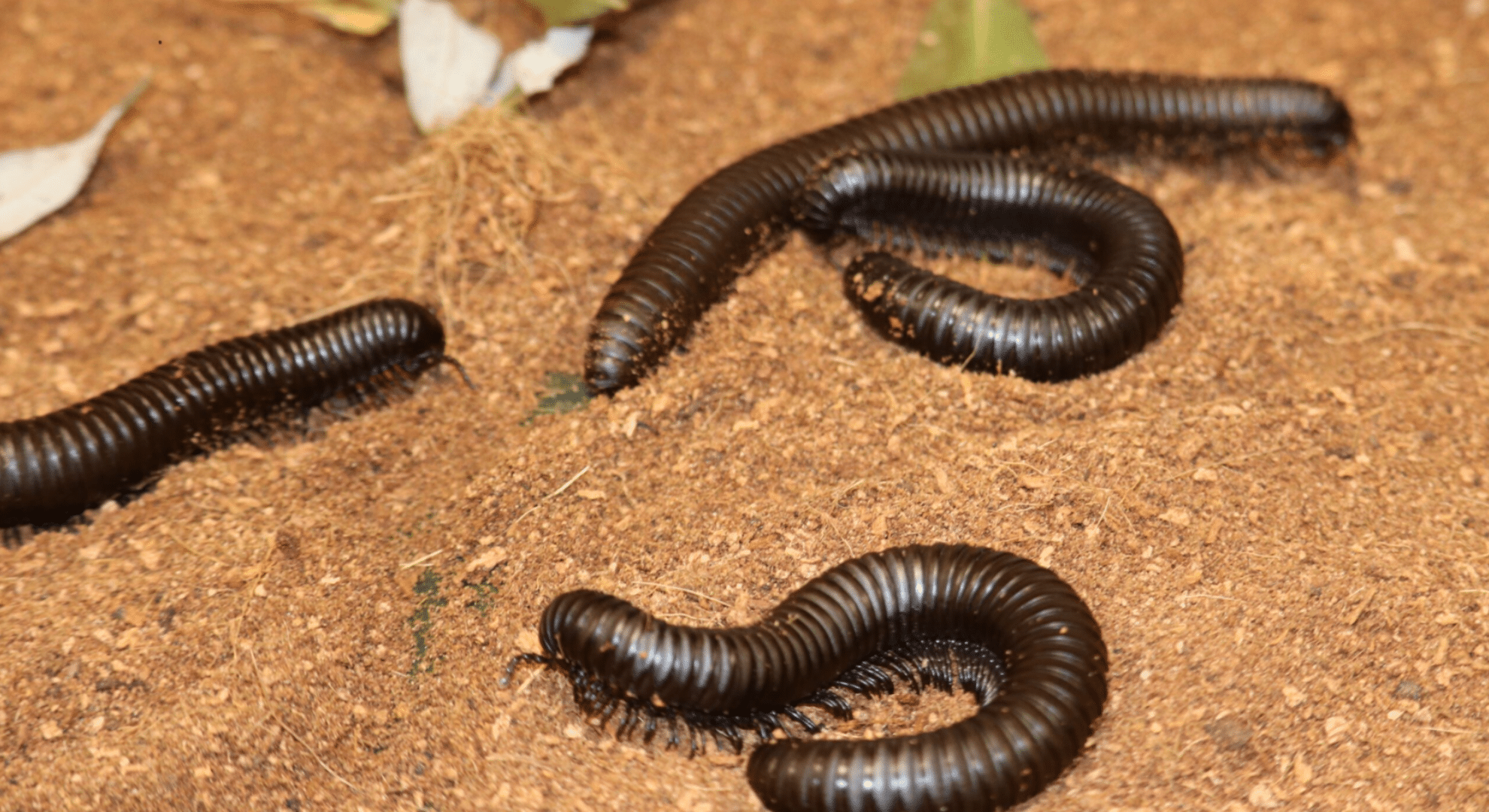
Millipedes show up in damp soil or mulch and move much slower than centipedes.
- Bug Name: Millipede
- Appearance: Long, round, black or brown, many legs
- Movement Style: Slow crawling
- Where They Live: Moist soil and under decaying plant matter
- Harmful or Harmless? Mostly harmless – they feed on dead material
Unless you see too many, they’re not a problem. They help clean up the soil.
Thrips (Soil Stage)

Thrips spend part of their life in soil before they move up to leaves.
- Bug Name: Thrips (Nymphs)
- Appearance: Small, white or yellowish, hard to see
- Movement Style: Quick crawling
- Where They Live: In the soil when young; later move to plant leaves
- Harmful or Harmless? Harmful – both stages damage plants
These bugs are sneaky. They cause tiny scars or silver marks on leaves once they have grown.
Earthworms
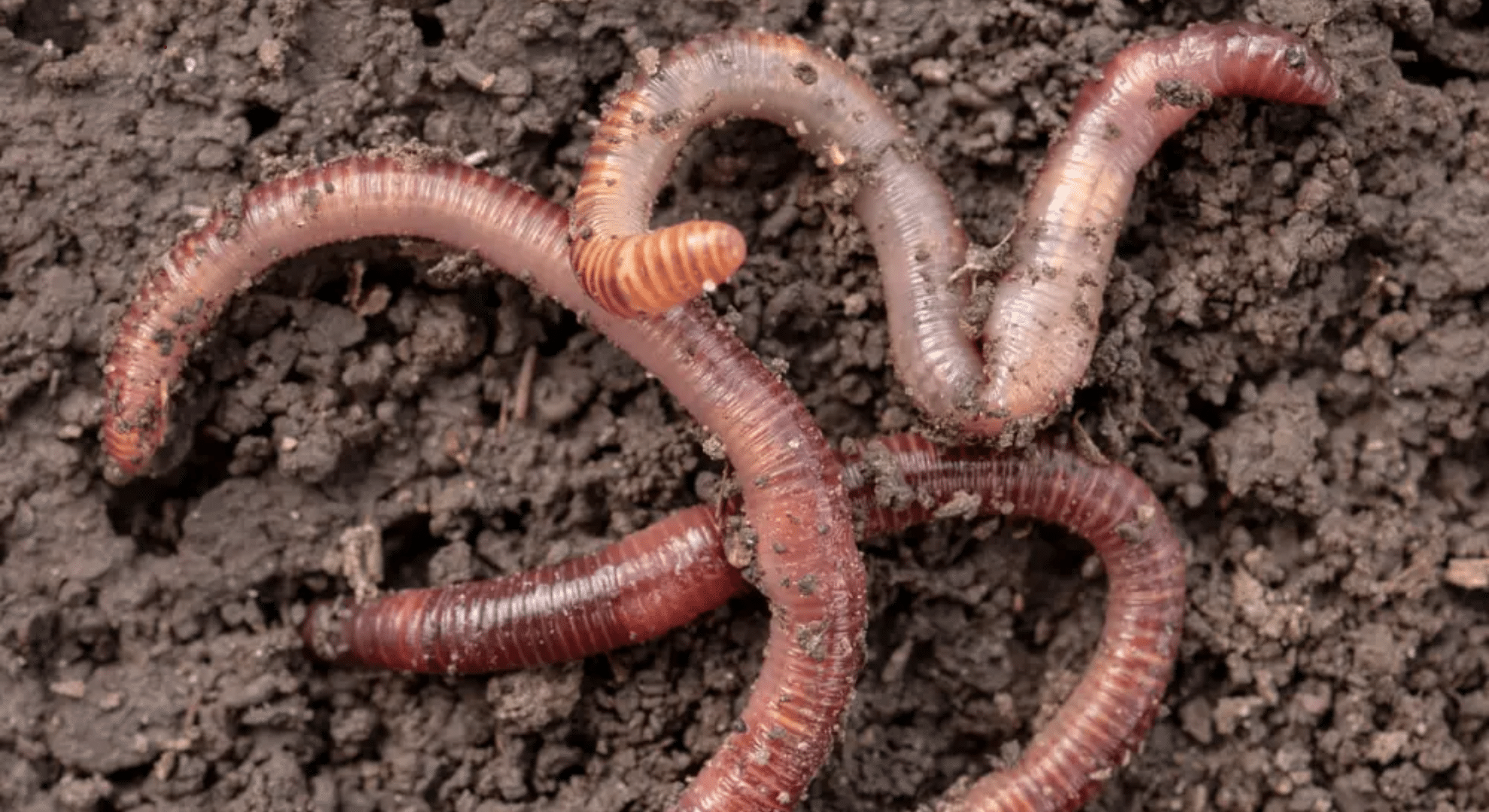
These are the best kind of soil bugs. If you find one, that’s good news.
- Bug Name: Earthworm
- Appearance: Long, soft, and segmented; usually brown or pink
- Movement Style: Slow wiggling or crawling
- Where They Live: Deep, rich, moist soil
- Harmful or Harmless? Very helpful – they improve soil quality
Worms are a sign of healthy soil. They create paths for air and water and help break down waste.
How to Figure Out What Bug You’re Seeing
When you spot a tiny bug in your soil, the first step is to take a close look. Use your phone’s camera and zoom in, or grab a magnifying glass.
Pay attention to the color, size, and shape of the bug. Is it long and thin, or round and tiny? Is it black, white, or see-through? These clues help narrow things down.
Next, watch how it moves. Does it crawl slowly, jump, or fly? Movement style can tell you a lot. For example, if it jumps, it might be a springtail. If it’s flying near the plant, it could be a fungus gnat.
Then check where the bug hangs out. Is it on the surface, deep in the soil, or around the roots? Some bugs stay on top, while others live near the roots or under leaves.
All these little details help you figure out what kind of soil bug you’re looking at.
Soil Bugs by Appearance
Not sure what kind of bug is in your soil? The fastest way to figure it out is by how it looks. This table sorts soil bugs by size, shape, and color to help you match what you’re seeing:
| Bug Name | Looks Like | Moves | Harmful? | Lives In | Category |
|---|---|---|---|---|---|
| Springtail | Tiny, white or gray, oval-shaped | Jumps when disturbed | No | Moist topsoil, leaf litter | Tiny White or Clear Bugs |
| Soil Mite | Very tiny, white or tan, round | Slow crawl | No | All layers of soil | Tiny White or Clear Bugs |
| Root Mealybug | White, fuzzy, soft-bodied | Slow crawl | Yes | Around plant roots | Tiny White or Clear Bugs |
| Root Aphid | Pale green or yellow, round | Slow crawl | Yes | Attached to roots | Tiny White or Clear Bugs |
| Fungus Gnat (Adult) | Small, black, fly-like | Short flying bursts | Not directly | Hovers above soil | Small Flying Insects |
| Other Small Flies | Similar to gnats, may vary in color | Random flying | Varies | Flying near soil | Small Flying Insects |
| Fungus Gnat Larvae | Tiny, clear or white, worm-like | Wiggle in soil | Yes | Top layer of moist soil | Worm-Like Bugs or Larvae |
| Wireworm | Stiff, yellow-brown, shiny | Slow crawl | Yes | Deep in soil | Worm-Like Bugs or Larvae |
| Cutworm | Fat, gray or brown, curled up | Slow crawl | Yes | Near base of plant in soil | Worm-Like Bugs or Larvae |
| Grub (Beetle Larva) | White, C-shaped, brown head | Slow crawl | Yes | Lower layers of soil | Worm-Like Bugs or Larvae |
| Earwig | Brown, long body, pincers at back | Slow crawl | Sometimes | Hides in soil or under pots | Slow-Moving Brown or Reddish Bugs |
| Beetle Larvae | Hard-bodied, brownish | Slow crawl | Yes | Deep soil, around roots | Slow-Moving Brown or Reddish Bugs |
| Slug | Soft, slimy, gray or brown | Very slow crawl | Yes | Soil surface, active at night | Slow-Moving Brown or Reddish Bugs |
| Earthworm | Long, pink or brown, segmented | Wiggles and crawls | No | Deeper layers of healthy soil | Helpful Worm-Like Bugs |
| Centipede | Long, flat body, many legs, reddish | Fast crawl | No (to plants) | Lower soil or under pots | Helpful Predators |
| Millipede | Long, round body, many legs, dark brown | Slow crawl | No | Moist soil and compost | Helpful Decomposers |
This table gives you a quick way to match what you see with what the bug might be. Once you know what you’re dealing with, you’ll have a better idea of whether to leave it alone or take steps to remove it.
Let me know if you’d like help with natural ways to get rid of the harmful ones.
Soil Bugs by Plant Symptoms
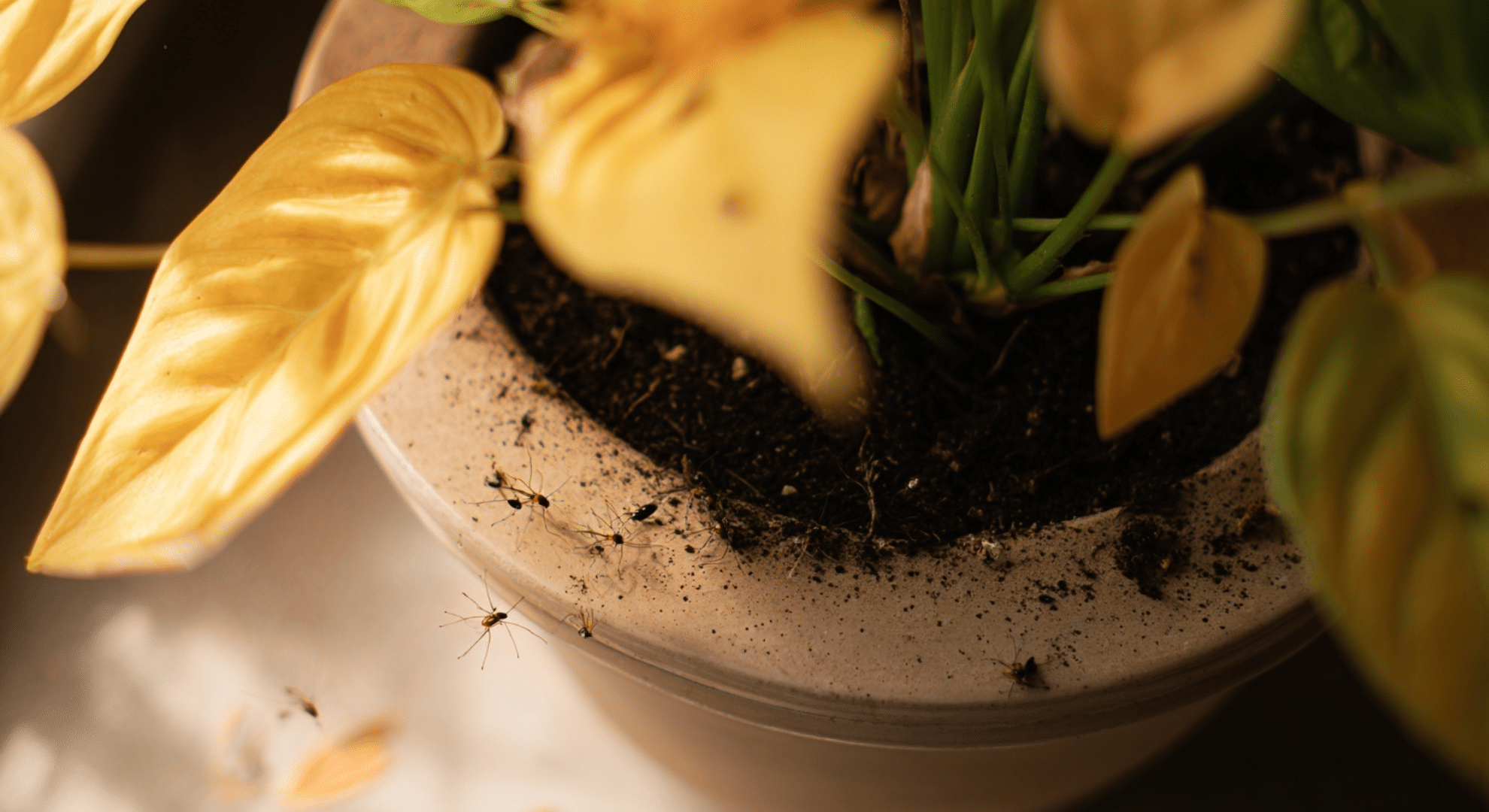
Sometimes, you don’t see the bugs right away, but your plant starts acting strange. The way your plant looks can give clues about what’s hiding in the soil.
If your plant has yellowing leaves, looks droopy even when watered, or grows slower than usual, you might be dealing with bugs like root aphids or fungus gnat larvae. These pests feed on roots and block the plant from taking in water and nutrients.
If you notice sticky leaves, mold on the soil, or tiny flies buzzing around, fungus gnats are likely the problem. They lay eggs in damp soil, and their larvae harm young roots.
Wilting after repotting may point to root mealybugs hiding deep in the soil. They’re hard to spot but cause big damage.
When plants show symptoms like these, gently check the soil. A closer look often reveals the bugs causing the trouble.
Houseplant Soil Bugs vs. Garden Soil Bugs
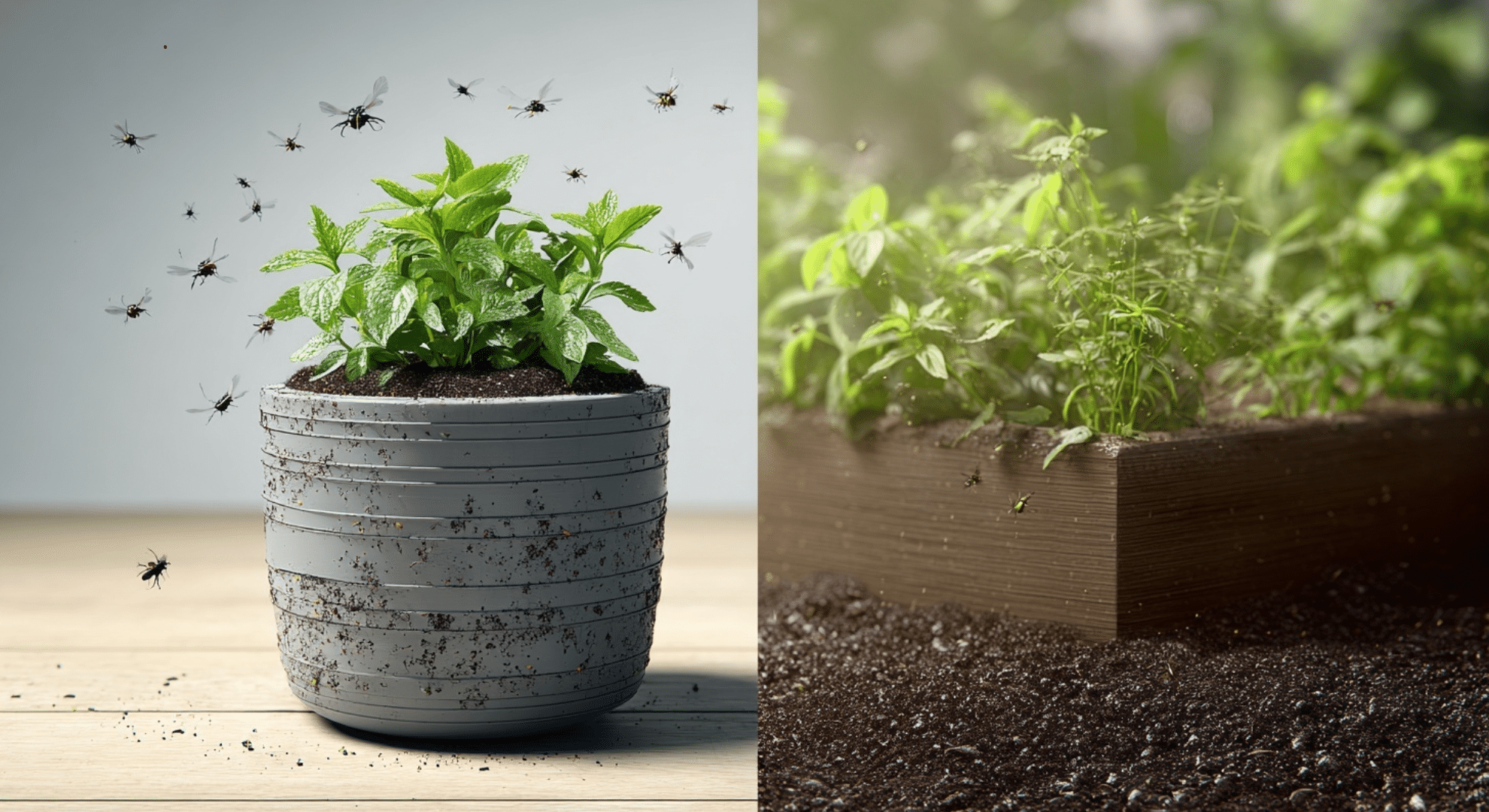
Soil bugs show up in both houseplants and gardens, but the types and causes are often different.
Houseplant bugs usually come from overwatering, poor drainage, or bringing plants inside with hidden pests. Common indoor bugs include fungus gnats, soil mites, and root aphids. These bugs thrive in damp, closed spaces where air doesn’t flow well. Because houseplants are in containers, bugs can multiply fast and hurt the plant before you notice.
Garden soil bugs, on the other hand, live in a much larger space with natural predators and better air flow. Bugs like grubs, cutworms, and earwigs are more common outside. Some garden bugs eat roots, but others help break down dead material.
The main difference is that garden soil usually balances itself over time, while houseplant soil needs more care to stay pest-free. Watching soil moisture and checking new plants helps in both places.
Soil Bugs That Are Actually Good for Your Plants
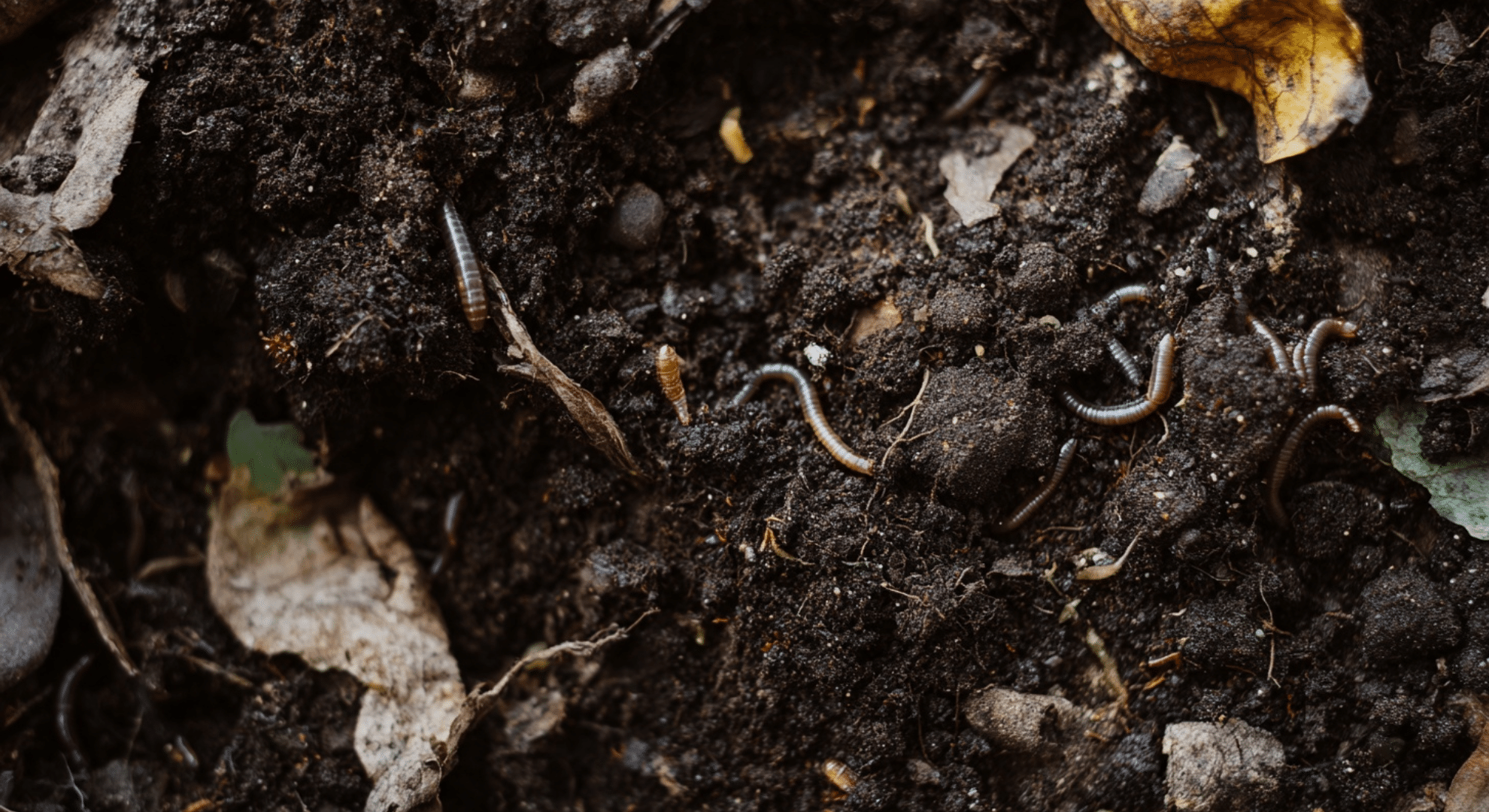
Not all bugs in your soil are bad. In fact, some are a sign of healthy, living soil. These bugs break down old roots, dead leaves, and waste, turning them into nutrients your plants can use.
Others help by keeping harmful pests under control. If you see these bugs, you don’t need to get rid of them, they’re doing helpful work underground.
Here are a few soil bugs that are good for your plants:
- Earthworms: Loosen the soil and add nutrients as they move and feed
- Soil mites: Break down organic matter and clean up fungi
- Springtails: Eat mold and dead plant bits without harming roots
- Centipedes: Hunt and eat other pests like larvae and small insects
- Millipedes: Feed on dead plant material, helping compost form naturally
These bugs may look strange, but they’re part of a healthy soil system. Let them do their thing.
How to Get Rid of Harmful Soil Bugs
Getting rid of harmful soil bugs takes a mix of simple steps, and it depends on whether your plant is indoors or outside.
For indoor plants, the first thing to do is let the top inch or two of soil dry out. Most harmful bugs, like fungus gnat larvae and root aphids, need damp soil to survive.
Drying it out slows them down or kills them. You can also place sticky traps near the plant to catch flying insects like adult gnats.
If bugs are deep in the soil, try bottom watering or flushing the pot with clean water to drive them out. Replacing the top layer of soil or repotting with a fresh, clean mix can also help.
For outdoor gardens, keep the area clean of rotting leaves and soggy spots. Add beneficial bugs like nematodes or ladybugs to help fight off harmful ones.
Sprinkling food-grade diatomaceous earth on the soil surface is another option. It’s safe for plants but damages soft-bodied pests like grubs and fungus gnat larvae.
In both cases, avoid harsh chemicals, especially inside. Most bug problems start with too much moisture, so watch your watering habits. With a few steady changes, you can protect your plants and keep the soil balanced.
Conclusion
Learning soil bugs identification helped me stop guessing what was happening in my garden.
Now, I understand what the bugs are telling me about the soil: what’s healthy, what’s off, and what needs fixing. You’ve got that same knowledge now.
Use it the next time you’re outside. Take a closer look. Notice what’s moving.
Bugs don’t show up for no reason. They’re signs, simple, clear signs of what’s going on under the surface. Keep paying attention to them.
It’s one of the easiest ways to take better care of your soil. If you want more clear, simple help like this, check out other blogs on the website. There’s plenty more to learn, and it’s all stuff you can use right away!





One Response
I see the insect in my raised bed garden. It is whitish, about a 1/4 in. It crawled very fast, it is found mostly in the moist section of soil. It has what appeared to be two tiny antennas, several dual legs and a translucent looking pouch in the rear. It eats the roots of my young plants. I wish to identify it and destroy or control it before planting.
Any advise would be helpful.