Creating a fence around your home can feel like a big project, especially when you want privacy, beauty, and function without spending too much.
Many homeowners start searching for diy fence ideas after realizing their yard needs a personal touch or a smarter layout.
I love showing people that DIY fencing does not need to feel overwhelming or complicated.
With simple steps and the right approach, building something with your own hands can bring real pride and a deeper connection to your outdoor space.
Below, I have shared diy fence ideas that suit different spaces and skill levels, helping beginners feel confident as they turn ordinary yards into welcoming areas filled with creativity, comfort, and lasting memories.
What Makes a Good DIY Fence?
A good DIY fence idea should balance purpose, durability, appearance, and cost. Before starting any project, think about why you need the fence and what you want it to achieve.
A privacy fence should block views, while a garden fence may only need to protect plants or define an outdoor area.
But the right fence should also match your skill level, available tools, and budget.
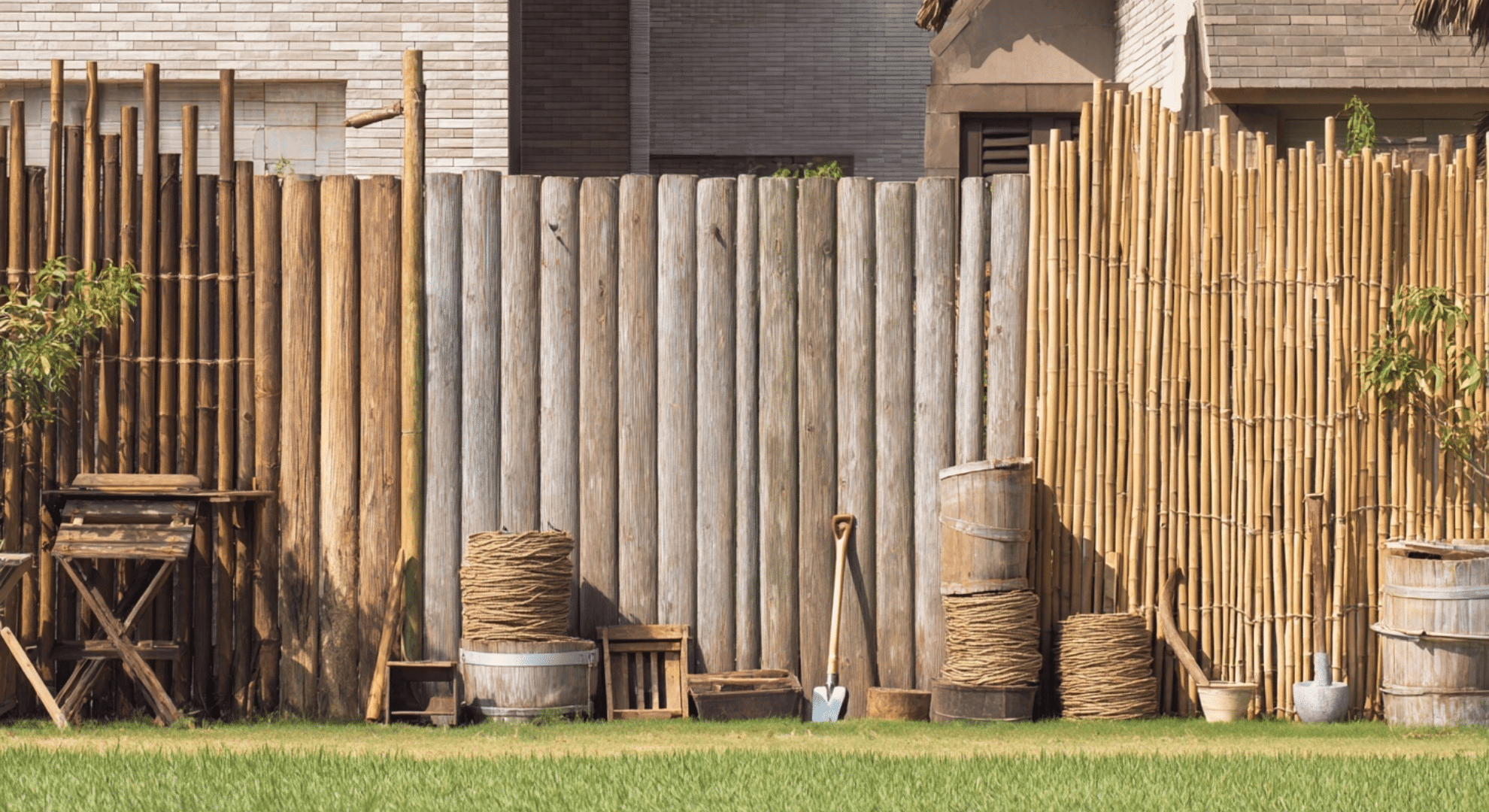
Choosing suitable materials helps improve strength and reduce future maintenance needs. Wood, metal, bamboo, and recycled materials all offer different benefits depending on your needs.
A well-planned DIY fence should be easy to install, strong enough to handle weather conditions, and complement the style of your yard.
Proper planning makes the project smoother and more successful.
Simple DIY Fence Ideas You Can Build
You don’t need to be a pro or spend a lot to build a good fence. These ideas are made for real people with real budgets, and they actually work. Pick one that fits your space, grab some tools, and start building:
1. Lean-To Privacy Fence Panels
Build angled fence panels that tilt slightly inward to create better coverage and limit outside visibility. This design blocks views more effectively than traditional flat panels while using fewer boards and less material.
It is a practical option for homeowners who want privacy without increasing the overall project cost. Lean-to panels work especially well in corners, side yards, patios, or areas where neighbors are close by.
The design is simple enough for DIY builders and can be completed using standard lumber, screws, and basic woodworking tools.
2. Staggered Height Wood Fence
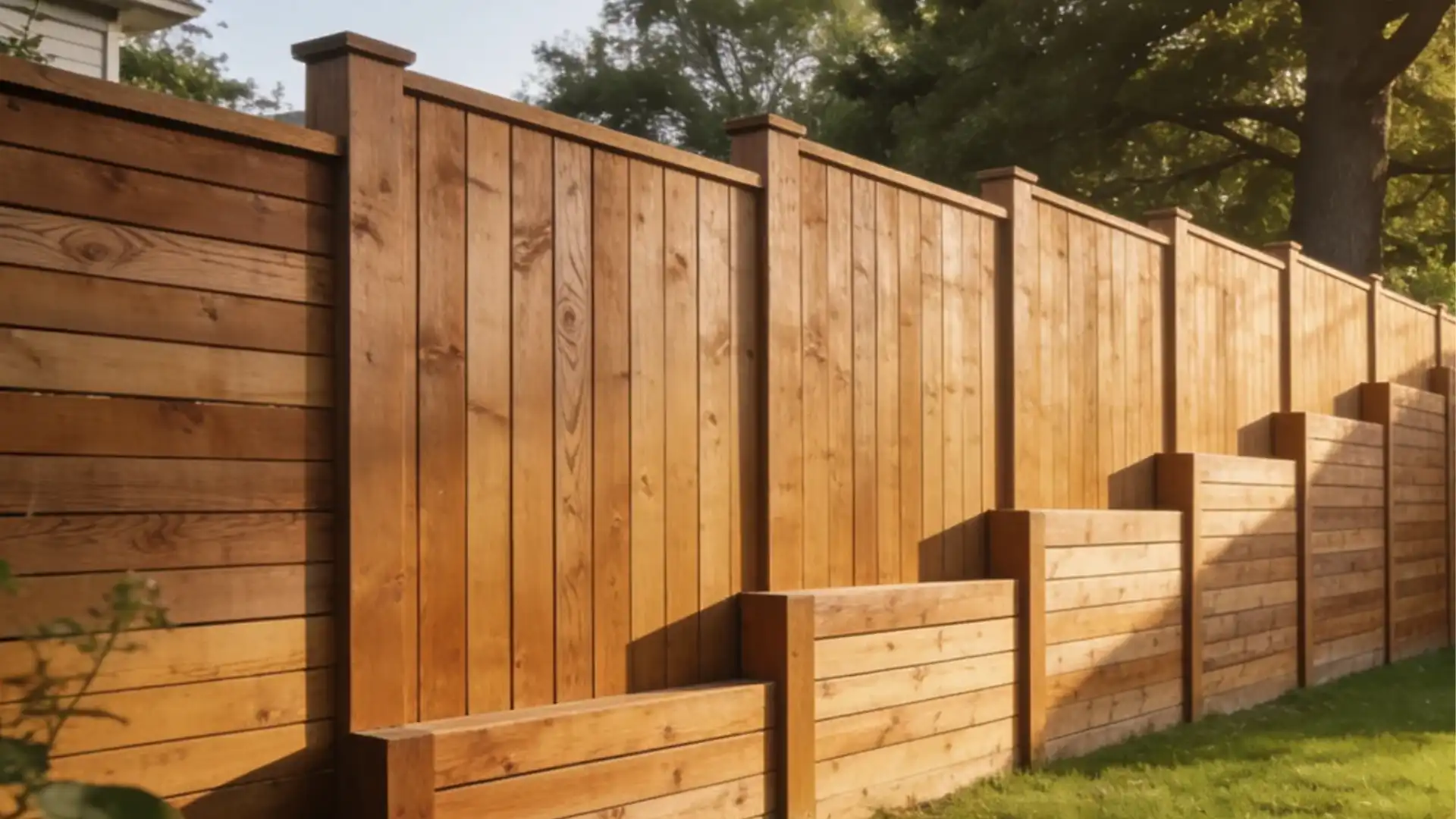
Instead of installing fence boards at one uniform height, use a staggered design with alternating tall and short sections.
This approach reduces material costs while still creating privacy in the areas where it is needed most. The varying heights add texture and visual appeal, making the fence look more custom and less traditional.
These DIY fence ideas work well for yards that do not require complete privacy coverage but still need some separation from surrounding spaces.
3. Corrugated Metal and Wood Frame Fence
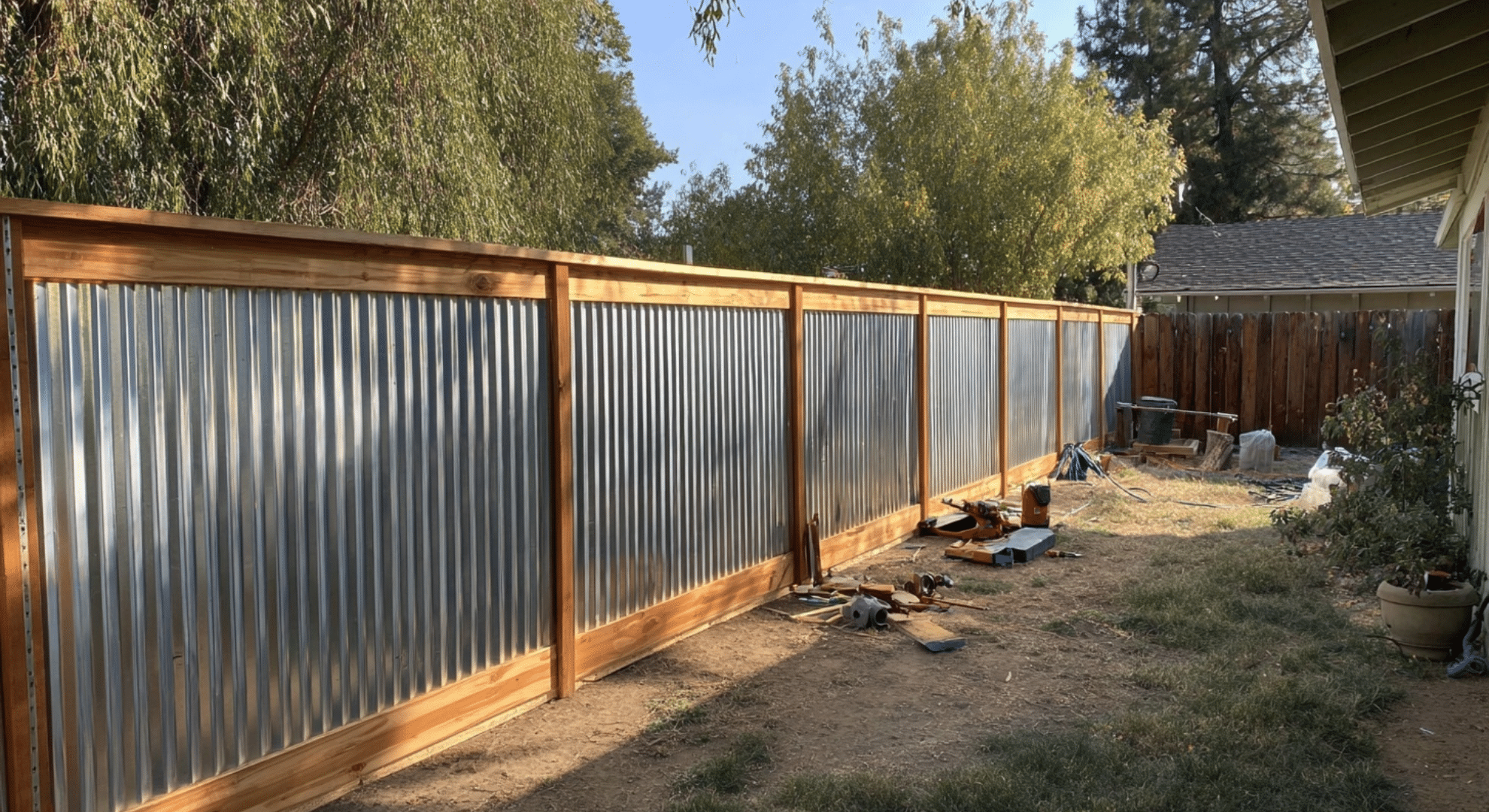
Frame corrugated metal sheets with simple wooden boards to create a durable, modern-looking fence. This combination of materials provides a strong structure while adding a stylish industrial touch to your outdoor space.
The metal panels offer excellent privacy by blocking outside views and can handle different weather conditions with proper installation.
This design works well for backyard boundaries, patios, and contemporary landscapes where you want privacy without sacrificing appearance.
4. No-Dig Concrete Block Fence
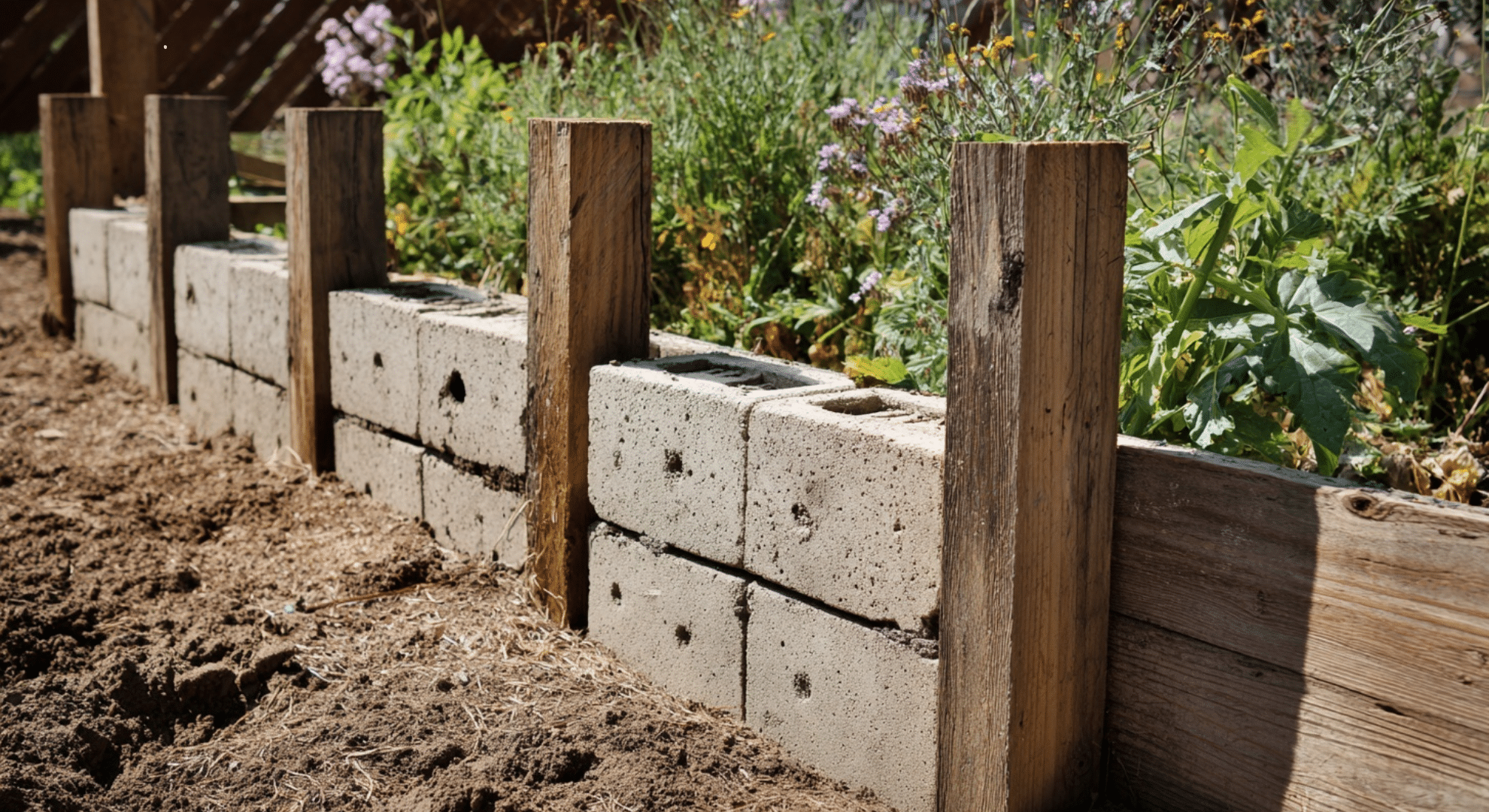
Stack hollow concrete blocks and place wood posts through the openings to create a stable fence without digging deep holes or pouring concrete.
This method reduces installation time and makes the project easier for beginners. The blocks provide a strong base, while the wooden sections add warmth and visual appeal.
It is a useful option for renters, temporary fencing needs, or homeowners who want flexibility for future changes.
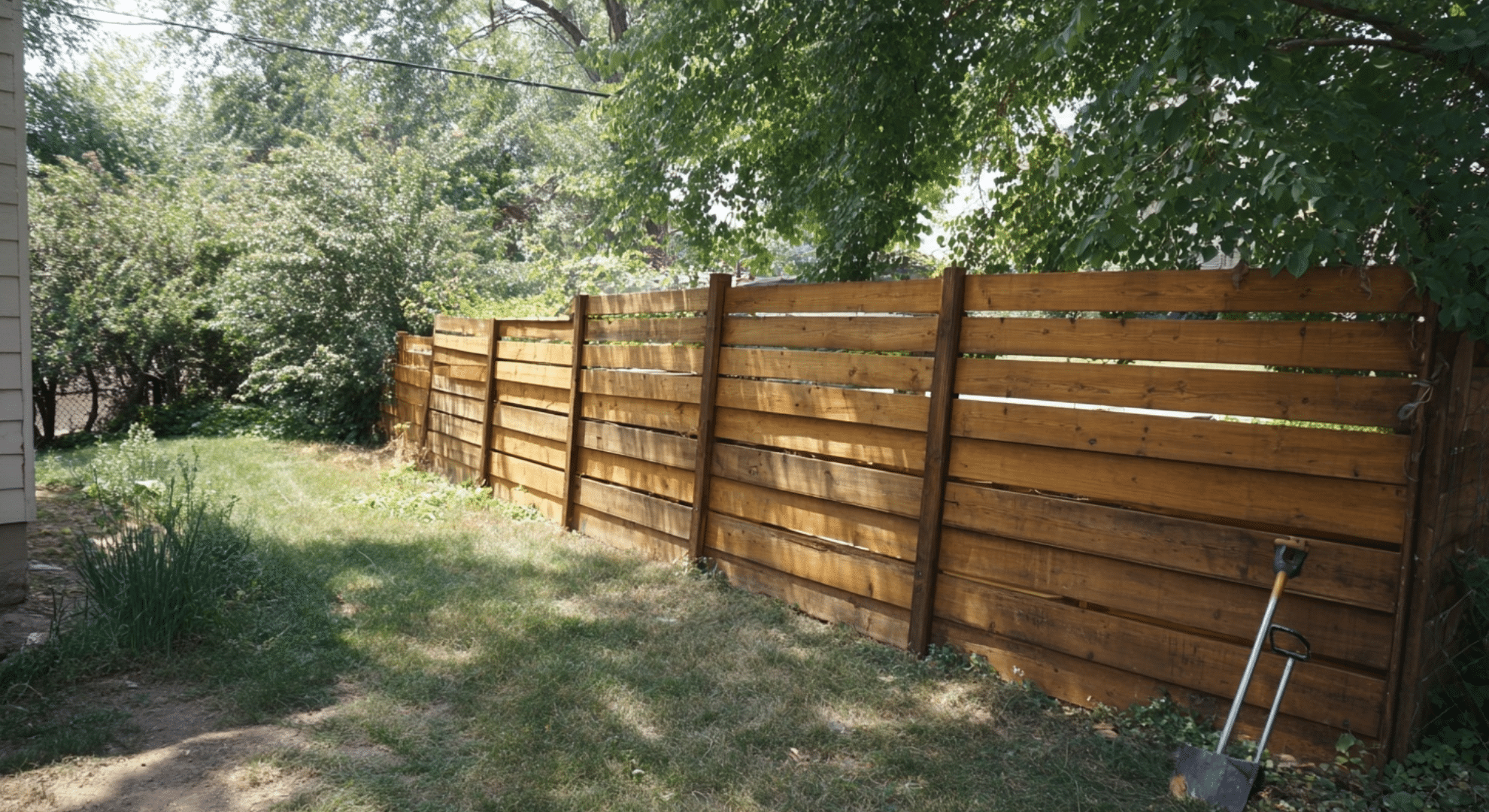
5. Horizontal Fence With Spaced Boards
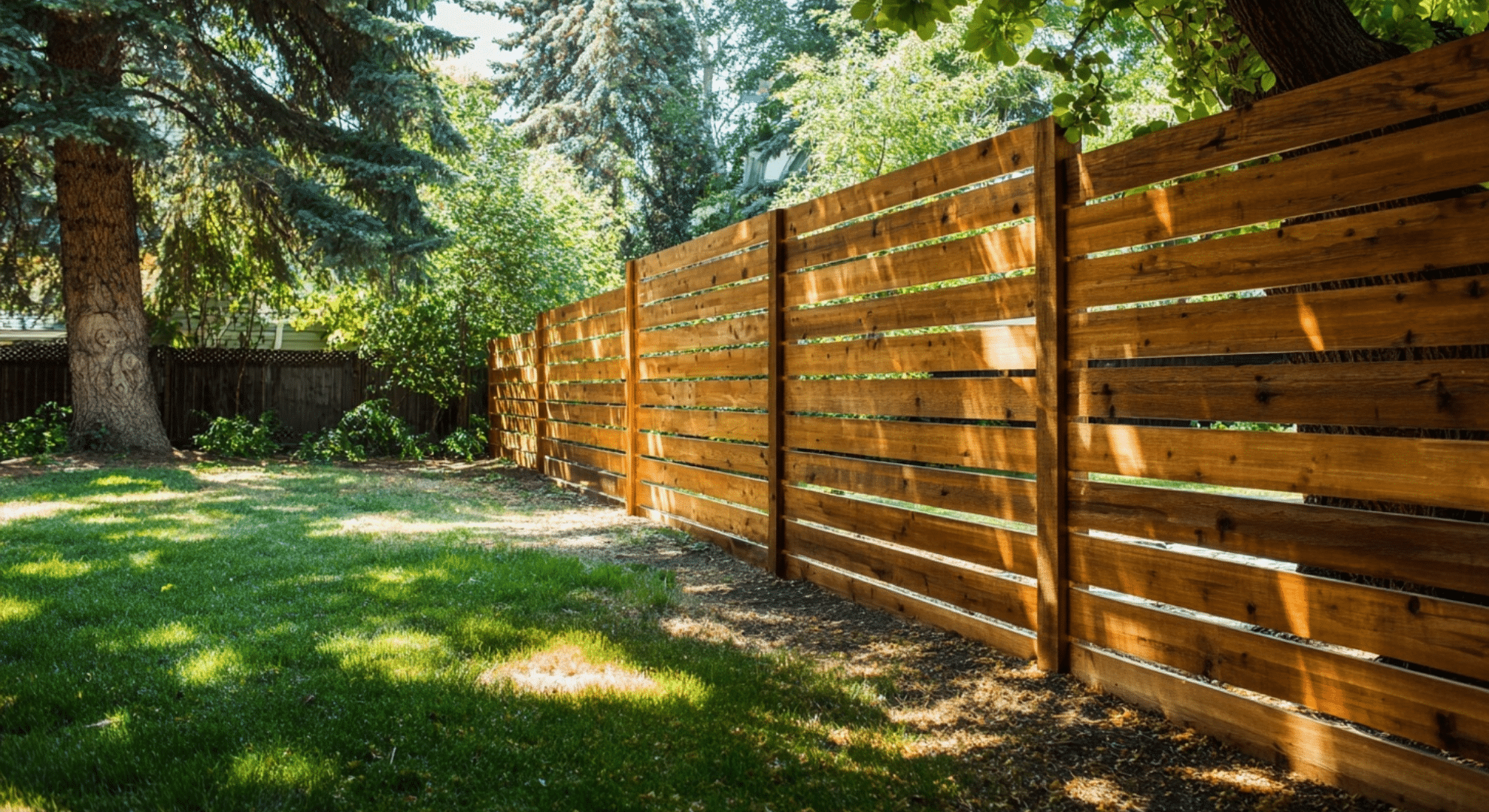
Lay fence boards horizontally, leaving small gaps between each piece to create a clean, modern outdoor barrier. This design uses fewer boards while still providing privacy when viewed from certain angles.
The open spacing also improves airflow, making it a practical choice for warm climates where ventilation matters.
It works well around patios, gardens, and backyard areas where you want a balance between openness and separation.
6. Rope and Wood Post Fence Screen
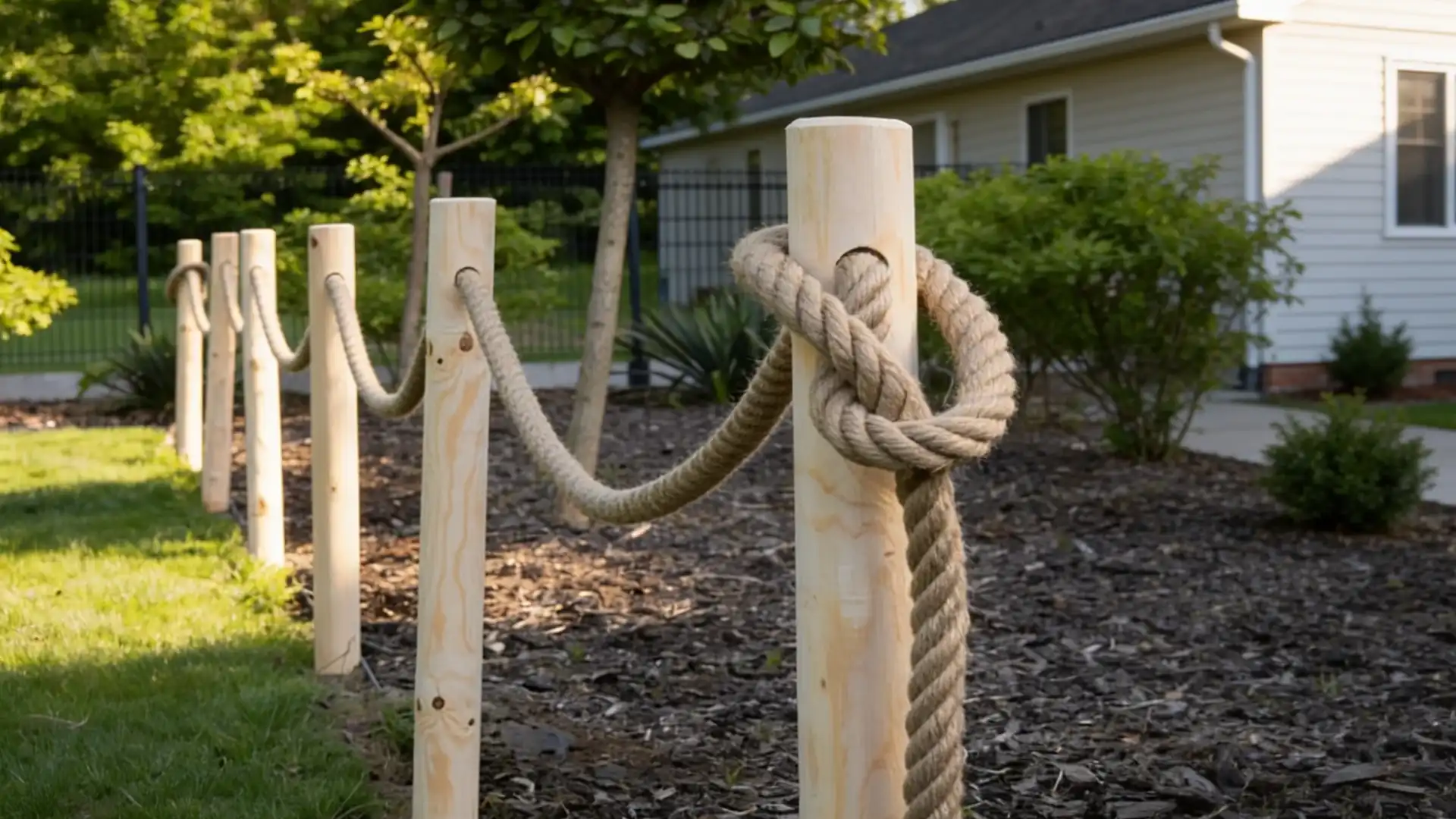
Stretch a thick outdoor rope between upright wooden posts to create a simple, decorative fence screen.
This creative design works well for light privacy, for separating outdoor areas, or for adding a coastal, natural look to your yard.
If you want more structure than a single rope line offers, trellis panels built for climbing plants give the vines something sturdier to hold onto while keeping the same open feel
7. Sliding Panel Privacy Fence
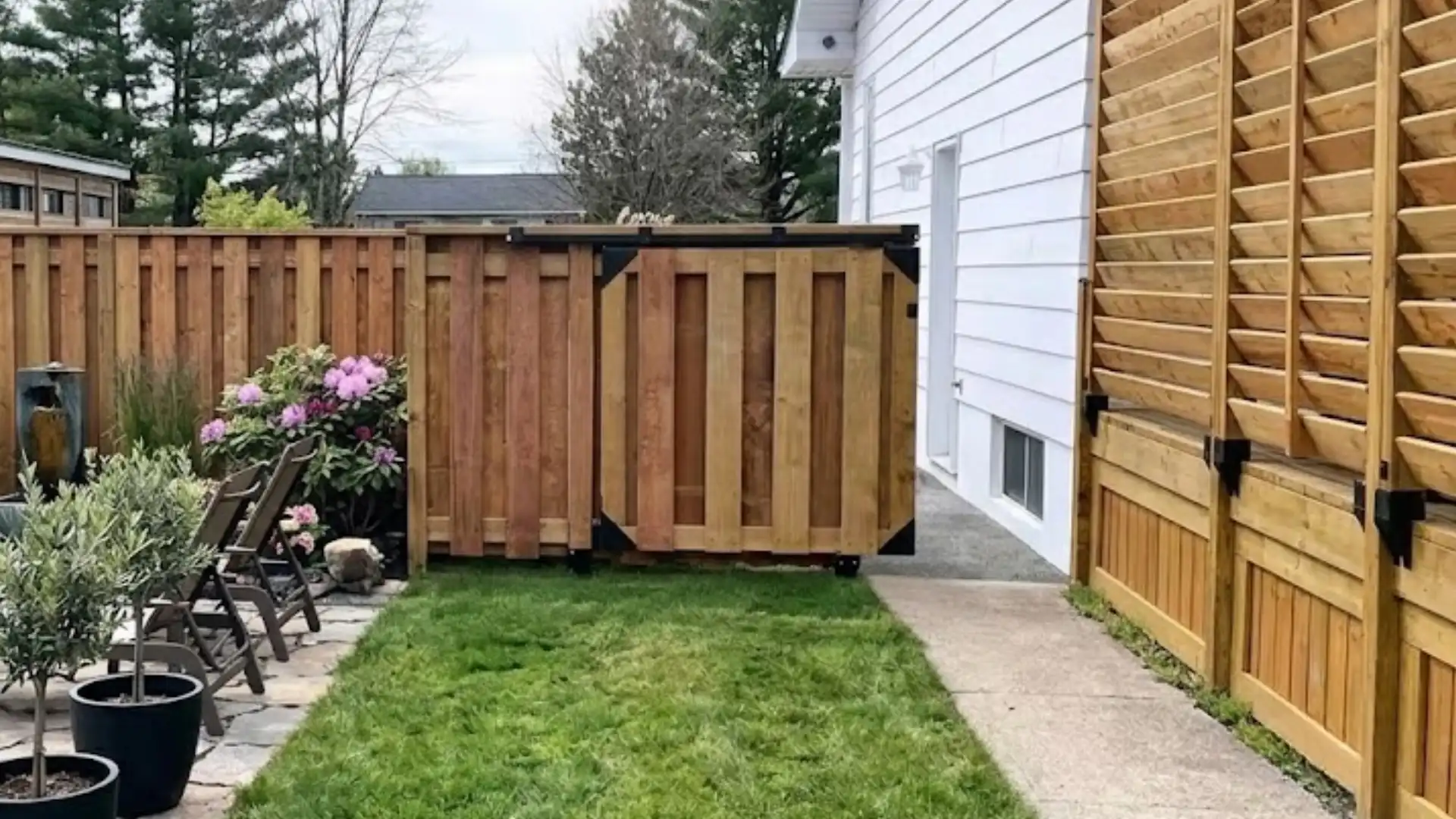
Create movable fence panels that slide along a track to open or close whenever needed.
This flexible design is ideal for patios, decks, and small outdoor spaces where full-time privacy is not always necessary.
Sliding panels allow you to control sunlight, airflow, and visibility based on the situation. These diy fence ideas are especially useful for renters or homeowners who want a customizable solution without having to build a permanent structure.
8. Fence Made From Old Doors
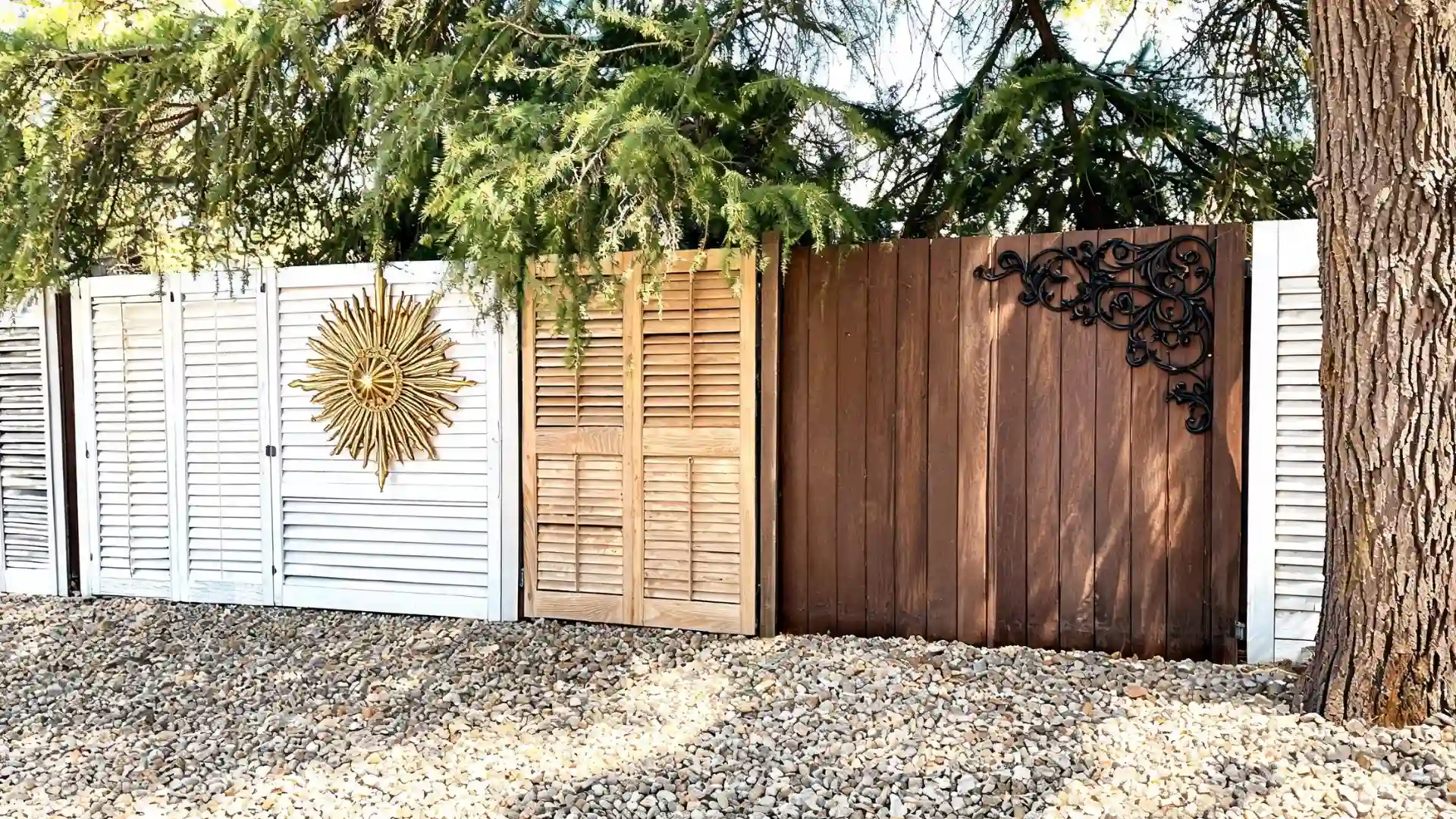
Line up used or salvaged doors side by side on a sturdy wooden frame to create a unique, eye-catching backyard fence.
This design provides instant height and solid coverage, making it useful for privacy areas, garden boundaries, or outdoor seating spaces.
Old doors can often be found at thrift stores, salvage yards, or renovation sites at a low cost, making this an affordable DIY option.
9. Mixed Board Fence
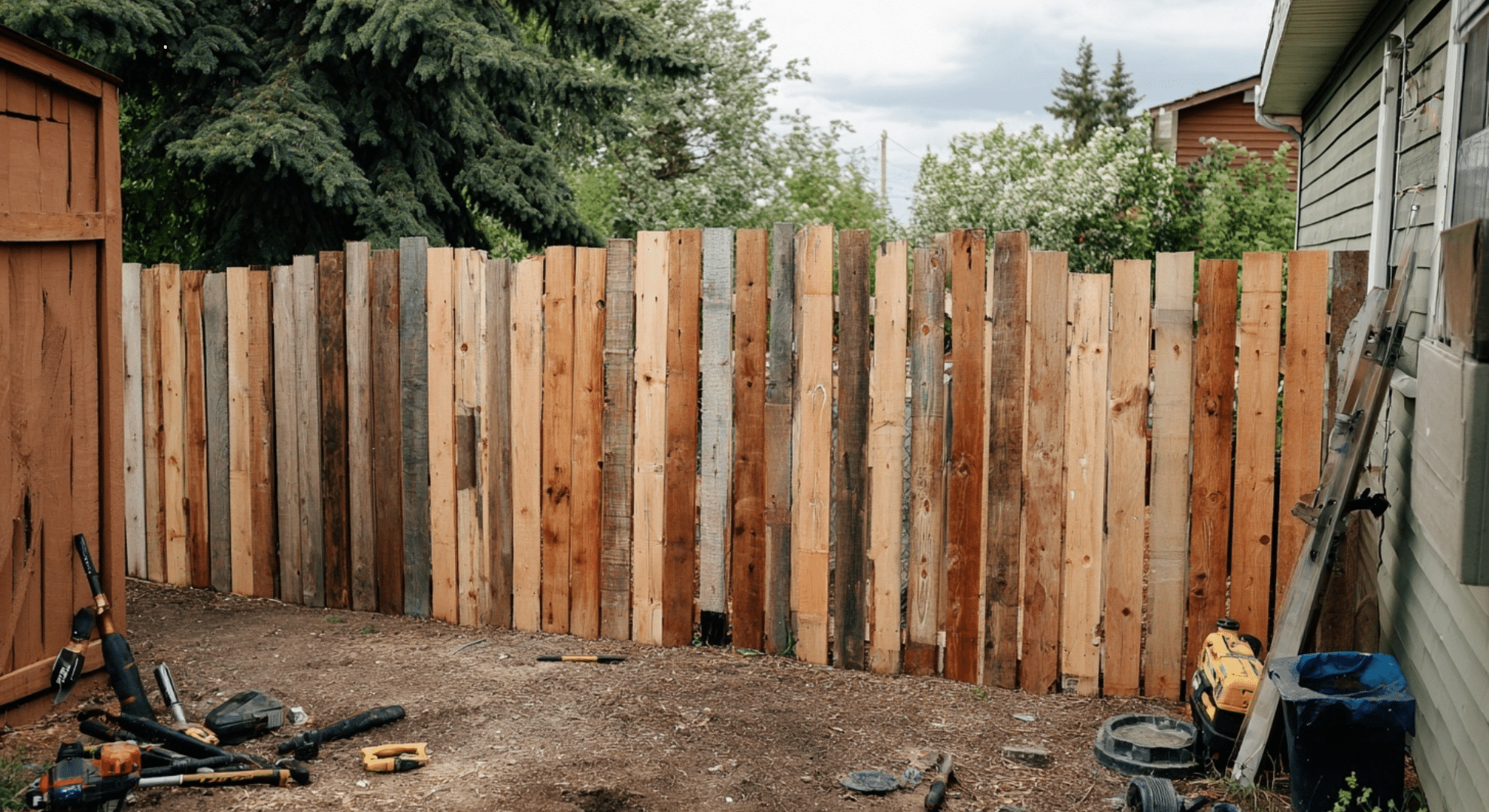
Use leftover fence boards or wood pieces to create a practical and visually interesting fence design.
Instead of buying perfectly matched materials, this approach helps reduce waste and save money by using what you already have.
Here, the varied board sizes create a simple patchwork appearance while still providing strong privacy and coverage. It is a great option for DIYers who enjoy a more creative and less uniform style.
10. Bamboo Roll Fence With Wood Frame
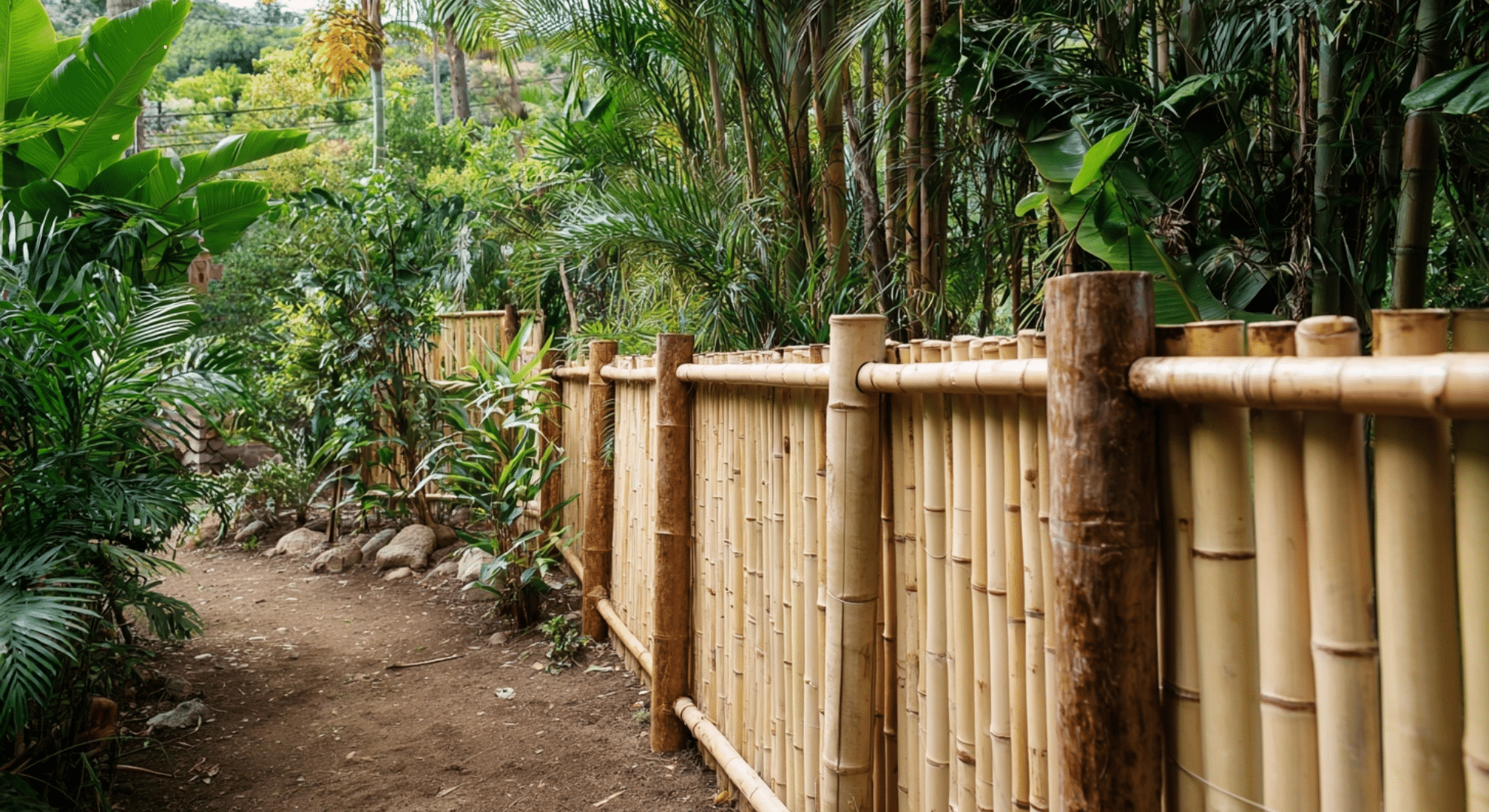
Attach bamboo fencing rolls to a simple wooden frame or to existing fence posts to create an affordable, natural privacy solution.
Bamboo is lightweight, easy to handle, and requires fewer tools compared to heavier fencing materials. Despite its thin appearance, tightly packed bamboo can block outside views effectively while adding a warm, organic feel to your backyard.
This design works well for patios, garden areas, balconies, and temporary privacy needs.
11. Half-Solid, Half-Open Fence
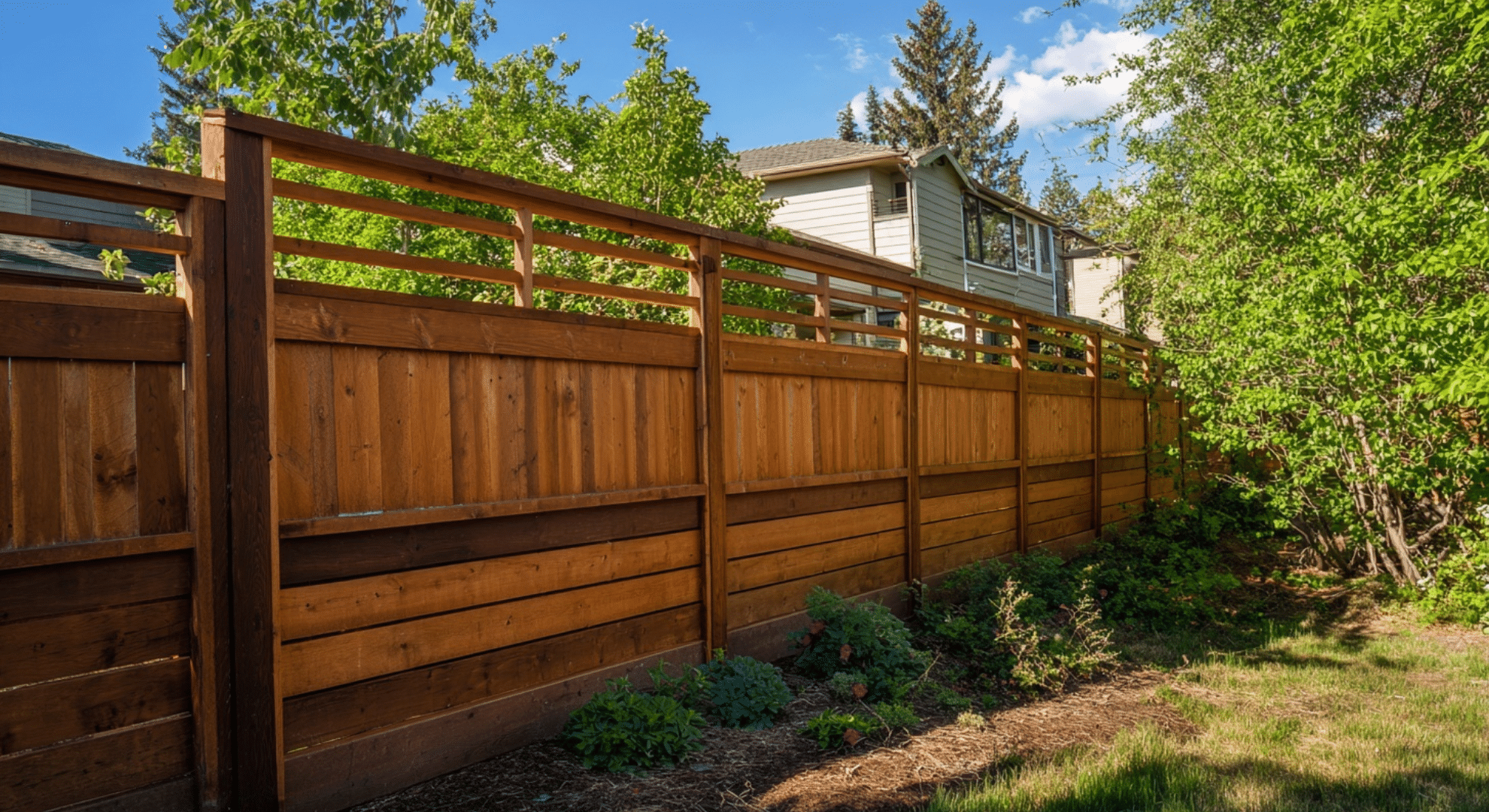
Build the lower half of the fence with solid boards and leave the upper section open with spaced slats or decorative panels.
This design creates privacy where it matters most while reducing the amount of wood required for the project. The open-top section allows more sunlight and airflow, making the yard feel less enclosed.
I believe it is a great choice for front yards, pathways, or areas near sidewalks where you want separation without completely blocking the view.
12. Raised Planter Fence Wall
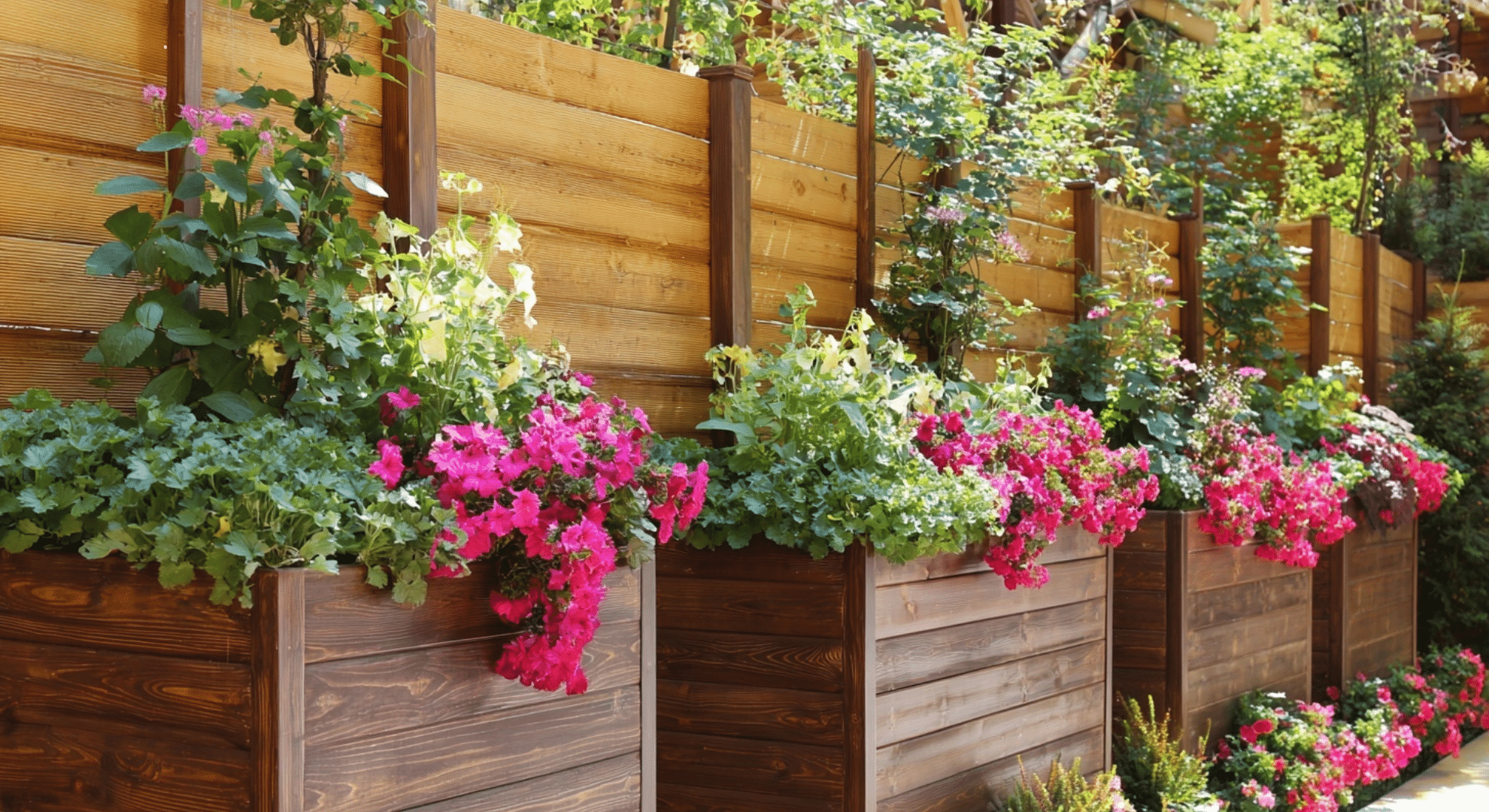
Combine raised planter boxes with tall fence boards to create a functional privacy wall that also adds greenery to your outdoor space.
The solid fence section provides coverage, while plants add height, texture, and a softer appearance. This design works especially well for patios, balconies, and small backyards where space is limited.
Building the planter boxes in layers, the same way you would for a raised-bed soil method, gives roots more depth without taking up extra yard space.
13. Fence Using Livestock Panels and Wood
Frame strong metal livestock panels with wooden posts and rails to create a durable and affordable fencing solution.
This design is easy to assemble and provides excellent strength, making it suitable for larger yards, gardens, and areas that need reliable boundaries.
The open metal pattern allows airflow while still creating a defined space. For added privacy, you can grow climbing vines or attach plants that gradually cover the panels.
14. Zig-Zag Fence Layout
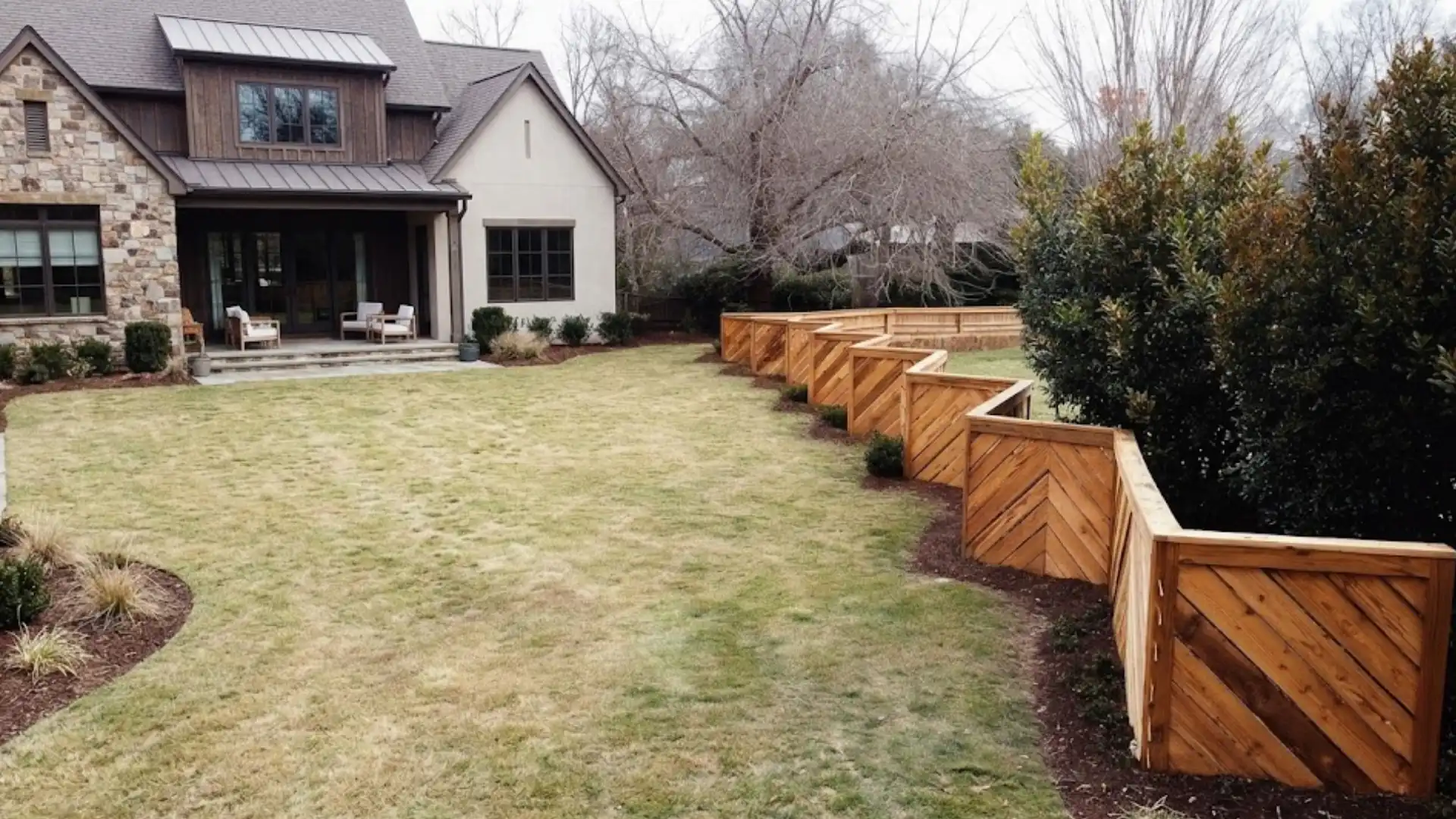
Install fence panels in a zigzag pattern rather than in a straight line to create a unique privacy solution. The angled layout reduces direct sightlines, helping block views without requiring an extremely tall fence.
This design can also improve stability by creating additional structural support compared to flat panels. However, a zig-zag fence adds architectural interest to your yard and can make a simple project look more customized.
It works well for gardens, side yards, and outdoor seating areas where you want extra privacy while keeping material costs reasonable.
15. Removable Privacy Fence Sections
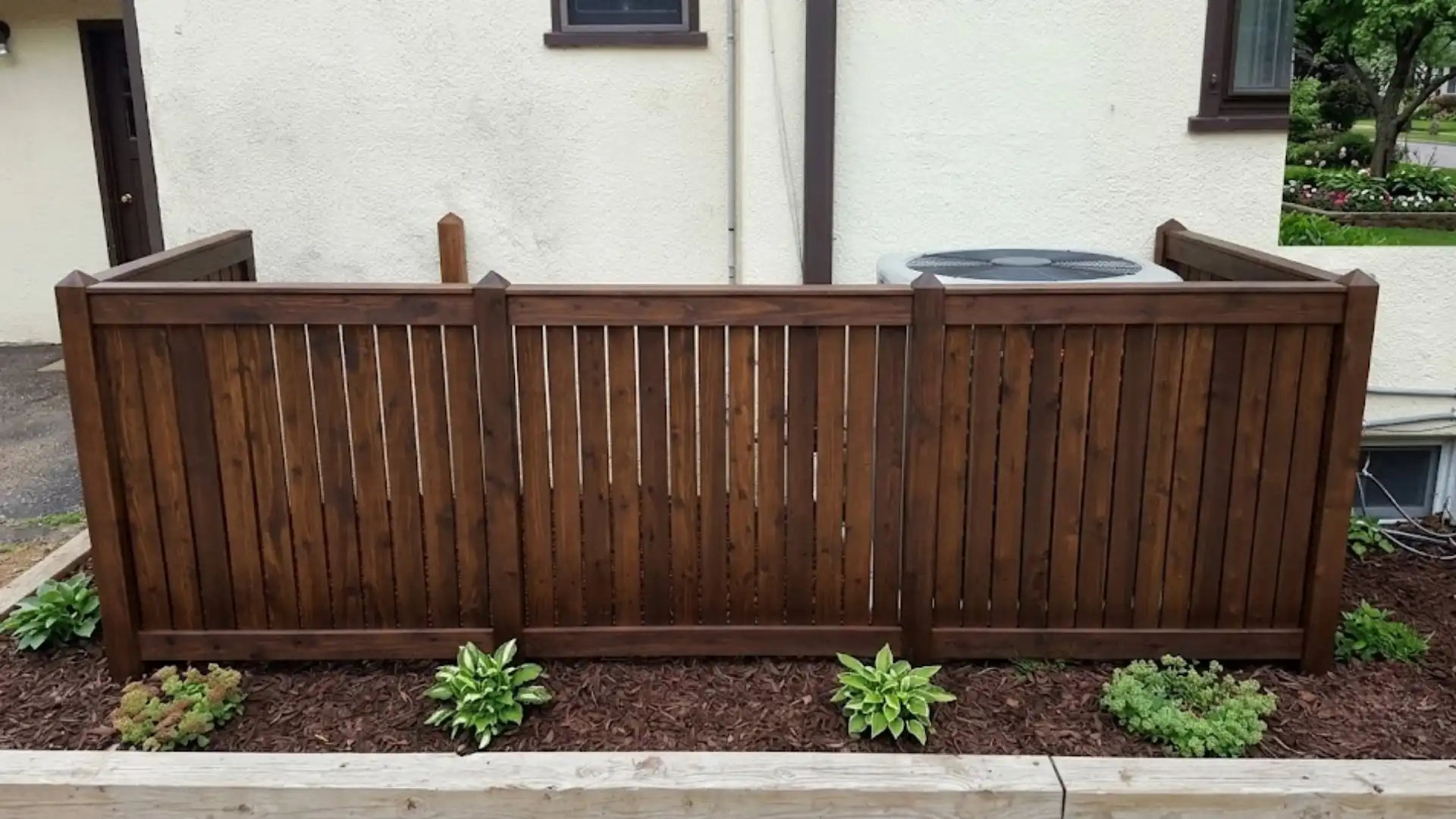
Build fence panels that can be lifted out, detached, or unbolted whenever you need to change your outdoor layout.
These DIY fence ideas are ideal for renters, temporary spaces, or homeowners who may want to adjust their yard setup later.
Removable sections provide the same privacy benefits as permanent fences while avoiding major ground work or complicated installation.
They can be used around patios, decks, gardens, or event spaces where privacy is only needed at certain times.
How Much Does DIY Fencing Really Cost?
Before starting, it’s smart to know what you’re getting into. Costs can vary based on the materials you choose and the size of your yard.
Here’s a simple breakdown to help you plan:
| Fence Type | Material Cost (per foot) | Tools Needed | Total DIY Cost (Approx.) |
|---|---|---|---|
| Basic Wood Fence | $3 – $7 | Saw, drill, screws | $400 – $1,200 |
| Corrugated Metal + Wood Frame | $6 – $12 | Saw, drill, metal snips | $600 – $1,500 |
| Bamboo Roll Fence | $4 – $8 | Staple gun, posts | $300 – $800 |
| Rope and Post Fence | $2 – $5 | Drill, rope, level | $150 – $500 |
| Concrete Block + Wood Posts | $5 – $10 | Level, mallet, post caps | $500 – $1,200 |
| Reclaimed Doors Fence | $1 – $4 (used doors) | Hinges, drill, screws | $100 – $400 |
Prices can go up or down depending on what you already have at home.
Usually, current lumber and hardware prices can vary in every region, so treat them as a starting estimate and check a local supplier before you budget the full project.
Common DIY Fence Mistakes That Cost More Later
It’s easy to rush into building a fence without thinking through the details. But small mistakes now can lead to big problems and costs later.
Watch out for these common slip-ups:
- Skipping the property line check: Confirm boundaries first to avoid disputes, removal costs, or legal complications later.
- Ignoring local rules or permits: Check applicable regulations to avoid fines, redesign requirements, or forced changes after installation.
- Using untreated wood: Untreated boards absorb moisture quickly, leading to rot, warping, and expensive replacements.
- Not setting posts deep enough: Shallow posts become unstable and may lean, loosen, or collapse over time.
- Forgetting to seal or stain the wood: Protective finishes prevent weather damage and extend the fence’s lifespan.
- Spacing boards too far apart: Wide gaps reduce privacy and can make the fence appear poorly constructed.
- Not planning for gates: Adding gates later requires extra work, adjustments, and higher installation expenses.
Take your time, measure twice, and think ahead because it’ll save you money and stress down the road.
Conclusion
DIY fence ideas give you the freedom to improve your outdoor space while staying within your budget and personal style.
If you want more privacy, a safer area for pets, a garden boundary, or simply a fresh backyard upgrade, there are plenty of fence ideas to match your needs.
I always believe the best results come from choosing the right materials, planning carefully, and selecting a design that fits your skill level.
Even a simple fence can make a noticeable difference in how your yard looks and feels.
Have you built a DIY fence before? Share your experience and tips in the comments below.
Frequently Asked Questions
How Long Does it Take to Build a DIY Fence?
The time depends on the fence size, material, and experience level. Small projects may take a weekend, while larger fences can take several days.
Can a DIY Fence Increase My Home’s Value?
A well-built DIY fence can enhance curb appeal, privacy, and outdoor functionality, potentially making your property more attractive to potential buyers.
What Tools Do I Need for a Basic DIY Fence Project?
Common tools include a measuring tape, a level, a drill, a saw, a shovel, a hammer, and safety equipment. The exact tools depend on the fence design.
Can I Build a DIY Fence on Uneven Ground?
Yes, but uneven yards require careful planning. Stepped panels or adjusted post heights can help create a strong and balanced fence.