Many homeowners need chimney repair, especially after living in their residences for many years. However, most don’t know how to troubleshoot related problems, or they may have noticed some strange characteristics and don’t know what they signify. They may also wonder if their chimney issues could cause structural instability or safety risks.
Learning the signs that it’s time to schedule a chimney repair can empower homeowners. Fireplace experts, such as those at Brick + Ember Outfitters, are best positioned to suggest the appropriate way forward for households that have identified problems.
Top Signs a Chimney Needs Repair
Knowing about some of the most common problems and their symptoms is an excellent starting point. Those affected will then have an idea of how to proceed before contacting professionals to address the matter.
Mortar-Related Issues
A masonry chimney can last up to 50 to 100 years when properly maintained. However, harsh weather, general wear and tear, and prolonged exposure to moisture can necessitate mortar repairs.
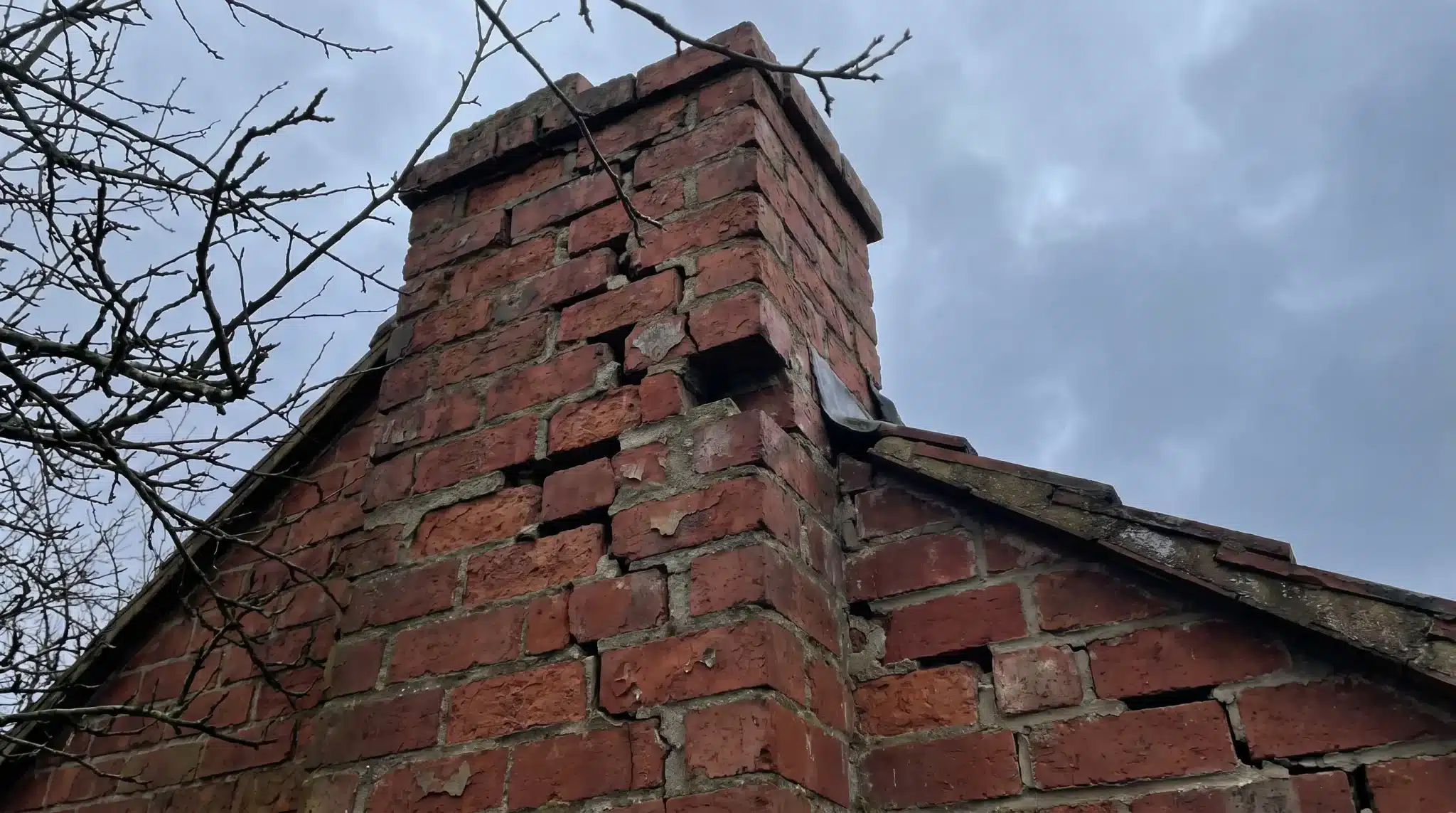
Homeowners may notice telltale signs, such as cracks, gaps, flaking and peeling, in the material between each brick. In those cases, they should schedule professional tuckpointing, the process of removing damaged mortar and replacing it with new material. The job typically costs $1,500 on average, varying based on home type, local labor costs and other characteristics.
Leaning or Tilting
When the home’s chimney appears to lean or tilt, that’s a sign to seek repair services. This issue suggests issues with the chimney itself or the footing beneath it. Regardless, this matter needs prompt assessment, particularly because the chimney could come through the roof if left unaddressed. This possibility is more likely during strong winds or violent storms.
If leaning or tilting occurs in a new chimney, it likely indicates an installation error, so homeowners should report the problem to the company that handled the job. They may then need to gather documentation to file a warranty claim.
Rusty Streaks
Homeowners may also notice that the chimney appears to have a rust problem and assume the bricks are the issue, as they are the primary material. However, the culprits are the metal accessories, such as the cap, flue liner or flashing.
Many newer chimneys feature materials that are less prone to rusting or have protective coatings, but this is still an issue for older installations. This problem requires urgent attention because it can cost thousands of dollars if ignored. Although it is sometimes possible to clean the rusted parts, they may also need to be replaced. A professional can advise homeowners on the best course of action.
Chimney Sparks
The sight of sparks coming from a chimney alarms most homeowners and may prompt them to call the fire department. If someone sees only a single spark, it’s likely from a stray ember that has flown out and isn’t typically a problem. However, more frequent sparking needs professional evaluation because it could cause house fires. Those blazes may then cause tile chimney liners to expand until they crack, which can happen in just minutes.
The flames can then rapidly spread to other areas of the house. Professionals from Brick + Ember Outfitters advise homeowners that “Dirty chimneys are the leading cause of contained fires.” Whenever homeowners use their fireplace, this activity causes a natural buildup of a highly corrosive substance called creosote. It is a flammable material, and the best way to prevent accumulation is to have chimneys inspected and cleaned annually. Experts can then determine whether any other issues require chimney repair.
Spalling
Spalling is a brick-related chimney issue characterized by the surface flaking, chipping or breaking apart. Affected bricks can also appear to have a rough texture, especially if portions have come off and exposed the internal, porous layers. If the chimney has crumbling areas, that is a top sign of spalling.
Professionals should investigate the problem further, especially because it adversely affects structural integrity. They can also advise on preventive measures. Moisture is one of the top causes of spalling, especially when water gets trapped inside the bricks and then freezes. These conditions trigger pressure-related changes that cause deterioration.
Water Entering the Chimney
A chimney’s crown and cap are the two primary components that let harmful gases escape but prevent water from entering the home. A suspected leak indicates component failure. While the crown directs water onto the roof so it can flow down without damaging the chimney, the cap goes on top of the flue or over the crown. It keeps moisture out of the home, and some chimneys also have mesh screens to prevent small animals and debris from entering.
The experts at Brick + Ember Outfitters state that “moisture can cause significant damage to the structure. In addition, you risk weakening the walls and ceiling around your fireplace.” Moisture accumulation can even occur when chimney caps are installed, especially if the current type is the wrong size. Periodic chimney inspections and cleanings are important preventive measures that can detect water-related issues before homeowners notice moisture inside. Catching the problem early is one of the best ways to reduce the likelihood of costly issues.
Smoke and Strong Smells During Fireplace Usage
Many homeowners love their fireplaces and look forward to the relaxing experience of sitting in front of the crackling flames to stay warm on winter evenings. However, lighting a fire can become unpleasant if the flue is blocked or damaged. The flue is the channel that moves exhaust gases to the outdoors. Dead animals, nesting materials and tree debris are among the many things that can obstruct a chimney flue.
Damage to the flue lining can allow heat and gases to seep into the home, leading to bad smells and posing a fire hazard. Visible cracks or gaps in the flue lining are among the most obvious signs that it needs to be replaced. Stains from rust or water, accompanied by a musty smell, are also indicators that water has come through the flue lining.
A Homeowner’s Chimney Inspection Checklist
Homeowners won’t necessarily notice the most significant signs of chimney problems. Getting into the habit of regularly inspecting their chimneys helps them spot issues early and seek professional help before the situation worsens. Fire safety experts recommend that homeowners clean and inspect their chimneys before winter since they generally use their fireplaces most during that season.
- Examine the chimney from the ground up while outside
- Look for masonry cracks and gaps
- Check for missing or loose bricks
- Scrutinize the condition of the mortar
- Inspect the chimney crown for cracks
- Ensure that the chimney cap is present and in good condition
- Go inside and look for abnormalities in the bricks
- Verify there are no dark stains or other evidence of water damage
- Confirm that the chimney shows no signs of rust or deterioration
Addressing Issues That Potentially Require Chimney Repair
Once homeowners have determined they are dealing with an issue that may require chimney repair, they often wonder about how the issue might affect the household’s safety, especially if the matter creates fire hazards or structural risks. Because homes are such significant investments, occupants must prevent future damage and address damage that has already occurred.
Homeowners also want reputable advice about the cost and urgency of potential repairs, especially if they have noticed cracks or if moisture from the chimney issue has affected other parts of the home.
Chimney inspections feel infeasible for many who own their homes, especially if they don’t know what to look for or are unsure about whether their chimney is safe. Those who have identified some potential issues may worry about whether they could escalate, leading to leaks, structural collapse or fire hazards. Hiring professionals to perform checks or repairs gives homeowners peace of mind and helps them plan how and when to address identified issues.
Frequently Asked Questions
Once homeowners have determined they need chimney repairs, some common questions often arise.
How Much Does Chimney Repair Cost?
It varies due to factors such as the scope and urgency of the problem. However, many chimney experts provide free estimates after assessing the situation.
Does Insurance Cover Chimney Repairs?
Homeowners should check the details of their specific policies to see whether they can make insurance claims for chimney repairs. Insurers are generally more likely to cover damage caused by sudden and unexpected events.
Who Are the Best Chimney Repair Contractors in the Area?
Homeowners can learn about the top-rated options by searching online and asking people they trust for recommendations. If a provider guarantees its work, that’s a good sign the company cares about satisfying customers while attracting repeat business and referrals.
Professional Advice Makes Chimney Repairs Manageable
Learning about potential chimney issues can make many homeowners uneasy, especially as they begin to wonder about the costs and whether the problems may pose fire hazards or make their homes structurally unsafe. Getting professional guidance about suspected or known problems is the best way forward to resolve the matters safely, efficiently and effectively. Experts may also advise on how to prevent future repairs or what homeowners should look out for when using their chimneys and fireplaces.